## Overview
San Clemente High School is a Catholic, co-educational secondary school serving families in Mayfield, NSW. The school emphasises faith-based education, community involvement, and academic learning within a supportive environment. It aims to nurture students’ character, resilience, and leadership while fostering a strong sense of belonging.
The school is medium-sized with class sizes designed to support individual attention. The culture is nurturing and inclusive, balancing academic rigour with opportunities for service, creativity, and personal growth.
⸻
## Academics & Learning
- Academic strengths: English/Literacy, Mathematics/STEM, Science, Religious Education, and leadership development; a focus on well-rounded learning that supports critical thinking and real-world application. Languages and humanities are also valued components of the curriculum.
- Special programs: Gifted and Talented extension opportunities; accelerated learning options where available. IB is not universally offered across NSW Catholic schools; check current offerings with the school.
- NAPLAN trends: Steady year-on-year improvements in literacy and numeracy with results typically around or above the state average, reflecting a growing emphasis on foundational skills and student support.
- Student-teacher ratios: Generally in the range of 1:15 to 1:22, enabling more targeted instruction and feedback.
- Support for diverse learners: EAL (English as an Additional Language) support where needed; dedicated learning support and accommodations for students with diverse learning needs (SEN).
⸻
## Sports & Extracurricular Strengths
- Sports offered: Rugby league/union, soccer, cricket, basketball, netball, athletics, cross-country, and swimming (programs vary by year and season).
- Strong teams or achievements: Active participation across district and local competitions; opportunities to compete in representative-level events and school finals through inter-school programs.
- Music, arts, drama programs: School choirs and ensembles, drama productions, and regular arts showcases to develop performance and creativity.
- Clubs: Robotics, chess, coding, debating, and other interest-based groups to encourage problem-solving and teamwork.
- Partnerships: Connections with local clubs, ICAS-style competitions, debating leagues, and regional arts and sporting events that broaden exposure and opportunities.
⸻
## Wellbeing & Pastoral Care
- Anti-bullying approach: Proactive anti-bullying programs and clear codes of conduct; emphasis on respectful behaviour, inclusion, and peer support.
- House system: House-based activities and competitions to promote belonging, leadership, and community involvement.
- Counsellors / wellbeing officers: Access to school counsellors and wellbeing staff for personal, social, and academic support.
- Transition support for new students: Orientation programs, buddy systems, and ongoing pastoral care to ease transitions and build connections within the school community.
⸻
## Facilities
- Sports grounds: On-site outdoor playing fields and courts for a range of team sports.
- Libraries: School library with study spaces and resources to support learning.
- Science labs: Equipped laboratories for hands-on science experiments and investigations.
- Music/performing arts centers: Space for practice, rehearsals, and performances.
- Tech/innovation labs: Rooms for coding, robotics, and digital projects.
- Cafeteria: On-site canteen facilities for meals and snacks.
- Updated playgrounds: Safe, functional outdoor spaces for recreation and break times.
⸻
## School Values & Community Culture
- School values / mission: A faith-centred mission that emphasises service, integrity, respect, and academic excellence within a supportive community.
- Leadership style: Inclusive leadership with student voice through student council or leadership opportunities; emphasis on collaboration between staff, students, and families.
- Behaviour expectations: Clear behavioural standards aligned with school values; emphasis on respect, responsibility, and community-minded conduct.
- Community reputation: Positive standing within the local Catholic education network and wider school community, prioritising inclusivity, service, and student growth.
- Diversity & inclusion: Commitment to welcoming students from diverse backgrounds and providing support to enable equitable participation.
⸻
## School Logistics & Daily Operations
- School hours: Typical daytime schedule with start and finish times aligned to NSW secondary school norms; routines include homeroom or period-based timetables.
- Before/after school care: Availability of supervision or care options may exist; confirm current provisions with the school.
- Uniform requirements: Standard school uniform with any house or program-specific items; details published by the school.
- Transport (train/bus routes): Local public transport options and school travel guidance; check school transport information for current routes and timetables.
- Canteen availability: On-site canteen or lunch facilities offering meals and snacks.
- Fees (low/medium/high ranges): School fees typically fall within the mid-to-mid/high range for NSW Catholic high schools; exact figures and any subsidies or levies should be verified with the admissions team.
⸻
## Enrolment & Admissions
11. What is the enrolment process and timeline?
- Submit an application with required documentation, attend any school information sessions or open days, and complete any interview or submission steps as directed. The timeline varies by year and intake, with offers typically made after the school review process and in line with the admissions calendar.
12. Is there a waiting list, and how does it work?
- Many Catholic schools maintain waiting lists when spaces are limited. Applications may be placed on a waitlist after the initial intake period, with placement offered when a position becomes available, subject to space and eligibility criteria.
13. Are there any entry requirements, tests, or interviews?
- Entry requirements can include documentation (birth certificates, custody or custody-related paperwork, immunisation as applicable), and sometimes an interview or discussion about the applicant’s fit with the school's values and community. Some programs may have placement considerations, but standard selective testing is not universal.
14. Does the school accept mid-year transfers?
- Mid-year transfers are possible if space is available and all enrolment requirements are met. Prospective families should contact the admissions office as early as possible to discuss availability and the transfer process.
⸻
## Frequently Asked Questions
- Why Parents Choose This School?
- A values-based Catholic environment with a focus on academic growth, pastoral care, and a sense of community that supports students’ holistic development.
- What type of student thrives at this school?
- Students who prefer a supportive, inclusive environment with opportunities to participate in academics, faith-based activities, sports, and clubs; those who value service and character development.
- What opportunities are available for students to extend their skills (academics, sports, arts)?
- Extension and accelerated learning options, leadership development, STEM and humanities programs, robotics and coding clubs, arts ensembles, drama, and sport teams.
- How does the school communicate with parents?
- Regular updates through newsletters, parent portals, meeting evenings, and scheduled progress checks; open channels with teachers and pastoral staff.
- What is the school’s approach to teaching and learning?
- Student-centred instruction that balances core academics with faith, character education, and practical applications; emphasis on feedback and growth.
- How does the school support students who need extra academic help?
- Targeted learning support, EAL assistance where needed, and accommodations for diverse learning needs; referral pathways to tutoring or additional resources.
- What support is available for academic challenges?
- Access to counsellors, learning support staff, and collaboration between families and teachers to tailor plans and monitor progress.
- How does the school communicate with parents? (Yes, included again)
- See above: regular updates via multiple channels and proactive engagement from staff.
- What are the class sizes and how much individual attention do students receive?
- Typical class sizes are designed to allow meaningful instruction and teacher feedback, with a student-teacher ratio commonly in the range of 1:15 to 1:22.
- What extracurricular and sports opportunities are available?
- A range of sports (team and individual), music ensembles, drama, robotics, coding, chess, debating, and other clubs; opportunities to compete in local and regional events.
- What facilities does the school offer (sports, science, arts)?
- Sports grounds, libraries, science labs, music/performing arts spaces, tech/innovation labs, canteen, and updated outdoor spaces.
- What is the school’s approach to technology and digital learning?
- Integration of digital tools to support learning, with appropriate safeguarding and progressive use of technology in classrooms and labs.
- What transport and accessibility options are available?
- Access to local transport options and guidance on travel routes; information on accessibility and campus facilities.
- What are the typical school fees or additional costs?
- Fees align with NSW Catholic secondary school norms; exact amounts and any additional costs are provided by the admissions team.
⸻
## Short Pros & Cons list
- Pros
- Catholic, values-driven environment with strong pastoral care
- Medium-sized setting with opportunities for leadership and involvement
- Balanced focus on academics, faith, and community service
- Wide range of extracurriculars and clubs
- Support for diverse learners and transition support for new students
- Cons
- Fees apply and may be higher than public options
- Space and waitlists can affect enrolment timelines
- IB may not be offered at all times; confirm current programs and pathways
- Transport and travel depend on local routes and may require planning
⸻






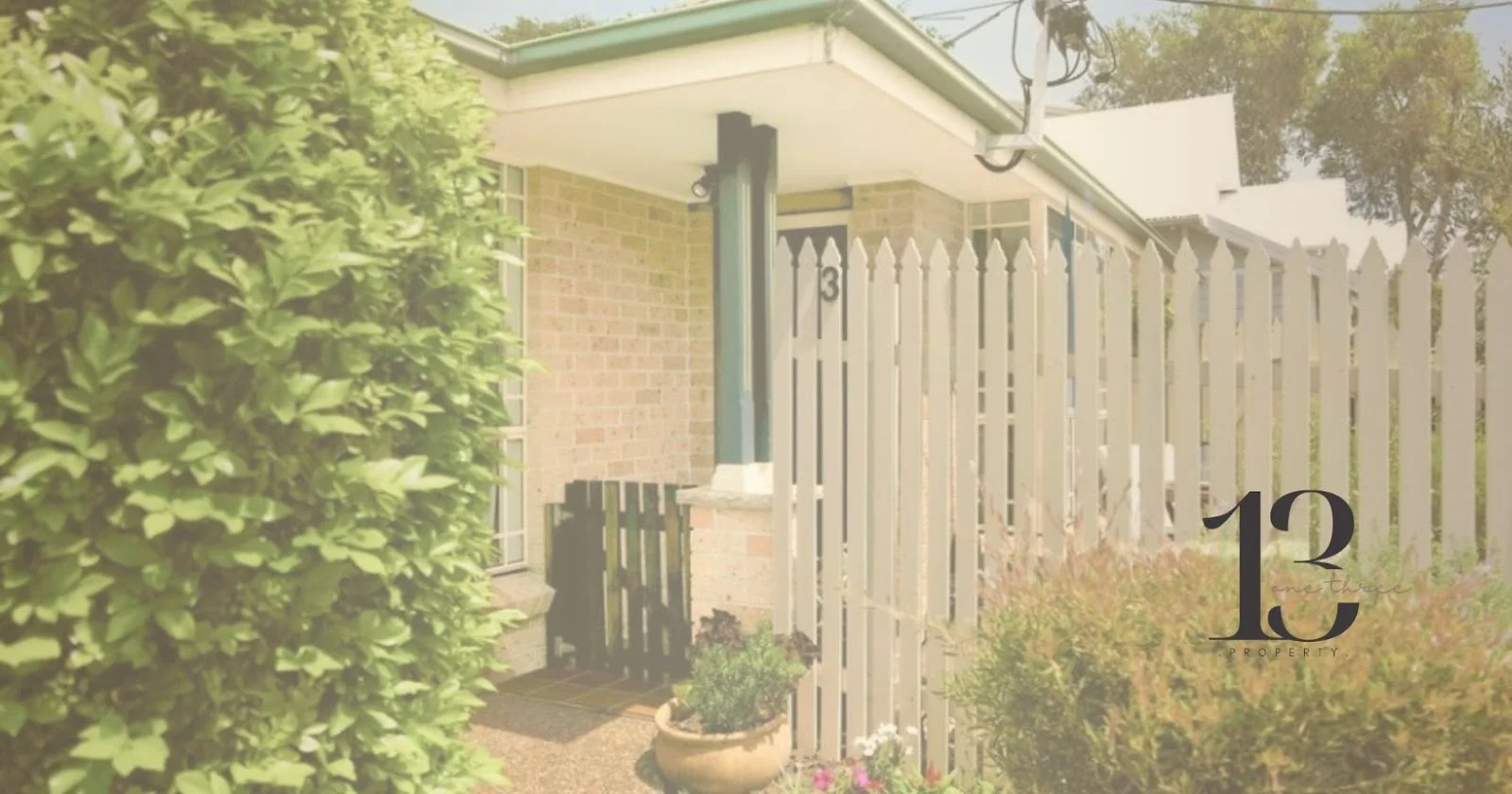 $795,000
Townhouse
$795,000
Townhouse
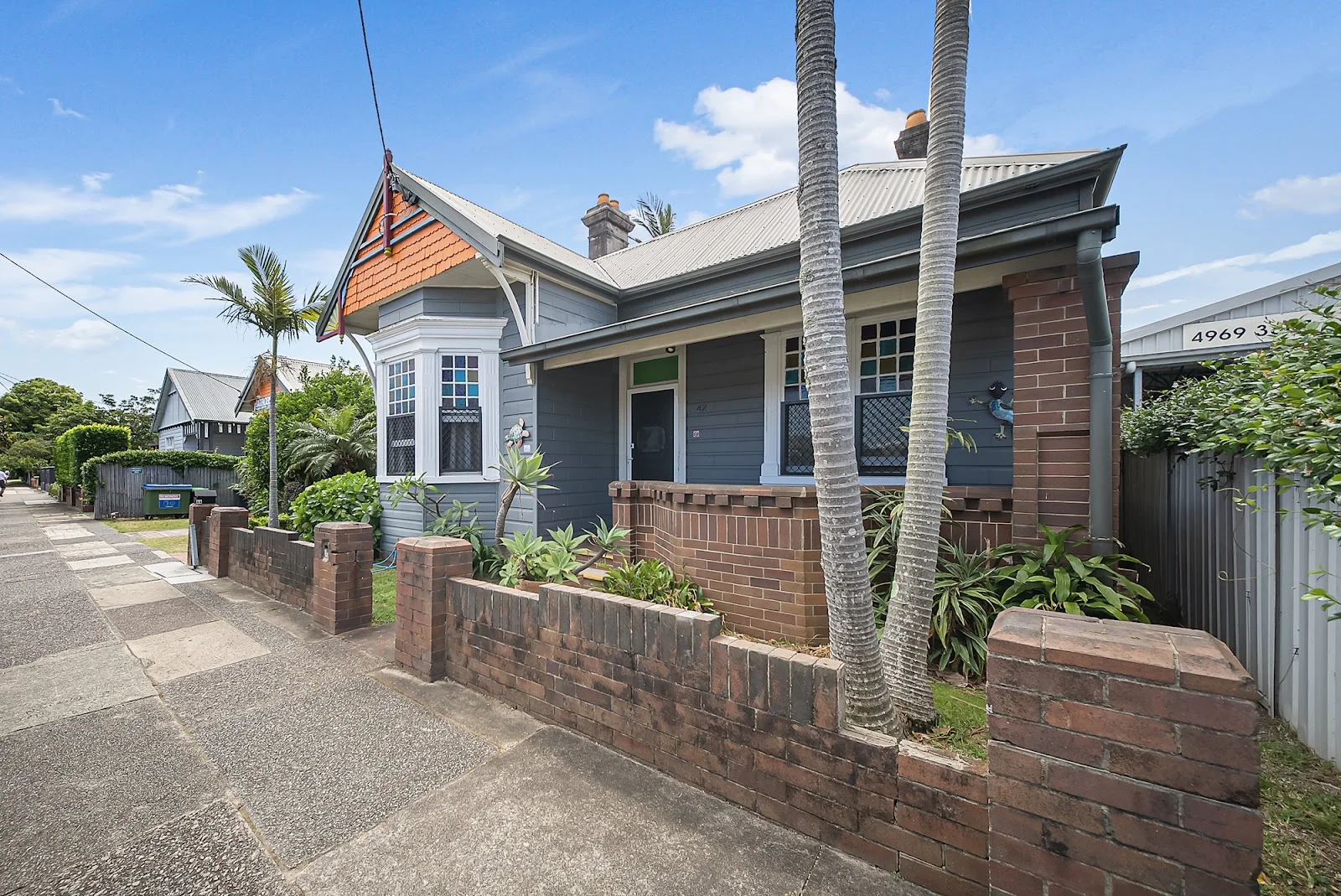 $2,000,000
propertyType.BLOCK OF UNITS
$2,000,000
propertyType.BLOCK OF UNITS
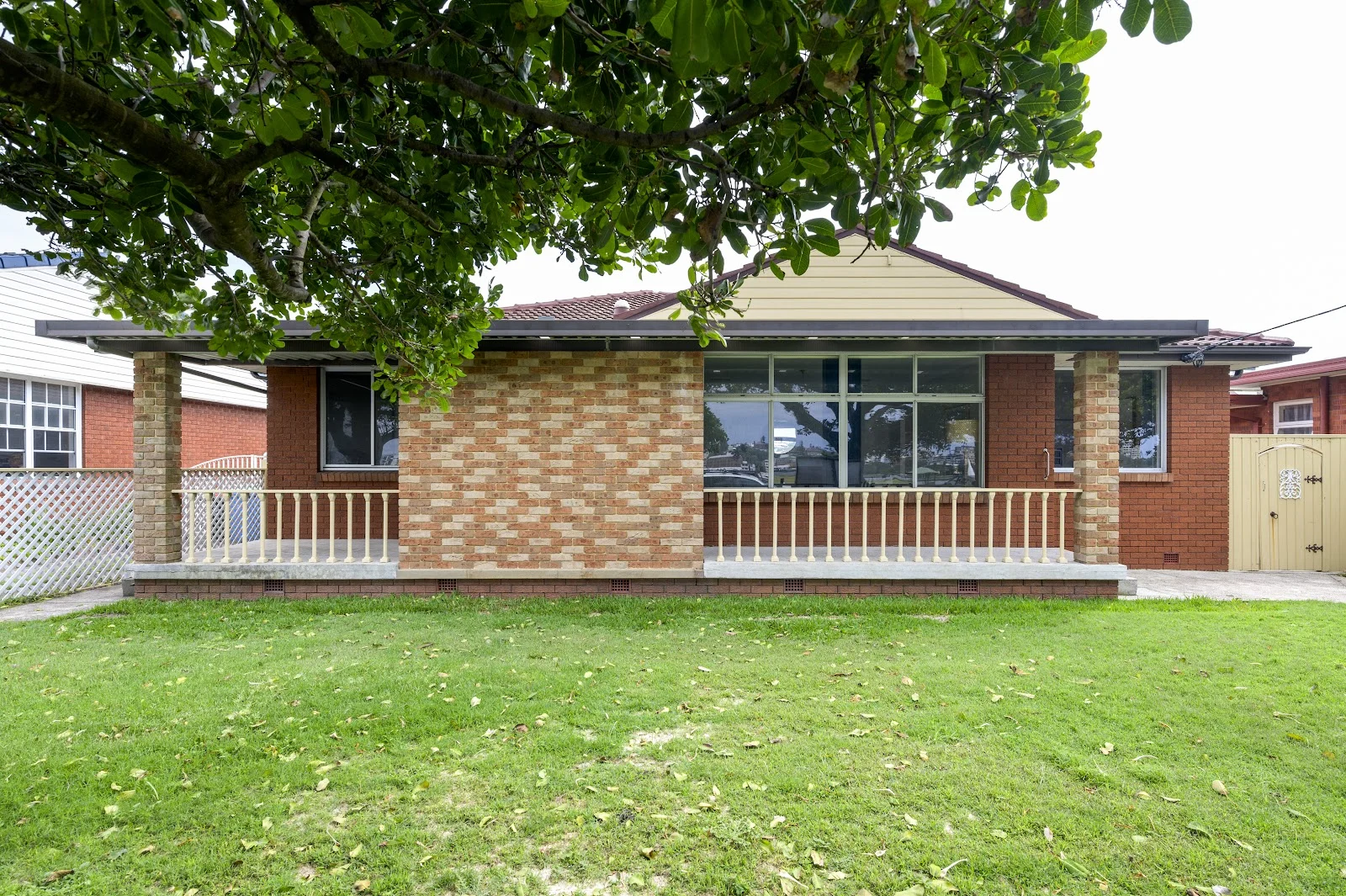 $2,500,000
House
$2,500,000
House
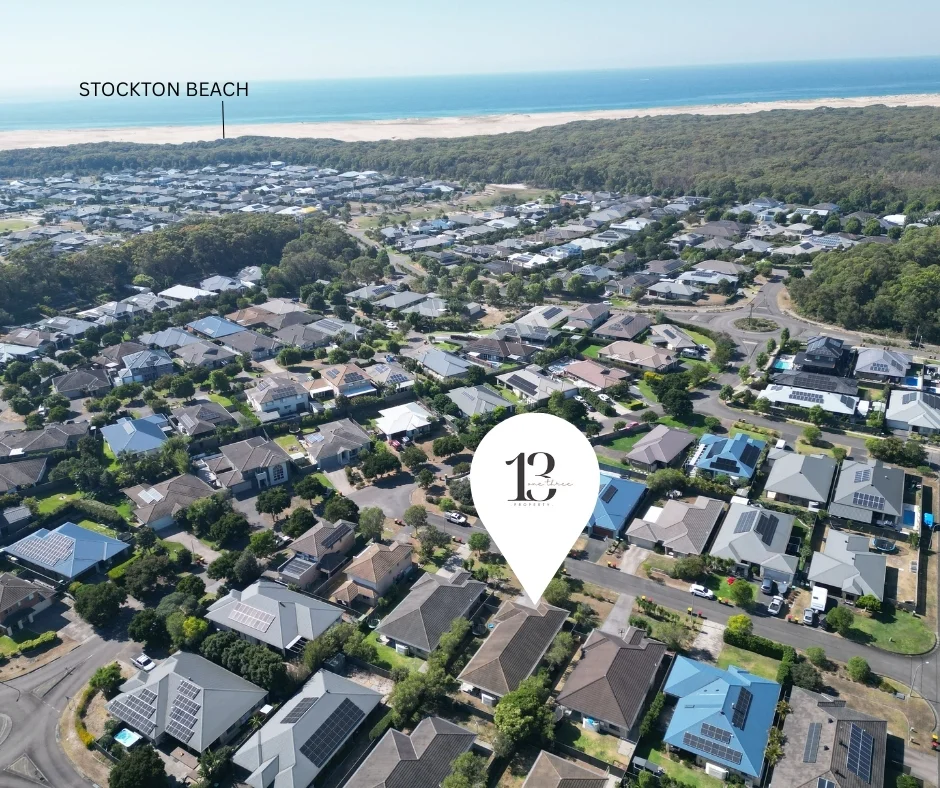 $900,000 - $990,000
House
$900,000 - $990,000
House


