Overview
## 1. Overview
St Bernadette's Primary School is a Catholic, co-educational primary school serving families in The Basin, VIC. The school offers a small-to-medium community feel that supports close teacher–student relationships and strong home–school partnerships. The environment is designed to be nurturing and inclusive, with a focus on values-based education and academic growth.
- School type: Catholic
- School size: Small to medium
- Class size: Approximately 20–25 students per class
- Atmosphere/culture: Nurturing, inclusive, values-driven
---
## 2. Academics & Learning
St Bernadette's focuses on delivering solid foundational learning across literacy and numeracy, with opportunities to explore STEM, languages, and leadership skills. The school emphasises critical thinking, digital literacy, and real-world problem solving within a faith-based context.
- Academic strengths: Literacy and numeracy foundations, STEM awareness, leadership development, and ICT/digital literacy
- Special programs: Catholic formation and values programs; potential gifted/t gifted-and-talented extensions through school or system-wide initiatives
- NAPLAN / Ofsted trends: Ongoing tracking of student progress with focus on year-to-year improvements and targeted support where needed
- Student-teacher ratios: Class sizes around 20–25; supportive teacher-to-student ratios for individualized attention
- Support for diverse learners: EAL/D support and learning support programs; inclusive practices to assist students with additional needs
---
## 3. Sports & Extracurricular Strengths
This school supports a broad range of activities to suit different interests, with a focus on participation, teamwork, and skill development.
- Sports offered: Soccer, netball, AFL-style activities, basketball, athletics; other seasonal sports as part of inter-school programs
- Strong teams or achievements: Active participation in local and district sports competitions; opportunities to contribute to school teams
- Music, arts, drama programs: Choir, school band or music ensembles, drama productions and ensemble performances
- Clubs: Robotics, chess, coding, debating
- Partnerships: Local community clubs and inter-school competitions; involvement with regional athletics and arts events
---
## 4. Wellbeing & Pastoral Care
Wellbeing is a central pillar, with supports designed to help students feel safe, valued, and ready to learn.
- Anti-bullying approach: Whole-school policies and programs promoting respectful relationships and a positive school climate
- House system: House groups to foster belonging, teamwork, and friendly competition
- Counsellors / wellbeing officers: Access to a school wellbeing coordinator or counsellor for student support
- Transition support: Buddy programs, orientation activities, and transitional support for new students and families
---
## 5. Facilities
Facilities are designed to support a well-rounded education with spaces for learning, creativity, and physical activity.
- Sports grounds: On-site playing fields and/or courts for physical education and games
- Libraries: Central library with reading and research resources
- Science labs: Accessible science spaces for hands-on experiments
- Music/performing arts centers: Dedicated spaces for music and drama
- Tech/innovation labs: Computer or STEAM areas supporting digital learning
- Cafeteria: On-site canteen or food facilities offering healthy options
- Updated playgrounds: Safe, well-maintained outdoor play areas
---
## 6. School Values & Community Culture
The school promotes a community-first ethos grounded in Catholic values, with a focus on respectful behavior, service, and inclusion.
- School values / mission: Faith-based education with emphasis on respect, responsibility, compassion, and integrity
- Leadership style: Collaborative and student-inclusive, with opportunities for student voice
- Behaviour expectations: Clear codes of conduct aligned with school values and pastoral care approach
- Community reputation: Positive, supportive, family-friendly environment with active parent involvement
- Diversity & inclusion: Welcoming to families from a range of backgrounds, with inclusive practices
---
## 7. School Logistics & Daily Operations
Practical details help families plan around school life.
- School hours: Typical full-day schedule with morning and afternoon sessions
- Before/after school care: Available or arranged through the school’s outside-hours programs
- Uniform requirements: Standard school uniform policy applicable on school days
- Transport: Local transport options and guidance for families in the catchment area; bus/train accessibility where available
- Canteen availability: On-site canteen or snack options during the day
- Fees: Fees are in the mid-range for Catholic primary schools; specific levies and voluntary contributions vary by year level and activity
---
## 8. Enrolment & Admissions
11. What is the enrolment process and timeline?
- Start with an enquiry and collect the school’s official enrolment pack.
- Submit a completed enrolment form with required documents (birth certificate, immunization status, baptism certificate if applicable, and latest school reports if transferring).
- Attend any information sessions or open days; school may offer family interviews or conversations as part of the process.
- Applications are reviewed according to the school’s enrolment priorities, vacancy availability, and parish/catchment considerations.
- Offers are issued in line with the school’s timeline; families accept offers by a specified date to secure placement.
12. Is there a waiting list, and how does it work?
- Some year levels may have waiting lists depending on demand and vacancies.
- Priority often considers factors such as parish/catchment status, sibling enrollment, and demonstrated readiness or suitability.
- If offered a place from the waiting list, families will be advised of steps to confirm enrollment.
13. Are there any entry requirements, tests, or interviews?
- Primary enrolments generally do not require formal academic entrance tests.
- An interview or conversation with families (and possibly the student) is common to understand readiness, interests, and alignment with the school’s values.
- Documents such as immunization history statements, birth certificates, and baptism certificates (for Catholic preference) are typically requested.
14. Does the school accept mid-year transfers?
- Mid-year transfers may be possible if there is space and appropriate documentation from the current school.
- Families seeking mid-year transfer should contact the school promptly to discuss vacancies, placement, and required transfer paperwork.
---
## 9. Frequently Asked Questions
- Why Parents Choose This School?
- A welcoming Catholic community with strong values, supportive teachers, and a focus on individual growth within a caring environment.
- What type of student thrives at this school?
- Students who value a faith-based community, collaborative learning, and a balanced mix of academics, sport, arts, and service.
- What opportunities are available for students to extend their skills (academics, sports, arts)?
- Enrichment activities in literacy, numeracy, and STEM; selective or extension programs where available; sport teams, arts and drama productions, music ensembles, and coding/robotics clubs.
- How does the school communicate with parents?
- Regular newsletters, parent-teacher meetings, online portals or apps, and open channels with teachers and leadership; timely notices for events and updates.
- What is the school’s approach to teaching and learning?
- Student-centered, faith-informed learning with evidence-based approaches to literacy and numeracy, integrated across subjects, and emphasis on values and social-emotional learning.
- How does the school support students who need extra academic help?
- Targeted literacy/numeracy support, learning support staff, and differentiated instruction within classrooms; referrals to additional programs as needed.
- What support is available for academic challenges?
- Early intervention strategies, progress monitoring, and collaboration with families to create individualized learning plans.
- How does the school communicate with parents? (Note: same question appears above)
- See above: regular updates through newsletters, meetings, and digital communication platforms.
- What are the class sizes and how much individual attention do students receive?
- Typical class sizes around 20–25 students with a focus on small-group and targeted support, enabling teacher feedback and monitoring.
- What extracurricular and sports opportunities are available?
- A range of sports (e.g., soccer, netball, basketball), music and drama initiatives, and clubs such as robotics, chess, coding, and debating.
- What facilities does the school offer (sports, science, arts)?
- On-site sports facilities, library, science labs, music/performing arts spaces, and technology/computer labs.
- What is the school’s approach to technology and digital learning?
- Integrated ICT use across the curriculum, with a focus on digital literacy, safe online practices, and age-appropriate software/tools.
- What transport and accessibility options are available?
- Local transport guidance and supports; information about bus/train routes or drop-off/pick-up arrangements as applicable to the catchment area.
- What are the typical school fees or additional costs?
- Fees are in the mid-range for Catholic primary schools and may include essential levies, resource charges, and optional activities. Specifics are provided by the school each year.
---
## 10. Short Pros & Cons list
- Pros:
- Close-knit Catholic community with values-based education
- Supportive teachers and focus on individual student growth
- Balanced program across academics, sport, arts, and wellbeing
- Strong sense of belonging via house system and community events
- Accessibility to targeted support for diverse learners
- Cons:
- Limited capacity in certain year levels; some waiting lists possible
- Fees and voluntary contributions apply (typical of Catholic schools)
- Uniforms and established routines require adherence
- Transportation options may depend on catchment and availability










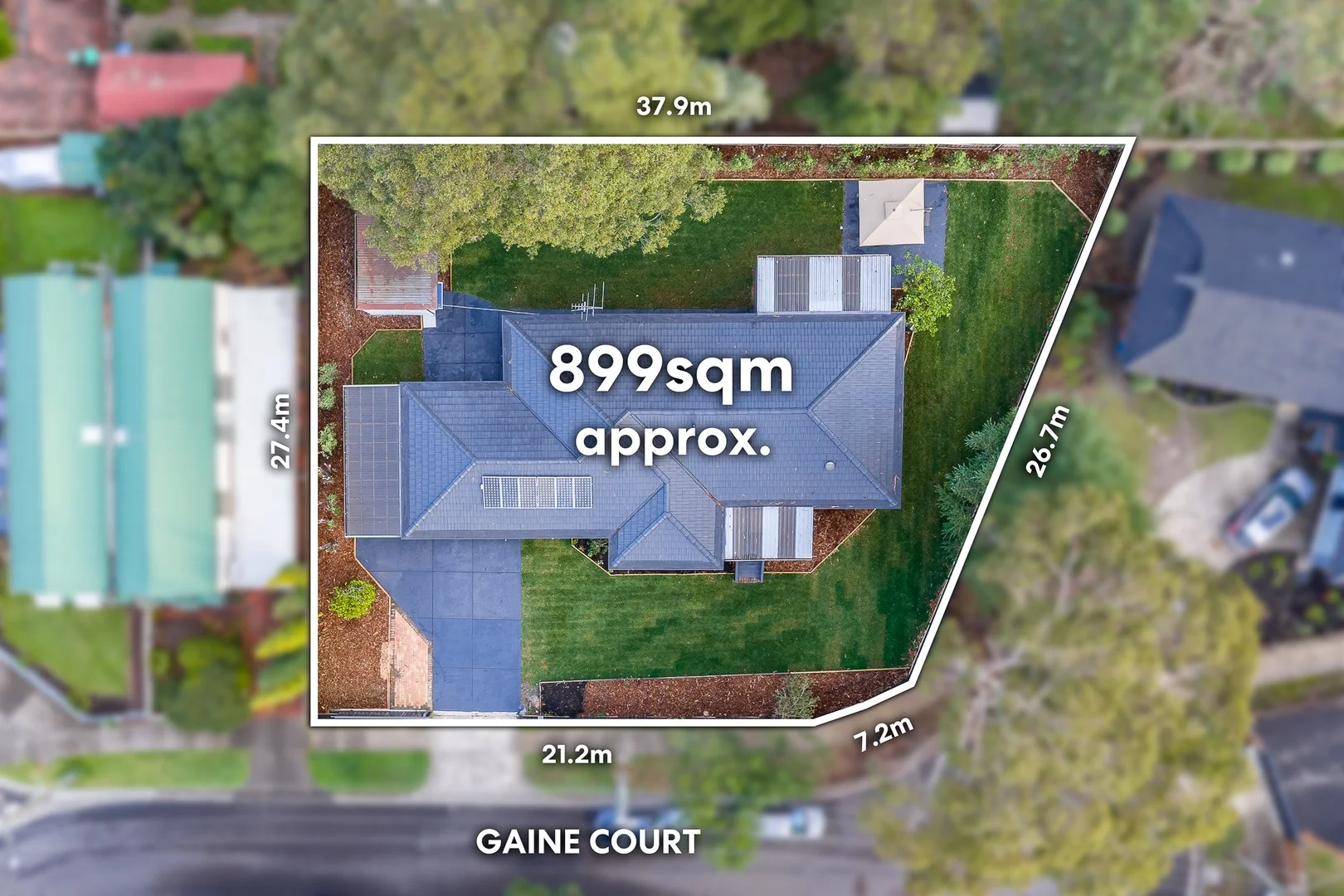 $990,000 - $1,080,000
House
$990,000 - $1,080,000
House
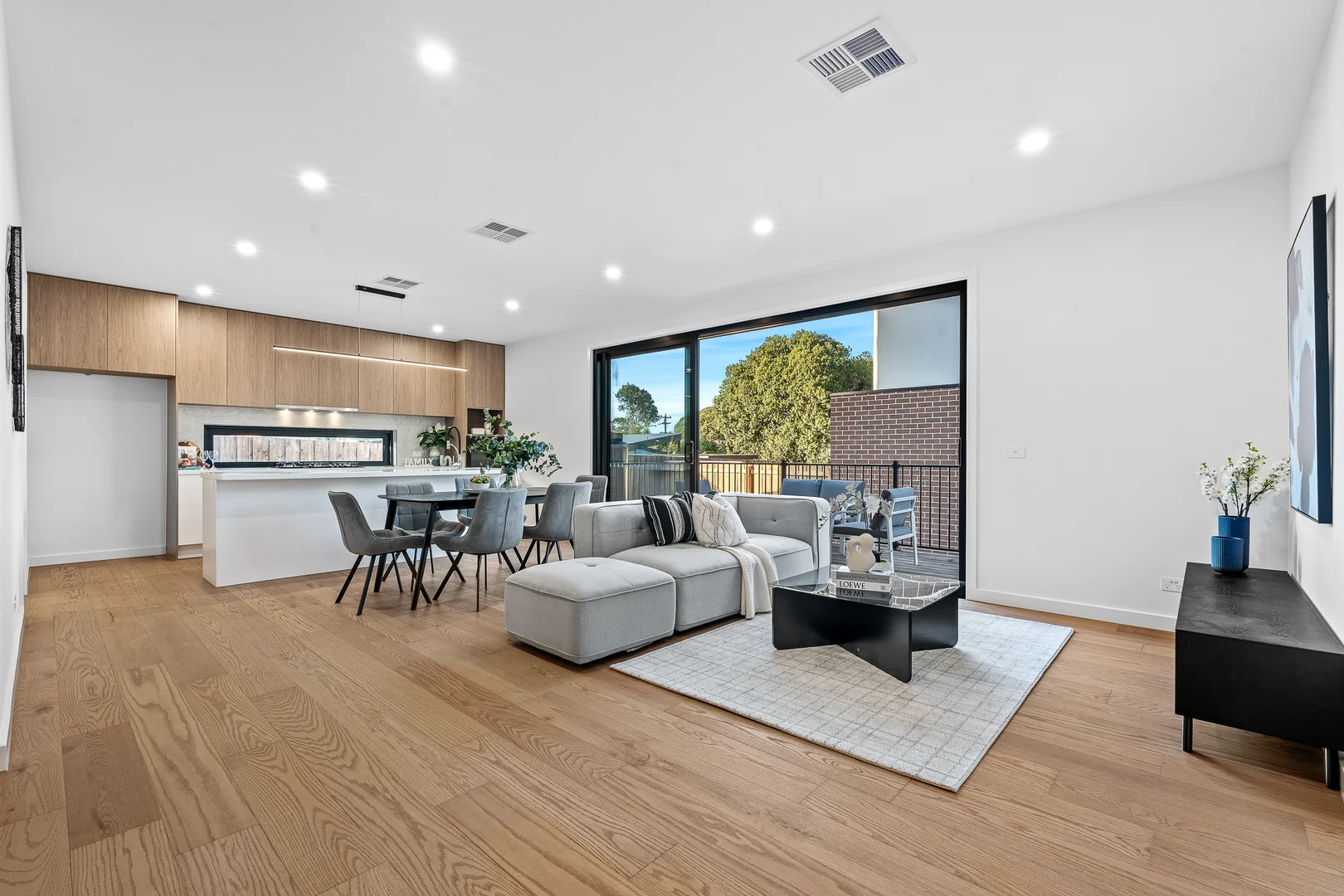 $990,000 - $1,080,000
Townhouse
$990,000 - $1,080,000
Townhouse
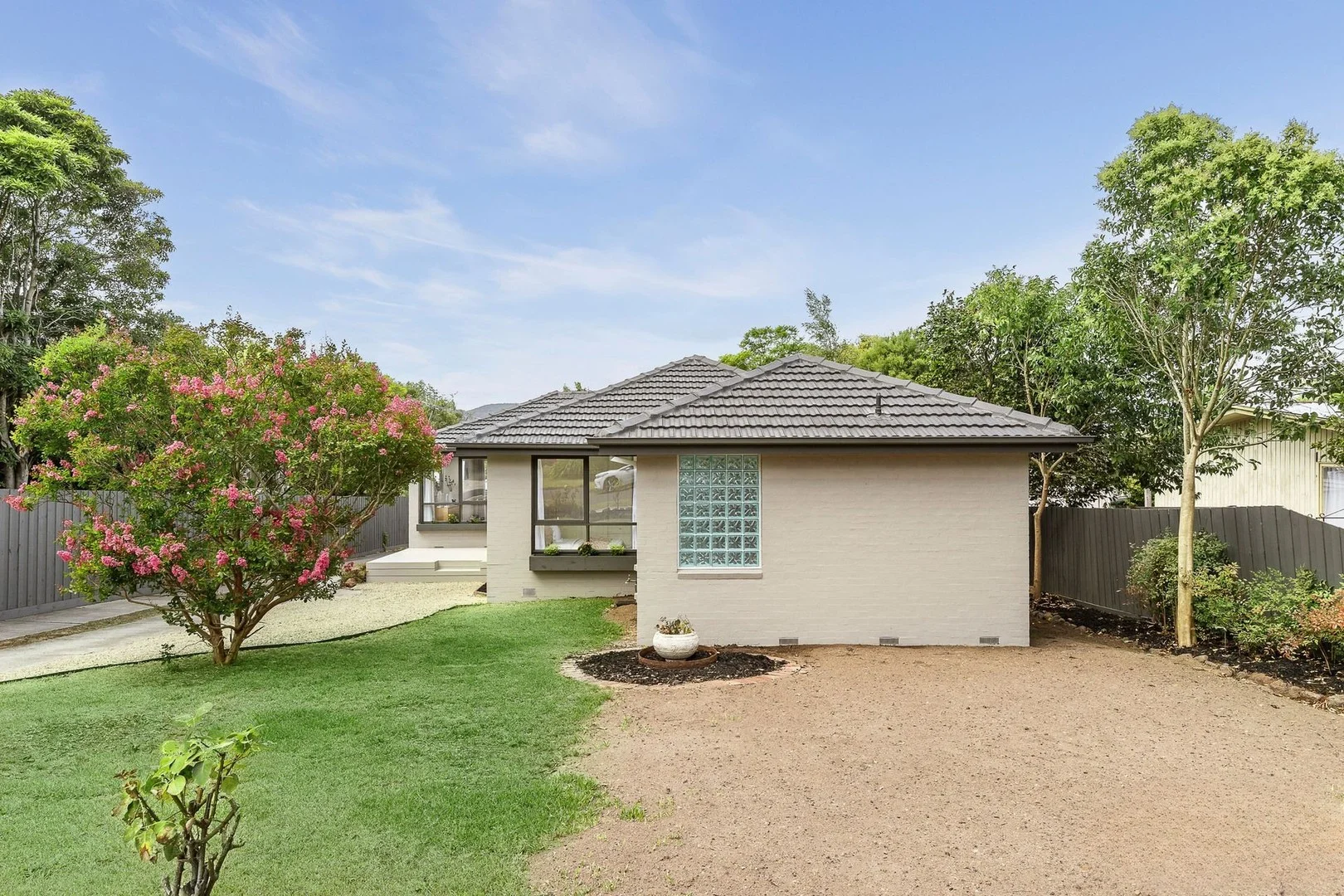 $700
Apartment / Unit / Flat
$700
Apartment / Unit / Flat
 $1,300,000
House
$1,300,000
House
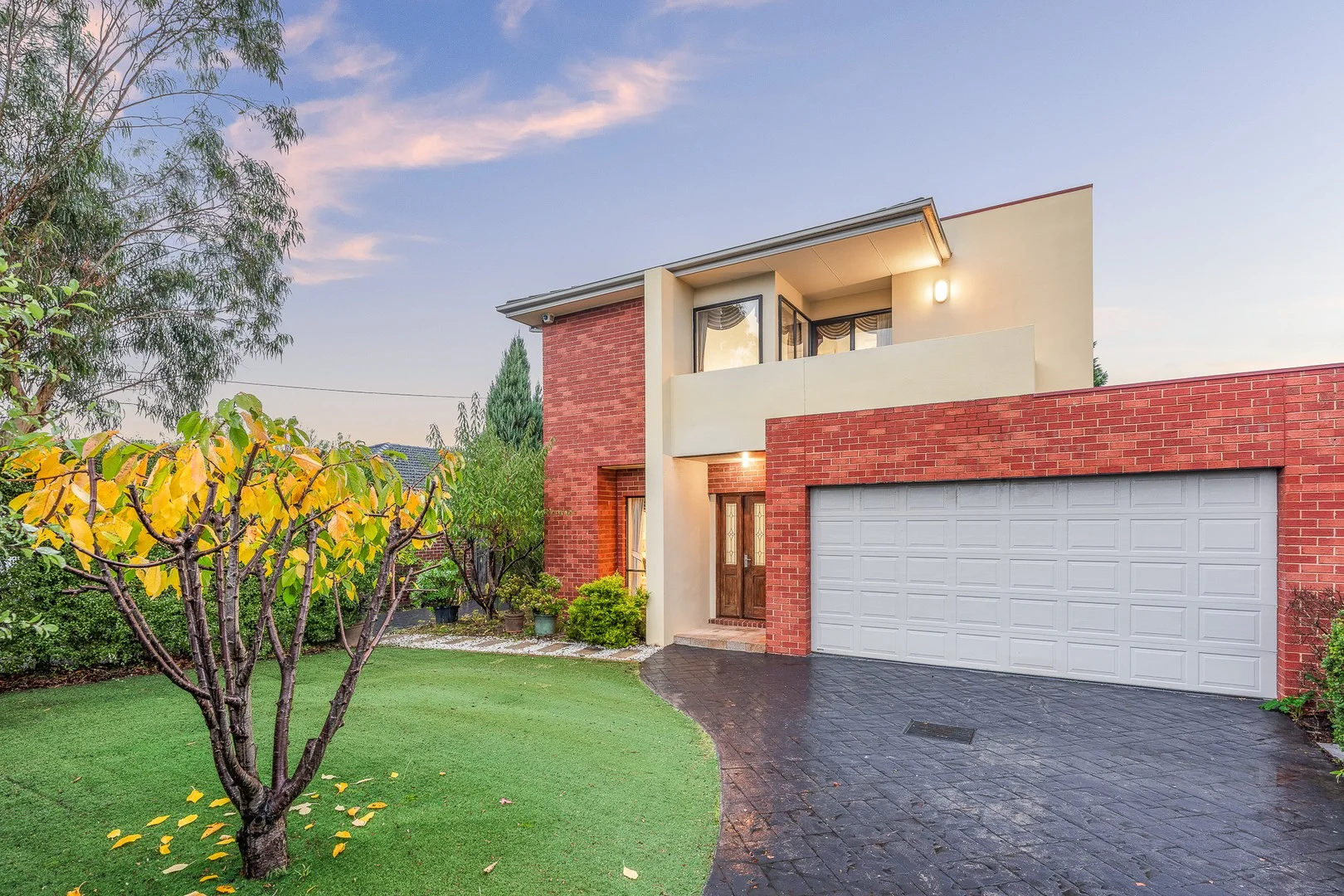 $1,150,000 - $1,250,000
Townhouse
$1,150,000 - $1,250,000
Townhouse
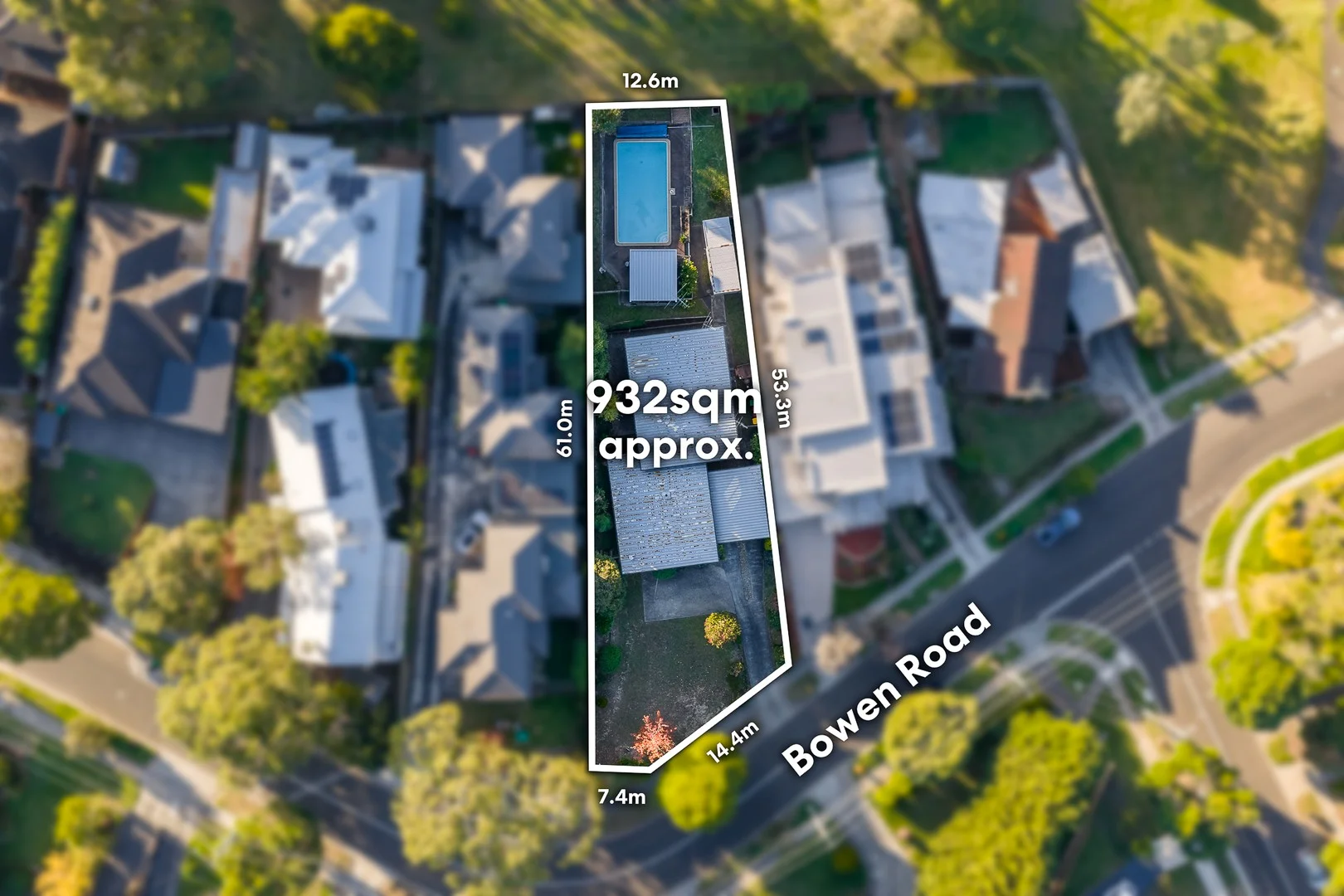 $1,300,000 - $1,400,000
House
$1,300,000 - $1,400,000
House
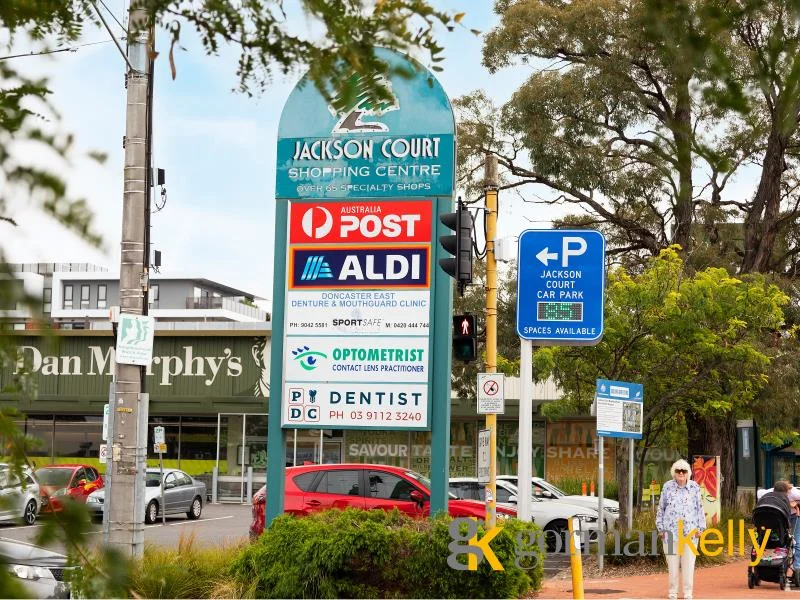 $1,500,000
House
$1,500,000
House