1. Overview
Galilee Regional Catholic Primary School is a Catholic primary school in Victoria that provides faith-based education within a close-knit, supportive community. The school focuses on developing well-rounded students through a values-driven curriculum and strong pastoral care.
As a small-to-medium sized school, class sizes are designed to be manageable and conducive to personalized attention. The atmosphere is nurturing and inclusive, with an emphasis on respect, community involvement, and holistic development for every student.
2. Academics & Learning
- Academic strengths: Core focus on literacy and numeracy, with solid emphasis on English and STEM foundations. The school supports leadership development and opportunities for students to explore strengths in areas such as science, maths, and creative thinking. Languages (LOTE) may be offered depending on curriculum activity and cohort.
- Special programs: Gifted and Talented or accelerated learning options may be available in certain year levels. The school typically provides targeted learning support and enrichment within the regular timetable.
- NAPLAN / trends: NAPLAN performance is monitored year over year to identify strengths and areas for growth. Schools in this category often share trend information with families and use results to inform teaching plans, with a focus on continuous improvement.
- Student-teacher ratios: Class sizes are designed to balance individual attention with collaborative learning. Typical student-teacher ratios are in the approximate range of 1:15–1:20, with variation by year level.
- Support for diverse learners: Inclusive practices include EAL/D support where needed, targeted intervention for needs in literacy and numeracy, and ongoing support for students with additional learning needs through planning and collaboration with parents and specialists.
3. Sports & Extracurricular Strengths
- Sports offered: A range of team sports commonly available at primary level, such as soccer, netball, basketball, cricket, Australian rules football, athletics, and swimming programs.
- Strong teams or achievements: Participation in local and district-level competitions; emphasis on teamwork, fair play, and personal improvement. Opportunities to represent the school in inter-school events may exist.
- Music, arts, drama programs: Active music and performing arts programs, including choirs or ensembles, school productions, and opportunities to engage in drama and visual arts.
- Clubs: Robotics, chess, coding, debating, and other enrichment clubs may be available, depending on staffing and student interest.
- Partnerships: Connections with local community and sporting clubs, and opportunities to participate in inter-school events, competitions, and festivals.
4. Wellbeing & Pastoral Care
- Anti-bullying approach: Whole-school wellbeing policies and proactive anti-bullying strategies, including student education, staff training, and clear reporting channels.
- House system: A house framework to foster friendship, healthy competition, teamwork, and leadership opportunities across the school.
- Counsellors / wellbeing officers: Access to school wellbeing staff or counsellors to support student wellbeing, resilience, and social-emotional learning.
- Transition support for new students: Orientation programs, buddy systems, and transitional support to help new students settle in smoothly and build connections quickly.
5. Facilities
- Sports grounds: Accessible playing spaces suitable for a variety of outdoor activities and sports.
- Libraries: A dedicated library space to support reading, research, and quiet study.
- Science labs: Facilities to support hands-on science learning and experiments.
- Music/performing arts centers: Space for music lessons, rehearsals, and performances.
- Tech/innovation labs: Dedicated spaces for technology, coding, and digital learning.
- Cafeteria: On-site canteen or meal area to provide healthy food options.
- Updated playgrounds: Safe and well-maintained outdoor play areas for daily physical activity.
6. School Values & Community Culture
- School values / mission: Values typically centered on faith, respect, integrity, service, and community. The mission emphasizes educating the whole child within a Catholic ethos.
- Leadership style: A collaborative environment with opportunities for student voice and leadership through programs like student councils or peer mentorship.
- Behaviour expectations: Positive behavior framework with clear expectations, consistent routines, and recognition of positive conduct.
- Community reputation: A strong sense of community, with active parental involvement and supportive relationships among families and staff.
- Diversity & inclusion: Inclusive practices that welcome students from diverse backgrounds and support them to participate fully in school life.
7. School Logistics & Daily Operations
- School hours: Generally a standard school day schedule with morning and afternoon sessions, aligned to local primary school norms.
- Before/after school care: Availability of before- and after-school care or programs to support working families (availability and fees vary).
- Uniform requirements: School uniform policy with seasonal variations; details provided by the school and updated annually.
- Transport (train/bus routes): Access to public transport options and local bus routes; school may coordinate or provide guidance for families using public transport.
- Canteen availability: On-site canteen or snack facilities offering healthy options; policies around food and allergy management.
- Fees (low/medium/high ranges): Fee levels typically fall within the mid-range for Catholic primary schools, with itemized costs published by the school for families to review.
8. Enrolment & Admissions
11. What is the enrolment process and timeline?
- Begin with an inquiry and application (often online), followed by submission of required documents (birth and baptism certificates where applicable, immunization records, proof of residence, etc.). The school may host an information night and request parent interviews or tours. Key dates include open enrollment periods, assessment of applications, and confirmation of placement timelines.
12. Is there a waiting list, and how does it work?
- Many Catholic primary schools maintain a waiting list when applications exceed available places. The process generally involves placing applicants on the list, with priority given to siblings, parishioners, or other school policy criteria. The school will communicate expected timelines and any factors that affect placement.
13. Are there any entry requirements, tests, or interviews?
- Entry requirements typically include documentation and may involve an interview or meeting with the principal or leadership team. Some schools may conduct informal assessments or conversations to understand the student’s needs and fit with the school culture.
14. Does the school accept mid-year transfers?
- Mid-year transfers may be possible depending on space and alignment with the school’s intake processes. Families are advised to contact the school as early as possible to discuss availability and required documentation.
9. Frequently Asked Questions
- Why Parents Choose This School?
- A faith-based, values-driven environment with a focus on the whole child, strong pastoral care, and a welcoming community that supports families.
- What type of student thrives at this school?
- Students who value community, faith-based education, active participation in learning, and a balanced approach to academics, sport, and the arts.
- What opportunities are available for students to extend their skills (academics, sports, arts)?
- Access to enrichment programs, leadership opportunities, clubs (robotics, chess, coding, debating), and a range of sports and performing arts activities.
- How does the school communicate with parents?
- Regular newsletters, a school intranet or portal, parent-teacher meetings, and open channels with teachers and the leadership team.
- What is the school’s approach to teaching and learning?
- A student-centered approach that blends faith-informed values with evidence-based teaching practices, differentiating instruction to meet diverse learner needs.
- How does the school support students who need extra academic help?
- Targeted intervention programs, learning support plans, EAL/D assistance, and collaboration with parents and specialists.
- What support is available for academic challenges?
- Access to teaching staff for remediation, additional practice, and monitoring of progress; adjustments and accommodations where appropriate.
- How does the school communicate with parents? (Repeated)
- See above: regular updates via newsletters, portals, meetings, and direct communication with teachers.
- What are the class sizes and how much individual attention do students receive?
- Class sizes are designed to be small-to-medium to enable individual attention; typical ratios are around 1:15–1:20, with targeted support available as needed.
- What extracurricular and sports opportunities are available?
- A broad range of sports (soccer, netball, basketball, cricket, athletics, swimming), plus clubs in robotics, chess, coding, debating, music, and arts.
- What facilities does the school offer (sports, science, arts)?
- Sport grounds, library, science labs, music/performing arts spaces, tech/innovation labs, a canteen, and updated playgrounds.
- What is the school’s approach to technology and digital learning?
- Integration of digital tools and ICT in learning with a focus on safe and responsible use, coding/capability development, and age-appropriate tech integration.
- What transport and accessibility options are available?
- Access to public transport routes and guidance on attendance; information on carparks and drop-off zones as applicable.
- What are the typical school fees or additional costs?
- Fee ranges are published by the school; families should review the current schedule for tuition, levies, uniforms, and any additional costs.
10. Short Pros & Cons
Pros
- Strong sense of community and values-based education
- Supportive pastoral care and well-being programs
- Balanced focus on academics, arts, and sports
- Inclusive environment with attention to diverse learners
- Opportunities for student leadership and voice
Cons
- As with many Catholic schools, some programs and resources may depend on annual funding or community contributions
- Class sizes and availability of selective programs may vary by year and cohort
- Commute considerations for families living farther away or relying on public transport
Note: This content is a generic template intended to be tailored with the school’s exact data and current offerings. If you can provide specific details (current class sizes, exact programs, fees, transport options, and any unique facilities or initiatives), I can tailor each section precisely to Galilee Regional Catholic Primary School and ensure factual accuracy.
 $57+
$57+









 $3,700,000
propertyType.NEW APARTMENTS / OFF THE PLAN
$3,700,000
propertyType.NEW APARTMENTS / OFF THE PLAN
 $820,000
propertyType.NEW APARTMENTS / OFF THE PLAN
$820,000
propertyType.NEW APARTMENTS / OFF THE PLAN
 $1,770,000
propertyType.NEW APARTMENTS / OFF THE PLAN
$1,770,000
propertyType.NEW APARTMENTS / OFF THE PLAN
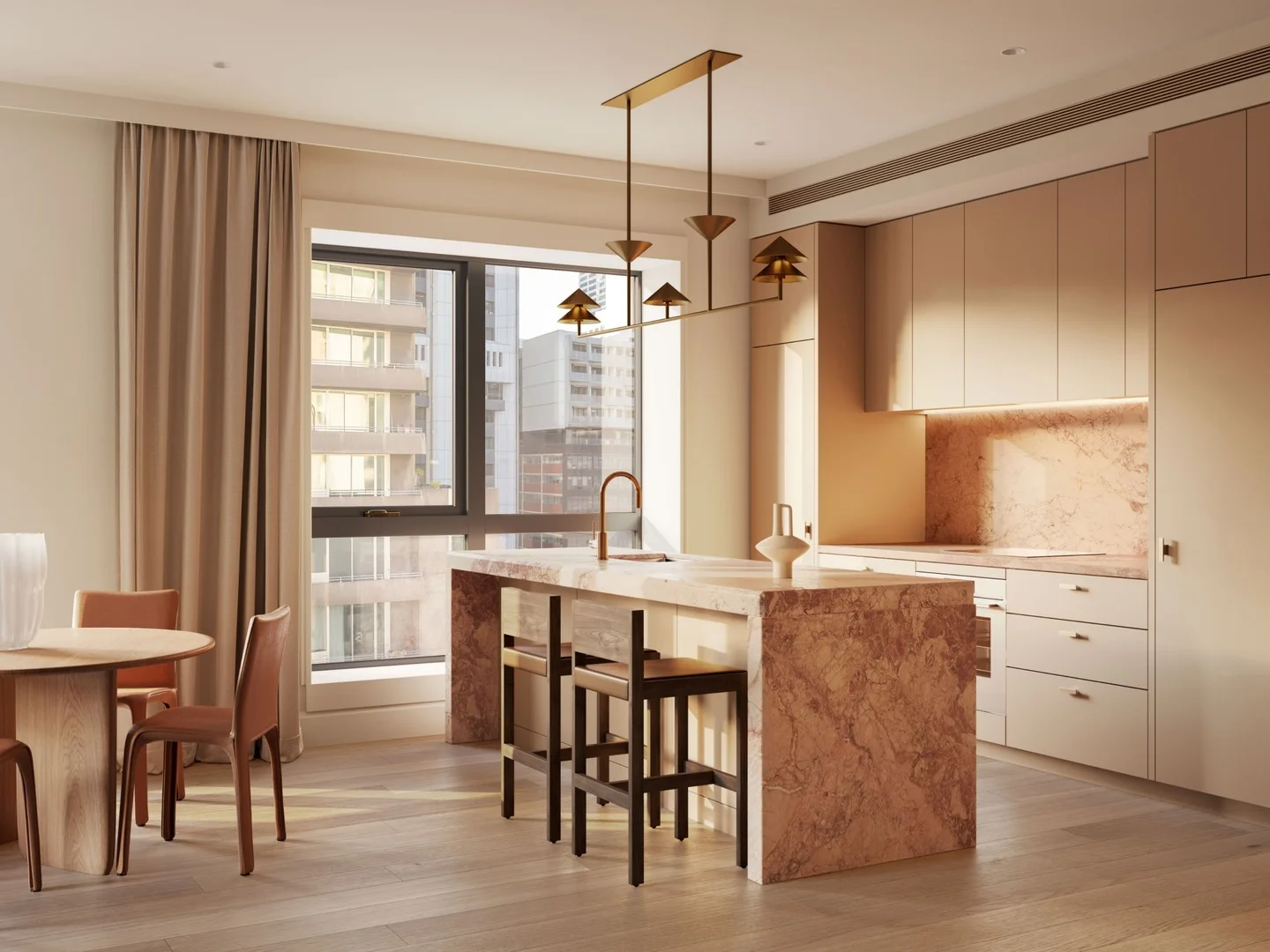 $1,760,000
propertyType.NEW APARTMENTS / OFF THE PLAN
$1,760,000
propertyType.NEW APARTMENTS / OFF THE PLAN
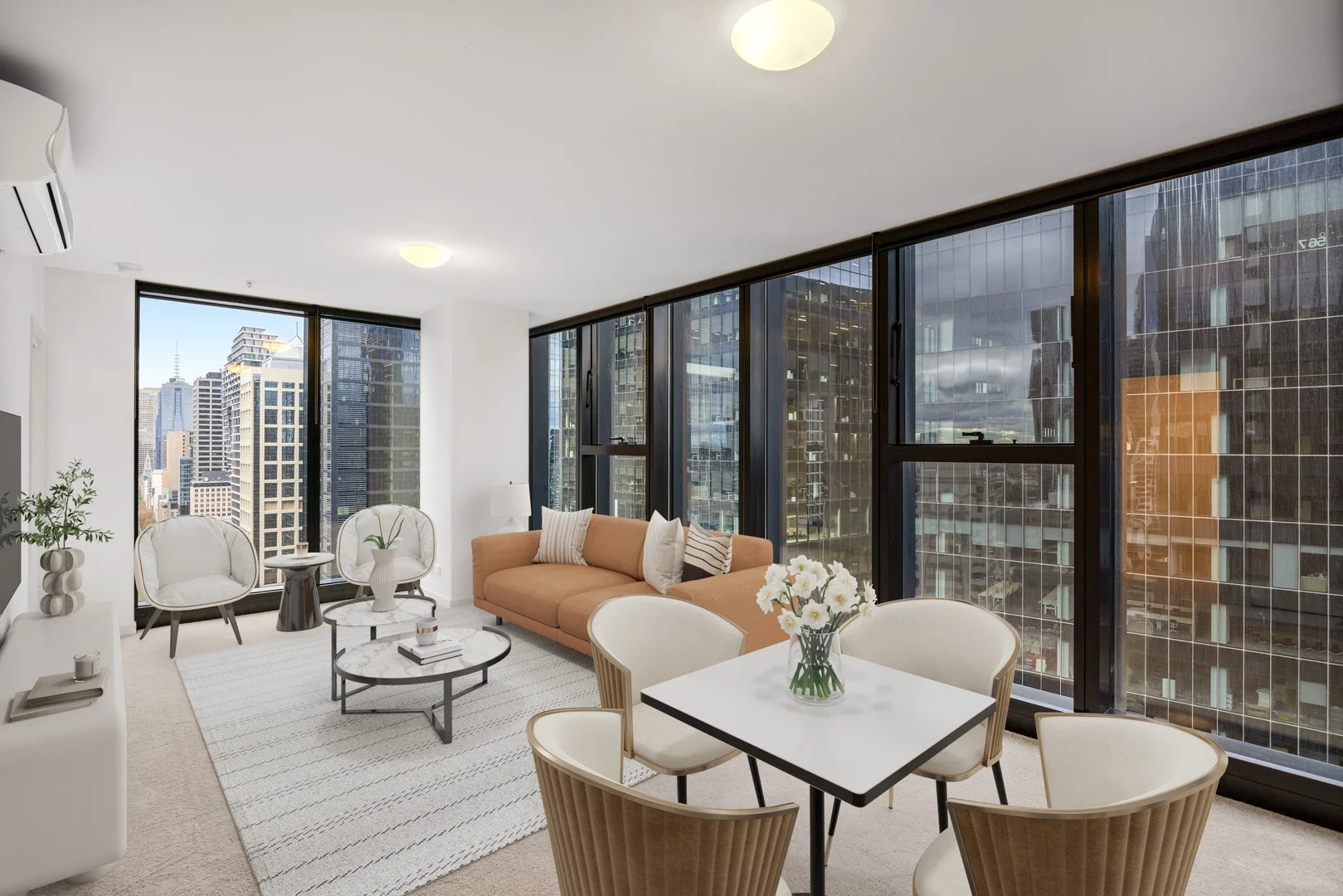 $480,000 - $520,000
Apartment / Unit / Flat
$480,000 - $520,000
Apartment / Unit / Flat
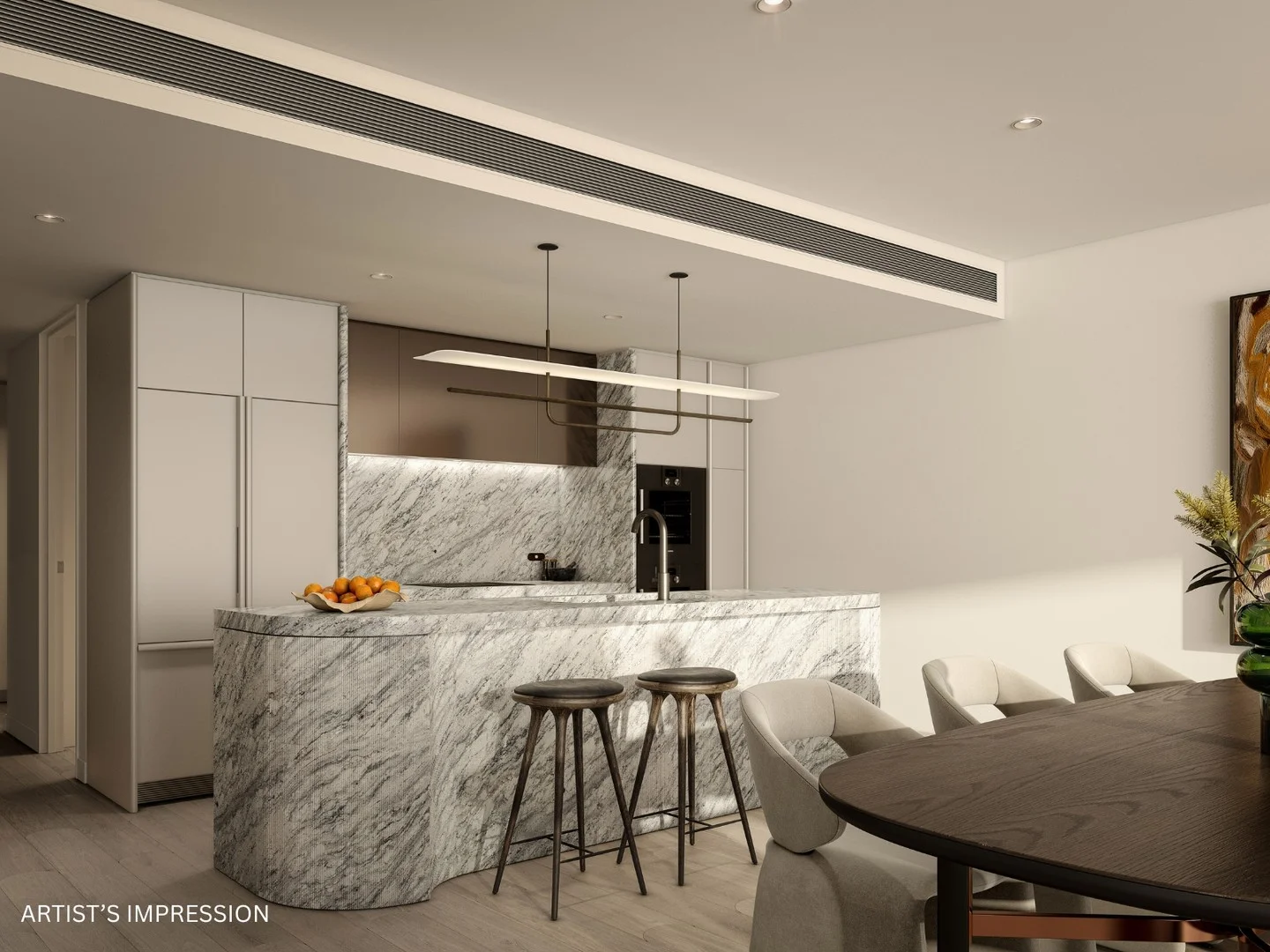 $2,900,000
Apartment / Unit / Flat
$2,900,000
Apartment / Unit / Flat
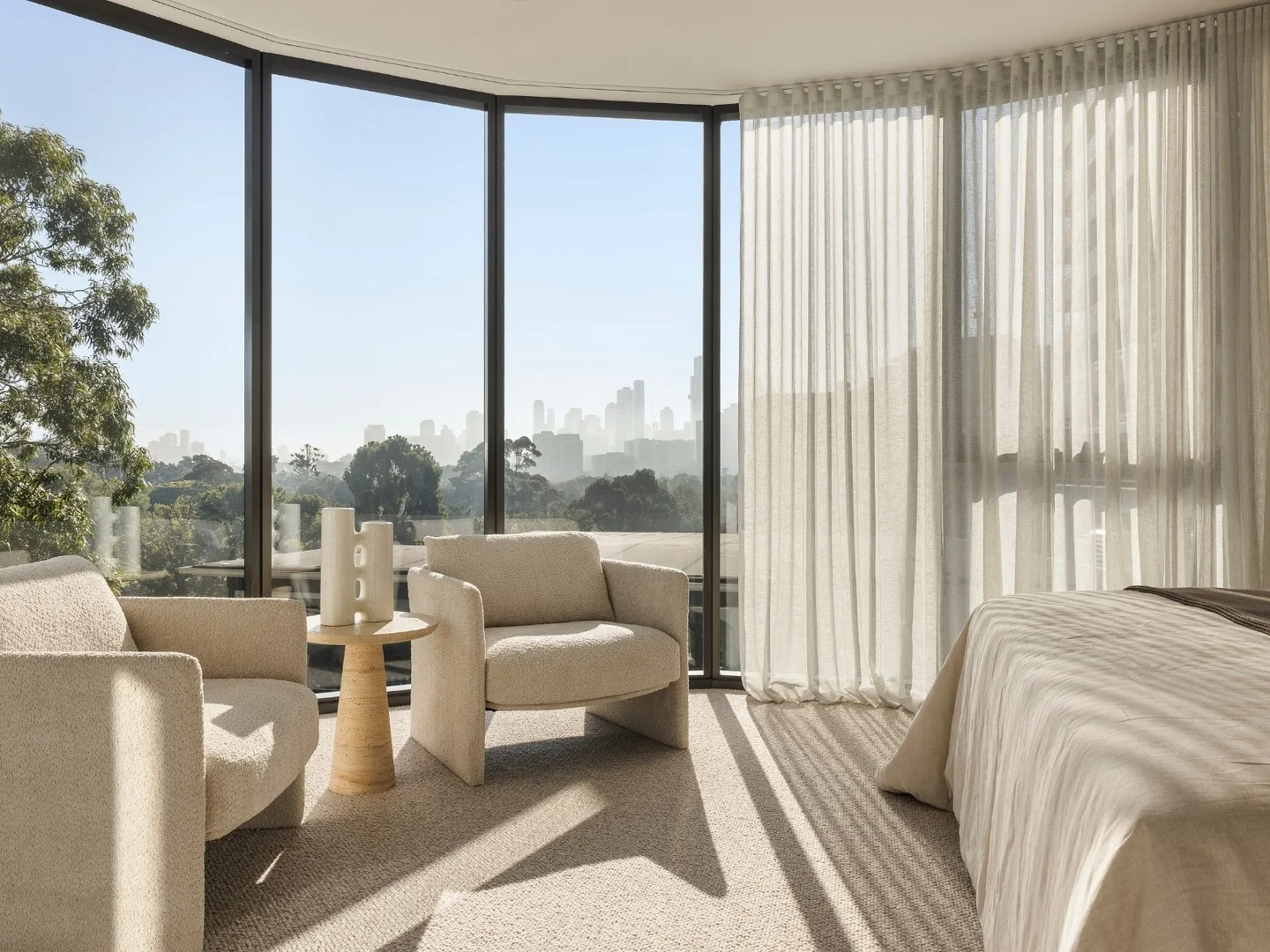 $2,750,000
Apartment / Unit / Flat
$2,750,000
Apartment / Unit / Flat
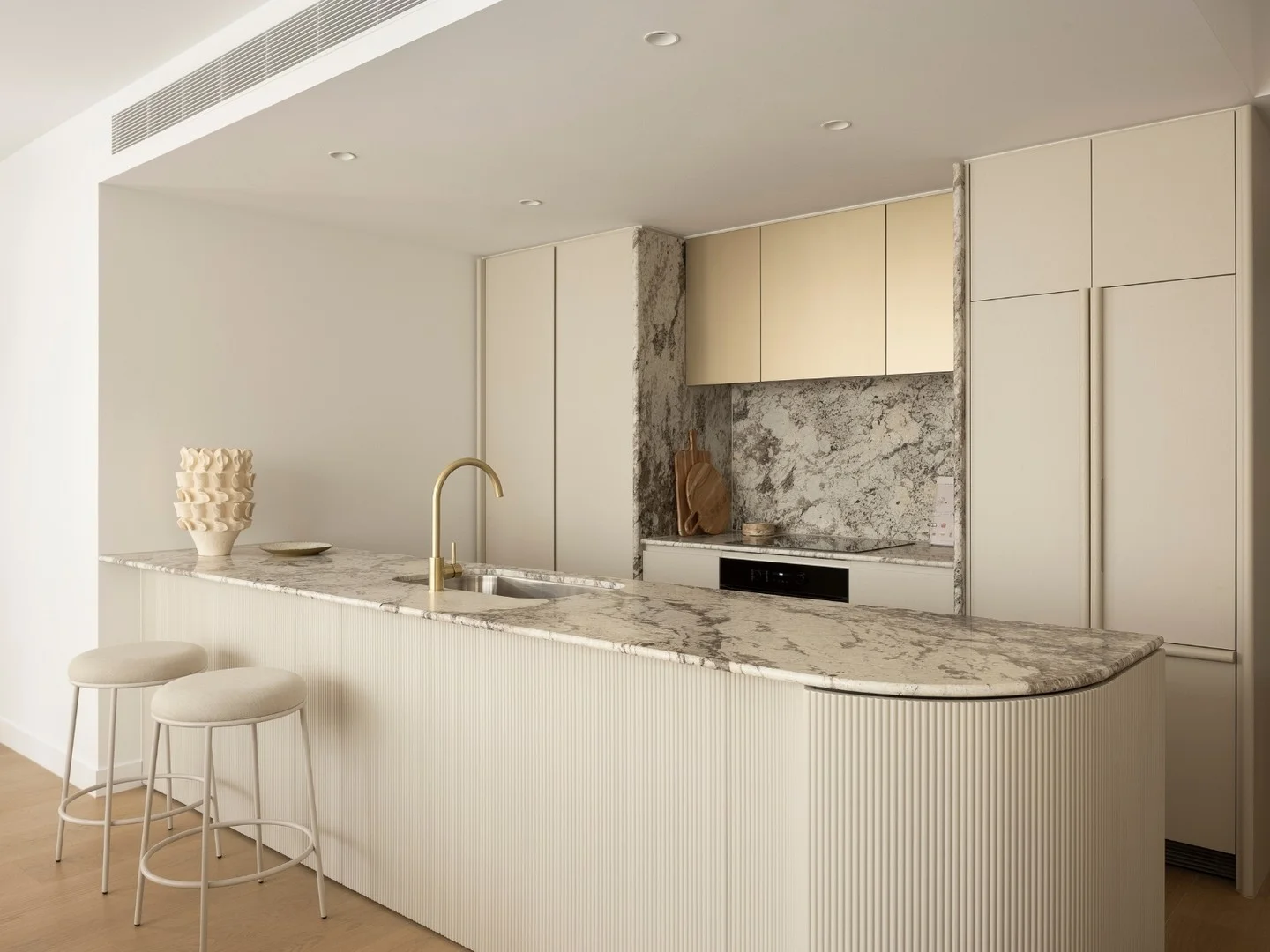 $1,345,000
Apartment / Unit / Flat
$1,345,000
Apartment / Unit / Flat
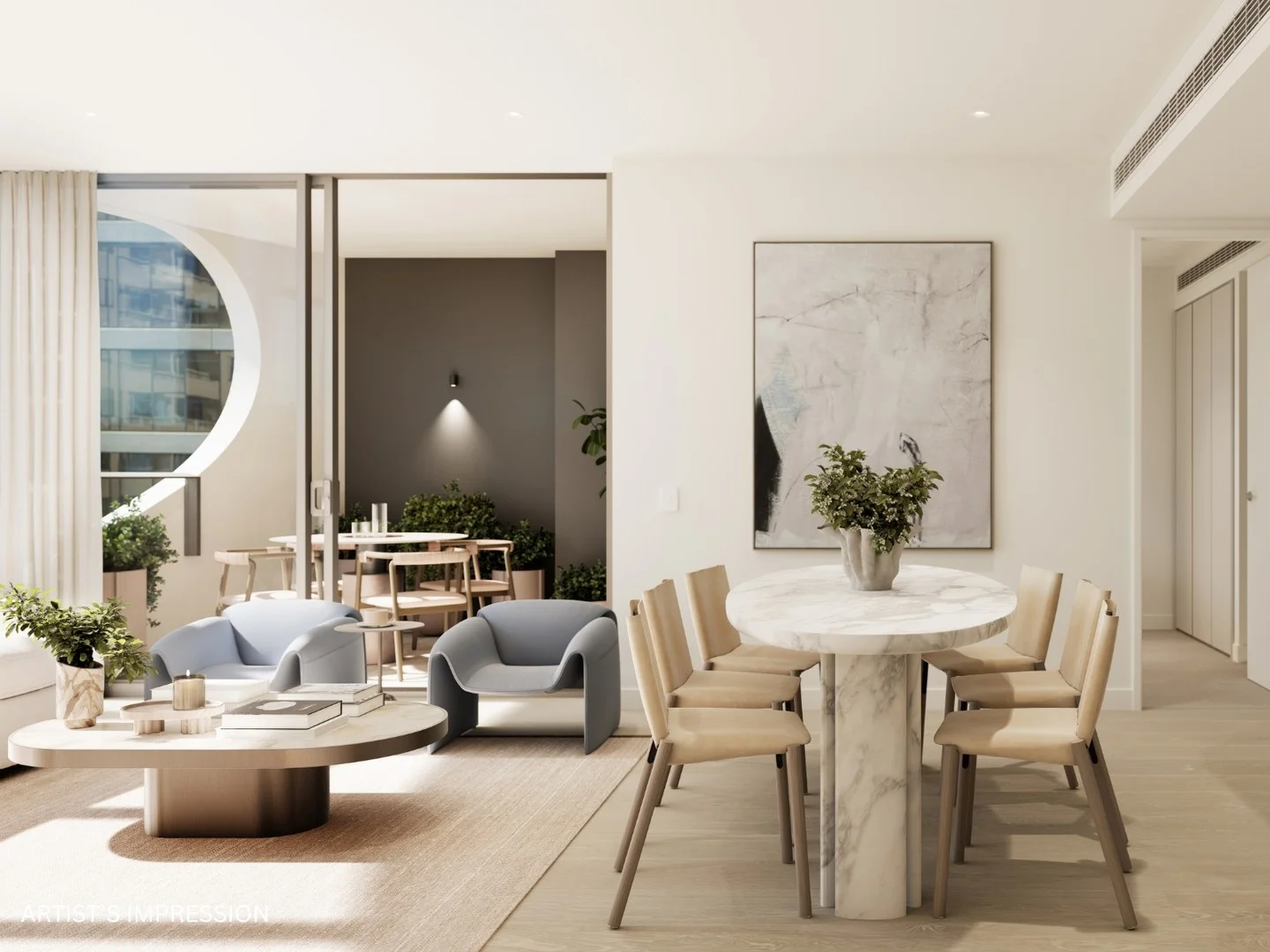 $1,640,000
Apartment / Unit / Flat
$1,640,000
Apartment / Unit / Flat


