# Overview
VCASS is a public secondary college in Melbourne’s Southbank arts precinct that focuses on nurturing talented young artists while delivering a broad academic program. Entry for Year 9–12 is audition-based for specialist arts streams, complemented by core senior studies leading to the Victorian Certificate of Education (VCE). The school embraces a creative, collaborative and inclusive culture, helping students grow as both artists and well-rounded learners.
- School type: Public
- School size: Medium
- Class size: Small to mid (typical ranges around 15–20 students per class)
- Atmosphere/culture: Arts-focused, nurturing, inclusive, diverse
⸻
# Academics & Learning
VCASS combines rigorous academic foundations with strong specialist arts pathways.
- Academic strengths: English and mathematics are supported by a solid science and core curriculum, with dedicated streams for performing and visual arts that run alongside traditional subjects.
- Special programs: Audition-based entry into specialist arts streams; VCE program across arts disciplines; opportunities for accelerated or extended learning within streams where available.
- NAPLAN trends: Public information on specific NAPLAN year-to-year trends for VCASS is not routinely published; as a senior-focused arts school, the emphasis is typically on VCE preparation alongside its arts pathways.
- Student-teacher ratios: Class sizes are generally small to medium, with a focus on close teacher-student engagement, particularly in specialist arts classes.
- Support for diverse learners: Strong supports for diverse learners, including EAL and SEN pathways, with targeted interventions and attending staff to assist students needing extra help.
⸻
# Sports & Extracurricular Strengths
While VCASS centers on arts, it provides a well-rounded extracurricular landscape and competitive opportunities.
- Sports offered: Broad physical education program with opportunities to participate in inter-school sport; specifics can vary by year and cohort.
- Strong teams or achievements: Noted for excellence in performing arts and student productions; sports achievements are supported through PE programs and inter-school participation where available.
- Music, arts, drama programs: Core strength of the school; extensive performing arts programs, theatre productions, music ensembles, film and media activities.
- Clubs: robotics, chess, coding, debating (and other subject- or arts-focused clubs may run depending on year and interest).
- Partnerships: Connections with local arts organizations and venues for productions, workshops and exhibitions; opportunities to engage with external arts events and competitions.
⸻
# Wellbeing & Pastoral Care
Pastoral care and wellbeing are central to student success at VCASS.
- Anti-bullying approach: Proactive, school-wide anti-bullying strategies and a focus on inclusive, respectful culture.
- House system: A house-style structure to foster belonging and peer support (where applicable to the school’s pastoral framework).
- Counsellors / wellbeing officers: Access to school counsellors and wellbeing staff to support mental health, career guidance and transition planning.
- Transition support for new students: Orientation programs, buddy systems and tailored onboarding to help new students adjust to the arts-focused environment and new routines.
⸻
# Facilities
VCASS provides facilities that reflect its arts emphasis alongside strong general learning spaces.
- Sports grounds: Access to outdoor PE spaces and indoor facilities as part of the school’s broader campus provisions.
- Libraries: Library resources to support both general study and arts-related research.
- Science labs: Modern science laboratories for biology, chemistry, physics and math/science exploration.
- Music/performing arts centers: Dedicated music suites, rehearsal rooms, theatre spaces and dance studios for productions and performances.
- Tech/innovation labs: Computer labs and media/film production spaces to support digital arts, coding and multimedia work.
- Cafeteria: On-site dining options and student spaces.
- Updated playgrounds: Modern, well-maintained student spaces and circulation areas.
⸻
# School Values & Community Culture
VCASS aims to cultivate creative, disciplined and engaged learners who contribute positively to their communities.
- School values / mission: Excellence through creativity, integrity, collaboration and high expectations in both arts and academics.
- Leadership style: Student-centered and collaborative, with opportunities for student voice in productions, clubs and student leadership roles.
- Behaviour expectations: Clear expectations around respect, responsibility, and conduct in both classroom and performance settings.
- Community reputation: Recognised for its specialist arts culture and the development of students into accomplished artists and capable scholars.
- Diversity & inclusion: Commitment to an inclusive environment that values diverse backgrounds, talents and perspectives.
⸻
# School Logistics & Daily Operations
Practical, parent-friendly details help families plan around school life.
- School hours: Typical school day structure with start and finish times aligned to Victorian school calendars; exact times published by the school each year.
- Before/after school care: Availability may vary; families may use external OSH programs or school-approved wrap-around care if offered.
- Uniform requirements: School uniform is standard; details provided by the school for terms and special events.
- Transport (train/bus routes): Public transport access is good given the Southbank location; students commonly travel by tram, train or bus, with options near the campus.
- Canteen availability: On-site canteen or vending options typically available during the day.
- Fees (low/medium/high ranges): As a public school, there is no tuition fee; there are usually minimal costs for uniforms, materials, and specific activity levies or performances.
⸻
# Enrolment & Admissions
11. What is the enrolment process and timeline?
12. Is there a waiting list, and how does it work?
13. Are there any entry requirements, tests, or interviews?
14. Does the school accept mid-year transfers?
- Enrolment process and timeline: Entry is generally handled through the Victorian Department of Education with an audition component for specialist arts streams. Timelines typically align with the Victorian school intake cycle; audition rounds occur prior to offers for Year 9 entry, with notification dates published by the school and Department of Education.
- Waiting list: Demand can create waitlists; eligibility and sequencing are influenced by audition outcomes, available places and year level. Offers are made as places become available.
- Entry requirements, tests, or interviews: Auditions are required for the specialist arts streams; academic assessment and interview processes may apply to gauge fit for the program and overall school environment.
- Mid-year transfers: Possible if places are available; transfer applications are subject to audition results, current enrolment capacity and availability in the desired year group.
⸻
# Frequently Ask Questions
- Why Parents Choose This School?
- Access to a dedicated arts-focused environment with strong academic support and pathways to VCE; audition-based entry for specialised streams; vibrant production and performance opportunities.
- What type of student thrives at this school?
- Students who are creatively motivated, disciplined, collaborative and committed to balancing arts development with academics.
- What opportunities are available for students to extend their skills (academics, sports, arts)?
- Extensive performing and visual arts programs, theatre productions, music ensembles, film/media projects, plus clubs (robotics, coding, debating) and inter-school arts opportunities.
- How does the school communicate with parents?
- Regular newsletters, emails, a school portal and parent-teacher conferences; reminders and updates about auditions, productions and student progress.
- What is the school’s approach to teaching and learning?
- A blend of core academic subjects and specialised arts pathways, with a strong emphasis on hands-on learning, project work and collaboration across departments.
- How does the school support students who need extra academic help?
- Targeted learning support, SEN support, EAL resources and access to teachers and counsellors for individual planning.
- What support is available for academic challenges?
- Individual tutoring options, in-class accommodations, and structured support plans coordinated by teaching staff.
- How does the school communicate with parents? (repeated)
- See above; via digital platforms, direct correspondence and scheduled meetings.
- What are the class sizes and how much individual attention do students receive?
- Class sizes are small to mid, enabling more student-centered attention and closer teacher-student engagement.
- What extracurricular and sports opportunities are available?
- A broad range of arts-based activities, clubs (robotics, coding, debating, chess), and inter-school sport programs where available.
- What facilities does the school offer (sports, science, arts)?
- Modern arts facilities (theatre, dance studios, music spaces), science labs, libraries, technology labs, and dining/mechanical spaces.
- What is the school’s approach to technology and digital learning?
- Integration of digital tools across subjects, access to computer and media labs, and opportunities to work on digital arts and coding projects.
- What transport and accessibility options are available?
- Strong public transport access (tram/train/bus routes common for city campuses) with information available to families; parking is often limited in dense areas.
- What are the typical school fees or additional costs?
- No tuition fees for government schooling; expect minor costs for uniforms, materials, performances and optional activities.
⸻
# Short Pros & Cons list
- Pros
- Public, audition-based arts pathway with strong academic foundations
- Small to medium class sizes promoting individual attention
- Rich performing and visual arts environment with production opportunities
- Supportive wellbeing and inclusive culture
- Access to specialist facilities ( theatres, music, film, studios )
- Cons
- Intake is audition-based, so entry is selective and competitive
- Arts focus means time management between arts commitments and core academics can be demanding
- Location in a busy urban precinct may limit some travel and parking options
- Specific sports offerings may be secondary to arts programs
⸻










 $3,700,000
propertyType.NEW APARTMENTS / OFF THE PLAN
$3,700,000
propertyType.NEW APARTMENTS / OFF THE PLAN
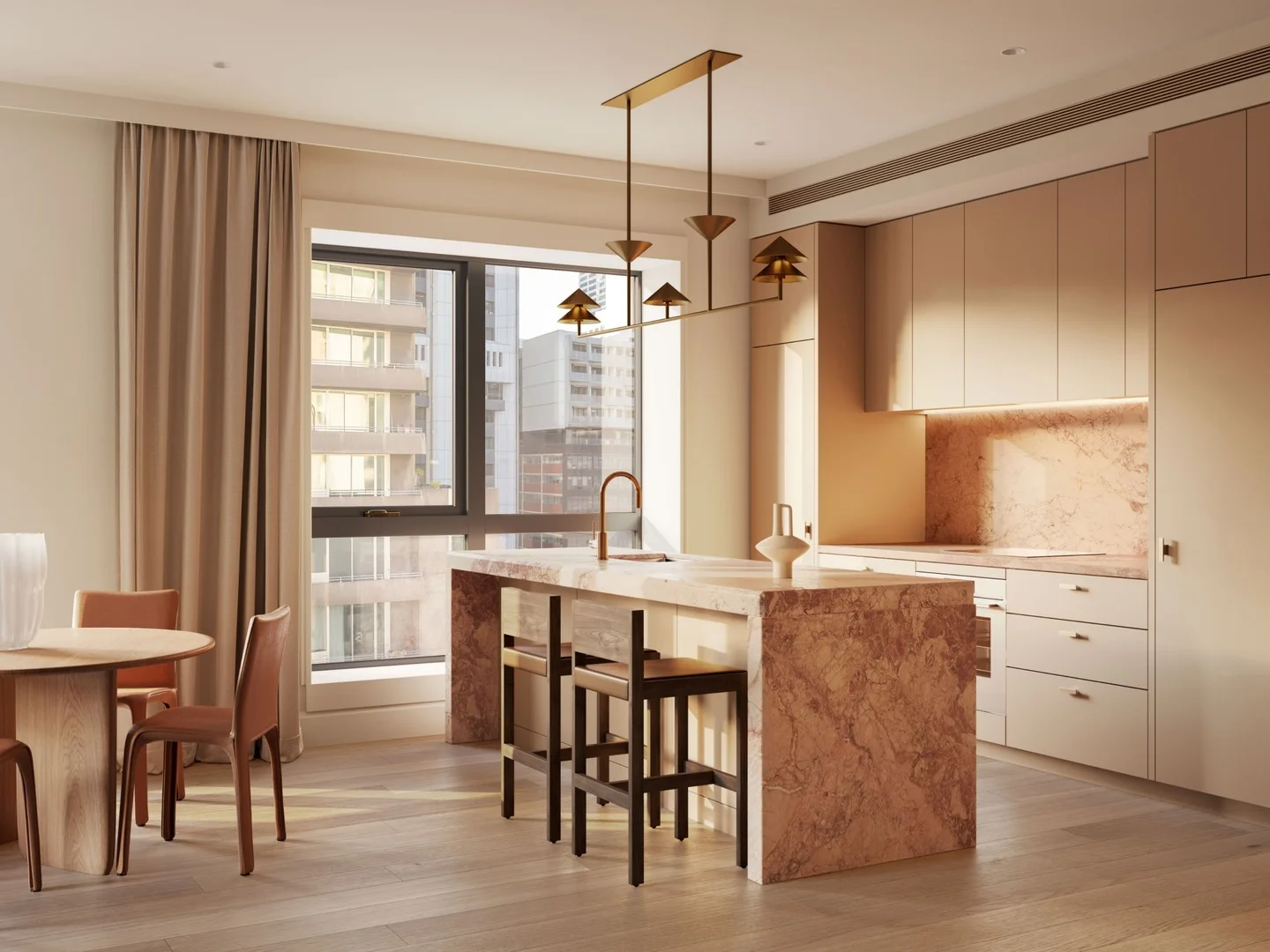 $1,760,000
propertyType.NEW APARTMENTS / OFF THE PLAN
$1,760,000
propertyType.NEW APARTMENTS / OFF THE PLAN
 $820,000
propertyType.NEW APARTMENTS / OFF THE PLAN
$820,000
propertyType.NEW APARTMENTS / OFF THE PLAN
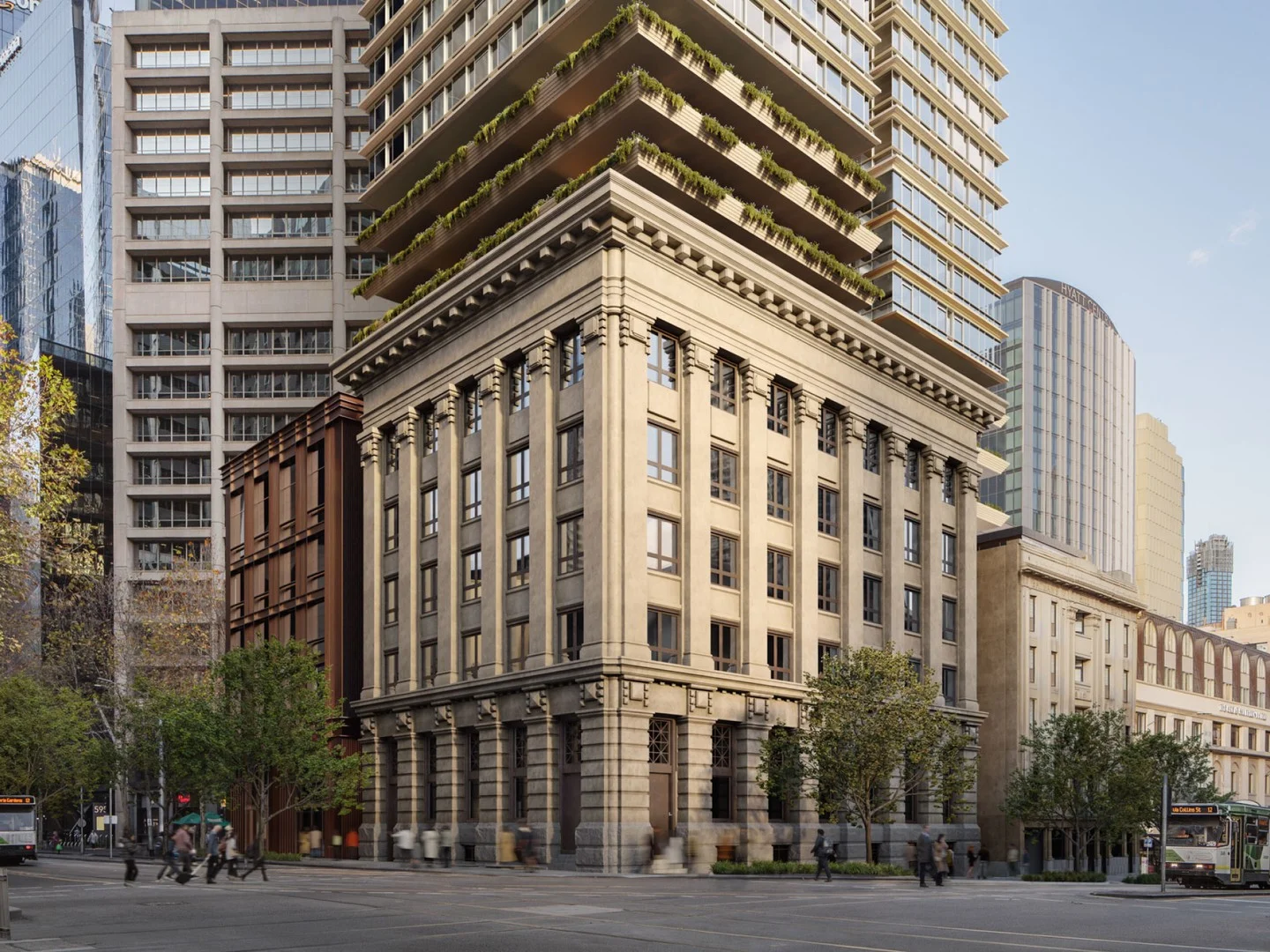 $1,770,000
propertyType.NEW APARTMENTS / OFF THE PLAN
$1,770,000
propertyType.NEW APARTMENTS / OFF THE PLAN
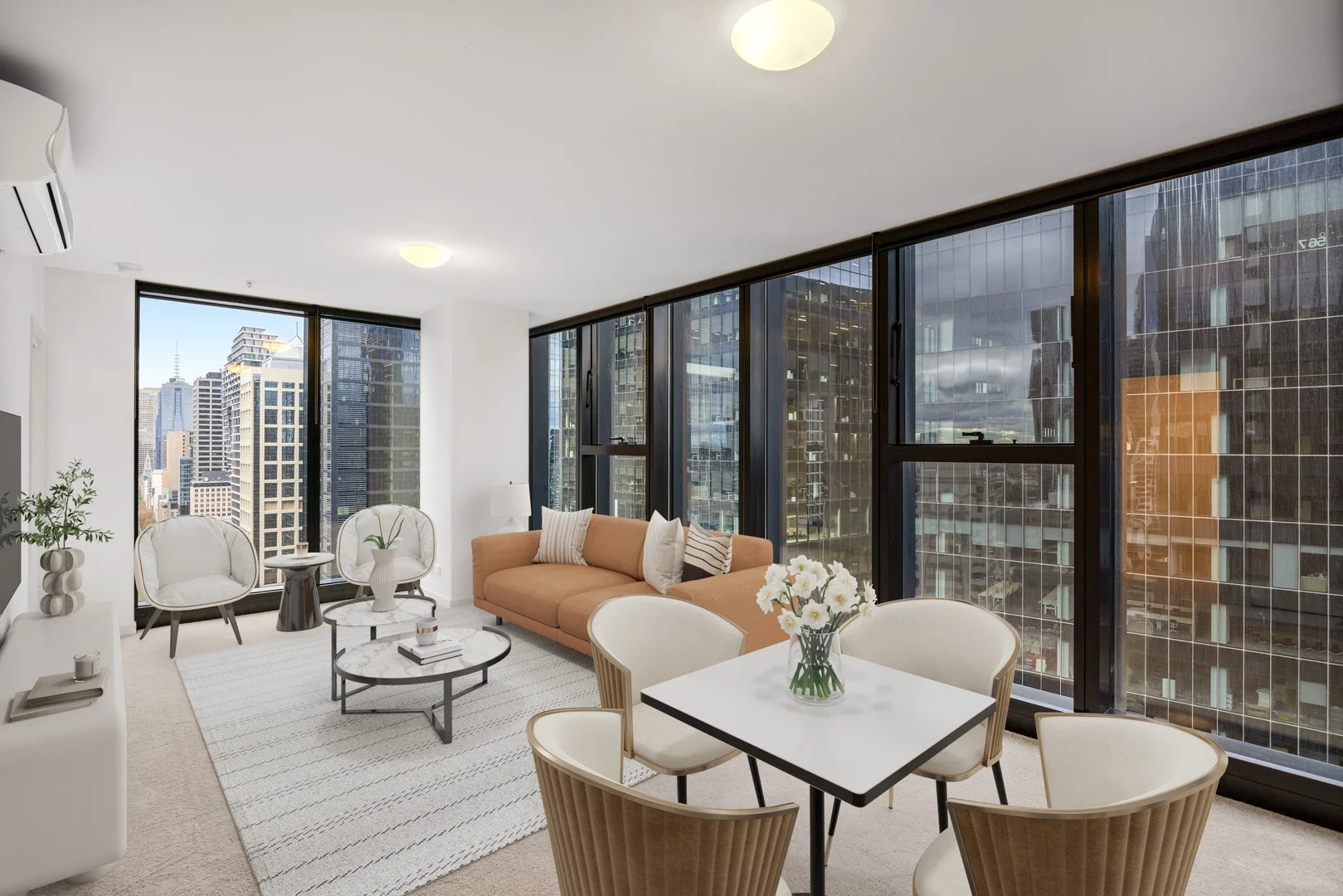 $480,000 - $520,000
Apartment / Unit / Flat
$480,000 - $520,000
Apartment / Unit / Flat
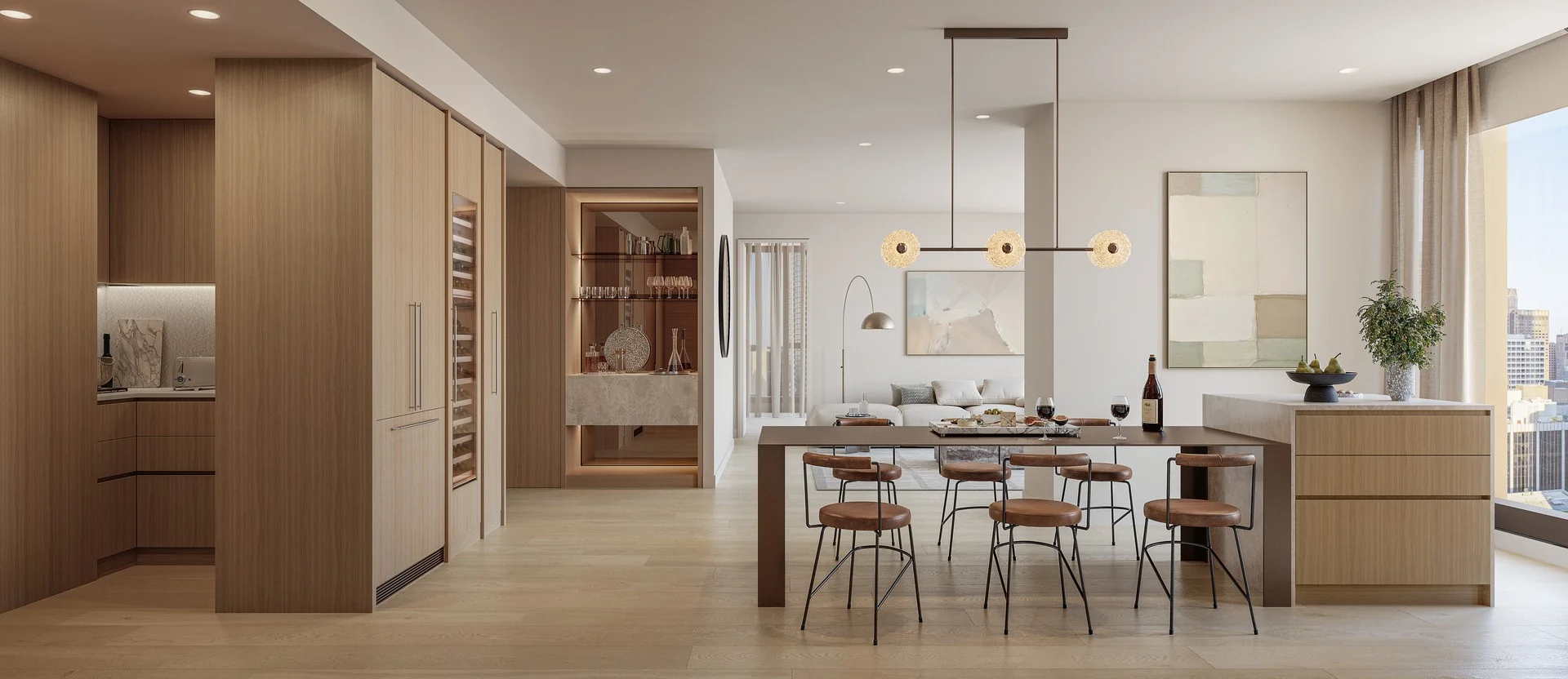 $2,865,000
Apartment / Unit / Flat
$2,865,000
Apartment / Unit / Flat
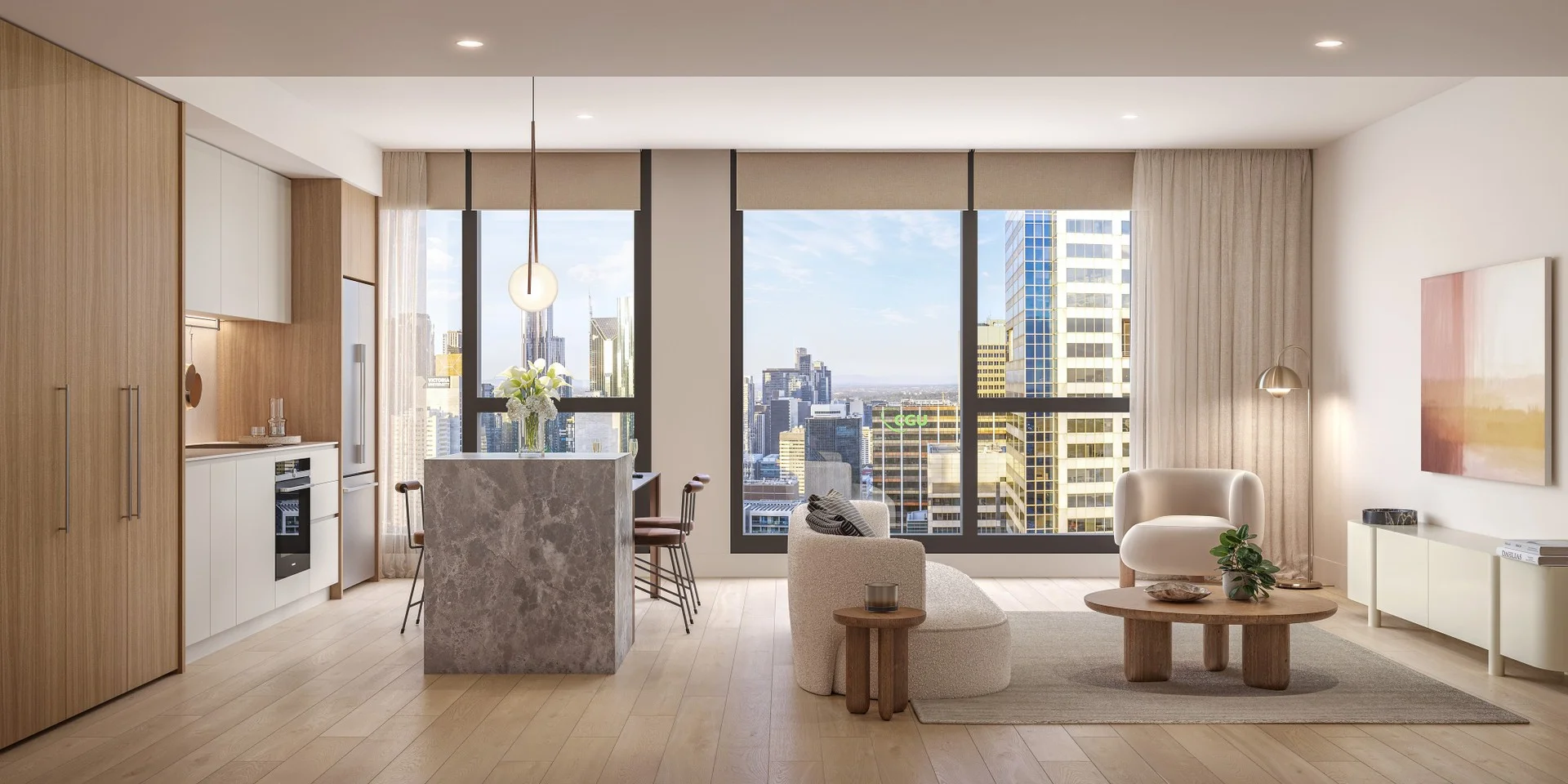 $1,870,000
propertyType.NEW APARTMENTS / OFF THE PLAN
$1,870,000
propertyType.NEW APARTMENTS / OFF THE PLAN
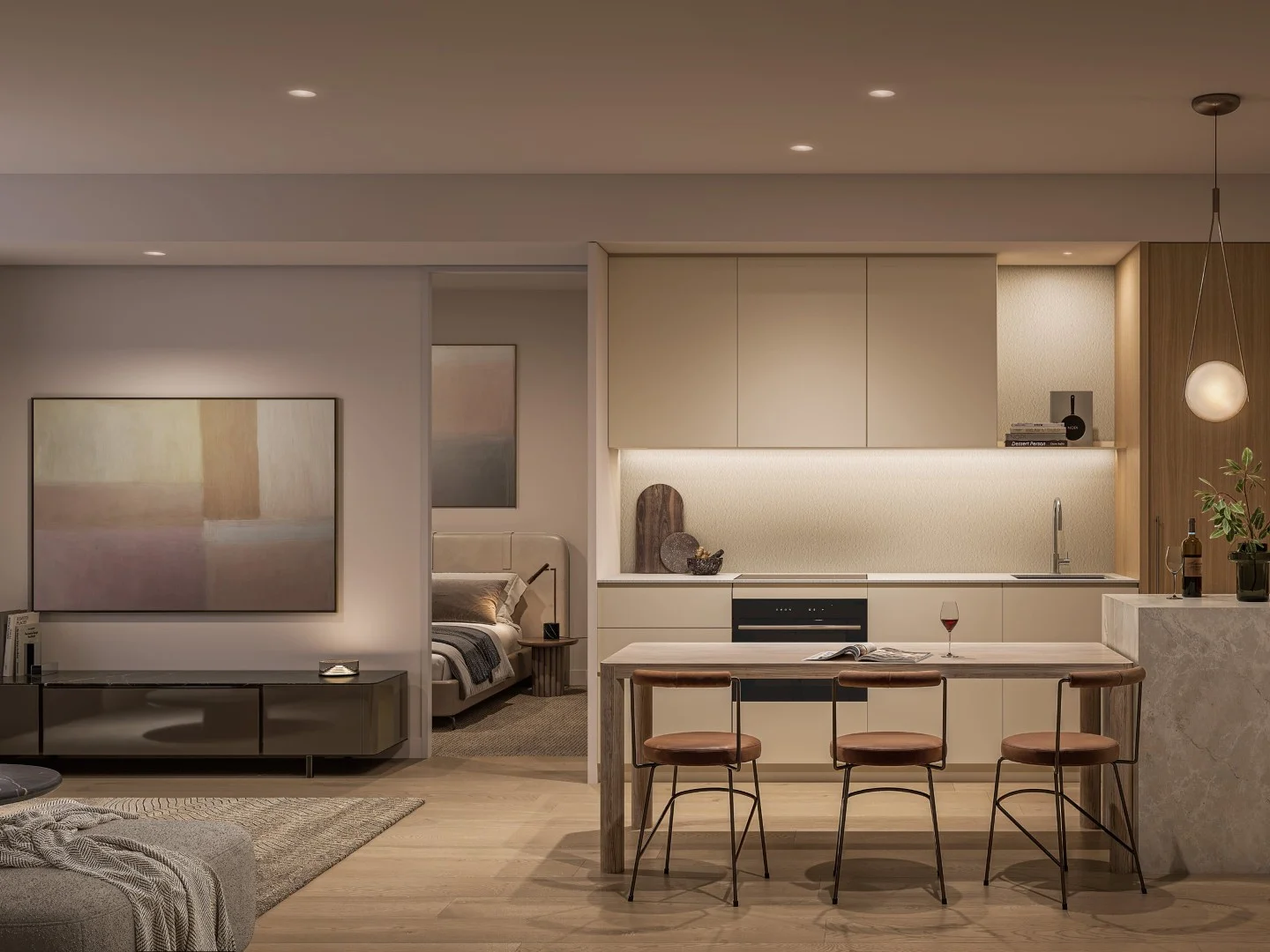 $666,000
Apartment / Unit / Flat
$666,000
Apartment / Unit / Flat
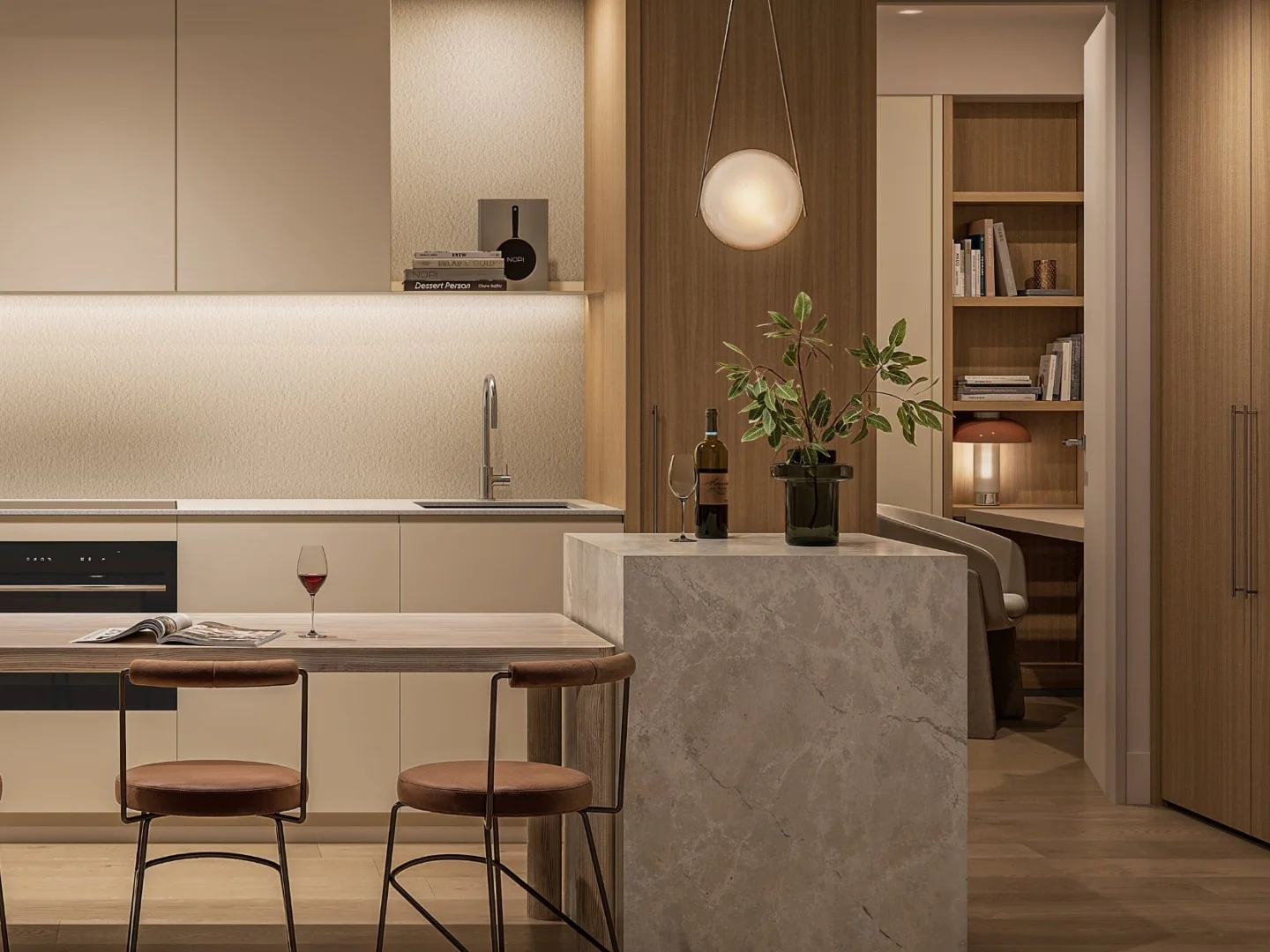 $712,500
Apartment / Unit / Flat
$712,500
Apartment / Unit / Flat


