1. Overview
South Melbourne Park Primary School is a public primary school serving Prep to Year 6 in Victoria. The school emphasises inclusive education, well-being, and community involvement, creating a welcoming environment for families in Albert Park and surrounding areas. As a medium-sized school, class sizes typically range around 22–25 students, supporting a warm, collaborative learning culture.
The atmosphere is nurturing and inclusive, with a strong focus on student well-being, responsive teaching, and opportunities for students to engage across academics, arts, and sport.
⸻
2. Academics & Learning
- Academic strengths: Strong foundations in literacy and numeracy with growing emphasis on STEM, English language development, and cross-curricular learning to build critical thinking and problem-solving skills.
- Special programs: Targeted literacy and numeracy support, opportunities for extension and enrichment, and EAL support to assist students from diverse language backgrounds.
- NAPLAN trends: Over recent years, trends indicate steady improvements in reading and numeracy with performance generally aligned with or above state averages.
- Student-teacher ratios: Classes typically around 22–25 students; school-wide ratios support accessible teacher guidance and timely feedback.
- Support for diverse learners: Inclusive education with EAL support, SEN assistance, and planning to meet individual learning needs through differentiated instruction and targeted interventions.
⸻
3. Sports & Extracurricular Strengths
- Sports offered: Soccer, basketball, cricket, AFL, athletics, and swimming (seasonal programs integrated into the timetable).
- Strong teams or achievements: Active participation in inter-school sports with opportunities to compete at district level and, in some cases, earn medals or recognition.
- Music, arts, drama programs: Regular music programs, choir or ensemble opportunities, and school drama/performing arts events.
- Clubs: Robotics, coding, chess, debating, and other enrichment clubs to foster critical thinking and teamwork.
- Partnerships: Connections with local clubs and community organizations, plus participation in district competitions and events.
⸻
4. Wellbeing & Pastoral Care
- Anti-bullying approach: Whole-school anti-bullying policies, clear expectations, and restorative practices to promote safe, respectful environments.
- House system: House groups for wellbeing, competition, and community-building activities; house events support teamwork and belonging.
- Counsellors / wellbeing officers: Access to school counsellors or wellbeing staff to support student social and emotional needs.
- Transition support for new students: Buddy programs, orientation sessions, and smooth transition processes to welcome new students and families.
⸻
5. Facilities
- Sports grounds: On-site or nearby outdoor spaces for physical education and sport.
- Libraries: Library facilities supporting reading, research, and exploration across year levels.
- Science labs: Dedicated spaces for hands-on science activities and experiments.
- Music/performing arts centers: Adequate spaces for music, drama, and performances.
- Tech/innovation labs: Access to technology and digital learning spaces to develop coding and creative projects.
- Cafeteria: On-site canteen and dining areas for lunch breaks.
- Updated playgrounds: Safe, well-maintained play spaces for break and physical activity.
⸻
6. School Values & Community Culture
- School values / mission: Focus on respect, curiosity, inclusion, and excellence in learning.
- Leadership style: Collaborative leadership that involves staff, students, and families in decision-making and school improvement.
- Behaviour expectations: Clear code of conduct with consistent expectations and restorative approaches to discipline.
- Community reputation: Recognised for strong community involvement, welcoming culture, and partnerships with families.
- Diversity & inclusion: Commitment to diversity and inclusive practices that support all students to participate and succeed.
⸻
7. School Logistics & Daily Operations
- School hours: Typical day runs from around 9:00 am to 3:30 pm, with variations by year level and school calendar.
- Before/after school care: Options available through OSHC or approved providers, offering supervision before and after school hours.
- Uniform requirements: School uniform policy; details provided on enrolment materials and the school website.
- Transport (train/bus routes): Access to local public transport options and nearby bus routes; walking and cycling encouraged where feasible.
- Canteen availability: Canteen or lunch services available during designated times.
- Fees (low/medium/high ranges): Public school fees generally include essential contributions; additional costs may apply for excursions, camps, and supplies.
⸻
8. Enrolment & Admissions
11. What is the enrolment process and timeline?
- Submit an enrolment application with required documents (birth certificate, immunisation status, proof of residence, and any other school-specific forms).
- Priority and placement typically follow Department of Education timelines; processing and notification can take several weeks to a few months depending on vacancies and catchment considerations.
12. Is there a waiting list, and how does it work?
- Yes, waiting lists can occur when demand exceeds spots available. Offers are usually made based on catchment eligibility, sibling priority, and vacancy availability, with timelines varying year to year.
13. Are there any entry requirements, tests, or interviews?
- For public primary enrolments in Victoria, there are generally no entrance exams. Some schools may request information sessions or brief orientation activities; selection is typically based on catchment rules and available places.
14. Does the school accept mid-year transfers?
- Yes, subject to vacancy and verification of enrollment documentation. Transfers mid-year are coordinated to minimize disruption and usually include a transition plan with school staff.
⸻
9. Frequently Asked Questions
- Why Parents Choose This School?
- A welcoming, inclusive culture with strong community involvement, solid literacy and numeracy foundations, and a broad range of extracurriculars.
- What type of student thrives at this school?
- Curious, engaged learners who value collaboration, resilience, and a balanced mix of academics, sport, and the arts.
- What opportunities are available for students to extend their skills (academics, sports, arts)?
- Extension and enrichment within literacy/numeracy, plus clubs (robotics, coding, chess, debating), music and drama programs, and diverse sports teams.
- How does the school communicate with parents?
- Regular newsletters, emails, and digital platforms; updates on learning progress and upcoming events; opportunities for parent-teacher meetings.
- What is the school’s approach to teaching and learning?
- Student-centered and inclusive learning with differentiated instruction, inquiry-based activities, and a focus on developing critical thinking and collaboration.
- How does the school support students who need extra academic help?
- Targeted interventions, small-group support, EAL and SEN assistance, and tailored adjustments to learning plans.
- What support is available for academic challenges?
- Learning support teams, additional staffing where needed, and coordinated support across year levels and specialist programs.
- What are the class sizes and how much individual attention do students receive?
- Typical class sizes of about 22–25 students; teachers provide differentiated instruction and targeted support to meet individual needs.
- What extracurricular and sports opportunities are available?
- A range of sports (soccer, basketball, cricket, AFL, athletics), music and drama programs, and clubs such as robotics, coding, chess, and debating.
- What facilities does the school offer (sports, science, arts)?
- Sports grounds, library, science labs, music/performing arts spaces, tech/innovation labs, canteen, and updated playgrounds.
- What is the school’s approach to technology and digital learning?
- Integration of digital tools to support learning; emphasis on safe, responsible use of technology and developing digital literacy.
- What transport and accessibility options are available?
- Accessible by local bus routes and walking/cycling options; proximity to public transport depending on location.
- What are the typical school fees or additional costs?
- Public school context with essential contributions; additional costs for excursions, camps, and some activities.
⸻
10. Short Pros & Cons list
- Pros
- Inclusive, family-friendly school culture with strong community connections
- Solid literacy and numeracy foundations plus a broad range of clubs
- Balanced emphasis on academics, sport, arts, and well-being
- Support for diverse learners (EAL, SEN) and transition programs for newcomers
- Cons
- As a medium-sized public school, demand can outpace vacancies at times
- Some activities and excursions may involve additional costs
- Transport options may vary by family location and may require planning
⸻













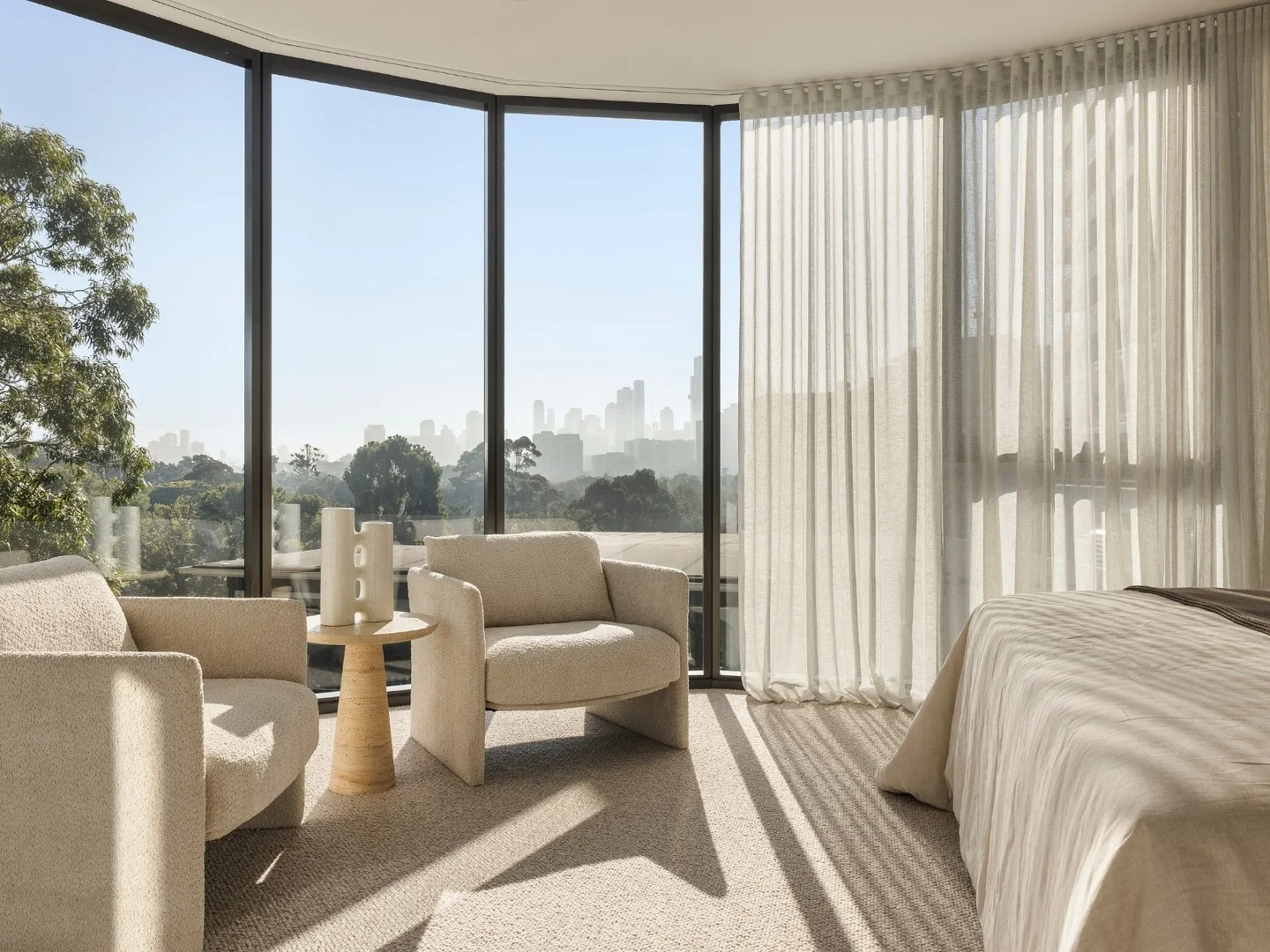 $2,750,000
Apartment / Unit / Flat
$2,750,000
Apartment / Unit / Flat
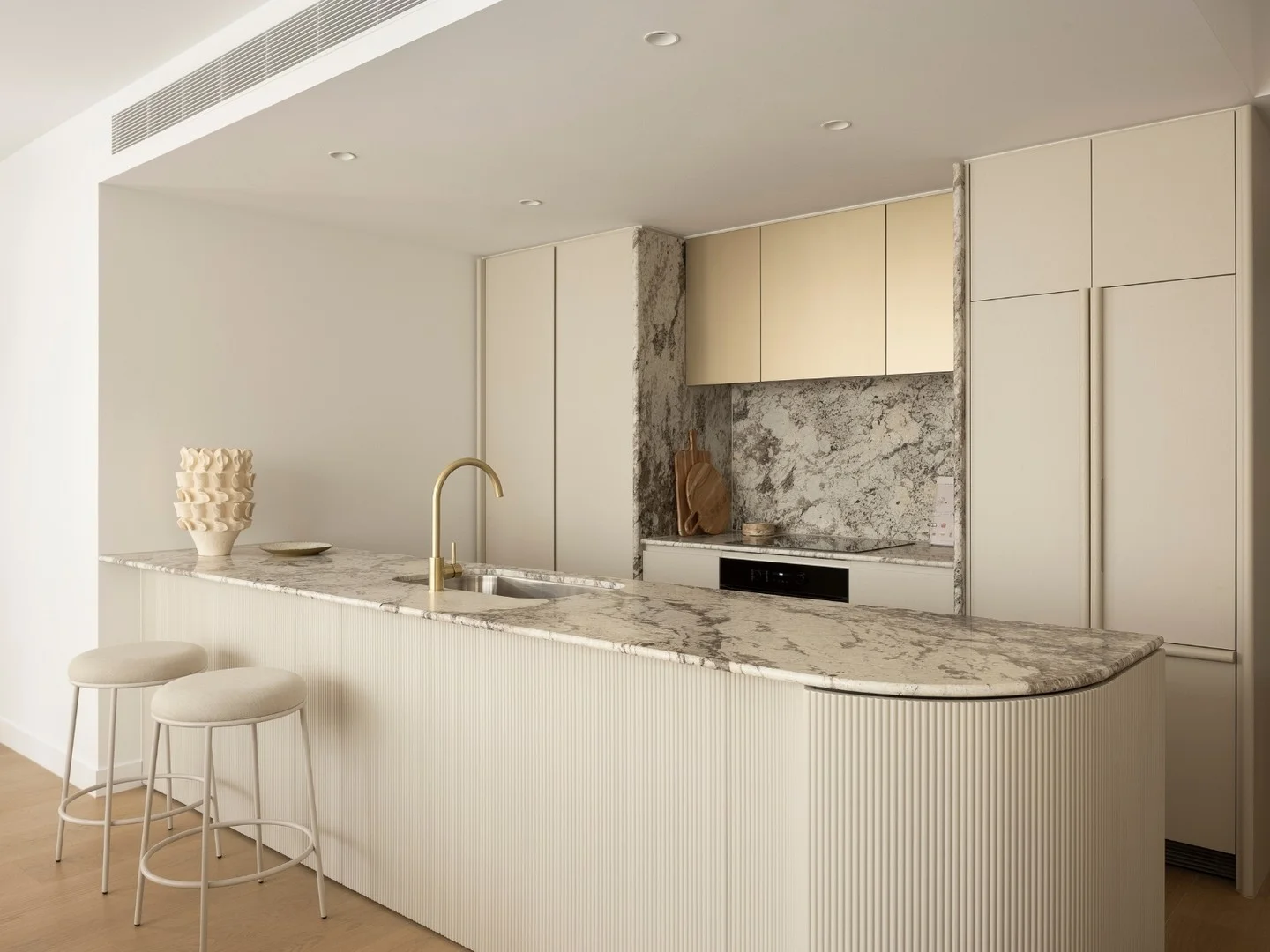 $1,345,000
Apartment / Unit / Flat
$1,345,000
Apartment / Unit / Flat
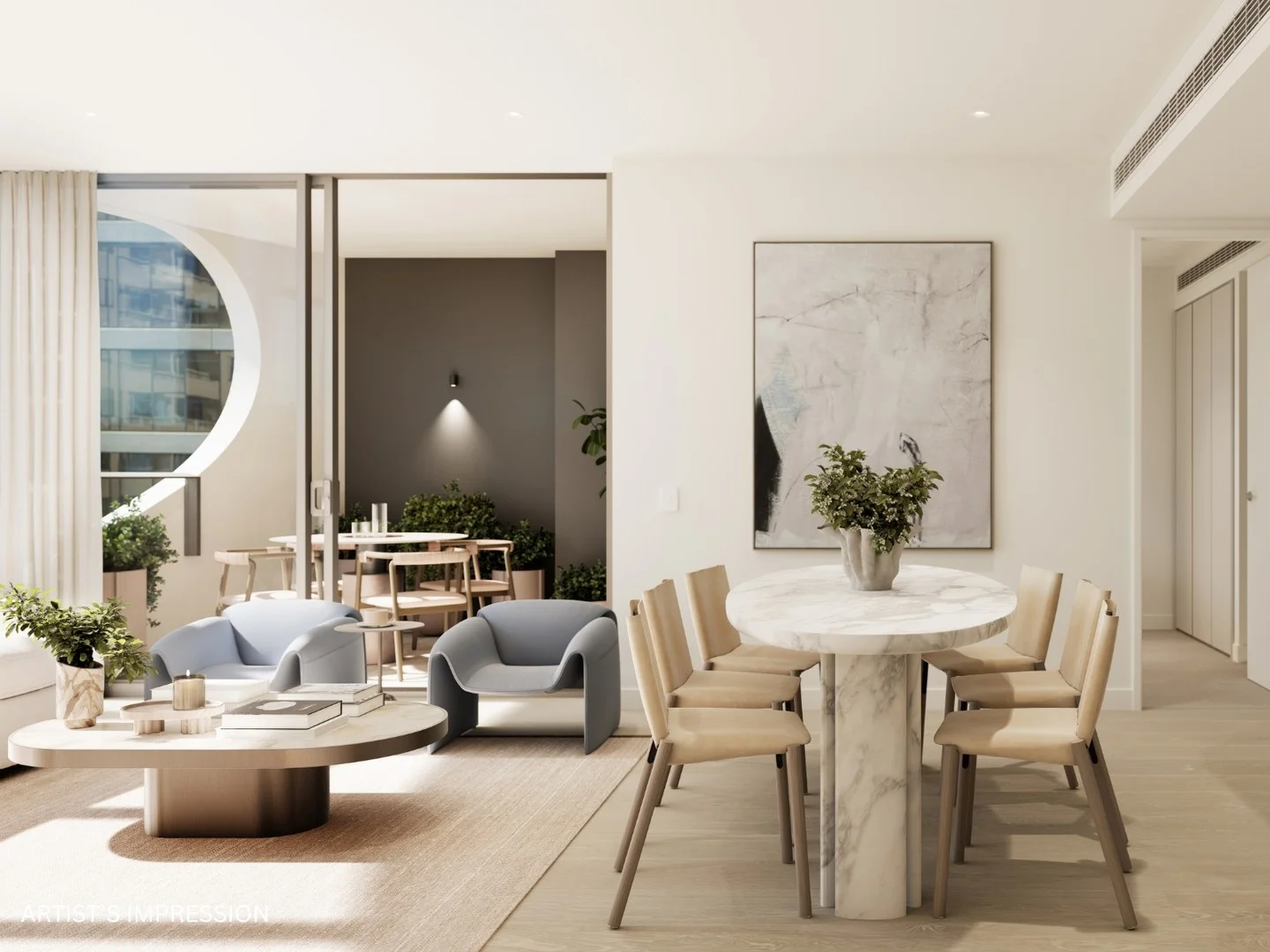 $1,640,000
Apartment / Unit / Flat
$1,640,000
Apartment / Unit / Flat
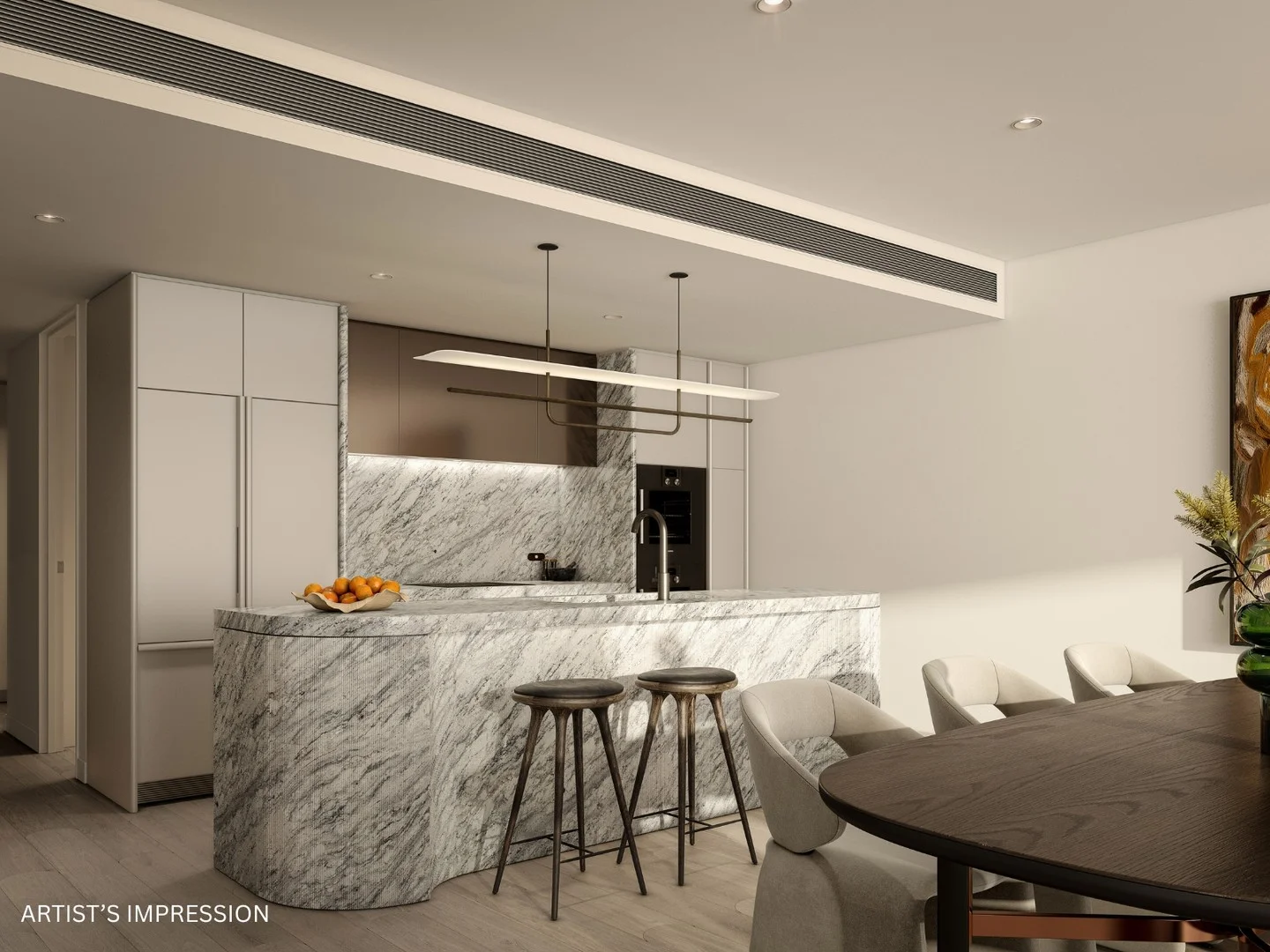 $2,900,000
Apartment / Unit / Flat
$2,900,000
Apartment / Unit / Flat
 $1,770,000
propertyType.NEW APARTMENTS / OFF THE PLAN
$1,770,000
propertyType.NEW APARTMENTS / OFF THE PLAN
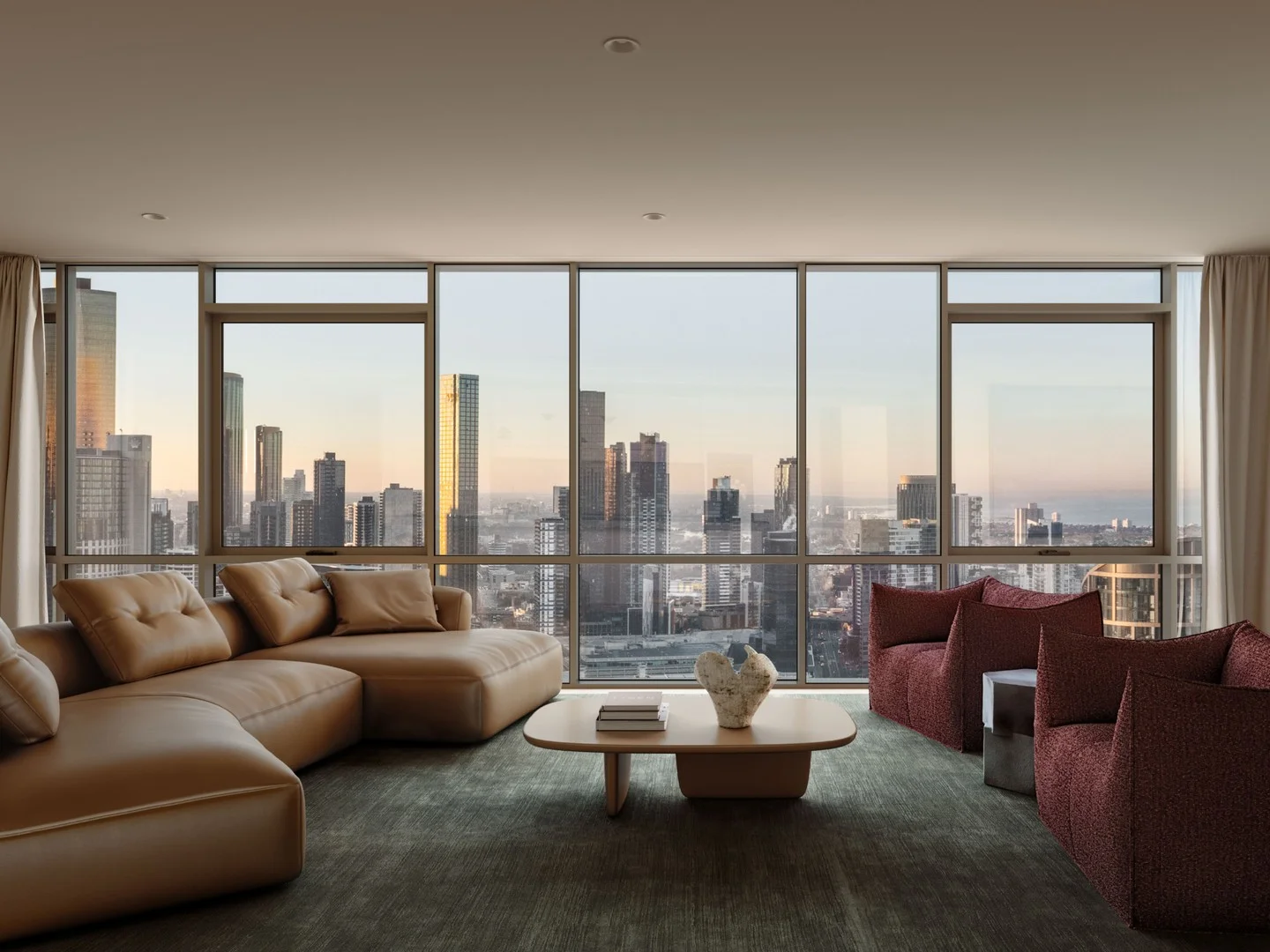 $3,700,000
propertyType.NEW APARTMENTS / OFF THE PLAN
$3,700,000
propertyType.NEW APARTMENTS / OFF THE PLAN
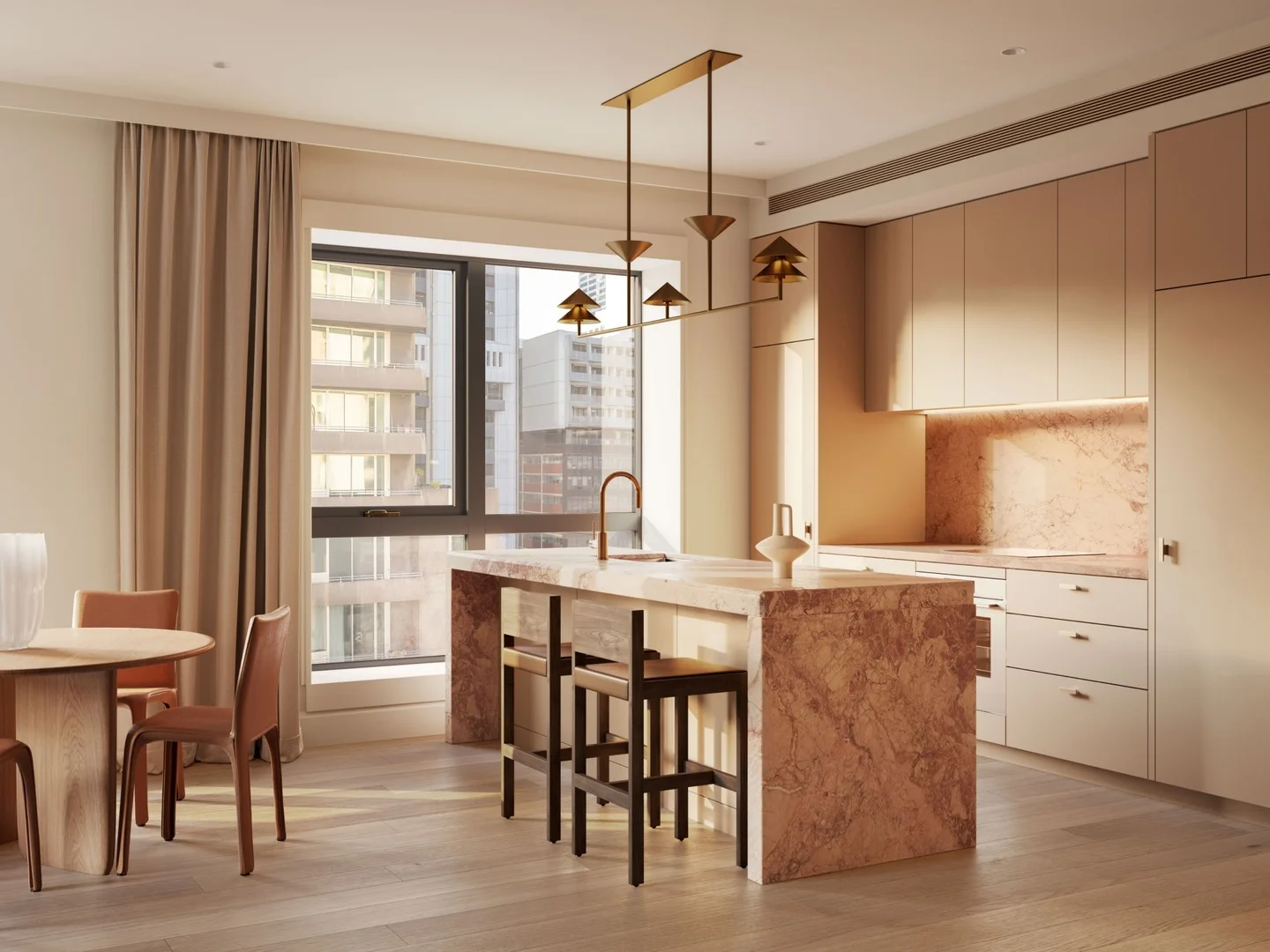 $1,760,000
propertyType.NEW APARTMENTS / OFF THE PLAN
$1,760,000
propertyType.NEW APARTMENTS / OFF THE PLAN
 $820,000
propertyType.NEW APARTMENTS / OFF THE PLAN
$820,000
propertyType.NEW APARTMENTS / OFF THE PLAN
 $480,000 - $520,000
Apartment / Unit / Flat
$480,000 - $520,000
Apartment / Unit / Flat


