## Overview
Youth2Industry College is a public senior secondary college in South Melbourne, Victoria, designed to re-engage young people with education and industry pathways. It offers a small-to-medium school environment with strong industry links, focused on practical, real-world learning that leads to apprenticeships, VET certificates, or further study. The atmosphere is welcoming and inclusive, with a practical, hands-on approach that supports students as they find their pathway into work or further study.
The college emphasises supportive, student-centred learning and a culture of collaboration. With small class sizes and a commitment to individual growth, students are encouraged to explore vocational options while building core academic skills in English, maths, and other required subjects.
⸻
## Academics & Learning
- Academic strengths: English and mathematics are complemented by robust vocational education and training (VET) pathways, leadership development, and opportunities to study languages or other interests alongside core subjects.
- Special programs: Pathways such as VCE and VCAL, plus VET in Schools (VETiS) and industry-aligned certificates, with options for mentoring and targeted learning support.
- NAPLAN / trends: NAPLAN trends can vary by cohort; check the latest school performance data for up-to-date insights. The school emphasises growth, attendance, and graduation outcomes.
- Student-teacher ratios: Class sizes are kept small-to-medium to enable more individualised attention and targeted support.
- Support for diverse learners: Strong EAL (English as an Additional Language) support and services for students with additional learning needs (SEN), with tailored interventions and supports.
⸻
## Sports & Extracurricular Strengths
- Sports offered: A range of mainstream school sports are typically available, with opportunities to participate in inter-school events and teams (e.g., basketball, soccer/football, athletics, cricket).
- Strong teams or achievements: The school collaborates with local clubs and leagues to provide competitive opportunities and development for students.
- Music, arts, drama: Access to music, arts, and drama programs, with chances to perform and showcase talents.
- Clubs: Robotics, coding, chess, debating, and other student-led clubs that promote teamwork and problem-solving.
- Partnerships: Connections with local industry partners, community clubs, and competitions to broaden real-world experiences and pathways.
⸻
## Wellbeing & Pastoral Care
- Anti-bullying approach: A proactive, whole-school approach to safety, respect, and positive relationships.
- House system: A house or team-based structure to foster belonging, friendly competition, and peer support.
- Counsellors / wellbeing officers: Dedicated wellbeing staff and access to counselling to support academic and personal development.
- Transition support for new students: Induction programs, peer mentorship, and targeted onboarding to ease transitions into the school community.
⸻
## Facilities
- Sports grounds: On-site spaces or nearby facilities for physical education and team sports.
- Libraries: A library offering study spaces, resources, and collaborative zones.
- Science labs: Equipped laboratories for practical science work and experiments.
- Music/performing arts centers: Facilities for music, drama, and performance activities.
- Tech/innovation labs: Hands-on spaces for technology, digital learning, and practical projects.
- Cafeteria: Canteen or food service for daily meals and snacks.
- Updated playgrounds: Modern outdoor spaces and recreational areas for breaks and informal activities.
⸻
## School Values & Community Culture
- School values / mission: A focus on respectful, responsible, and resilient learners who are ready to engage with industry and community.
- Leadership style: Collaborative leadership that involves students, families, and staff in planning and improvement.
- Behaviour expectations: Clear expectations around conduct, safety, and mutual respect, reinforced through consistent routines.
- Community reputation: A welcoming, practical environment that prioritises pathways to work and further study.
- Diversity & inclusion: Commitment to equity, inclusion, and supporting students from diverse backgrounds to succeed.
⸻
## School Logistics & Daily Operations
- School hours: Regular school day structure with start and finish times aligned to secondary schooling standards.
- Before/after school care: Wrap-around care options or arrangements through approved providers or in-school programs.
- Uniform requirements: Clear uniform expectations appropriate to the school’s ethos and climate.
- Transport (train/bus routes): Access via local public transport (bus/tram connections) with guidance on routes and accessibility.
- Canteen availability: On-site or nearby canteen facilities for meals and snacks.
- Fees (low/medium/high ranges): Public schools typically charge modest materials and activity fees; check current schedules for specifics.
⸻
## Enrolment & Admissions
11. What is the enrolment process and timeline?
- Typically starts with an expression of interest or application, followed by an information session or interview, and then confirmation of enrolment. Timelines vary by term and program availability.
12. Is there a waiting list, and how does it work?
- There may be a waiting list for popular pathways or programs. Placement is generally based on availability, readiness, and date of expression of interest.
13. Are there any entry requirements, tests, or interviews?
- Entry requirements can include an information session, eligibility checks, and possibly an interview to understand learning needs and fit with the program.
14. Does the school accept mid-year transfers?
- Mid-year transfers may be possible subject to seat availability and program suitability. Contact the admissions team for exact requirements and timelines.
⸻
## Frequently Asked Questions
- Why Parents Choose This School?
- Strong industry connections, practical pathways to work or further study, supportive staff, and a focus on real-world skills.
- What type of student thrives at this school?
- Hands-on learners who prefer practical, trade-aligned or industry-adjacent pathways, and students seeking re-engagement with education and pathways to apprenticeships.
- What opportunities are available for students to extend their skills (academics, sports, arts)?
- A mix of academic support alongside VET programs, leadership and mentoring opportunities, sports, and arts/clubs such as robotics, coding, debating.
- How does the school communicate with parents?
- Regular updates through newsletters, parent portals or emails, parent-teacher interviews, and scheduled communications about student progress and events.
- What is the school’s approach to teaching and learning?
- Hands-on, practical and industry-relevant learning that combines core academics with vocational pathways and real-world projects.
- How does the school support students who need extra academic help?
- Targeted tutoring, EAL and SEN support, small-group sessions, and personalised learning plans.
- What support is available for academic challenges?
- Access to counsellors or wellbeing staff, academic coaching, and collaboration with families to create a plan for improvement.
- How does the school communicate with parents?
- See above: regular updates and opportunities for direct meetings with teachers and leaders.
- What are the class sizes and how much individual attention do students receive?
- Class sizes are small-to-medium to allow more personalised attention and targeted support.
- What extracurricular and sports opportunities are available?
- A variety of sports, clubs in STEM and the arts, and competitive opportunities through local partnerships.
- What facilities does the school offer (sports, science, arts)?
- Sports facilities, a library, science labs, music/performing arts spaces, tech/innovation labs, a canteen, and outdoor areas.
- What is the school’s approach to technology and digital learning?
- Integrated technology in teaching and learning, with digital resources, and access to devices or platforms to support learning.
- What transport and accessibility options are available?
- Access via public transport with local bus/tram connections, plus guidance on routes and accessibility for students.
- What are the typical school fees or additional costs?
- Modest fees for materials, excursions, uniforms, and activities; exact amounts vary by program and year.
⸻
## Short Pros & Cons list
- Pros
- Strong industry links and practical career pathways
- Smaller class sizes and personalised support
- Inclusive, supportive learning environment
- Opportunities to pursue VET and credentialed certificates
- Focus on real-world skills and transitions to work or further study
- Cons
- May place heavier emphasis on vocational pathways compared to traditional academic streams
- Availability of specific programs or clubs can vary by year and cohort
- Location and transport options may affect commute for some families
- Community resources and facilities can differ between cohorts and campuses
⸻













 $1,640,000
Apartment / Unit / Flat
$1,640,000
Apartment / Unit / Flat
 $2,900,000
Apartment / Unit / Flat
$2,900,000
Apartment / Unit / Flat
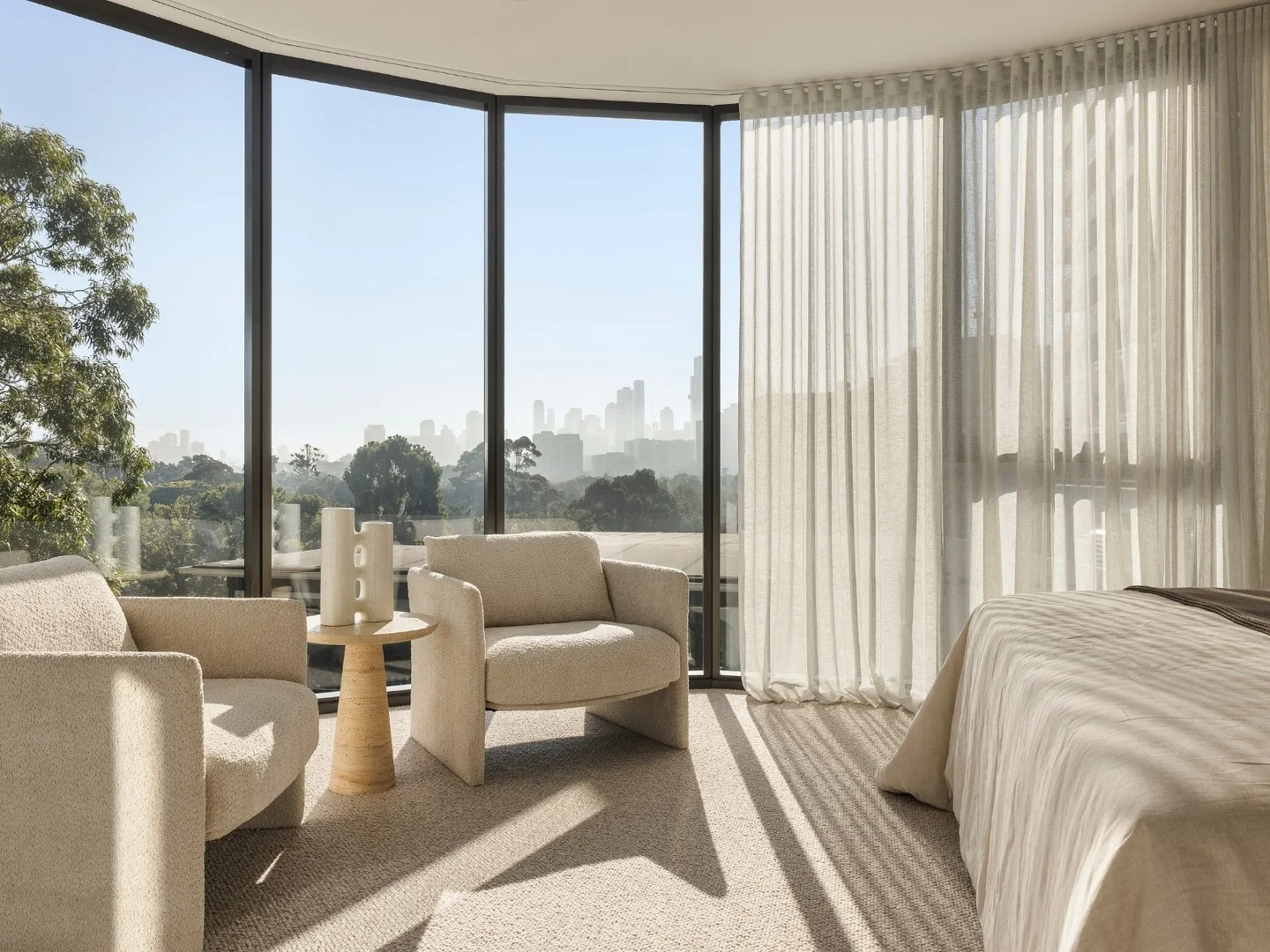 $2,750,000
Apartment / Unit / Flat
$2,750,000
Apartment / Unit / Flat
 $1,345,000
Apartment / Unit / Flat
$1,345,000
Apartment / Unit / Flat
 $1,770,000
propertyType.NEW APARTMENTS / OFF THE PLAN
$1,770,000
propertyType.NEW APARTMENTS / OFF THE PLAN
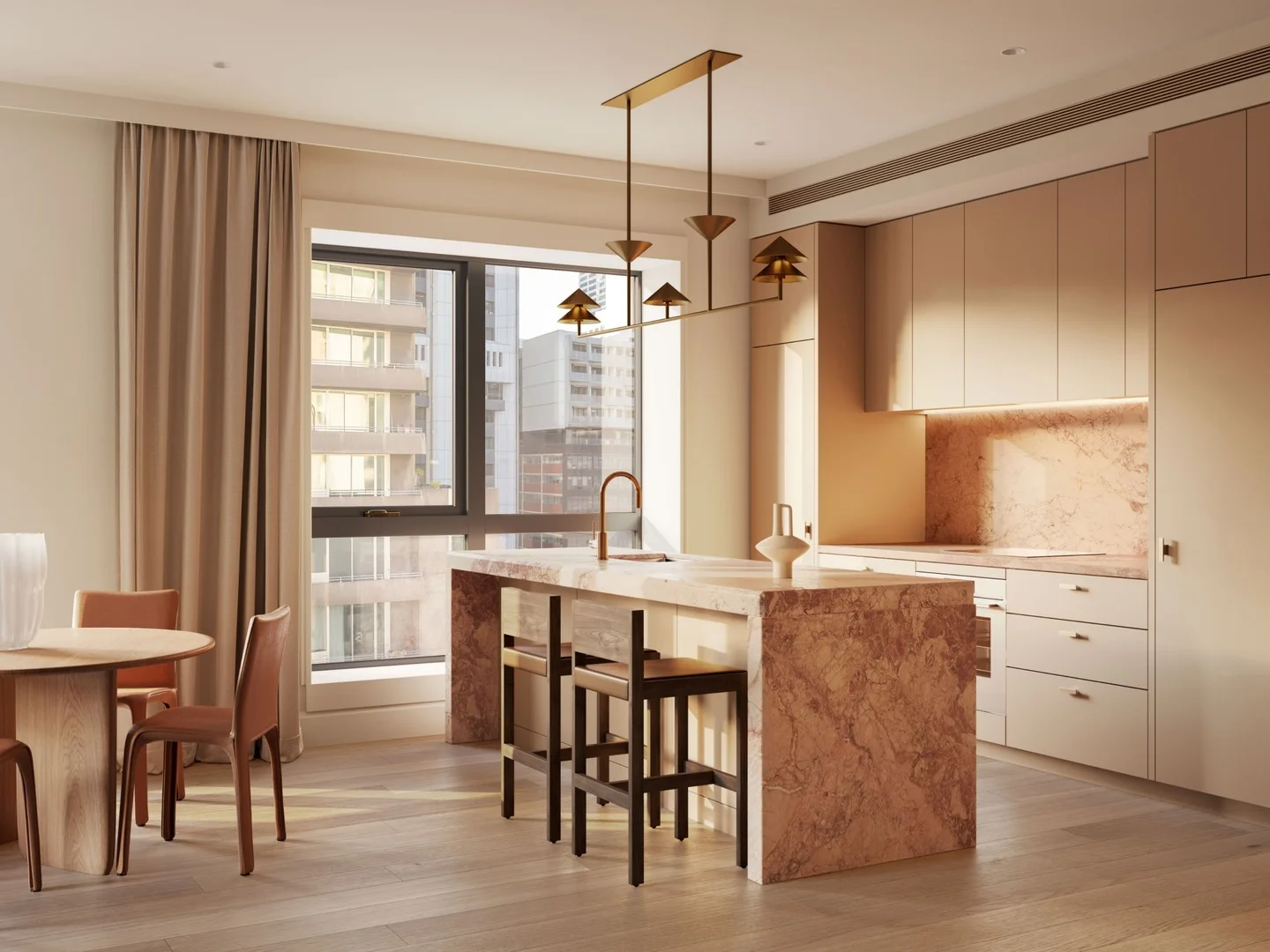 $1,760,000
propertyType.NEW APARTMENTS / OFF THE PLAN
$1,760,000
propertyType.NEW APARTMENTS / OFF THE PLAN
 $820,000
propertyType.NEW APARTMENTS / OFF THE PLAN
$820,000
propertyType.NEW APARTMENTS / OFF THE PLAN
 $3,700,000
propertyType.NEW APARTMENTS / OFF THE PLAN
$3,700,000
propertyType.NEW APARTMENTS / OFF THE PLAN
 $480,000 - $520,000
Apartment / Unit / Flat
$480,000 - $520,000
Apartment / Unit / Flat


