## Overview
Glen Waverley Secondary College is a public, co-educational secondary school serving students in the Glen Waverley area. The college offers a broad Victorian curriculum with opportunities across academics, sports, arts and leadership, supporting students from early adolescence through senior years.
The school aims to balance strong academic expectations with a welcoming, inclusive culture. With a medium-to-large student population and a diverse community, it focuses on creating a supportive environment where students can pursue a range of interests and develop as confident, contributing members of the school and broader community.
⸻
- School type: Public
- School size: Medium
- Class size: Mid-20s (roughly 22–28 students per class)
- Atmosphere/culture: Inclusive, diverse, academically oriented, supportive, sports-friendly
⸻
## Academics & Learning
Glen Waverley Secondary College provides a comprehensive curriculum designed to build core skills and expand student opportunities. There is a clear emphasis on rigorous learning in key subject areas, along with leadership development and pathways into senior schooling and post-school routes.
- Academic strengths: STEM, English, leadership development, languages (LOTE)
- Special programs: Accelerated learning options and Gifted & Talented pathways where offered
- NAPLAN trends: Victorian NAPLAN trend data typically shows stable-to-improving performance in reading and numeracy, with steady progress in writing over recent years (for exact figures, check the Department of Education publications)
- Student-teacher ratios: Class sizes commonly in the mid-20s; overall student-teacher ratio generally around 1:12–1:18, depending on subject and year level
- Support for diverse learners: EAL (English as an Additional Language), SEN support, and targeted assistance to help students reach their learning goals
⸻
## Sports & Extracurricular Strengths
A strong emphasis on well-rounded development means students have ample opportunities to compete, perform and explore interests beyond the classroom.
- Sports offered: Basketball, netball, soccer, cricket, football, athletics, swimming and other community-based activities
- Strong teams or achievements: Active participation in inter-school and regional competitions with ongoing opportunities to compete and succeed
- Music, arts, drama programs: Comprehensive programs including instrumental music, choir, drama productions and visual arts
- Clubs: Robotics, chess, coding, debating and other academic or interest-based clubs
- Partnerships: Collaboration with local clubs and community organizations, including participation in regional competitions and events
⸻
## Wellbeing & Pastoral Care
Wellbeing and a positive school culture are central to student success, with programs and staff dedicated to helping students thrive.
- Anti-bullying approach: Clear policies and proactive programs promoting respectful, safe school environments
- House system: House structures to build belonging, mentorship and healthy competition
- Counsellors / wellbeing officers: Access to school-based counsellors and wellbeing staff to support social, emotional and academic needs
- Transition support: Orientation activities, buddy programs and transitional supports for new students
⸻
## Facilities
The school provides a range of facilities to support learning, performance, sport and daily life on campus.
- Sports grounds
- Libraries
- Science labs
- Music/performing arts centers
- Tech/innovation labs
- Cafeteria
- Updated playgrounds
⸻
## School Values & Community Culture
Families look for a school whose values align with their child’s development and future success. Glen Waverley Secondary College aims to foster respectful, responsible and curious students within a collaborative community.
- School values / mission: Respect, responsibility, integrity, and a commitment to excellence
- Leadership style: Inclusive, student-centered leadership with opportunities for student voice and leadership roles
- Behaviour expectations: Clear codes of conduct and positive behaviour supports
- Community reputation: Strong sense of community with active parental involvement and community partnerships
- Diversity & inclusion: Multicultural environment with support systems for EAL and SEN students
⸻
## School Logistics & Daily Operations
Practical daily details help families plan around school life.
- School hours: Typically a daytime schedule aligned with local education authority timetables
- Before/after school care: Availability varies; check with the school or local providers for options
- Uniform requirements: School uniform as part of daily dress; details provided by the school
- Transport (train/bus routes): Accessible by local bus routes and nearby train stations; transport planning advised through public transport authorities
- Canteen availability: On-site canteen or cafeteria services offering daily meals and snacks
- Fees (low/medium/high ranges): As a public school, there is no tuition fee; some costs may apply for materials, camps, excursions and optional activities
⸻
## Enrolment & Admissions
11. What is the enrolment process and timeline?
- Enrolment typically follows the regional intake process set by the Victorian Department of Education. Applications are submitted through the department’s process, with timelines varying by year level and catchment. Check the school and Department of Education websites for the exact dates and required documents.
12. Is there a waiting list, and how does it work?
- Waiting lists can occur, particularly for local-area applicants. Allocation usually considers order of application, availability, and catchment rules. Families heard about vacancies as they arise.
13. Are there any entry requirements, tests, or interviews?
- Most public secondary schools in Victoria enrol non-selectively based on catchment; there may be information nights or tours. Some programs or out-of-area applications might require additional documentation or interview, but entrance tests are not routine for general Year 7 entry.
14. Does the school accept mid-year transfers?
- Mid-year transfers are possible if places are available and the student’s documentation is complete. Transfer processing depends on vacancies and the receiving year level’s capacity.
⸻
## Frequently Asked Questions
- Why Parents Choose This School?
- A strong public education option with a broad curriculum, supportive wellbeing programs, and a community-focused environment.
- What type of student thrives at this school?
- Students who engage across academics and co-curriculars, participate in community life, and value collaboration and leadership opportunities.
- What opportunities are available for students to extend their skills (academics, sports, arts)?
- Gifted & Talented or accelerated pathways, leadership programs, competitive sports teams, music and drama programs, robotics, coding, debating and more.
- How does the school communicate with parents?
- Through newsletters, emails, parent portals, and regular parent-teacher meetings, with available information nights and updates on school activities.
- What is the school’s approach to teaching and learning?
- Student-centered, differentiated instruction that supports diverse learners and focuses on critical thinking, collaboration and real-world application.
- How does the school support students who need extra academic help?
- Targeted learning support, EAL and SEN assistance, small-group interventions, and access to guidance counselors.
- What support is available for academic challenges?
- Timely feedback, remedial supports, tutoring opportunities, and planning with teachers to set achievable goals.
- What are the class sizes and how much individual attention do students receive?
- Class sizes are typically in the mid-20s, with teacher access for guidance, feedback and targeted support within and outside class time.
- What extracurricular and sports opportunities are available?
- A wide range across sports, music, drama, robotics, coding, debating and other clubs; regular competitions and performances.
- What facilities does the school offer (sports, science, arts)?
- Comprehensive facilities including sports grounds, libraries, science labs, music and performing arts spaces, tech/innovation labs and a canteen.
- What is the school’s approach to technology and digital learning?
- Integration of digital tools and resources in learning, with access to computer labs, interactive learning platforms and appropriate use of technology in daily lessons.
- What transport and accessibility options are available?
- Local bus routes and nearby rail options, with information on parking and accessibility at the school site; plan journeys with local transport authorities.
- What are the typical school fees or additional costs?
- Public schooling does not charge tuition; some costs may arise for materials, excursions, events and optional programs. Uniforms and certain activities may incur costs.
⸻
## Short Pros & Cons list
- Pros
- Public, broad curriculum with strong academic and co-curricular options
- Inclusive and supportive school culture with wellbeing focus
- Wide range of clubs, sports and arts opportunities
- Accessible facilities and a diverse community
- Cons
- Large school size may mean less personalised attention in some areas
- Some costs for materials, excursions, uniforms and optional activities
- Transport and travel times can vary depending on location and routine
⸻
If you’d like, I can tailor this content further with specific details from the school’s latest prospectus or the Department of Education updates to ensure accuracy.
 $390+
$390+













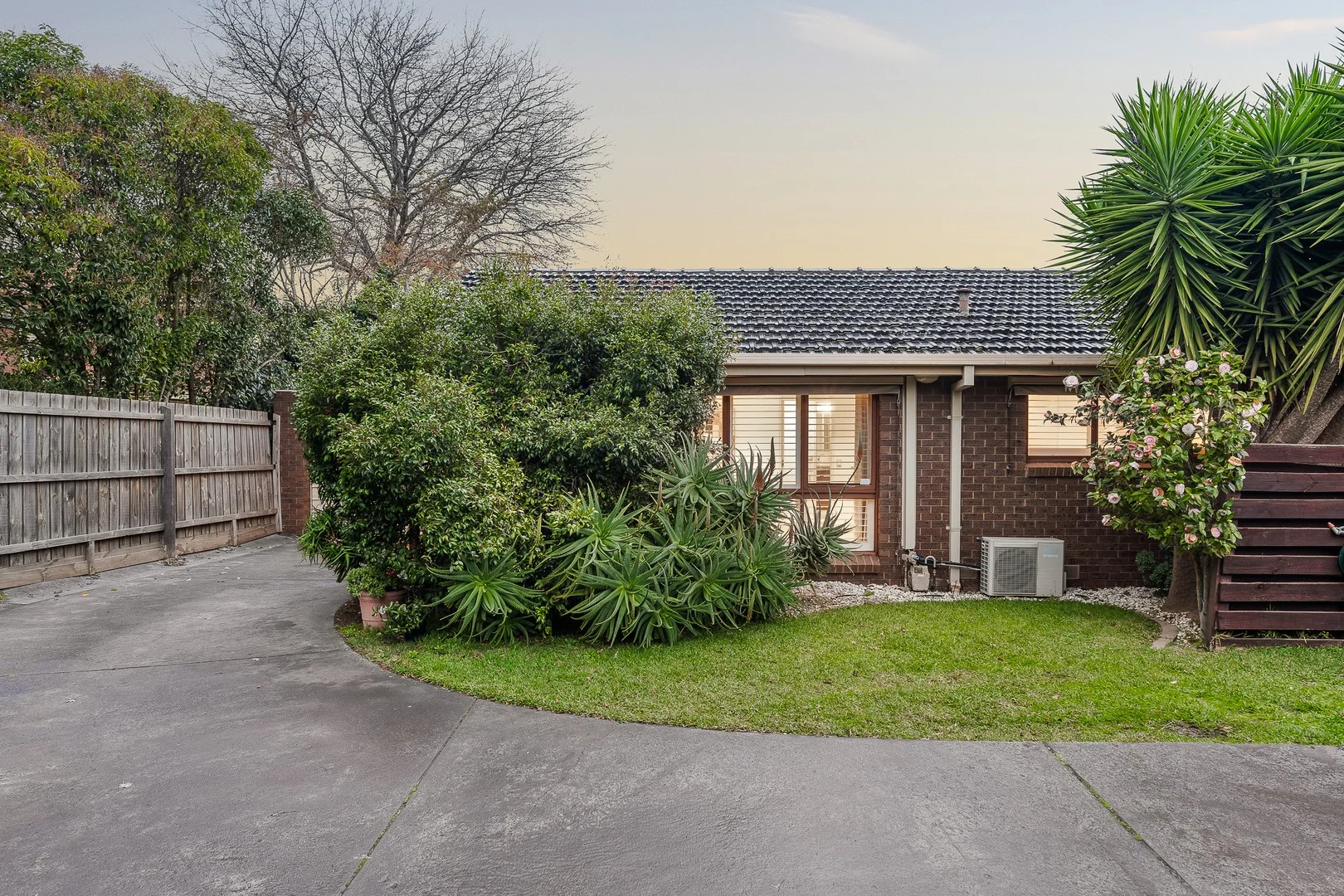 $770,000 - $820,000
Apartment / Unit / Flat
$770,000 - $820,000
Apartment / Unit / Flat
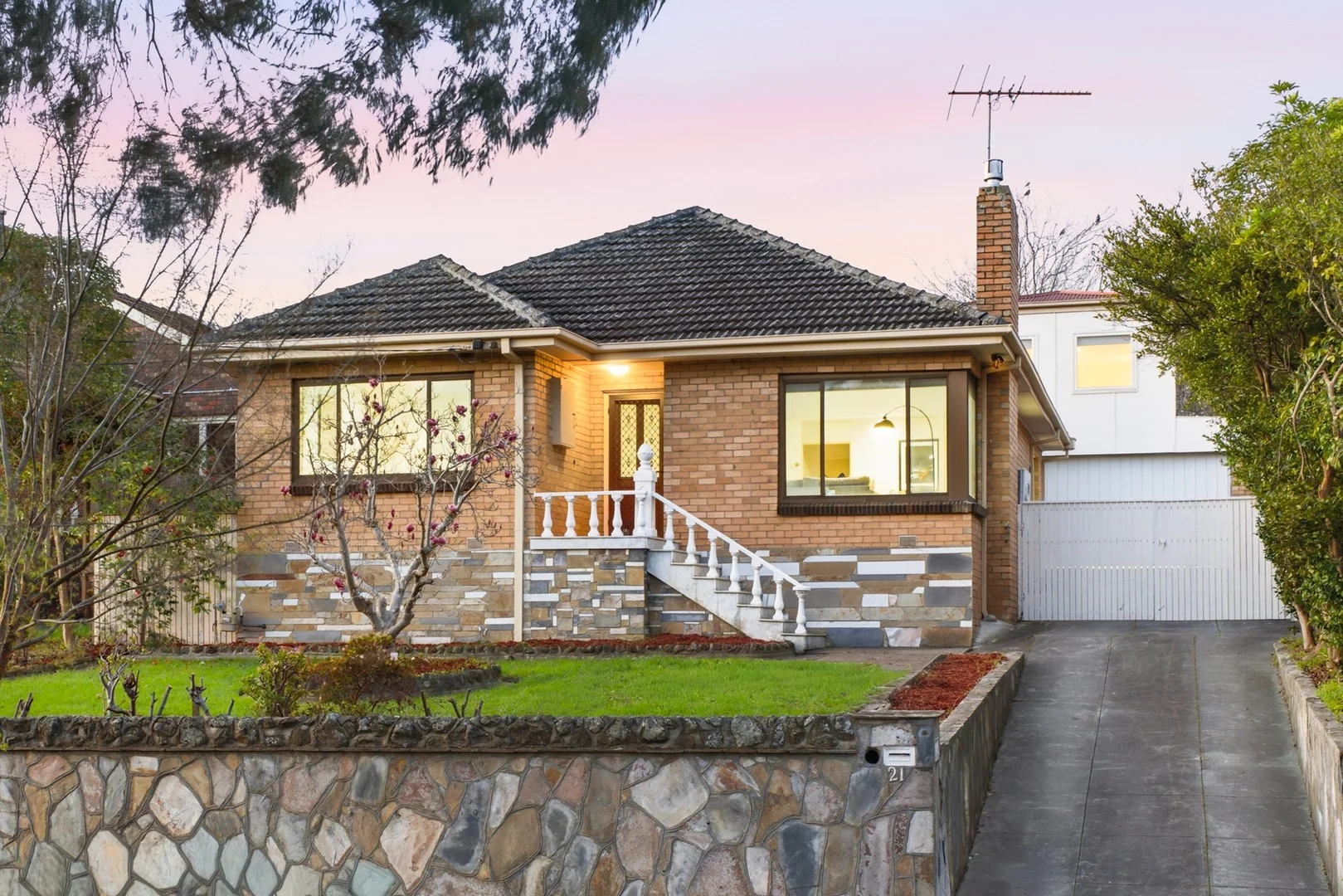 $1,200,000
House
$1,200,000
House
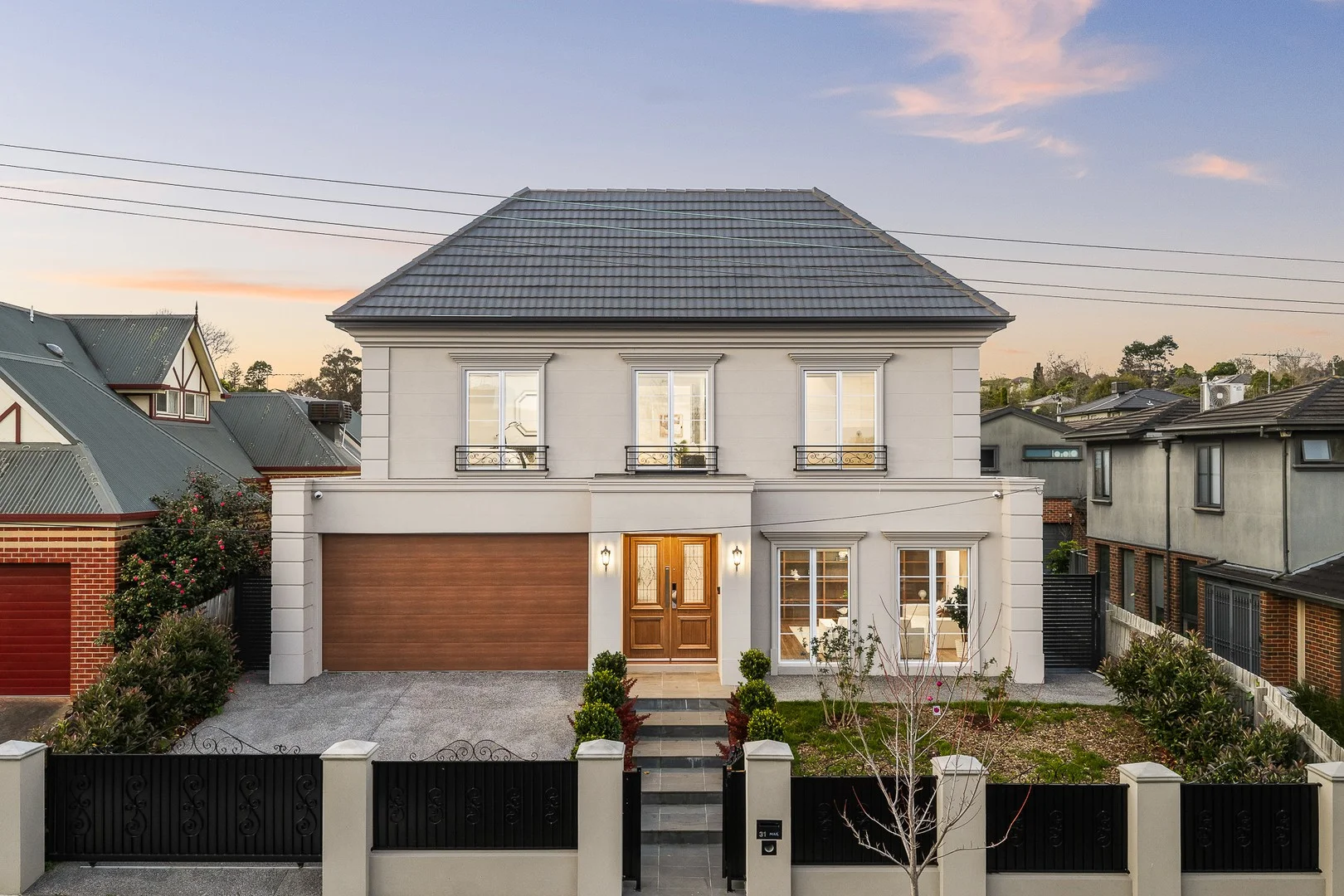 $2,550,000
House
$2,550,000
House
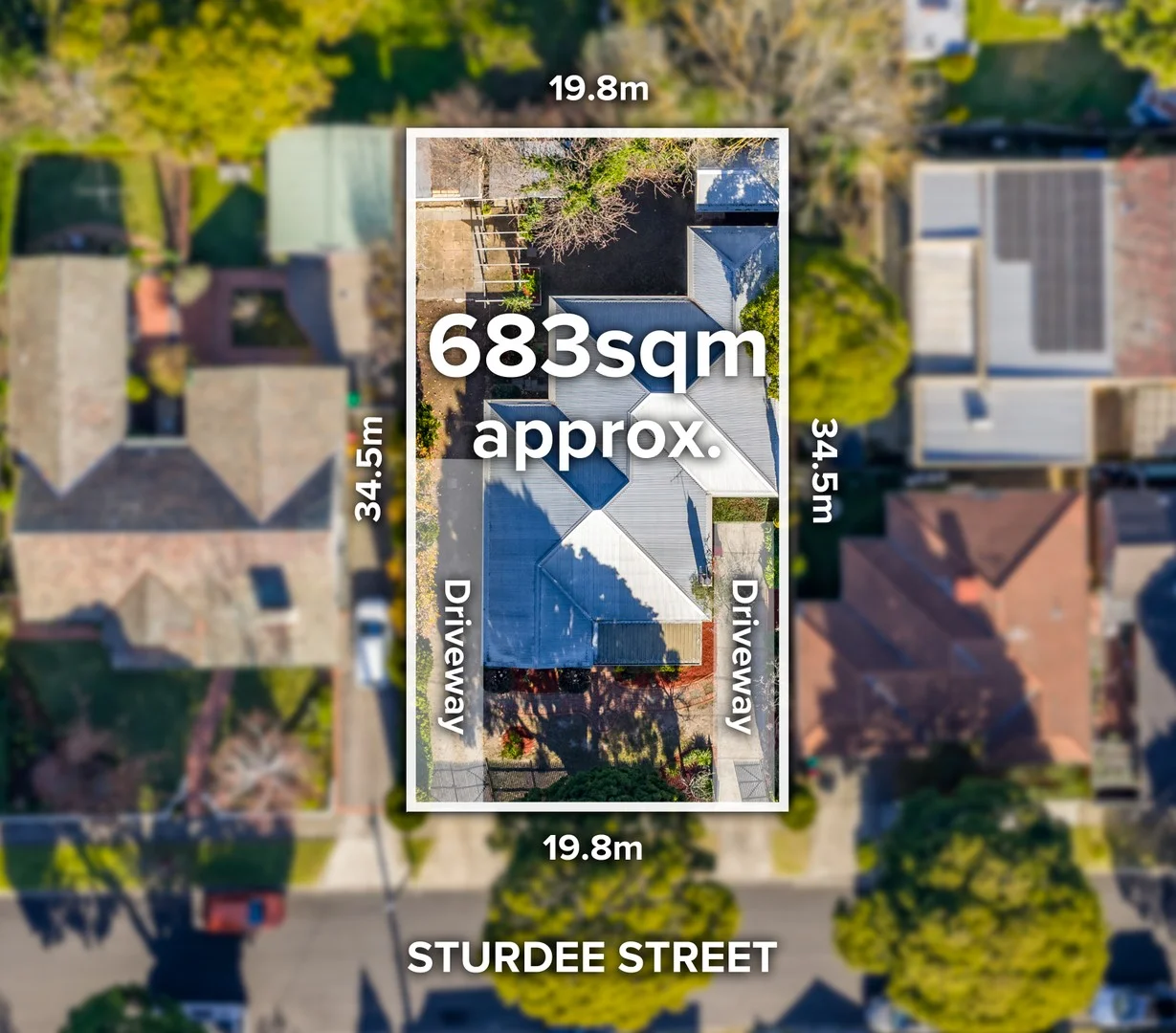 $2,000,000
House
$2,000,000
House
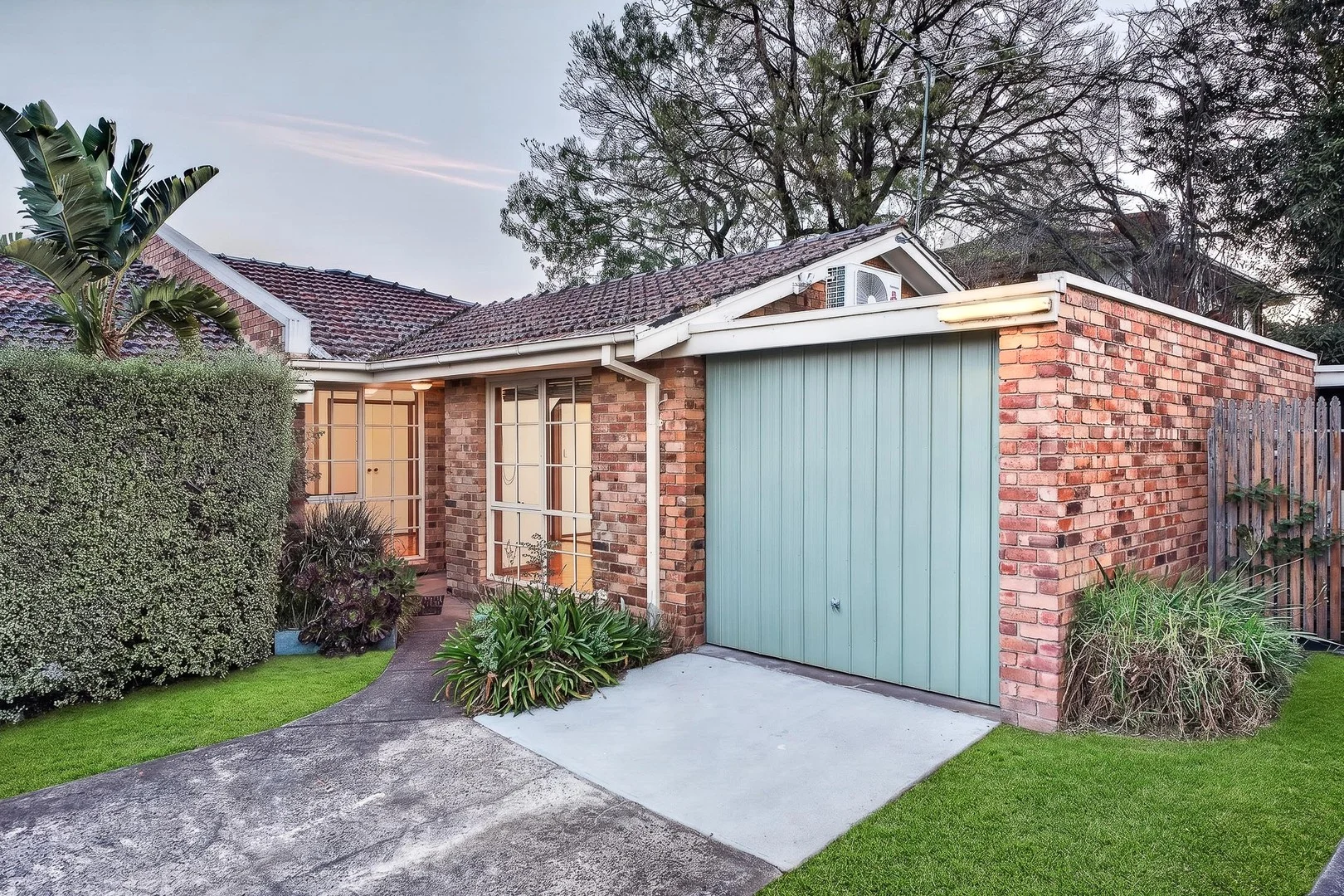 $765,000 - $825,000
Apartment / Unit / Flat
$765,000 - $825,000
Apartment / Unit / Flat
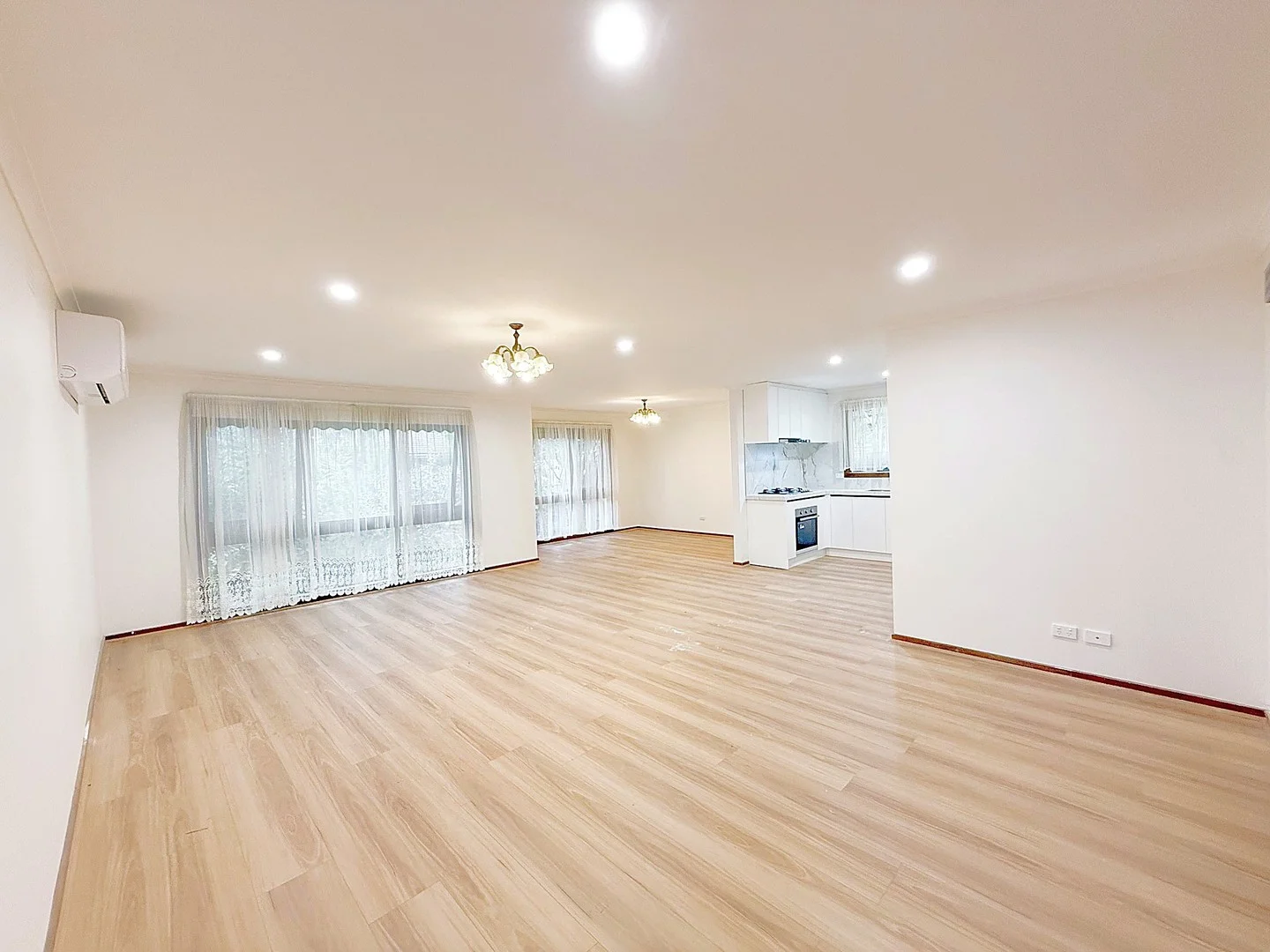 $1,100
House
$1,100
House
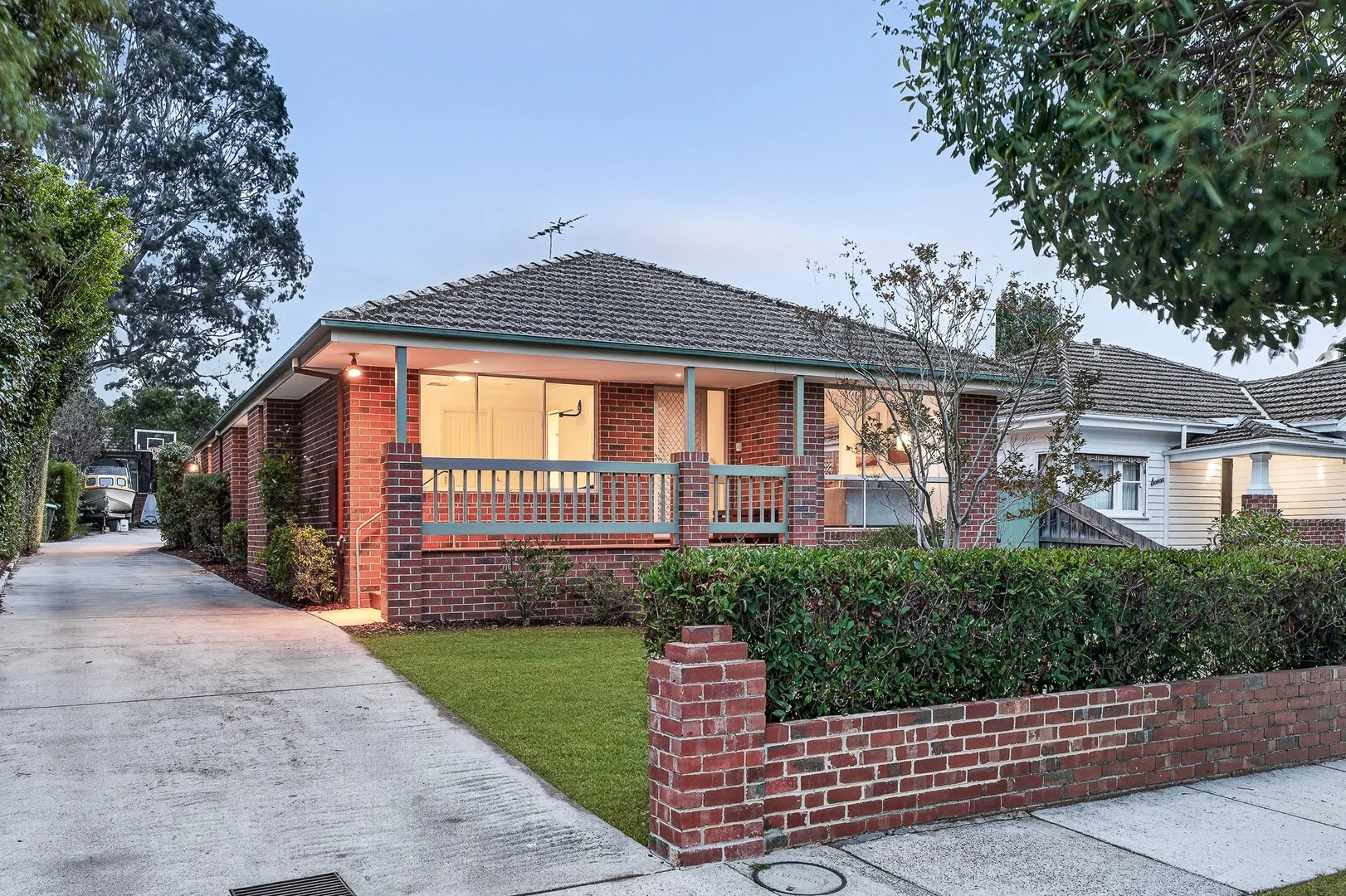 $1,200,000 - $1,300,000
House
$1,200,000 - $1,300,000
House
 $630,000 - $680,000
Apartment / Unit / Flat
$630,000 - $680,000
Apartment / Unit / Flat
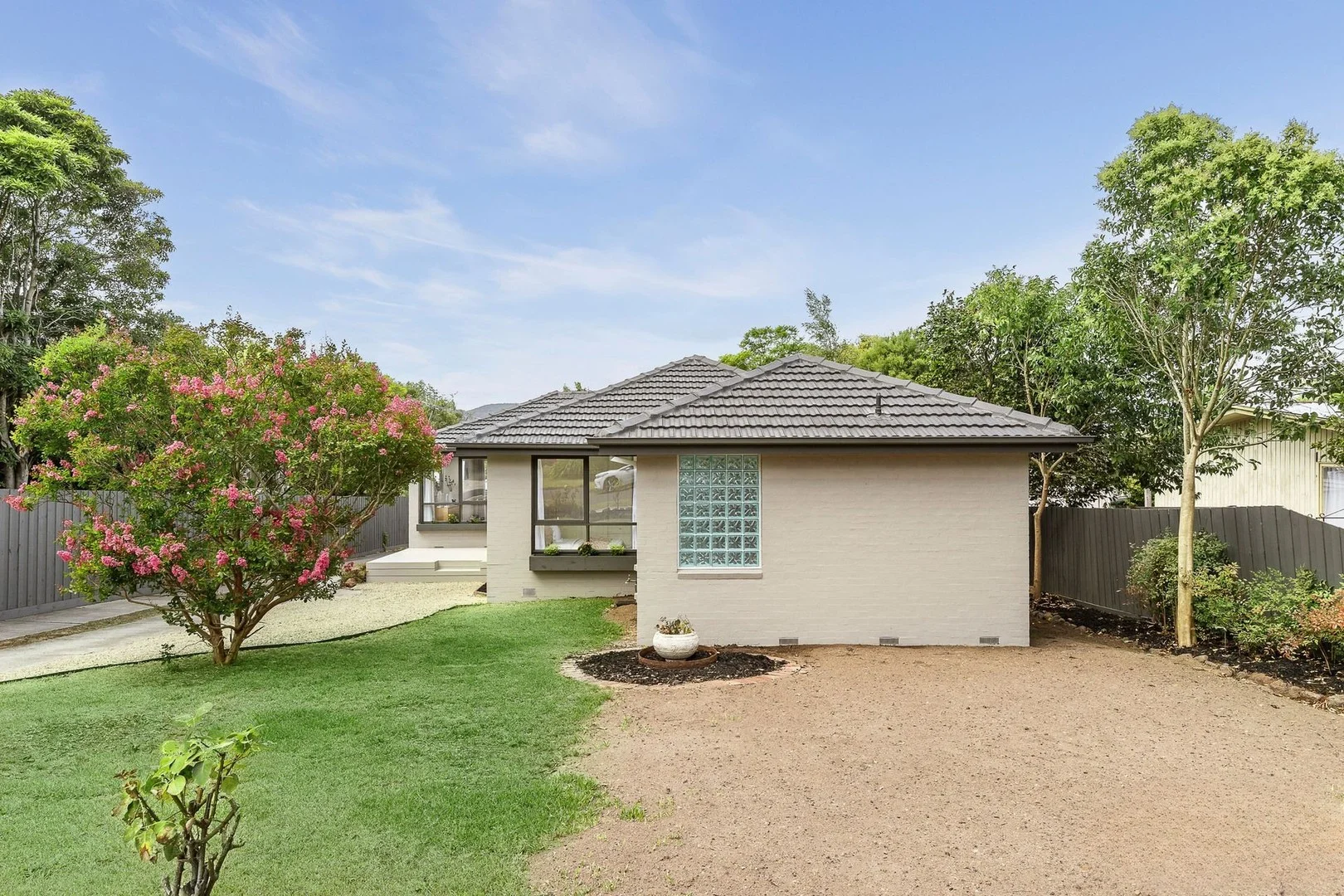 $700
Apartment / Unit / Flat
$700
Apartment / Unit / Flat


