Overview
1. Overview
Glengala Primary School is a public (government) primary school serving families in the western suburbs of Melbourne, Victoria. The school focuses on providing an inclusive, supportive learning environment where students are encouraged to participate, explore and grow.
School size is medium, with a typical class size around 20–25 students. The atmosphere is nurturing and community-minded, emphasising respect, collaboration and opportunities for every child to develop academic skills, social confidence and resilience.
2. Academics & Learning
- Academic strengths: Strong emphasis on core literacy and numeracy, with engaging STEM activities and a focus on developing writing, reading comprehension and mathematical reasoning. The school also supports robust digital literacy and problem-solving skills through tech-integrated learning.
- Special programs: Gifted and Talented opportunities may be available where identified, along with regular arts, music and physical education programs. Differentiated instruction is used to meet diverse learning needs.
- NAPLAN trends: Historical data show steady progress in key domains with results typically aligned with or above state trends for many years. Year-to-year fluctuations occur, so refer to the latest annual report for current trend insights.
- Student-teacher ratios: Class sizes around 20–25 students; school-wide teaching staff ratios align with typical primary-school norms, supporting close teacher-student interaction.
- Support for diverse learners: Strong support for students with English as an Additional Language (EAL) needs and for students with additional learning needs (SEN) through inclusive practices, targeted interventions and in-class differentiation.
3. Sports & Extracurricular Strengths
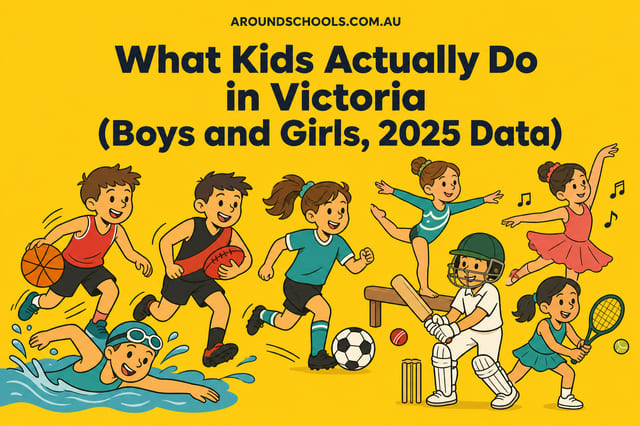
- Sports offered: A mix of team and individual activities, commonly including athletics, soccer, cricket, basketball, netball and AFL-inspired programs, with PE as a core part of the timetable.
- Strong teams or achievements: Participation in local inter-school and district events; opportunities to represent the school in various sports at local competitions.
- Music, arts, drama programs: School music programs, performing arts opportunities and supportive arts activities contribute to a well-rounded experience.
- Clubs: Robotics, chess, coding and debating are typically available or offered through after-school programs or lunchtime clubs.
- Partnerships: Connections with local community and sporting clubs, plus opportunities to participate in district-level competitions and coding/robotics activities through partnerships.
4. Wellbeing & Pastoral Care
- Anti-bullying approach: Positive behaviour supports and clear anti-bullying practices aimed at creating a safe, respectful school culture.
- House system: A house-based framework to foster belonging, teamwork and healthy competition across year levels.
- Counsellors / wellbeing officers: Access to school-based counsellors or wellbeing staff to support students’ social, emotional and mental health needs.
- Transition support for new students: Structured induction processes, buddy systems and targeted supports to help new students settle in quickly.
5. Facilities
- Sports grounds: On-site playing fields or courts suitable for PE and school sports.
- Libraries: A library equipped to support reading, research and pleasure reading.
- Science labs: Access to science spaces for practical experiments and inquiry learning.
- Music/performing arts centers: Space and facilities to support music, drama and performance activities.
- Tech/innovation labs: Technological resources and spaces to support digital learning and coding activities.
- Cafeteria: On-site canteen or cafeteria offering healthy options at appropriate times.
- Updated playgrounds: Safe, well-maintained play areas and outdoor spaces for recreation and learning.
6. School Values & Community Culture
- School values / mission: A values-based culture emphasising respect, responsibility, inclusion and active learning.
- Leadership style: Collaborative and student-centered, with strong family engagement and staff teamwork.
- Behaviour expectations: Clear expectations around conduct, with a consistent approach to positive behaviour and restorative practices.
- Community reputation: Known in the local area as a welcoming, inclusive school with a focus on student well-being and engagement.
- Diversity & inclusion: A diverse school community with inclusive practices to support students from different backgrounds and with varying needs.
7. School Logistics & Daily Operations
- School hours: Typical primary school day generally starts around 9:00 am and finishes around 3:30 pm.
- Before/after school care: OSHC or local providers commonly available to support families with before/after school care.
- Uniform requirements: School uniform encouraged or required; details provided by the school (and uniform supplier) for daily wear and sports kit.
- Transport (train/bus routes): Serviced by local bus routes and public transport options; families often use walking or cycling where possible, with information available from the school about local routes.
- Canteen availability: Canteen or lunch program operating on specified days with healthy options.
- Fees (low/medium/high ranges): Public primary schools typically charge small voluntary contributions and materials/activities levies; specifics vary by year and program.
8. Enrolment & Admissions
11. What is the enrolment process and timeline?
- Enrolment is typically handled through the local school and the Department of Education processes. Parents usually submit an enrolment form within the designated intake period for their child’s year level, with timelines published by the school and the education department. Local catchment considerations apply, and the school will communicate required documentation and timelines.
12. Is there a waiting list, and how does it work?
- Waiting lists can occur when enrolments exceed available places. Families should contact the school to understand current availability, priority allocations (often aligned with catchment boundaries), and the process for expressing interest or applying for a transfer when spaces open.
13. Are there any entry requirements, tests, or interviews?
- Generally, primary school enrolments do not require entrance tests. Some schools may request basic information or an informal conversation to understand the student’s needs and to plan supports. Check the school’s current enrolment guidelines for specifics.
14. Does the school accept mid-year transfers?
- Mid-year transfers are possible subject to vacancy and alignment with the intake process. Families should contact the school as soon as possible to discuss availability and required steps.
9. Frequently Asked Questions
- Why Parents Choose This School?
- A welcoming, inclusive environment with strong literacy and numeracy focus, supportive staff, and opportunities across sports, arts and clubs.
- What type of student thrives at this school?
- Students who respond well to a collaborative, values-driven environment with an emphasis on both academic and social development.
- What opportunities are available for students to extend their skills (academics, sports, arts)?
- Enriched literacy/numeracy activities, STEM/maker programs, music and performing arts, sports teams, coding/robotics clubs and debating opportunities.
- How does the school communicate with parents?
- Regular updates through newsletters, emails, parent-teacher meetings and digital platforms; opportunities for parent involvement in school events.
- What is the school’s approach to teaching and learning?
- Student-centered, differentiated instruction with a focus on core literacy and numeracy, practical inquiry, and inclusive practices to support diverse learners.
- How does the school support students who need extra academic help?
- Targeted interventions, small-group or one-on-one support, EAL/SEN programs and ongoing progress monitoring.
- What support is available for academic challenges?
- Access to teachers, learning support staff and specialist programs to address learning gaps and to challenge advanced learners where appropriate.
- How does the school communicate with parents? (Repeat)
- See above: regular updates through multiple channels and scheduled meetings.
- What are the class sizes and how much individual attention do students receive?
- Class sizes typically around 20–25 students, with teachers able to provide targeted instruction and individual support within the classroom and through additional programs.
- What extracurricular and sports opportunities are available?
- A range of sports, arts, music and clubs such as robotics, chess, coding and debating; participation in inter-school events and local competitions.
- What facilities does the school offer (sports, science, arts)?
- Sports grounds, library, science labs, music/performing arts spaces, technology/innovation labs, canteen, and updated play areas.
- What is the school’s approach to technology and digital learning?
- Integration of digital tools to support learning, coding and ICT experiences as part of the curriculum.
- What transport and accessibility options are available?
- Local bus routes and public transport access; walking/cycling options; information provided to families on routes and accessibility.
- What are the typical school fees or additional costs?
- Primary school fees are generally modest, with possible voluntary contributions and material/levy charges for activities and programs; exact amounts vary by year and program.
10. Short Pros & Cons list
- Pros
- Public, inclusive environment with a focus on literacy, numeracy and well-being.
- Medium-sized school with opportunities for individual attention and involvement in a range of clubs and activities.
- Strong support for diverse learners (EAL/SEN) and a values-driven culture.
- Broad range of extracurriculars, including sports, music, arts and STEM clubs.
- Clear, family-friendly communication and transition supports for new students.
- Cons
- As a medium-sized public school, some high-demand programs may have limited capacity; admission depends on vacancy and catchment rules.
- Specific programs or clubs may vary year to year based on staffing and funding.
- Transport options depend on local routes and may require planning for families outside walkable catchment.
Note: The information above is intended as a general guide for prospective families. For current specifics (enrolment dates, exact class sizes, available programs, and up-to-date facilities), please contact the school directly or check the latest annual reports and the Department of Education resources.











 $2,865,000
Apartment / Unit / Flat
$2,865,000
Apartment / Unit / Flat
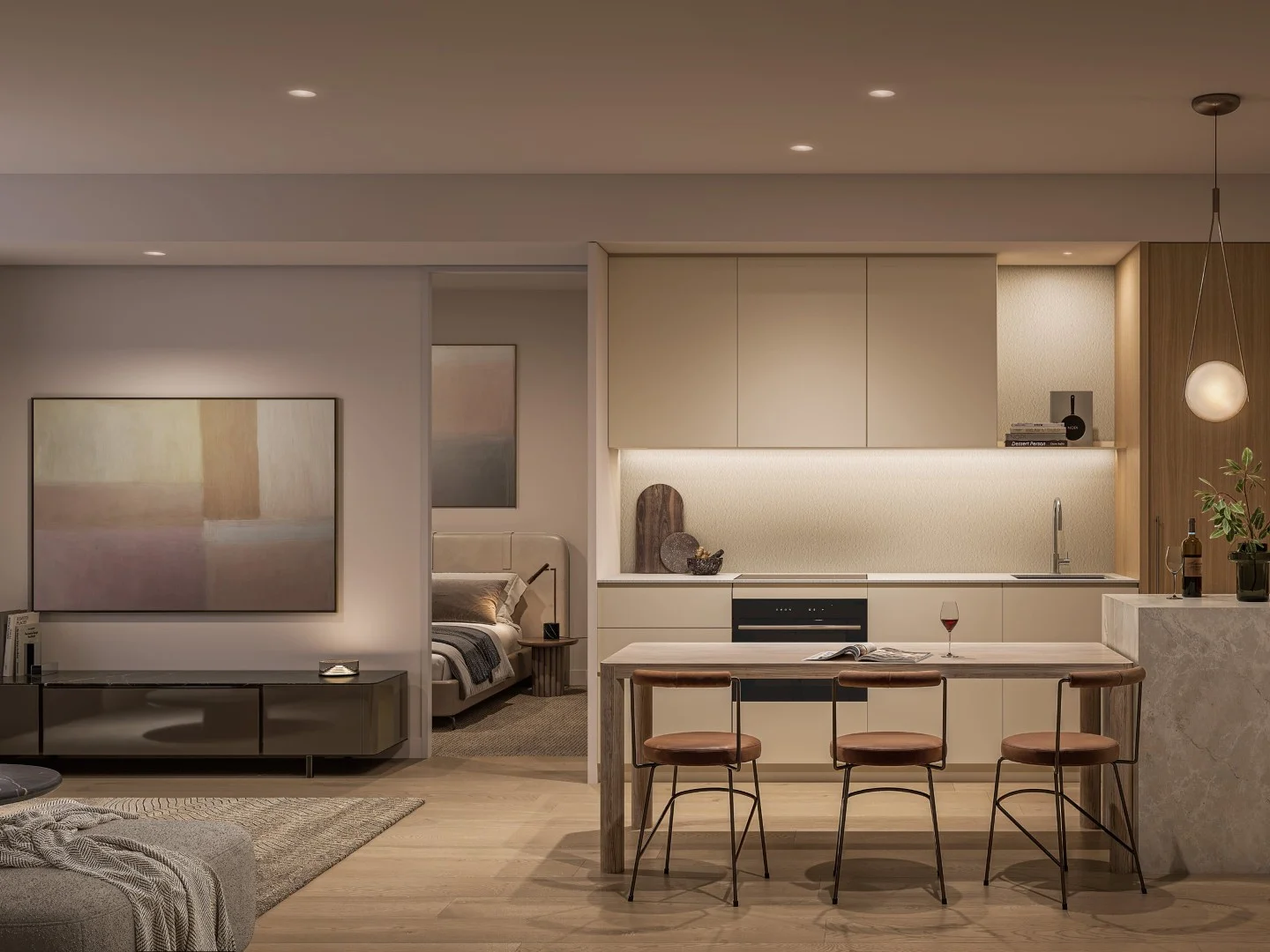 $666,000
Apartment / Unit / Flat
$666,000
Apartment / Unit / Flat
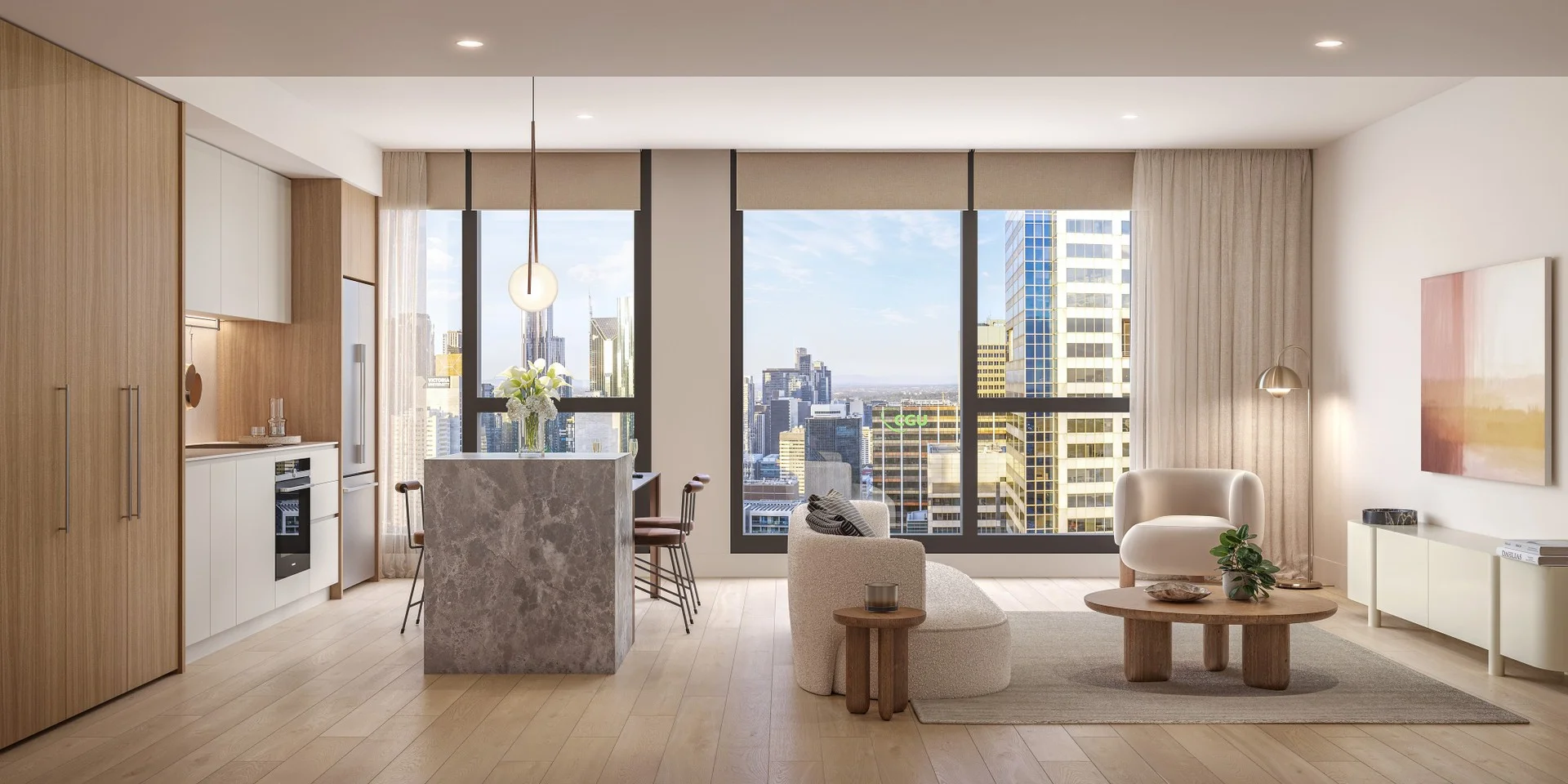 $1,870,000
propertyType.NEW APARTMENTS / OFF THE PLAN
$1,870,000
propertyType.NEW APARTMENTS / OFF THE PLAN
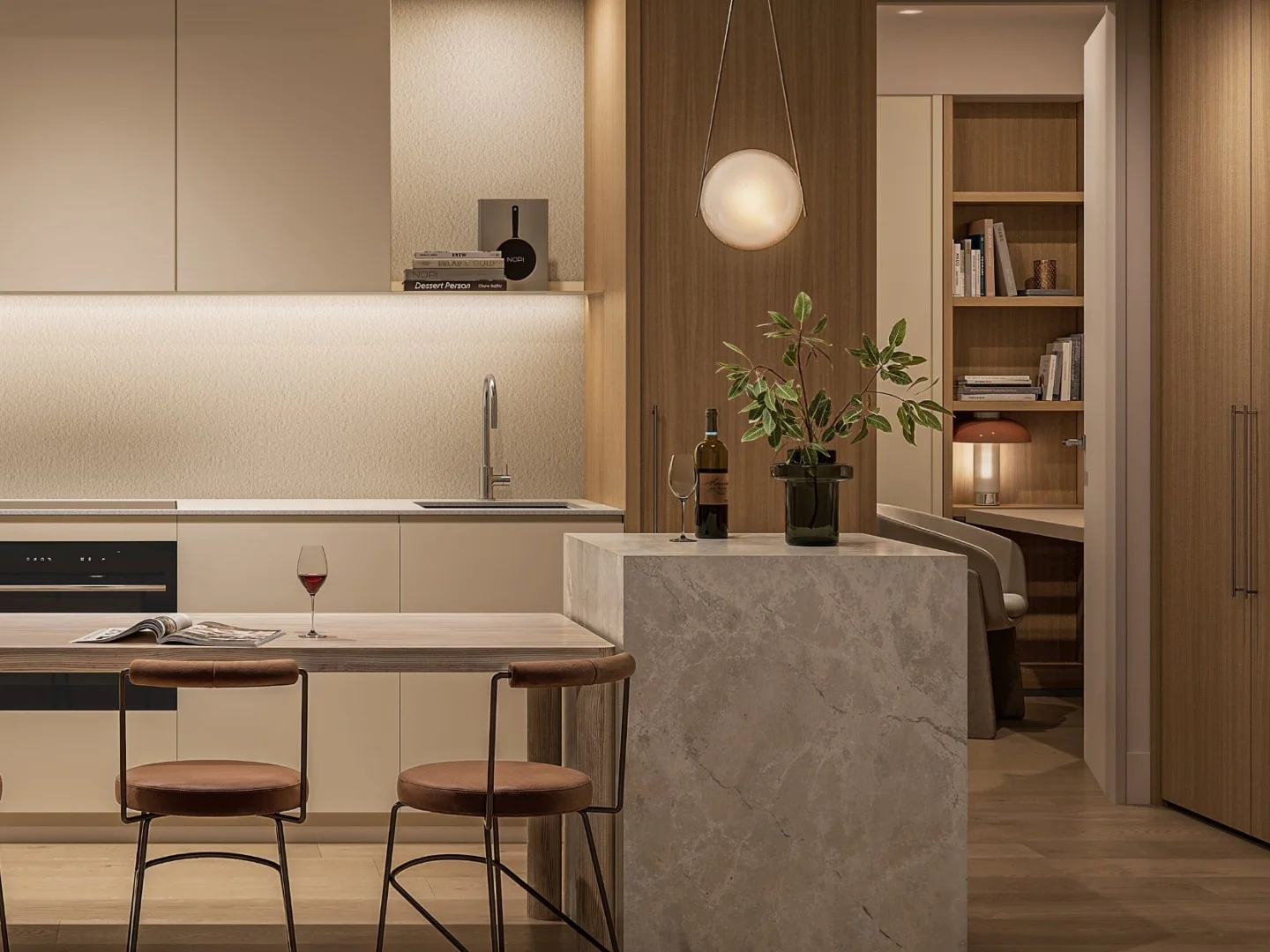 $712,500
Apartment / Unit / Flat
$712,500
Apartment / Unit / Flat
 $1,770,000
propertyType.NEW APARTMENTS / OFF THE PLAN
$1,770,000
propertyType.NEW APARTMENTS / OFF THE PLAN
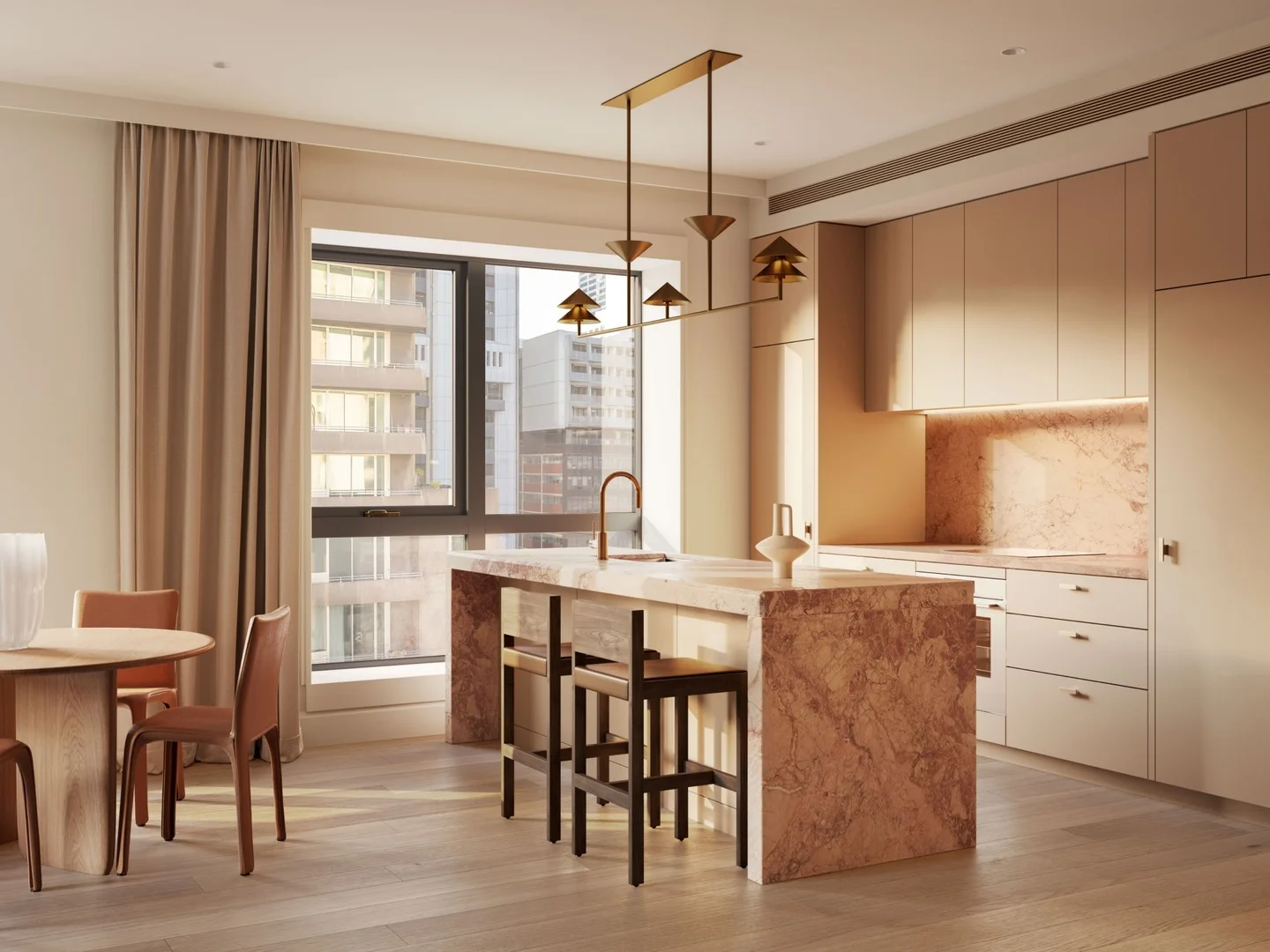 $1,760,000
propertyType.NEW APARTMENTS / OFF THE PLAN
$1,760,000
propertyType.NEW APARTMENTS / OFF THE PLAN
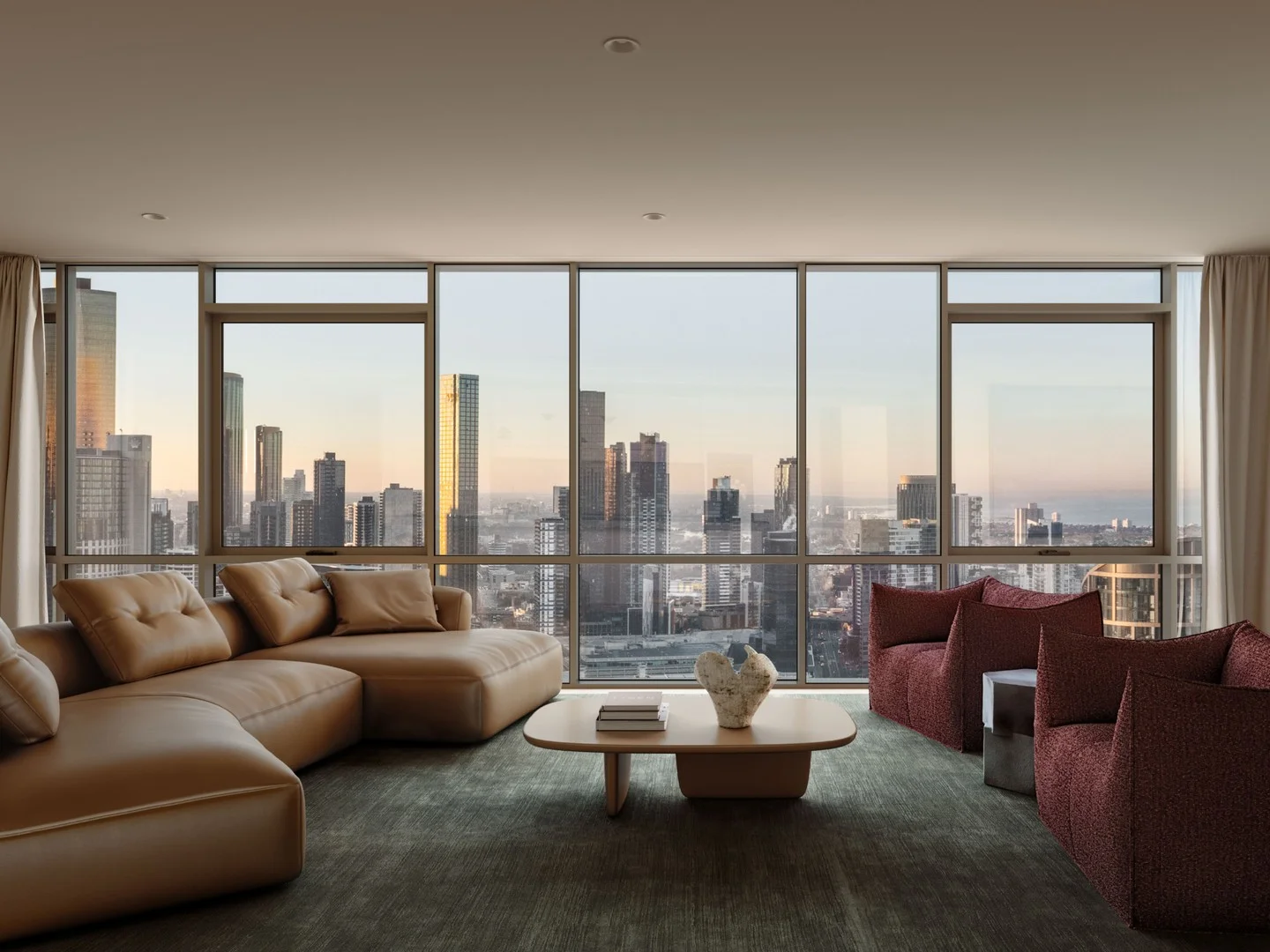 $3,700,000
propertyType.NEW APARTMENTS / OFF THE PLAN
$3,700,000
propertyType.NEW APARTMENTS / OFF THE PLAN
 $820,000
propertyType.NEW APARTMENTS / OFF THE PLAN
$820,000
propertyType.NEW APARTMENTS / OFF THE PLAN
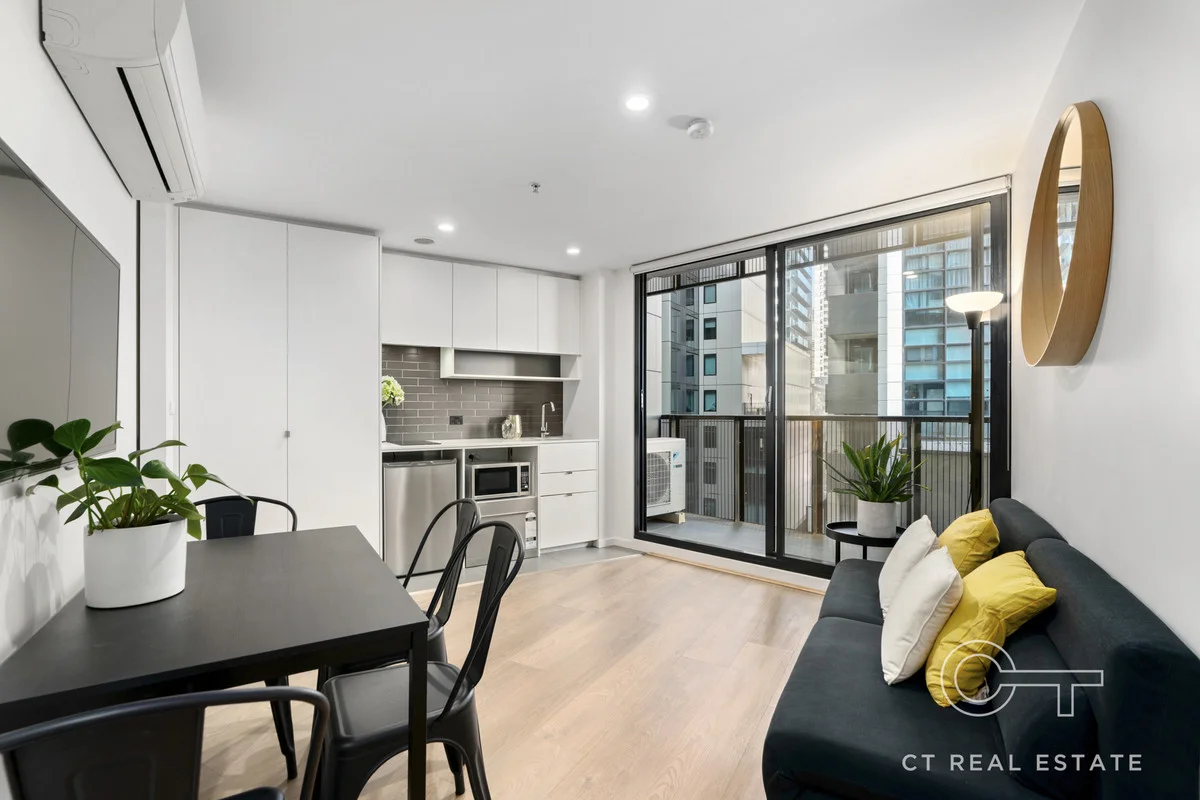 $360,000
Apartment / Unit / Flat
$360,000
Apartment / Unit / Flat