Overview
# Overview
St Peter’s Catholic Primary School – South West Sunshine is a Catholic primary school in Victoria serving local families. It is small to medium in size, with class sizes typically around 22–24 students, and a nurturing, inclusive atmosphere that blends faith-based values with a focus on academic achievement and community involvement. The school emphasises holistic development, faith formation, and strong pastoral care to support students’ social, emotional and academic growth.
- School type: Catholic private primary
- School size: Small to medium
- Class size: Approximately 22–24 students per class
- Atmosphere/culture: Nurturing, inclusive, faith-based, and academically oriented
---
# Academics & Learning
- Academic strengths: Literacy and numeracy are foundational priorities, with a solid focus on STEM, creative arts, and Religious Education integrated into core learning.
- Special programs: Gifted & Talented options, targeted learning support, and EAL (English as an Additional Language) assistance; opportunities for differentiated learning and acceleration where appropriate.
- NAPLAN / trends: Regular monitoring shows steady year‑to‑year progress in key domains, with performance often tracking near state averages and improving across cohorts.
- Student-teacher ratios: Small classes and a favorable teacher-to-student ratio (roughly 1:12–1:15 within classrooms) to support individualized attention.
- Support for diverse learners: Dedicated support for diverse learners, including EAL help and Learning Support Staff to assist identified students with targeted interventions.
---
# Sports & Extracurricular Strengths
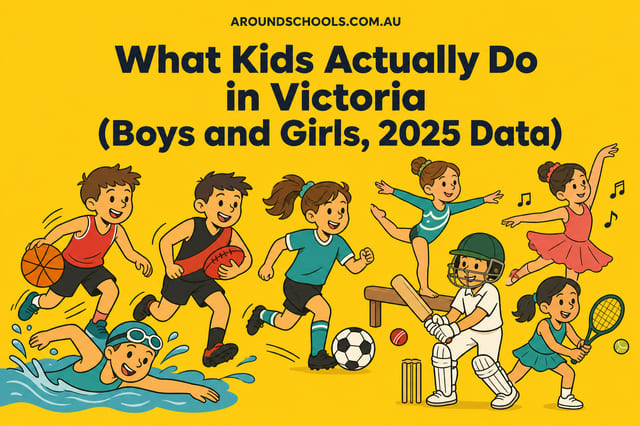
- Sports offered: Netball, soccer, Australian rules football, basketball, athletics, cricket, swimming, and other team or individual activities.
- Strong teams or achievements: Active participation in district inter-school competitions with emphasis on teamwork, sportsmanship, and skill development.
- Music, arts, drama programs: Choir, school band, music sessions, and regular arts/performing arts activities and showcases.
- Clubs: Robotics, chess, coding, debating, math clubs, and other enrichment opportunities.
- Partnerships: Local community partnerships and participation in regional competitions to broaden experiences outside the classroom.
---
# Wellbeing & Pastoral Care
- Anti-bullying approach: Whole‑school anti-bullying policies with restorative practices and a focus on safe, respectful environments.
- House system: House groups provide friendly competition, mentoring, and opportunities to contribute to school life.
- Counsellors / wellbeing officers: Access to a school counsellor or wellbeing team to support student welfare and resilience.
- Transition support for new students: Buddy programs, orientation activities, and transition support to help new students feel confident and connected.
---
# Facilities
- Sports grounds: Outdoor spaces for sports and physical education.
- Libraries: Well-stocked library supporting literacy and research.
- Science labs: Dedicated science spaces for hands-on experiments.
- Music/performing arts centers: Areas for music, drama, and performances.
- Tech/innovation labs: Classrooms or spaces equipped for technology and digital learning.
- Cafeteria: On-site canteen or lunch facilities.
- Updated playgrounds: Safe, modern play areas for recess and lunch breaks.
---
# School Values & Community Culture
- School values / mission: Faith-based education grounded in Catholic values of respect, compassion, responsibility, and service.
- Leadership style: Collaborative leadership with student voice opportunities and staff that model positive behaviours.
- Behaviour expectations: Clear expectations supported by restorative approaches and consistent routines.
- Community reputation: Welcoming, family‑oriented community with strong parental involvement and goodwill.
- Diversity & inclusion: Emphasis on an inclusive environment that recognises and respects cultural and individual diversity.
---
# School Logistics & Daily Operations
- School hours: Typical school day runs through the morning to mid-afternoon; specific start/end times are published by the school each year.
- Before/after school care: OSHC or other formal arrangements commonly available.
- Uniform requirements: School uniform required; details provided by the school.
- Transport (train/bus routes): Access to local transport options with designated drop-off and pickup areas; bus or train services available nearby.
- Canteen availability: On-site canteen or lunch program available.
- Fees (low/medium/high ranges): Fees generally fall in a middle range for primary Catholic schools; check current schedule for exact figures.
---
# Enrolment & Admissions
11. What is the enrolment process and timeline?
- Inquire with the school and request an application pack.
- Submit required documents (birth certificate, immunisation records, parent IDs, any requested forms).
- Attend any required interviews or family information sessions.
- Receive an offer of place (subject to availability) and complete enrolment paperwork.
- Orientation or transition activities are arranged prior to start.
12. Is there a waiting list, and how does it work?
- Yes, waiting lists are common when year levels fill. Priority is typically given to siblings, with subsequent places allocated based on availability and date of application. The school will advise on expected wait times and next steps.
13. Are there any entry requirements, tests, or interviews?
- Entry typically involves documentation and an interview or information session for families. Some enrolments may involve discussions about learning needs or supports required; formal testing is not always required for primary-level entry.
14. Does the school accept mid-year transfers?
- Mid-year transfers are considered if there is space. Prospective families should contact the enrolment office promptly to discuss availability, transition supports, and required documentation.
---
# Frequently Asked Questions
- Why Parents Choose This School?
- A faith-based, supportive community with small class sizes, strong pastoral care, and a holistic approach to learning that balances academics, faith, and wellbeing.
- What type of student thrives at this school?
- Students who respond well to a nurturing, inclusive environment, value faith-based education, and enjoy participation in a broad program of academics, sport, arts, and community activities.
- What opportunities are available for students to extend their skills (academics, sports, arts)?
- Enrichment options in literacy, numeracy, and STEM; Gifted & Talented programs; strong music, drama, and arts opportunities; diverse sports and clubs (robotics, chess, coding, debating).
- How does the school communicate with parents?
- Regular newsletters, a parent portal or app, emails, parent-teacher interviews, and updates from the school leadership and teachers.
- What is the school’s approach to teaching and learning?
- Student-centered, differentiated instruction; integration of faith-based values with inclusive, inquiry-based learning; emphasis on literacy, numeracy, and critical thinking.
- How does the school support students who need extra academic help?
- Targeted interventions, Learning Support Staff, EAL assistance, and ongoing progress monitoring to tailor supports.
- What support is available for academic challenges?
- Early identification, in-class differentiation, small-group or one-on-one support, and referrals to external providers if needed.
- How does the school communicate with parents?
- See above: regular updates through newsletters, portals, and meetings.
- What are the class sizes and how much individual attention do students receive?
- Class sizes around 22–24 students; teacher-to-student ratios around 1:12–1:15, enabling frequent feedback and targeted support.
- What extracurricular and sports opportunities are available?
- A range of sports (netball, soccer, football, basketball, athletics, cricket, swimming), plus clubs in robotics, chess, coding, debating, and opportunities in music and arts.
- What facilities does the school offer (sports, science, arts)?
- Sports grounds, library, science labs, music/arts spaces, technology/innovation labs, cafeteria, and updated playgrounds.
- What is the school’s approach to technology and digital learning?
- Integrated ICT across the curriculum with age-appropriate devices and digital citizenship education; use of school platforms for communication and learning.
- What transport and accessibility options are available?
- Local transport options (bus/train stops nearby), designated drop-off/pick-up areas, and accessible facilities in line with the school’s policies.
- What are the typical school fees or additional costs?
- Fees vary by year level and family circumstances; there are uniform, book, activity, and excursion costs to consider. Check the latest fee schedule for exact figures.
---
# Short Pros & Cons list
- Pros
- Catholic values and faith-based education within a supportive community
- Small to medium school with relatively low class sizes
- Strong pastoral care, student well-being, and inclusive culture
- Broad range of academics, sports, arts, and enrichment clubs
- Active parental involvement and clear communication channels
- Cons
- Fees and uniform costs are ongoing considerations for families
- Places can be limited; waiting lists may apply at certain year levels
- Mid-year transfers depend on space availability
- Specific specialist programs or language offerings may vary by year and funding













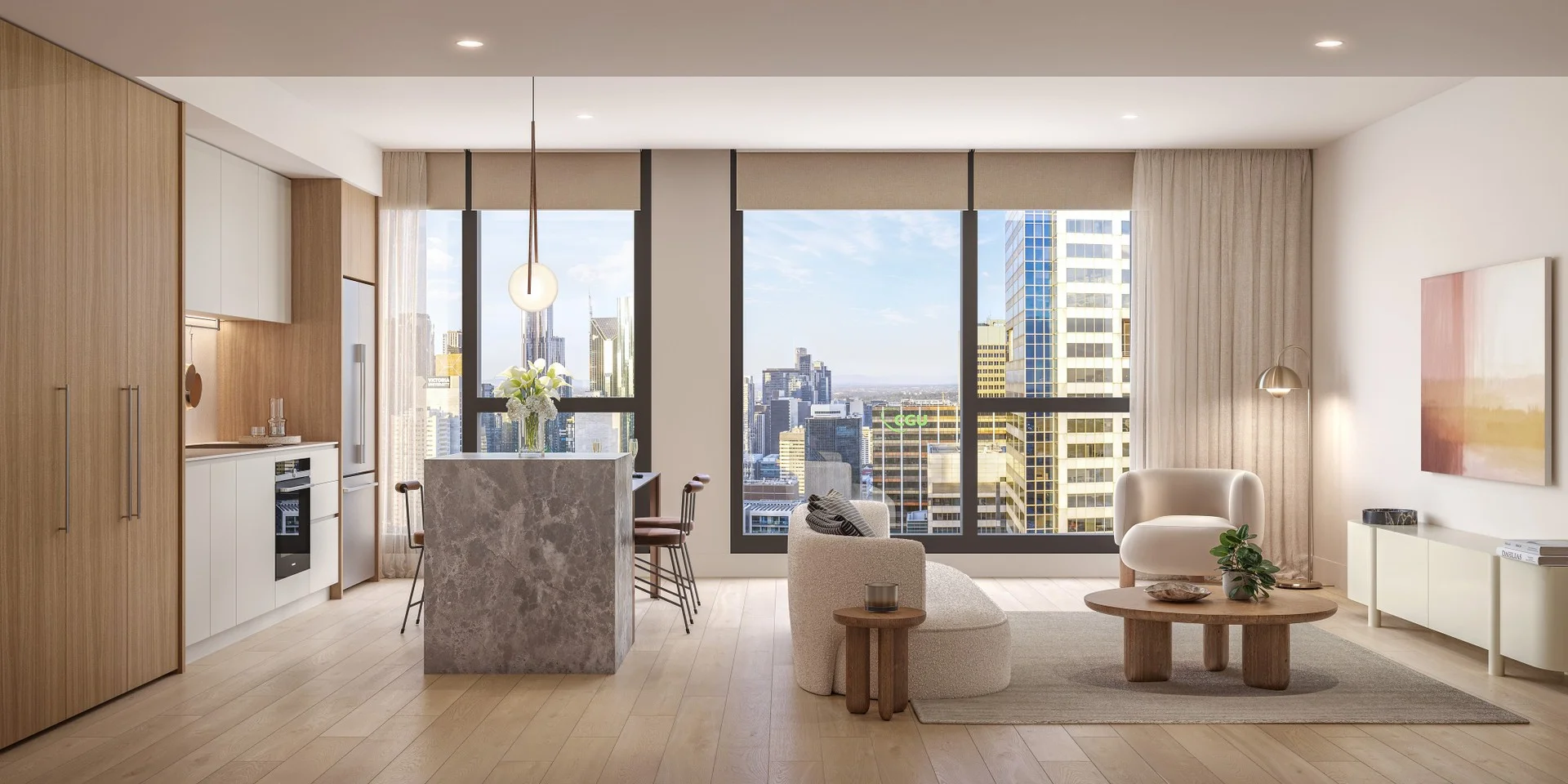 $1,870,000
propertyType.NEW APARTMENTS / OFF THE PLAN
$1,870,000
propertyType.NEW APARTMENTS / OFF THE PLAN
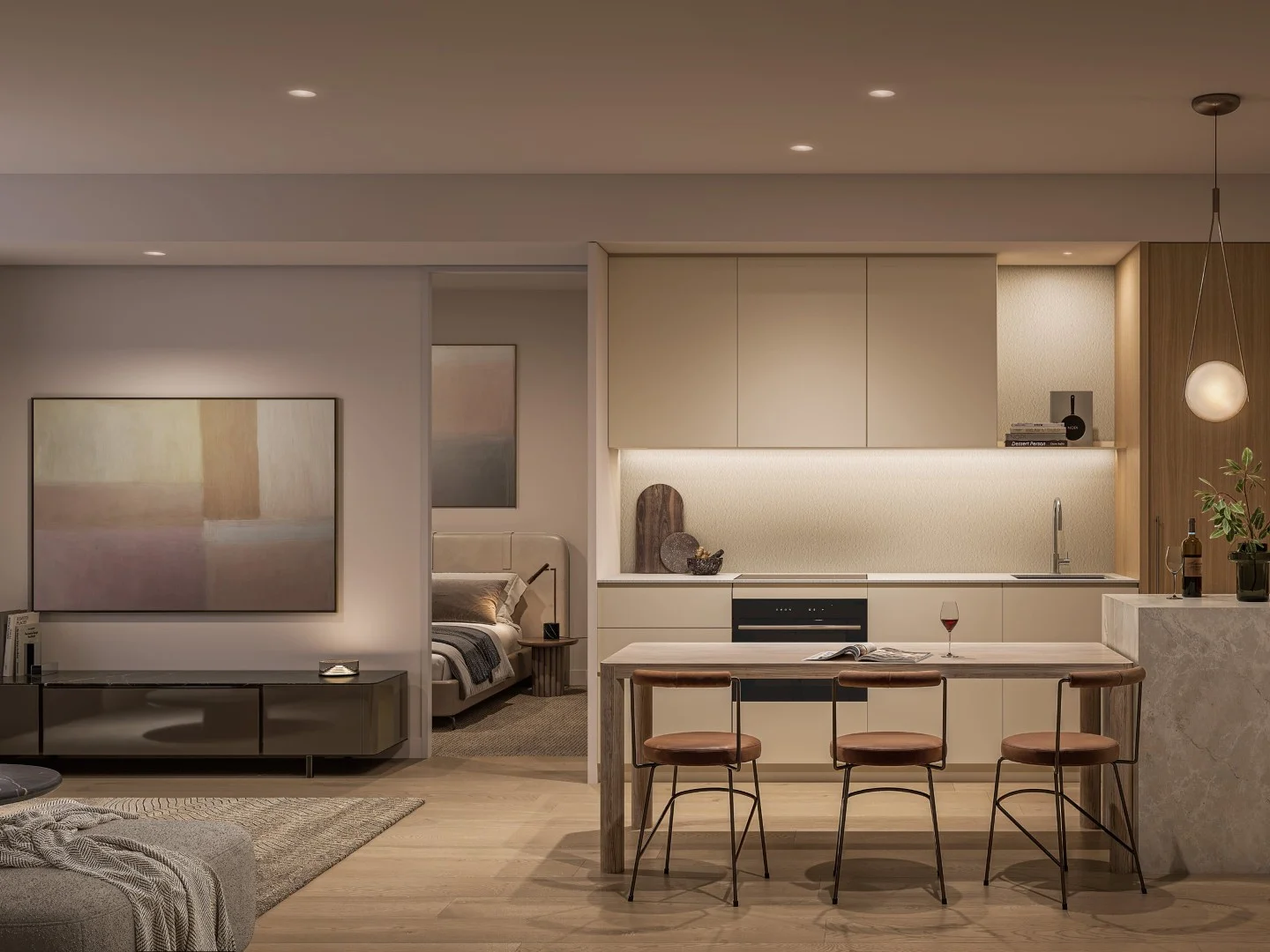 $666,000
Apartment / Unit / Flat
$666,000
Apartment / Unit / Flat
 $2,865,000
Apartment / Unit / Flat
$2,865,000
Apartment / Unit / Flat
 $712,500
Apartment / Unit / Flat
$712,500
Apartment / Unit / Flat
 $3,700,000
propertyType.NEW APARTMENTS / OFF THE PLAN
$3,700,000
propertyType.NEW APARTMENTS / OFF THE PLAN
 $820,000
propertyType.NEW APARTMENTS / OFF THE PLAN
$820,000
propertyType.NEW APARTMENTS / OFF THE PLAN
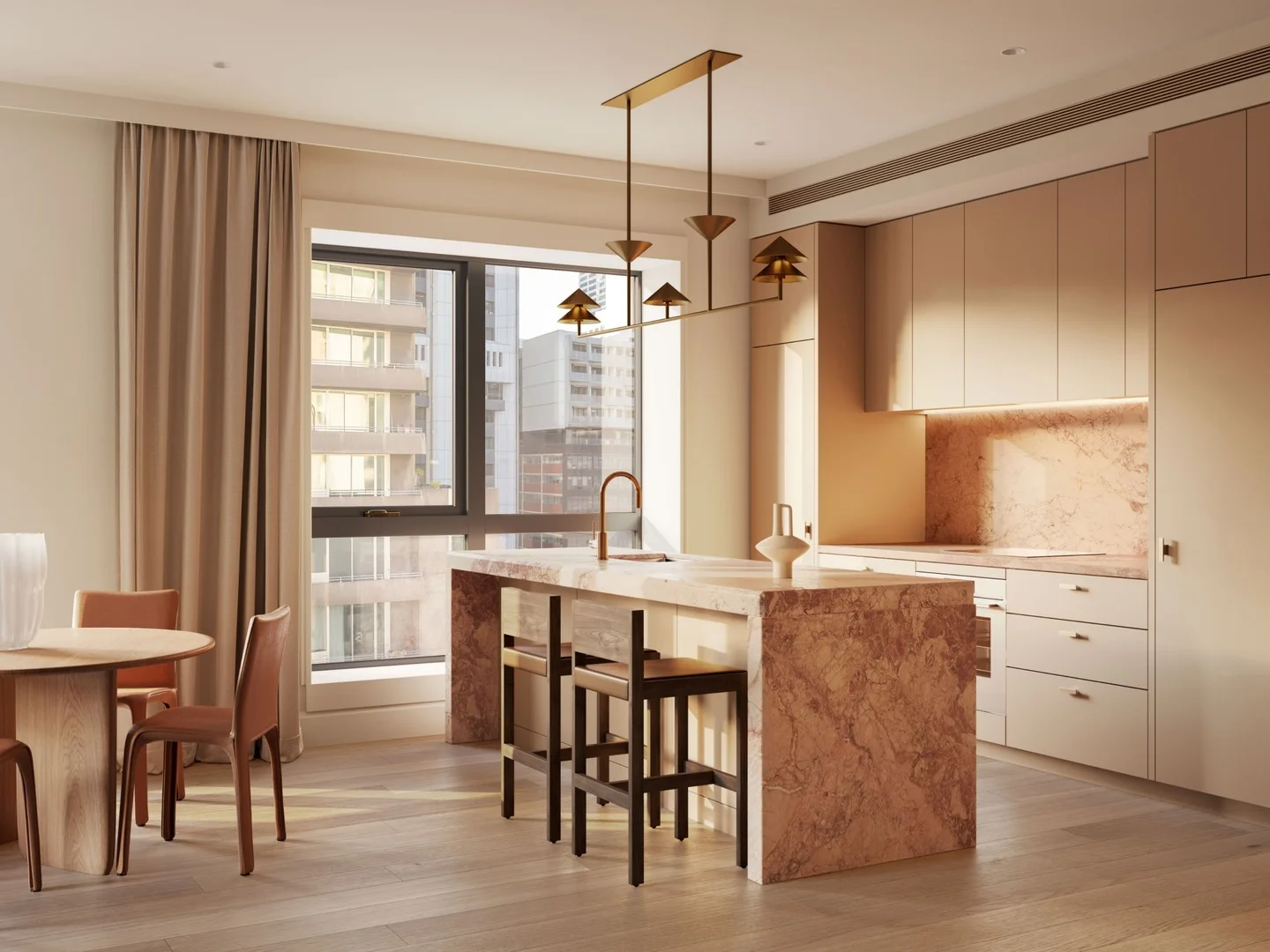 $1,760,000
propertyType.NEW APARTMENTS / OFF THE PLAN
$1,760,000
propertyType.NEW APARTMENTS / OFF THE PLAN
 $1,770,000
propertyType.NEW APARTMENTS / OFF THE PLAN
$1,770,000
propertyType.NEW APARTMENTS / OFF THE PLAN
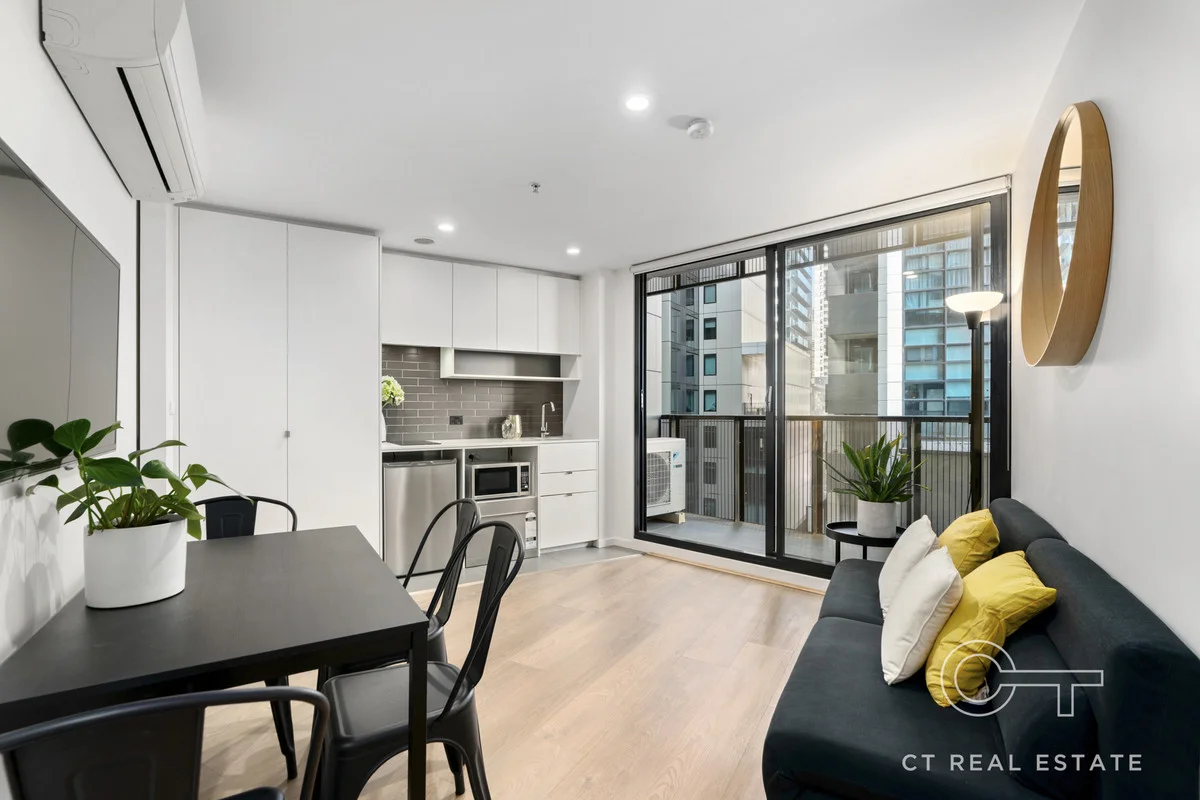 $360,000
Apartment / Unit / Flat
$360,000
Apartment / Unit / Flat