## 1. Overview
La Salle College WA is a Catholic school in Western Australia that draws families seeking a values-based education within the Lasallian tradition. The college aims to nurture academic growth, faith formation and service to others in a supportive, community-focused environment.
- School type: Catholic
- School size: Medium
- Class size: Typically around 20–25 students per class
- Atmosphere/culture: Nurturing, inclusive, academically focused with a strong sense of community and service
## 2. Academics & Learning
- Academic strengths: Focus on STEM, English, leadership development, and languages, with a holistic approach to student achievement.
- Special programs: Gifted and Talented programs, accelerated learning options, service-learning and Lasallian leadership initiatives.
- NAPLAN / trends: Public data show stable to improving performance in key areas (e.g., reading and numeracy) with continued attention to writing; trends are best understood by comparing year-to-year reports published by the school.
- Student-teacher ratios: Approximately 1:15 to 1:22, depending on year level and subject.
- Support for diverse learners: EAL support and SEN/inclusive education provisions, with dedicated support staff and learning plans where appropriate.
## 3. Sports & Extracurricular Strengths
- Sports offered: Soccer, Australian rules football, basketball, cricket, rugby, swimming, athletics, tennis and other typical indoor/outdoor activities.
- Strong teams or achievements: Competitive interschool teams across multiple codes; regular participation in regional competitions and finals.
- Music, arts, drama programs: Active music ensembles, theatre/drama productions and related arts programs.
- Clubs: Robotics, chess, coding, debating, and other student-led clubs that run throughout the year.
- Partnerships: Connections with local clubs, regional academies and inter-school competitions to broaden pathways in sport and performance.
## 4. Wellbeing & Pastoral Care
- Anti-bullying approach: Clear policies with restorative practices to address concerns and promote a respectful culture.
- House system: House-based pastoral care structure to foster belonging, leadership opportunities and school spirit.
- Counsellors / wellbeing officers: On-site counsellors and wellbeing staff to support student mental health and adjustment.
- Transition support for new students: Orientation programs, buddy systems and dedicated transition support to help new students settle in.
## 5. Facilities
- Sports grounds: Multiple playing fields and courts to support team and individual activities.
- Libraries: Modern library with digital resources and study spaces.
- Science labs: Well-equipped science facilities supporting practical experiments.
- Music/performing arts centers: Dedicated spaces for music suites and drama productions.
- Tech/innovation labs: Contemporary technology and innovation spaces for coding, robotics and digital learning.
- Cafeteria: On-site dining facilities with available lunch options.
- Updated playgrounds: Age-appropriate spaces for break and recreation.
## 6. School Values & Community Culture
- School values / mission: Lasallian ethos centered on faith, service, community, and personal excellence.
- Leadership style: Student-centered with collaborative leadership opportunities and faculty mentorship.
- Behaviour expectations: Respect, responsibility, and resilience upheld through a clear code of conduct.
- Community reputation: Positive relationships with families and local parishes, reinforcing a supportive school community.
- Diversity & inclusion: Commitment to inclusive education and support for diverse learners.
## 7. School Logistics & Daily Operations
- School hours: Typical school day starts in the morning and ends mid-to-late afternoon (exact times may vary by year level).
- Before/after school care: Availability may include supervised options or partnerships with local services.
- Uniform requirements: Official school uniform with published dress standards; details provided by the school.
- Transport (train/bus routes): Access to local bus routes and public transport; information on transport options available through the school.
- Canteen availability: Canteen or canteen facilities offering lunch options.
- Fees (low/medium/high ranges): Fee structure is typically described as medium range; exact amounts published by the school and updated annually.
## 8. Enrolment & Admissions
11. What is the enrolment process and timeline?
- Submit an online application and required documents.
- Attend open day or information session if offered.
- Shortlist and conduct interviews or assessments as applicable.
- Receive offer if a place is available; confirm acceptance and complete any required forms and deposits.
- Finalize start date and enrolment details.
12. Is there a waiting list, and how does it work?
- There can be a waiting list when places are limited; allocation is usually by date of application and any priority considerations (e.g., siblings, parish affiliation). Applicants are kept informed of status and next steps.
13. Are there any entry requirements, tests, or interviews?
- Entry often involves an interview and may include assessments or tests depending on year level and program. Birth certificates and other documents are typically required.
14. Does the school accept mid-year transfers?
- Mid-year transfer can be possible subject to vacancies and the school’s enrolment policies. Prospective families should contact the enrolments team as early as possible to explore options.
## 9. Frequently Asked Questions
- Why Parents Choose This School?
- A strong Catholic ethos, supportive community, holistic development focus and opportunities for service, leadership and strong academic outcomes.
- What type of student thrives at this school?
- Students who are motivated, engaged in both academics and co-curricular activities, who value community and service, and who respond well to a supportive pastoral environment.
- What opportunities are available for students to extend their skills (academics, sports, arts)?
- Access to accelerated or gifted programs, leadership development, diverse sports, performing arts, robotics, coding and debating clubs, plus regional and inter-school competitions.
- How does the school communicate with parents?
- Through parent portals, emails, newsletters, notices, parent-teacher meetings and regular updates from teachers and leadership.
- What is the school’s approach to teaching and learning?
- A holistic, student-centered approach grounded in the Lasallian tradition, with differentiation to meet diverse learner needs and an emphasis on critical thinking and character development.
- How does the school support students who need extra academic help?
- Dedicated learning supports, targeted tutoring, EAL/SEN services and personalized learning plans as needed.
- What support is available for academic challenges?
- Access to advisers, tutors, counsellors and academic supports; incremental goal-setting and progress monitoring.
- How does the school communicate with parents?
- (See above) Regular updates and opportunities for parent feedback and involvement.
- What are the class sizes and how much individual attention do students receive?
- Class sizes typically around 20–25 students, with teachers providing targeted instruction, feedback and pathways for additional support as needed.
- What extracurricular and sports opportunities are available?
- A broad range of sports, music and drama programs, robotics, chess, coding, debating and other clubs; opportunities to compete and perform at regional levels.
- What facilities does the school offer (sports, science, arts)?
- Sports grounds, libraries, science labs, music/performing arts centers, tech/innovation labs, canteen and modern playgrounds.
- What is the school’s approach to technology and digital learning?
- Emphasis on digital literacy, integrated technology in the curriculum, and access to modern devices and software to support learning.
- What transport and accessibility options are available?
- Local bus routes and public transport accessibility; information on transport options is available from the school.
- What are the typical school fees or additional costs?
- The school’s fees are described as mid-range; exact figures and any additional costs are published by the school and updated annually.
## 10. Short Pros & Cons
- Pros
- Strong Catholic/Lasallian values and community feel
- Balanced focus on academics, faith formation and service
- Supportive wellbeing and pastoral care
- Range of co-curriculars including sports, arts and clubs
- Moderate class sizes enabling some individual attention
- Cons
- As a private Catholic school, tuition is applicable
- Availability of places may be limited in some year levels
- Specific facilities and programs may vary by year; please verify current offerings
- Transport options depend on location and regional routes
If you’d like, I can tailor this draft further by adding more precise details once you provide current data from the school (enrolment numbers, exact programs, fees, and latest facility updates).









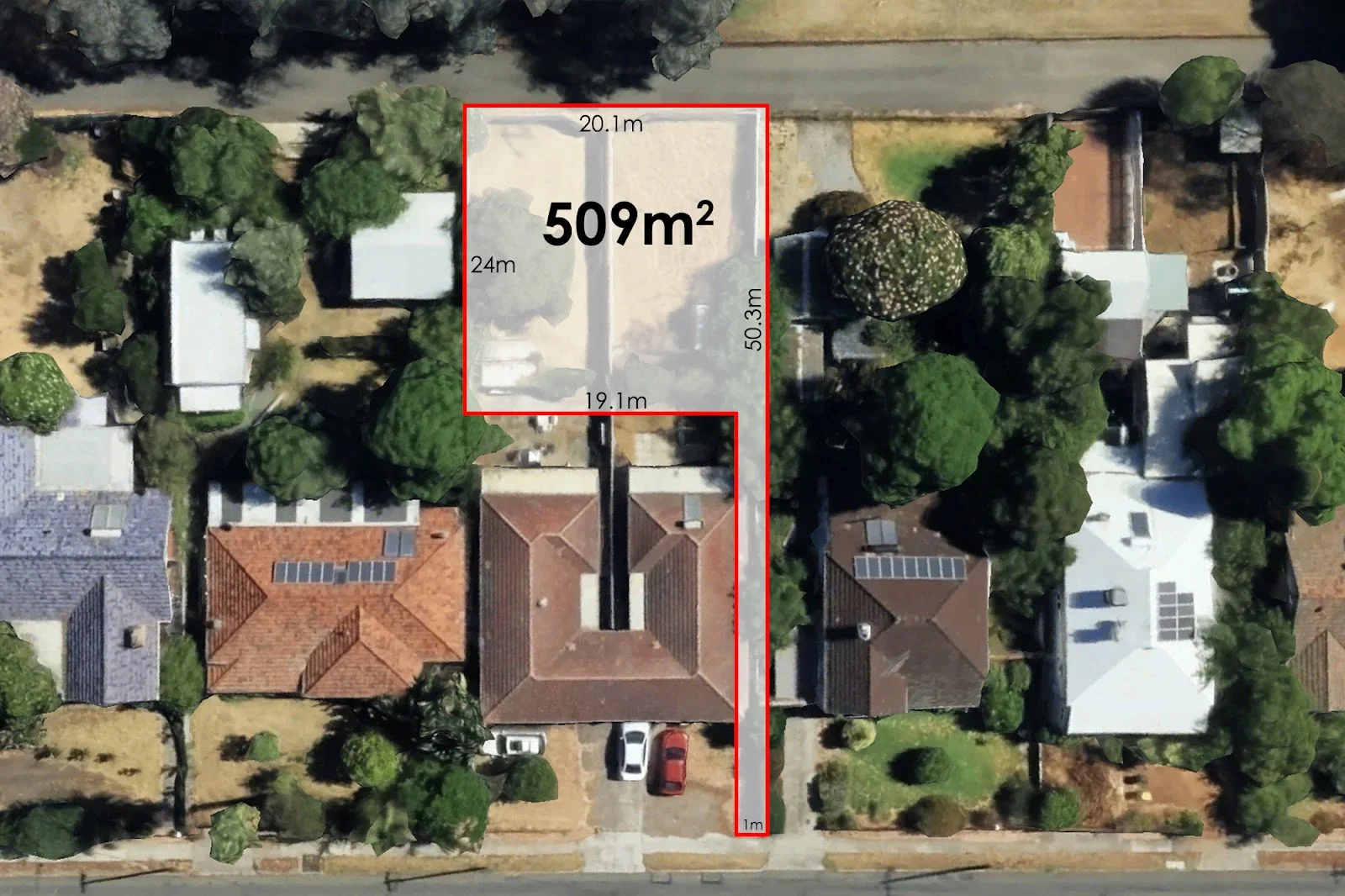 $480,000
Vacant Land
$480,000
Vacant Land
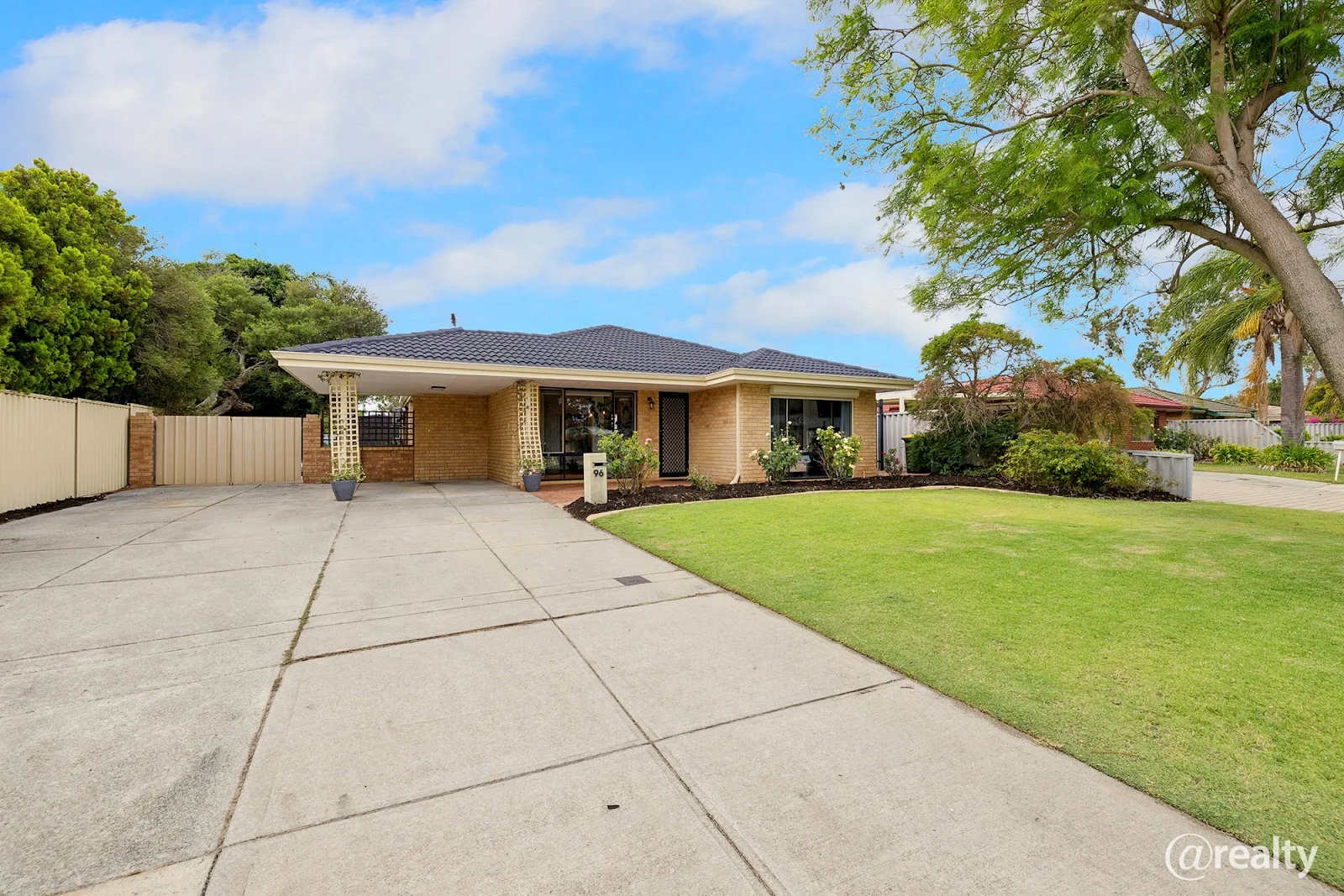 $899,000 - $943,950
House
$899,000 - $943,950
House
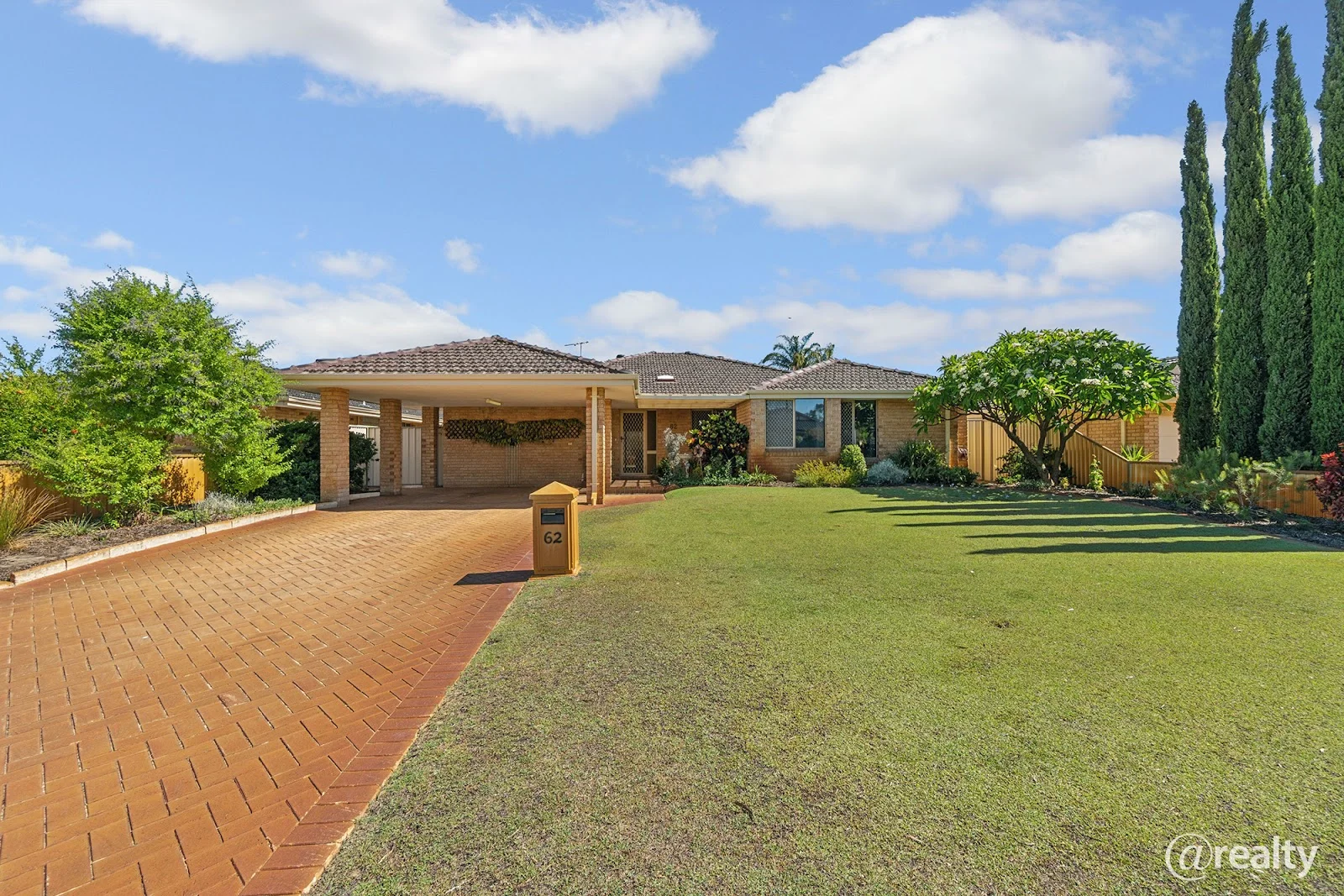 $1,099,000 - $1,153,950
House
$1,099,000 - $1,153,950
House
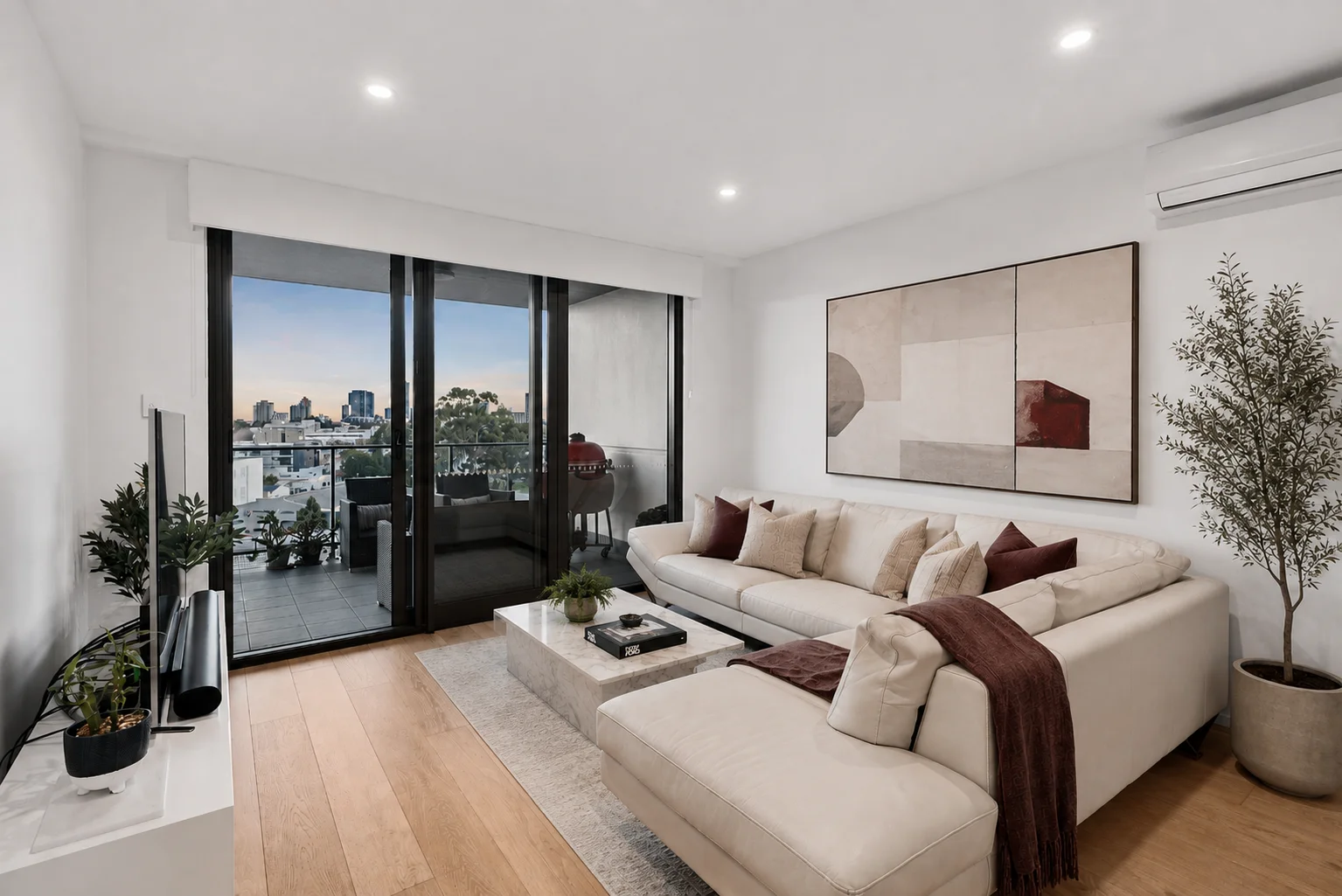 $700,000
Apartment / Unit / Flat
$700,000
Apartment / Unit / Flat


