Overview
## 1. Overview
Helena River Steiner School is an independent private school in Midland, Western Australia, following the Steiner (Waldorf) education philosophy. The school emphasises holistic development, integrating academic learning with arts, hands-on activities, and nature, to nurture curious, creative, and resilient learners. It generally operates as a small-to-medium community where students benefit from close teacher–student relationships and a collaborative school culture.
With smaller class sizes and a warm, inclusive atmosphere, the school aims to support individual growth, social development, and a love of learning. The environment is typically nurturing and community-focused, with an emphasis on student wellbeing, artistry, and practical learning alongside core academic foundations.
## 2. Academics & Learning
Helena River Steiner School emphasises a holistic, arts-integrated approach to learning. Academic strengths commonly highlighted include literacy and numeracy built through experiential, hands-on projects, as well as strong emphasis on the arts, craft, music, nature study, and practical problem-solving. The curriculum is delivered through a Steiner framework that supports creative thinking, collaboration, and real-world connections across subjects.
Special programs reflect the Steiner pedagogy rather than a conventional single-track path. There is a focus on integrated arts, movement, and hands-on activities within each year level, with differentiated tasks to support diverse learners. The school tends to value long-term development over standardised testing as the primary measure of progress. Where formal assessments or national benchmarks are used, trends typically show steady literacy and numeracy development alongside growth in creative and critical thinking. Student–teacher ratios are small, enabling meaningful individual attention. Support for diverse learners, including EAL and SEN, is typically available through targeted strategies, with individualized learning plans and access to specialist input as needed.
## 3. Sports & Extracurricular Strengths
Sports and extra-curricular activities are an important part of the learning experience. The school offers a range of sports such as soccer/football, basketball, netball, athletics, cricket, and swimming, with opportunities to participate in inter-school events and local competitions. Strong involvement in music, drama, and the broader arts complements athletic activities, helping students develop confidence and teamwork.
Clubs often include robotics, chess, coding, debating, and other inquiry-based activities that align with the Steiner emphasis on curiosity and practical problem-solving. The school commonly partners with local clubs, community groups, and regional competitions to broaden student opportunities beyond the classroom.
## 4. Wellbeing & Pastoral Care
Wellbeing and pastoral care are central to the school’s approach. An anti-bullying policy and restorative practices are typically in place to foster respectful relationships. A house or cohort system is usually used to build community and peer support, with opportunities for leadership and teamwork across year groups. There are counsellors or wellbeing officers on site to support students, and transition programs help new students settle in smoothly, including buddy systems and orientation activities.
## 5. Facilities
Facilities are designed to support a broad, creative curriculum and practical learning. Key features often include:
- Sports grounds for outdoor activity
- Libraries with a focus on literature, research, and quiet study
- Science labs for hands-on experiments
- Music and performing arts spaces for drama, concerts, and rehearsals
- Tech/innovation labs that support design, digital literacy, and maker projects
- Canteen or meal facilities supporting healthy options
- Updated playgrounds and outdoor learning spaces
The layout and facilities are typically arranged to encourage collaboration, creativity, and active, experiential learning throughout the day.
## 6. School Values & Community Culture
The school’s values and culture are rooted in Steiner principles such as respect, compassion, integrity, creativity, and responsibility. Leadership tends to be collaborative, with a focus on student voice and involvement in school life. Behaviour expectations emphasize kindness, responsibility, and mutual respect. The community tends to be supportive and engaged, with a willingness to celebrate diverse backgrounds and perspectives. Inclusion and belonging are important, with efforts to create an atmosphere where every student can thrive.
## 7. School Logistics & Daily Operations
- School hours: Typical daily schedule runs through a standard school day with start and finish times that align with Western Australian norms.
- Before/after school care: Availability varies; check the school’s options for early drop-off or after-school care.
- Uniform requirements: School uniform is usually required, with guidelines for daily wear and sport or activity-specific uniforms.
- Transport: Access to local bus routes and public transport; school-provided information on routes and timings.
- Canteen: Canteen or lunch provisioning is typically available with a selection of healthy options.
- Fees: Fees are generally in the mid-to-high range for WA private schools, with additional costs for uniforms, excursions, materials, and activities. For exact figures, contact the school directly.
## 8. Enrolment & Admissions
11. What is the enrolment process and timeline?
- Applications are usually made online with an accompanying family and student interview. The process includes gathering documentation and timing the intake with the school’s academic year.
12. Is there a waiting list, and how does it work?
- Waiting lists are common in private Steiner schools. Applications may place families on a waiting list, with priority given based on factors such as sibling placement, readiness, and space availability.
13. Are there any entry requirements, tests, or interviews?
- Entry typically involves an interview (family and student) and a learning readiness discussion. There may be observational activities or conversations about the student’s development. Formal standardised tests are not the primary entry criterion.
14. Does the school accept mid-year transfers?
- Mid-year transfers are considered where space and capacity allow. Prospective families should contact the admissions team to arrange interviews, review academic records, and discuss transition plans.
## 9. Frequently Asked Questions
- Why Parents Choose This School?
- A holistic, arts- and hands-on learning approach that supports personal growth, creativity, and well-being; strong sense of community; small class sizes and supportive teacher–student relationships.
- What type of student thrives at this school?
- Curious, creative, collaborative learners who respond well to experiential, project-based learning and value arts, nature, and practical activities as part of their education.
- What opportunities are available for students to extend their skills (academics, sports, arts)?
- Integrated arts and crafts, music and drama programs, sports, robotics and coding clubs, debating, and participatory projects that connect learning to real-life contexts.
- How does the school communicate with parents?
- Regular newsletters, parent-teacher meetings, a school portal or communication system, and updates on student progress and school events.
- What is the school’s approach to teaching and learning?
- Student-centered, experiential, and rhythm-based; learning through integrated subjects, practical activities, arts, and community projects; emphasis on social-emotional development.
- How does the school support students who need extra academic help?
- Differentiated instruction, targeted supports within the classroom, and access to learning support where needed; collaboration with families to plan appropriate interventions.
- What support is available for academic challenges?
- In-class accommodations, small-group or one-on-one support as appropriate, and ongoing assessment to tailor instruction and monitor progress.
- How does the school communicate with parents? (Repeated)
- See above: newsletters, meetings, and digital updates through the school system.
- What are the class sizes and how much individual attention do students receive?
- Class sizes are relatively small, typically allowing more individualized attention and closer teacher awareness of each student’s progress and needs.
- What extracurricular and sports opportunities are available?
- A range of sports (e.g., football/soccer, basketball, netball, athletics) and clubs (robotics, chess, coding, debating), plus music and drama programs.
- What facilities does the school offer (sports, science, arts)?
- Sports grounds, libraries, science laboratories, music/performing arts spaces, technology/innovation labs, canteen, and outdoor learning/play spaces.
- What is the school’s approach to technology and digital learning?
- Balanced integration of technology; emphasis on digital literacy while maintaining hands-on, experiential learning and mindful screen use.
- What transport and accessibility options are available?
- Local bus routes and public transport access; information provided by the school on routes and schedules.
- What are the typical school fees or additional costs?
- Fees cover tuition with additional costs for uniforms, trips, materials, and activities. Exact figures vary by year level and program; contact the school for current details.
## 10. Short Pros & Cons list
- Pros
- Holistic, arts- and hands-on learning that supports creativity and wellbeing
- Small class sizes enabling strong teacher–student relationships
- Nurturing, inclusive community with a focus on character and social development
- Broad range of arts, sports, and clubs that enhance real-world skills
- Support for diverse learners and transition support for new students
- Cons
- Private schooling with higher fees than public options
- Standardised testing is not the primary focus, which may differ from some families’ expectations
- Admissions can involve waitlists and selective intake; mid-year entry may be limited depending on space
- Availability of some programs or facilities may vary by campus and year; confirm current offerings with the school
If you’d like, I can tailor this content further with more specific details (for example, exact class size ranges, current facilities, or recent program updates) once you provide or confirm the latest information from the Helena River Steiner School.










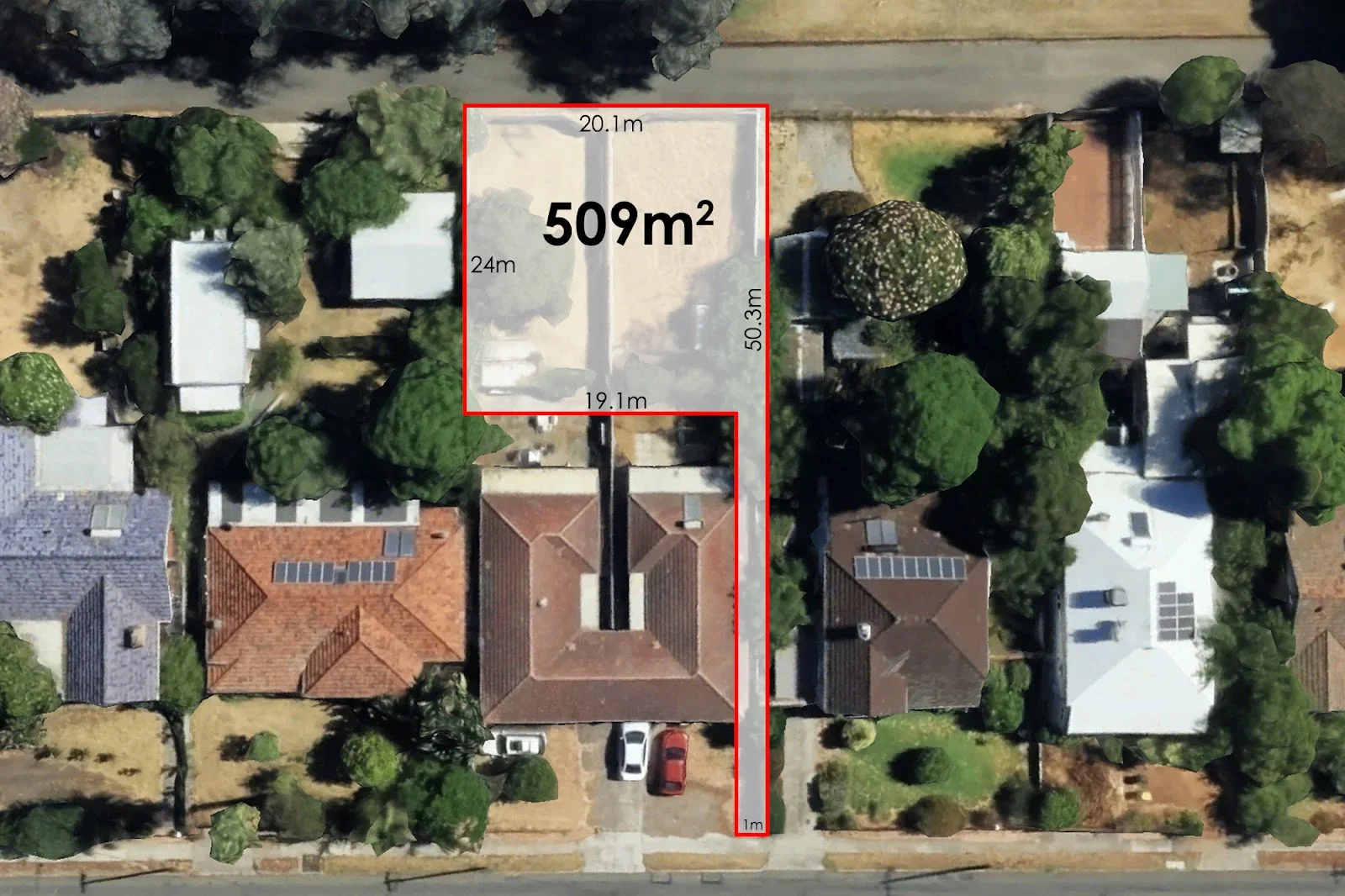 $480,000
Vacant Land
$480,000
Vacant Land
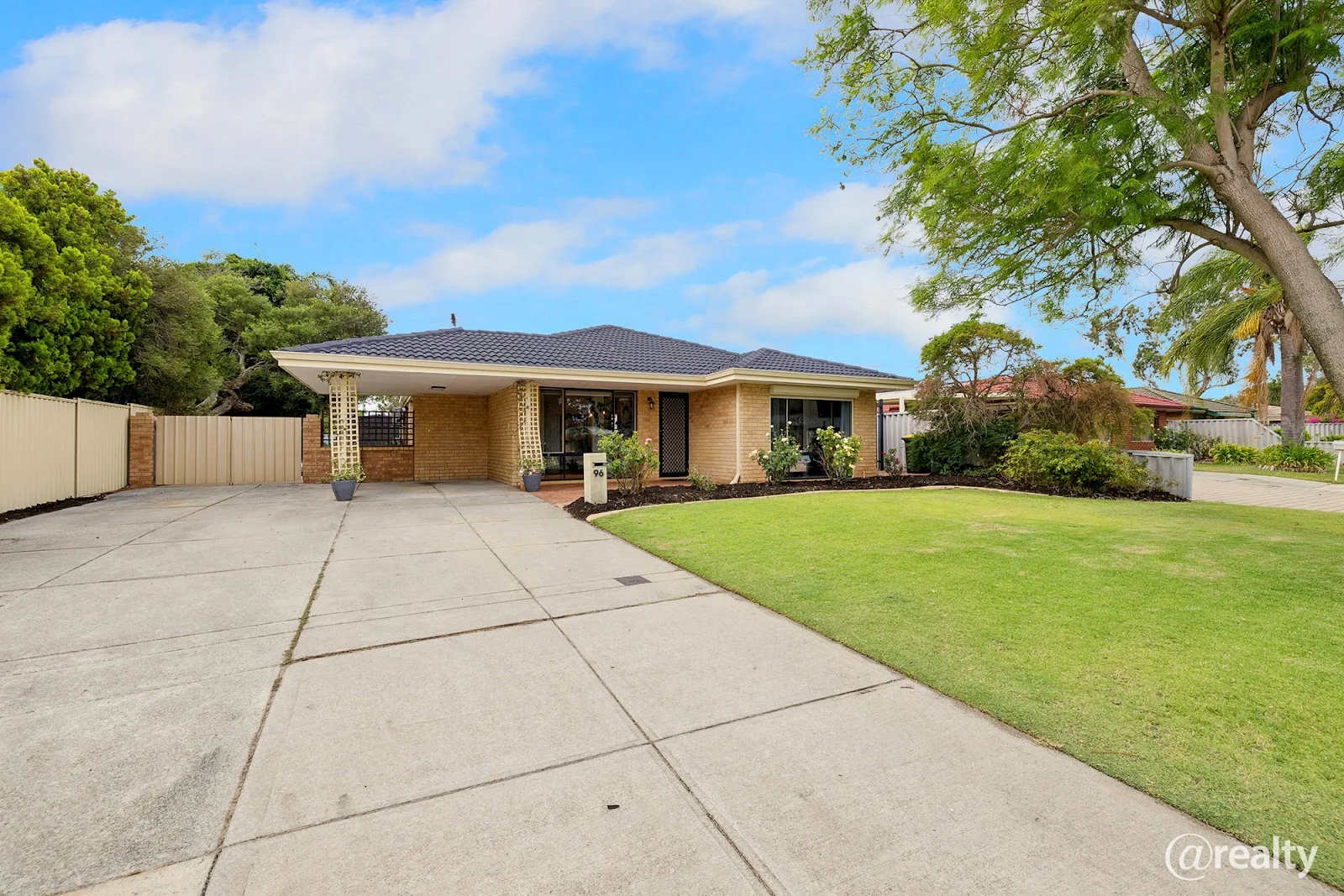 $899,000 - $943,950
House
$899,000 - $943,950
House
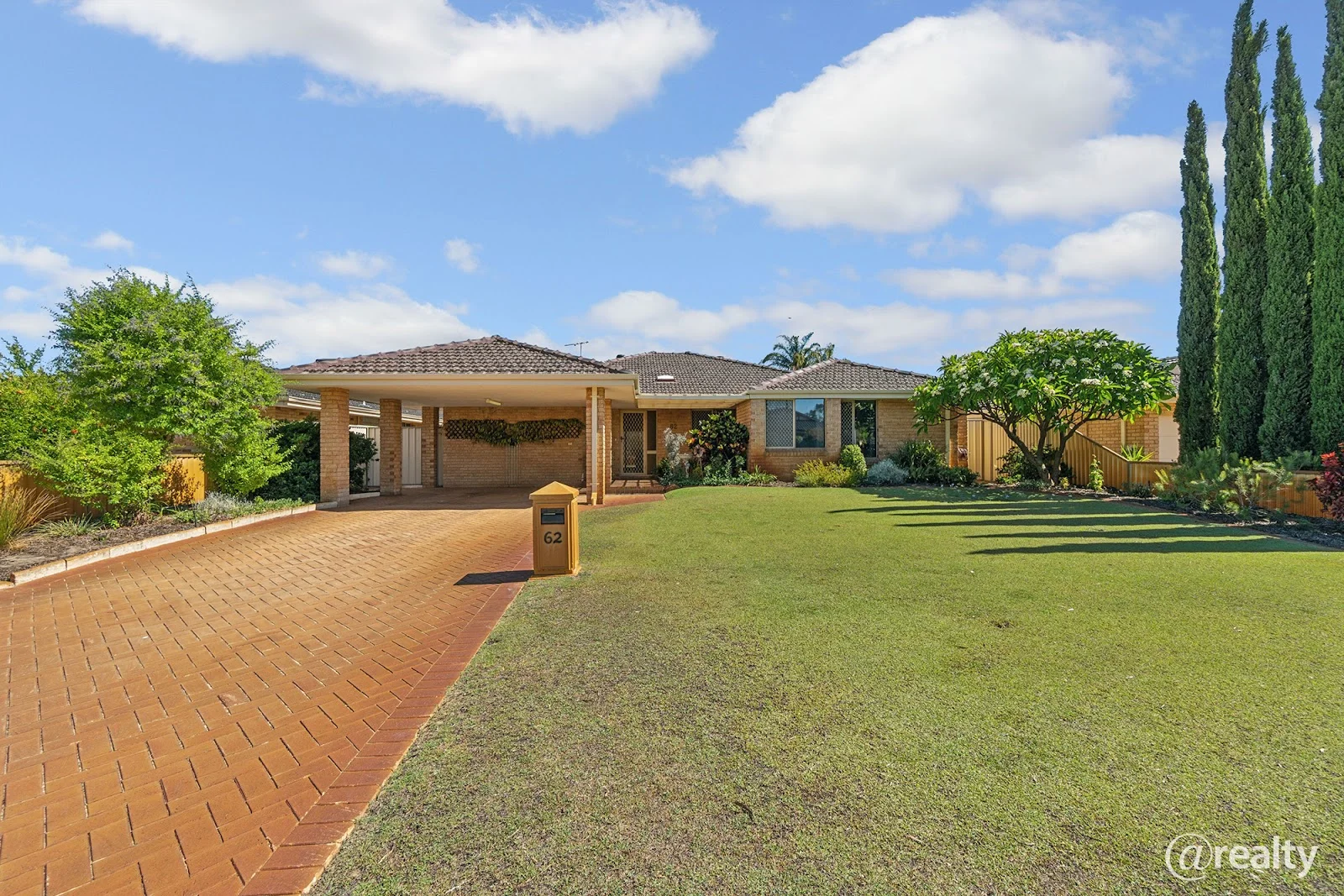 $1,099,000 - $1,153,950
House
$1,099,000 - $1,153,950
House
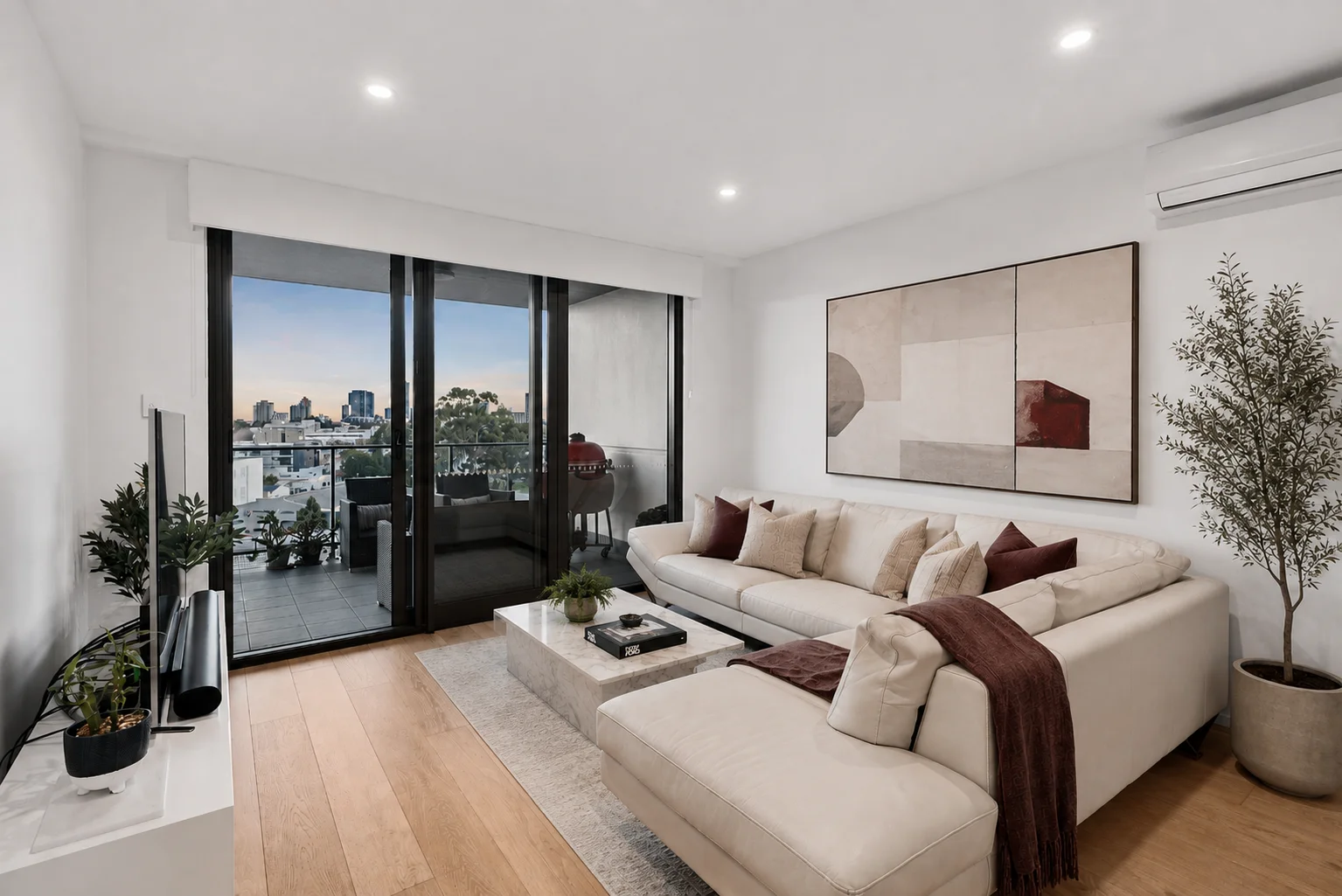 $700,000
Apartment / Unit / Flat
$700,000
Apartment / Unit / Flat
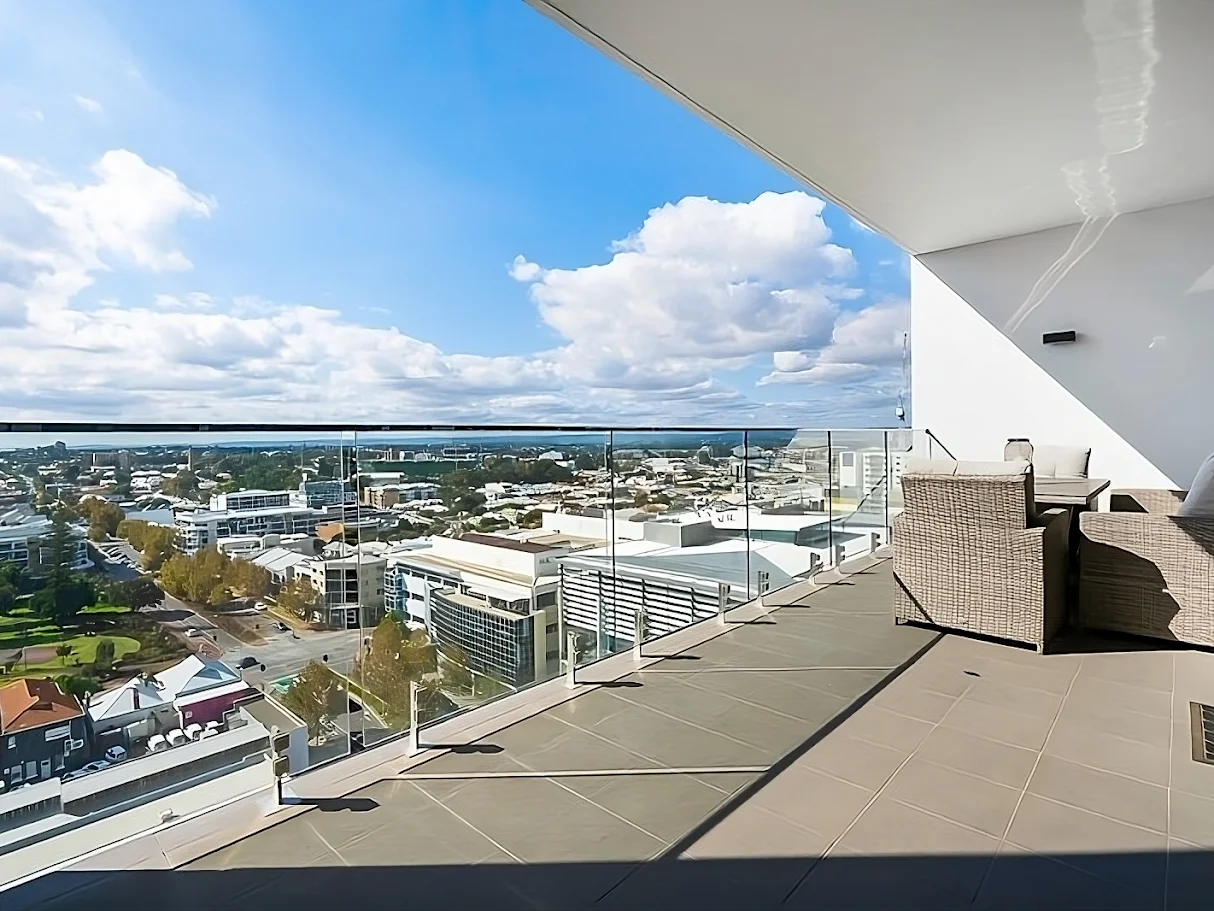 $580,000
Apartment / Unit / Flat
$580,000
Apartment / Unit / Flat