## 1. Overview
Guildford Grammar School is a private, independent Anglican day and boarding school offering a comprehensive education across primary and secondary years. The school is known for a balanced program that combines strong academic rigor with broad opportunities in sport, arts, and pastoral care. With a medium-sized campus and a community-focused culture, it aims to develop confident, well-rounded students who are prepared for success beyond school.
- School type: Independent/private Anglican day and boarding school
- School size: Medium
- Class size: Approximately 18–24 students per class
- Atmosphere/culture: Nurturing, academically focused, diverse and inclusive, with a strong sports and extracurricular emphasis
⸻
## 2. Academics & Learning
Guildford Grammar School emphasises solid core learning complemented by programs that extend beyond traditional classrooms. The school supports students to develop critical thinking, problem solving and leadership through a mix of robust curriculum, dedicated teaching and targeted supports.
- Academic strengths: Strength across core subjects with emphasis on STEM, robust English/Literature programs, leadership development, and language study
- Special programs: Gifted and Talented pathways, accelerated learning options, and leadership/character-building initiatives
- NAPLAN / trends: Positive, steady trends over recent years with continued focus on literacy and numeracy growth
- Student-teacher ratios: Smaller class sizes and supportive teacher-to-student ratios to enable individualized attention
- Support for diverse learners: EAL support, SEN/coordinated learning support, inclusive education practices
⸻
## 3. Sports & Extracurricular Strengths
A core area of focus for families, with a broad array of activities that complement academic life and help students develop teamwork, discipline and resilience.
- Sports offered: Football (soccer), cricket, rugby, tennis, rowing, athletics, swimming, cross-country, netball and hockey
- Strong teams or achievements: Regular participation and competitive performance in interschool and local competitions
- Music, arts, drama programs: Comprehensive programs including ensembles, choirs, theatre and public performances
- Clubs: Robotics, chess, coding, debating, and other STEM/academic clubs
- Partnerships: Local clubs, interschool competitions and community arts/sport partnerships to broaden opportunities
Most parents skim this section for boys aged 10–14 who are exploring sport and co-curricular options.
⸻
## 4. Wellbeing & Pastoral Care
Pastoral care and wellbeing are central to student success, with structures in place to support emotional health, belonging and resilience.
- Anti-bullying approach: Clear policies, reporting mechanisms and proactive programs to foster a respectful campus culture
- House system: House-based activities and friendly competition to build community and belonging
- Counsellors / wellbeing officers: Access to qualified counsellors and wellbeing staff to support students
- Transition support for new students: Orientation, mentoring and transition programs to ease entry for new students
⸻
## 5. Facilities
Facilities are designed to support a broad and modern educational experience, with spaces that are easy to access and visually engaging.
- Sports grounds: Well-maintained fields and courts for routine practice and events
- Libraries: Well-stocked library resources with study spaces
- Science labs: Modern laboratories for practical science and inquiry-based learning
- Music/performing arts centers: Rehearsal spaces, performance venues and related facilities
- Tech/innovation labs: Dedicated spaces for STEM, coding and digital projects
- Cafeteria: On-site dining with nutritious options
- Updated playgrounds: Safe, well-designed outdoor play and activity areas
⸻
## 6. School Values & Community Culture
The school promotes a values-driven environment where students are encouraged to lead, collaborate and act with integrity.
- School values / mission: Emphasis on integrity, excellence, service and respect within a faith-informed context
- Leadership style: Collaborative leadership with student voice opportunities and teacher mentorship
- Behaviour expectations: Clear codes of conduct and consistent expectations across year levels
- Community reputation: Positive standing in the local and broader education community, with active engagement from families and alumni
- Diversity & inclusion: Commitment to an inclusive culture that welcomes diverse backgrounds and perspectives
⸻
## 7. School Logistics & Daily Operations
Practical information to help families plan daily life around school routines.
- School hours: Typically start mid-morning to early afternoon with variations by year level
- Before/after school care: Available options to support working families
- Uniform requirements: Country-wide school uniform with approved daily wear
- Transport (train/bus routes): School-supported transport options and accessible public transit connections
- Canteen availability: On-site canteen or meal options available
- Fees (low/medium/high ranges): Fees positioned in the mid-to-high range for a WA private school; additional costs for uniforms, excursions and boarding where applicable
⸻
## 8. Enrolment & Admissions
11. What is the enrolment process and timeline?
- Typically involves an expression of interest, formal application, submission of supporting documents, academic records, and pastoral references; there may be tours or information sessions, followed by an interview or assessment. The timeline varies by year level and intake.
12. Is there a waiting list, and how does it work?
- Waiting lists are common; priority may be given to siblings or families with prior connections. The timeline for offers depends on vacancies and year level demand.
13. Are there any entry requirements, tests, or interviews?
- Most year levels include an interview (and sometimes an assessment or testing in key areas such as literacy and numeracy) along with review of prior school reports and references.
14. Does the school accept mid-year transfers?
- Mid-year transfers may be possible subject to space, alignment with the intake policy, and completion of standard admissions steps.
⸻
## 9. Frequently Asked Questions
- Why Parents Choose This School?
- A balanced program blending strong academics, pastoral care, and broad co-curricular opportunities within a supportive Anglican community.
- What type of student thrives at this school?
- Students who are motivated to pursue academic excellence while participating in sports, arts and service within a community-focused environment.
- What opportunities are available for students to extend their skills (academics, sports, arts)?
- Enrichment in STEM, languages and leadership; competitive sports; music and drama programs; clubs (robotics, coding, debating) and performance opportunities.
- How does the school communicate with parents?
- Regular updates via newsletters, parent portals, email, and scheduled parent-teacher events.
- What is the school’s approach to teaching and learning?
- Student-centered, inquiry-based learning with supportive differentiation and the integration of technology to enhance outcomes.
- How does the school support students who need extra academic help?
- Targeted learning support, tutoring options, and EAL/SEN services where appropriate.
- What support is available for academic challenges?
- Access to tutors, learning support staff, and additional coaching as needed.
- How does the school communicate with parents? (duplicate)
- Through formal reports, parent portals, and open communication channels with teachers and leadership.
- What are the class sizes and how much individual attention do students receive?
- Typical class sizes range around 18–24 students, with opportunities for individual check-ins and targeted teacher support.
- What extracurricular and sports opportunities are available?
- A wide range of sports (see Sports & Extracurricular) and numerous clubs including robotics, chess, coding, debating, and arts activities.
- What facilities does the school offer (sports, science, arts)?
- Modern science labs, libraries, performing arts spaces, tech/innovation labs, sports facilities and canteen.
- What is the school’s approach to technology and digital learning?
- Integrated digital learning with appropriate devices, online resources, and a focus on digital citizenship and 21st-century skills.
- What transport and accessibility options are available?
- School-provided transport options and connections to local public transport; accessible campus facilities.
- What are the typical school fees or additional costs?
- Fees are in the mid-to-high range for WA private schools; additional costs may include uniforms, excursions, and boarding where applicable.
⸻
## 10. Short Pros & Cons list
- Pros
- Strong academic program with supportive teachers
- Broad range of co-curricular activities (sport, arts, clubs)
- Comprehensive wellbeing and pastoral care
- Well-equipped facilities and modern learning spaces
- Positive community culture and values-driven environment
- Cons
- Fees are higher than government or many public options
- Competitive environment may feel intense for some students
- Boarding options are selective and may not suit every family’s needs
- Transport/logistics can require careful planning for families not near campus
⸻

![Youth Zone: Street Dance Workshop [Ages 12 -17]](https://image.aroundschools.com.au/[object Object]) Free
Free










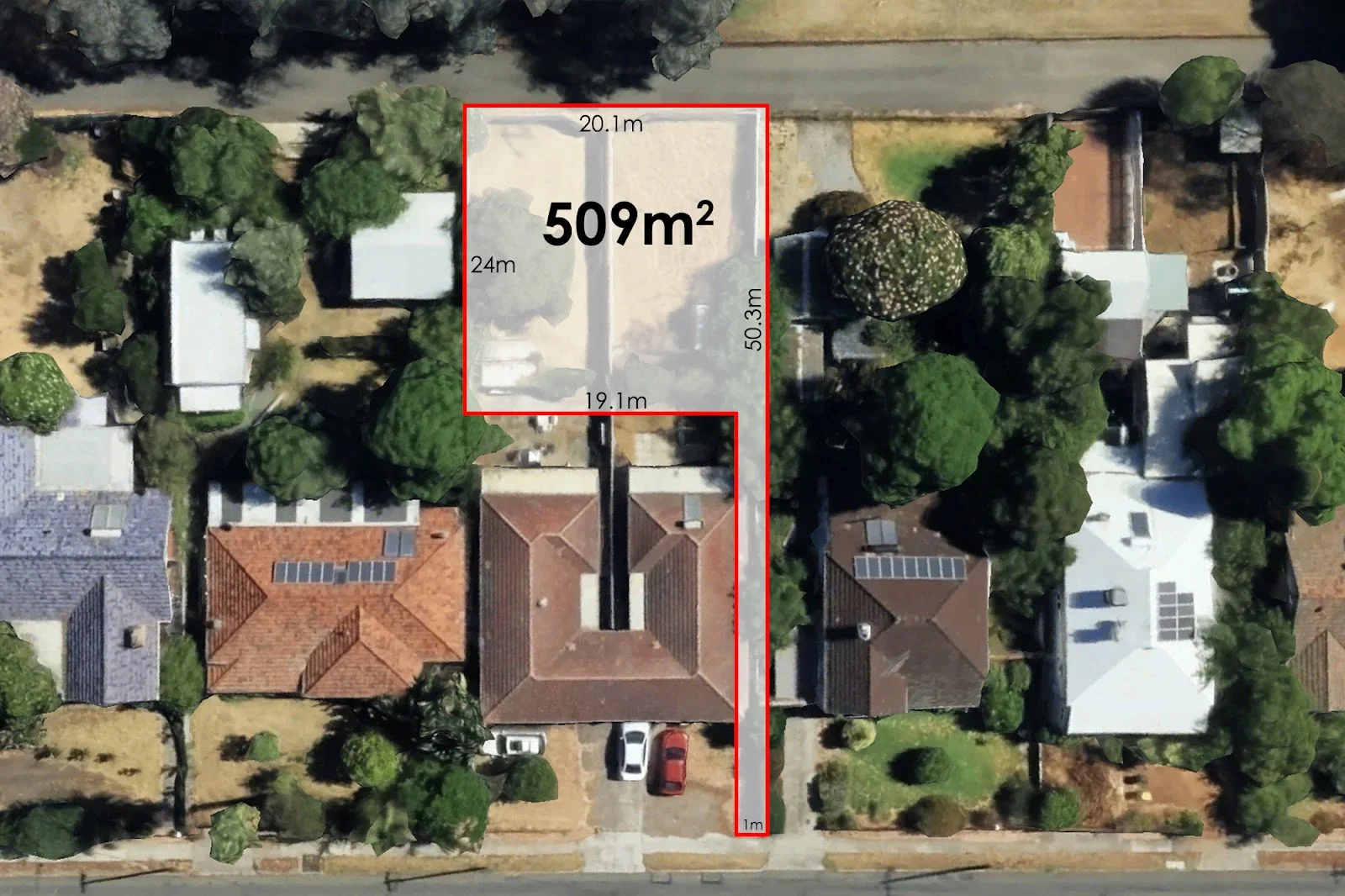 $480,000
Vacant Land
$480,000
Vacant Land
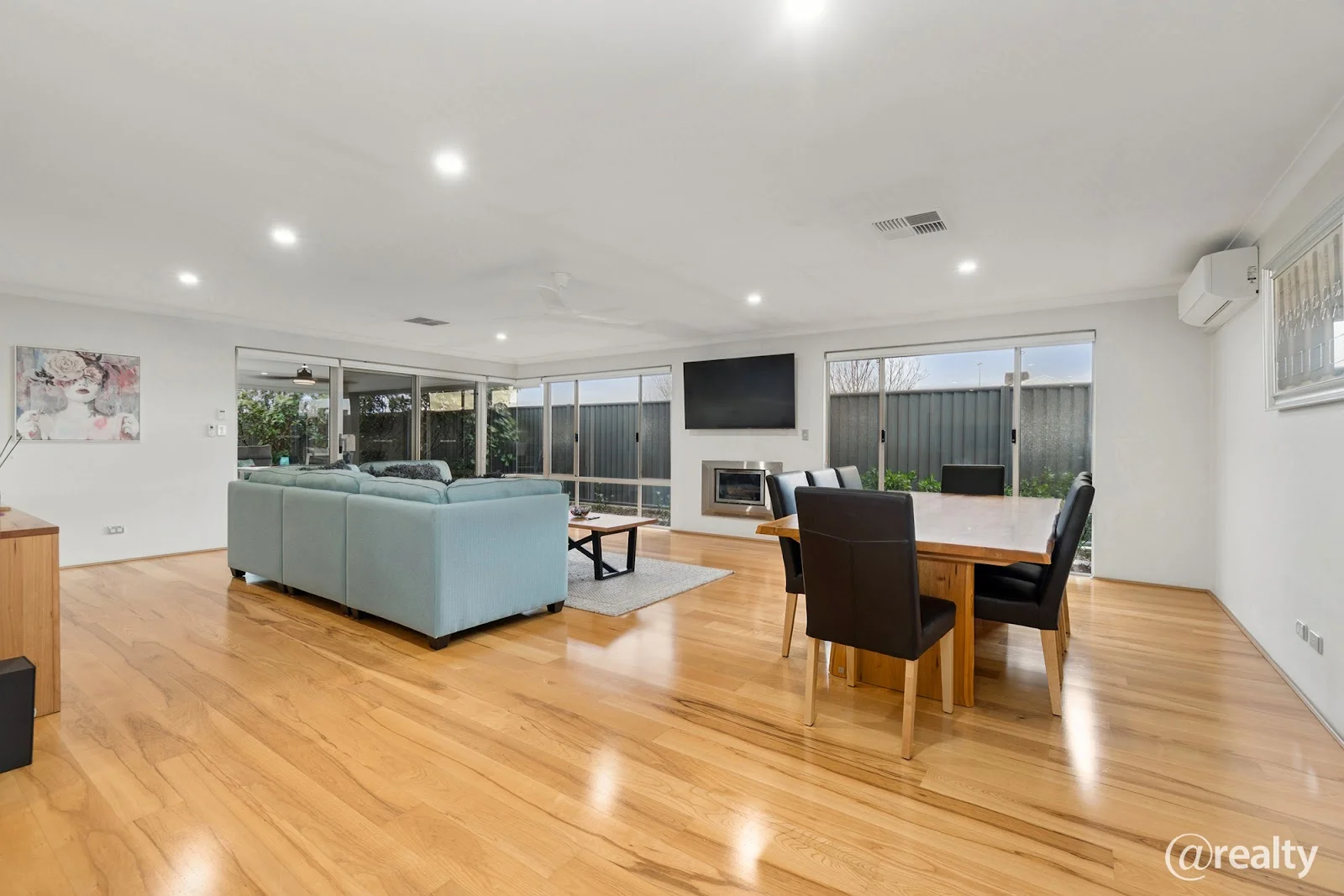 $1,030,000
House
$1,030,000
House
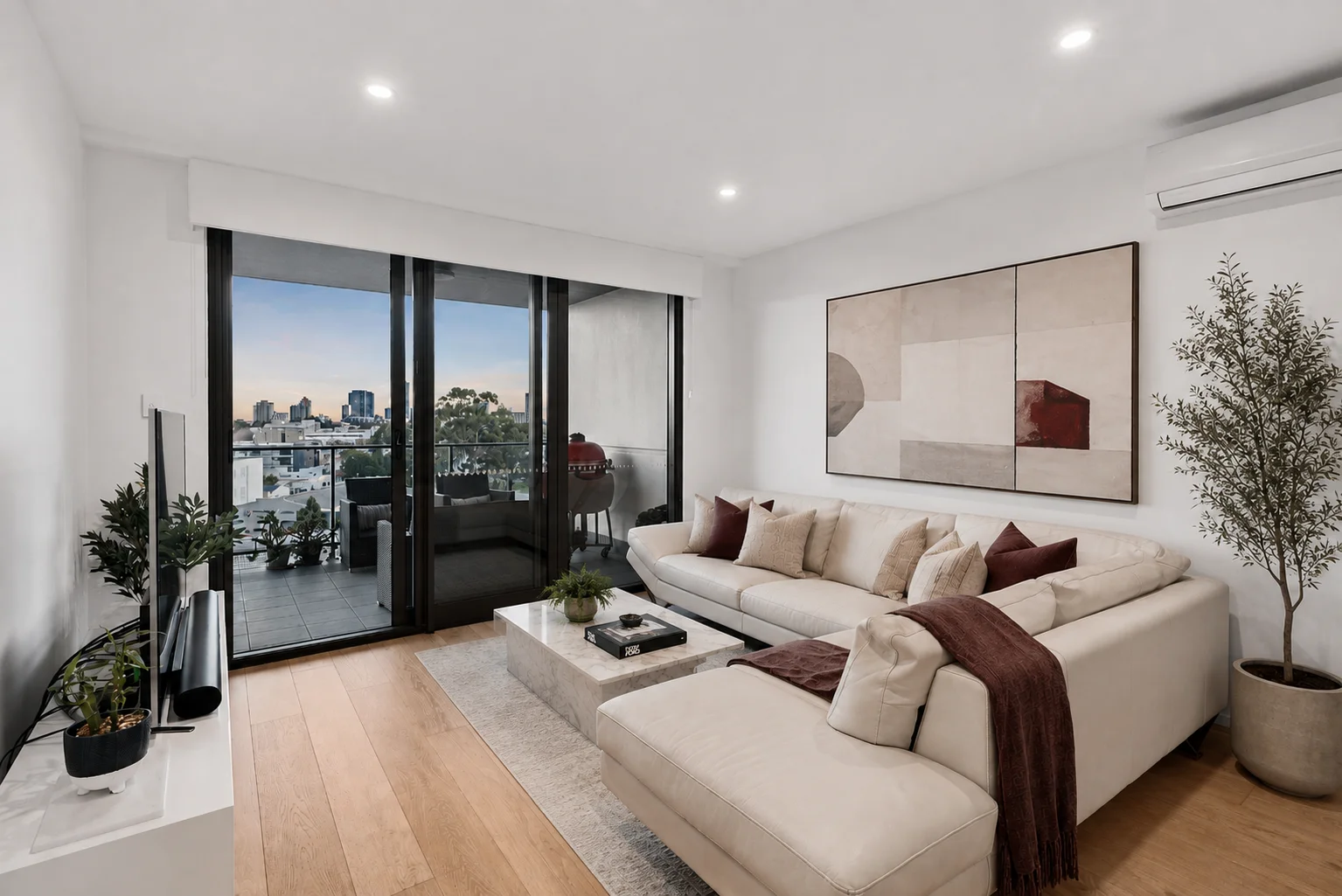 $700,000
Apartment / Unit / Flat
$700,000
Apartment / Unit / Flat
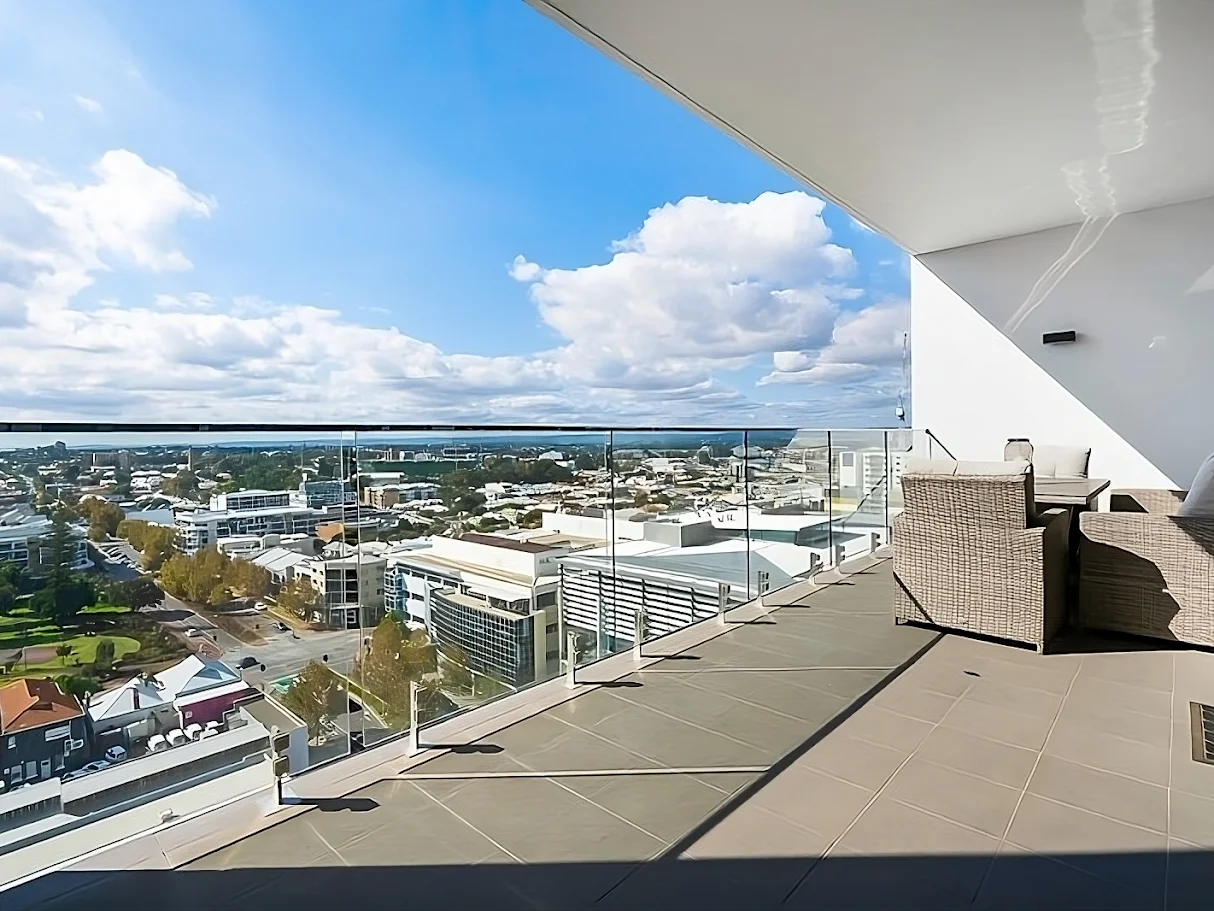 $580,000
Apartment / Unit / Flat
$580,000
Apartment / Unit / Flat
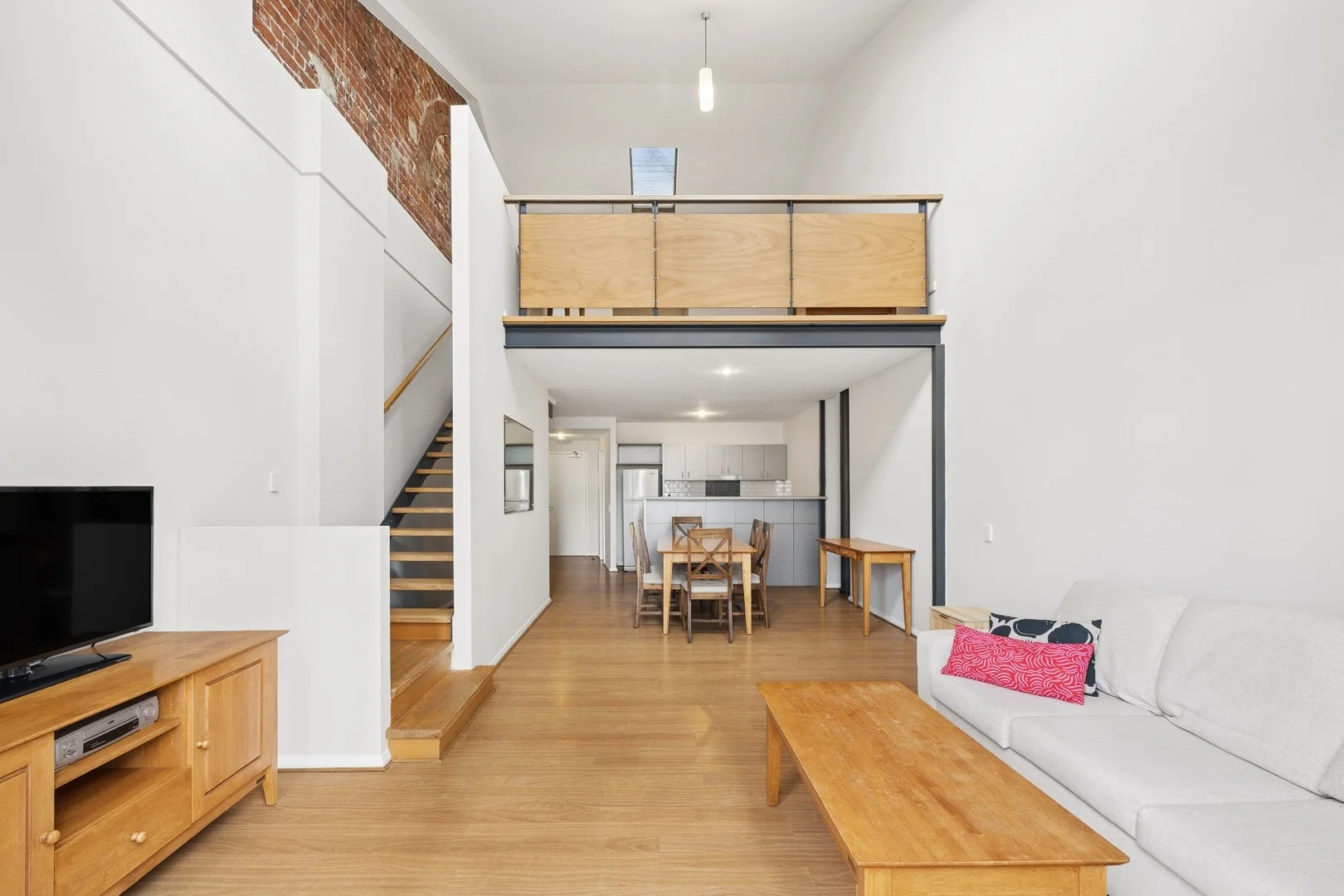 $549,000
Apartment / Unit / Flat
$549,000
Apartment / Unit / Flat


