Overview
## 1. Overview
Greenacre Christian College is an independent/private Christian school in Greenacre, NSW, providing a faith-based education for students across primary and secondary levels. The college aims to cultivate academic achievement within a values-driven, supportive community.
- School type: Independent/private Christian school
- School size: Medium
- Class size: Typically around 20–24 students per class
- Atmosphere/culture: Nurturing, inclusive, faith-based, academically focused with strong pastoral care
This profile reflects common characteristics of similar NSW Christian colleges. For exact details, please refer to the school’s official materials.
---
## 2. Academics & Learning
The college focuses on solid academic outcomes alongside character development.
- Academic strengths: English, Mathematics, Science/STEM, leadership development, and language programs
- Special programs: Accelerated/advanced learning options, gifted and talented pathways, HSC/ATAR preparation
- NAPLAN trends: Generally shows steady improvement in reading and writing over recent years with targeted support to maintain numeracy progress
- Student-teacher ratios: Approximately 1:12 to 1:15
- Support for diverse learners: EAL (English as an Additional Language) support, SEN/inclusion programs, individualized learning plans
This section highlights typical strengths you would expect from a NSW independent Christian school. Confirm specifics with the school for precise programs and outcomes.
---
## 3. Sports & Extracurricular Strengths
A strong focus on well-rounded development with competitive opportunities.
- Sports offered: Soccer, basketball, netball, cricket, tennis, athletics, swimming
- Strong teams or achievements: Competitive inter-school teams with regional representation in key sports
- Music, arts, drama programs: School choir, instrumental music program, drama productions, and theatre opportunities
- Clubs: Robotics, coding, chess, debating, and additional interest clubs
- Partnerships: Local community clubs, inter-school competitions, and regional arts/sport events
This section emphasizes activities that many Aussie and UK parents look for in the middle school age range.
---
## 4. Wellbeing & Pastoral Care
Pastoral care and wellbeing are central to school life.
- Anti-bullying approach: Proactive policies, clear behaviour expectations, and supportive response systems
- House system: House groups to foster belonging, teamwork, and healthy competition
- Counsellors / wellbeing officers: On-site wellbeing staff and access to counselling services
- Transition support for new students: Orientation programs, buddy systems, and targeted onboarding
These elements help build trust with families by prioritising safety, belonging, and emotional support.
---
## 5. Facilities
Facilities are designed to support academics, the arts, and physical activity.
- Sports grounds
- Libraries
- Science labs
- Music/performing arts centers
- Tech/innovation labs
- Cafeteria
- Updated playgrounds
Keep it visual: modern, well-maintained spaces that align with students’ daily activities and enrichment programs.
---
## 6. School Values & Community Culture
A values-driven environment with an emphasis on positive leadership and inclusion.
- School values / mission: Faith-based ethos guiding conduct, care for others, integrity, and service
- Leadership style: Participatory, with student leadership opportunities and teacher/leader mentorship
- Behaviour expectations: Clear standards promoting respect, responsibility, and kindness
- Community reputation: Strong sense of community with active parental involvement and partnerships
- Diversity & inclusion: Inclusive culture that welcomes students from varied backgrounds
This section helps parents understand who their children will be alongside.
---
## 7. School Logistics & Daily Operations
Quick, practical information to help families plan.
- School hours: Typical day starts in the morning and finishes in the afternoon; exact times vary by year level
- Before/after school care: Often available, with supervised options
- Uniform requirements: Standard school uniform with seasonal adjustments
- Transport: Access to local bus services and train routes; school-specific transport arrangements as applicable
- Canteen availability: On-site canteen or tuckshop offering snacks and meals
- Fees: Moderate to mid-range for NSW private schools; exact costs published by the school
For precise schedules, transportation routes, and fees, check the current school materials.
---
## 8. Enrolment & Admissions
Guidance on joining the college.
- 11. What is the enrolment process and timeline?
- Submit an online application
- Eligibility review and documents (academic records, immunization, etc.)
- Interview and/or family meeting
- Any required assessments or results considered
- Offer of place and enrolment confirmation
- Timelines vary by year level and space availability (earlier applications improve chances)
- 12. Is there a waiting list, and how does it work?
- Yes, depending on space. Families may be placed on a waiting list; priority often given to siblings and established applicants. Updates are provided periodically.
- 13. Are there any entry requirements, tests, or interviews?
- Typically an interview and review of prior academic records; some year levels may require a short assessment or placement test; immunization records may be requested
- 14. Does the school accept mid-year transfers?
- Generally yes, subject to space and a smooth transition plan; early inquiry is advised
These processes are common for NSW independent Christian schools; verify with the school for current specifics.
---
## 9. Frequently Asked Questions
- Why Parents Choose This School?
- A faith-based, values-driven environment with strong pastoral care and academic support, plus a focus on character and community engagement.
- What type of student thrives at this school?
- Students who value a supportive community, faith-informed education, and opportunities in academics, sports, and arts.
- What opportunities are available for students to extend their skills (academics, sports, arts)?
- Honors/accelerated tracks, leadership roles, sports teams, music/drama programs, robotics, coding, debating, and regional competitions.
- How does the school communicate with parents?
- Regular newsletters, parent-teacher meetings, progress reports, and digital platforms for updates and alerts.
- What is the school’s approach to teaching and learning?
- A balanced approach combining core academics with values education, collaborative learning, and targeted support where needed.
- How does the school support students who need extra academic help?
- EAL/SEN support, individualized learning plans, tutoring or small-group interventions, and regular progress monitoring.
- What support is available for academic challenges?
- Access to teachers, counsellors, and learning support staff; ongoing assessments to guide targeted interventions.
- How does the school communicate with parents?
- See above: newsletters, meetings, reports, and digital communications.
- What are the class sizes and how much individual attention do students receive?
- Class sizes typically around 20–24 students, with additional teacher support and opportunities for one-on-one guidance.
- What extracurricular and sports opportunities are available?
- A broad mix including sports, robotics, coding, chess, debating, arts, and music programs.
- What facilities does the school offer (sports, science, arts)?
- Sports grounds, libraries, science labs, music/performing arts centers, tech/innovation spaces, cafeterias, and modern play areas.
- What is the school’s approach to technology and digital learning?
- Integration of digital tools in learning, computer labs or BYOD options, and a focus on safe, responsible use of technology.
- What transport and accessibility options are available?
- Local bus/train options and school-organised transport where available; accessibility considerations addressed in campus planning.
- What are the typical school fees or additional costs?
- Fees are in the moderate-to-mid range for NSW private schools; additional costs may include uniforms, books, excursions, and activity fees.
---
## 10. Short Pros & Cons list
- Pros
- Strong pastoral care and values-based education
- Well-rounded program with academics, sports, arts, and leadership
- Support for diverse learners (EAL, SEN)
- Positive sense of community and parental involvement
- Cons
- Smaller class sizes may limit some course variety compared to larger public or independent schools
- Private school fees require ongoing financial planning
- Transportation options depend on local networks and may require planning
- Availability of advanced subjects may vary by year level or cohort
If you’d like, I can tailor this content further with any specific details you have from the school (exact programs, current enrolment numbers, or recent achievements).










 $36,000,000 - $39,500,000
Vacant Land
$36,000,000 - $39,500,000
Vacant Land
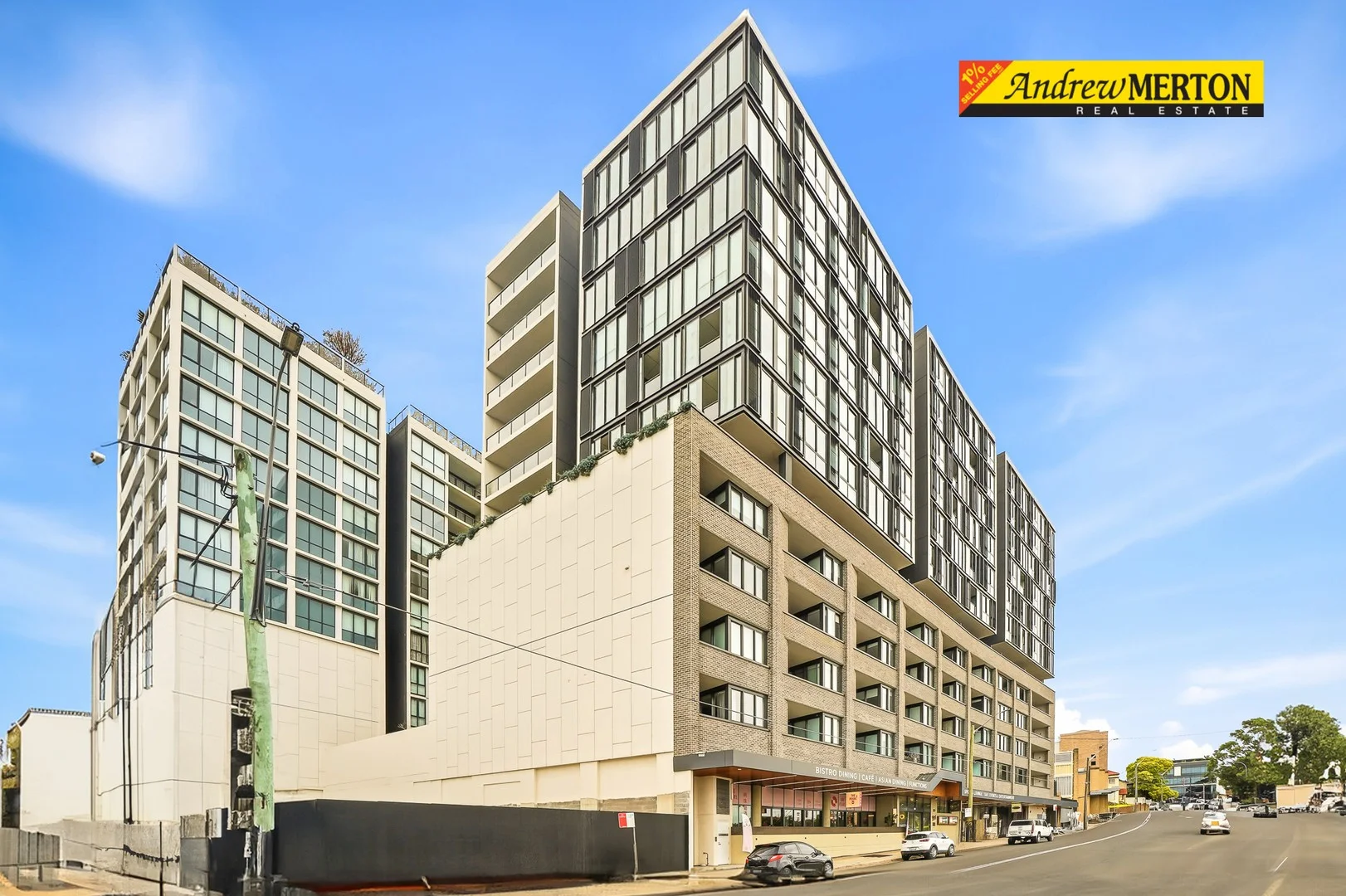 $665,000
Apartment / Unit / Flat
$665,000
Apartment / Unit / Flat
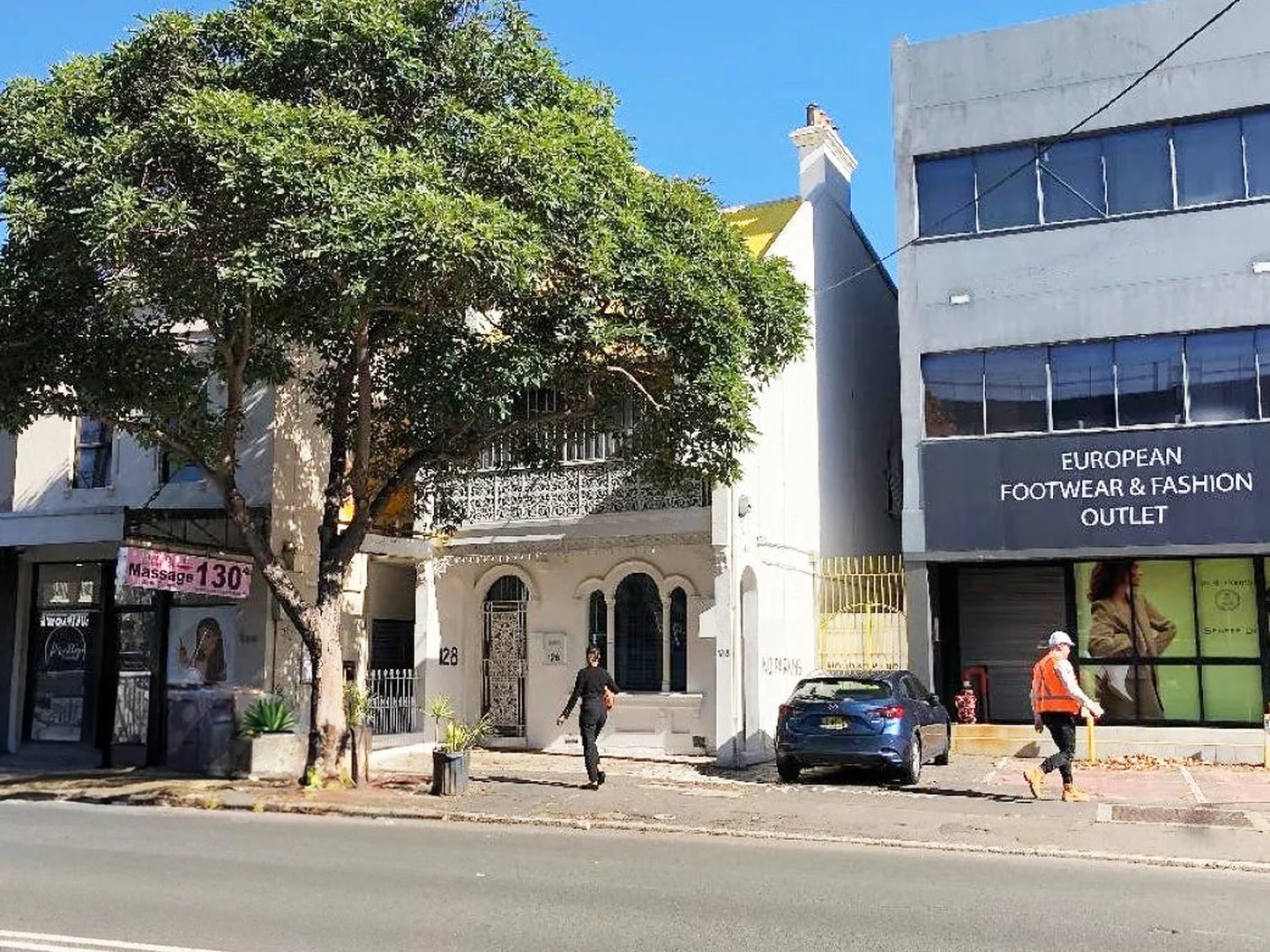 $3,900,000
House
$3,900,000
House
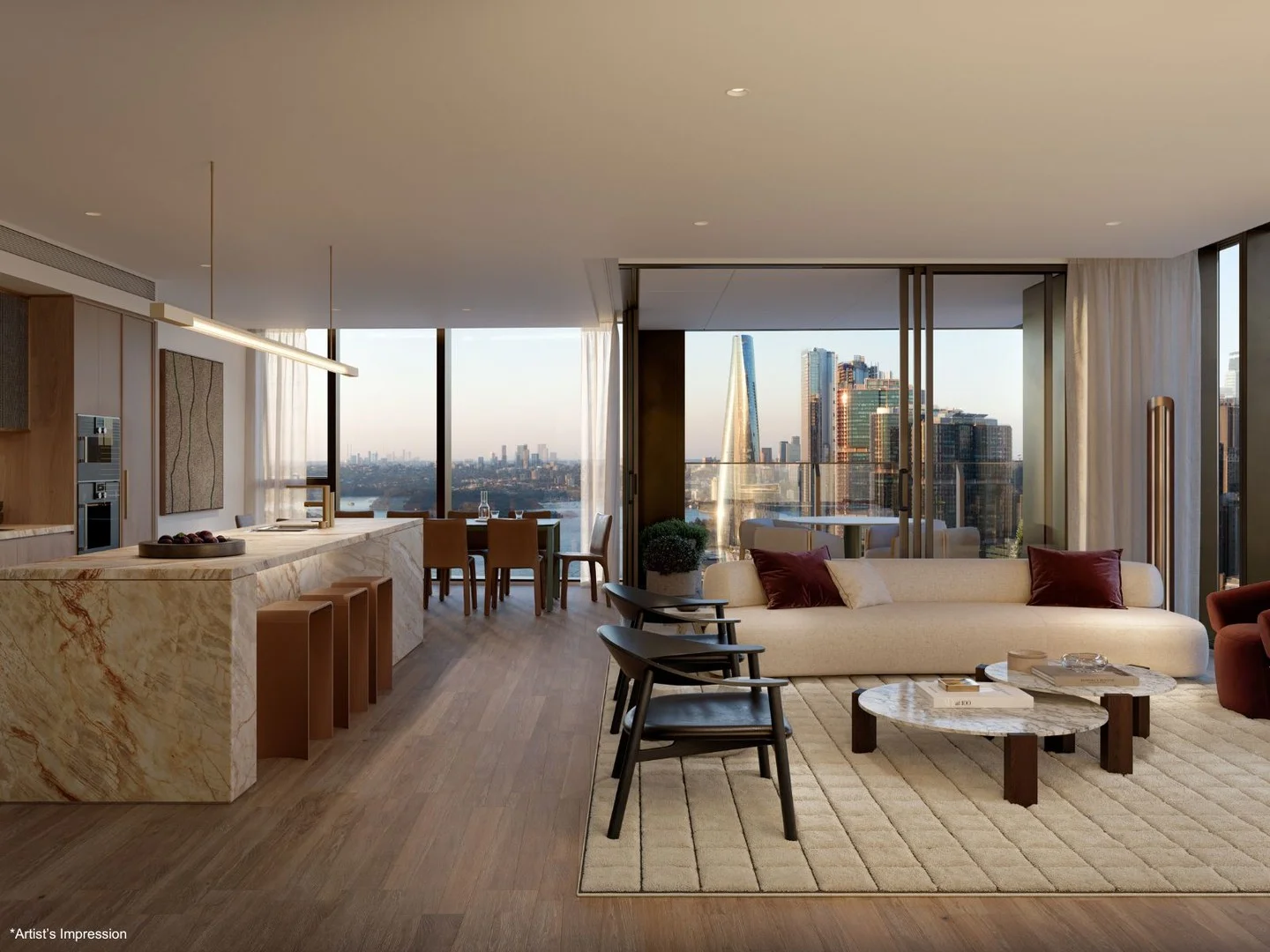 $12,980,000
propertyType.NEW APARTMENTS / OFF THE PLAN
$12,980,000
propertyType.NEW APARTMENTS / OFF THE PLAN
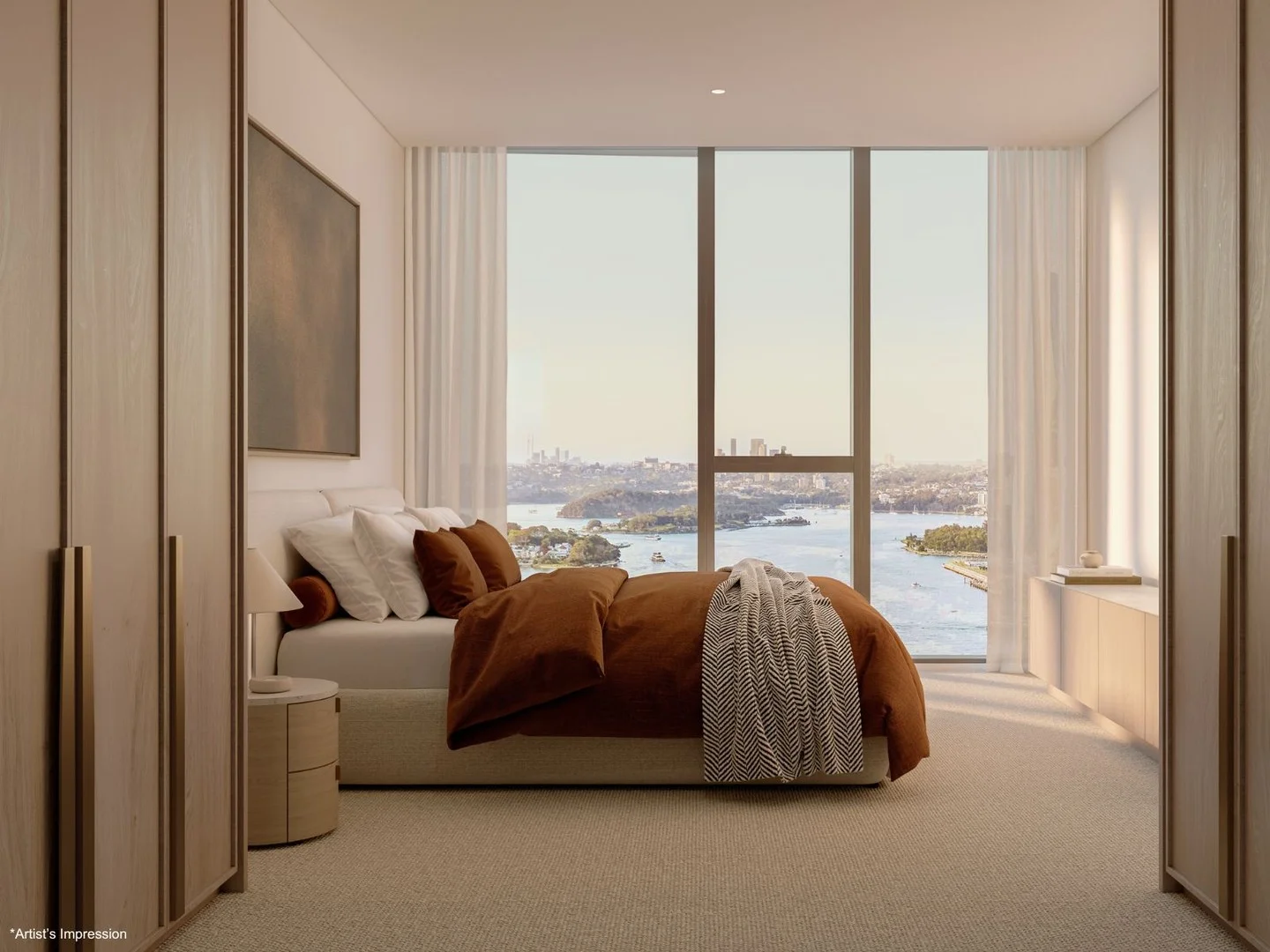 $8,630,000
propertyType.NEW APARTMENTS / OFF THE PLAN
$8,630,000
propertyType.NEW APARTMENTS / OFF THE PLAN
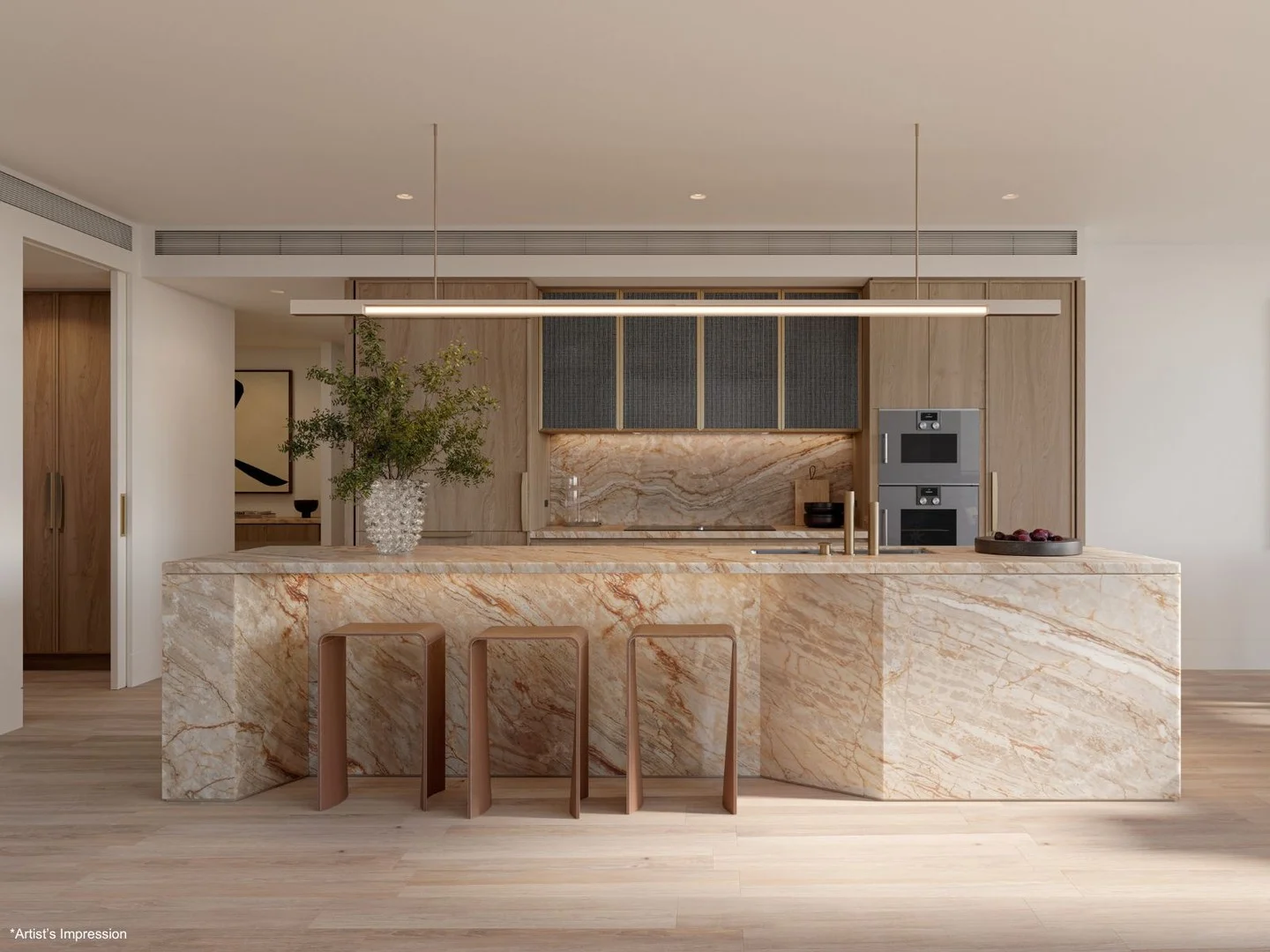 $6,225,000
propertyType.NEW APARTMENTS / OFF THE PLAN
$6,225,000
propertyType.NEW APARTMENTS / OFF THE PLAN
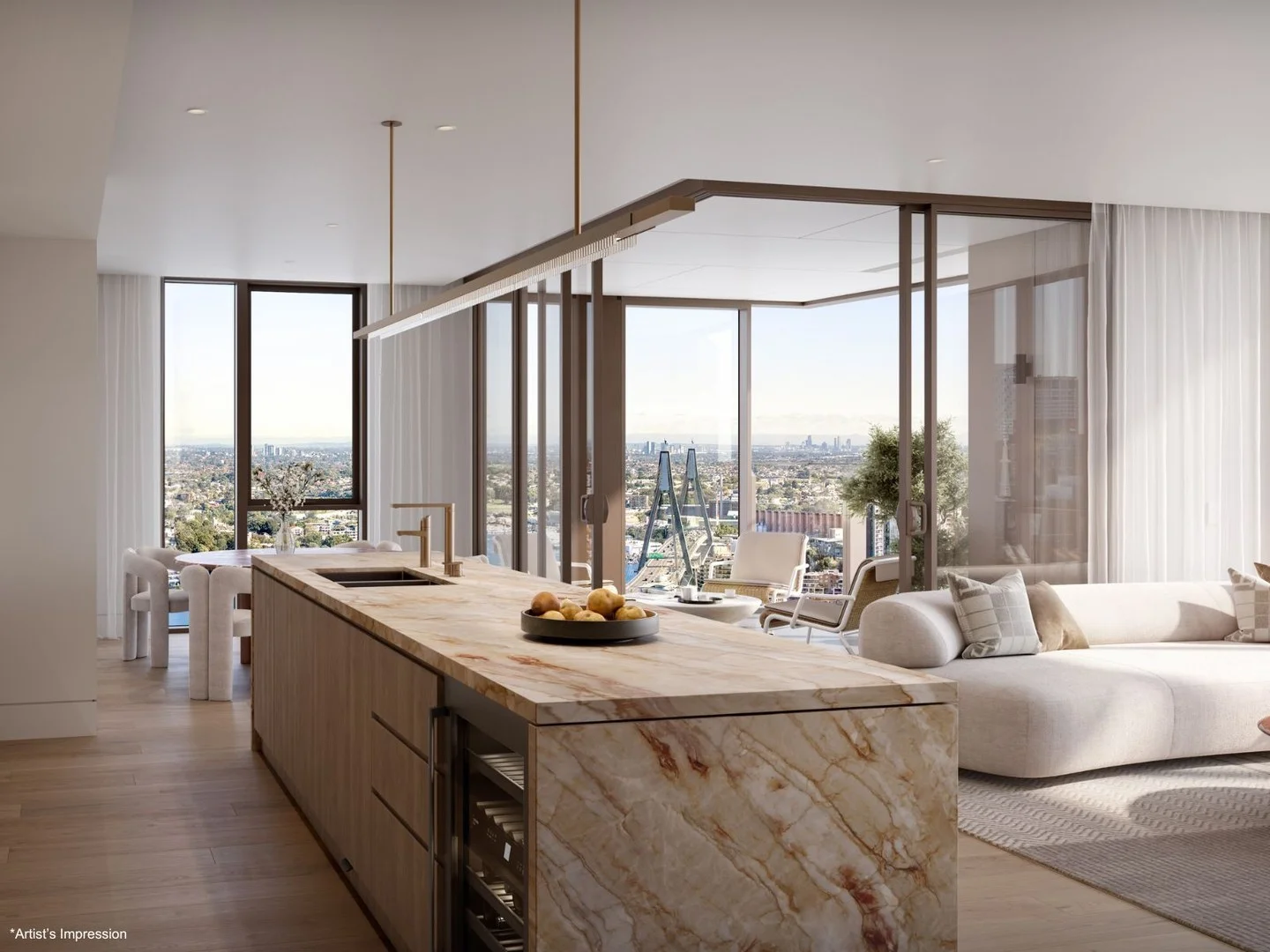 $9,020,000
propertyType.NEW APARTMENTS / OFF THE PLAN
$9,020,000
propertyType.NEW APARTMENTS / OFF THE PLAN
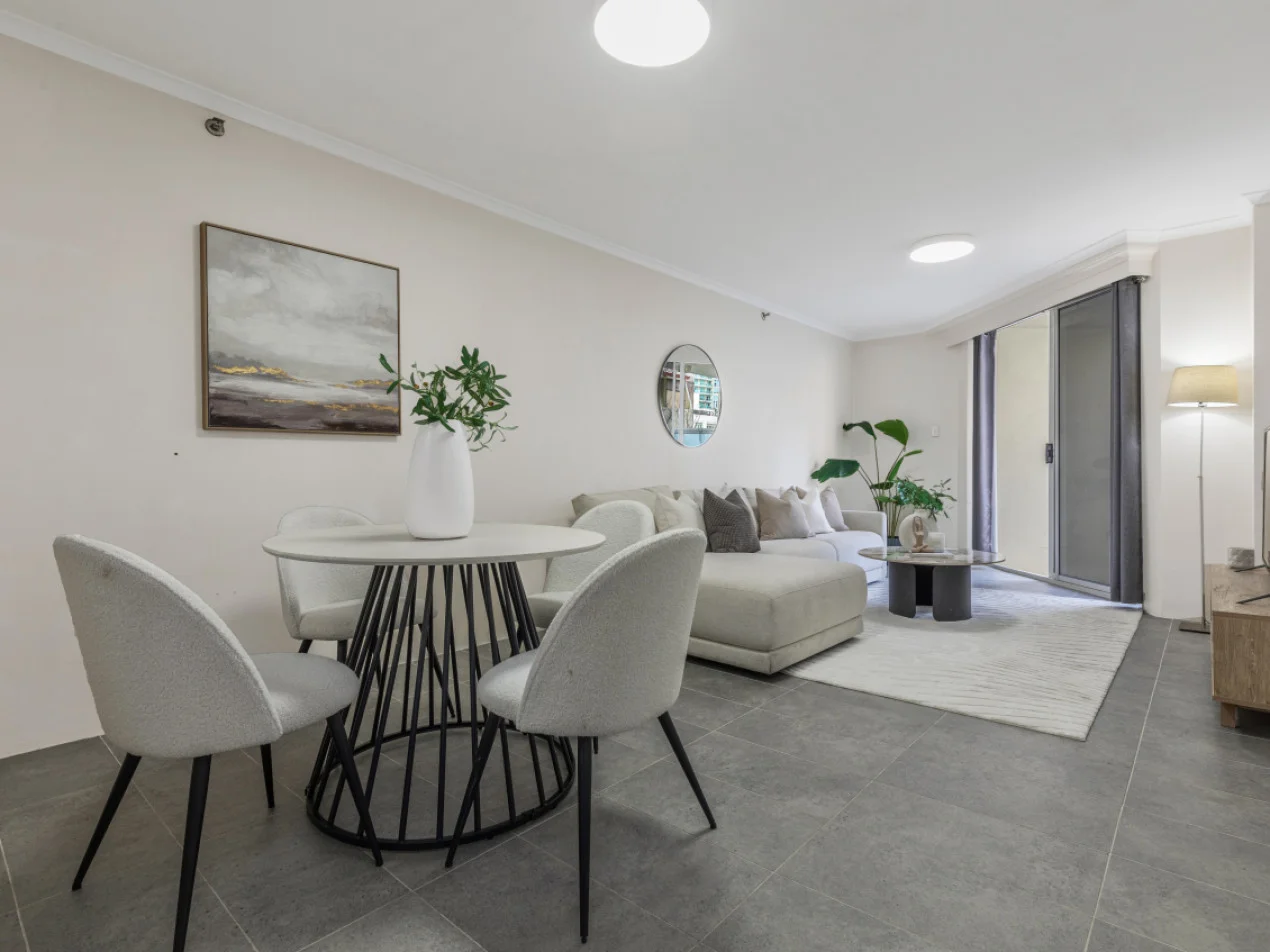 $640,000 - $675,000
Apartment / Unit / Flat
$640,000 - $675,000
Apartment / Unit / Flat
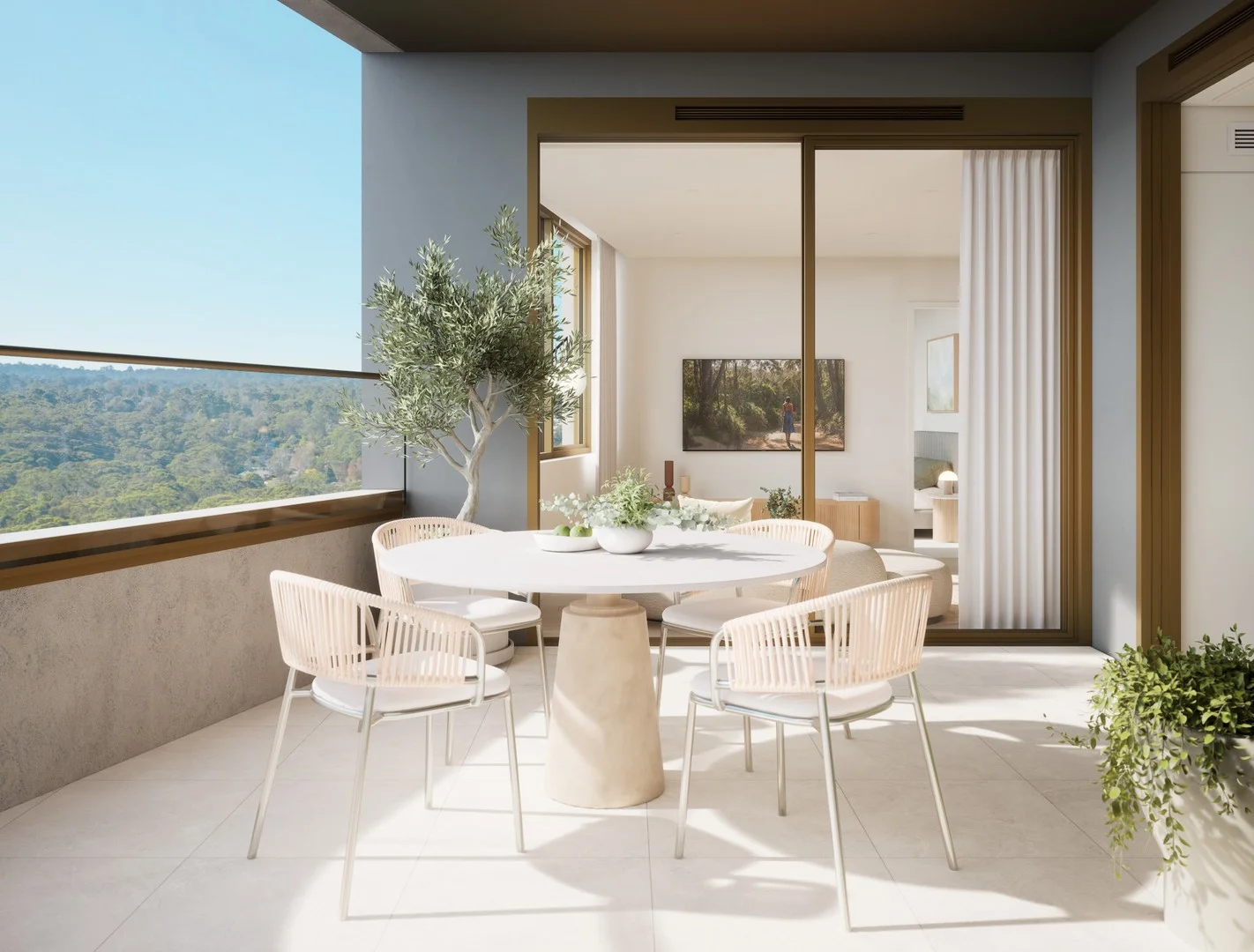 $1,525,000
Apartment / Unit / Flat
$1,525,000
Apartment / Unit / Flat


