Overview
- School type: Public
- School size: Medium
- Atmosphere/culture: Nurturing, inclusive, diverse, with a focus on building a supportive learning community
Hawthorn West Primary School provides a broad Australian primary education within a welcoming inner-city community. The school aims to nurture curious, capable learners while strengthening social values and a sense of belonging.
Academics & Learning
- Academic strengths: Strong emphasis on English and Maths foundations, with opportunities for inquiry-based learning and cross-curricular projects; emphasis on literacy and numeracy progression
- Special programs: Gifted & Talented opportunities, targeted learning supports, and access to inclusive education practices; some cohorts may have specialist language or STEM-linked activities
- Support for diverse learners: EAL support, adjustments and learning plans for students with additional needs, and inclusive teaching strategies to support all learners
- Sports offered: A range of school-organised team sports and physical activities (e.g., ball sports, athletics, cross-country); participation in district and inter-school events
- Strong teams or achievements: Competitively represented in local and district competitions; emphasis on teamwork, fair play and personal improvement
- Music, arts, drama programs: Active music and performing arts programs; opportunities for choir, band or classroom-based performances
- Clubs: Robotics, coding, chess, debating and other interest clubs are commonly available
- Partnerships: Connections with local community clubs and sporting bodies for competitions, coaching and enrichment opportunities
Wellbeing & Pastoral Care
- Anti-bullying approach: Clear anti-bullying policies, proactive classroom routines, and restorative approaches to conflict resolution
- House system: House groups support teamwork, leadership development and school spirit
- Counsellors / wellbeing officers: Access to school wellbeing staff and resources to support social and emotional learning
- Transition support for new students: Orientation activities, buddy programs and family welcome processes to ease transitions
Facilities
- Sports grounds: Indoor and outdoor spaces suitable for a variety of physical activities
- Libraries: Well-stocked library to support reading for pleasure and research
- Science labs: Suitable spaces for hands-on science and experiments
- Music/performing arts centers: Dedicated areas or rooms for music and drama activities
- Tech/innovation labs: Computing and maker spaces to support digital learning and creative projects
- Cafeteria: On-site canteen or planned food services
- Updated playgrounds: Safe, engaging outdoor play areas
- School values / mission: Emphasis on respect, curiosity, resilience and collaboration; focus on values-driven learning
- Leadership style: Collaborative and participatory, with opportunities for student voice through leadership roles and student councils
- Behaviour expectations: Clear codes of conduct with consistent expectations across year levels
- Community reputation: Strong connection with families and local community; active involvement in school activities
- Diversity & inclusion: Commitment to an inclusive environment that respects and welcomes diverse backgrounds and abilities
School Logistics & Daily Operations
- School hours: Align with Victorian government school day; typical hours are from morning start to afternoon finish (exact times published by the school)
- Before/after school care: Often available through OSHC providers or school-supported programs
- Uniform requirements: Standard school uniform policy (colors and items explained by the school)
- Transport (train/bus routes): Accessible via local transport, with information provided about bus/train options and walking/cycling routes
- Canteen availability: Canteen or meal programs operating on certain days
- Fees (low/medium/high ranges): Public primary schools have no compulsory tuition; minimal material or activity levies may apply; uniform and optional programs may incur costs
Enrolment & Admissions
- What is the enrolment process and timeline?
- Check eligibility within the local intake area (catchment).
- Complete the school’s enrolment form and provide required documents (birth certificate, immunisation records, proof of address, guardianship details).
- Submit by the school’s stated deadlines; payment of any required levies or fees if applicable.
- Receive enrolment confirmation and information about orientation/transition activities.
- Is there a waiting list, and how does it work?
- Some schools operate a waiting list when vacancies arise; placement often depends on catchment status and available spaces.
- Families on the list are updated as spots become available; timelines can vary.
- Are there any entry requirements, tests, or interviews?
- Victorian government primary schools do not require entrance tests for general enrolment.
- Some schools may offer informal meetings or tours, or request brief information to assist with placement; policies vary by school.
- Does the school accept mid-year transfers?
- Mid-year transfers can be possible if there is space and seating is available; process typically includes completing enrolment paperwork and providing up-to-date student information.
Frequently Asked Questions
- “Why Parents Choose This School?”
- A welcoming, inclusive learning environment with a strong emphasis on literacy and numeracy, supportive staff, and a range of enriching programs.
- “What type of student thrives at this school?”
- Curious, motivated learners who respond well to a collaborative, respectful culture and opportunities across academics, arts and sport.
- “What opportunities are available for students to extend their skills (academics, sports, arts)?”
- Access to extended learning programs, clubs (robotics, coding, chess, debating), music/arts and sports teams; opportunities to take on leadership roles.
- “How does the school communicate with parents?”
- Regular updates via newsletters, notices, and digital platforms; parent-teacher conferencing and timely responses from staff.
- “What is the school’s approach to teaching and learning?”
- Student-centred, with emphasis on literacy and numeracy foundations, inquiry-based activities, and inclusive teaching to meet diverse needs.
- “How does the school support students who need extra academic help?”
- Targeted interventions, EAL support, SEN support, and small-group or one-on-one instruction as needed.
- “What support is available for academic challenges?”
- Differentiated instruction, learning plans, and access to specialist staff to assist with gaps in understanding.
- “What transport and accessibility options are available?”
- Information on local public transport, walking/cycling routes, and school-arranged transport where applicable.
- “What extracurricular and sports opportunities are available?”
- A range of sports, arts, and clubs such as robotics, coding, chess, debating, music and drama.
- “What facilities does the school offer (sports, science, arts)?”
- Sports grounds, library, science labs, music/performing arts facilities, tech/innovation spaces, and a canteen.
- “What is the school’s approach to technology and digital learning?”
- Integration of digital tools to support learning, with age-appropriate technology use and online resources as part of the curriculum.
- “What transport and accessibility options are available?”
- Local transport guidance, walking/biking routes, and options for families to access the school smoothly.
- “What are the typical school fees or additional costs?”
- As a public school, there are no compulsory tuition fees; there may be minimal levies for specific programs and optional activities.
Short Pros & Cons list
- Public, community-focused environment with inclusive practices
- Broad academics with opportunities for enrichment and clubs
- Strong wellbeing, pastoral care and transition support
- Diverse facilities (library, science, music, tech spaces)
- Exact offerings can vary by year; some programs may be limited by cohort size
- Waiting lists or mid-year transfer limitations depend on space
- Specific extracurricular clubs or programs may vary year to year
- Uniforms and fees for non-essential activities can add to costs
 Free
Free









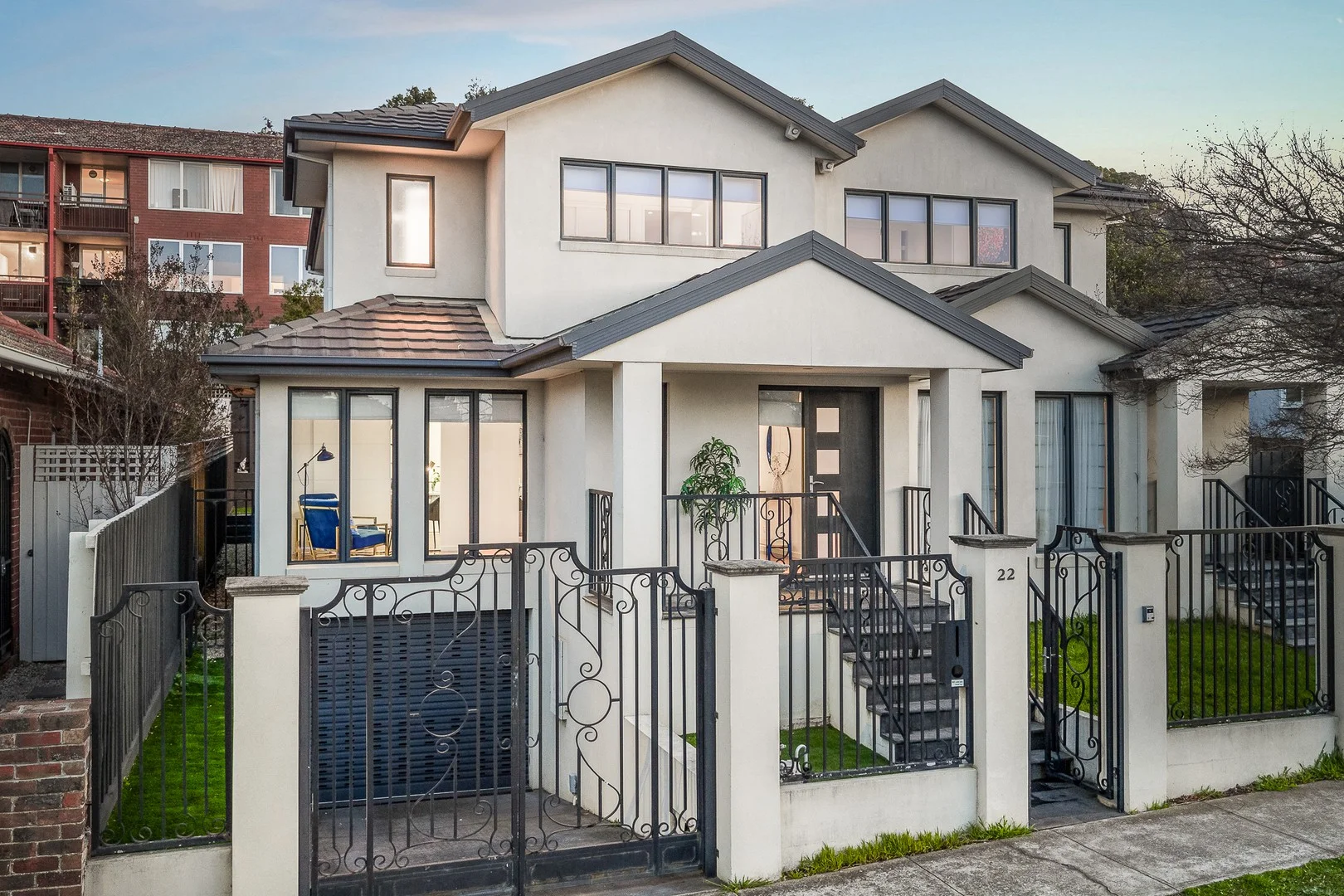 $2,100,000
Townhouse
$2,100,000
Townhouse
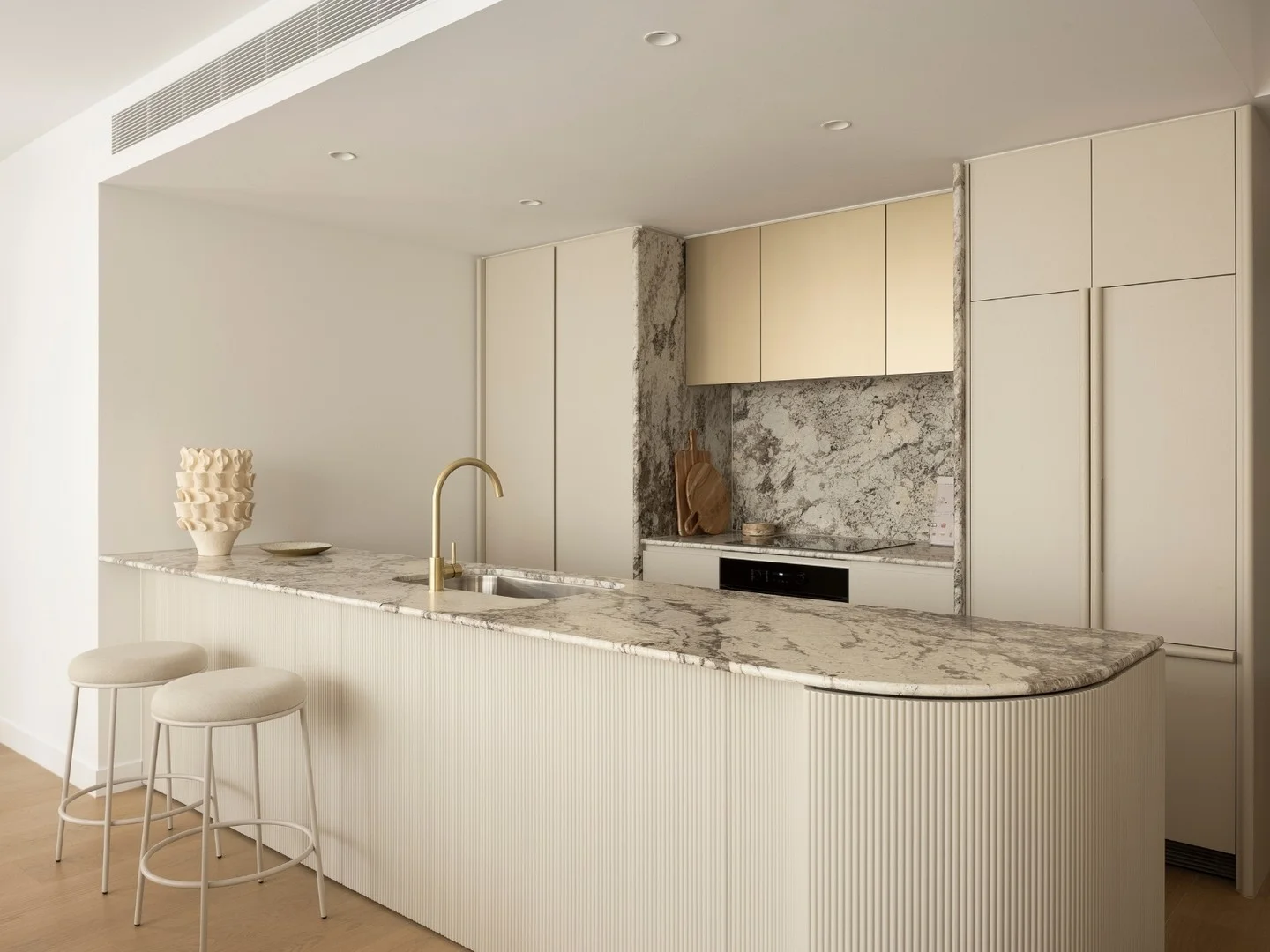 $1,345,000
Apartment / Unit / Flat
$1,345,000
Apartment / Unit / Flat
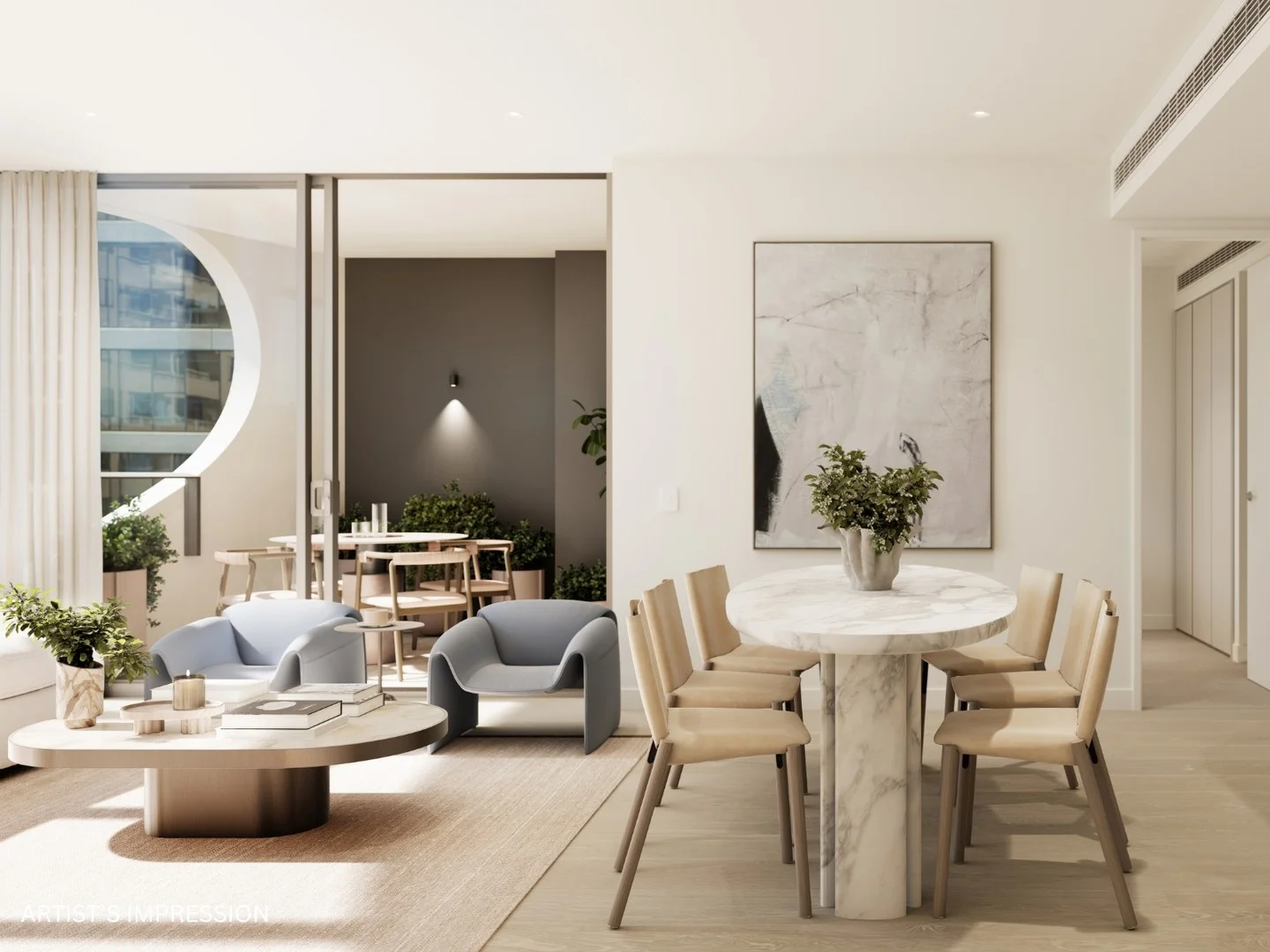 $1,640,000
Apartment / Unit / Flat
$1,640,000
Apartment / Unit / Flat
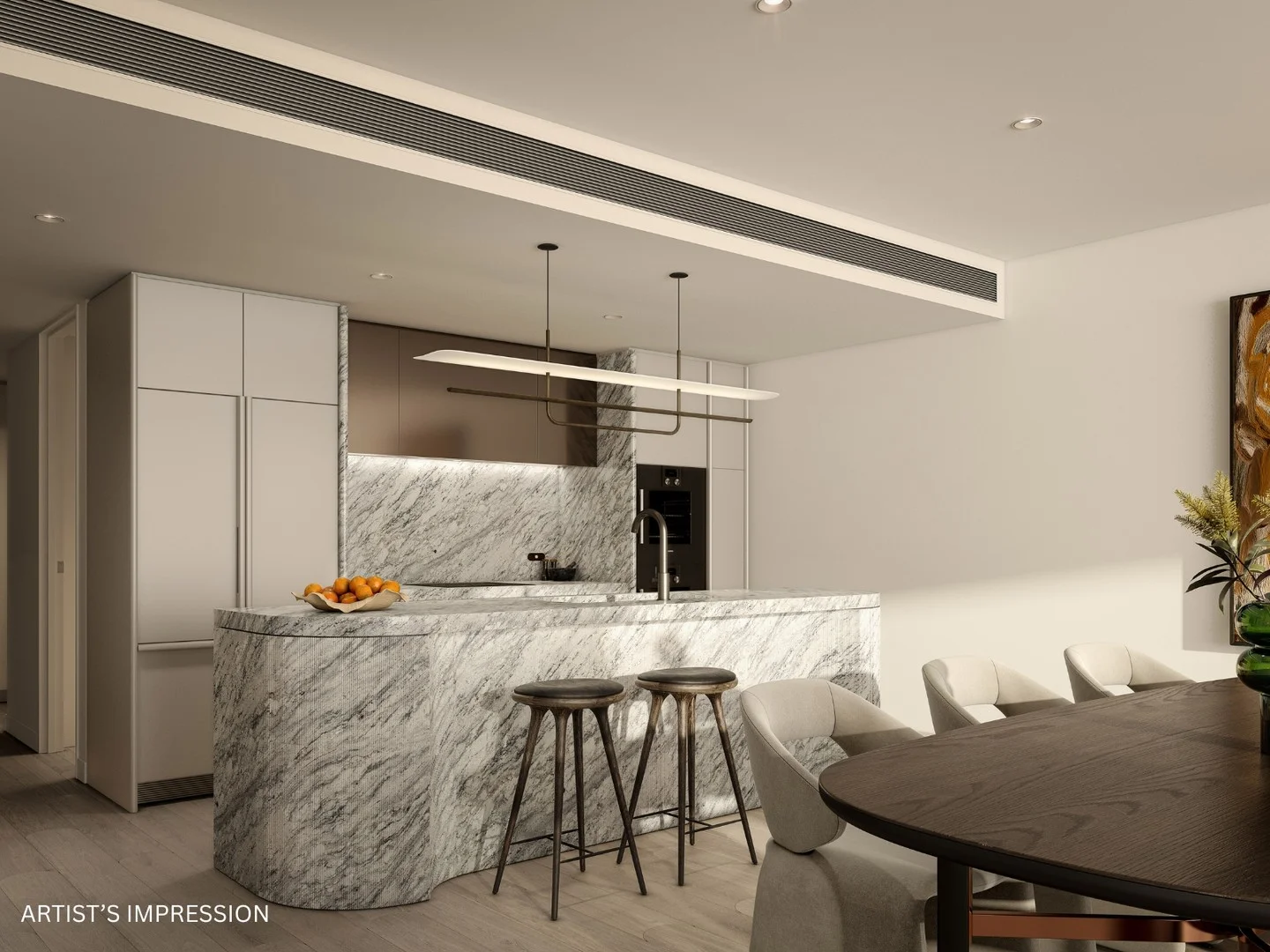 $2,900,000
Apartment / Unit / Flat
$2,900,000
Apartment / Unit / Flat
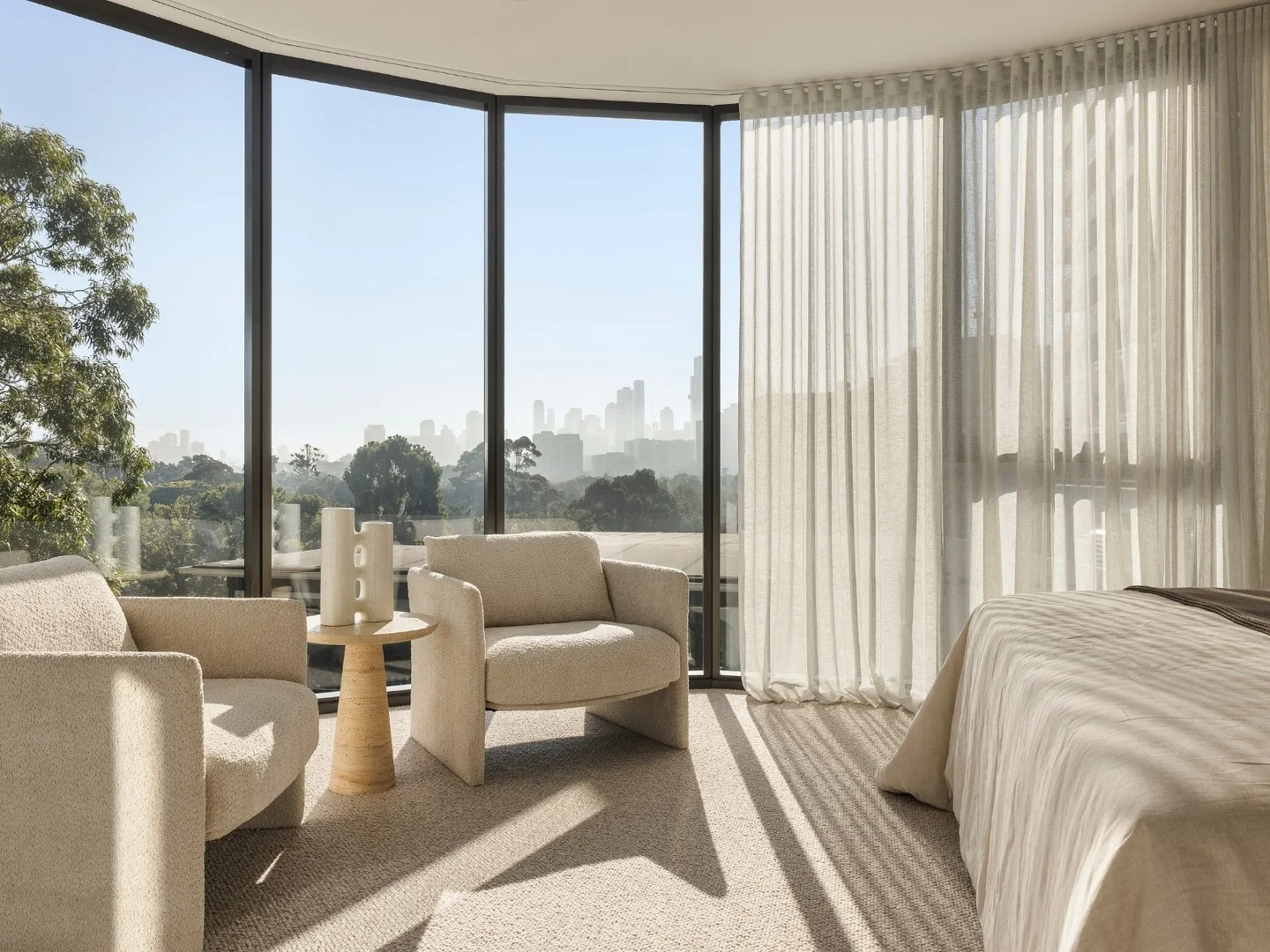 $2,750,000
Apartment / Unit / Flat
$2,750,000
Apartment / Unit / Flat
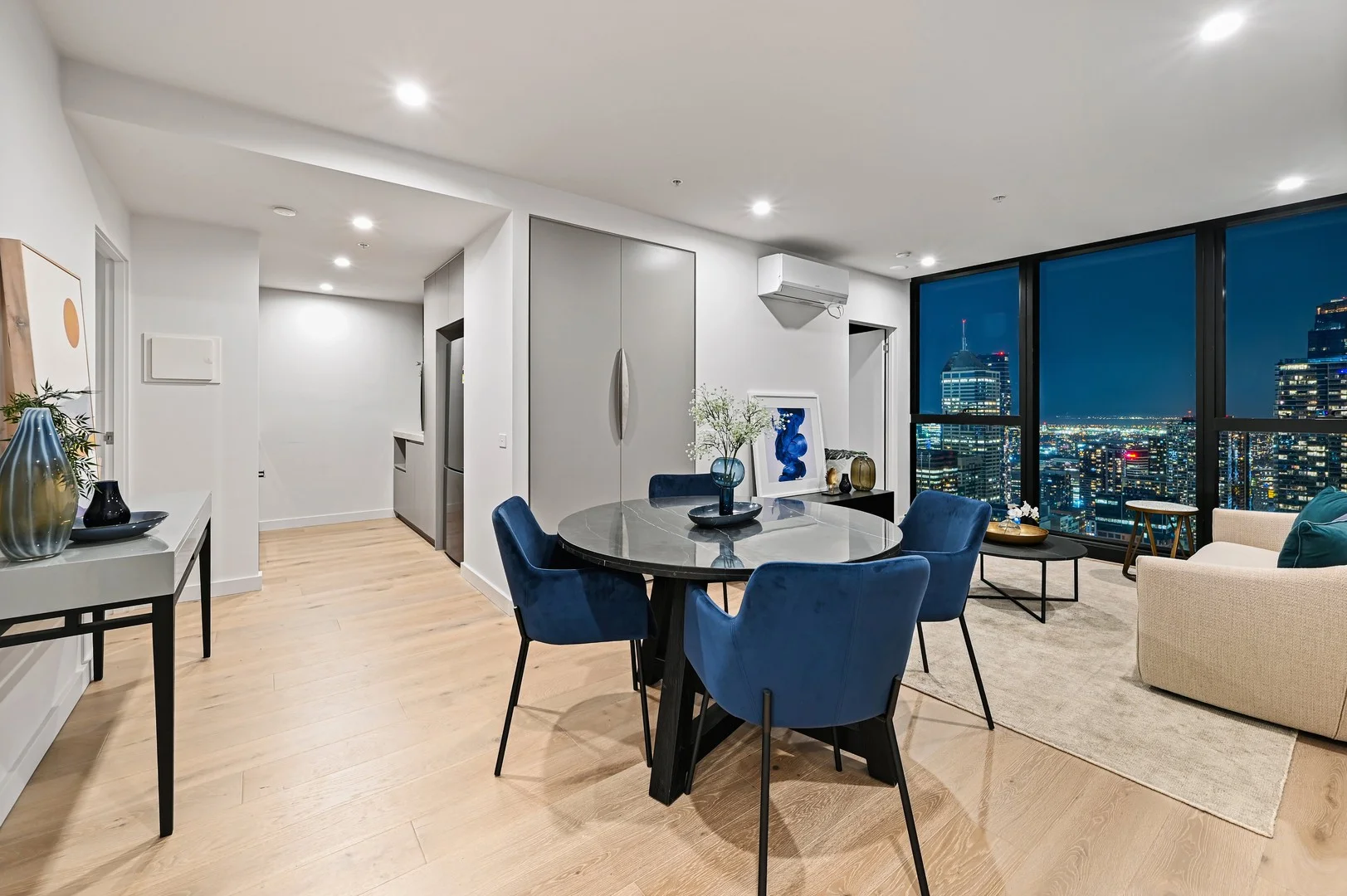 $943,000
propertyType.NEW APARTMENTS / OFF THE PLAN
$943,000
propertyType.NEW APARTMENTS / OFF THE PLAN
 $2,008,000
propertyType.NEW APARTMENTS / OFF THE PLAN
$2,008,000
propertyType.NEW APARTMENTS / OFF THE PLAN
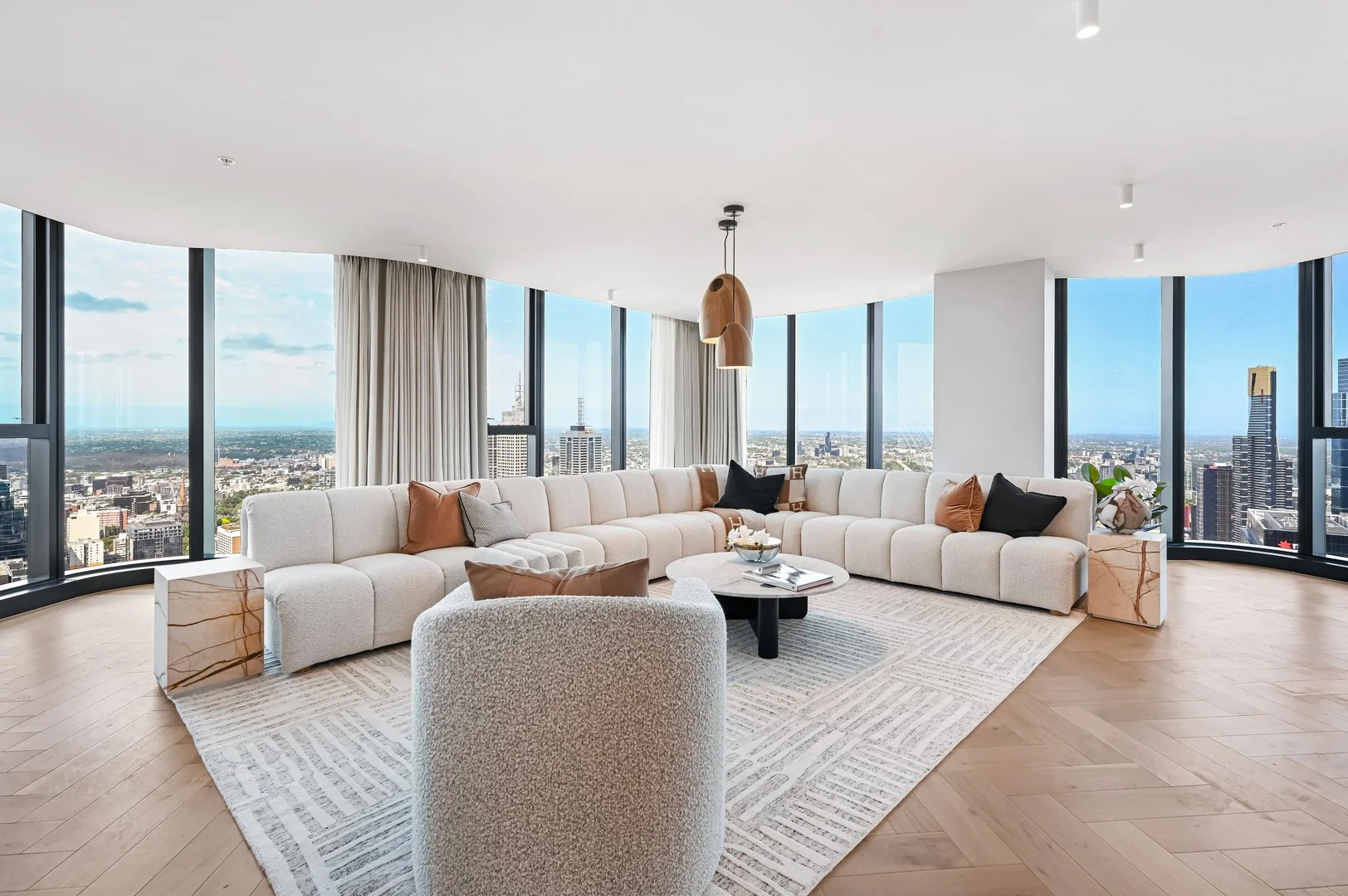 $5,512,000
propertyType.NEW APARTMENTS / OFF THE PLAN
$5,512,000
propertyType.NEW APARTMENTS / OFF THE PLAN
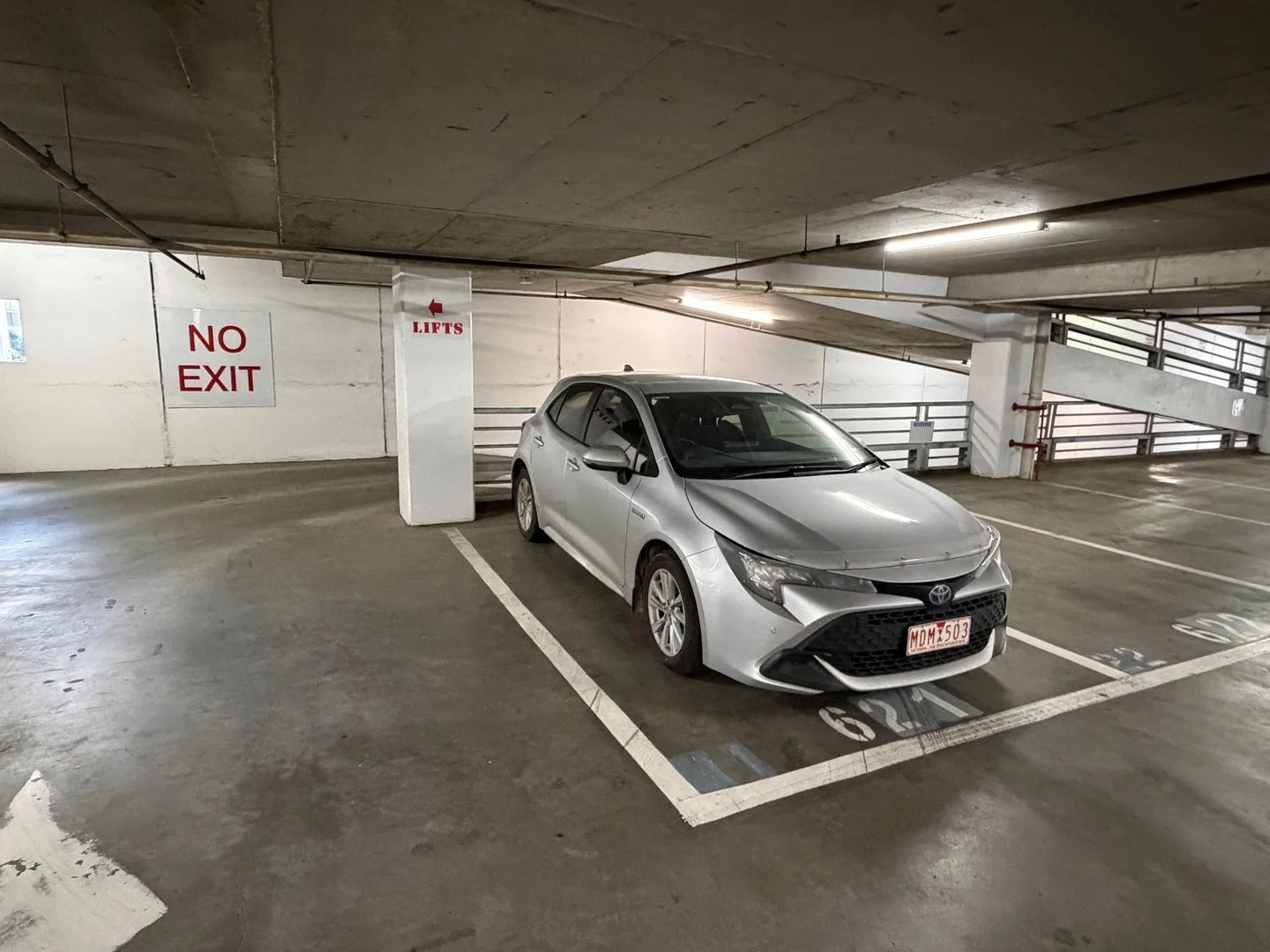 $27,500
propertyType.CAR SPACE
$27,500
propertyType.CAR SPACE


