## 1. Overview
West Beach Primary School is a public, co-educational primary school serving the West Beach community. The school focuses on delivering the Australian Curriculum in a supportive, inclusive environment, helping students build strong foundations in literacy, numeracy and a broad range of learning areas. With a medium-sized student body and class sizes typically around 20–25 students, the school emphasises personal relationships, teacher accessibility and a collaborative atmosphere where students feel valued and supported.
The school fosters an accepting and nurturing culture, encouraging participation in class, clubs and community activities. The environment aims to balance academic effort with important social and physical development, supporting students to grow as capable, confident learners and members of a diverse school community.
---
## 2. Academics & Learning
- Academic strengths: Focus on English literacy and numeracy, with strong emphasis on STEM topics and foundational digital technologies. The school also supports creative arts and personal-project learning to develop communication and problem-solving skills.
- Special programs: Gifted and Talented opportunities and targeted intervention programs may be available to challenge high-performing students and assist those who need extra support.
- NAPLAN trends: Historically, schools of this profile show steady progress in reading and numeracy with year-to-year variation, reflecting classroom growth and targeted support initiatives.
- Student-teacher ratios: Typical primary-class settings with a student-to-teacher ratio around 1:18–1:22, varying by year level and specialist subject loads.
- Support for diverse learners: Strong focus on inclusive education, with EAL and SEN support, reading and numeracy interventions, and access to specialist staff to support individual learning plans.
---
## 3. Sports & Extracurricular Strengths
- Sports offered: Soccer, basketball, netball, AFL/cricket, athletics, swimming and other district- or school-level opportunities.
- Strong teams or achievements: Active participation in inter-school and district events; opportunities to compete in age-group tournaments and local leagues.
- Music, arts, drama programs: Regular music lessons, school choir or ensembles, and opportunities to participate in performances and drama activities.
- Clubs: Robotics, coding and computer clubs, chess, debating and similar enrichment activities.
- Partnerships: Connections with local clubs and community organisations for competitions, coaching and enrichment experiences.
---
## 4. Wellbeing & Pastoral Care
- Anti-bullying approach: Clear anti-bullying policies with proactive student well-being programs and supports, aiming to cultivate a respectful school culture.
- House system: A house-based framework to promote belonging, teamwork and healthy competition across year levels.
- Counsellors / wellbeing officers: Access to school-based wellbeing staff or counsellors to support mental health, social-emotional learning and transition needs.
- Transition support for new students: Orientation programs, buddy systems and targeted transition activities to help new students settle in smoothly.
---
## 5. Facilities
- Sports grounds: Generous outdoor spaces for PE, sports and recreation.
- Libraries: A dedicated library area supporting reading, research and digital literacy.
- Science labs: Accessible labs or dedicated spaces for hands-on science learning.
- Music/performing arts centers: Space for music, drama and performance activities.
- Tech/innovation labs: Computers or makerspace areas supporting digital creation and coding.
- Cafeteria: On-site canteen or food service supporting healthy eating options.
- Updated playgrounds: Modern, well-maintained play equipment and outdoor spaces for active play.
---
## 6. School Values & Community Culture
- School values / mission: A values-led approach emphasising respect, resilience, inclusion and teamwork; a mission to provide high-quality education in a caring environment.
- Leadership style: Distributed and collaborative leadership; teacher collaboration and student voice are encouraged to influence school life.
- Behaviour expectations: Clear, positively framed behaviour expectations and consistent routines across classrooms and common areas.
- Community reputation: Strong, supportive relationships with families and the local community, with a focus on ongoing communication and engagement.
- Diversity & inclusion: Welcoming and inclusive environment that supports students from varying backgrounds and with diverse learning needs.
---
## 7. School Logistics & Daily Operations
- School hours: Typical day starts in the morning and finishes in the mid-afternoon (e.g., around 8:45 am – 3:15 pm), with variations by year level.
- Before/after school care: Before and after school care options are often available through external providers or school-managed programs.
- Uniform requirements: School uniform policy with defined colours and attire; details provided by the school to ensure consistency and ease of attendance.
- Transport (train/bus routes): Access to public transport or school bus services where available; drop-off/pick-up arrangements and parking guidance provided by the school.
- Canteen availability: On-site or nearby canteen/cafeteria options supporting healthy choices.
- Fees (low/medium/high ranges): As a public school, there are no tuition fees; families may contribute through voluntary school community contributions and pay for certain activities or excursions.
---
## 8. Enrolment & Admissions
- 11. What is the enrolment process and timeline?
- Check eligibility and catchment status, complete and submit the enrolment form with required documents, and follow the school’s intake timeline. After submission, you may be contacted for a brief information meeting or interview if necessary. Offers and placement decisions follow the Department for Education timelines and space availability, with orientation or welcome activities for new students.
- 12. Is there a waiting list, and how does it work?
- Waiting lists can occur when demand exceeds current vacancies. Placement often considers catchment rules, space availability, and the proximity of the family to the school. Families are advised of their status and any next steps by the school.
- 13. Are there any entry requirements, tests, or interviews?
- Primary-entry testing is not typically required. Some information gathering may occur to understand learner needs (e.g., to plan support). Interviews are uncommon for standard entry but may occur if a student has specific needs or if the school is coordinating with external support services.
- 14. Does the school accept mid-year transfers?
- Yes, mid-year transfers are possible if there is space and enrolment capacity. Families should contact the school asap to check availability and begin the required enrolment process with supporting documents.
---
## 9. Frequently Ask Questions
- Why Parents Choose This School?
- A welcoming, inclusive environment with a strong focus on literacy, numeracy and holistic development; solid community connections and opportunities across academics and activities.
- What type of student thrives at this school?
- Students who respond well to a supportive, collaborative learning culture; those who enjoy a balanced mix of academics, sport, arts and social-emotional growth.
- What opportunities are available for students to extend their skills (academics, sports, arts)?
- Enrichment in STEM and literacy, coding and digital technologies, arts and music programs, and diverse sports and clubs, plus opportunities to participate in inter-school events.
- How does the school communicate with parents?
- Regular updates via newsletters, email and online portals; parent-teacher conferences; clear channels for contact with teachers and leadership.
- What is the school’s approach to teaching and learning?
- Australian Curriculum delivery with a focus on literacy, numeracy and key learning areas; inclusive practices, differentiated instruction and student voice.
- How does the school support students who need extra academic help?
- Targeted literacy and numeracy support, small-group interventions, and access to specialist staff to develop individual learning plans.
- What support is available for academic challenges?
- Early intervention strategies, diagnostic assessments when appropriate, and tailored supports to help students catch up and progress.
- How does the school communicate with parents? (duplicate)
- See above: regular updates, meetings and transparent channels for feedback and questions.
- What are the class sizes and how much individual attention do students receive?
- Class sizes around 20–25; teacher-to-student ratios support access to individual or small-group attention and progress monitoring.
- What extracurricular and sports opportunities are available?
- A range of sports (team and individual), music/arts programs, and clubs such as robotics, coding, chess and debating.
- What facilities does the school offer (sports, science, arts)?
- Sports grounds, libraries, science labs, music/performing arts facilities, tech/innovation labs, and a canteen with updated playgrounds.
- What is the school’s approach to technology and digital learning?
- Integration of digital technologies into learning, access to computers or devices, and opportunities to develop digital literacy and coding skills.
- What transport and accessibility options are available?
- Local transport options and school-specific guidance on drop-off/pick-up; accessibility considerations provided as part of enrolment information.
- What are the typical school fees or additional costs?
- No tuition fees for public schooling; expect voluntary contributions and costs for excursions, activities or school supplies.
---
## 10. Short Pros & Cons list
- Pros
- Public, inclusive environment with a strong focus on literacy and numeracy
- Balanced emphasis on academics, sport, arts and wellbeing
- Support for diverse learners with targeted interventions
- Active participation in local inter-school activities and clubs
- Welcoming community culture with clear values and leadership
- Cons
- Class sizes can vary; some year levels may feel larger during peak intake periods
- Additional activities and excursions may incur costs
- Availability of certain specialist programs can fluctuate year to year depending on staffing and funding
- Mid-year transfers depend on space and timing with limited spots in some terms









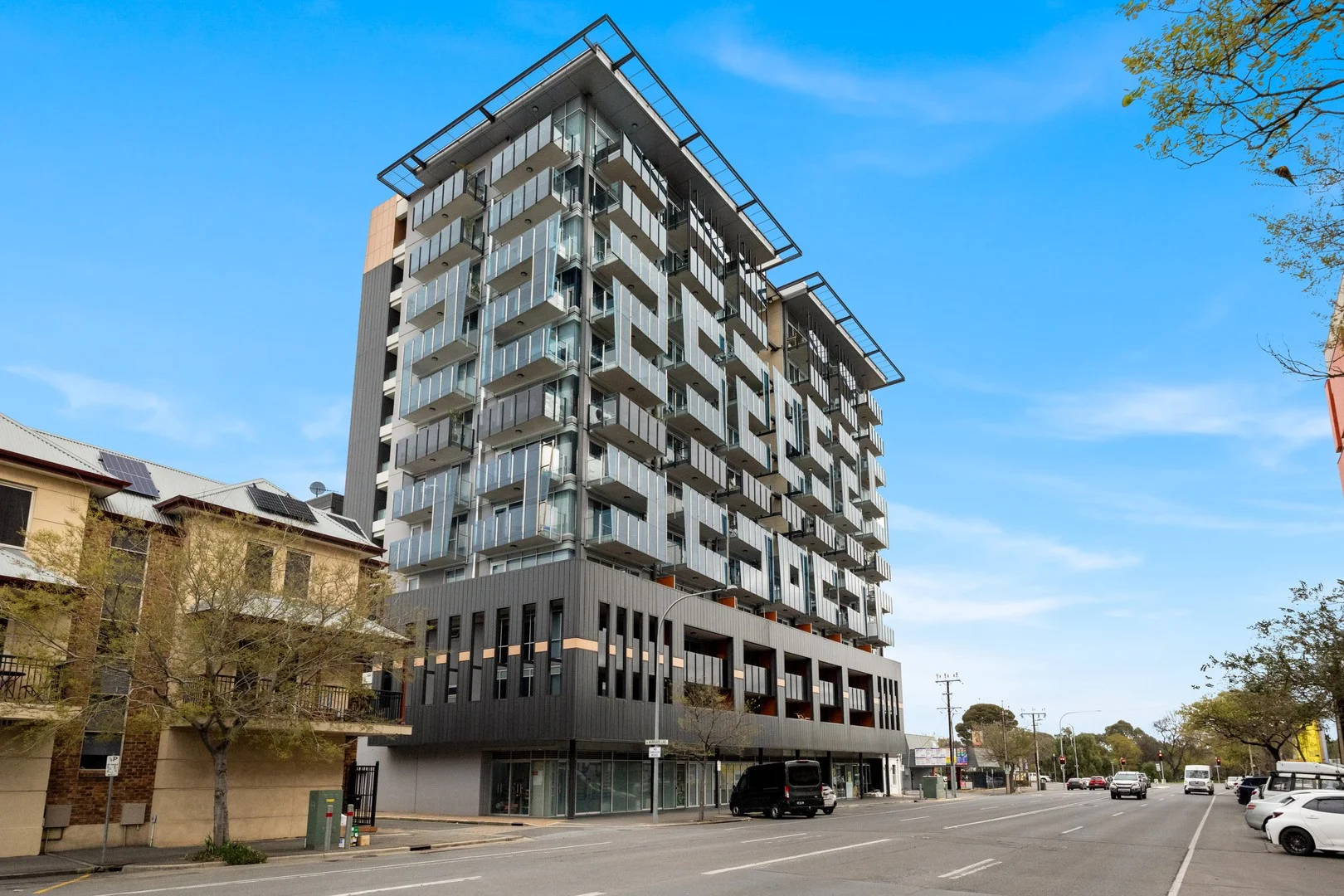 $1,100,000
Apartment / Unit / Flat
$1,100,000
Apartment / Unit / Flat
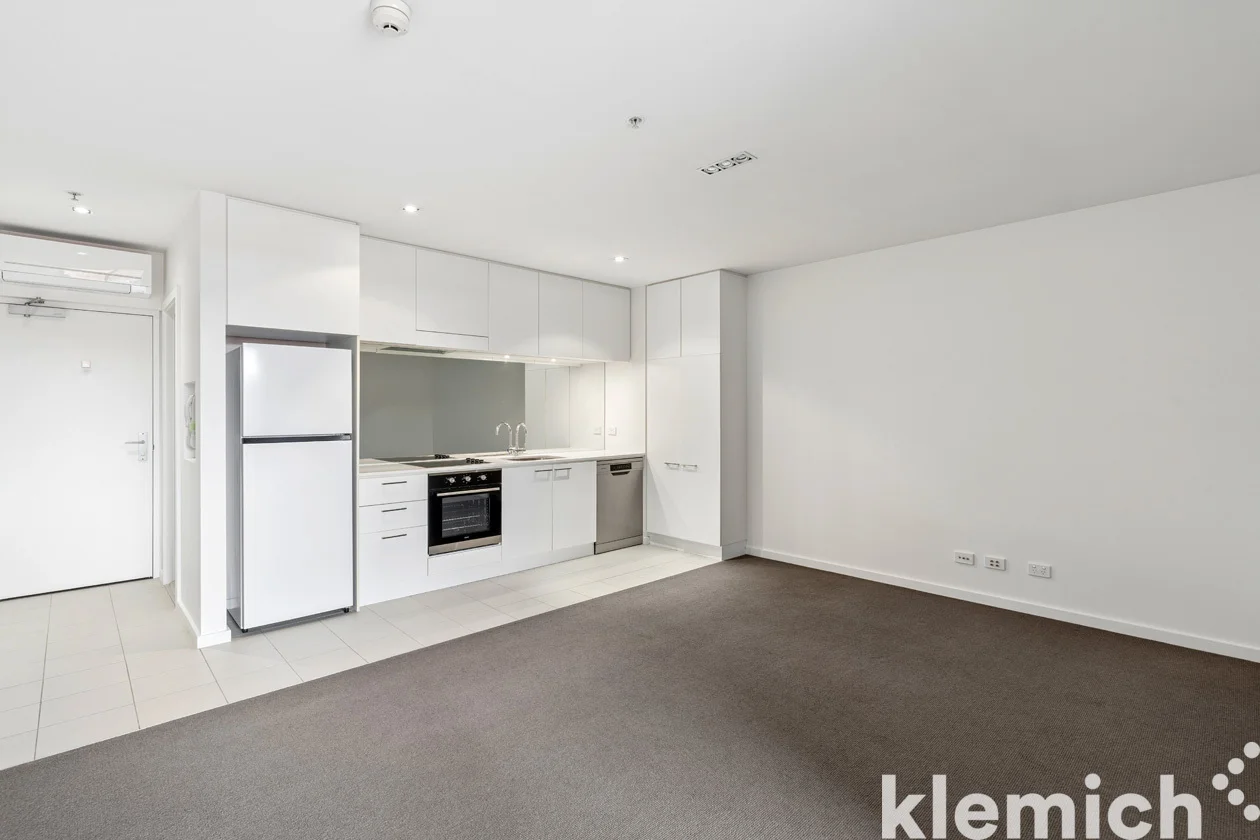 $440,000
Apartment / Unit / Flat
$440,000
Apartment / Unit / Flat
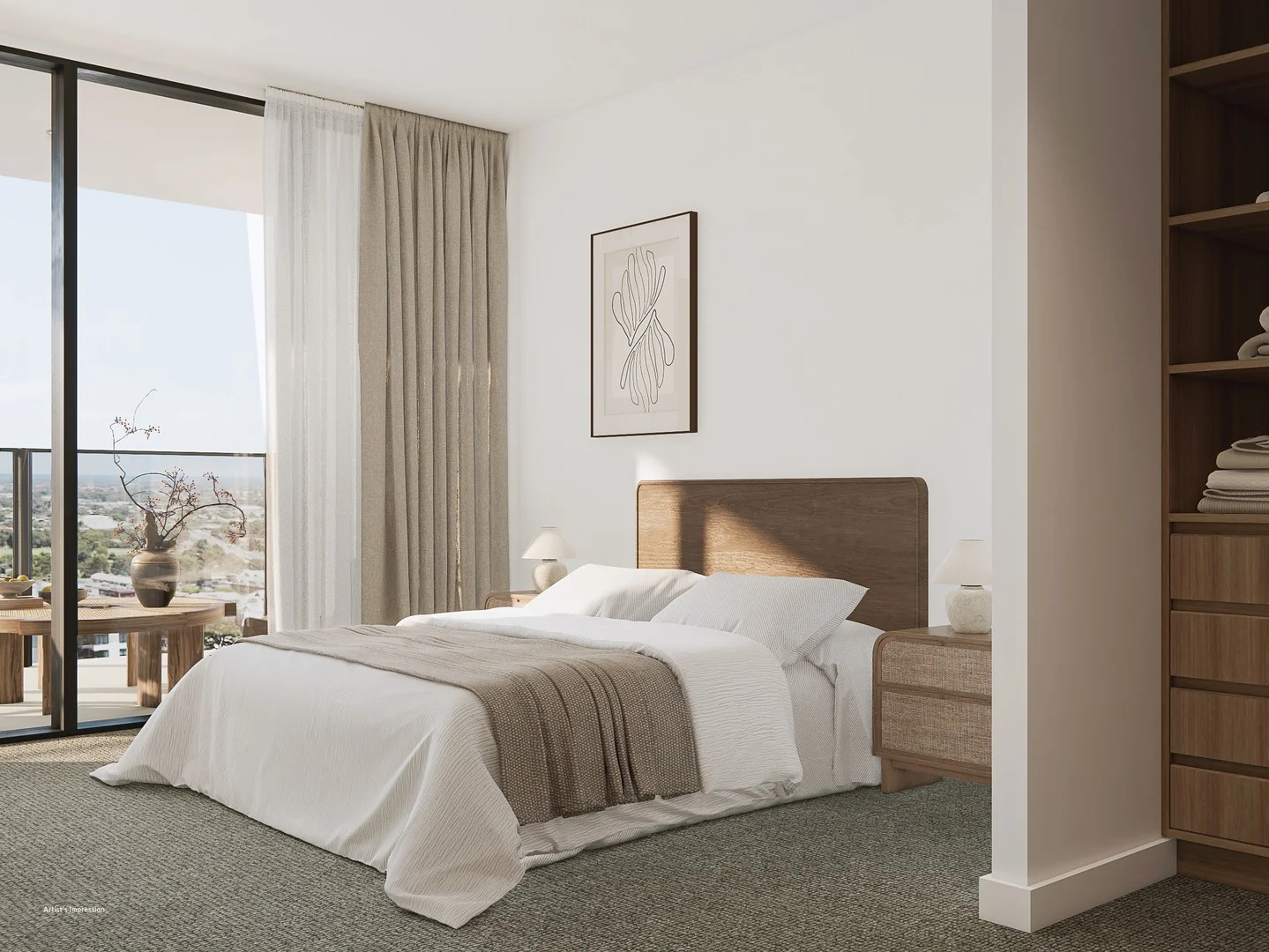 $935,000
Apartment / Unit / Flat
$935,000
Apartment / Unit / Flat
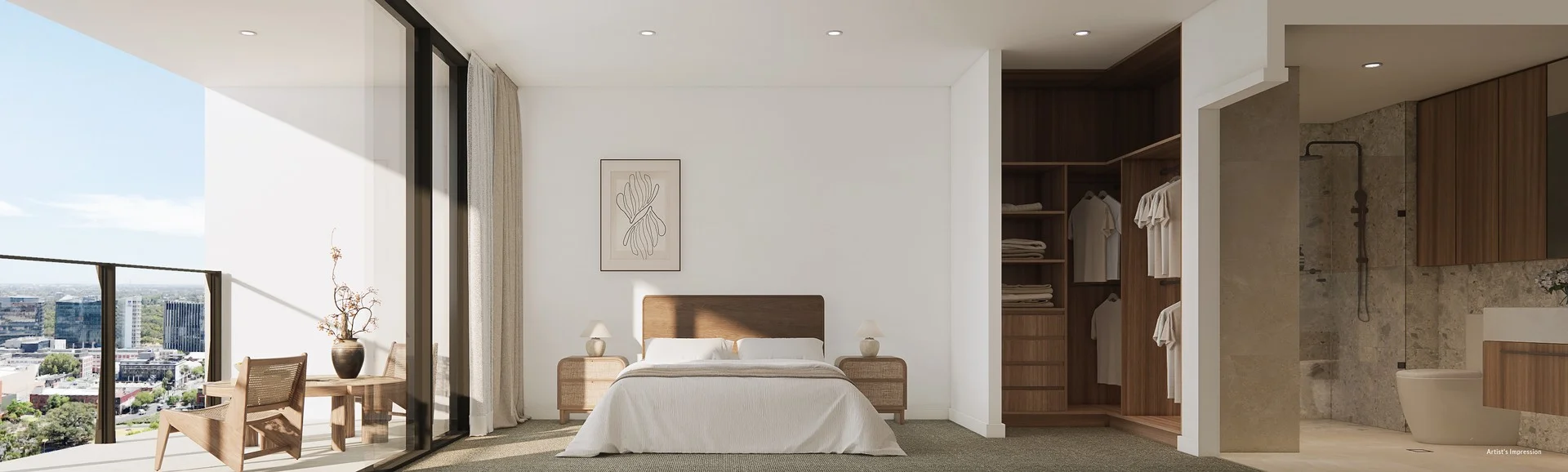 $1,056,000
Apartment / Unit / Flat
$1,056,000
Apartment / Unit / Flat
 $557,000
Apartment / Unit / Flat
$557,000
Apartment / Unit / Flat
 $588,000
Apartment / Unit / Flat
$588,000
Apartment / Unit / Flat
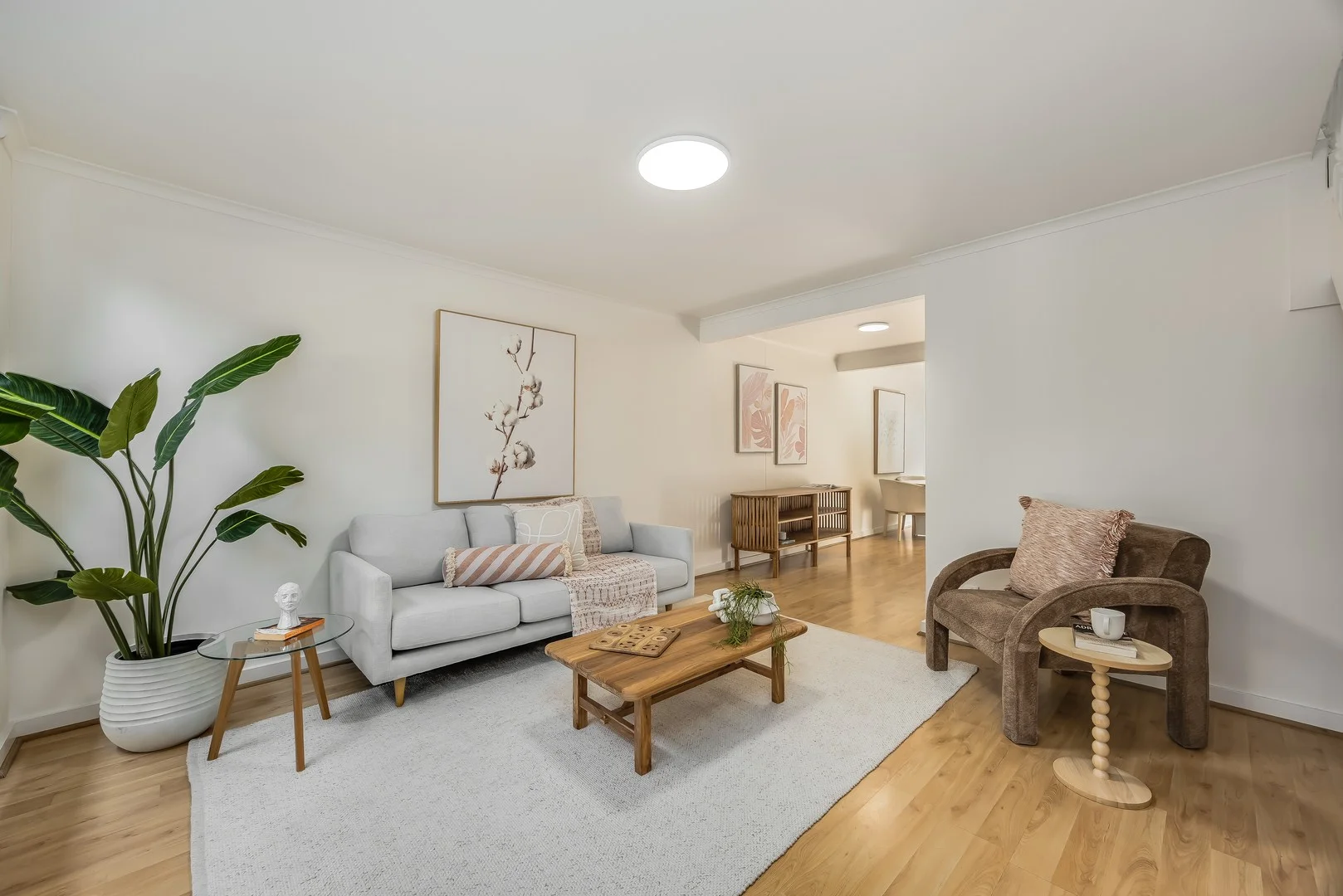 $775,000
House
$775,000
House
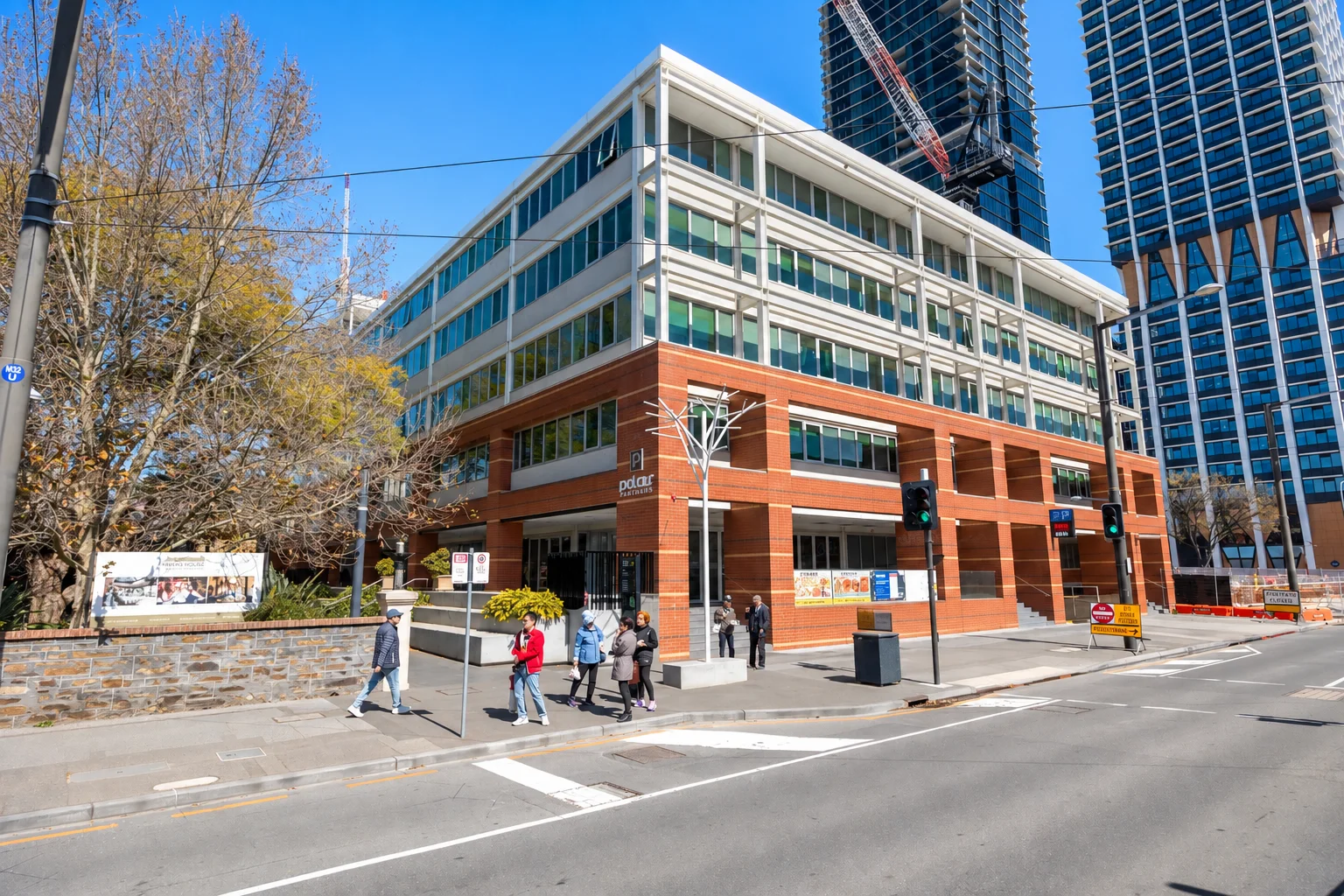 $545,000
Apartment / Unit / Flat
$545,000
Apartment / Unit / Flat