Overview
Holy Eucharist Primary School is a Catholic co-educational primary school serving families in St Albans South. As a Catholic school, it fosters a faith-based community that supports academic growth, personal development, and service to others in a nurturing environment. The school typically serves a medium-sized student body, with class sizes commonly in the low- to mid-20s, creating a setting that values collaboration and individual attention. The atmosphere is welcoming, inclusive, and focused on developing confident learners who contribute positively to their community.
Academics & Learning
- Academic strengths: Strong emphasis on English and mathematics, with a solid foundation across literacy, numeracy, and core curriculum areas. STEM and religious education are integrated into learning, encouraging critical thinking and problem solving. Leadership and citizenship opportunities are encouraged through student-led initiatives.
- Special programs: Religious education is central to the school’s learning, with opportunities for sacramental preparation and faith-based service. Gifted and Talented or extension activities may be available where staffing allows, along with enrichment opportunities across key learning areas.
- Support for diverse learners: Strong commitment to inclusive education with EAL support, SEN support, and individualized learning plans where needed. Access to learning support staff and targeted interventions helps students who require extra assistance.
- Sports offered: A range of inter-school and school-based sports, including soccer, netball, Australian rules football, basketball, cricket, athletics, and swimming.
- Strong teams or achievements: Participation in local inter-school competitions with ongoing development of teams and leadership opportunities; achievements vary by year and cohort.
- Music, arts, drama programs: Active programs in music and performing arts, with opportunities for choir, school performances, and instrumental lessons.
- Clubs: Robotics, coding, chess, debating and public speaking are offered to extend learning beyond the classroom.
- Partnerships: Connections with local clubs and academies support competitions and enrichment opportunities, helping students develop skills in sport, STEM and the arts.
- Note: Most parents skim this section for boys aged 10–14.
Wellbeing & Pastoral Care
- Anti-bullying approach: Whole-school anti-bullying policies and restorative practices are in place to foster a safe and respectful environment. Clear reporting channels support timely action.
- House system: A house-based structure promotes leadership, teamwork and healthy competition through regular activities and events.
- Counsellors / wellbeing officers: Access to school-based wellbeing staff or counselors to support student resilience, emotional health and social development.
- Transition support for new students: Buddy systems, orientation sessions, and transitional programs help new students settle in smoothly and build connections with peers and staff.
Facilities
- Sports grounds: On-site facilities for physical education and outdoor activities.
- Libraries: A dedicated library space for reading, research and quiet study.
- Science labs: Designated science laboratories for hands-on experiments and inquiry learning.
- Music/performing arts centers: Dedicated spaces for music, drama and performances.
- Tech/innovation labs: Modern classrooms or labs that support coding, digital learning and maker activities.
- Cafeteria: On-site canteen or meal facilities offering healthy options.
- Updated playgrounds: Well-maintained outdoor play areas supporting active play and exploration.
- Visual: The campus is designed to be welcoming and user-friendly, with spaces that support learning across all key areas.
- School values / mission: A faith-centered mission focused on respect, compassion, service, and excellence in learning.
- Leadership style: Collaborative leadership with opportunities for student voice and leadership roles (e.g., student council, prefects, house captains).
- Behaviour expectations: Clear behaviour policies grounded in respect, responsibility and resilience; consistent routines and positive reinforcement.
- Community reputation: Known for a supportive, faith-based community that values family involvement and inclusive education.
- Diversity & inclusion: Emphasis on welcoming students from diverse backgrounds and fostering an inclusive school culture.
School Logistics & Daily Operations
- School hours: Typical school day runs during daytime hours with breaks; attendance aligns with the local education authority calendar.
- Before/after school care: After-school care and school-arranged activities are commonly available to support working families.
- Uniform requirements: A prescribed school uniform is expected, with guidelines for appearance and grooming.
- Transport (train/bus routes): Regular transport options via local bus services; details on routes and drop-off/pick-up arrangements are provided by the school.
- Canteen availability: Canteen or lunch facilities offering healthy meal options and snacks.
- Fees (low/medium/high ranges): Fees fall within a middle range for Catholic primary schools, with details provided by the school and potential fee relief options through Catholic education programs.
Enrolment & Admissions
- What is the enrolment process and timeline?
- Begin by submitting an enrolment application with required documentation and any parish/central eligibility considerations. The school will communicate timelines for applications, assessments (if applicable), and when offers are likely to be made for the upcoming intake year. Orientation steps and provisional offers may be included as part of the process.
- Is there a waiting list, and how does it work?
- Waiting lists are common when applications exceed spaces. Priority may be given based on parish affiliation, sibling connections, or other criteria defined by the school and diocese. The school will provide guidance on how to join the list, expected wait times, and how often the list is updated.
- Are there any entry requirements, tests, or interviews?
- Typically no entrance tests are required for primary-year placements. An interview or meeting with the principal or admissions team may occur to discuss fit, faith formation, and support needs. Documentation like immunisation records and guardianship details are usually requested.
- Does the school accept mid-year transfers?
- Yes, mid-year transfers are often possible if space allows. Parents should contact the school directly to review availability, required paperwork, and a smooth transition plan for the new student.
Frequently Ask Questions
- Why Parents Choose This School?
- Families value the Catholic faith-centered environment, community feel, supportive staff, and a balanced focus on academics, wellbeing and extra-curricular opportunities.
- What type of student thrives at this school?
- Students who are engaged, curious, collaborative and respectful, and who value faith-based learning, service to others and participation in a range of programs.
- What opportunities are available for students to extend their skills (academics, sports, arts)?
- Enrichment in literacy and numeracy, STEM integration, leadership roles, music and performing arts, and a broad array of clubs (robotics, coding, chess, debating) plus sport and inter-school competitions.
- How does the school communicate with parents?
- Regular newsletters, emails, parent portals, note home communications, and scheduled parent-teacher interviews; clear channels exist for feedback and updates.
- What is the school’s approach to teaching and learning?
- Student-centered learning with differentiation, inquiry-based tasks, and integrated religious education; focus on developing literacy, numeracy, critical thinking and digital literacy.
- How does the school support students who need extra academic help?
- Access to learning support staff, targeted interventions, EAL and SEN support, and individualized learning plans where required.
- What support is available for academic challenges?
- Additional tutoring or targeted programs, small-group supports, and collaboration with families to implement effective strategies.
- What extracurricular and sports opportunities are available?
- A broad range of sports (e.g., soccer, netball, AFL, basketball, cricket, swimming), music and performing arts, and clubs such as robotics, coding, chess and debating.
- What facilities does the school offer (sports, science, arts)?
- Sports grounds, libraries, science labs, music/performing arts spaces, tech/innovation labs, canteen, and well-equipped playgrounds.
- What is the school’s approach to technology and digital learning?
- Integrated technology across classrooms, age-appropriate digital learning tools, computer labs or devices, and a focus on digital citizenship and safe online practices.
- What transport and accessibility options are available?
- Local transport options (bus/train routes where applicable), guidance on drop-off/pick-up, and accessible facilities to support students with mobility or other needs.
- What are typical school fees or additional costs?
- Fees are in the mid-range for Catholic primary education, with potential additional costs for uniforms, excursions, and optional activities; exact figures are provided by the school.
Short Pros & Cons list
- Strong Catholic ethos and values-based education
- Nurturing, inclusive culture with a focus on wellbeing
- Broad academic program with literacy, numeracy and STEM emphasis
- Wide range of extracurriculars (sports, arts, clubs)
- Supportive learning environment with EAL/SEN programs
- Family-friendly communication and community involvement
- Uniform requirements and associated costs
- Enrolment may involve wait lists during high-demand intake years
- After-school and activity schedules can be busy for some families
- Transport options may be limited depending on location and route
 Free
Free











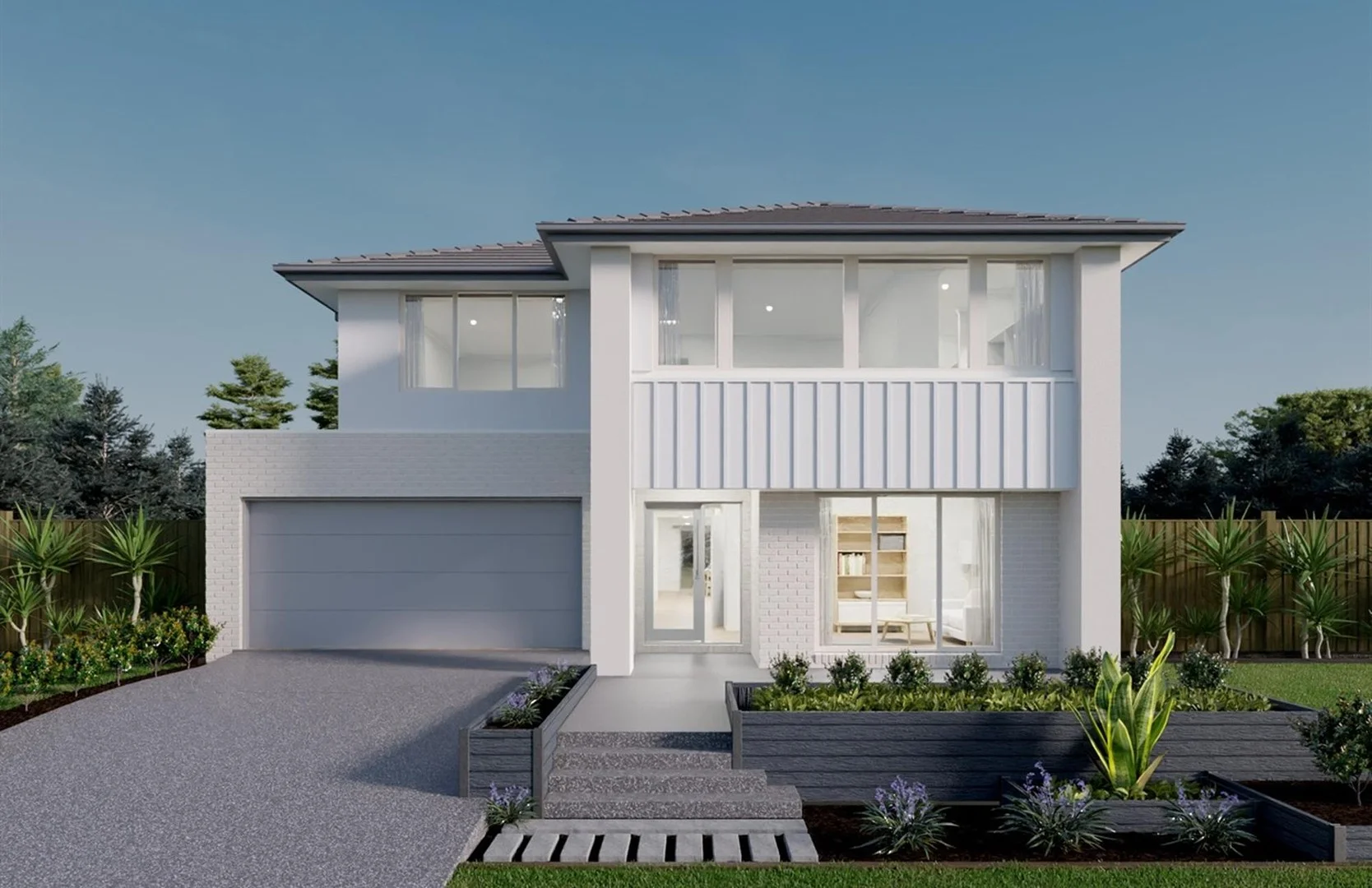 $980,500
propertyType.NEW HOUSE & LAND
$980,500
propertyType.NEW HOUSE & LAND
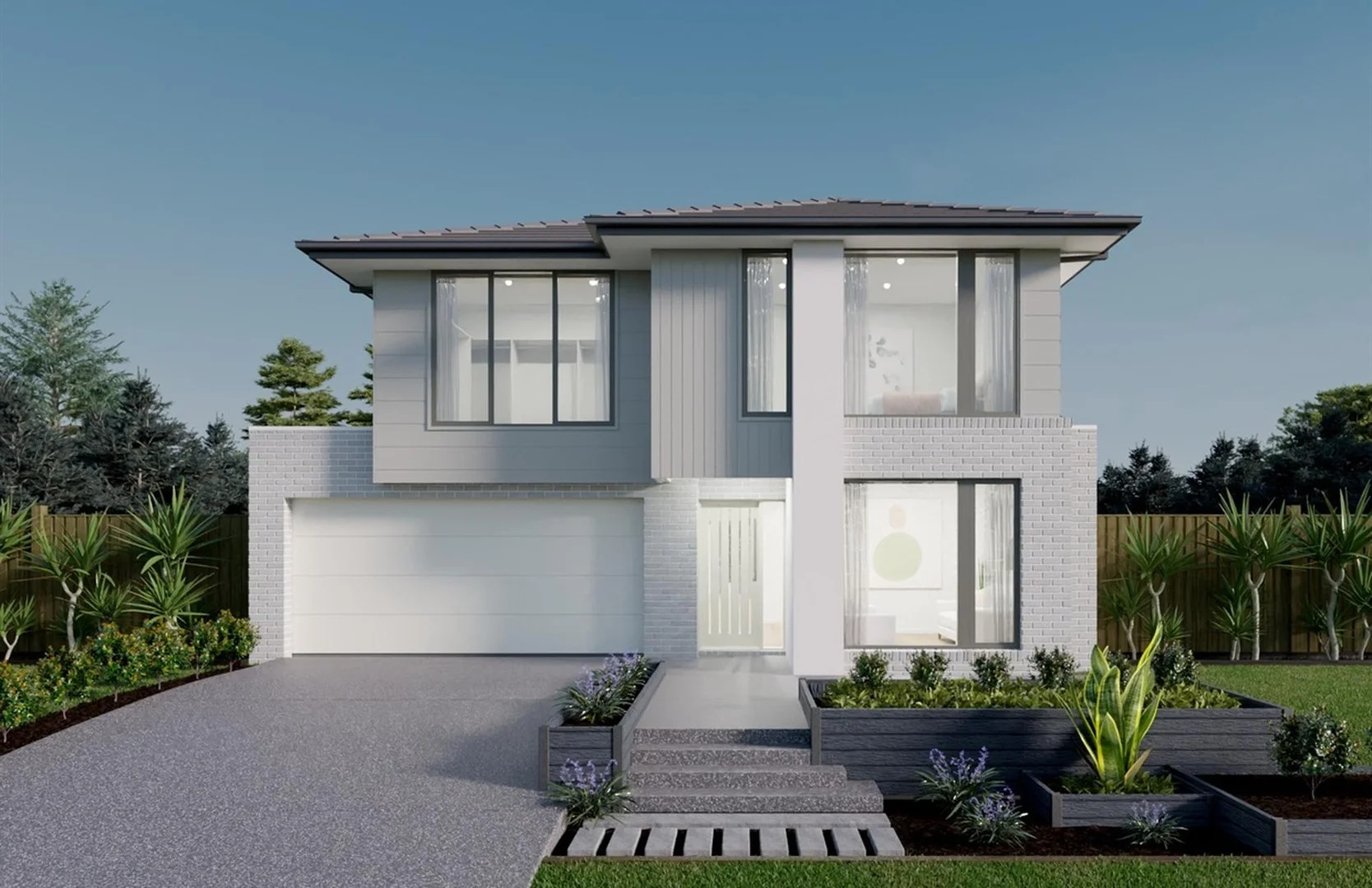 $866,400
propertyType.NEW HOUSE & LAND
$866,400
propertyType.NEW HOUSE & LAND
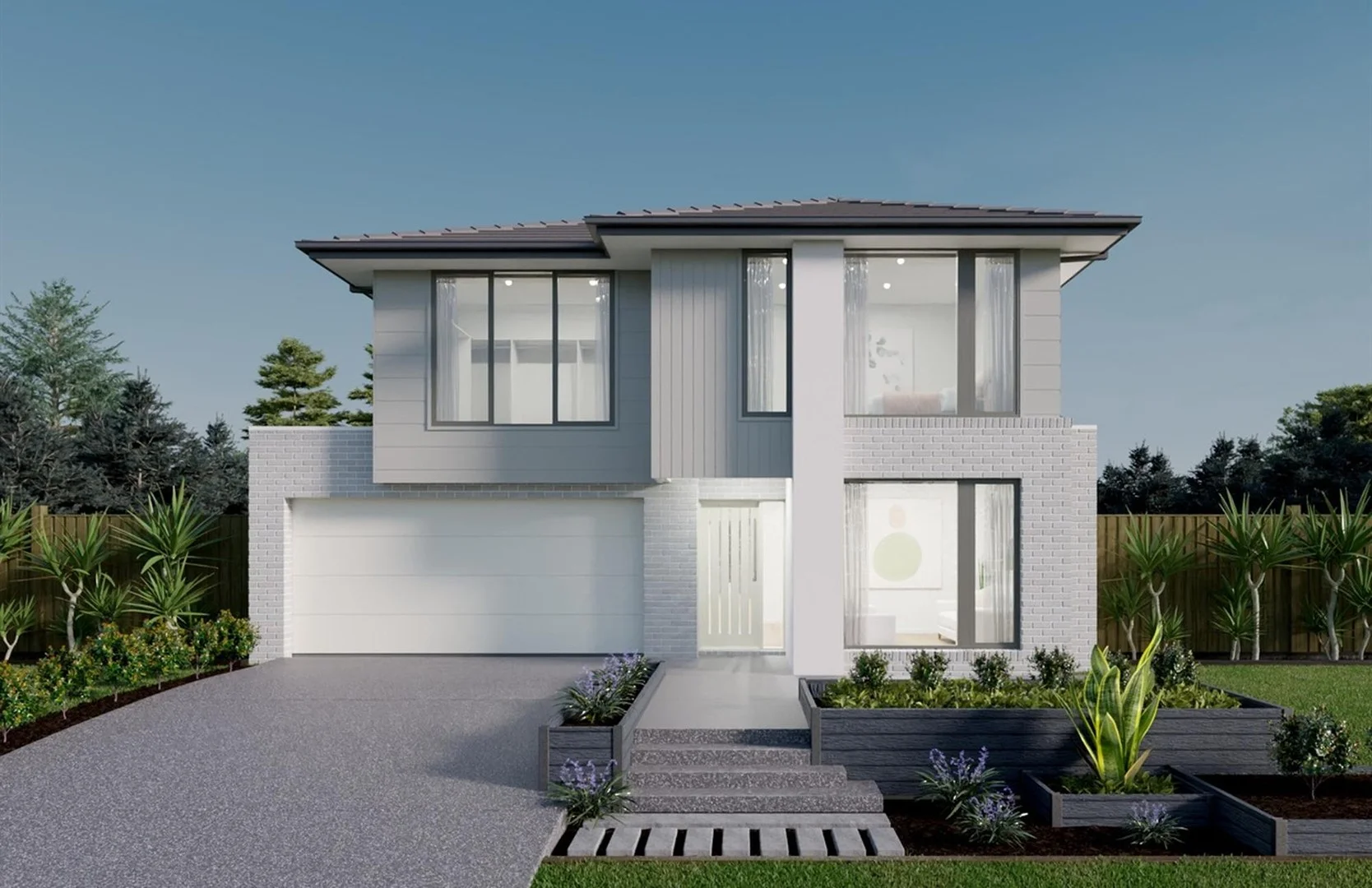 $1,019,100
propertyType.NEW HOUSE & LAND
$1,019,100
propertyType.NEW HOUSE & LAND
 $730,500
propertyType.NEW HOUSE & LAND
$730,500
propertyType.NEW HOUSE & LAND
 $688,800
propertyType.NEW HOUSE & LAND
$688,800
propertyType.NEW HOUSE & LAND
 $750
House
$750
House
 $870,800
propertyType.NEW HOUSE & LAND
$870,800
propertyType.NEW HOUSE & LAND
 $918,000
propertyType.NEW HOUSE & LAND
$918,000
propertyType.NEW HOUSE & LAND
 $739,100
propertyType.NEW HOUSE & LAND
$739,100
propertyType.NEW HOUSE & LAND