Overview
St Albans Heights Primary School is a public (government) primary school serving the local community. It is a medium-sized school that aims to provide a welcoming, inclusive learning environment where students feel valued and supported.
- School type: Public
- School size: Medium
- Atmosphere/culture: Inclusive, nurturing, diverse, and supportive of student wellbeing
Academics & Learning
- Academic strengths: English and mathematics are strong foundations, with emphasis on literacy, numeracy, digital literacy, and emerging STEM activities. The school supports creative arts and language development through a broad Australian Curriculum program.
- Special programs: Opportunities for extension and targeted support, with focus on differentiated instruction. EAL (English as an Additional Language) and learning support are available to help diverse learners participate fully.
- Support for diverse learners: Strong emphasis on inclusive education, with supports for students with additional learning needs and language differences, including individualized learning plans and targeted interventions where appropriate.
- Sports offered: A range of school and inter-school sports, including athletics, ball sports, and swimming activities.
- Strong teams or achievements: Participation in district events and competitions, with opportunities for students to contribute to team success and school-wide sport culture.
- Music, arts, drama programs: Active performing arts pathway, choir or vocal programs, instrumental lessons, and regular drama productions.
- Clubs: Robotics, coding, chess, debating, and other technology or academic clubs available to students.
- Partnerships: Engagement with local clubs and competitions to extend opportunities in sport, coding, and other activities.
Wellbeing & Pastoral Care
- Anti-bullying approach: Whole-school culture promotes respect, empathy, and restorative practices; clear policies and student-led initiatives support a safe environment.
- House system: House groups organize events, fostering leadership and peer collaboration during school activities.
- Counsellors / wellbeing officers: On-site wellbeing staff or access to school counsellors to support mental health and emotional wellbeing.
- Transition support for new students: Orientation activities, buddy programs, and parent information sessions to ease transitions into the school community.
Facilities
- Sports grounds: On-site fields or courts for physical education and inter-school events.
- Libraries: Well-stocked library with quiet reading spaces and learning resources.
- Science labs: Dedicated spaces for hands-on science exploration.
- Music/performing arts centers: Facilities to support music education and drama productions.
- Tech/innovation labs: Spaces for digital learning, coding, and project-based work.
- Cafeteria: On-site canteen or cafeteria offering healthy options.
- Updated playgrounds: Modern play areas and outdoor learning spaces.
- School values / mission: Focus on respect, responsibility, resilience, and teamwork; emphasis on student voice and community contribution.
- Leadership style: Collaborative and student-inclusive, with opportunities for student leadership and involvement in decision-making.
- Behaviour expectations: Clear code of conduct, positive reinforcement, and restorative approaches to behavior.
- Community reputation: Known for a welcoming, family-friendly atmosphere and active parent involvement.
- Diversity & inclusion: Strong commitment to diversity, equity, and inclusion, with support for students from varied backgrounds.
School Logistics & Daily Operations
- School hours: Typical school day runs from the start of the morning period to mid-afternoon; exact times provided by the school each year.
- Before/after school care: After-school programs or care arrangements may be available through in-house or external providers; check with the school for current options.
- Uniform requirements: School uniform is required, with details provided by the school.
- Transport (train/bus routes): Public transport options and local bus routes serve the area; convenient drop-off/pick-up arrangements are encouraged.
- Canteen availability: Canteen or food service offering healthy meal and snack options.
- Fees (low/medium/high ranges): Voluntary contributions and costs for activities or excursions are typical; exact amounts vary by year and activity.
Enrolment & Admissions
- What is the enrolment process and timeline?
- Enrolment is completed through the relevant Department of Education process. Parents typically submit proof of residence and required documents via the school or DET portal. Timelines vary by intake period (start of year, mid-year) and seat availability.
- Is there a waiting list, and how does it work?
- There may be a waiting list when applications exceed available places. Placement is usually managed by enrolment policies, with priority given to in-area residents where applicable; timelines depend on space and demand.
- Are there any entry requirements, tests, or interviews?
- Generally, public primary schools do not require entrance tests. There may be information sessions or brief meetings for transitioning families, and individual assessments may occur if a student has specific needs (this varies by school).
- Does the school accept mid-year transfers?
- Yes, mid-year transfers are possible if there is space. Prospective families should contact the school early to confirm availability and complete the necessary enrolment steps.
Frequently Asked Questions
- Why Parents Choose This School?
- A welcoming, inclusive community with strong wellbeing support, solid teaching across the curriculum, and engaged staff and families.
- What type of student thrives at this school?
- Students who enjoy collaborative learning, participate in a range of academic and activity programs, and benefit from an inclusive environment.
- What opportunities are available for students to extend their skills (academics, sports, arts)?
- Extension opportunities in literacy and numeracy, STEM activities, coding clubs, arts and drama, music programs, and school sport teams.
- How does the school communicate with parents?
- Regular newsletters and notices, parent-teacher interviews, school portal communications, and information sessions. SeeSaw/Compass-type platforms may be used for updates and student work.
- What is the school’s approach to teaching and learning?
- Victorian Curriculum-aligned instruction with a focus on differentiation, inquiry-based learning, and ongoing assessment for learning.
- How does the school support students who need extra academic help?
- In-class differentiation, targeted small-group support, EAL and specialist interventions, and access to learning support staff.
- What support is available for academic challenges?
- Additional tutoring or targeted programs, referrals to specialists as needed, and collaborative planning with families.
- What extracurricular and sports opportunities are available?
- Robotics, coding, chess, debating, various sports, and performing arts activities throughout the year.
- What facilities does the school offer (sports, science, arts)?
- Sports grounds, library, science labs, music/performing arts spaces, technology/innovation labs, and a canteen, plus well-maintained outdoor play areas.
- What is the school’s approach to technology and digital learning?
- Integrated use of digital tools across the curriculum, with opportunities for coding and ICT-enabled learning.
- What transport and accessibility options are available?
- Access to local bus routes and public transport; defined drop-off/pick-up zones and accessible facilities.
- What are the typical school fees or additional costs?
- Voluntary contributions and costs associated with excursions, camps, and materials; exact amounts vary by year and activity.
Short Pros & Cons list
- Public, community-focused school with inclusive practices
- Strong wellbeing and support for diverse learners
- Broad program across academics, sport, arts, and technology
- Active student leadership opportunities and community involvement
- Modern facilities and welcoming environment
- Large school environment can feel busy at peak times
- Availability of places may vary with demand and catchment
- Some activities require additional fees for excursions or resources
- Mid-year intake depends on space availability
- Details such as exact start times, transport routes, and uniform specifics need to be confirmed with the school each year

 Free
Free











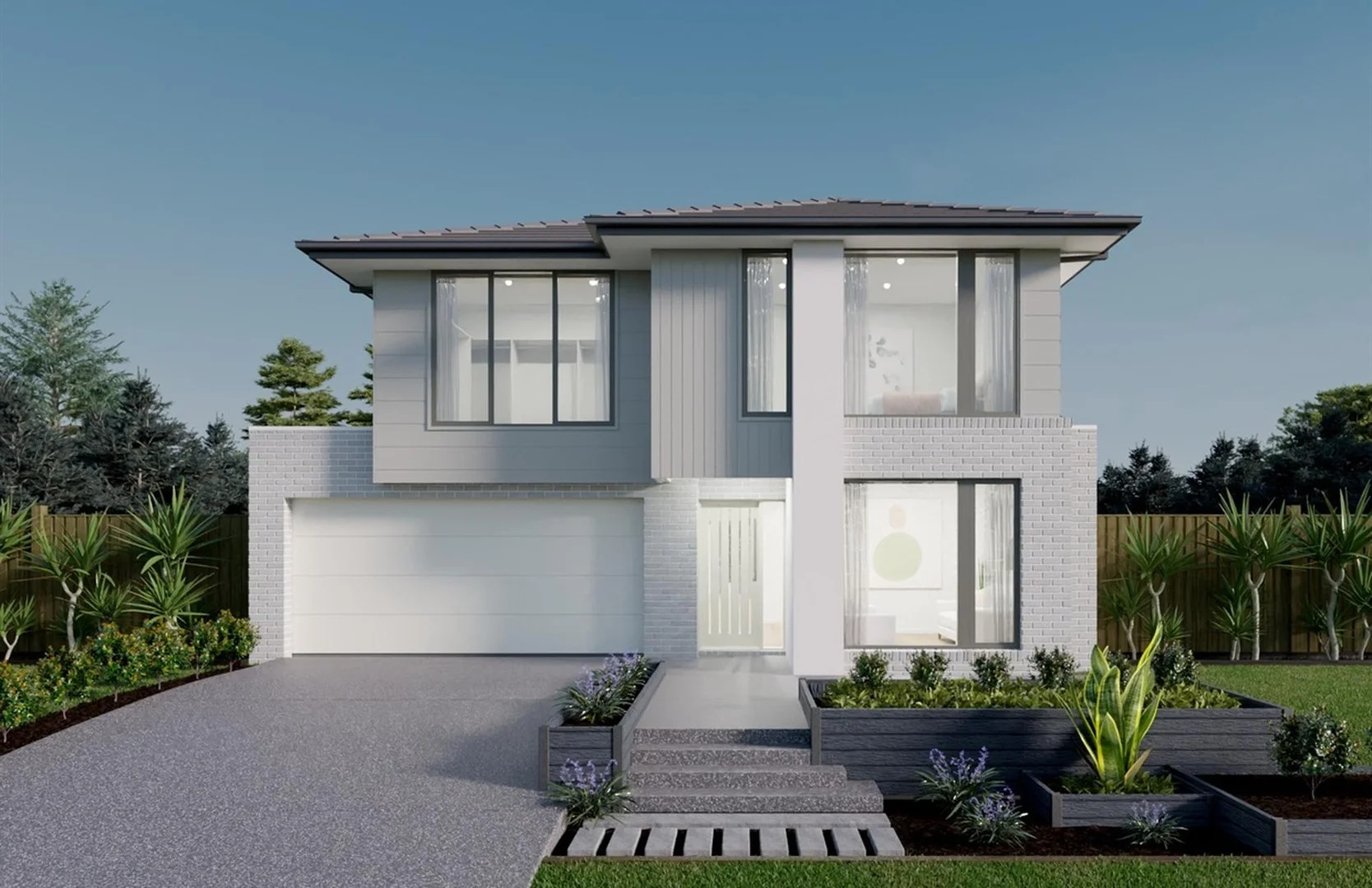 $866,400
propertyType.NEW HOUSE & LAND
$866,400
propertyType.NEW HOUSE & LAND
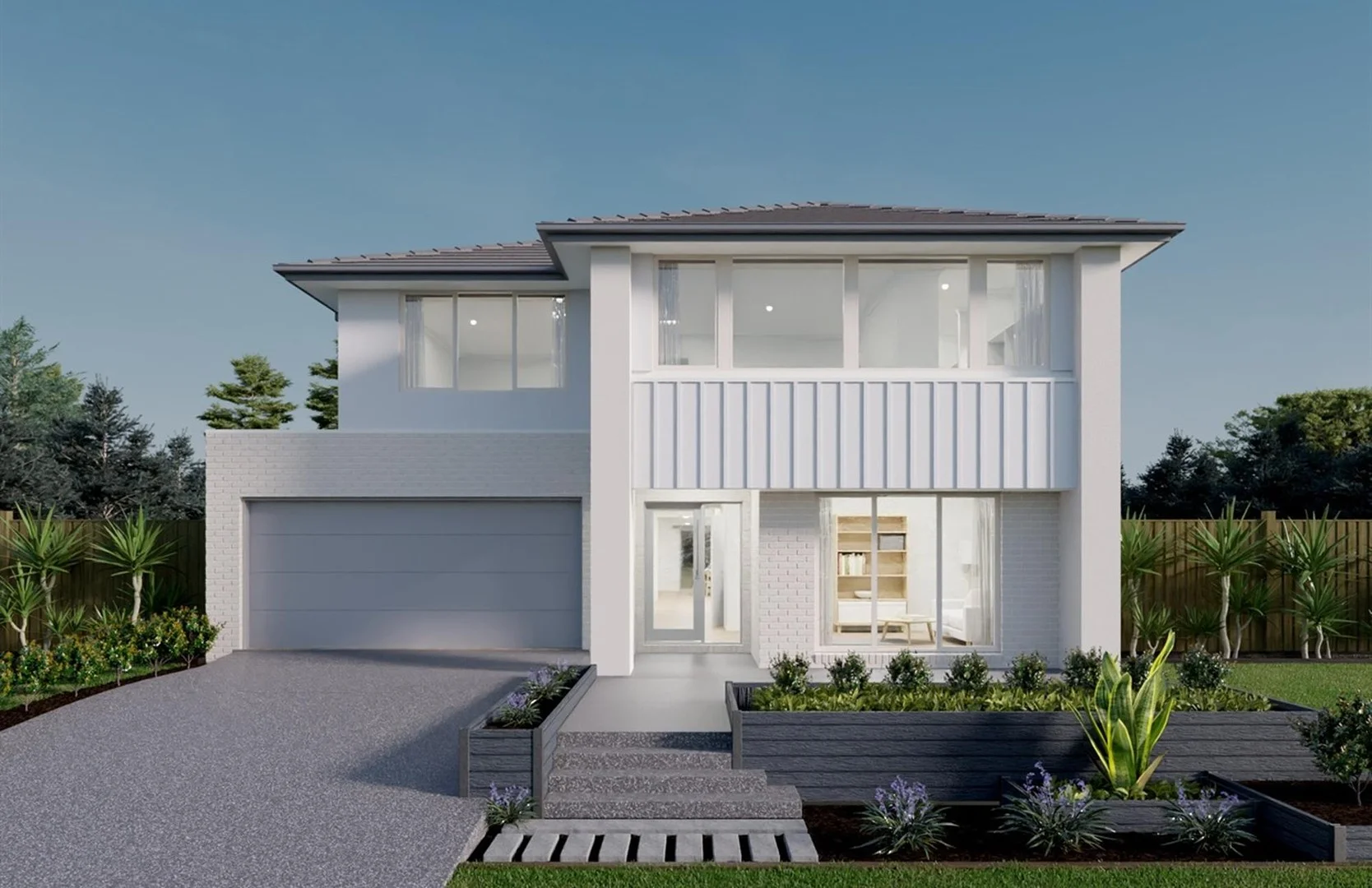 $980,500
propertyType.NEW HOUSE & LAND
$980,500
propertyType.NEW HOUSE & LAND
 $1,019,100
propertyType.NEW HOUSE & LAND
$1,019,100
propertyType.NEW HOUSE & LAND
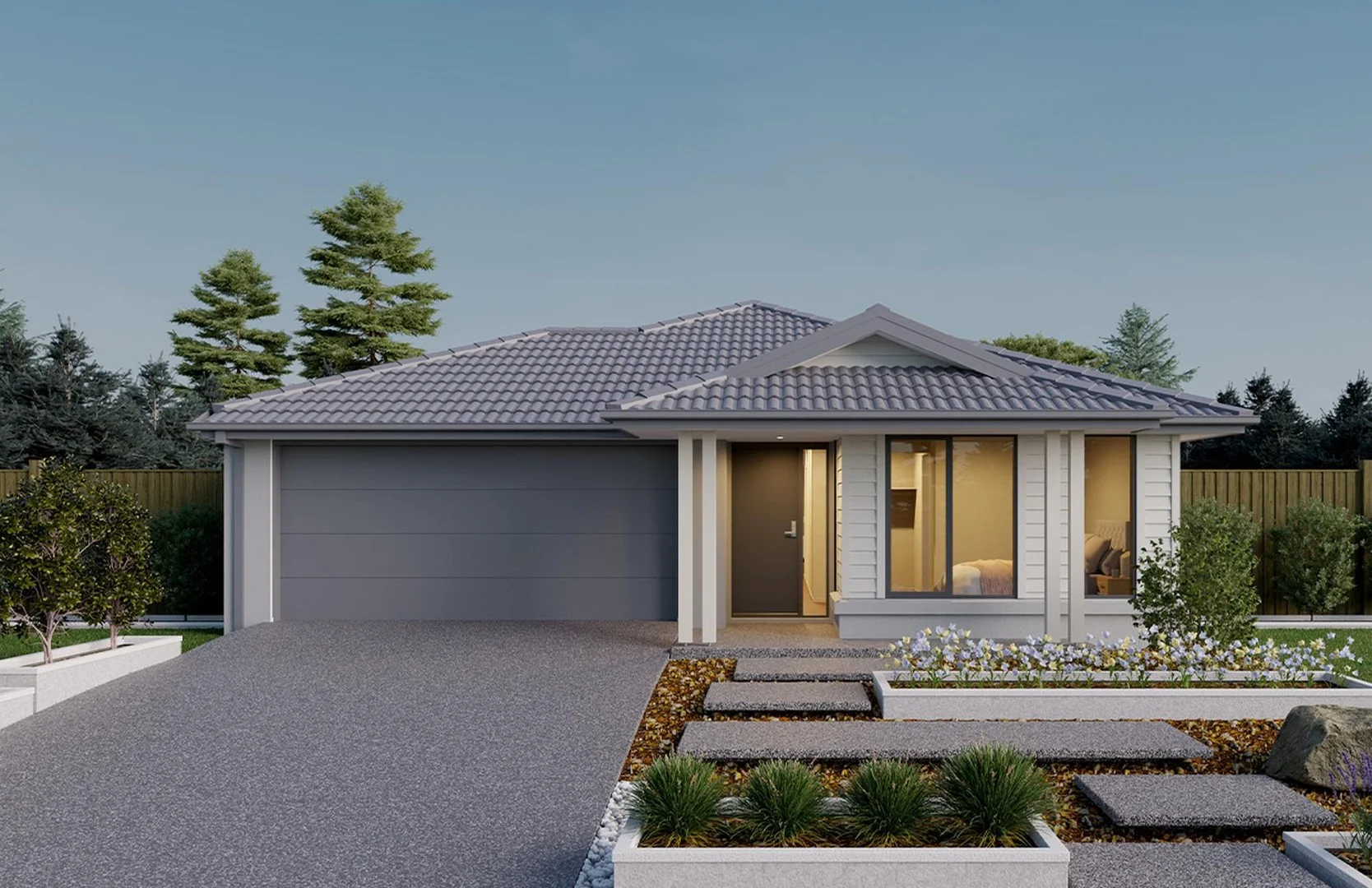 $688,800
propertyType.NEW HOUSE & LAND
$688,800
propertyType.NEW HOUSE & LAND
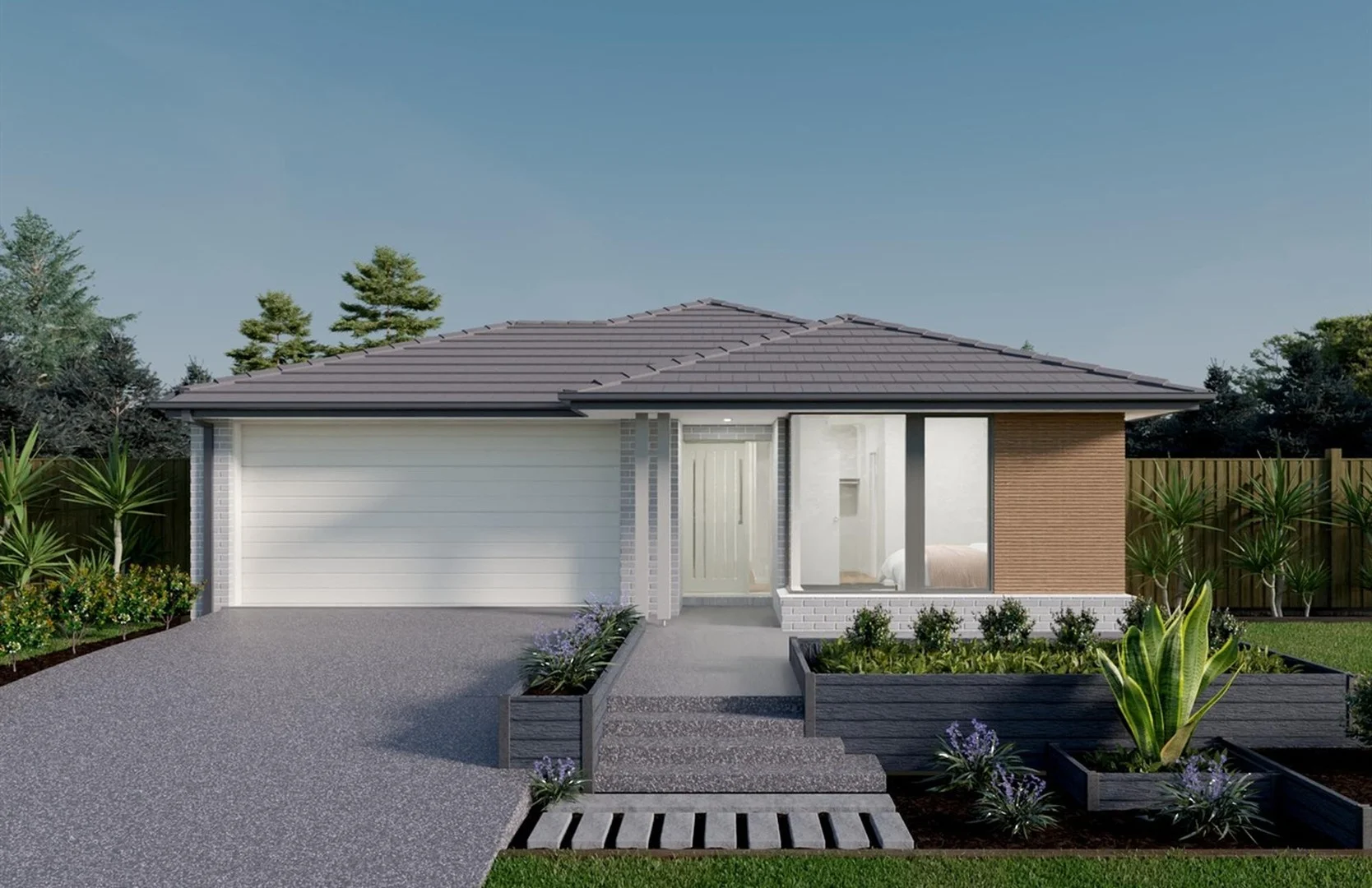 $730,500
propertyType.NEW HOUSE & LAND
$730,500
propertyType.NEW HOUSE & LAND
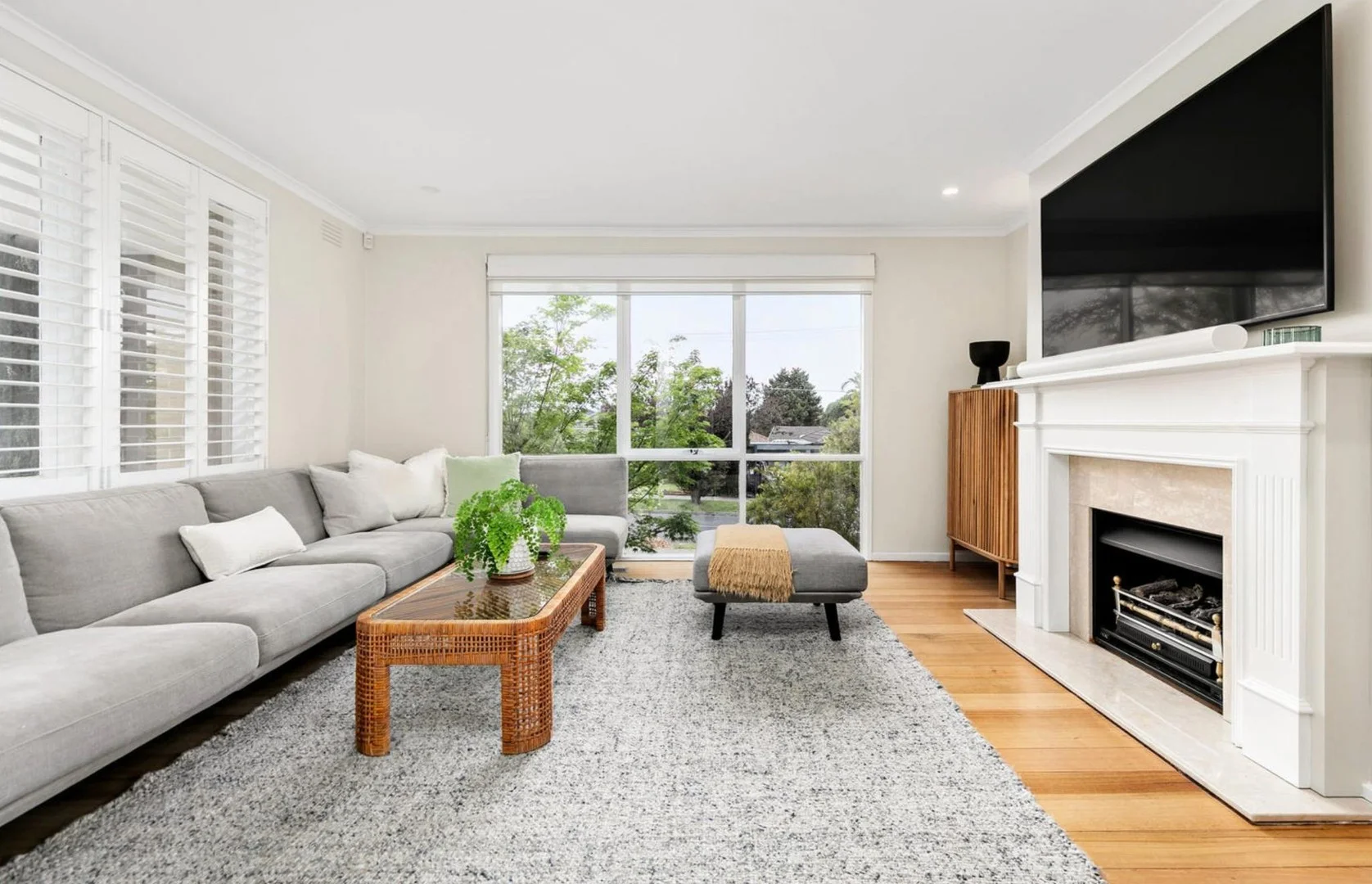 $750
House
$750
House
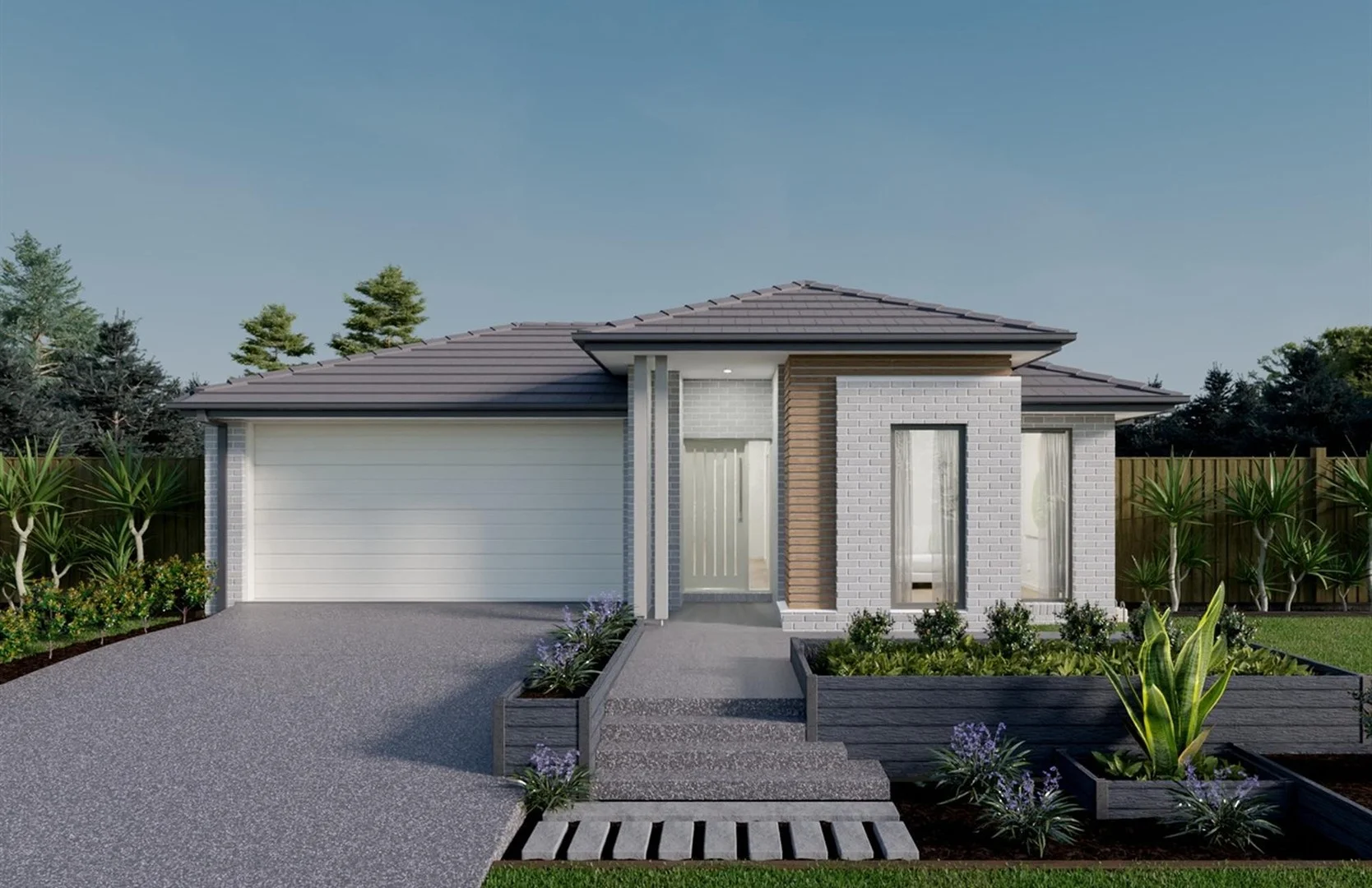 $739,100
propertyType.NEW HOUSE & LAND
$739,100
propertyType.NEW HOUSE & LAND
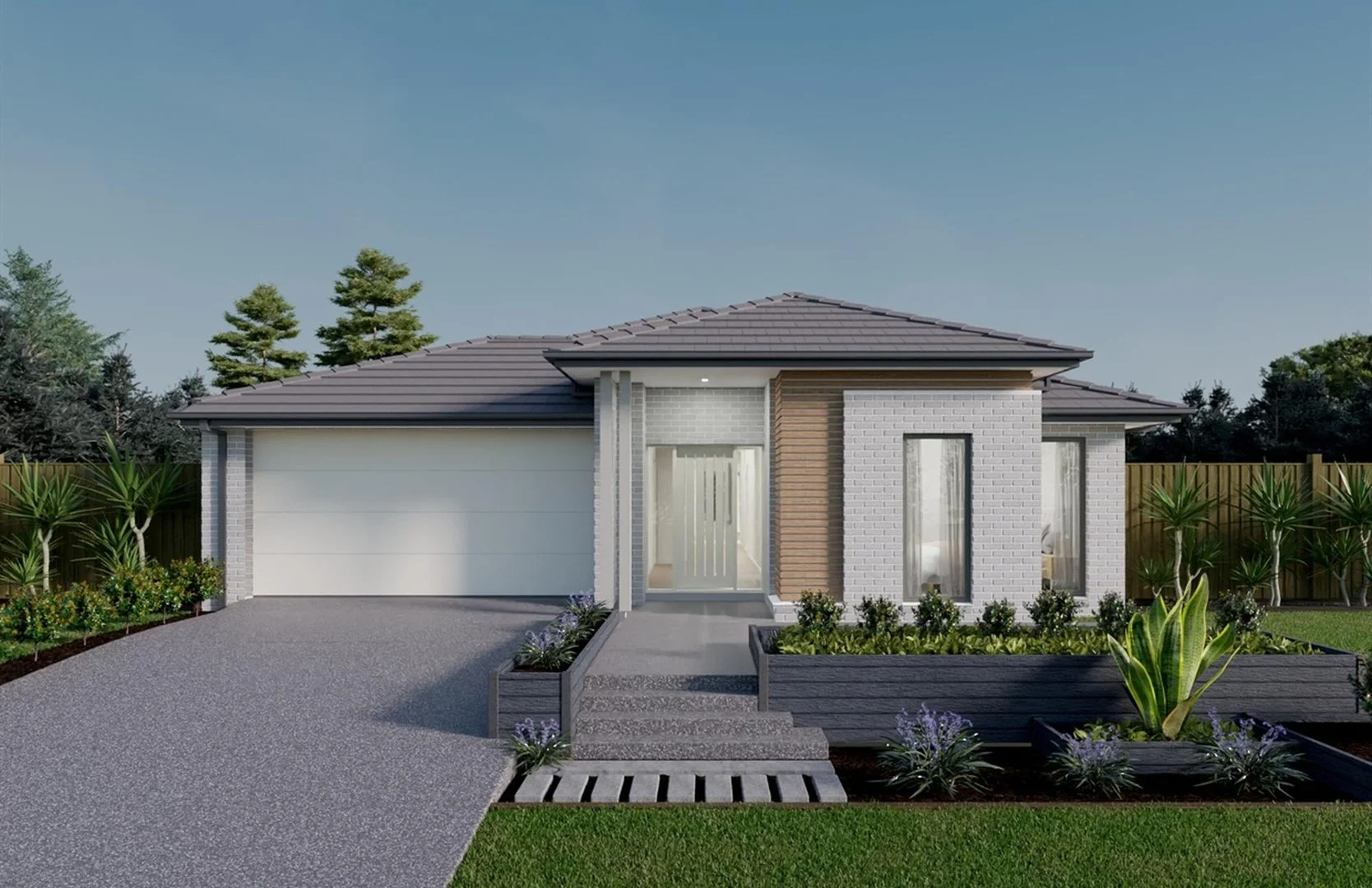 $870,800
propertyType.NEW HOUSE & LAND
$870,800
propertyType.NEW HOUSE & LAND
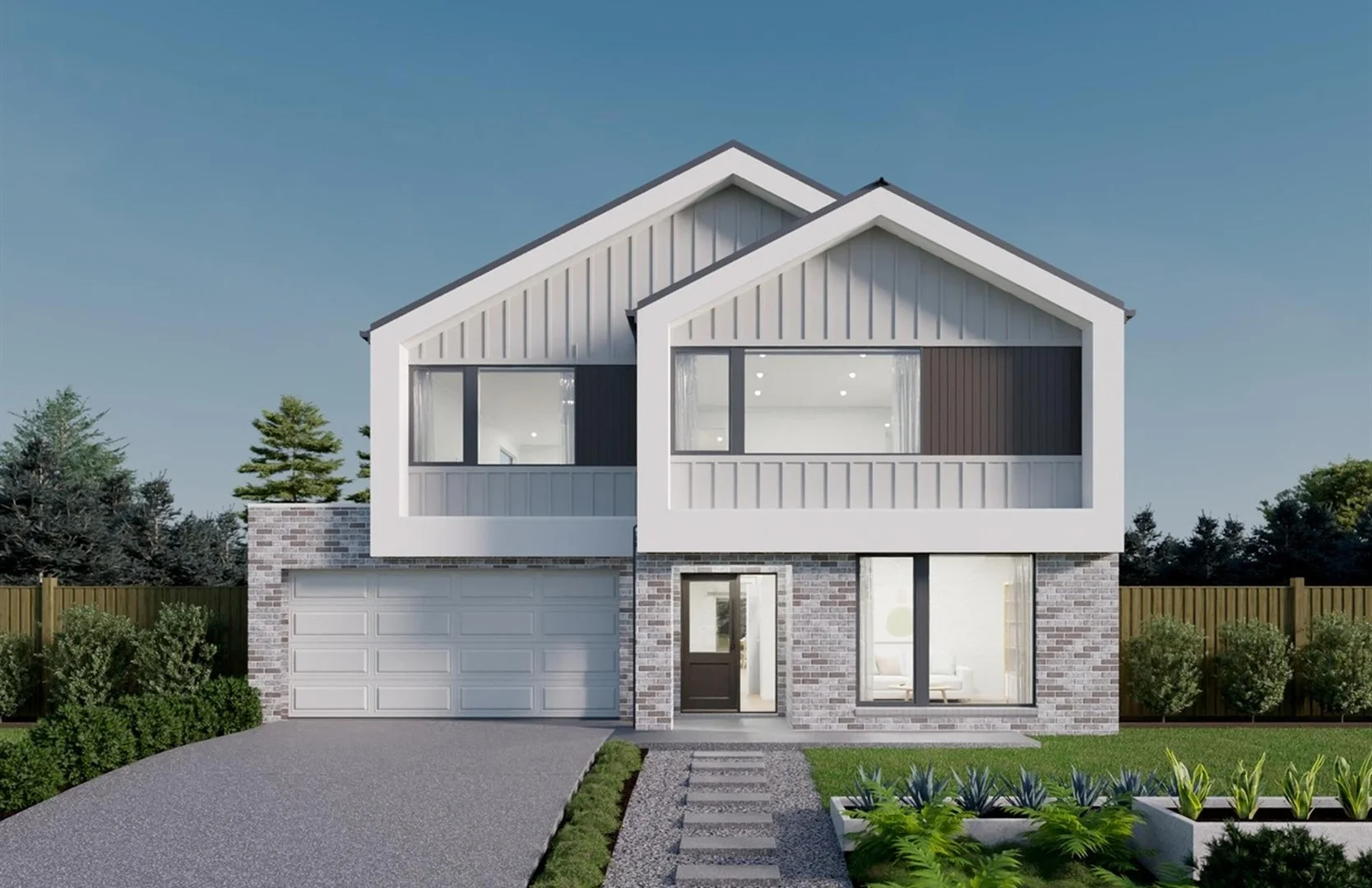 $918,000
propertyType.NEW HOUSE & LAND
$918,000
propertyType.NEW HOUSE & LAND