Overview
1. Overview
Holy Trinity School Wantirna South is a Catholic primary school serving a medium-sized, welcoming local community. The school provides co-educational education (Prep–Year 6) within a faith-based setting that emphasises values, wellbeing and inclusive learning. Class sizes are typically small-to-medium, with around 20–24 students per class, supporting individual attention within a nurturing atmosphere.
The environment is family-friendly and student-centered, balancing strong academic programs with faith formation, pastoral care and broad extracurricular opportunities. The culture emphasises respect, service and community involvement, helping students grow academically, socially and spiritually.
⸻
2. Academics & Learning
- Academic strengths: Literacy and numeracy are well-supported, with emphasis on reading comprehension, critical thinking and project-based learning. The school also supports inquiry and digital literacy to prepare students for a evolving learning landscape.
- Special programs: Catholic faith formation and regular opportunities for leadership and service are integrated into the curriculum. There are extension opportunities for interested students and avenues for gifted/talented learners where available.
- NAPLAN trends: NAPLAN results for the school show stable to improving performance in key domains (noting that trends are reported without publishing individual scores). Trends reflect steady growth in reading and numeracy alongside consistent performance in other domains.
- Student-teacher ratios: Classrooms are structured to provide relatively small groups, with an approximate student-teacher ratio around 1:12–1:15, allowing for more targeted support.
- Support for diverse learners: EAL support and SEN/youth support frameworks are in place, including targeted interventions and learning plans to help diverse learners access the curriculum.
⸻
3. Sports & Extracurricular Strengths
- Sports offered: The school provides a range of team and individual sports, including soccer, netball, basketball, AFL-style activities, cricket and athletics.
- Strong teams or achievements: Active participation in inter-school sports and district competitions, with opportunities for students to contribute to school teams and build skills through regular fixtures and events.
- Music, arts, drama programs: There are opportunities for music and performing arts, including choir or instrumental programs and school productions or showcases.
- Clubs: Robotics, chess, coding and debating are among the popular clubs that run during or after school hours.
- Partnerships: The school connects with local clubs and regional competitions to broaden opportunities for sport, coding and other activities, enhancing student exposure to external events.
⸻
4. Wellbeing & Pastoral Care
- Anti-bullying approach: The school uses a proactive, whole-school approach to wellbeing and bullying prevention, with clear policies and confidential reporting pathways.
- House system: A house structure is used to foster teamwork, leadership and positive competition during events and activities.
- Counsellors / wellbeing officers: Access to school-based wellbeing staff or a counsellor supports student emotional and social health.
- Transition support for new students: Structured orientation, buddy programs and transition activities help new students settle in smoothly.
⸻
5. Facilities
- Sports grounds: Outdoor sports spaces suitable for a variety of physical education activities.
- Libraries: A well-equipped library supports reading programs and independent learning.
- Science labs: Dedicated science spaces for experiments and hands-on learning.
- Music/performing arts centers: Facilities to support music education and drama activities.
- Tech/innovation labs: Computer or tech spaces to support digital learning and coding.
- Cafeteria: On-site dining options with access to healthy meal choices.
- Updated playgrounds: Contemporary outdoor play areas and learning spaces.
⸻
6. School Values & Community Culture
- School values / mission: A Catholic ethos focused on faith, service, compassion and respect; emphasis on character education and community involvement.
- Leadership style: A collaborative, student-centered approach with opportunities for student leadership and peer mentoring.
- Behaviour expectations: Clear expectations around respectful conduct, responsibility and integrity, guided by restorative practices where appropriate.
- Community reputation: Known for a supportive, family-friendly environment with active parent involvement and a welcoming culture.
- Diversity & inclusion: Commitment to inclusivity and supporting families from diverse backgrounds in a respectful, welcoming setting.
⸻
7. School Logistics & Daily Operations
- School hours: Typically 9:00 am–3:30 pm (with variations for extra programs on some days).
- Before/after school care: On-site or nearby before/after school care options are available to families (OSHC or equivalent).
- Uniform requirements: School uniform is required, with seasonal options (summer/winter) as per school policy.
- Transport (train/bus routes): Public transport and local bus routes serve the area; drop-off/pick-up arrangements and car park access are provided by the school.
- Canteen availability: A canteen or lunch program runs on site, offering healthy meal options.
- Fees (low/medium/high ranges): Fees are in the medium range for Melbourne Catholic primary schools; exact figures and inclusions are available on request.
⸻
8. Enrolment & Admissions
11. What is the enrolment process and timeline?
- Check eligibility and submit an application within the school’s intake window.
- Families may be invited to participate in an interview or information session, with consideration given to both student and family requirements.
- Documentation is required (birth certificate, baptism/catholic confirmation where applicable, proof of address, and any relevant school reports).
- Offers are issued following the interview and documentation review, with onboarding and orientation arranged for new families.
12. Is there a waiting list, and how does it work?
- Yes, there is typically a waiting list when intake capacity is reached. Priority may be given to siblings, parish/feeder relationships, and catchment considerations. The school can provide an estimated wait time based on current enrolments and vacancies.
13. Are there any entry requirements, tests, or interviews?
- Generally, primary entry does not involve a formal academic entrance test. An interview (with the student and family) and documentation are common. Baptism or parish involvement may be requested as part of the Catholic school context. Any specific SEN considerations should be discussed with the admissions team.
14. Does the school accept mid-year transfers?
- Yes, mid-year transfers are possible, subject to vacancy and suitability. Prospective families should contact the admissions team to review space, class balance and transition supports.
⸻
9. Frequently Asked Questions
- Why Parents Choose This School?
The school offers a faith-based community with a focus on wellbeing, inclusive learning, strong literacy/numeracy foundations and a broad range of extracurriculars that support a well-rounded childhood.
- What type of student thrives at this school?
Students who value a supportive community, active participation in faith-based activities, teamwork, and opportunities across academics, sport and the arts generally thrive here.
- What opportunities are available for students to extend their skills (academics, sports, arts)?
Students can engage in extension programs, leadership opportunities, clubs such as robotics, coding, chess and debating, plus sports teams and music/drama activities.
- How does the school communicate with parents?
Regular newsletters, parent portals or apps, parent-teacher meetings and open channels with the leadership and classroom teachers.
- What is the school’s approach to teaching and learning?
A student-centered, inquiry-based approach that integrates literacy and numeracy with faith formation and values education.
- How does the school support students who need extra academic help?
In-class support, targeted interventions, EAL and SEN support, and learning plans are employed to assist diverse learners.
- What support is available for academic challenges?
Access to specialist staff, small-group or one-on-one intervention and ongoing progress monitoring.
- How does the school communicate with parents? (duplicate)
See above: regular updates via newsletters, portals, meetings and direct contact with teachers and leaders.
- What are the class sizes and how much individual attention do students receive?
Class sizes are in the small-to-medium range (roughly 20–24 students per class), with a focus on providing individual attention through teacher-led small groups and targeted supports.
- What extracurricular and sports opportunities are available?
A wide range including sports teams (soccer, netball, basketball, AFL-style activities, cricket), music/arts programs, and clubs such as robotics, chess, coding and debating.
- What facilities does the school offer (sports, science, arts)?
Sports grounds, libraries, science labs, music/performing arts spaces, tech/innovation labs, a canteen and updated outdoor play areas.
- What is the school’s approach to technology and digital learning?
Emphasis on digital literacy integrated across learning, with age-appropriate technology use and guidance for safe online practices.
- What transport and accessibility options are available?
Local bus routes and proximity to public transport, with clear drop-off/pick-up arrangements and accessible facilities.
- What are the typical school fees or additional costs?
Fees are in the medium range for Melbourne Catholic primary schools; please contact the school for current figures and what they cover (uniforms, excursions, activities).
⸻
10. Short Pros & Cons list
Pros
- Catholic values-driven education with a caring, inclusive culture
- Strong emphasis on wellbeing and pastoral care
- Solid academic program with focus on literacy and numeracy
- Wide range of extracurriculars (sports, arts, clubs)
- Moderate class sizes and opportunities for individual attention
- Modern facilities and well-equipped learning spaces
Cons
- Fees are higher than public schooling (typical for Catholic schools)
- Places can be limited; waitlists may apply
- Uniforms and summer/winter attire require ongoing compliance
- Travel time may be a consideration for families outside the local area
- Availability of certain programs may vary by year or cohort













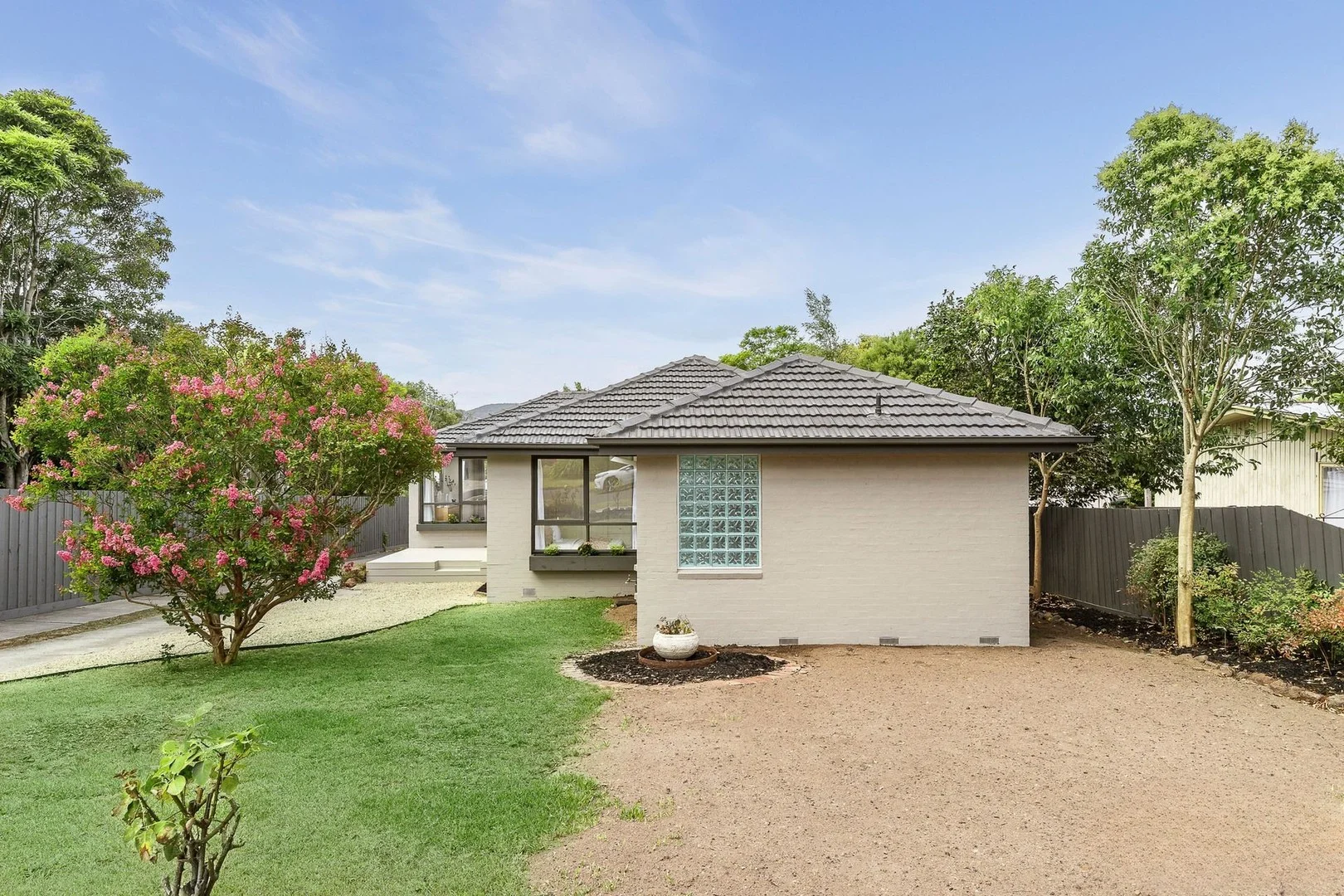 $700
Apartment / Unit / Flat
$700
Apartment / Unit / Flat
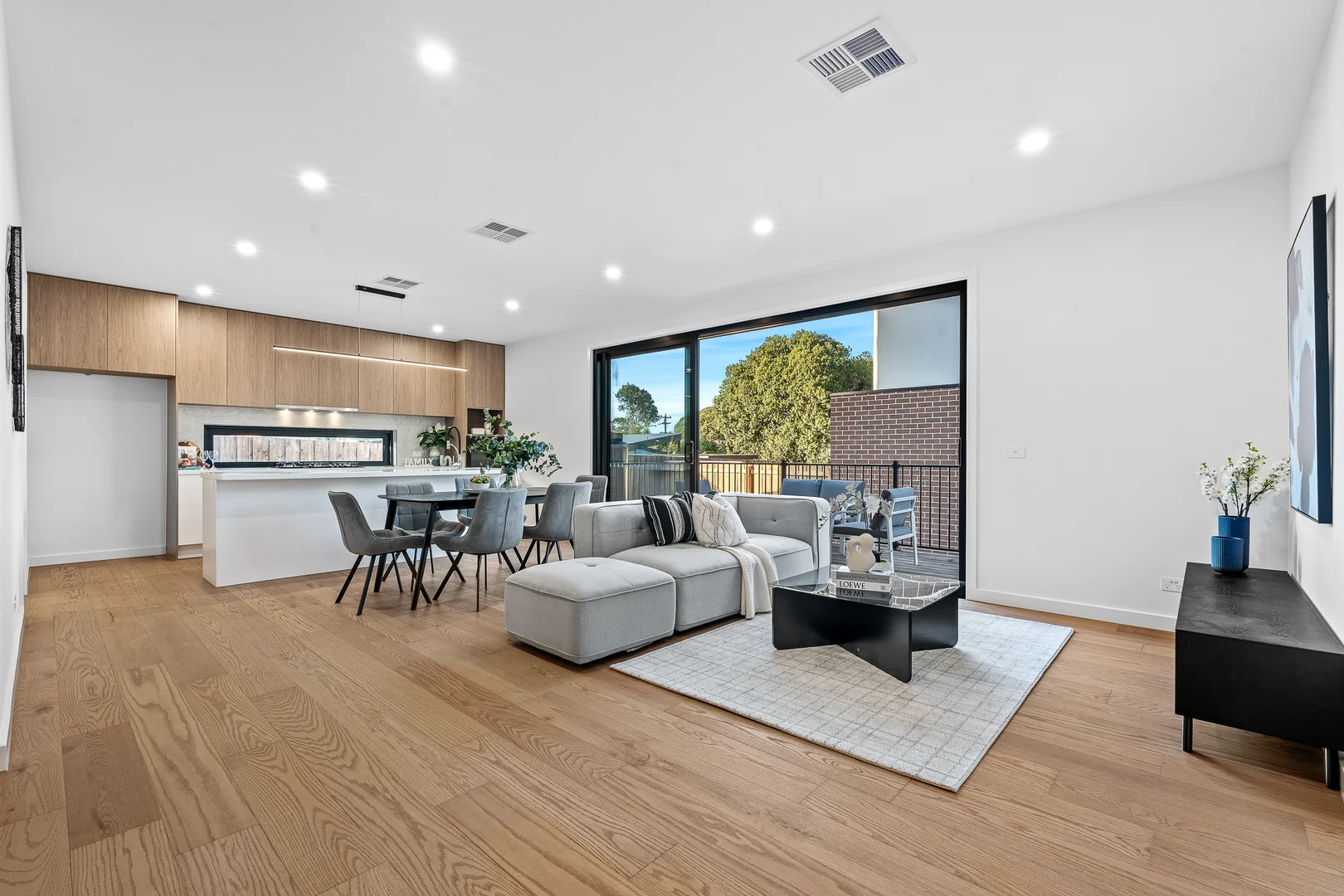 $990,000 - $1,080,000
Townhouse
$990,000 - $1,080,000
Townhouse
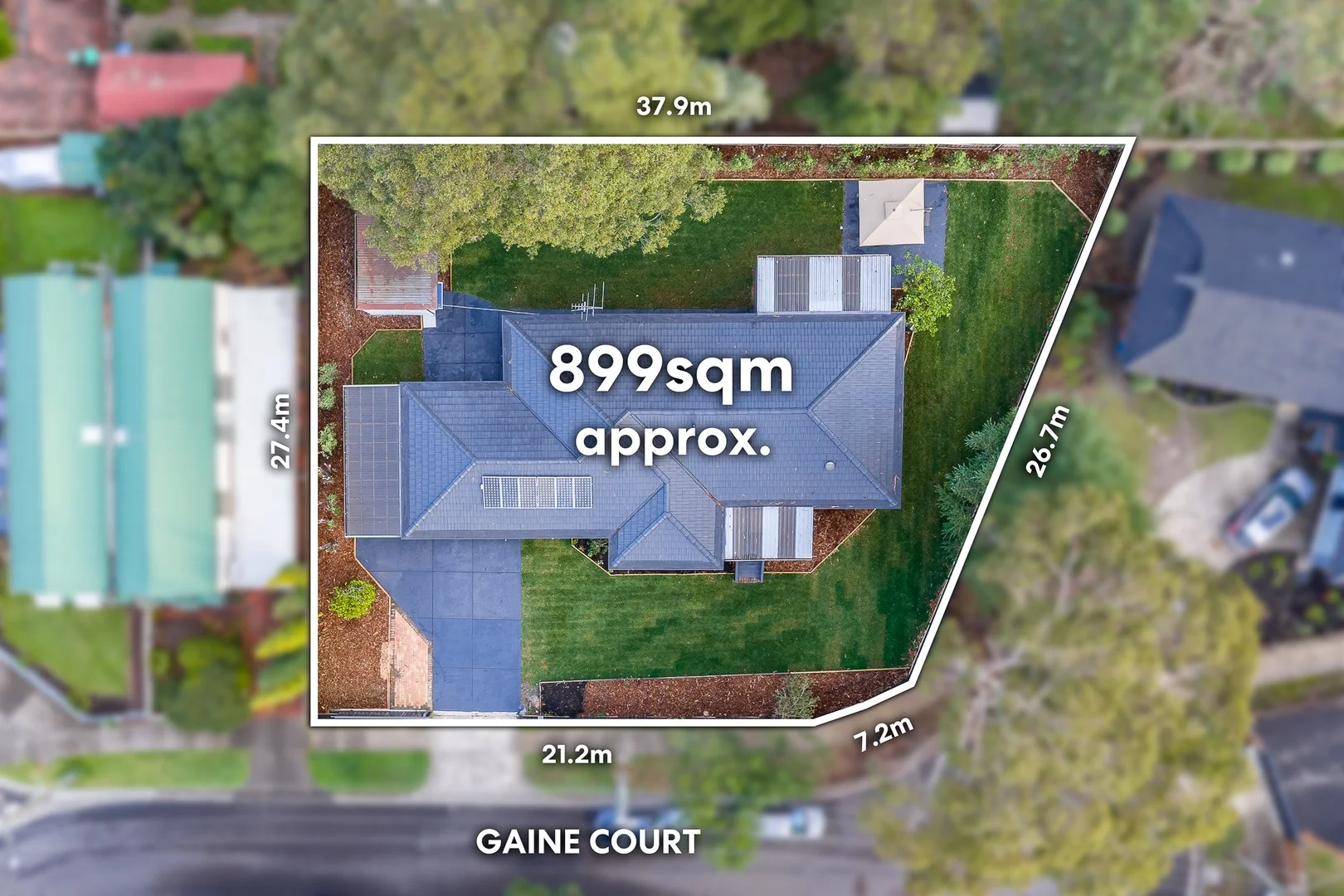 $990,000 - $1,080,000
House
$990,000 - $1,080,000
House
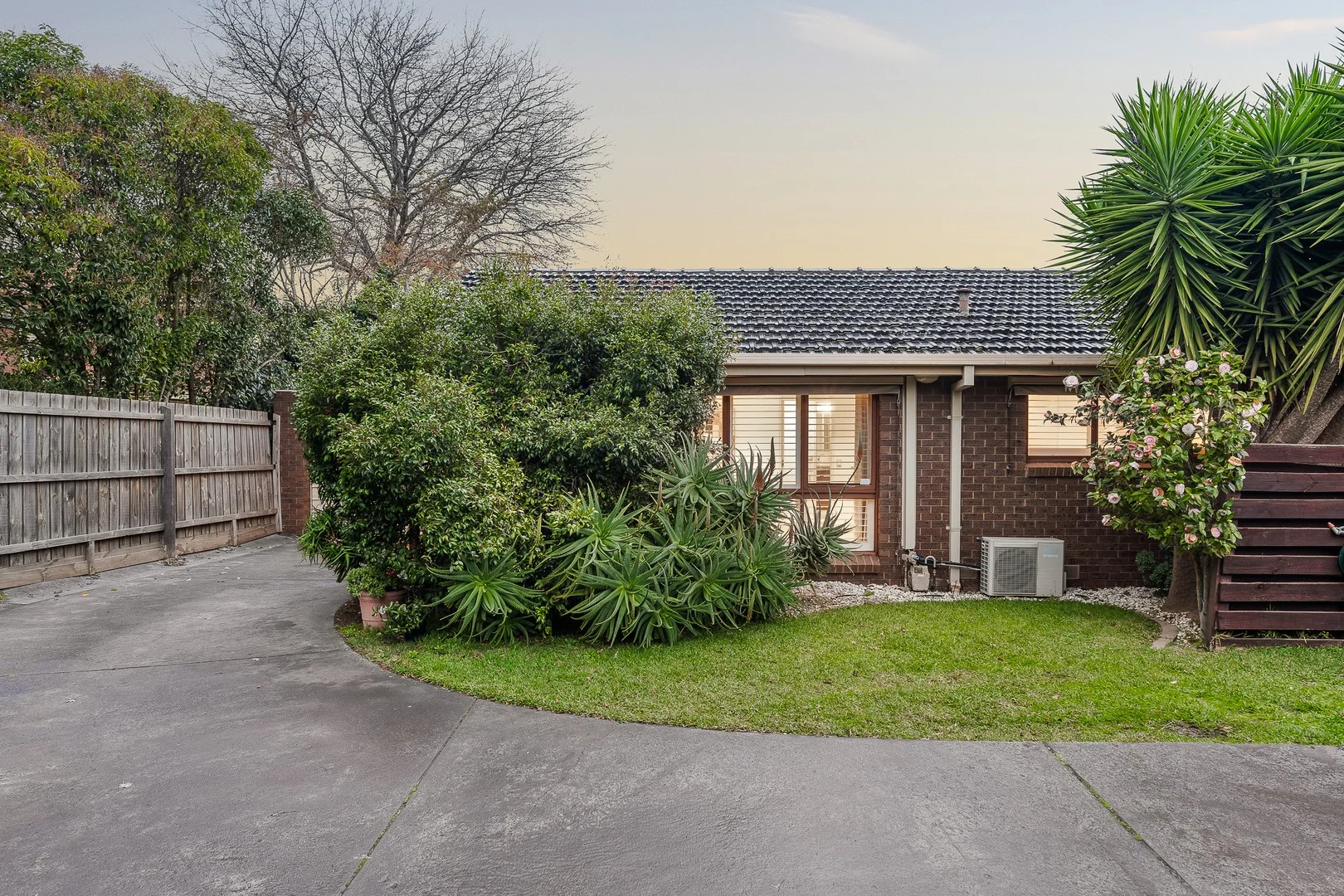 $770,000 - $820,000
Apartment / Unit / Flat
$770,000 - $820,000
Apartment / Unit / Flat
 $1,300,000
House
$1,300,000
House
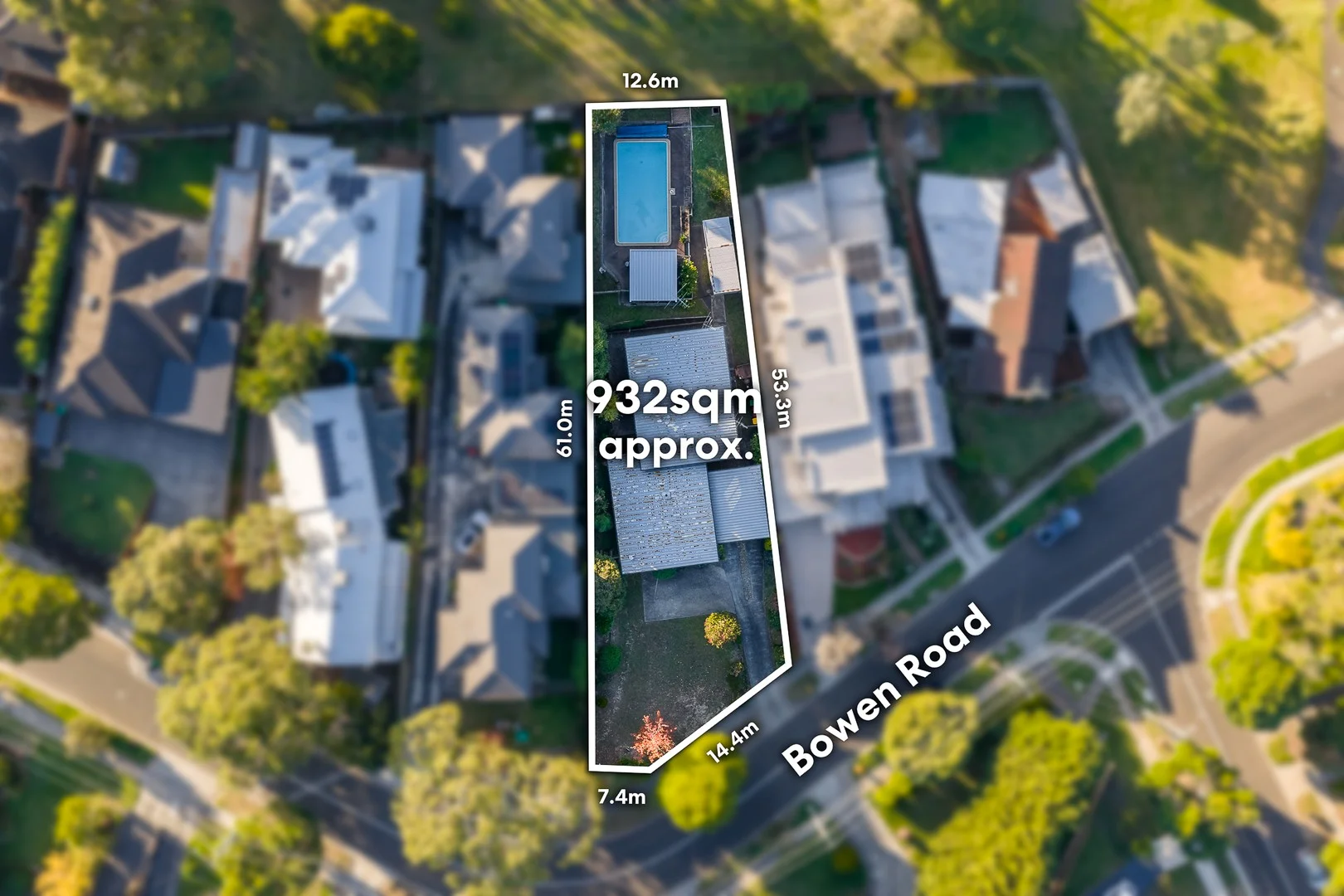 $1,300,000 - $1,400,000
House
$1,300,000 - $1,400,000
House
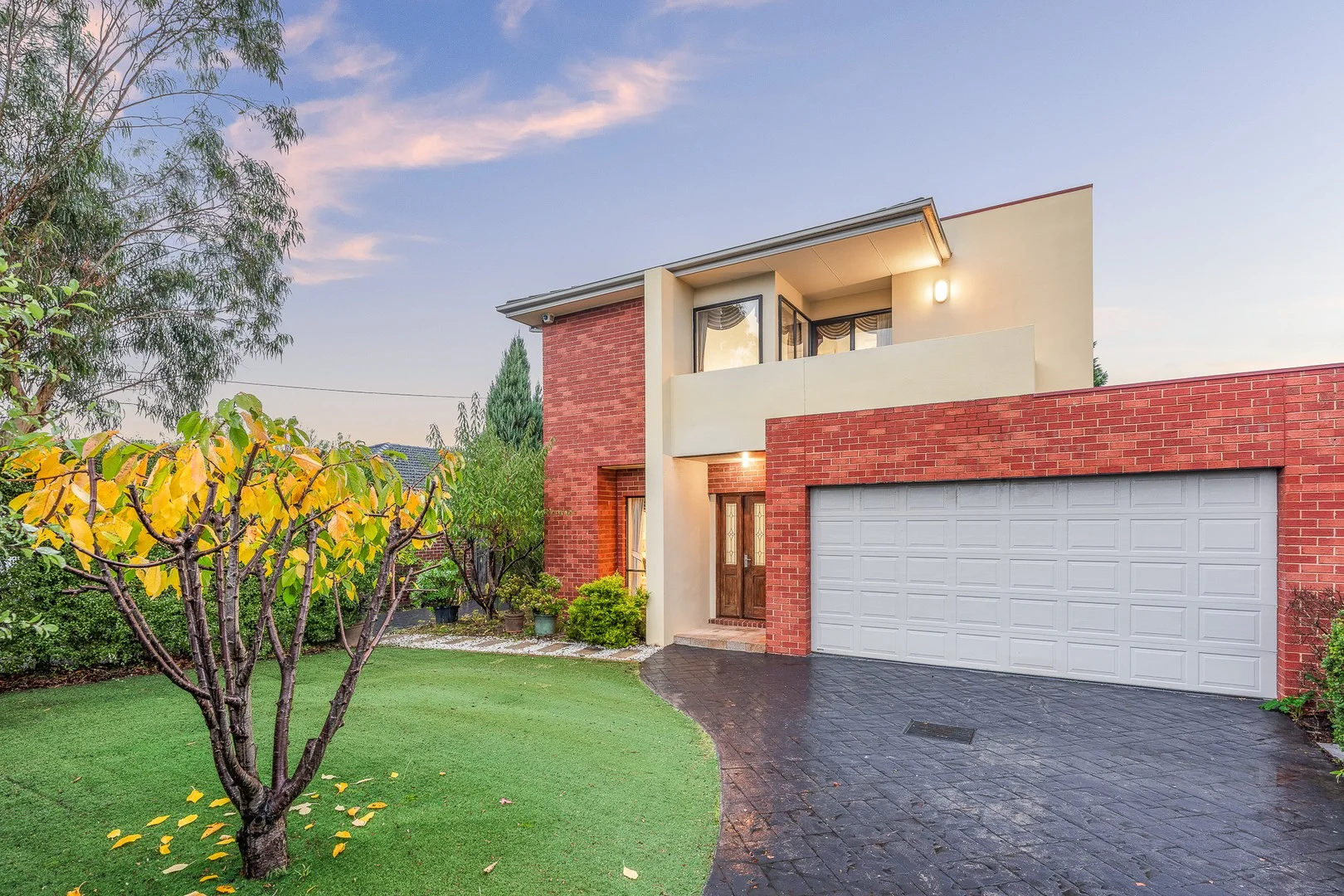 $1,150,000 - $1,250,000
Townhouse
$1,150,000 - $1,250,000
Townhouse
 $1,100
House
$1,100
House
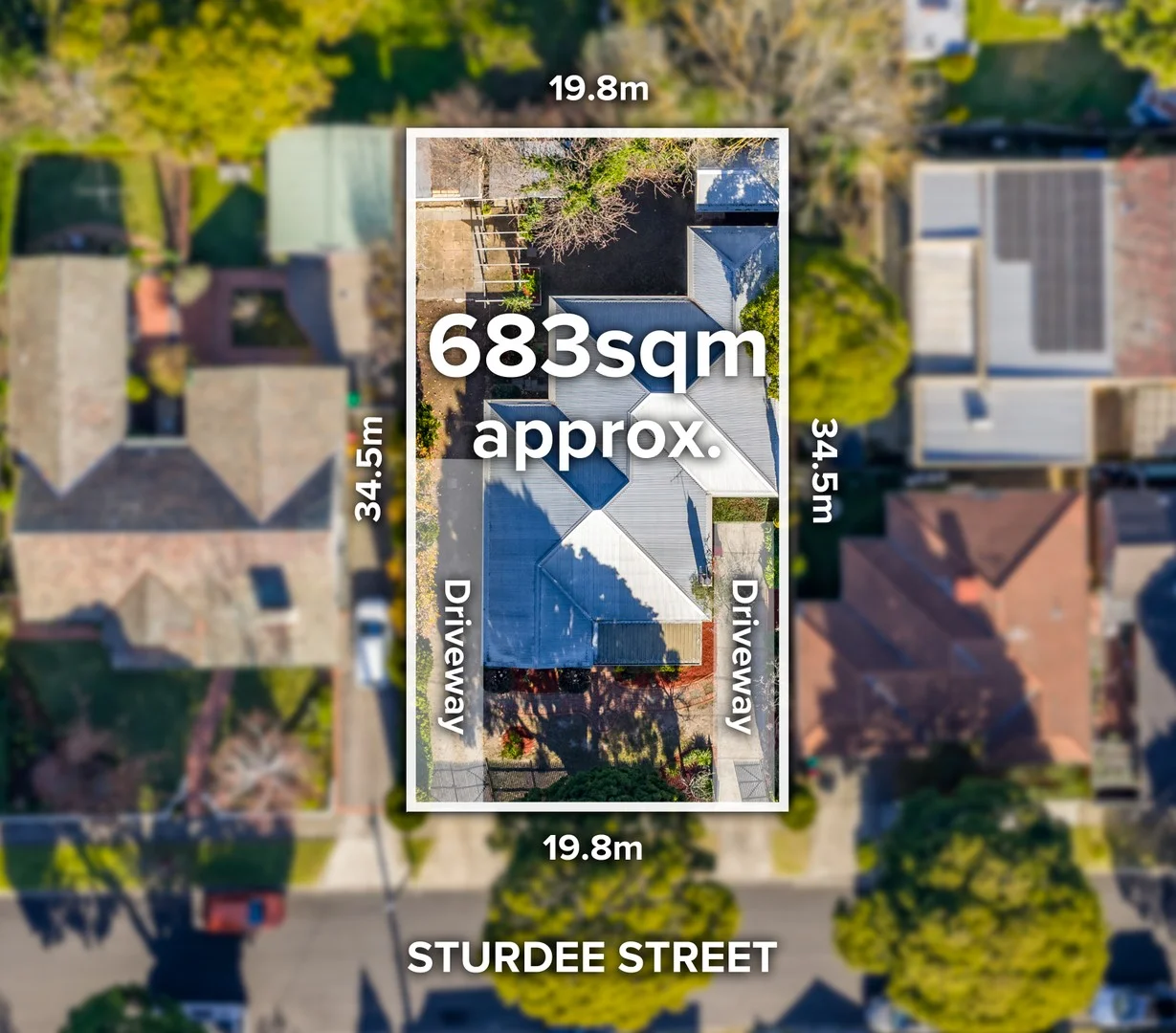 $2,000,000
House
$2,000,000
House