Overview
## 1. Overview
Wantirna South Primary School is a public primary school serving families in the Wantirna South community. The school focuses on delivering a balanced education that supports academic growth, wellbeing, and strong community connections.
- School type: Public primary school
- School size: Medium
- Class size: Typically around 22–25 students per class
- Atmosphere/culture: Nurturing, inclusive, and community-focused
This environment aims to help students grow as confident learners who contribute positively to their school and wider community. (For the most current details on enrolment zones, programs, and highlights, please refer to the school’s official communications.)
---
## 2. Academics & Learning
A strong foundation in core literacy and numeracy supports students’ ongoing learning, with opportunities to explore STEM, leadership, and languages.
- Academic strengths: English literacy and numeracy; STEM and digital learning; opportunities for leadership and student voice; language learning options
- Special programs: Gifted and talented provisions or extension opportunities; targeted intervention in literacy and numeracy; technology-enabled learning; music and arts pathways
- NAPLAN / trends: Public reports typically show ongoing engagement with NAPLAN concepts; trends are best viewed via the latest school annual report or My School/CDE summaries
- Student-teacher ratios: Generally around 1:18–1:22 depending on year level and class configuration
- Support for diverse learners: EAL (English as an Additional Language) supports, SEN (special educational needs) programs, in-class supports, and targeted intervention where needed
Notes: Specific programs and exact ratios can vary by year and cohort. Check the latest school communications for up-to-date details.
---
## 3. Sports & Extracurricular Strengths
A broad program supports physical development, teamwork, arts, and practical skills, with opportunities to join clubs and extend talents.
- Sports offered: A range of team and individual sports (e.g., netball, basketball, soccer, athletics, cricket) with inter-school participation where possible
- Strong teams or achievements: Regular involvement in inter-school events and local competitions; emphasis on participation, personal bests, and fair play
- Music, arts, drama programs: School ensembles or choirs, instrumental music opportunities, and drama/performing arts activities
- Clubs: Robotics, chess, coding, debating, and other STEM/academic or creative clubs
- Partnerships: Local community clubs, competitions, and intra-school collaboration to extend learning beyond the classroom
Note: Specific offerings and teams may vary year to year; check current term activity lists for exact programs.
---
## 4. Wellbeing & Pastoral Care
Wellbeing is a central focus, with processes to support students’ emotional and social development.
- Anti-bullying approach: Whole-school strategies, clear policies, student education, and ongoing monitoring
- House system: House-based activities and competitions to foster belonging and leadership (where applicable)
- Counsellors / wellbeing officers: Access to school-based wellbeing staff and external supports as needed
- Transition support for new students: Buddy programs, orientation runs, and targeted acclimation support to help new students settle in
This section is designed to build a safe, respectful, and supportive school culture.
---
## 5. Facilities
The school aims to provide well-equipped spaces that support a variety of learning experiences.
- Sports grounds: On-site outdoor spaces for physical education and sport
- Libraries: Central library or resource-rich spaces for reading and research
- Science labs: Dedicated science spaces to support practical experiments
- Music/performing arts centers: Areas for music, drama, and performance activities
- Tech/innovation labs: Technology-enabled learning spaces and maker-type areas
- Cafeteria: On-site canteen or food service options, with supervised eating areas
- Updated playgrounds: Renovated or maintained play spaces for active breaks
Visualizing bright, flexible environments helps students engage in hands-on learning.
---
## 6. School Values & Community Culture
Parents often look for a school that mirrors their values and fosters positive growth in students.
- School values / mission: Emphasis on respect, responsibility, inclusion, and a love of learning
- Leadership style: Collaborative and distributed leadership with student input where possible
- Behaviour expectations: Clear codes of conduct and positive-behaviour approaches to support consistent expectations
- Community reputation: Strong sense of community involvement and parent engagement
- Diversity & inclusion: Commitment to welcoming diverse learners and ensuring accessible learning for all
This combination typically supports students who are curious, respectful, and engaged in school life.
---
## 7. School Logistics & Daily Operations
Practical information helps families plan around school life.
- School hours: Typically a standard school day with morning and afternoon sessions; exact times published by the school term-by-term
- Before/after school care: Before and after school care arrangements available via the school or external providers
- Uniform requirements: School uniform policy with details on acceptable attire and purchase locations
- Transport (train/bus routes): Access to public transport options and recommended routes; car drop-off/pick-up arrangements noted by the school
- Canteen availability: Canteen or food service operates on specific days or by schedule
- Fees (low/medium/high ranges): Public schools generally have minimal tuition, with possible item fees, book packs, or activity levies; exact amounts vary by year and activity
For precise times, policies, and costs, consult the latest school communications.
---
## 8. Enrolment & Admissions
11. What is the enrolment process and timeline?
- Submit the enrolment form in line with local intake policies
- Provide required documentation (proof of identity, proof of address, immunization records as applicable)
- Apply within the school’s catchment area; in-zone applicants generally receive priority
- Obtain placement offers in line with capacity and policy
- Complete transition steps and secure placement by the specified date
12. Is there a waiting list, and how does it work?
- If the school is at capacity, a waiting list may operate in line with local placement policies
- Priority is usually given to in-zone applicants; out-of-zone placements, if offered, depend on capacity and policy
- Waiting time varies by year and intake demand
13. Are there any entry requirements, tests, or interviews?
- For public primary schools, entry generally does not require entrance tests or formal interviews
- Some programs or special circumstances may involve short informational sessions or school tours
- Documentation and eligibility (e.g., age, local intake) are the typical requirements
14. Does the school accept mid-year transfers?
- Mid-year transfers are sometimes possible depending on space and departmental policy
- Enquiries should be made as early as possible with proof of eligibility and required documentation
Note: The above outlines are generic guidance. For Wantirna South Primary School specifically, please verify current enrolment processes, timelines, and requirements with the school directly.
---
## 9. Frequently Ask Questions
- Why Parents Choose This School?
- Many families value a supportive learning environment, a strong focus on literacy and numeracy, a balanced program with sports and the arts, and a welcoming school community.
- What type of student thrives at this school?
- Students who are curious, collaborative, and eager to engage in both academics and activities often do well; those who benefit from a supportive, inclusive culture tend to thrive.
- What opportunities are available for students to extend their skills (academics, sports, arts)?
- Access to extended literacy/numeracy programs, STEM activities, music and arts opportunities, sports teams, and clubs such as robotics, coding, chess, and debating.
- How does the school communicate with parents?
- Regular updates through newsletters, email, the school website, parent-teacher conferences, and messages via the learning management or communication platforms used by the school.
- What is the school’s approach to teaching and learning?
- A balanced approach that combines explicit instruction with collaborative learning, student-led inquiry, and inclusive practices to meet diverse learner needs.
- How does the school support students who need extra academic help?
- Targeted interventions within the classroom, small-group support, and access to specialists or counsellors as needed.
- What support is available for academic challenges?
- In-class differentiation, additional tutoring or small-group sessions, and monitoring by teaching staff and support personnel.
- How does the school communicate with parents? (Repeated)
- See above: newsletters, emails, parent-teacher meetings, and digital platforms.
- What are the class sizes and how much individual attention do students receive?
- Class sizes are typically around 22–25 students, with teachers providing direct instruction and targeted support within the class and through additional programs.
- What extracurricular and sports opportunities are available?
- A range of sports and physical activities, plus clubs such as robotics, chess, coding, debating, and performing arts.
- What facilities does the school offer (sports, science, arts)?
- Sports grounds, libraries, science labs, music/performing arts spaces, and technology/innovation spaces are typical features; check current facilities list for specifics.
- What is the school’s approach to technology and digital learning?
- Integration of digital tools and devices to support learning, with opportunities for coding, digital literacy, and responsible technology use.
- What transport and accessibility options are available?
- Access to local bus routes and public transit; designated drop-off/pick-up areas; accommodations for accessibility as needed.
- What are the typical school fees or additional costs?
- Public primary schools generally have minimal tuition, with potential charges for book packs, excursions, or material levies; exact costs vary by year and activity.
Note: The FAQ above reflects common questions and typical Australian primary-school practices. Please confirm Wantirna South Primary School’s current policies and communications for precise answers.
---
## 10. Short Pros & Cons list
- Pros
- Public, community-focused environment with a balanced curriculum
- Structured wellbeing and inclusive practices
- Range of academic, arts, and sports programs
- Opportunities for student leadership and clubs
- Supportive transition and family communication
- Cons
- Specific programs and offerings can vary by year; check current year details
- Class sizes and resources depend on enrolments and staffing
- Some programs require fees or levies for materials or activities
Disclaimer: This content provides a general, parent-friendly snapshot. For the most accurate, up-to-date information about Wantirna South Primary School, please consult the school’s official communications and current documents.












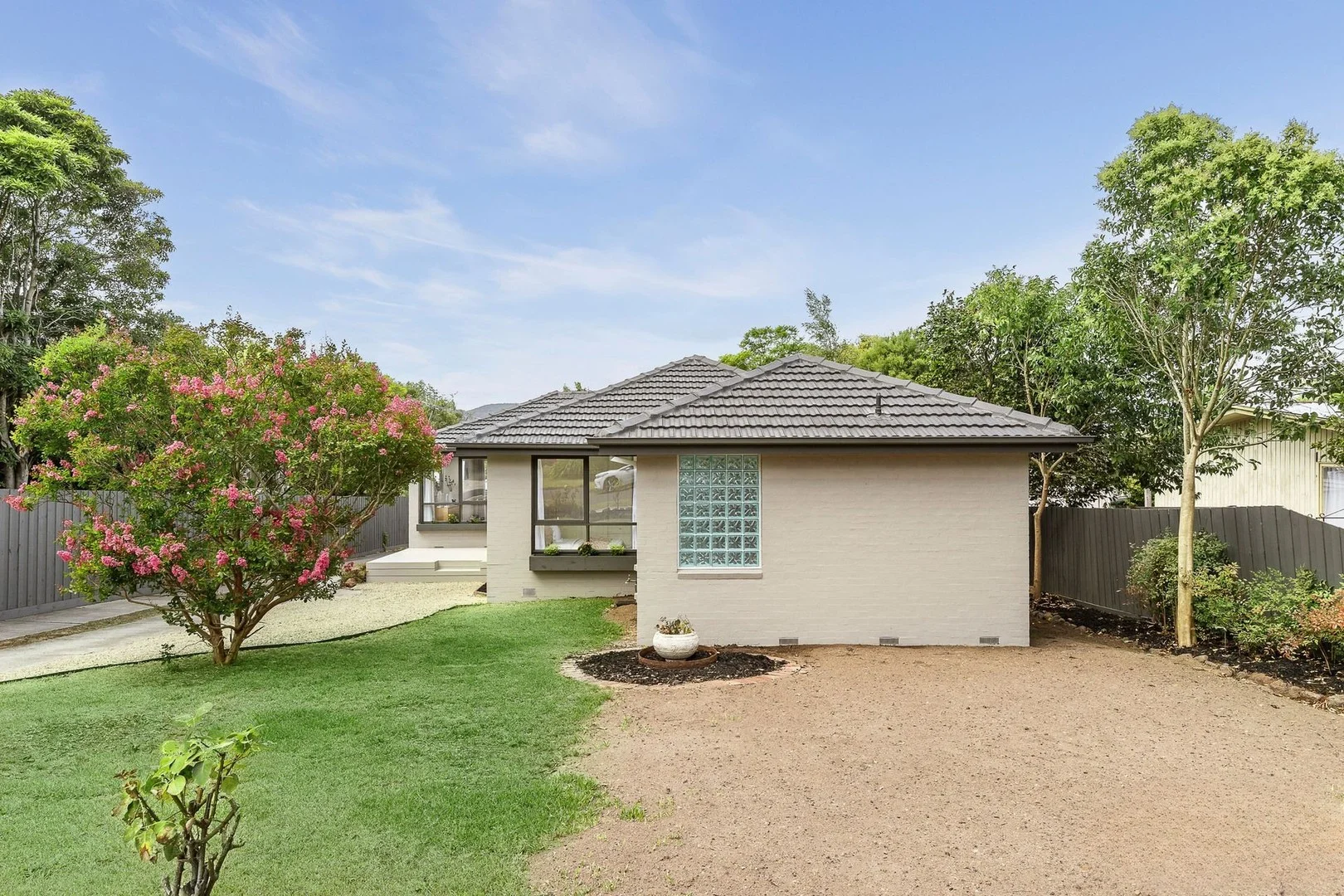 $700
Apartment / Unit / Flat
$700
Apartment / Unit / Flat
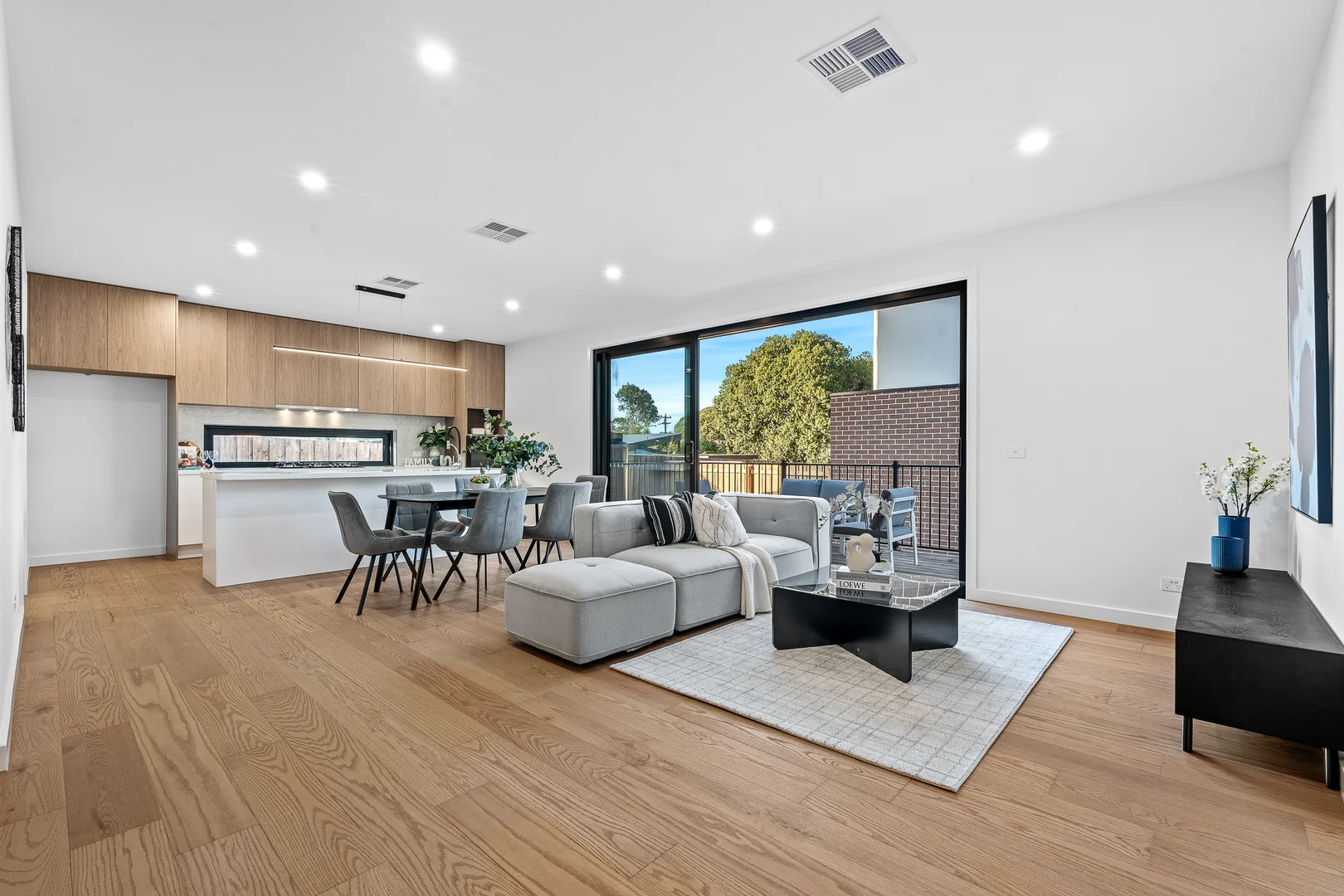 $990,000 - $1,080,000
Townhouse
$990,000 - $1,080,000
Townhouse
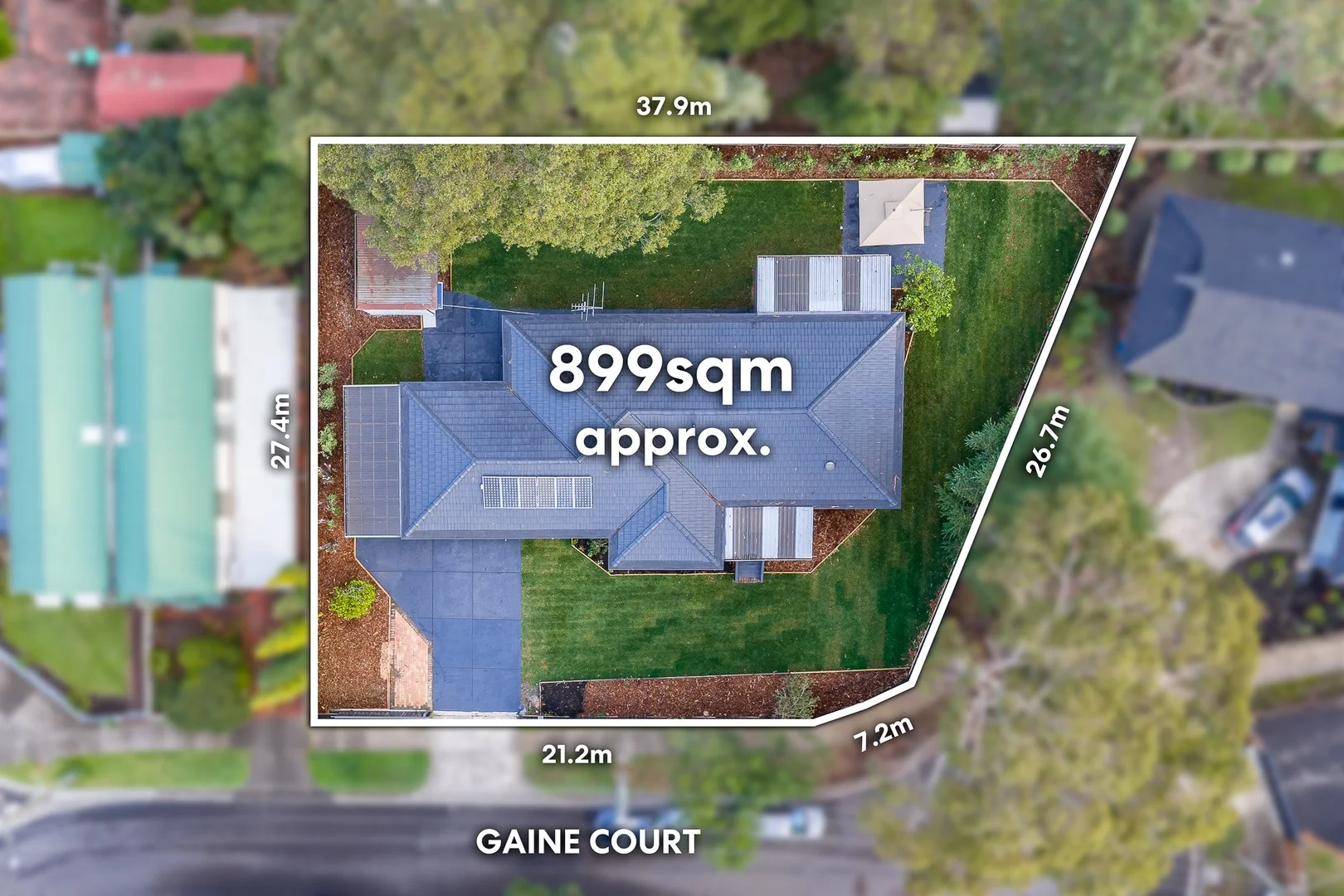 $990,000 - $1,080,000
House
$990,000 - $1,080,000
House
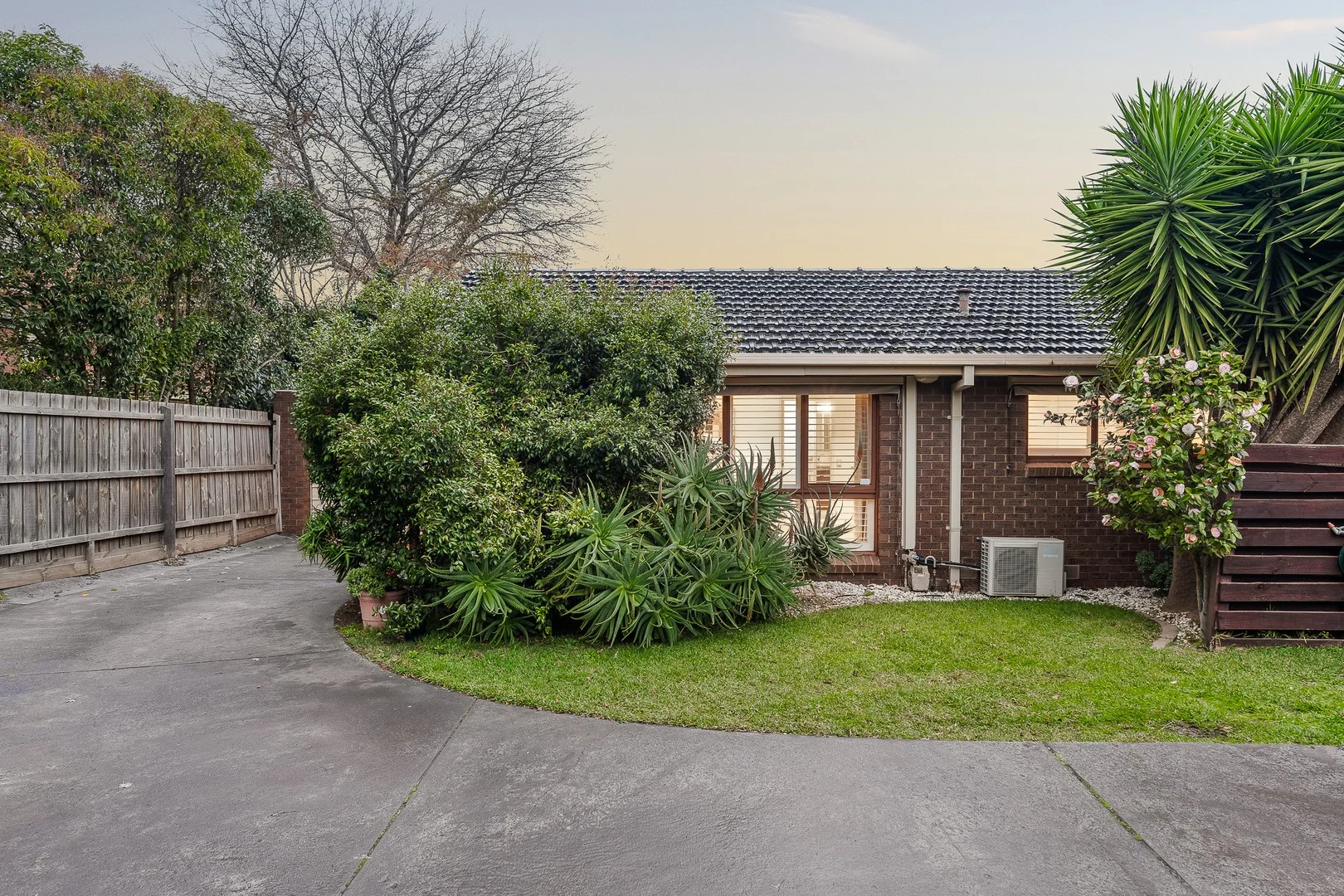 $770,000 - $820,000
Apartment / Unit / Flat
$770,000 - $820,000
Apartment / Unit / Flat
 $1,300,000
House
$1,300,000
House
 $1,300,000 - $1,400,000
House
$1,300,000 - $1,400,000
House
 $1,150,000 - $1,250,000
Townhouse
$1,150,000 - $1,250,000
Townhouse
 $1,100
House
$1,100
House
 $2,000,000
House
$2,000,000
House