1. Overview (1–2 paragraphs max)
Our Lady of Grace School is a Catholic, co-educational primary school serving families in North Beach, Western Australia. The school combines faith-based education with a caring and close-knit community, where learning is balanced with service, character development, and wellbeing. Class sizes are small to medium, enabling teachers to know each student well and tailor learning to individual needs. The atmosphere is nurturing and inclusive, with a strong emphasis on faith, academic growth, and real-world leadership.
The school values partnerships with families and the parish, fostering a supportive environment where students are encouraged to pursue excellence, respect others, and contribute positively to the community. Students are welcomed to participate in a range of learning experiences that cultivate curiosity, resilience, and responsible citizenship.
⸻
2. Academics & Learning
• Academic strengths: strong literacy and numeracy foundations, with a growing emphasis on STEM, leadership development, and language learning across the primary years. The curriculum integrates faith formation with core subjects to support well-rounded academic growth.
• Special programs: religious education and faith formation, Gifted & Talented extension opportunities, coding and robotics, library literacy programs, and targeted supports for diverse learners (EAL and SEN).
• NAPLAN trends: participation shows steady progress and positive growth across cohorts, with ongoing use of data to inform teaching and targeted interventions to lift student outcomes.
• Student-teacher ratios: typically around 1:12–1:20 in the primary grades, enabling more individualized attention and support.
• Support for diverse learners: in-class and small-group supports, EAL programs, access to learning support staff and specialists as needed, and inclusive practices to meet a range of learning needs.
⸻
3. Sports & Extracurricular Strengths
• Sports offered: netball, basketball, soccer, athletics, cross-country, swimming, and other school-wide active programs.
• Strong teams or achievements: participation in local inter-school competitions with a focus on teamwork, sportsmanship, and personal bests.
• Music, arts, drama programs: choir, school productions, instrumental music opportunities, and performing arts experiences.
• Clubs: robotics, chess, coding, debating, and other inquiry-based clubs to complement classroom learning.
• Partnerships: connections with local clubs, community programs, and regional inter-school events to broaden opportunities for students.
⸻
4. Wellbeing & Pastoral Care
• Anti-bullying approach: proactive anti-bullying policies, digital citizenship education, restorative practices, and student-led wellbeing initiatives.
• House system: house groups foster belonging, healthy competition, and cross-year connection, with events and activities that build community spirit.
• Counsellors / wellbeing officers: access to school wellbeing staff and counselling services to support emotional and social development.
• Transition support for new students: buddy programs, orientation sessions, and parent information evenings to ease transitions into the school community.
⸻
5. Facilities
• Sports grounds
• Libraries
• Science labs
• Music/performing arts centers
• Tech/innovation labs
• Cafeteria
• Updated playgrounds
The campus is designed to support hands-on learning, creativity, and physical activity, with spaces that encourage collaboration and exploration across disciplines.
⸻
6. School Values & Community Culture
• School values / mission: faith-informed education grounded in compassion, respect, integrity, and service; emphasis on developing character and leadership.
• Leadership style: collaborative, with student voice opportunities through councils and class leadership roles; staff and leadership teams model professional and supportive guidance.
• Behaviour expectations: clear codes of conduct based on respect, responsibility, and safety; consistent routines and positive reinforcement.
• Community reputation: strong engagement with families and parish, known for a welcoming atmosphere and supportive networks.
• Diversity & inclusion: commitment to inclusive practices, support for students from diverse backgrounds, and a welcoming environment for all families.
⸻
7. School Logistics & Daily Operations
• School hours: typically start around 8:30 AM and finish around 3:00 PM (with variations by year level).
• Before/after school care: available via on-site or affiliated programs; details provided during enrolment.
• Uniform requirements: school uniform required; items include standard polo/dress, shorts or skirt, hats, and appropriate footwear; details provided in the uniform policy.
• Transport (train/bus routes): access to public transport and local bus services; walking or cycling encouraged where feasible; information on routes provided by the school or local transport authority.
• Canteen availability: on-site canteen or lunch program offering healthy meal options.
• Fees (low/medium/high ranges): fees are in the moderate range for Catholic primary education; information on annual charges, book packs, and any additional activity costs is provided by the school’s enrolment team.
⸻
8. Enrolment & Admissions
11. What is the enrolment process and timeline?
• Submit an expression of interest and complete the school’s enrolment application.
• Provide required documents (birth certificate, baptism/catholic confirmation details if applicable, immunisation status, and any other school-specific forms).
• Participate in interviews or information sessions as part of alignment with the school’s faith-based ethos.
• Receive an offer of enrolment and confirm position for the desired start term; processing timelines vary by year.
12. Is there a waiting list, and how does it work?
• Yes, there may be a waiting list when enrolment capacity is reached.
• Priorities typically include siblings of current students, parishioners, and proximity to the school, with space allocated as vacancies arise.
13. Are there any entry requirements, tests, or interviews?
• Most entry requirements focus on eligibility and alignment with the school’s Catholic ethos; formal entrance tests are uncommon for primary level.
• Short interviews with families and prospective students may be conducted to assess fit and transition needs.
14. Does the school accept mid-year transfers?
• Mid-year transfers may be possible if vacancies exist, subject to enrolment screening and alignment with the school program; families should contact the school early to discuss availability and transition planning.
⸻
9. Frequently Asked Questions
• Why Parents Choose This School?
• A Catholic, values-driven environment with a caring community, strong academics, and a focus on wellbeing and character development.
• What type of student thrives at this school?
• Curious, respectful, engaged learners who benefit from small-to-medium class sizes, supportive teachers, and a balanced approach to academics, faith, and extra-curriculars.
• What opportunities are available for students to extend their skills (academics, sports, arts)?
• Access to literacy and numeracy programs, STEM and coding activities, gifted/extension opportunities, sports teams, music and drama programs, and a range of clubs (robotics, chess, debating).
• How does the school communicate with parents?
• Regular newsletters, school app/emails, parent-teacher interviews, information evenings, and ongoing updates from classrooms and the leadership team.
• What is the school’s approach to teaching and learning?
• Differentiated instruction, explicit teaching, inquiry-based learning, and integration of faith formation with core curricula to support holistic development.
• How does the school support students who need extra academic help?
• In-class supports, targeted interventions, EAL and SEN programs, access to learning support staff, and referrals to specialists as needed.
• What support is available for academic challenges?
• Individualized learning plans, small-group tutoring or extension opportunities, progress monitoring, and collaboration with families to address needs.
• What are the class sizes and how much individual attention do students receive?
• Class sizes are small to medium (approximately 12–20+ students), with a focus on individual feedback and teacher availability for guidance.
• What extracurricular and sports opportunities are available?
• A range of sports (netball, basketball, soccer, athletics), music and drama programs, and clubs such as robotics, chess, coding, and debating.
• What facilities does the school offer (sports, science, arts)?
• Comprehensive facilities including sports grounds, libraries, science labs, performing arts spaces, tech/innovation labs, a cafeteria, and updated playgrounds.
• What is the school’s approach to technology and digital learning?
• Emphasis on digital literacy and safe online practice, with access to devices and coding opportunities, supported by e-learning platforms and appropriate supervision.
• What transport and accessibility options are available?
• Access to local bus routes, walking/cycling provisions, and information about parking and accessibility from the school administration.
• What are typical school fees or additional costs?
• Fees are in the moderate range for Catholic primary education; families should expect uniform, book packs, and potential activity costs, with transparent fee schedules provided by the school.
⸻
10. Short Pros & Cons list
Pros
- Catholic, values-driven education with a nurturing, inclusive environment
- Small-to-medium class sizes enabling individualized attention
- Strong focus on wellbeing, character, and faith formation
- Broad range of academic and enrichment programs (STEM, languages, arts, clubs)
- Good access to support for diverse learners (EAL, SEN)
- Modern facilities supporting science, technology, arts, and sport
- Active involvement with families and parish communities
Cons
- Fees are required for private Catholic schooling
- Enrolment capacity may lead to waiting lists at peak times
- Some programs or facilities may have limited availability depending on year level or term
- Transportation options depend on local services and proximity, which may require planning for some families












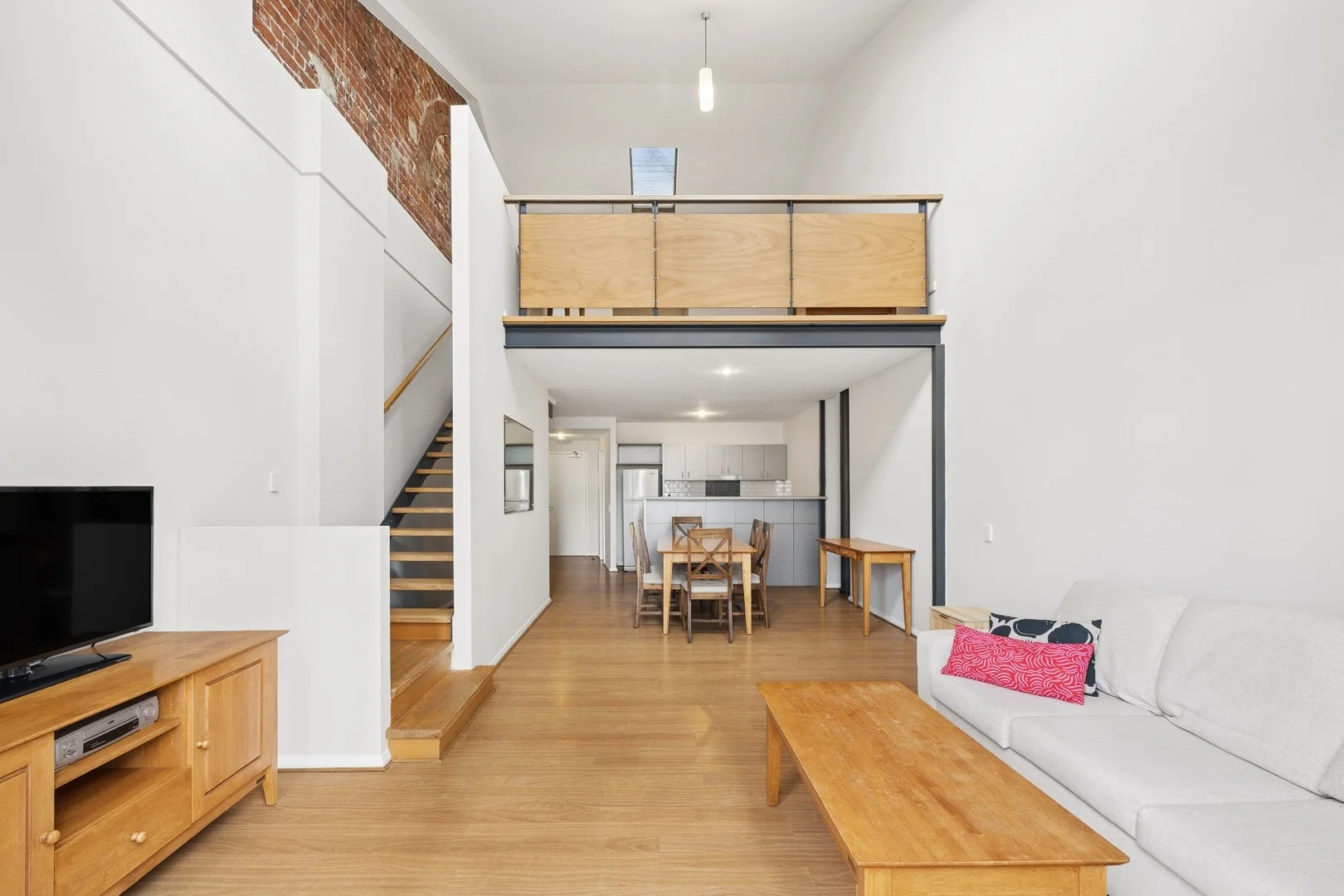 $549,000
Apartment / Unit / Flat
$549,000
Apartment / Unit / Flat
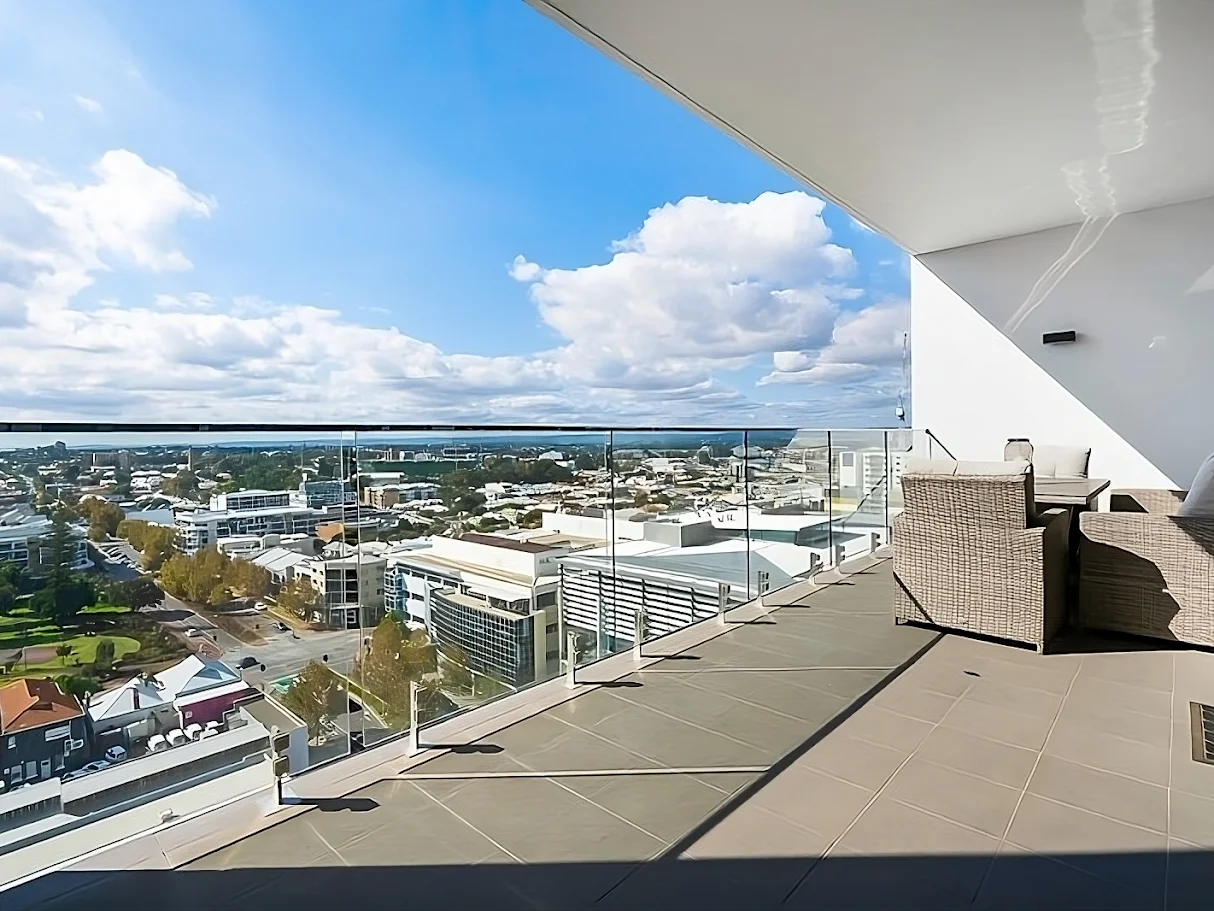 $580,000
Apartment / Unit / Flat
$580,000
Apartment / Unit / Flat
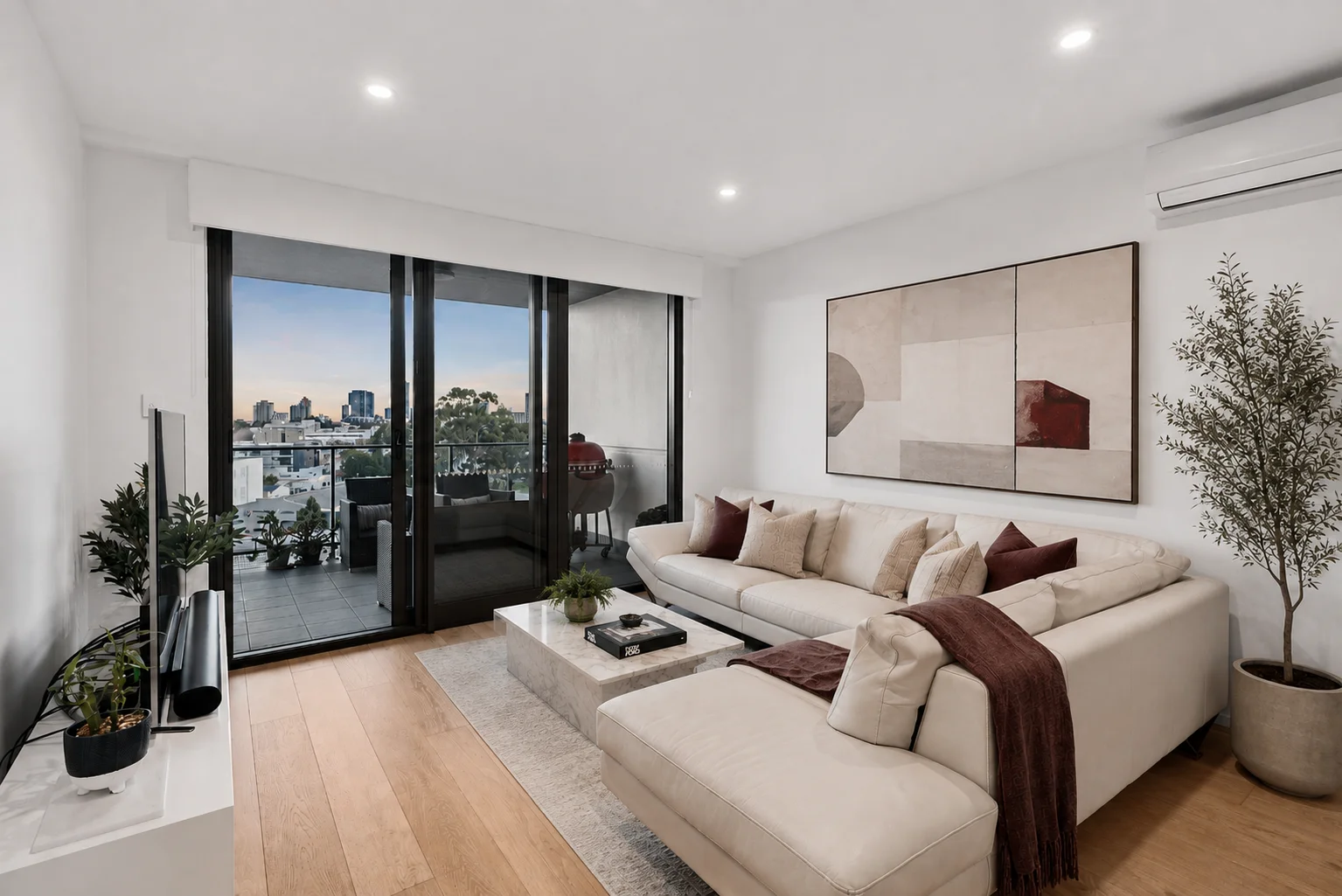 $700,000
Apartment / Unit / Flat
$700,000
Apartment / Unit / Flat


