## 1. Overview
Kalamunda Primary School is a public, co-educational primary school serving students from Kindergarten to Year 6 in Kalamunda, WA. It operates under the Western Australian Department of Education and focuses on creating a supportive, community-driven learning environment.
Size-wise, the school is medium in scale, with class sizes typically in the low- to mid-20s. The atmosphere is inclusive and nurturing, emphasising student wellbeing alongside academic achievement. Families can expect a collaborative culture where students are encouraged to participate, strive, and grow.
⸻
## 2. Academics & Learning
- Academic strengths: English literacy and numeracy foundations, strong engagement with STEM activities, opportunities for leadership development, and a curriculum framework that supports digital literacy and critical thinking. The school also offers language program elements as part of the WA curriculum.
- Special programs: Gifted and Talented Education (GATE) or accelerated learning options where available, plus targeted support for students requiring extra help. Inclusive education pathways support diverse learner needs.
- NAPLAN / trends: Over recent years, trends show stable to positive progress in reading and numeracy with results typically aligning with or above state averages. The school monitors and responds to these trends through targeted teaching strategies.
- Student-teacher ratios: Generally around 1:22 to 1:25, varying by year level and program needs.
- Support for diverse learners: Strong EAL (English as an Additional Language) support where needed, as well as SEN (special educational needs) planning, individual learning plans, and collaborative support from specialist staff.
⸻
## 3. Sports & Extracurricular Strengths
- Sports offered: Broad program across athletics, netball, soccer (football), basketball, cricket, and cross-country through inter-school and in-school activities.
- Strong teams or achievements: Active participation in district and inter-school events; regular opportunities to showcase talent in athletics, team sports, and physical education carnivals.
- Music, arts, drama programs: Involvement through school concerts, choir, orchestra or strings programs, and drama productions that involve students across year levels.
- Clubs: Robotics, coding, chess, debating and other STEM/arts clubs are commonly available, with opportunities to join competitive or showcase events.
- Partnerships: Collaboration with local community groups and clubs for competitions, events, and skill-building activities, including coding and robotics competitions when scheduling allows.
⸻
## 4. Wellbeing & Pastoral Care
- Anti-bullying approach: Whole-school policies and programs aimed at fostering respectful relationships, with clear processes for reporting and support.
- House system: A house structure supports community, competition, and mentoring across year levels, helping to build belonging and leadership opportunities.
- Counsellors / wellbeing officers: Access to school-based counsellors or wellbeing staff to support social-emotional learning, resilience, and student welfare.
- Transition support for new students: Orientation activities, buddy programs, and gradual onboarding to help new students settle into the school environment.
⸻
## 5. Facilities
- Sports grounds: On-site playing fields or courts suitable for PE and inter-school activities.
- Libraries: A well-equipped library supporting reading for pleasure and research across year levels.
- Science labs: Dedicated spaces for hands-on science activities and experiments.
- Music/performing arts centers: Rooms or spaces dedicated to music, drama, and performances.
- Tech/innovation labs: Computing/STEAM spaces that support coding, robotics, and digital learning.
- Cafeteria: On-site canteen or tuck shop offering healthy meal and snack options.
- Updated playgrounds: Modern play areas with safe, engaging equipment for different age groups.
⸻
## 6. School Values & Community Culture
- School values / mission: Clear emphasis on respect, responsibility, resilience, and cooperation; a mission centered on building capable, kind, and curious learners.
- Leadership style: Collaborative and student-centered, with leadership opportunities for students and strong involvement of teachers and staff in decision-making.
- Behaviour expectations: Positive Behaviour Support framework or similar expectations that promote courteous conduct, responsibility, and accountability.
- Community reputation: Generally well-regarded within the local community for creating a supportive, inclusive learning environment and strong parent partnerships.
- Diversity & inclusion: Commitment to welcoming students from diverse backgrounds and providing support to ensure access and participation for all.
⸻
## 7. School Logistics & Daily Operations
- School hours: Typical day starts in the morning and ends in the afternoon aligned with WA public school timings (e.g., start around 8:30 am and finish around 3:00 pm; exact times may vary by year level).
- Before/after school care: OSHC or similar arrangements may be available on-site or nearby to support working families.
- Uniform requirements: School uniform is standard; details on summer/winter options and acceptable item ranges are provided by the school.
- Transport (train/bus routes): Access to public transport and local bus routes; walking or cycling options encouraged where possible.
- Canteen availability: On-site or easily accessible canteen offering healthy options.
- Fees (low/medium/high ranges): As a public school, there is no tuition fee; families may contribute through voluntary school contributions and Materials and Services charges, with costs typically in the low to moderate range depending on programs and activities.
⸻
## 8. Enrolment & Admissions
11. What is the enrolment process and timeline?
- Applications are typically handled through the Department of Education processes. Families submit an application within the designated intake period, provide required documents (birth certificate, proof of address, immunisation records), and participate in any program-specific steps or orientation activities as advised.
12. Is there a waiting list, and how does it work?
- Depending on demand and capacity, a waiting list may operate. Offers are usually made in order of place availability and in accordance with the school’s enrolment criteria and timelines.
13. Are there any entry requirements, tests, or interviews?
- Generally, WA public primary schools do not require entrance tests. Some programs (e.g., Gifted and Talented or language pathways) may involve additional screening or discussions, but most enrolments proceed via standard registration.
14. Does the school accept mid-year transfers?
- Yes, subject to space and transitional arrangements. Mid-year transfers are possible when places are available and enrolment requirements are met.
⸻
## 9. Frequently Ask Questions
- Why Parents Choose This School?
- What type of student thrives at this school?
- What opportunities are available for students to extend their skills (academics, sports, arts)?
- How does the school communicate with parents?
- What is the school’s approach to teaching and learning?
- How does the school support students who need extra academic help?
- What support is available for academic challenges?
- How does the school communicate with parents? (duplicate question in original list)
- What are the class sizes and how much individual attention do students receive?
- What extracurricular and sports opportunities are available?
- What facilities does the school offer (sports, science, arts)?
- What is the school’s approach to technology and digital learning?
- What transport and accessibility options are available?
- What are the typical school fees or additional costs?
⸻
## 10. Short Pros & Cons list
- Pros
- Public, community-focused environment with broad access to programs and support services.
- Balanced emphasis on academics, wellbeing, and inclusive education.
- Strong student support for diverse learners (EAL and SEN) and transition programs.
- Wide range of extracurriculars, sports, arts, and clubs.
- Modern facilities and well-maintained spaces for learning and activities.
- Cons
- As a mid-sized public school, demand for places can vary by year; mid-year transfers depend on available capacity.
- Uniform policies and standard fees apply (voluntary contributions and Materials and Services charges).
- Some specialized programs may have limited availability or require assessments for entry.










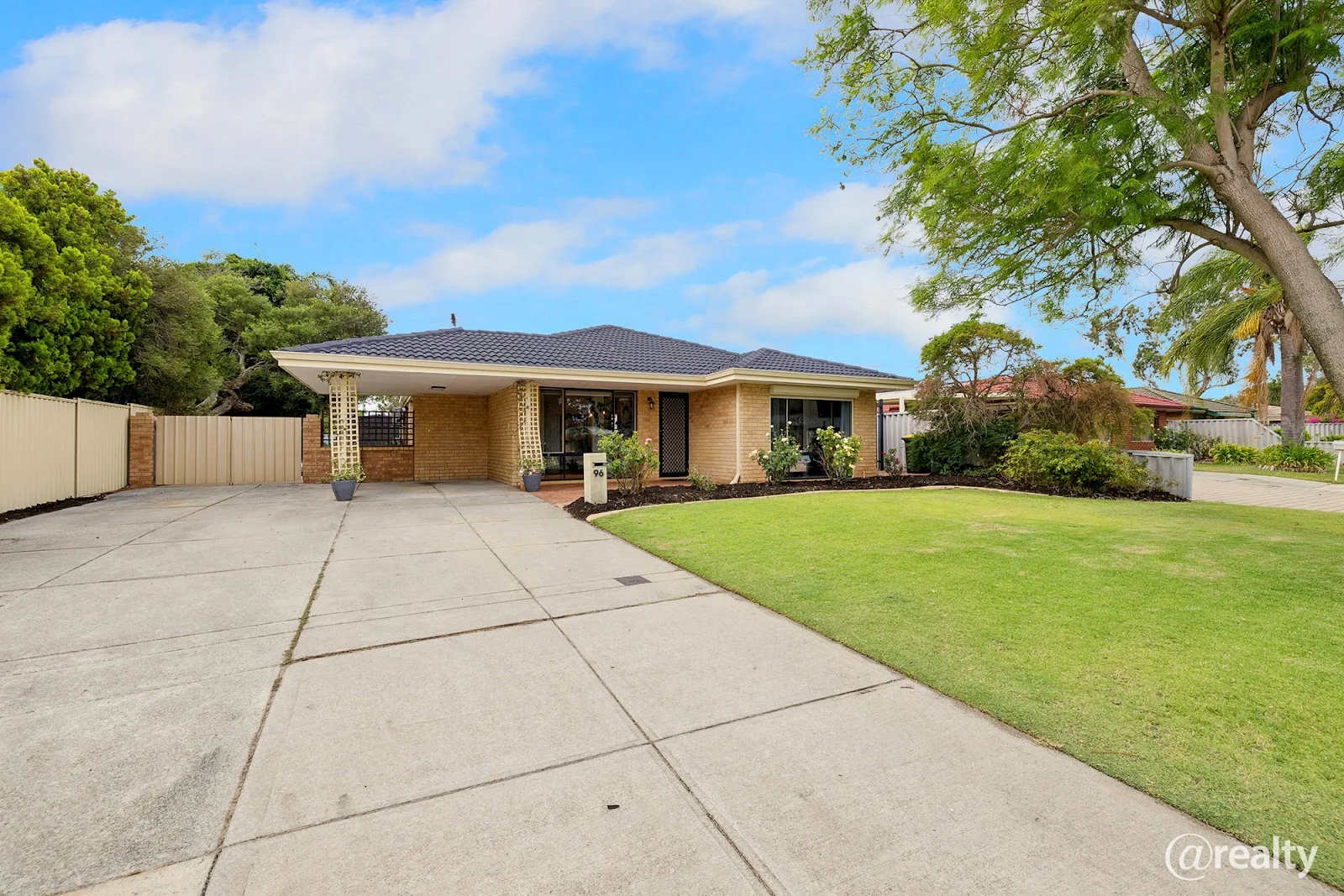 $899,000 - $943,950
House
$899,000 - $943,950
House
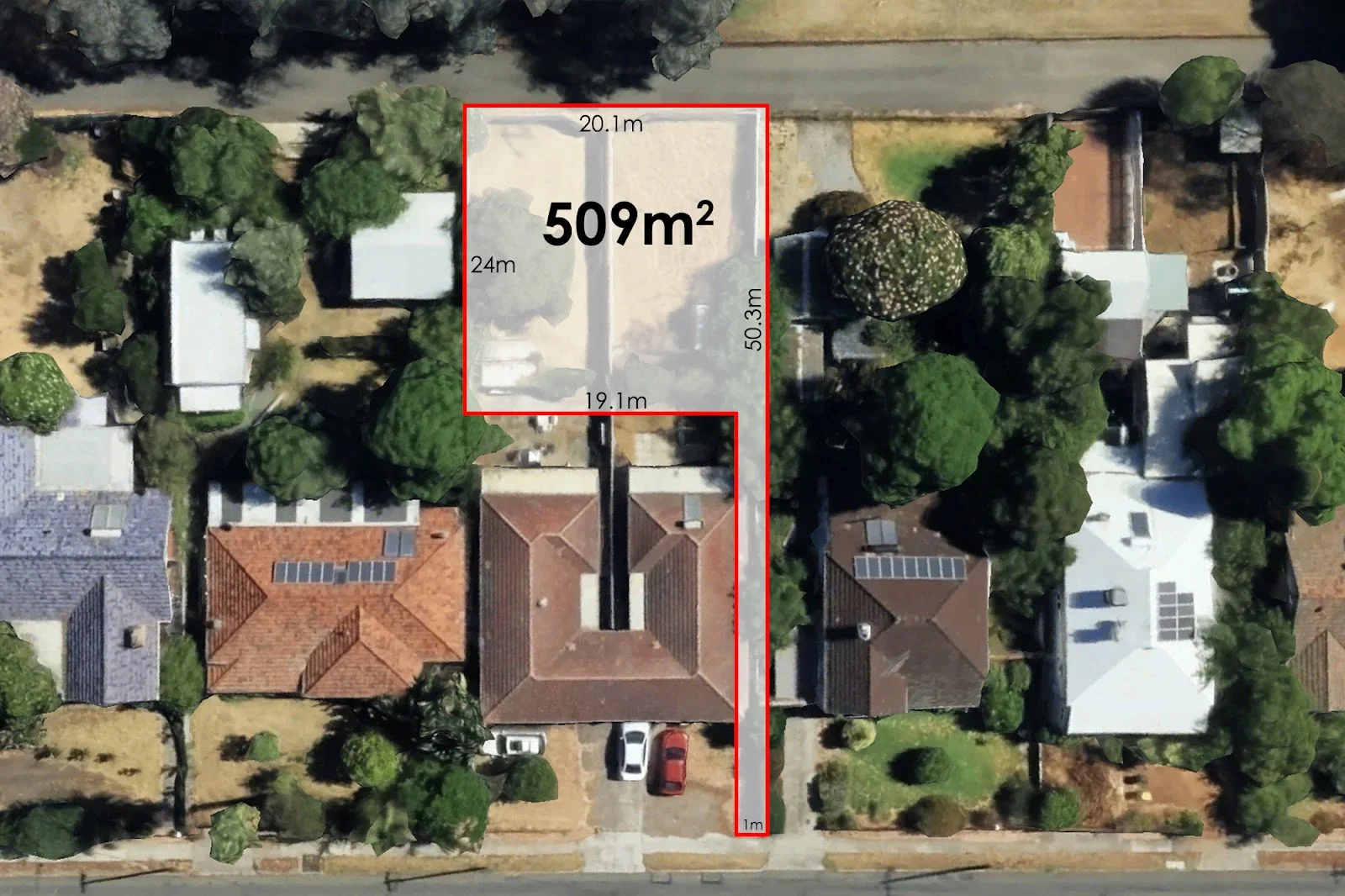 $480,000
Vacant Land
$480,000
Vacant Land
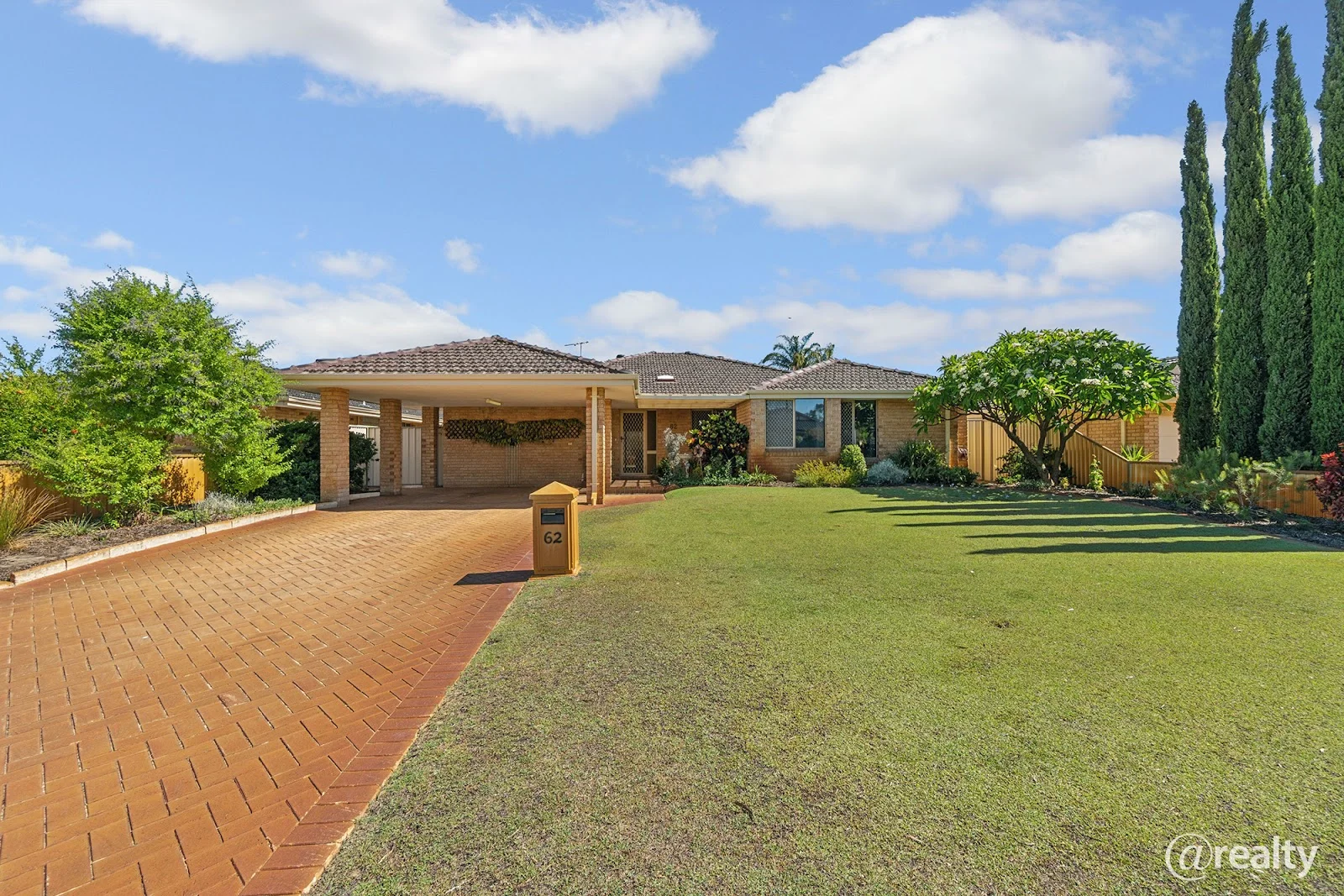 $1,099,000 - $1,153,950
House
$1,099,000 - $1,153,950
House


