## 1. Overview
Mary’s Mount Primary School is a Catholic co-educational primary school in Gooseberry Hill, Western Australia. The school provides a faith-based, community-driven education designed to nurture each child’s learning and wellbeing. With a small-to-medium school footprint, classes are intimate enough to support individualized attention while offering a broad range of programs that engage students across academics, arts, and sport. The atmosphere is generally nurturing, inclusive, and community-focused, with an emphasis on respect, service, and personal growth.
Class sizes are typically small to medium, allowing teachers to know students well and tailor support. The culture encourages strong partnerships between families, staff, and students, fostering a welcoming environment where every child can contribute, grow academically, and develop their character.
## 2. Academics & Learning
- Academic strengths: Emphasis on literacy and numeracy foundations, with supportive programs in STEM and integrated digital literacy. English language development and comprehension are reinforced through targeted approaches.
- Special programs: Opportunities for enrichment and extension in key topics, plus targeted support for students needing additional help. Leadership development and related activities are available.
- NAPLAN / trends: Consistent year-to-year progression with a focus on strengthening core skills across cohorts.
- Student-teacher ratios: Favorable ratios that support individualized feedback and frequent student-teacher interaction.
- Support for diverse learners: EAL (English as an Additional Language) support and SEN (special education needs) pathways, with collaborative planning to meet diverse learning needs.
## 3. Sports & Extracurricular Strengths
- Sports offered: A range of primary-level sports such as athletics, netball, basketball, soccer, and swimming programs; opportunities to participate in inter-school events.
- Strong teams or achievements: Participation in regional inter-school competitions with notable involvement in athletics and cross-country events.
- Music, arts, drama programs: Active music program, choir, and opportunities to participate in school productions and drama activities.
- Clubs: Robotics, coding, chess, debating, and other lunchtime or after-school clubs to broaden skills and teamwork.
- Partnerships: Local community and sporting club partnerships to support pathways in sport, arts, and technical areas; participation in CEWA and local competitions where available.
## 4. Wellbeing & Pastoral Care
- Anti-bullying approach: Clear anti-bullying policies with restorative practices and proactive wellbeing education.
- House system: House-based activities that foster teamwork, leadership, and healthy competition.
- Counsellors / wellbeing officers: Access to school wellbeing staff who support social-emotional learning and student welfare.
- Transition support for new students: Buddy programs, orientation activities, and secure on-boarding processes to help new students settle in smoothly.
## 5. Facilities
- Sports grounds: On-site spaces for physical education and outdoor activities.
- Libraries: An age-appropriate library with access to books and digital resources.
- Science labs: Prepared spaces for hands-on science experiments and discovery.
- Music/performing arts centers: Facilities to support music education and small-scale productions.
- Tech/innovation labs: Resource areas for coding, robotics, and digital learning experiences.
- Cafeteria: A canteen or food service area supporting healthy meals and snacks.
- Updated playgrounds: Safe, well-maintained outdoor play environments for active learning.
## 6. School Values & Community Culture
- School values / mission: Catholic faith-informed education centered on respect, responsibility, service, and inclusion.
- Leadership style: Collaborative leadership that encourages staff and student voice, with opportunities for student leadership and contribution to school life.
- Behaviour expectations: Clear expectations aligned with school values, reinforced through positive behaviour supports and consistent routines.
- Community reputation: Welcoming, family-oriented atmosphere with strong partnerships between families and staff.
- Diversity & inclusion: Commitment to an inclusive environment that respects diverse backgrounds and abilities.
## 7. School Logistics & Daily Operations
- School hours: Regular daytime schedule with start and finish times consistent with WA primary school norms; occasional early dismissals or events as scheduled.
- Before/after school care: Availability of before- and after-school care or supervision to support working families.
- Uniform requirements: Clearly communicated school uniform expectations, with approved items listed by the school.
- Transport (bus routes): Transport options typically include school-approved bus services or access to local public transport routes; specifics available from administration.
- Canteen availability: Canteen or food services for daily snacks or lunches, with healthy options.
- Fees (low/medium/high ranges): Fees are generally in the mid-range for regional Catholic primary schools, with information provided during the enrolment process.
## 8. Enrolment & Admissions
11. What is the enrolment process and timeline?
- Submit the enrolment application through the school’s process, attaching required documents (birth details, immunisation records, baptism certificate where applicable, and current reports).
- The school will outline the timeline for applications, interviews or information sessions, and when offers are made.
- After assessment and consideration, successful applicants receive an offer of enrolment with next steps for acceptance and transition.
12. Is there a waiting list, and how does it work?
- Waiting lists may apply if vacancies are limited. Preference may be given to siblings, families linked to parish communities, or applicants with shared values. The school can provide an estimated wait time based on current enrolments and vacancies.
13. Are there any entry requirements, tests, or interviews?
- Primary entry generally focuses on information gathering, readiness for school, and family fit. Some schools may conduct a light interview or information session for prospective families, but formal testing is not usually required for entry to primary grades.
14. Does the school accept mid-year transfers?
- Mid-year transfers are considered subject to vacancies and space in the desired year level. Prospective families should contact the school promptly to discuss feasibility, required documentation, and transition planning.
## 9. Frequently Asked Questions
- Why Parents Choose This School?
- What type of student thrives at this school?
- What opportunities are available for students to extend their skills (academics, sports, arts)?
- How does the school communicate with parents?
- What is the school’s approach to teaching and learning?
- How does the school support students who need extra academic help?
- What support is available for academic challenges?
- How does the school communicate with parents? (Note: duplicate question)
- What are the class sizes and how much individual attention do students receive?
- What extracurricular and sports opportunities are available?
- What facilities does the school offer (sports, science, arts)?
- What is the school’s approach to technology and digital learning?
- What transport and accessibility options are available?
- What are the typical school fees or additional costs?
Answers are provided in the sections above and reflect a focus on clear communication, supportive learning, and a holistic approach to student development.
## 10. Short Pros & Cons list
- Pros
- Catholic values and traditions with a nurturing, inclusive culture
- Small-to-medium class sizes enabling individual attention
- Broad range of academics, arts, and sport with extracurricular options
- Strong wellbeing and pastoral care, plus transition support for new students
- Modern facilities including libraries, science labs, and tech/innovation spaces
- Cons
- Primarily offers a Catholic education; families seeking a non-religious environment may look elsewhere
- As a smaller or regional school, some specialist programs may be more limited than larger urban schools
- Availability of mid-year transfers depends on vacancies and timing
- Fees are in the mid-range for regional Catholic primary schools, which may impact affordability for some families







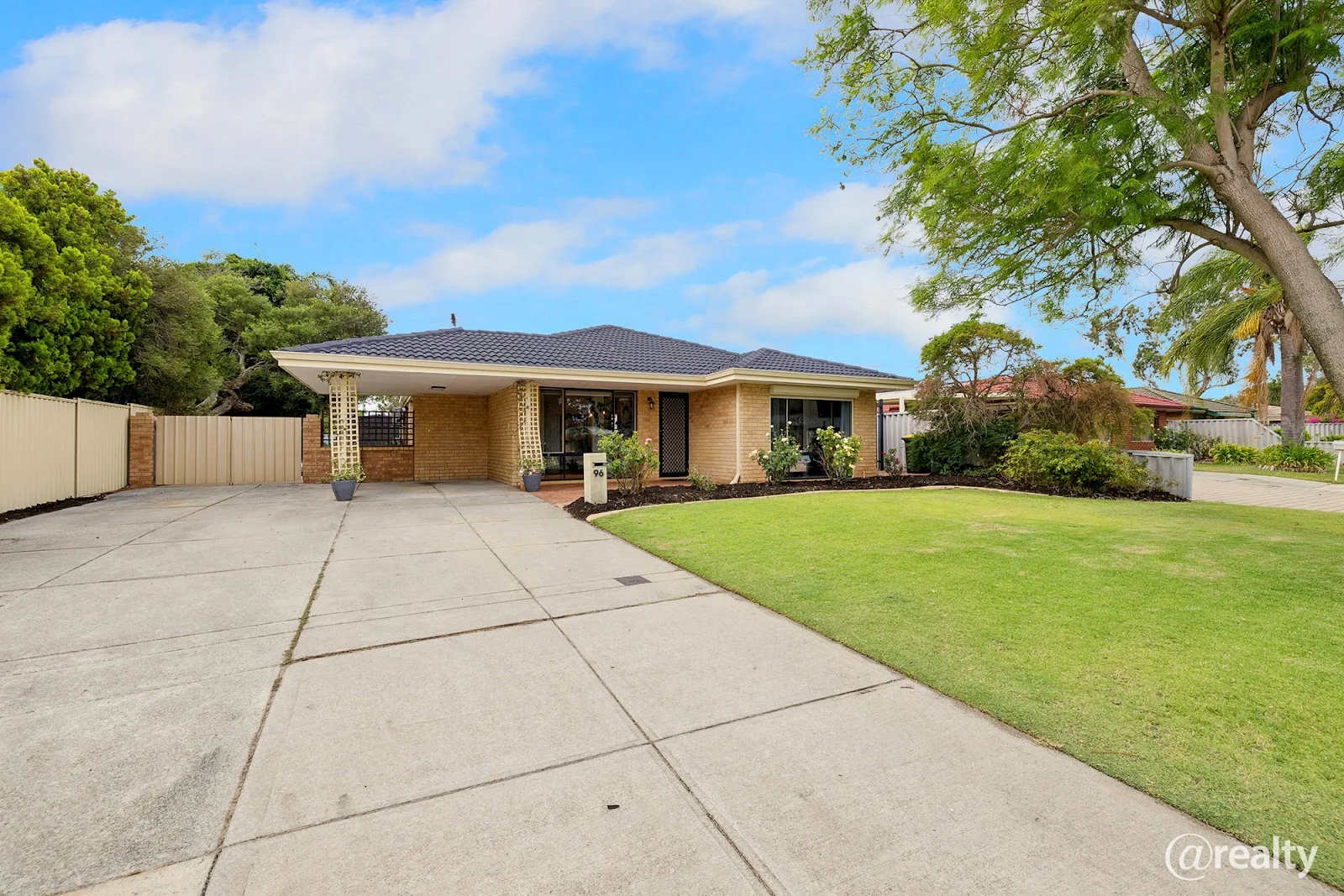 $899,000 - $943,950
House
$899,000 - $943,950
House
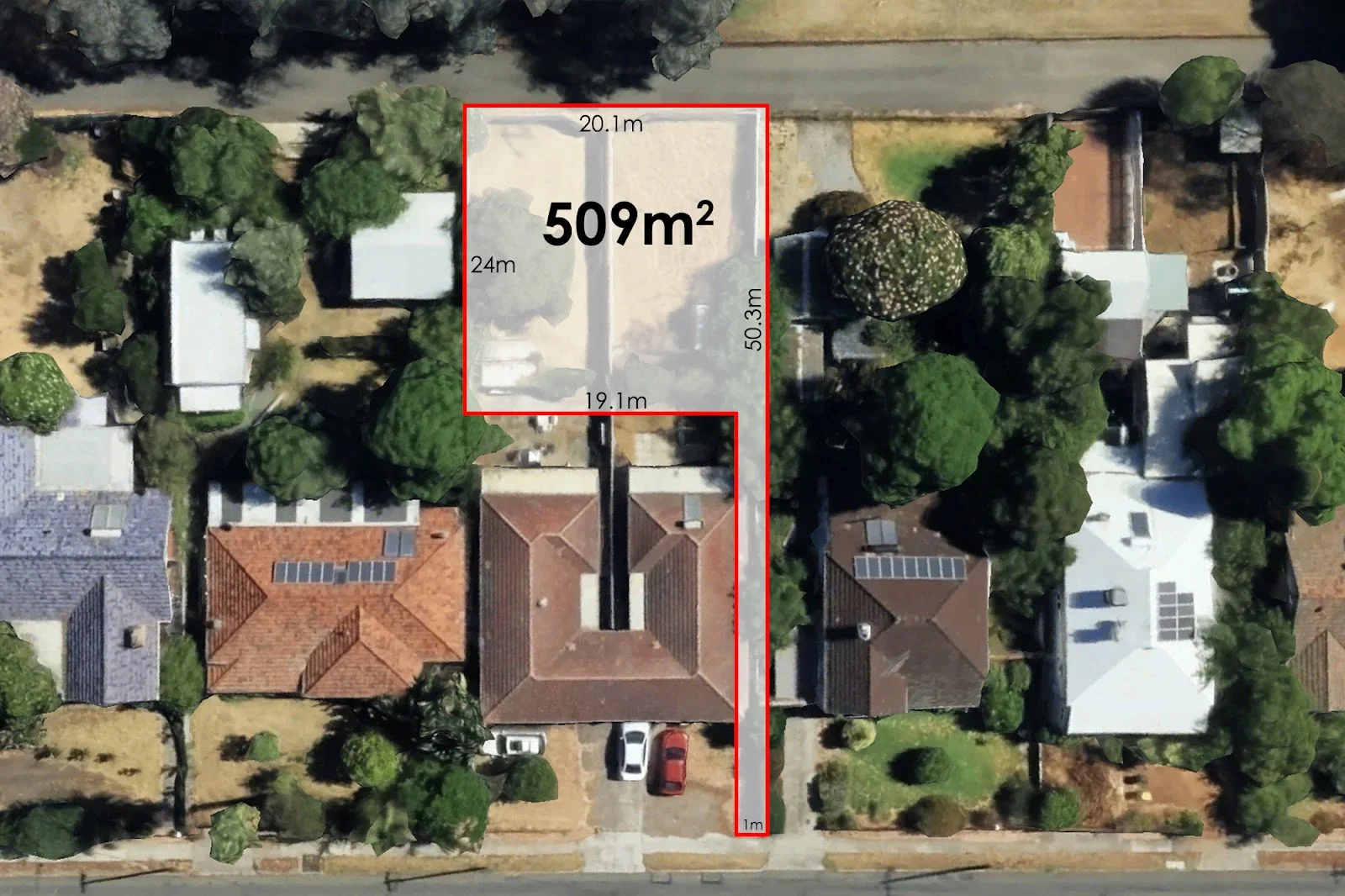 $480,000
Vacant Land
$480,000
Vacant Land
 $1,099,000 - $1,153,950
House
$1,099,000 - $1,153,950
House