## Overview
Kalamunda Senior High School is a public, co-educational high school serving the Kalamunda community in Western Australia. The school emphasises an inclusive, student-centred approach with a focus on a well-rounded education that supports academic achievement, personal growth, and community involvement. It is a medium-sized school with class sizes generally in the mid-20s, creating a collaborative learning environment where students can receive individualised attention within a supportive atmosphere.
The school fosters a nurturing and diverse culture, encouraging high aspirations across academics, arts, and sport. With strong ties to the local community, Kalamunda SHS aims to equip students with the knowledge, skills, and resilience to pursue post-school pathways with confidence.
---
## Academics & Learning
- Academic strengths: English, Mathematics, Science, and Humanities form the core, with opportunities to pursue STEM-oriented electives and creative arts. The school places emphasis on critical thinking, problem solving, and effective communication across subjects.
- Special programs: ATAR/University pathway courses and Vocational Education and Training (VET) options are available to support varied post-secondary goals. Gifted and talented opportunities may be offered where available.
- NAPLAN / trend insights: The school strives for steady improvement and strong progression in key literacy and numeracy areas, with ongoing focus on student growth over time.
- Student-teacher ratios: Typically around 1:20–1:25, enabling closer teacher support and regular feedback for students.
- Support for diverse learners: EAL (English as an Additional Language) support, learning support for students with additional needs (SEN), and access to wellbeing and tutoring resources to assist diverse learner needs.
---
## Sports & Extracurricular Strengths
- Sports offered: A range of team and individual sports including football (soccer), basketball, netball, cricket, volleyball, athletics, and cross-country, with opportunities to represent the school in district competitions.
- Strong teams or achievements: Active participation in district-level competitions with some teams achieving finals and notable performances across seasons.
- Music, arts, drama programs: Regular ensembles, choirs, and drama productions; opportunities to participate in school concerts and arts showcases.
- Clubs: Robotics, coding, chess, debating, language clubs, and other interest-based groups to build skills and peer connections.
- Partnerships: Connections with local clubs, regional sporting bodies, and competitions to broaden experiences beyond the classroom.
---
## Wellbeing & Pastoral Care
- Anti-bullying approach: A clear, school-wide anti-bullying policy with supportive programs and rapid response protocols to foster a respectful learning environment.
- House system: A house-based structure to promote belonging, peer mentorship, and pastoral care across year levels.
- Counsellors / wellbeing officers: On-site wellbeing staff and counsellors to support academic, emotional, and social wellbeing.
- Transition support for new students: Orientation activities, buddy programs, and targeted transition support to help new students settle in smoothly.
---
## Facilities
- Sports grounds: Dedicated athletic fields and courts for physical education and team sports.
- Libraries: Well-stocked library with study spaces and digital resources.
- Science labs: Modern science laboratories for practical experiments and investigations.
- Music/performing arts centers: Space for music ensembles, rehearsals, and performances.
- Tech/innovation labs: Access to computer labs and technology spaces supporting digital learning and project work.
- Cafeteria: On-site canteen or café offering a variety of healthy options.
- Updated playgrounds: Safe, age-appropriate outdoor spaces for break and recreation.
---
## School Values & Community Culture
- School values / mission: Values typically include respect, integrity, excellence, and inclusivity, guiding daily learning and student conduct.
- Leadership style: Student voice and leadership opportunities are encouraged, with a collaborative and consultative approach to decision-making.
- Behaviour expectations: Clear guidelines promoting respectful behaviour, responsibility, and accountability.
- Community reputation: Known for a supportive, engaged community with positive partnerships among families, staff, and local organisations.
- Diversity & inclusion: Active commitment to inclusive practices and opportunities for students from diverse backgrounds.
---
## School Logistics & Daily Operations
- School hours: Typically begin around 8:30am and finish around 3:00pm, with variations for specific programs.
- Before/after school care: After-school care options may be available via external providers or school-supported programs.
- Uniform requirements: Uniform dress policy is in place, with details provided by the school.
- Transport: Access to local bus routes and school transport options; information on timetables and stopping points is available through transport authorities.
- Canteen availability: On-site canteen or food services available during the day.
- Fees (low/medium/high ranges): Public schools in WA generally have low to modest contributions for materials, activities, and excursions; exact costs vary by year and program.
---
## Enrolment & Admissions
11. What is the enrolment process and timeline?
- Enrolment is typically managed through the WA Department of Education process. Parents will need to complete the required enrolment forms, provide proof of residency, and submit any documentation requested by the school. The timeline usually aligns with school intake periods for the upcoming academic year.
12. Is there a waiting list, and how does it work?
- Waiting lists can occur if the school reaches capacity. Availability depends on current enrolments and space. It’s advisable to apply early and stay in contact with the school for updates.
13. Are there any entry requirements, tests, or interviews?
- For general enrolment at a public high school, there are no entrance tests. Some selective programs or specialty pathways may require additional information or discussions. The school will outline any program-specific requirements if applicable.
14. Does the school accept mid-year transfers?
- Mid-year transfers are possible if space is available. Prospective families should contact the school to discuss vacancies, transfer procedures, and required documentation.
---
## Frequently Ask Questions
- Why Parents Choose This School?
- Strong sense of community, supportive staff, and a balanced focus on academics, wellbeing, and opportunities beyond the classroom.
- What type of student thrives at this school?
- Students who are motivated, collaborative, and participate in a range of subjects, sports, and clubs tend to thrive in a inclusive, community-oriented setting.
- What opportunities are available for students to extend their skills (academics, sports, arts)?
- Access to ATAR pathways and VET options, a variety of clubs (robotics, coding, debating), strong sports programs, and performing arts opportunities.
- How does the school communicate with parents?
- Regular updates via newsletters, emails, and the school calendar; parent-teacher interviews and digital platforms for monitoring progress.
- What is the school’s approach to teaching and learning?
- Student-centred instruction with emphasis on critical thinking, collaboration, and digital literacy; differentiation and support for diverse learners.
- How does the school support students who need extra academic help?
- Targeted learning support, EAL and SEN assistance, tutoring resources, and access to wellbeing services.
- What support is available for academic challenges?
- Tutoring, targeted intervention programs, and communication channels with teachers and support staff.
- How does the school communicate with parents?
- See above: formal and informal communications through multiple channels to keep families informed.
- What are the class sizes and how much individual attention do students receive?
- Class sizes generally mid-20s, with regular opportunities for individual feedback and teacher support.
- What extracurricular and sports opportunities are available?
- A broad spectrum of sports, music, drama, and clubs such as robotics, coding, chess, and debating.
- What facilities does the school offer (sports, science, arts)?
- Comprehensive facilities including sports grounds, libraries, science labs, music/performing arts spaces, and tech/innovation labs.
- What is the school’s approach to technology and digital learning?
- Emphasis on digital literacy, access to computer labs and online learning resources, and integration of technology across subjects.
- What transport and accessibility options are available?
- Local bus routes and standard school transport options; information available from transport authorities and the school.
- What are typical school fees or additional costs?
- Public schools in WA have low to moderate compulsory and optional costs for materials, activities, and excursions; exact amounts vary by program.
---
## Short Pros & Cons list
- Pros
- Public, inclusive environment with strong community ties
- Balanced focus on academics, wellbeing, and extracurriculars
- Reasonable class sizes supporting individual attention
- Wide range of clubs, sports, and arts programs
- Support for diverse learners and transitional assistance
- Cons
- As a public school, capacity and wait times can vary by year
- Specific programs (e.g., selective pathways) may require additional steps
- Uniform requirements and general costs for materials/excursions apply










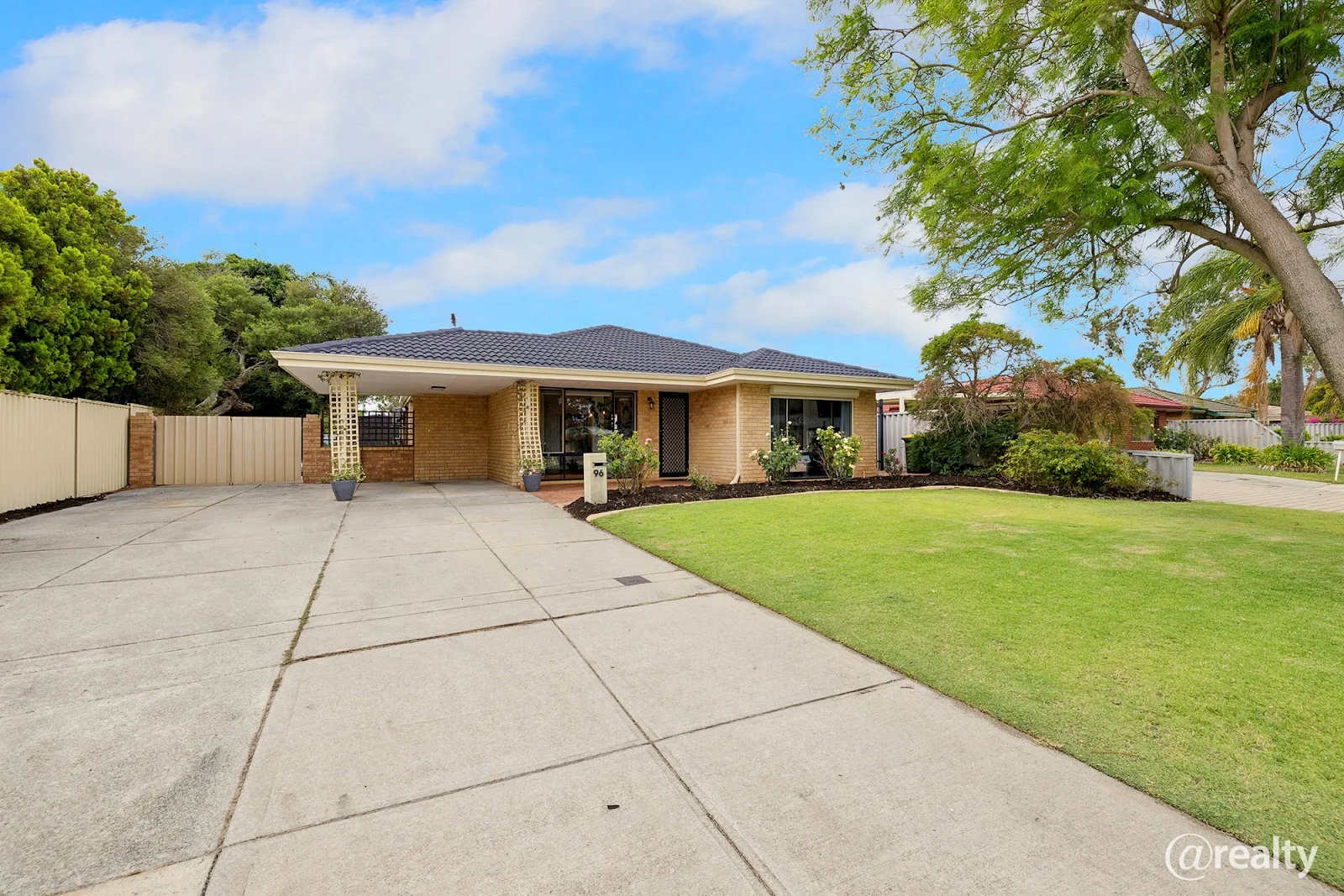 $899,000 - $943,950
House
$899,000 - $943,950
House
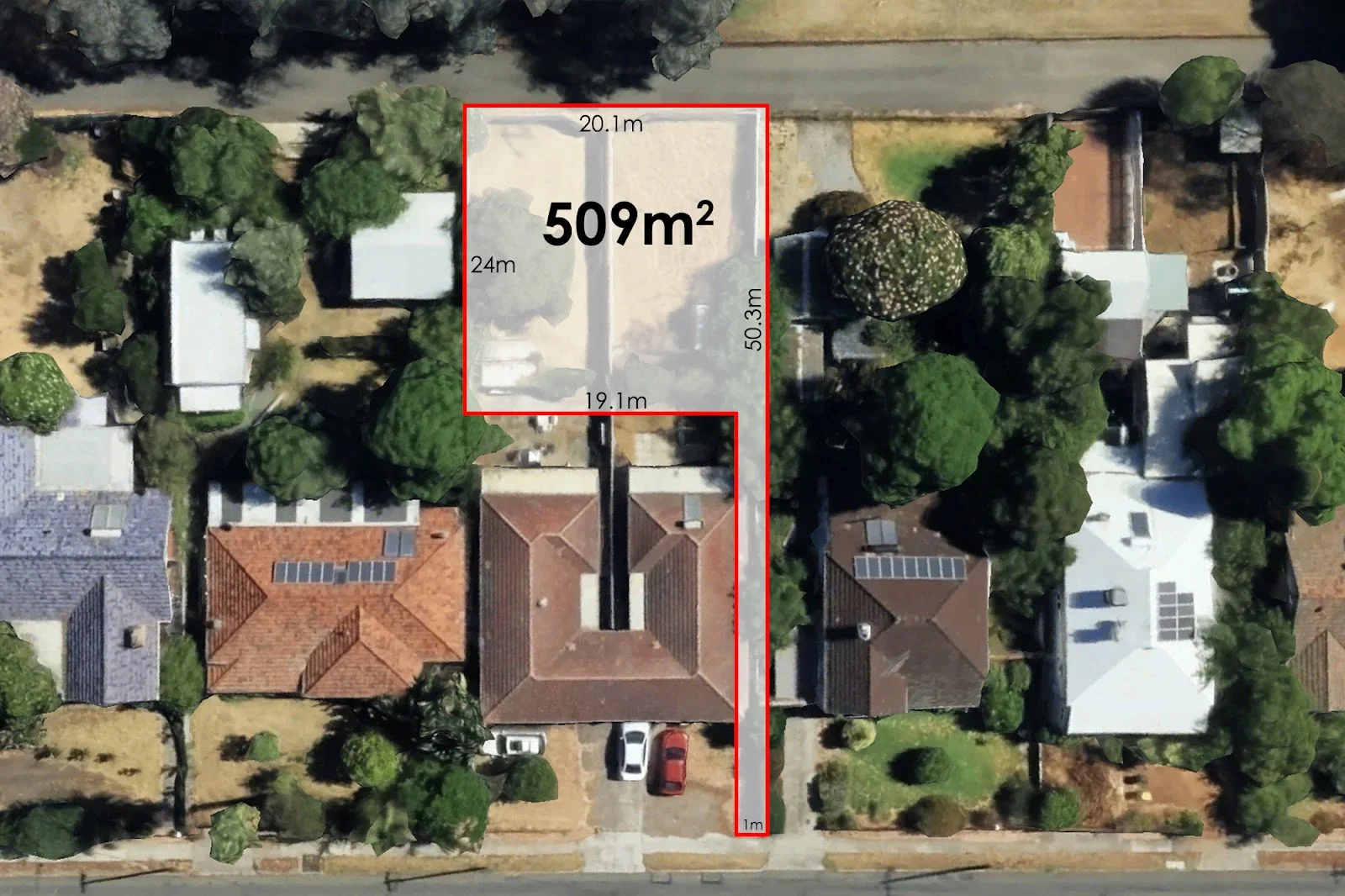 $480,000
Vacant Land
$480,000
Vacant Land
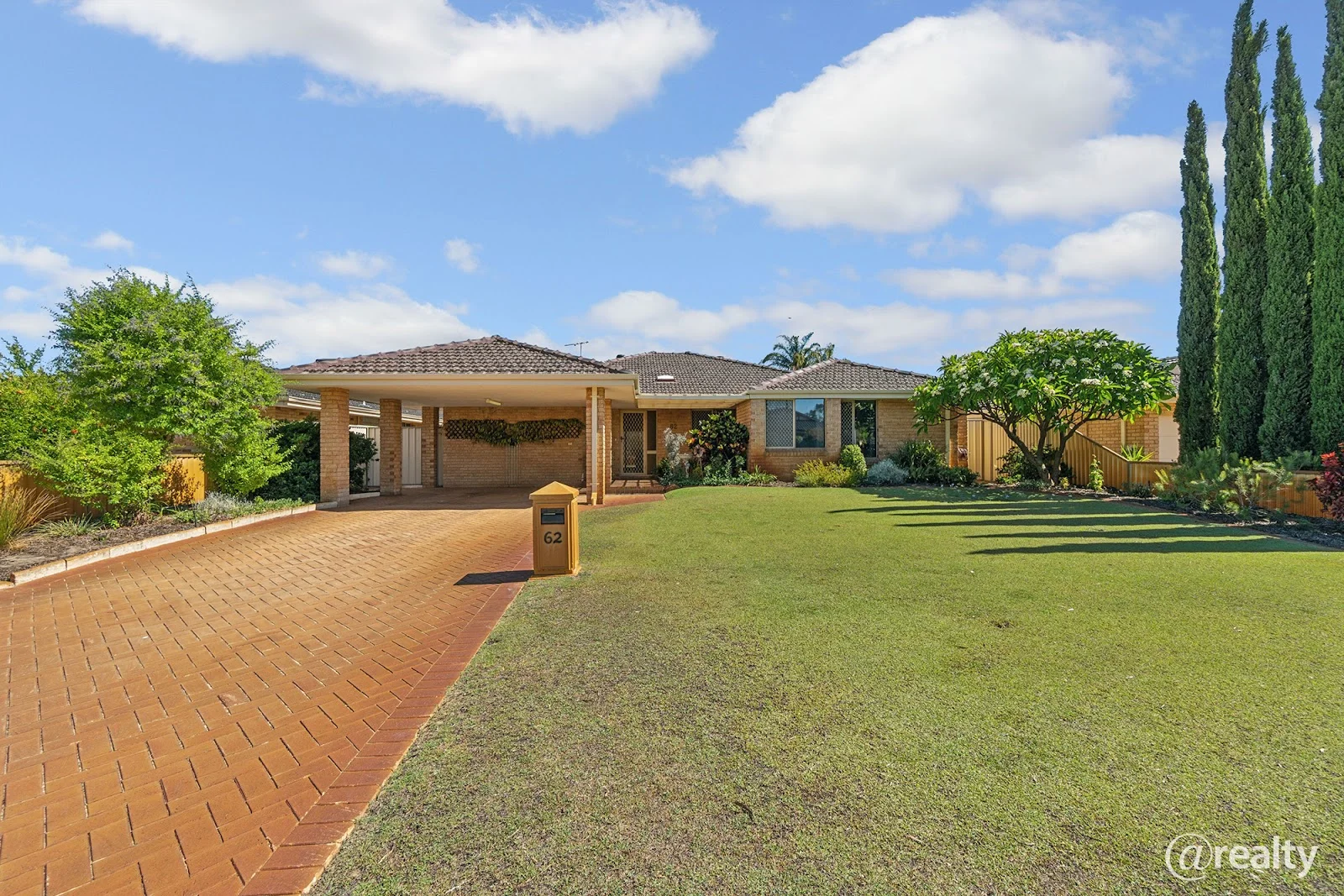 $1,099,000 - $1,153,950
House
$1,099,000 - $1,153,950
House


