# 1. Overview
Kangarilla Primary School is a public primary school serving families in the Kangarilla area. It offers a small, close-knit learning community with a strong emphasis on foundational literacy and numeracy, wellbeing, and community involvement.
The school fosters a nurturing, inclusive atmosphere. Classes are typically around 18–22 students, which supports personalised teaching and active student participation.
- School type: Public
- School size: Small
- Class size: Approximately 18–22 students per class
- Atmosphere/culture: Nurturing, inclusive, collaborative
---
# 2. Academics & Learning
Kangarilla Primary School focuses on building solid literacy and numeracy foundations while integrating STEM, digital literacy, and critical thinking into learning. The curriculum supports development across core subjects and fosters creativity, problem-solving, and collaboration.
- Academic strengths: Strong emphasis on literacy and numeracy; integrated STEM, digital literacy, and hands-on learning; opportunities to develop leadership and communication skills.
- Special programs: Gifted and Talented (G&T) opportunities; coding and robotics activities; STEM projects; arts and music programs to broaden student capabilities.
- NAPLAN / Ofsted trends: NAPLAN trends show steady improvement in literacy and numeracy across cohorts; results are used to tailor teaching approaches and support.
- Student-teacher ratios: About 1:18 (varies by year level).
- Support for diverse learners: EAL support, SEN services, inclusive education practices, targeted interventions, and access to specialist staff as needed.
---
# 3. Sports & Extracurricular Strengths
Sports and extra-curricular activity are important for well-rounded development. The school provides a range of opportunities to engage students aged 10–14 and beyond.
- Sports offered: Soccer, cricket, netball, athletics, cross-country, basketball.
- Strong teams or achievements: Regular participation in district/inter-school events and competitions; emphasis on teamwork and school pride.
- Music, arts, drama programs: School choir, music lessons, and regular performances; involvement in drama and arts activities.
- Clubs: Robotics, coding, chess, debating.
- Partnerships: Local clubs and regional competitions; collaborations with community groups for extended opportunities.
---
# 4. Wellbeing & Pastoral Care
Wellbeing is a central focus, with systems to support students’ social and emotional development and safety.
- Anti-bullying approach: Clear anti-bullying policies, consistent classroom practices, and whole-school wellbeing programs.
- House system: House groups for events and recognition, helping build belonging and peer support.
- Counsellors / wellbeing officers: Access to a school counsellor or wellbeing staff to support students’ mental health and resilience.
- Transition support for new students: Induction programs, buddy systems, and information sessions for families to ease transitions.
---
# 5. Facilities
Facilities are designed to support learning, creativity, and physical activity, with spaces that are easy to navigate for small classes.
- Sports grounds
- Libraries
- Science labs or dedicated science space
- Music/performing arts centers
- Tech/innovation labs or ICT spaces
- Canteen
- Updated playgrounds
---
# 6. School Values & Community Culture
Kangarilla Primary School aims to cultivate responsible, respectful, and curious learners within a welcoming community.
- School values / mission: Respect, Responsibility, Kindness, and Integrity; a focus on character and citizenship alongside academic achievement.
- Leadership style: Collaborative and inclusive, with student voice and leadership opportunities at multiple levels.
- Behaviour expectations: Clear, consistently enforced code of conduct; emphasis on positive behaviour and respectful interactions.
- Community reputation: Supportive, family-friendly atmosphere with active family involvement and local partnerships.
- Diversity & inclusion: Welcoming to families from diverse backgrounds; inclusive practices embedded in daily life.
---
# 7. School Logistics & Daily Operations
Practical daily details help families plan around school life.
- School hours: Typically around 9:00am–3:00pm during school terms (with variations for breaks and events).
- Before/after school care: OSHC or other after-school care options may be available through providers or the school community.
- Uniform requirements: School uniform required; standard items include polo shirts, shorts or skirts, hats, and appropriate footwear.
- Transport (train/bus routes): Some bus routes serving the area; many families walk or drive; local transport options vary by residence.
- Canteen availability: On-site or nearby canteen with healthy options; some days may feature special meals or simple cafeteria services.
- Fees (low/medium/high ranges): Public schools typically have low or modest fees for excursions, materials, and activities; families may be asked for voluntary contributions or activity-specific costs.
---
# 8. Enrolment & Admissions
11. What is the enrolment process and timeline?
- Enrolment is managed through the public education system’s process. Parents typically submit an application for their child to start at Kangarilla Primary School within the in-zone area, providing required documents (birth certificate, immunisation records, proof of address, and any other Department of Education forms). Placement decisions are communicated within the school’s timelines, with consideration given to the student’s start date and in-zone priorities. For families moving from outside the zone, in-year or out-of-area enrolment options may be available subject to space and policy.
12. Is there a waiting list, and how does it work?
- Waiting lists can occur, especially for in-demand year levels. In-zone applicants generally receive priority; out-of-zone or cross-year admissions depend on available vacancies. Keeping in touch with the school’s enrolment officer helps families understand current waiting times and potential placement options.
13. Are there any entry requirements, tests, or interviews?
- There are typically no entrance exams. An informal discussion or information session may occur to understand the child’s needs and to share school expectations. For students with EAL or SEN needs, additional assessments or documentation may be requested to tailor support.
14. Does the school accept mid-year transfers?
- Yes, mid-year transfers can be possible if space is available. Parents should contact the school’s admin to discuss vacancies and the required documentation (birth certificate, immunisation records, latest school reports, and transfer notes).
---
# 9. Frequently Ask Questions
- Why Parents Choose This School?
- A close-knit, supportive community with strong literacy and numeracy emphasis, small class sizes, and a focus on wellbeing and student growth.
- What type of student thrives at this school?
- Curious, collaborative learners who benefit from personalised attention, positive relationships, and opportunities to participate in a broad range of activities.
- What opportunities are available for students to extend their skills (academics, sports, arts)?
- Gifted and Talented opportunities, coding and robotics clubs, STEM projects, music and drama programs, sports teams, and a variety of clubs (chess, debating, etc.).
- How does the school communicate with parents?
- Regular newsletters, emails, school website updates, SMS alerts, and parent-teacher interviews; progress reports provided periodically.
- What is the school’s approach to teaching and learning?
- Whole-child approach with differentiated instruction, hands-on and inquiry-based learning, and a focus on literacy, numeracy, and digital literacy.
- How does the school support students who need extra academic help?
- Targeted interventions, small-group or one-on-one support, SEN services, and access to specialist staff and programs as needed.
- What support is available for academic challenges?
- Additional tutoring and intervention programs; collaboration with families to create individualized supports.
- How does the school communicate with parents? (Duplicate item)
- See above: newsletters, emails, calls, parent-teacher meetings, and digital platforms.
- What are the class sizes and how much individual attention do students receive?
- Class sizes are small (approximately 18–22 students per class), which allows teachers to provide more tailored instruction and timely feedback.
- What extracurricular and sports opportunities are available?
- A range of sports (soccer, cricket, netball, athletics, basketball, cross-country), plus clubs in robotics, coding, chess, and debating; music and arts programs.
- What facilities does the school offer (sports, science, arts)?
- Sports grounds, library, science space, music/performing arts facilities, tech/ICT spaces, canteen, and updated playgrounds.
- What is the school’s approach to technology and digital learning?
- Emphasis on digital literacy and responsible use of technology; integration of devices and online resources to support learning and collaboration.
- What transport and accessibility options are available?
- Bus routes where available; walking/cycling options for local families; accessibility provisions as part of the school’s arrangements.
- What are the typical school fees or additional costs?
- Generally low for a public school, with potential costs for excursions, activities, and optional programs; uniform costs are additional but predictable.
---
# 10. Short Pros & Cons list
- Pros
- Small, close-knit community and supportive environment
- Strong emphasis on literacy and numeracy
- Positive wellbeing and pastoral care
- Broad range of extracurricular activities and clubs
- Inclusive practices and opportunities for student leadership
- Cons
- Smaller school may have fewer specialist facilities than larger schools
- Some programs or activities may have limited spots due to class size
- Travel for families outside the local zone may be longer
- Availability of certain mid-year transfers depends on space
 $40+
$40+







 $775,000
House
$775,000
House
 $1,100,000
Apartment / Unit / Flat
$1,100,000
Apartment / Unit / Flat
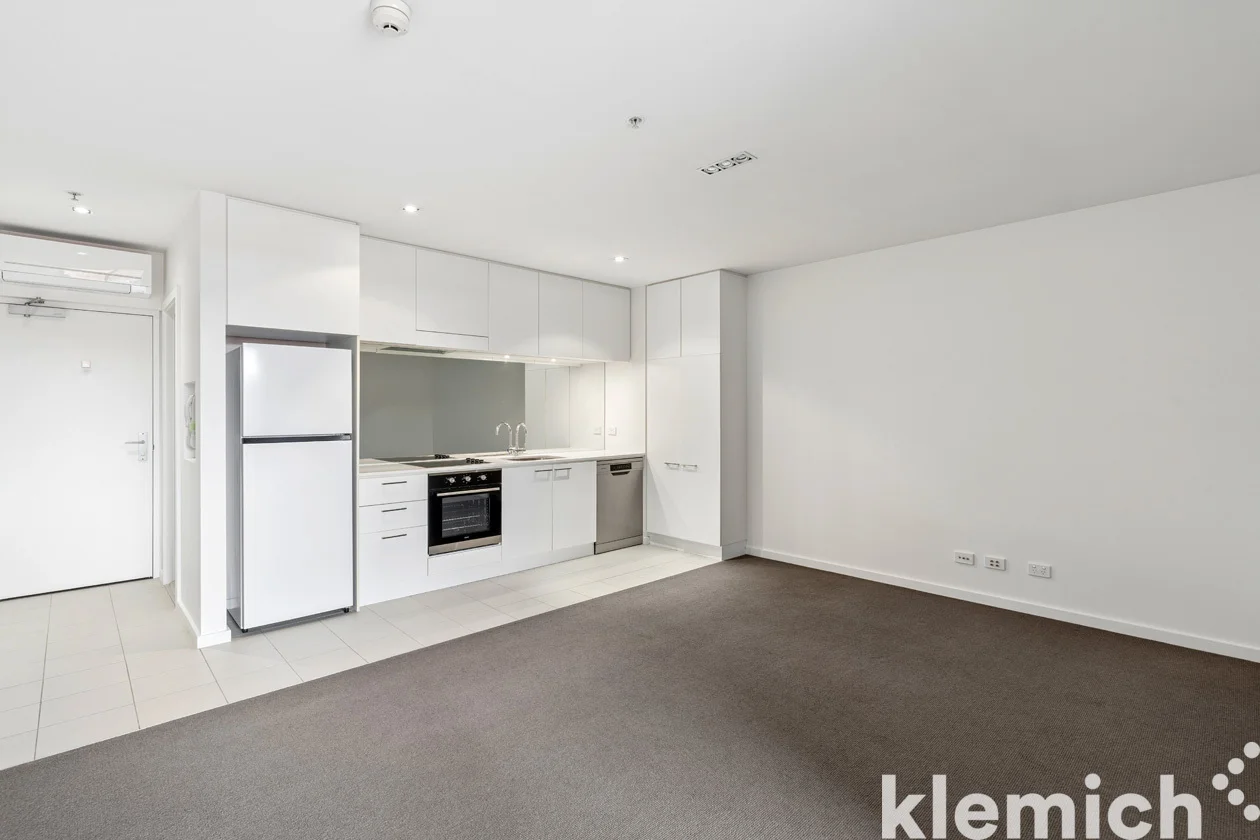 $440,000
Apartment / Unit / Flat
$440,000
Apartment / Unit / Flat
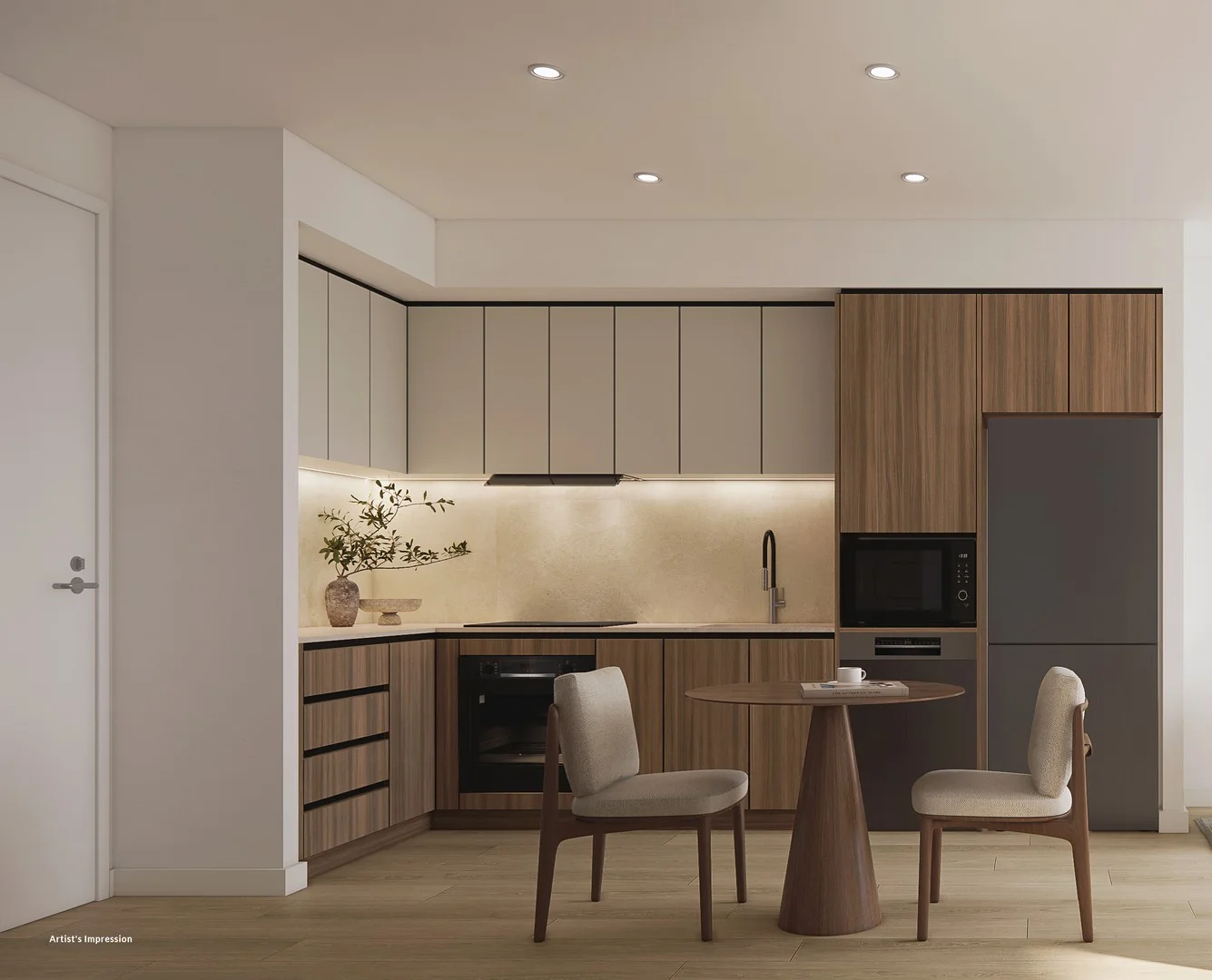 $557,000
Apartment / Unit / Flat
$557,000
Apartment / Unit / Flat
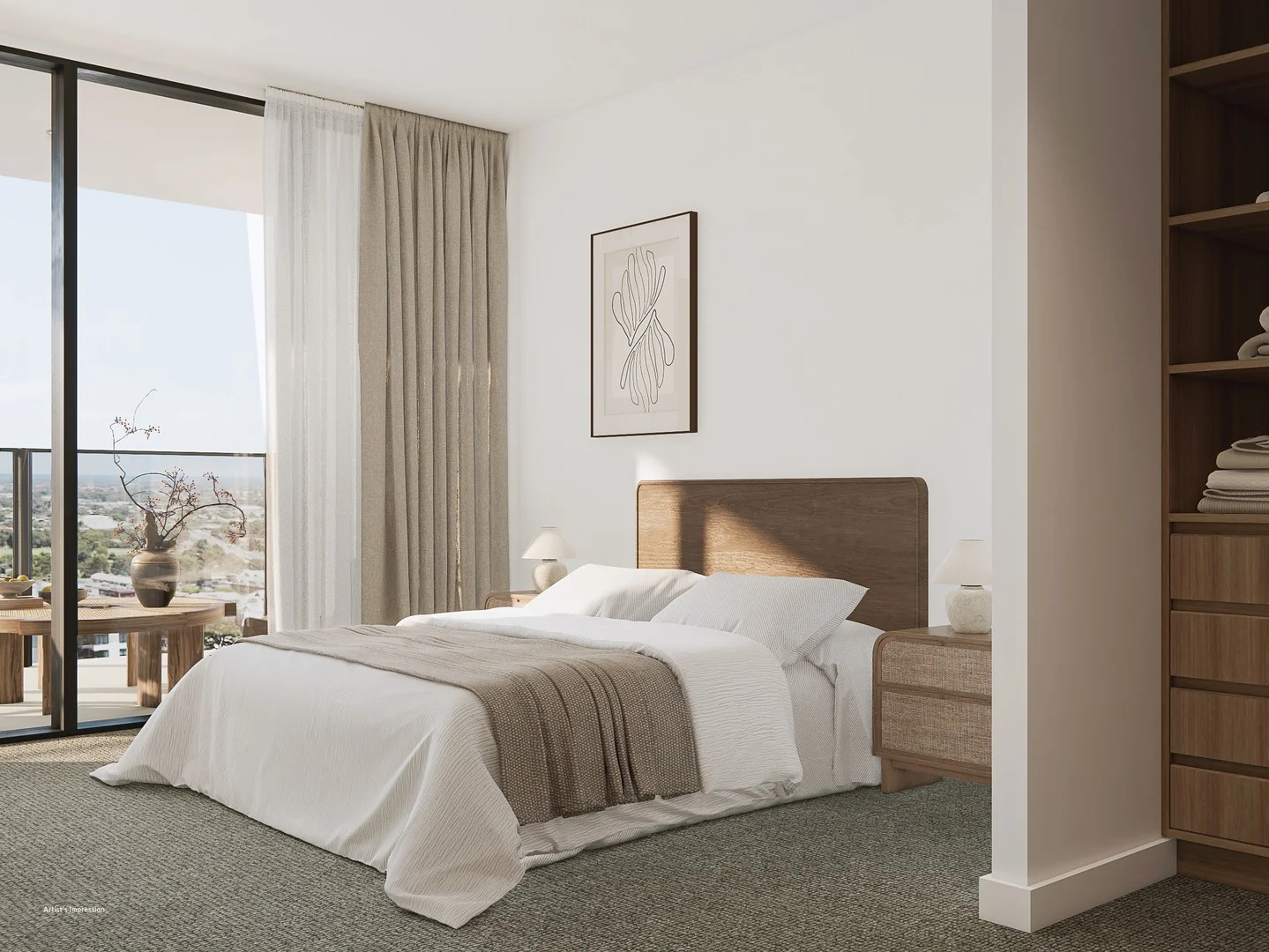 $935,000
Apartment / Unit / Flat
$935,000
Apartment / Unit / Flat
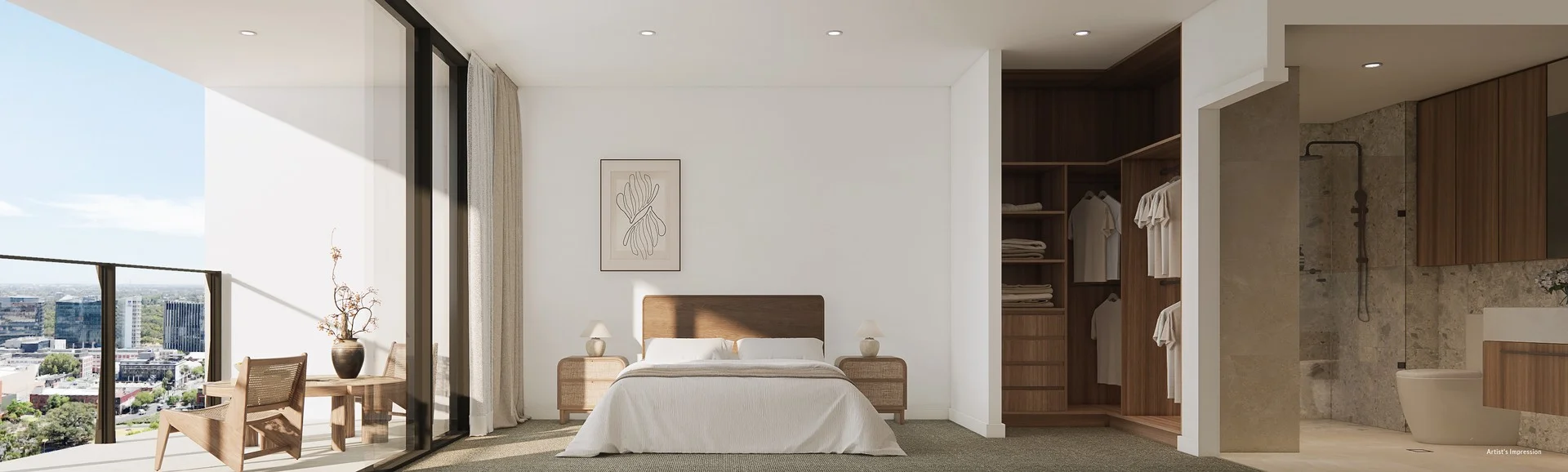 $1,056,000
Apartment / Unit / Flat
$1,056,000
Apartment / Unit / Flat
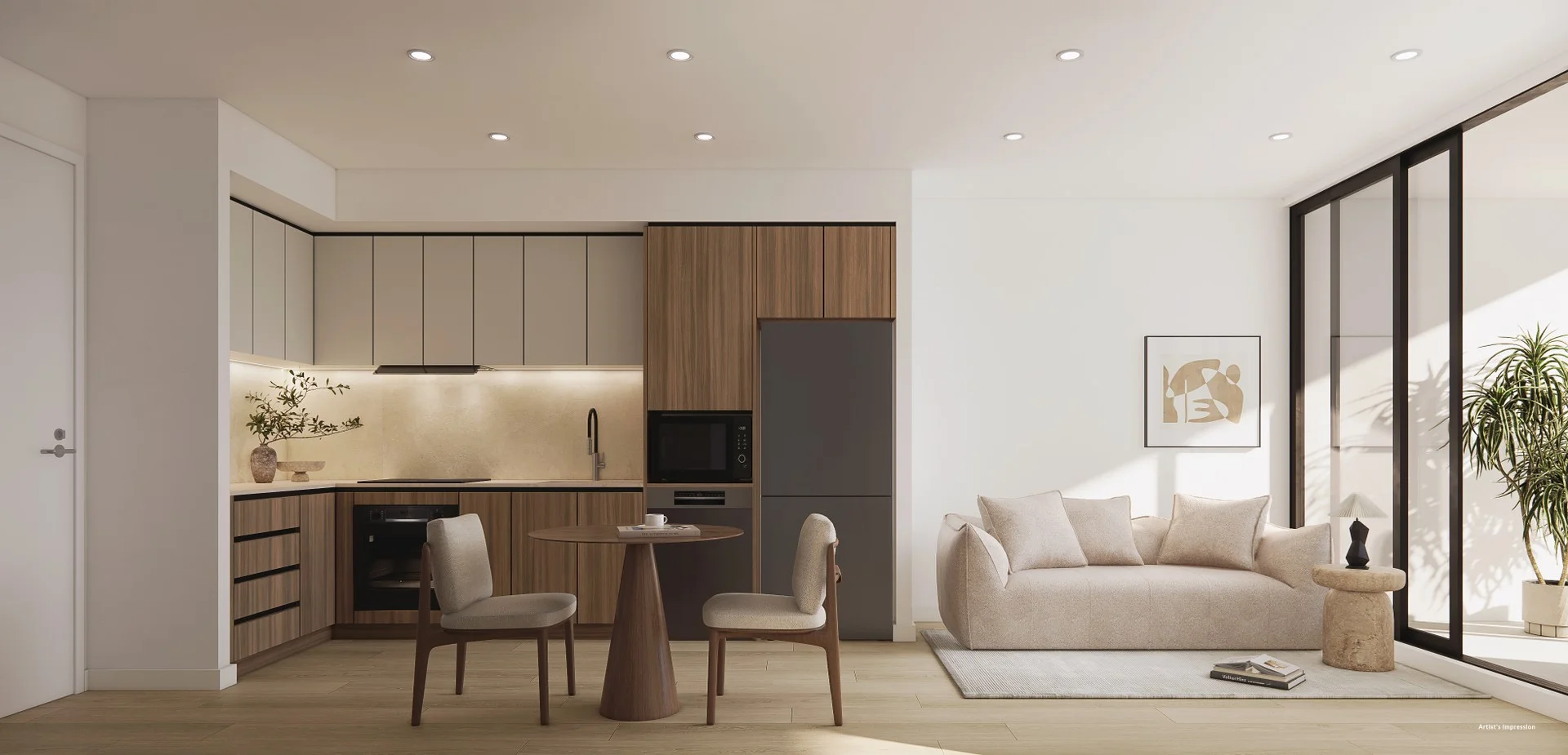 $588,000
Apartment / Unit / Flat
$588,000
Apartment / Unit / Flat
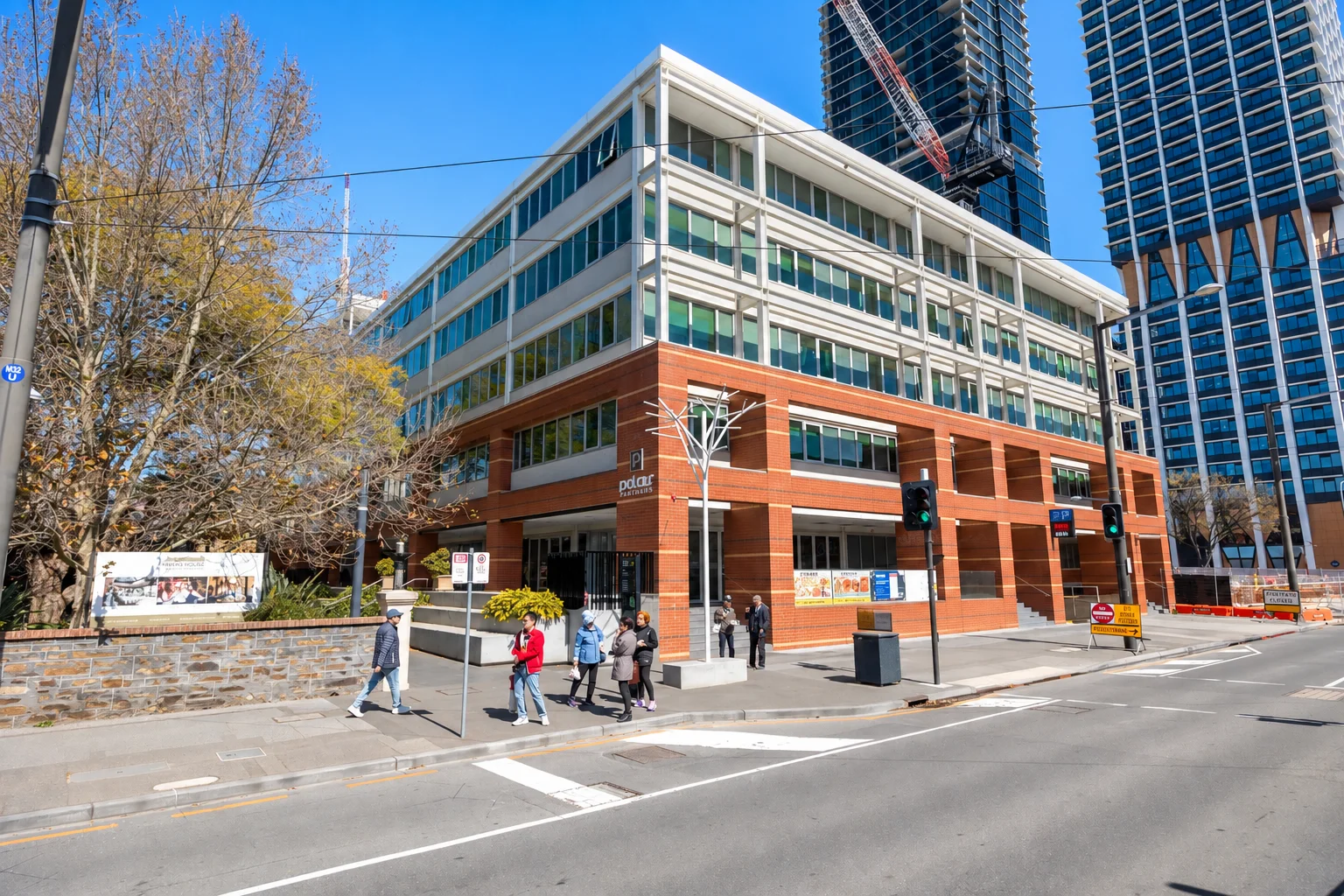 $545,000
Apartment / Unit / Flat
$545,000
Apartment / Unit / Flat