1. Overview
Blackwood High School Eden Hills (5050) is a [Public/Private/Independent] high school in Australia serving a [Small/Medium/Large] student community. The school aims to mix strong academic expectations with a supportive, inclusive culture, fostering a [nurturing, academic, diverse, inclusive, sports-focused] atmosphere where students feel encouraged to explore interests across academics and co-curricular activities.
The campus and programs are designed to balance rigorous learning with opportunities to develop leadership, collaboration, and resilience. [Further context about the school’s identity and community involvement can be inserted here.]
⸻
2. Academics & Learning
• Academic strengths: [STEM, English, leadership, languages, etc.]
• Special programs: [IB/accelerated learning/gifted and talented, etc.]
• NAPLAN / state assessment trends: [Trends (e.g., improving literacy/numeracy, narrowing gaps), without scores]
• Student-teacher ratios: [e.g., 1:X or approximate class size guidance]
• Support for diverse learners: [EAL, SEN, learning support, tutoring, targeted interventions]
⸻
3. Sports & Extracurricular Strengths
• Sports offered: [e.g., football, soccer, basketball, netball, cricket, athletics, swimming]
• Strong teams or achievements: [Highlight any notable teams or recent achievements]
• Music, arts, drama programs: [Choir, band, theatre, visual arts, drama productions]
• Clubs: robotics, chess, coding, debating, etc.: [List of active clubs]
• Partnerships: [local academies, community clubs, competitions]
Most parents skim this section for boys aged 10–14, so keep it concise and visually clear.
⸻
4. Wellbeing & Pastoral Care
• Anti-bullying approach: [Programs, policies, and culture]
• House system: [Yes/No; number of houses and purpose]
• Counsellors / wellbeing officers: [Number and roles]
• Transition support for new students: [Orientation, buddy programs, induction activities]
⸻
5. Facilities
• Sports grounds: [Fields, courts, track]
• Libraries: [Library services, spaces, resources]
• Science labs: [Number and types]
• Music/performing arts centers: [Practice rooms, theatres]
• Tech/innovation labs: [Maker spaces, computer labs]
• Cafeteria: [Catering options, healthy choices]
• Updated playgrounds: [Play areas, outdoor learning spaces]
⸻
6. School Values & Community Culture
• School values / mission: [Core values and vision]
• Leadership style: [Participative, distributed, student voice emphasis]
• Behaviour expectations: [Code of conduct, restorative practices]
• Community reputation: [Local perspective and community involvement]
• Diversity & inclusion: [Efforts to promote equity, anti-discrimination policies]
⸻
7. School Logistics & Daily Operations
• School hours: [Start and finish times]
• Before/after school care: [Availability and providers]
• Uniform requirements: [Details or links to policy]
• Transport: [Bus routes, train access, drop-off guidelines]
• Canteen availability: [Yes/No, meal options]
• Fees: [Low/Medium/High ranges or typical costs for materials, activities]
⸻
8. Enrolment & Admissions
11. What is the enrolment process and timeline?
- [Outline the steps: inquiry, application window, required documents, interview/assessment (if any), acceptance, orientation, and key dates.]
12. Is there a waiting list, and how does it work?
- [Explain whether a waiting list exists, how placement is determined (e.g., date of application, sibling policy, catchment rules), and expected wait times.]
13. Are there any entry requirements, tests, or interviews?
- [Specify any entry criteria, assessments, prerequisites, language requirements, or interview processes, if applicable.]
14. Does the school accept mid-year transfers?
- [Explain transfer policy, required documentation, approvals, and timeline for mid-year moves.]
⸻
9. Frequently Asked Questions
• Why Parents Choose This School?
- [Concise rationale: community feel, balanced academics and wellbeing, location, opportunities for growth across academics, sports, and arts.]
• What type of student thrives at this school?
- [Describe traits such as curiosity, participation, collaboration, resilience, leadership, etc.]
• What opportunities are available for students to extend their skills (academics, sports, arts)?
- [Highlight advanced courses, sports pathways, arts programs, competitions, leadership opportunities, internships, etc.]
• How does the school communicate with parents?
- [Newsletters, emails, parent portal, SMS alerts, parent-teacher meetings, annual reports.]
• What is the school’s approach to teaching and learning?
- [Student-centred, inquiry-based learning, differentiation, evidence-based practices, use of technology.]
• How does the school support students who need extra academic help?
- [Learning support programs, tutoring, small-group interventions, SEN/EAL services, progress monitoring.]
• What support is available for academic challenges?
- [Early identification, targeted supports, remedial programs, teacher collaboration, family communication.]
• How does the school communicate with parents?
- [As above; ensure consistent channels and proactive updates.]
• What are the class sizes and how much individual attention do students receive?
- [Average class size or student-teacher ratio; description of targeted support options.]
• What extracurricular and sports opportunities are available?
- [Summary of clubs, teams, and programs across academics, arts, and sports.]
• What facilities does the school offer (sports, science, arts)?
- [Brief, high-level list of key facilities with emphasis on accessibility and usage.]
• What is the school’s approach to technology and digital learning?
- [Devices, BYOD policy (if applicable), digital literacy, online learning platforms, safety measures.]
• What transport and accessibility options are available?
- [Public transport access, bus routes, car drop-off/pick-up, accessibility features.]
• What are the typical school fees or additional costs?
- [Context on government funding, materials/essential costs, optional activities, and any notable charges.]
⸻
10. Short Pros & Cons list
Pros
- [Pro 1]
- [Pro 2]
- [Pro 3]
Cons
- [Con 1]
- [Con 2]
- [Con 3]
⸻









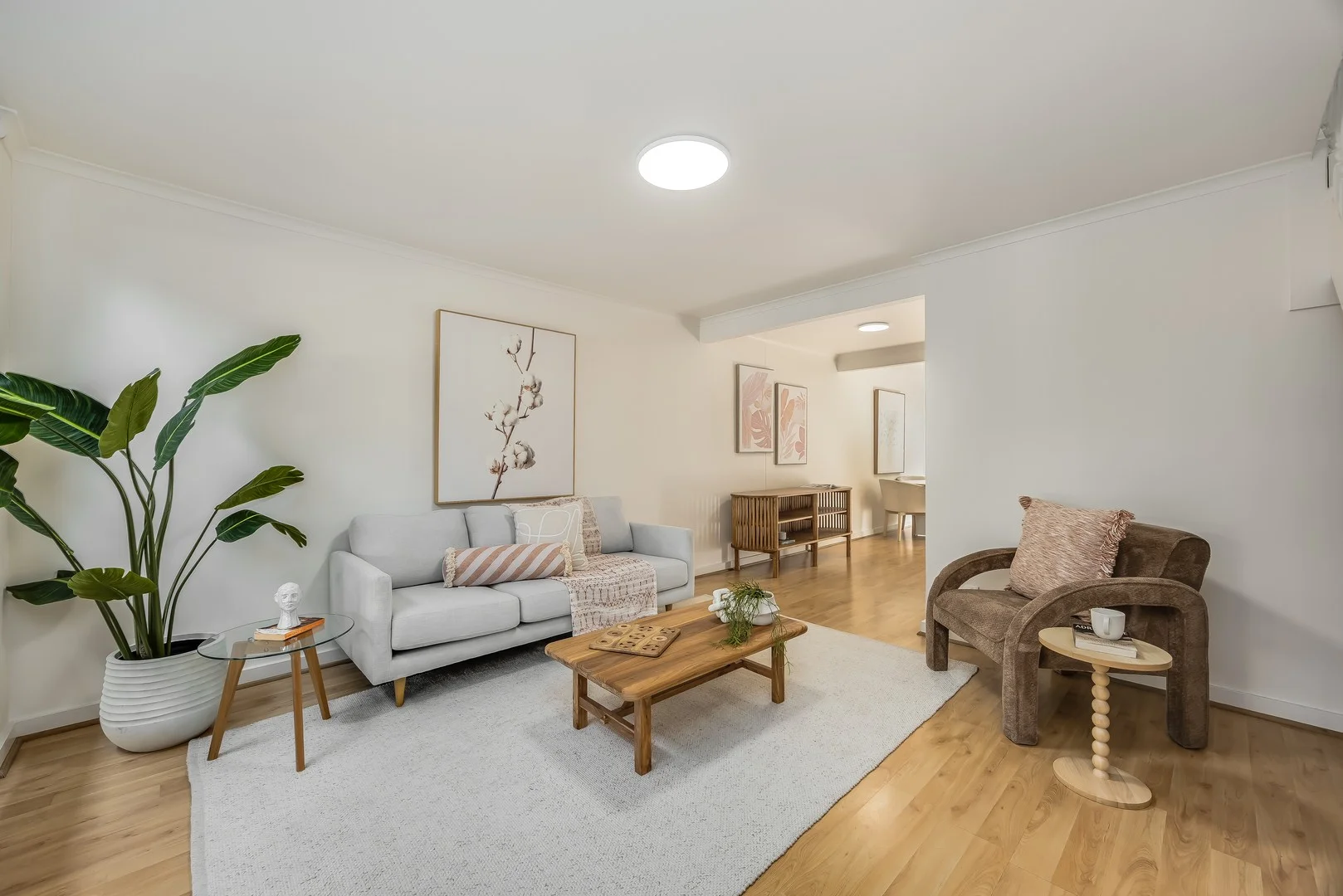 $775,000
House
$775,000
House
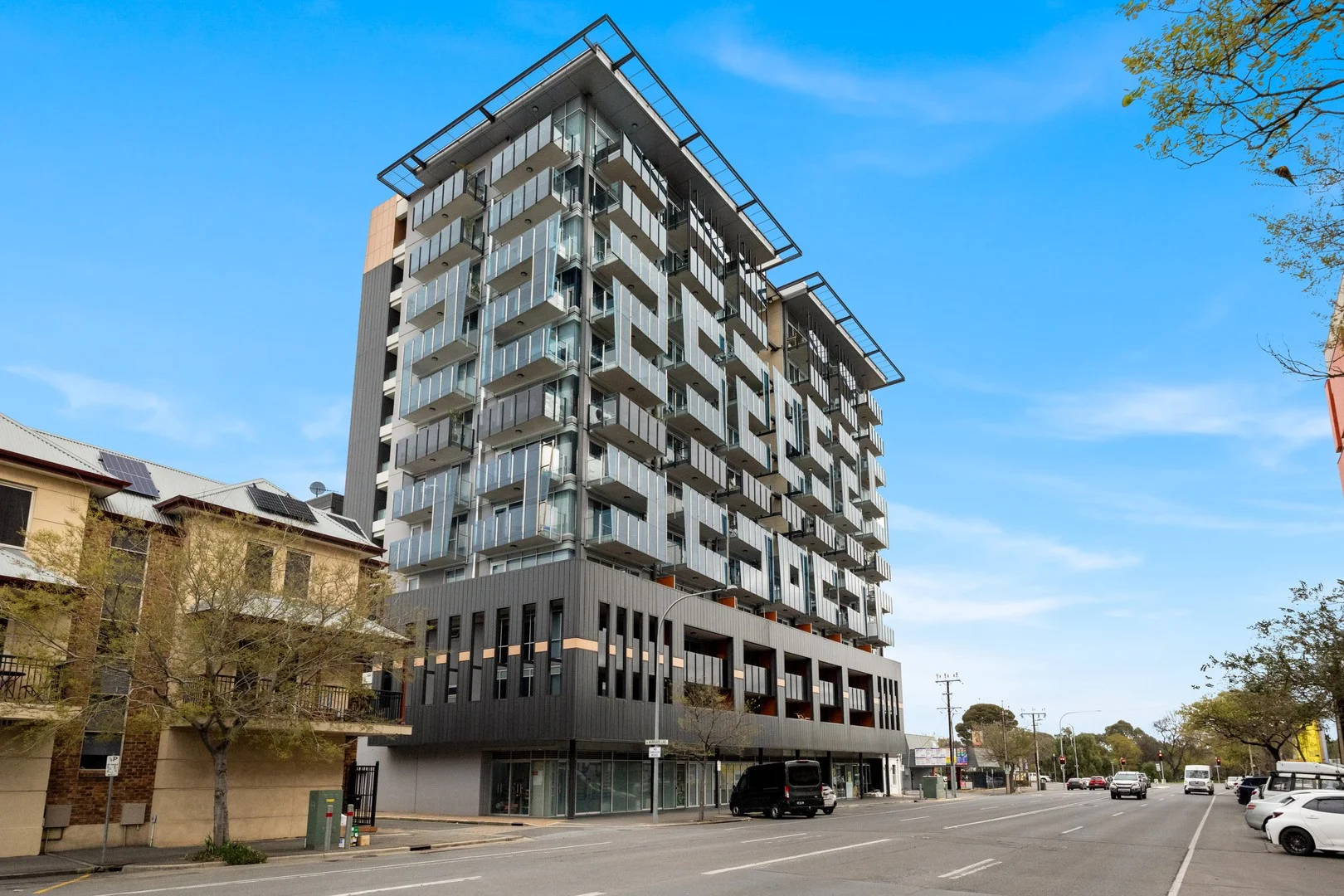 $1,100,000
Apartment / Unit / Flat
$1,100,000
Apartment / Unit / Flat
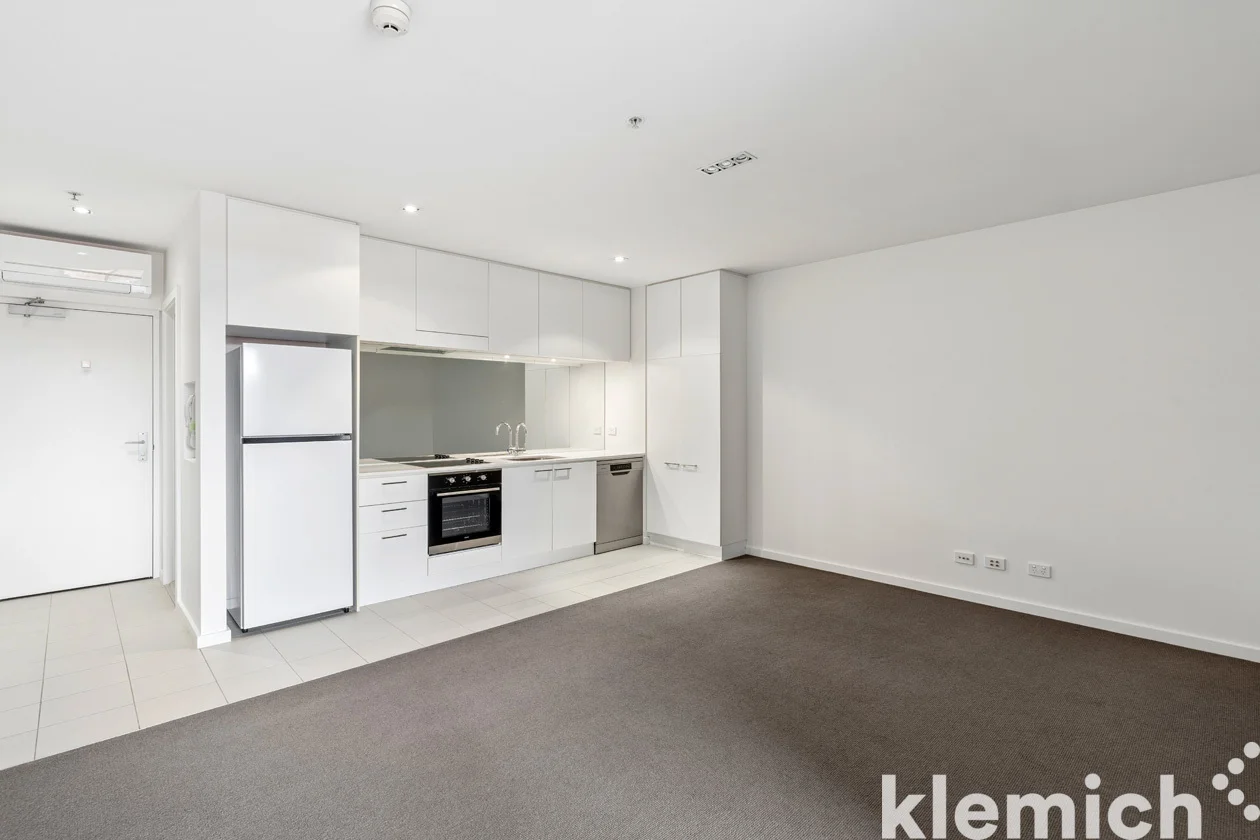 $440,000
Apartment / Unit / Flat
$440,000
Apartment / Unit / Flat
 $935,000
Apartment / Unit / Flat
$935,000
Apartment / Unit / Flat
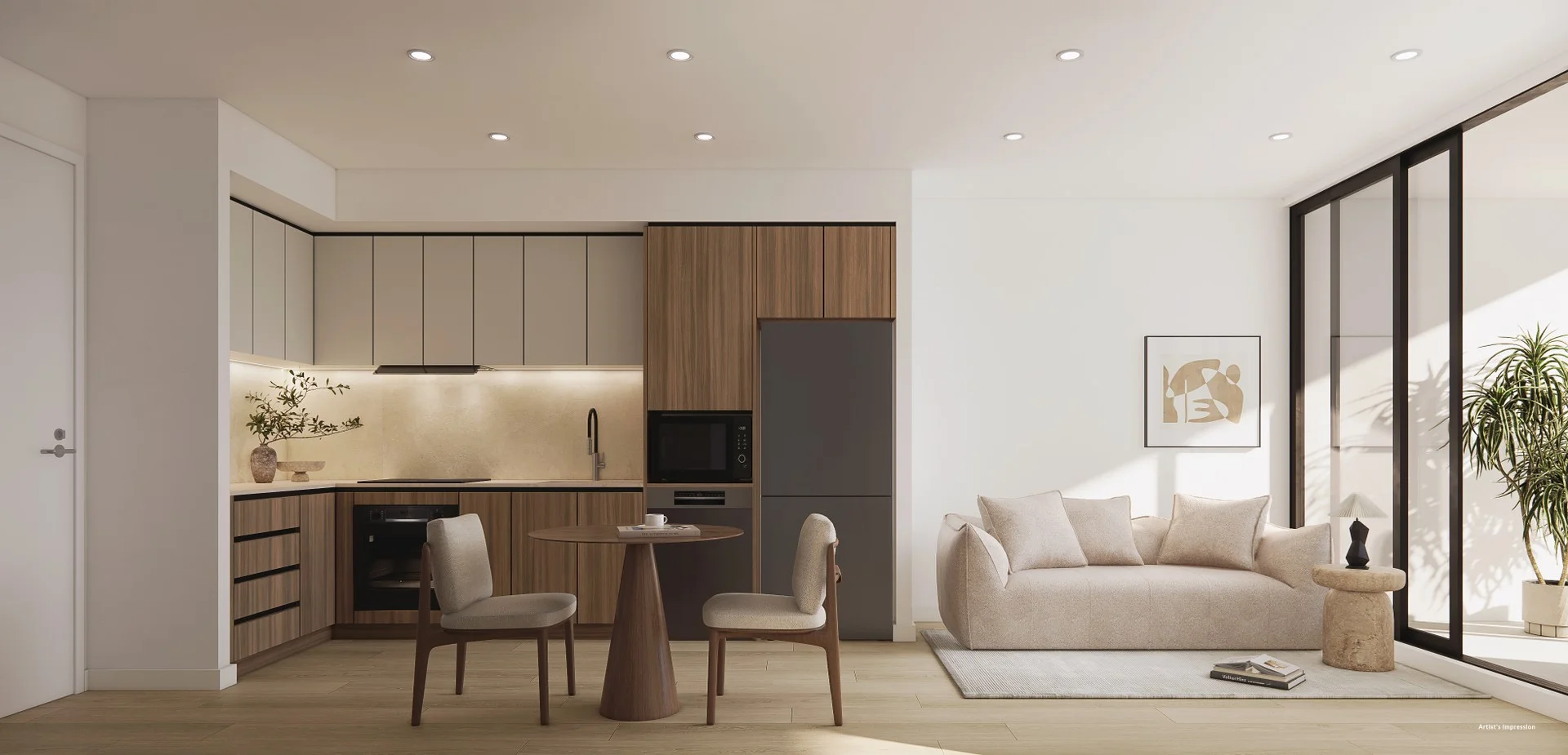 $588,000
Apartment / Unit / Flat
$588,000
Apartment / Unit / Flat
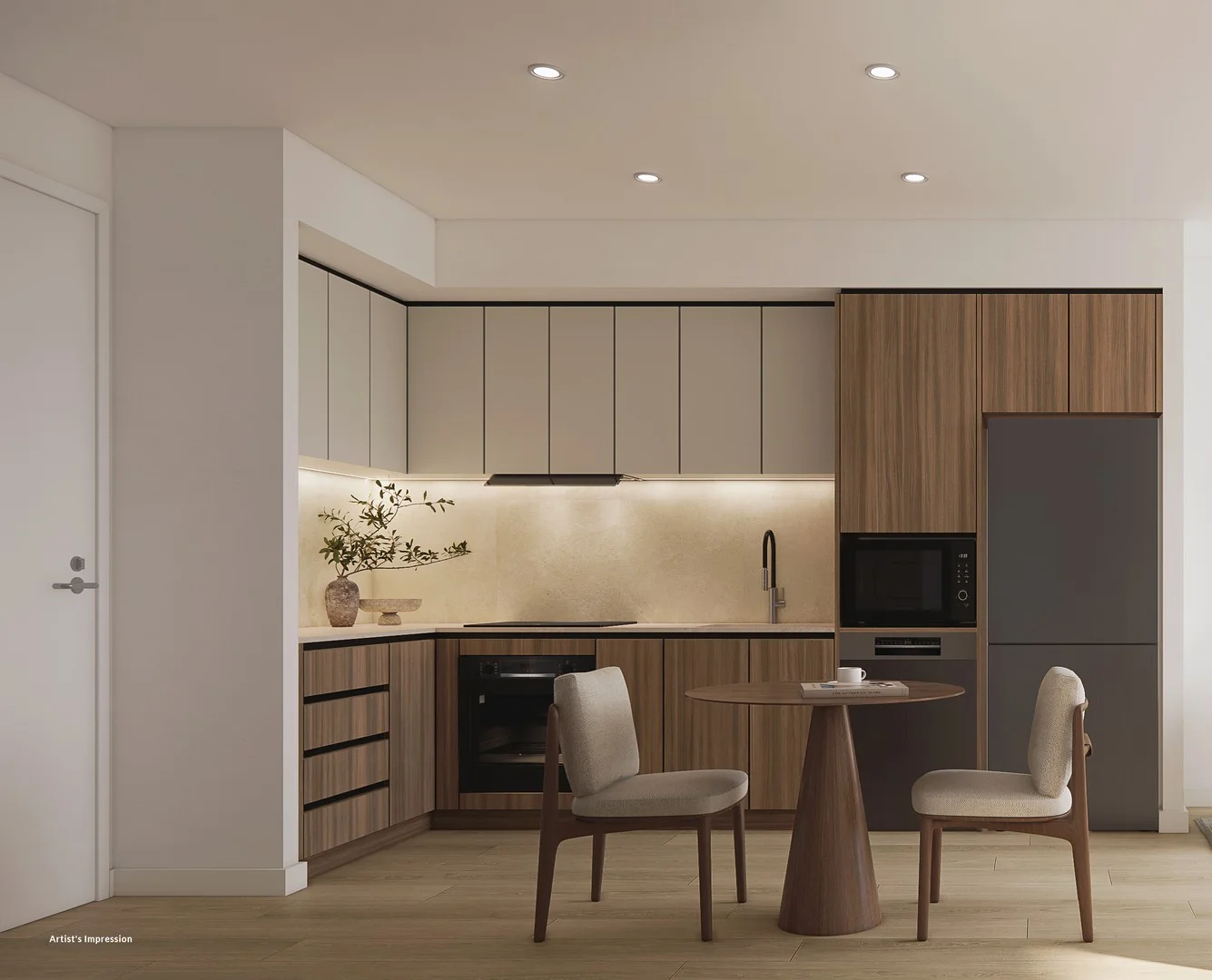 $557,000
Apartment / Unit / Flat
$557,000
Apartment / Unit / Flat
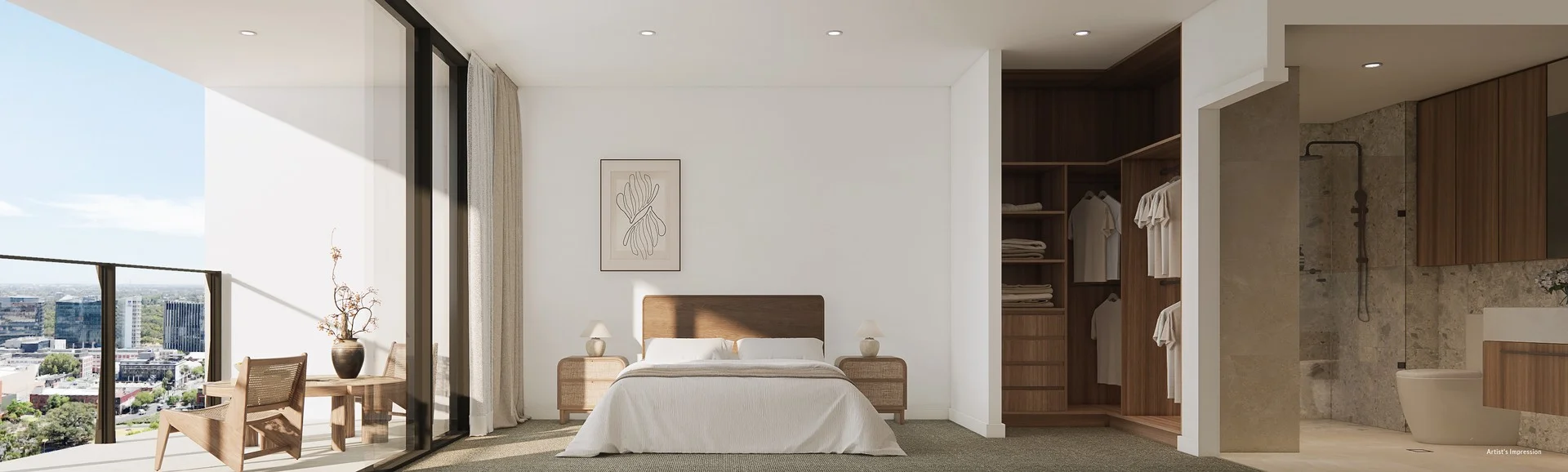 $1,056,000
Apartment / Unit / Flat
$1,056,000
Apartment / Unit / Flat
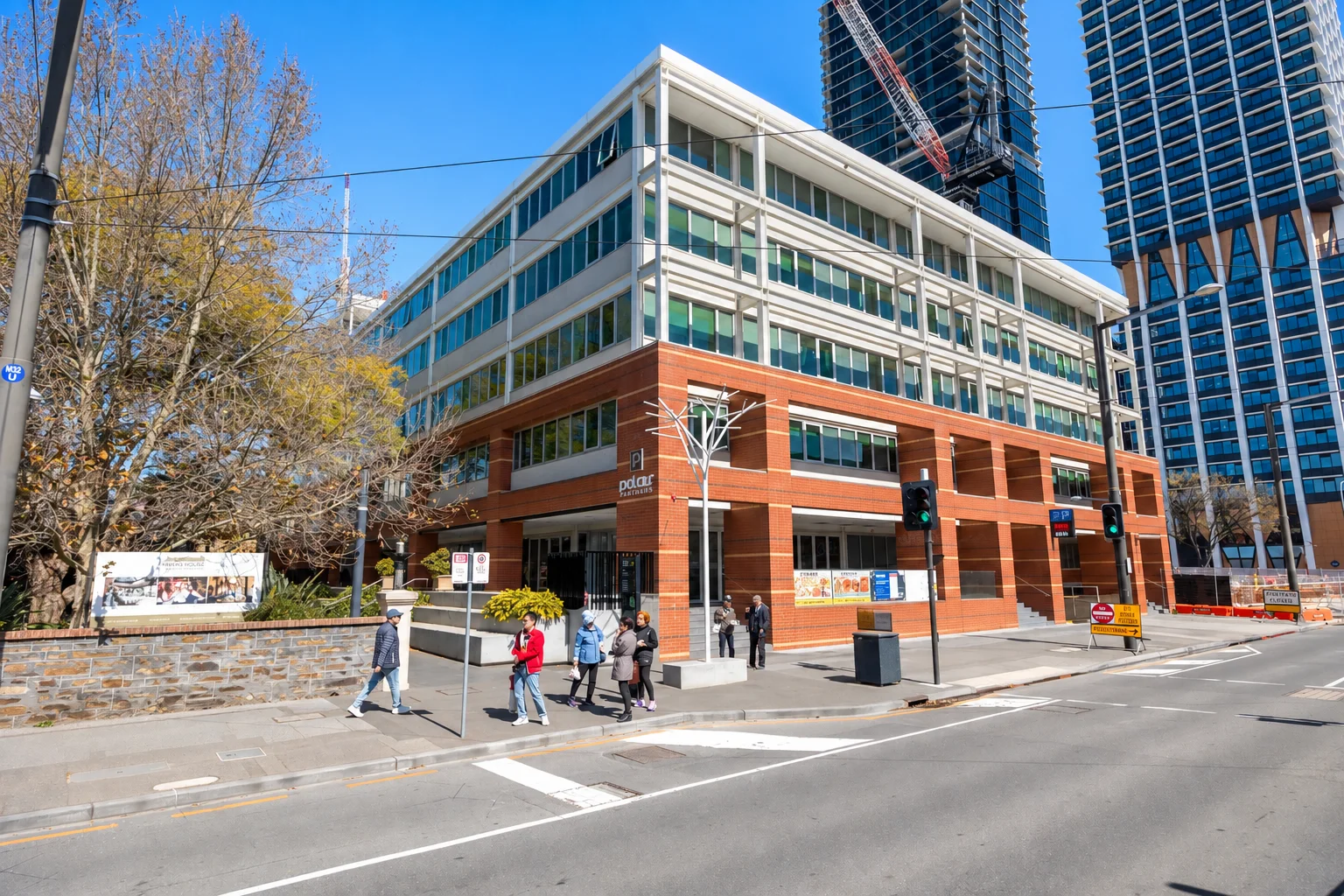 $545,000
Apartment / Unit / Flat
$545,000
Apartment / Unit / Flat