## 1. Overview
Blackwood Primary School is a public primary school serving the Eden Hills community. As a small-to-medium sized school, it aims to provide a close-knit learning environment with a strong emphasis on inclusive education and community connections. Class sizes are typically in the mid-20s, enabling teachers to offer targeted support while delivering a broad, engaging curriculum. The atmosphere is nurturing and inclusive, with a focus on developing confident, responsible learners who contribute positively to the school and wider community.
## 2. Academics & Learning
- Academic strengths: Strong emphasis on literacy and numeracy, with integrated STEM and digital technologies. Focus on developing students’ critical thinking, problem-solving, and communication skills, along with opportunities to engage in leadership and collaborative learning.
- Special programs: Gifted and talented opportunities, targeted extension activities, and in-class differentiation. Support services for literacy and numeracy development are provided as needed.
- NAPLAN / trends: Consistent performance around state averages with ongoing focus on improvement in reading and numeracy through targeted interventions and classroom differentiation.
- Student-teacher ratios: Typical class sizes mid-20s with a student-teacher ratio that supports individual attention and small-group learning.
- Support for diverse learners: EAL (English as an Additional Language) support, SEN (special education needs) planning, inclusive classrooms, and access to support staff to aid learning and participation.
## 3. Sports & Extracurricular Strengths
- Sports offered: A range of team and individual sports including soccer, AFL-influenced activities, netball, cricket, athletics, and more, with opportunities for participation in interschool events.
- Strong teams or achievements: Participation in local interschool competitions and events, with recognition for team spirit, sportsmanship, and competitive achievements varying by year.
- Music, arts, drama programs: School ensembles, choir, music groups, and drama activities that contribute to performances and productions throughout the year.
- Clubs: Robotics, coding, chess, debating, and other after-school clubs to extend learning beyond the classroom.
- Partnerships: Partnerships with local community groups and regional clubs to support competitions, performances, and enrichment activities.
## 4. Wellbeing & Pastoral Care
- Anti-bullying approach: Whole-school wellbeing programs and a positive behaviour framework aimed at preventing bullying and fostering respectful relationships.
- House system: House groups engage in positive competition and school-wide events, supporting belonging and teamwork.
- Counsellors / wellbeing officers: Access to school wellbeing staff or counsellors to support emotional and social development, with pathways to external services when needed.
- Transition support for new students: Orientation activities, buddy systems, and family information sessions to help new students settle in smoothly.
## 5. Facilities
- Sports grounds: On-site playing fields and courts for a variety of activities.
- Libraries: Well-stocked library with reading programs and research support.
- Science labs: Dedicated spaces for hands-on experiments and inquiry-based learning.
- Music/performing arts centers: Facilities to support music education and school productions.
- Tech/innovation labs: Access to digital learning tools and hands-on technology activities.
- Cafeteria: On-site canteen or lunch options with healthy choices.
- Updated playgrounds: Safe and engaging outdoor play areas with contemporary equipment.
## 6. School Values & Community Culture
- School values / mission: Clear emphasis on respect, responsibility, teamwork, and a culture of lifelong learning.
- Leadership style: Student voice opportunities (e.g., student council), teacher leadership, and shared decision-making at school level.
- Behaviour expectations: A documented code of conduct focused on positive behaviours, restorative practices, and consistent expectations.
- Community reputation: Strong links with families and local community groups; a welcoming, supportive environment.
- Diversity & inclusion: Commitment to inclusive practices, celebrating cultural diversity, and ensuring all students have opportunities to participate.
## 7. School Logistics & Daily Operations
- School hours: Typical day starts in the morning and finishes in the mid-afternoon, aligned with South Australian public school timetables.
- Before/after school care: Access to before/after school care arrangements through OSHC or local providers.
- Uniform requirements: School uniform policy with specified items and guidance for everyday wear and events.
- Transport (train/bus routes): Bus services and local transport options available to support commuting from surrounding suburbs and rural areas.
- Canteen availability: Canteen or lunch-order services with healthy meal options.
- Fees (low/medium/high ranges): Fees relate to voluntary contributions and any additional activity charges; generally considered moderate within the public school sector.
## 8. Enrolment & Admissions
11. What is the enrolment process and timeline?
- Enrolment typically involves confirming catchment eligibility, submitting required documents (proof of residence, child’s birth certificate or passport, immunization records), and completing the school’s enrolment form. The process is coordinated with the Department for Education, and schools usually provide information about start-of-year timelines, orientation, and placement.
12. Is there a waiting list, and how does it work?
- If no places are currently available, a waiting list may be established. Priority is generally given to students within the school’s catchment area. When a space becomes available, families on the waiting list are contacted in order of their placement.
13. Are there any entry requirements, tests, or interviews?
- Public primary schools typically do not require entrance tests. Some entries may involve brief discussions or assessments to plan for EAL, SEN, or gifted and talented support needs, but formal testing for admission is uncommon.
14. Does the school accept mid-year transfers?
- Yes, subject to available space. Mid-year transfers depend on current enrolment capacity and may require a short transition plan to support the student’s adjustment.
## 9. Frequently Asked Questions
- Why Parents Choose This School?
- A welcoming, inclusive community with a strong focus on student wellbeing, solid literacy and numeracy foundations, a broad extracurricular program, and strong parent involvement.
- What type of student thrives at this school?
- Students who respond well to a supportive, team-oriented environment, with interest in both academics and practical, hands-on learning through clubs and sports.
- What opportunities are available for students to extend their skills (academics, sports, arts)?
- Extended learning through gifted and talented activities, STEM and digital learning, after-school clubs (robotics, coding, chess, debating), music and drama programs, and a variety of sports.
- How does the school communicate with parents?
- Regular notices via newsletters, emails, parent portals, and school assemblies; opportunities for parent-teacher conferences and information evenings.
- What is the school’s approach to teaching and learning?
- A balanced approach combining explicit instruction with inquiry-based learning, differentiation to meet diverse needs, and a focus on developing independent and collaborative learners.
- How does the school support students who need extra academic help?
- Targeted interventions in literacy and numeracy, in-class differentiation, small-group support, and access to specialist staff as needed.
- What support is available for academic challenges?
- In-class differentiation, reading and numeracy support programs, and coordinated plans for students needing extra help or extension.
- How does the school communicate with parents?
- See above: multiple channels including newsletters, email, digital portals, and scheduled meetings.
- What are the class sizes and how much individual attention do students receive?
- Class sizes are typically in the mid-20s, with teachers able to provide targeted instruction and small-group support within the class.
- What extracurricular and sports opportunities are available?
- A range of sports, music and drama, robotics, coding, chess, debating, and other after-school clubs.
- What facilities does the school offer (sports, science, arts)?
- Sports grounds, libraries, science labs, music/performing arts spaces, tech/innovation labs, a canteen, and modern playgrounds.
- What is the school’s approach to technology and digital learning?
- Integration of digital tools and resources to support inquiry, collaboration, and 21st-century skills, with appropriate supervision and digital citizenship education.
- What transport and accessibility options are available?
- Bus routes and local transport options; the school typically supports families with accessible drop-off and pick-up arrangements as needed.
- What are the typical school fees or additional costs?
- Voluntary contributions and charges for certain activities or materials; families should review the enrolment pack for specifics.
## 10. Short Pros & Cons list
- Pros
- Strong sense of community and inclusion
- Focus on literacy, numeracy, and wellbeing
- Broad range of extracurricular activities
- Supportive staff with emphasis on student outcomes
- Positive, collaborative school culture with parent involvement
- Cons
- Class sizes mid-20s may limit one-on-one time in very large cohorts
- Being a smaller to mid-sized school, some specialty programs may vary by year or require cross-year planning
- Transport and commute considerations for families living farther away in the Adelaide Hills area
 $40+
$40+








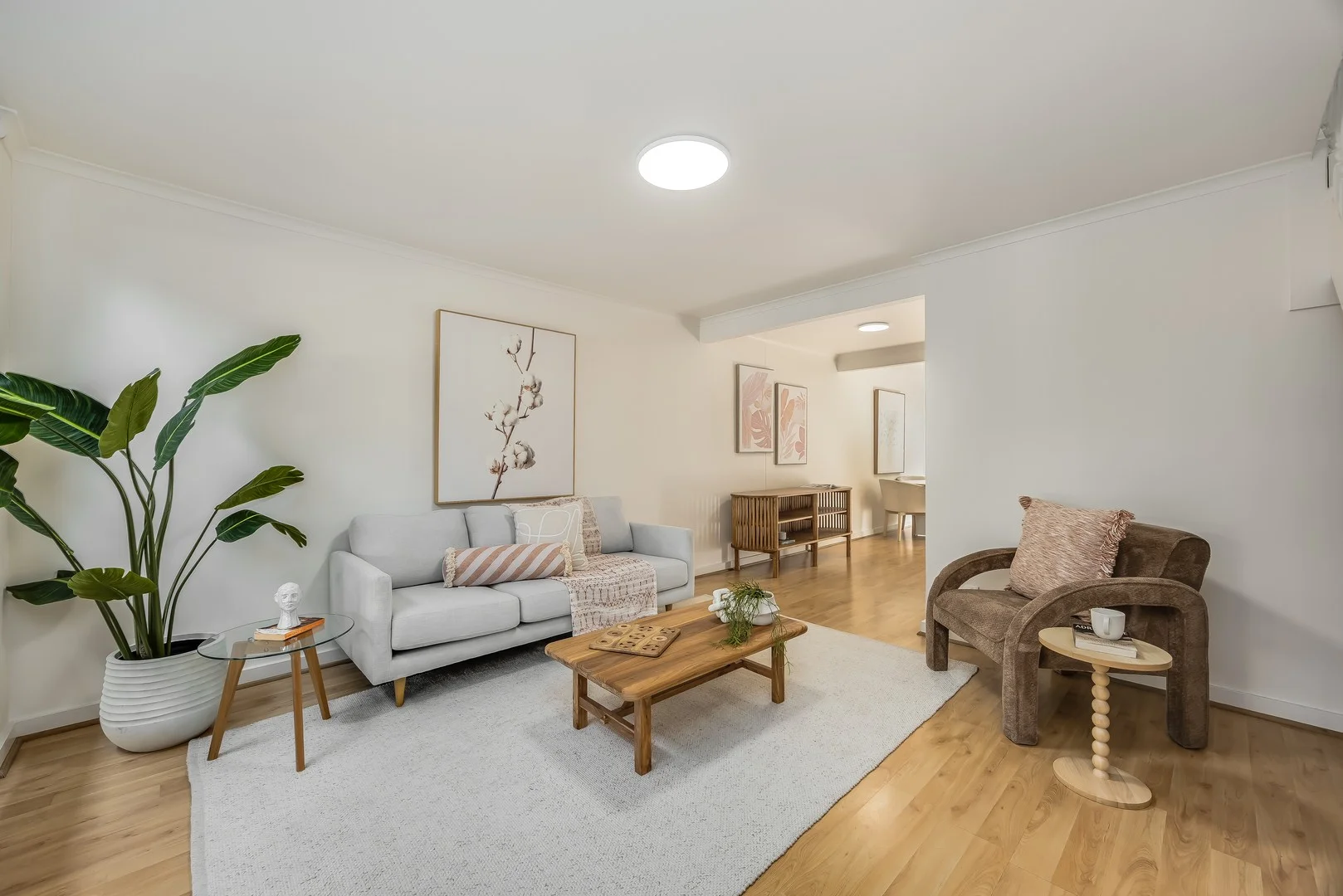 $775,000
House
$775,000
House
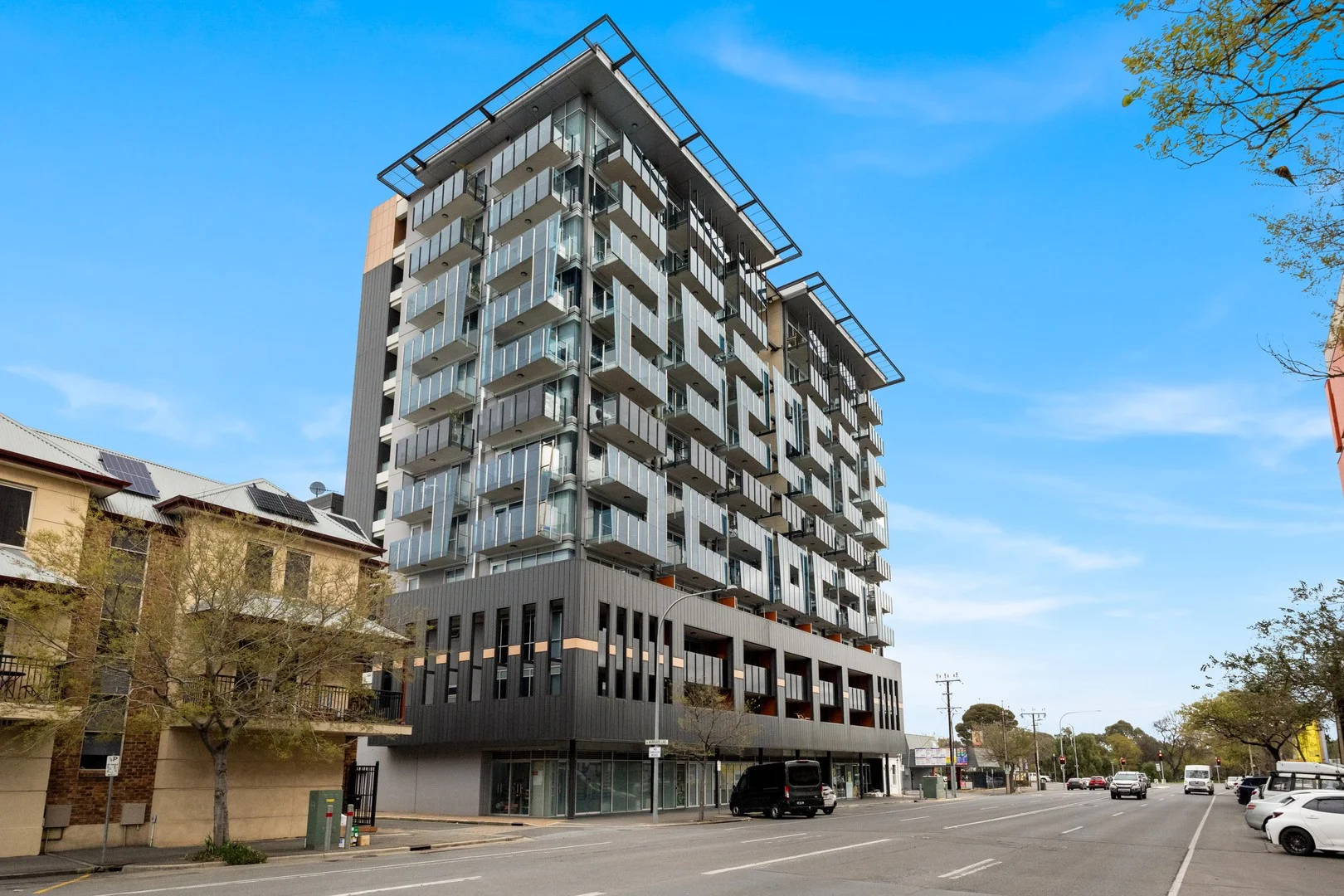 $1,100,000
Apartment / Unit / Flat
$1,100,000
Apartment / Unit / Flat
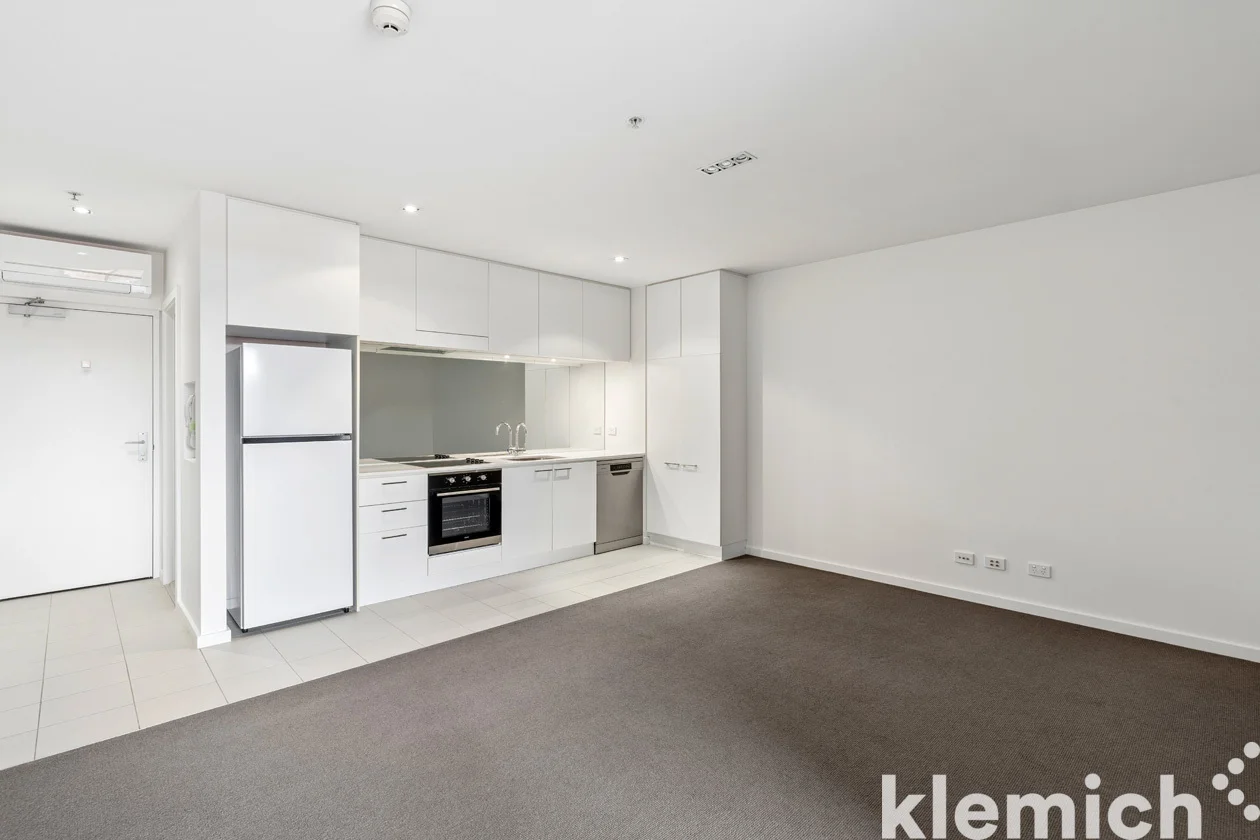 $440,000
Apartment / Unit / Flat
$440,000
Apartment / Unit / Flat
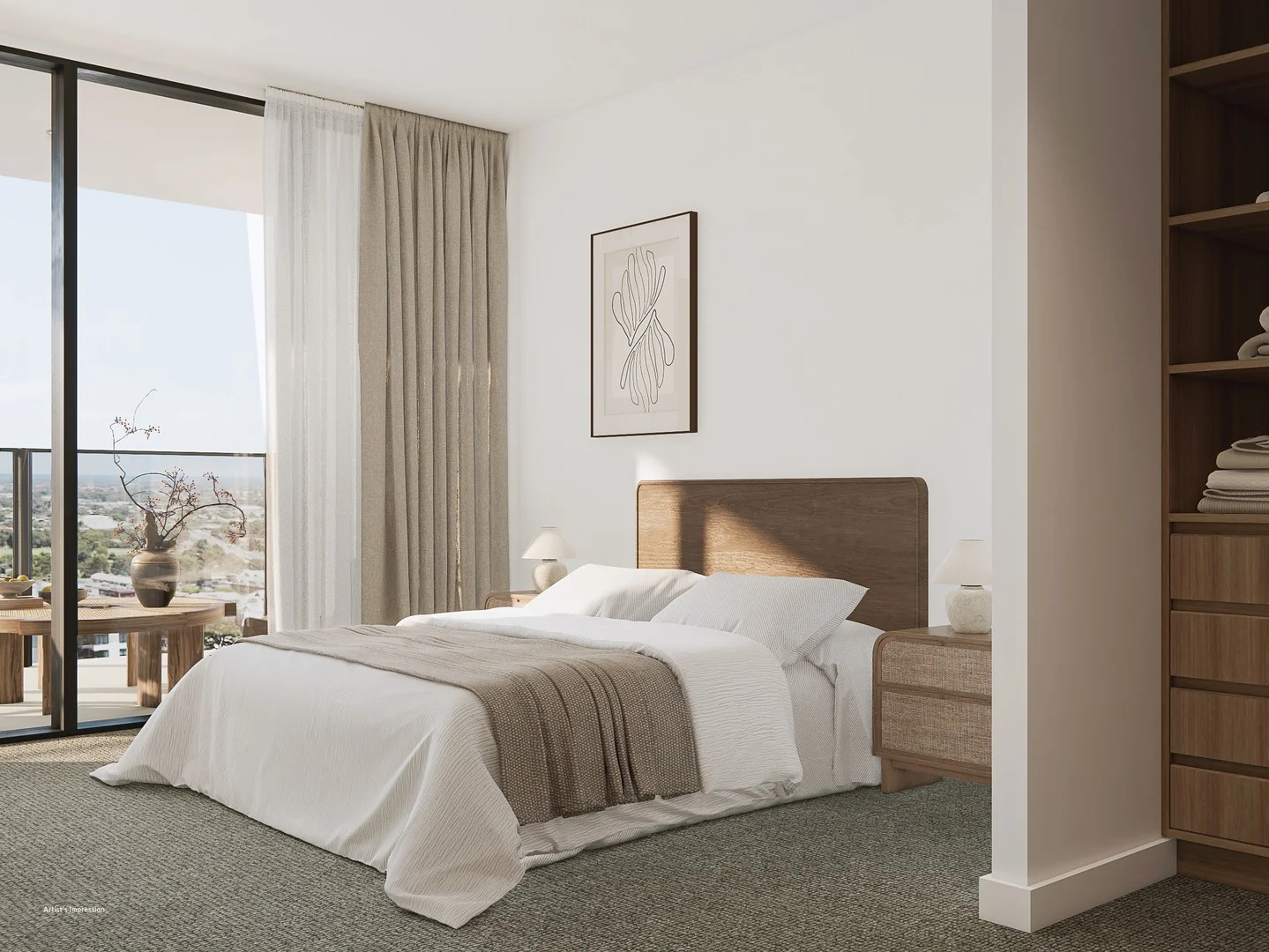 $935,000
Apartment / Unit / Flat
$935,000
Apartment / Unit / Flat
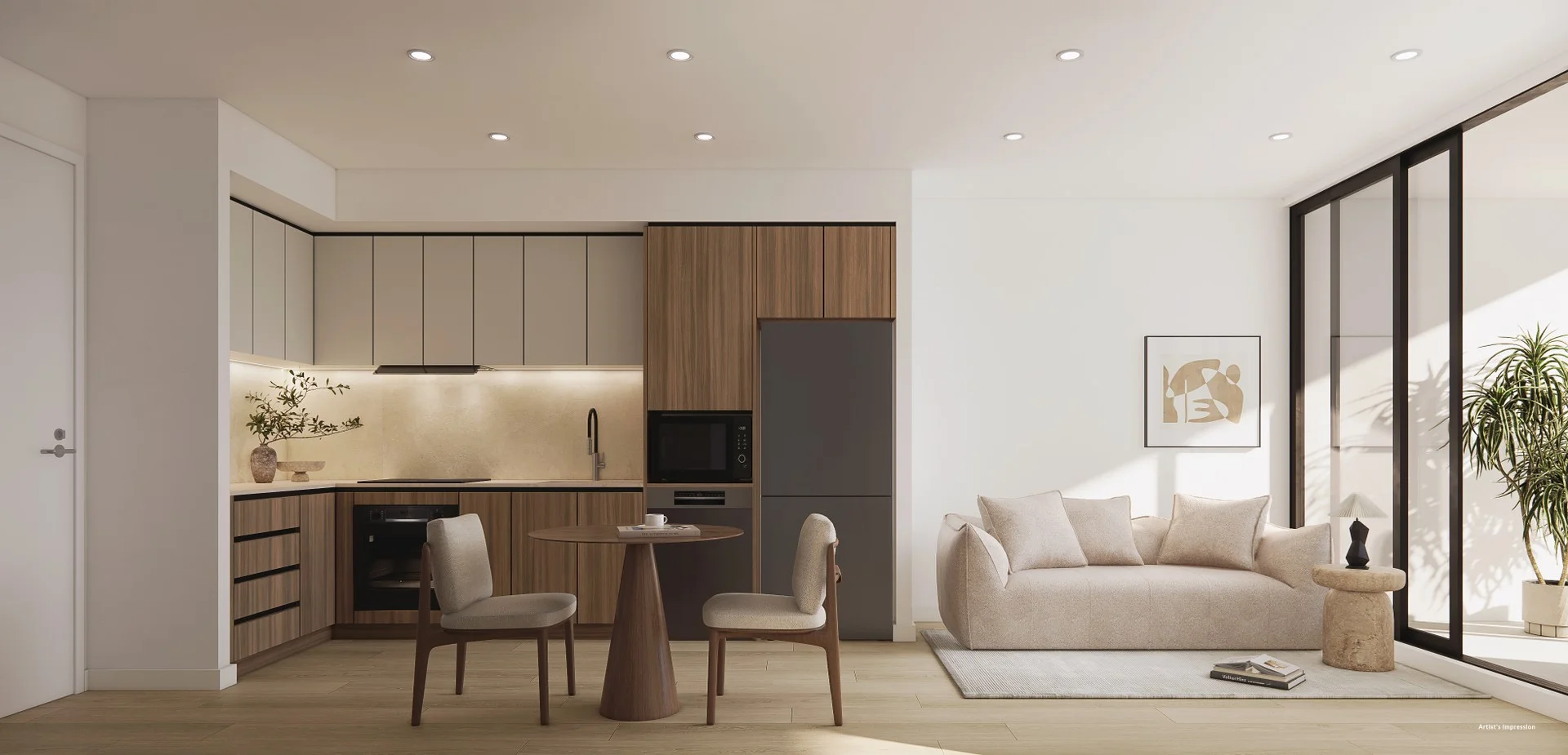 $588,000
Apartment / Unit / Flat
$588,000
Apartment / Unit / Flat
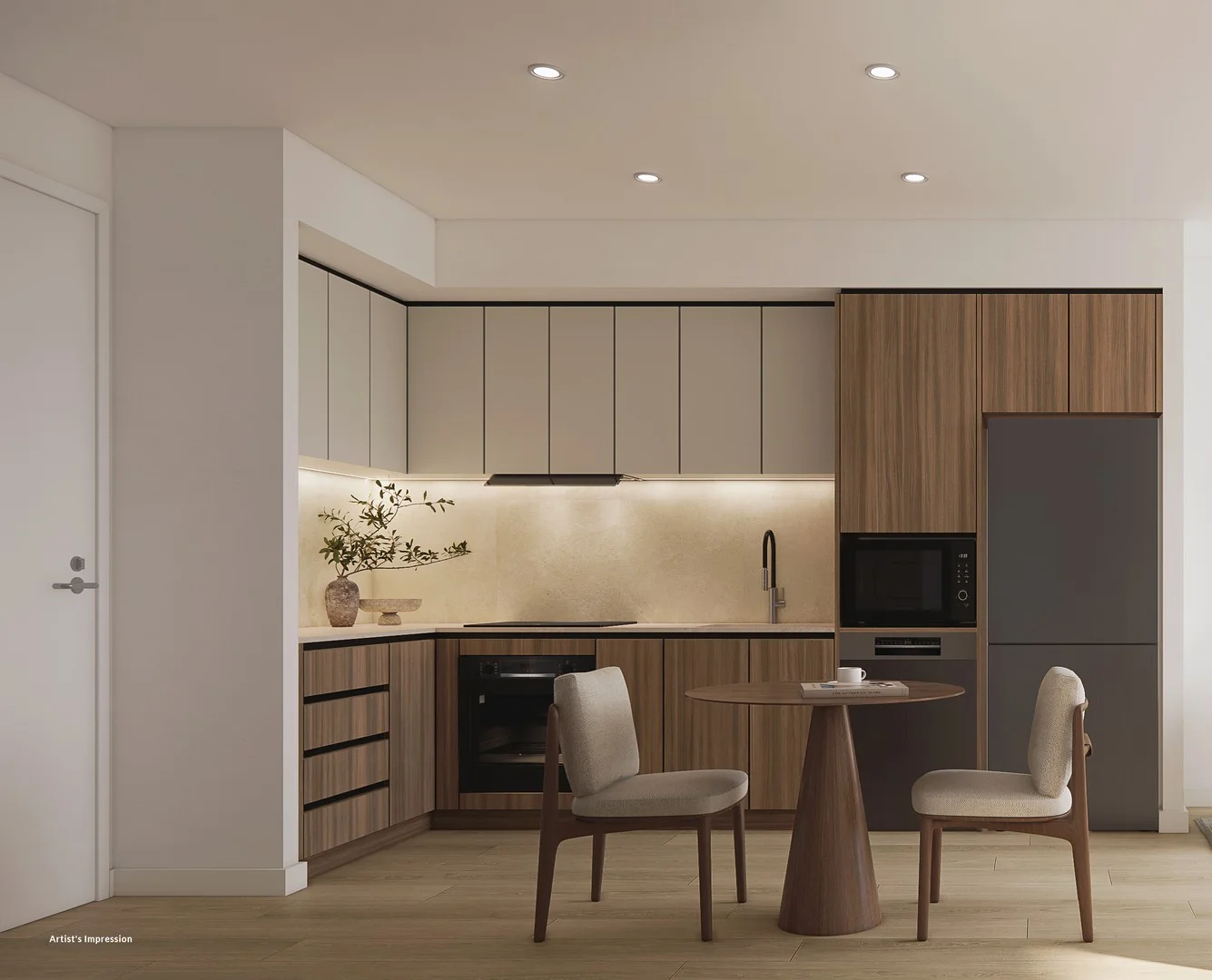 $557,000
Apartment / Unit / Flat
$557,000
Apartment / Unit / Flat
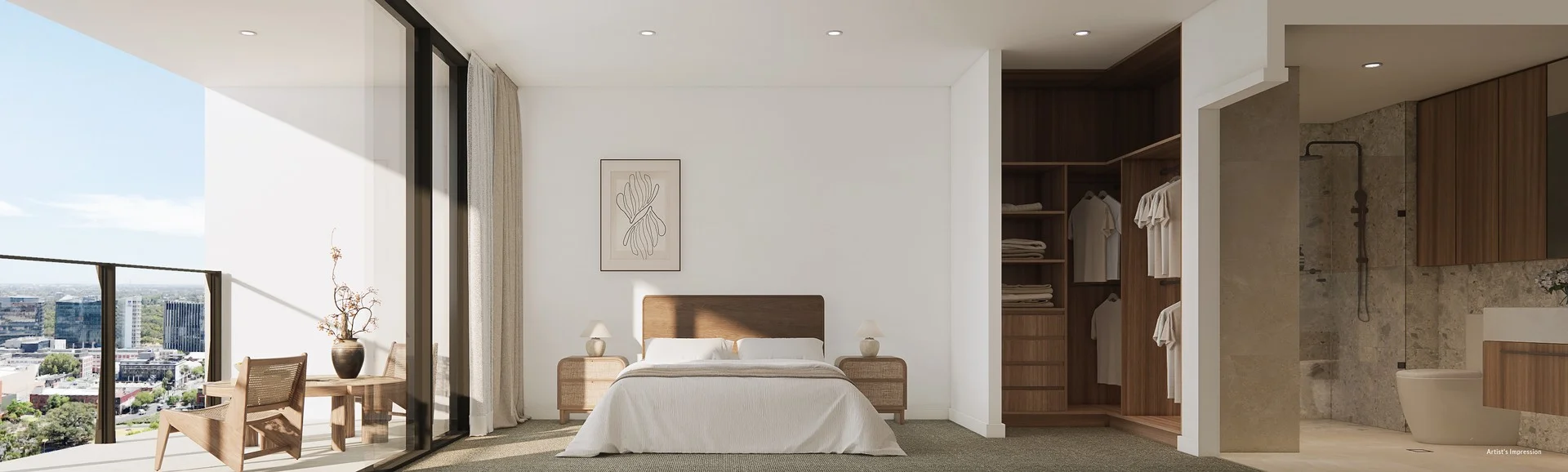 $1,056,000
Apartment / Unit / Flat
$1,056,000
Apartment / Unit / Flat
 $545,000
Apartment / Unit / Flat
$545,000
Apartment / Unit / Flat


