## Overview
Coromandel Valley Primary School is a public, co-educational primary school serving the Coromandel Valley community in Adelaide, South Australia. The school offers a medium-sized, community-focused campus with class sizes typically in the low-to-mid 20s, providing a supportive environment where teachers know students well. The atmosphere is nurturing and inclusive, with a strong emphasis on well-being, positive relationships, and a sense of belonging for families and carers.
⸻
## Academics & Learning
- Academic strengths: Strong literacy and numeracy foundations alongside inquiry-based learning in science and STEM activities. The school supports creative thinking, problem-solving, and application of knowledge across subjects.
- Special programs: Gifted and Talented opportunities and targeted enrichment within year levels; a focus on STEM, literacy extensions, and inclusive learning pathways for diverse learners.
- NAPLAN / trend observations: Recent years show steady improvement in reading and numeracy with continued focus on writing and language development; trends indicate stable progress across core measures.
- Student-teacher ratios: Approximately 1 teacher for every 22–24 students, with additional teacher aides in targeted programs and support areas.
- Support for diverse learners: Dedicated support for students with additional needs, including EAL/specialist language support, SEN assistance, and learning plans tailored to individual goals.
⸻
## Sports & Extracurricular Strengths
- Sports offered: Netball, football (Aussie rules), cricket, soccer, basketball, athletics, swimming and cross-country events are typically available, with opportunities to represent the school in inter-school and district competitions.
- Strong teams or achievements: Active participation in inter-school sport and district events, with emphasis on teamwork, sportsmanship and personal development.
- Music, arts, drama programs: Comprehensive music and performing arts opportunities, school concerts, ensembles and opportunities to engage in drama and creative performances.
- Clubs: Robotics, coding/cyber clubs, chess, debating and other development-focused clubs complement the curriculum.
- Partnerships: Collaborations with local clubs and community programs to broaden opportunities in sport, coding, robotics and creative arts; participation in regional competitions and showcases.
⸻
## Wellbeing & Pastoral Care
- Anti-bullying approach: Positive behaviour framework focused on respect, inclusion, and proactive intervention; clear policies and restorative practices are in place to address concerns.
- House system: A house structure supports belonging, friendly competition and leadership development across year levels.
- Counsellors / wellbeing officers: Access to school counsellors and wellbeing staff who provide individual and small-group support, social-emotional instruction and resilience-building activities.
- Transition support for new students: Structured orientation, buddy programs and transition activities to help new families settle in smoothly and feel connected.
⸻
## Facilities
- Sports grounds: Well-maintained playing fields and adjacent outdoor spaces for physical education and sport.
- Libraries: Well-stocked library with reading programs and access to digital resources.
- Science labs: Modern science facilities that support hands-on experiments and inquiry-based learning.
- Music/performing arts centers: Dedicated spaces for music, drama and performances.
- Tech/innovation labs: Learning spaces equipped with digital tools and maker-style resources to support STEM and coding activities.
- Cafeteria: On-site canteen or dining facilities offering a range of healthy options.
- Updated playgrounds: Safe, age-appropriate play equipment and outdoor learning spaces.
⸻
## School Values & Community Culture
- School values / mission: Emphasis on respect, responsibility, resilience, kindness and collaboration to prepare students for a connected community.
- Leadership style: Collaborative leadership with active student voice opportunities and strong teacher-parent partnerships.
- Behaviour expectations: Clear expectations rooted in positive behaviour supports and restorative practices.
- Community reputation: Recognized for an inclusive, supportive culture with active family involvement and a strong sense of school pride.
- Diversity & inclusion: Commitment to welcoming students from diverse backgrounds and providing equitable access to learning opportunities.
⸻
## School Logistics & Daily Operations
- School hours: Typical day generally runs during standard school hours with variations by term; bell times and schedules are provided by the school each year.
- Before/after school care: After-school care and recreation programs are available to families through in-school or external providers.
- Uniform requirements: School uniform policy in place, with guidance on appropriate dress for daily wear and special events.
- Transport (train/bus routes): Access to public transport and bus routes servicing the catchment area; information on routes and stops is provided by the school and local transit authorities.
- Canteen availability: Canteen or canteen services on certain days, offering a range of healthy snack and meal options.
- Fees (low/medium/high ranges): As a public school, there are no tuition fees for standard enrolment; typical costs relate to uniforms, book packs, excursions and voluntary contributions.
⸻
## Enrolment & Admissions
11. What is the enrolment process and timeline?
- Enquiries typically begin with confirming catchment eligibility, followed by submitting an enrolment application during the designated intake periods. Documentation commonly required includes proof of address, birth certificate, immunisation record, and relevant custody or custody-related documents. Department timelines specify processing windows and notification dates for offers.
12. Is there a waiting list, and how does it work?
- Waiting lists may apply when year levels reach capacity or when enrolments exceed vacancies. Priority is generally given to students residing in the school’s catchment area, with waiting lists managed in line with Department of Education policies and timelines.
13. Are there any entry requirements, tests, or interviews?
- Public primary enrolments typically do not require entrance exams. For specific programs or transitions (e.g., gifted and talented pathways, EAL considerations), there may be assessments or short discussions, usually to determine support needs or placement.
14. Does the school accept mid-year transfers?
- Mid-year transfers are considered based on current vacancies, space in appropriate year levels, and alignment with enrolment policies. Families should contact the school as early as possible to discuss options.
⸻
## Frequently Asked Questions
- Why Parents Choose This School?
- A welcoming, inclusive culture with strong literacy and numeracy foundations, supportive staff, and a focus on student well-being and community involvement.
- What type of student thrives at this school?
- Students who enjoy a collaborative learning environment, value positive relationships, and engage in both academics and a range of extracurricular activities.
- What opportunities are available for students to extend their skills (academics, sports, arts)?
- Enrichment through Gifted & Talented opportunities, STEM and coding clubs, arts and drama programs, inter-school sport, and a variety of clubs (robotics, chess, debating).
- How does the school communicate with parents?
- Regular newsletters, emails, parent-teacher meetings, a parent portal or reporting system, and community events to keep families informed.
- What is the school’s approach to teaching and learning?
- Student-centered approaches, inquiry-based learning, differentiation to meet diverse needs, and integration of technology to enhance learning.
- How does the school support students who need extra academic help?
- Targeted learning support, SEN staff, EAL support, and tailored learning plans designed to help students progress.
- What support is available for academic challenges?
- Additional tutoring, small-group instruction, and access to specialist staff to address specific learning gaps.
- How does the school communicate with parents? (duplicate)
- See above under communications.
- What are the class sizes and how much individual attention do students receive?
- Class sizes typically range in the low-to-mid 20s, with additional support from teacher aides in targeted areas to provide focused attention.
- What extracurricular and sports opportunities are available?
- A range of sports (netball, football, cricket, soccer, athletics), music and arts programs, and clubs like robotics, coding, chess and debating.
- What facilities does the school offer (sports, science, arts)?
- Sports grounds, libraries, science labs, music/performing arts facilities, tech/innovation spaces, and a canteen.
- What is the school’s approach to technology and digital learning?
- Integration of digital tools, interactive learning platforms, and age-appropriate technology use to support learning and creativity.
- What transport and accessibility options are available?
- Public transport access and school-provided information on bus routes; proximity to transport hubs and accessibility planning for families.
- What are the typical school fees or additional costs?
- No tuition fees for standard enrolment in public schooling; costs mainly relate to uniforms, books, excursions, and optional activities.
⸻
## Short Pros & Cons list
- Pros:
- Public, inclusive environment with strong focus on wellbeing and community.
- Solid academic foundations with enrichment opportunities.
- Broad extracurricular options in sport, arts, coding and clubs.
- Support for diverse learners and transitional programs for new students.
- Cons:
- Like many public programs, class sizes can vary and waiting lists may occur during peak intake periods.
- Some programs and facilities may require additional time or parental involvement for participation (e.g., after-school activities, excursions).
- Specific programs (e.g., languages or advanced placement) may depend on year level and cohort availability.
⸻








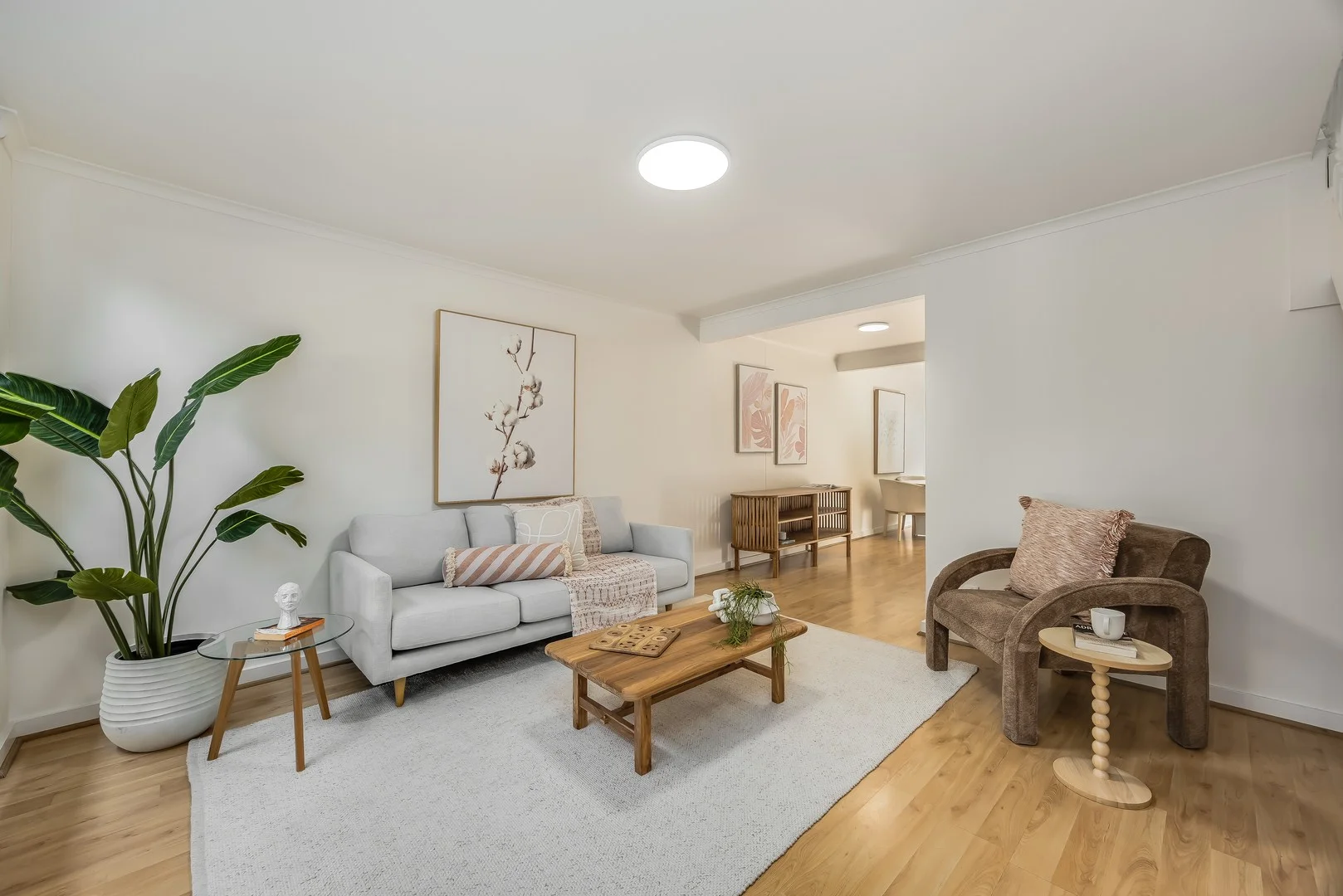 $775,000
House
$775,000
House
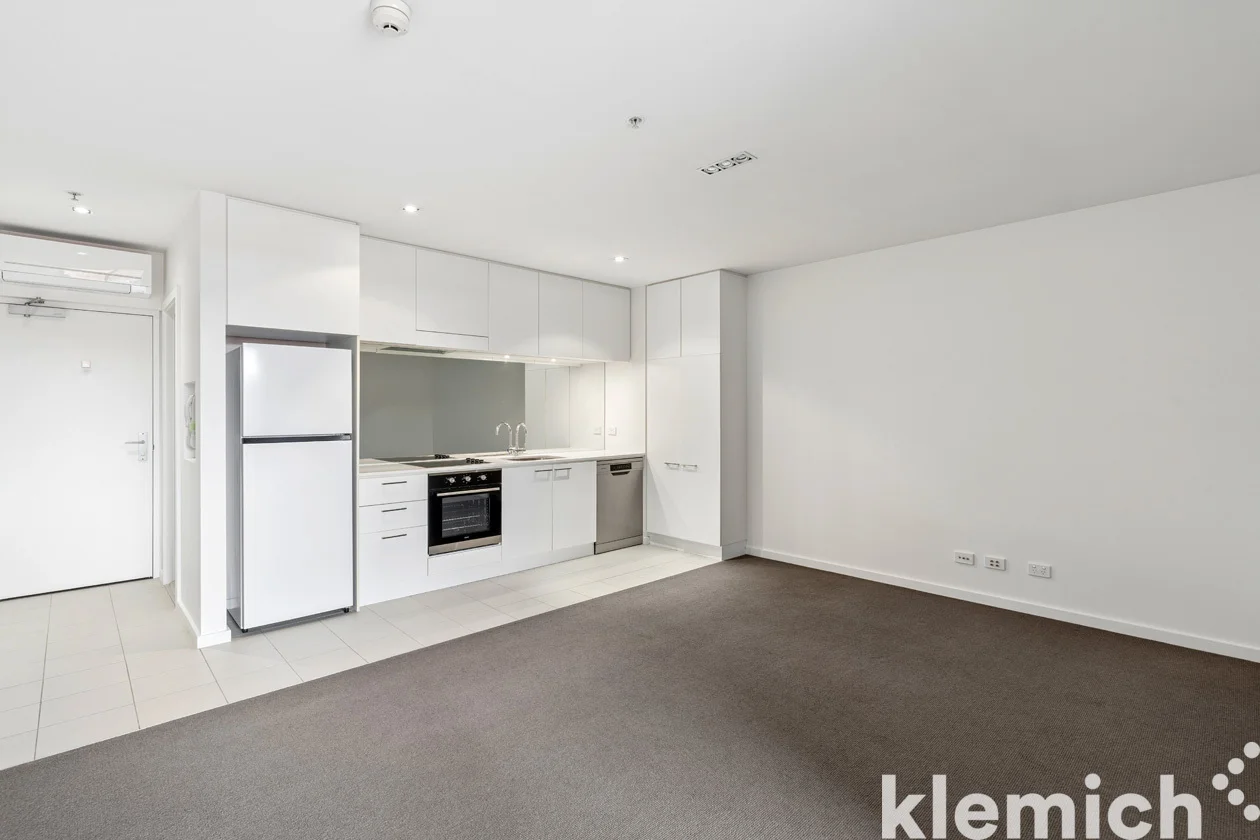 $440,000
Apartment / Unit / Flat
$440,000
Apartment / Unit / Flat
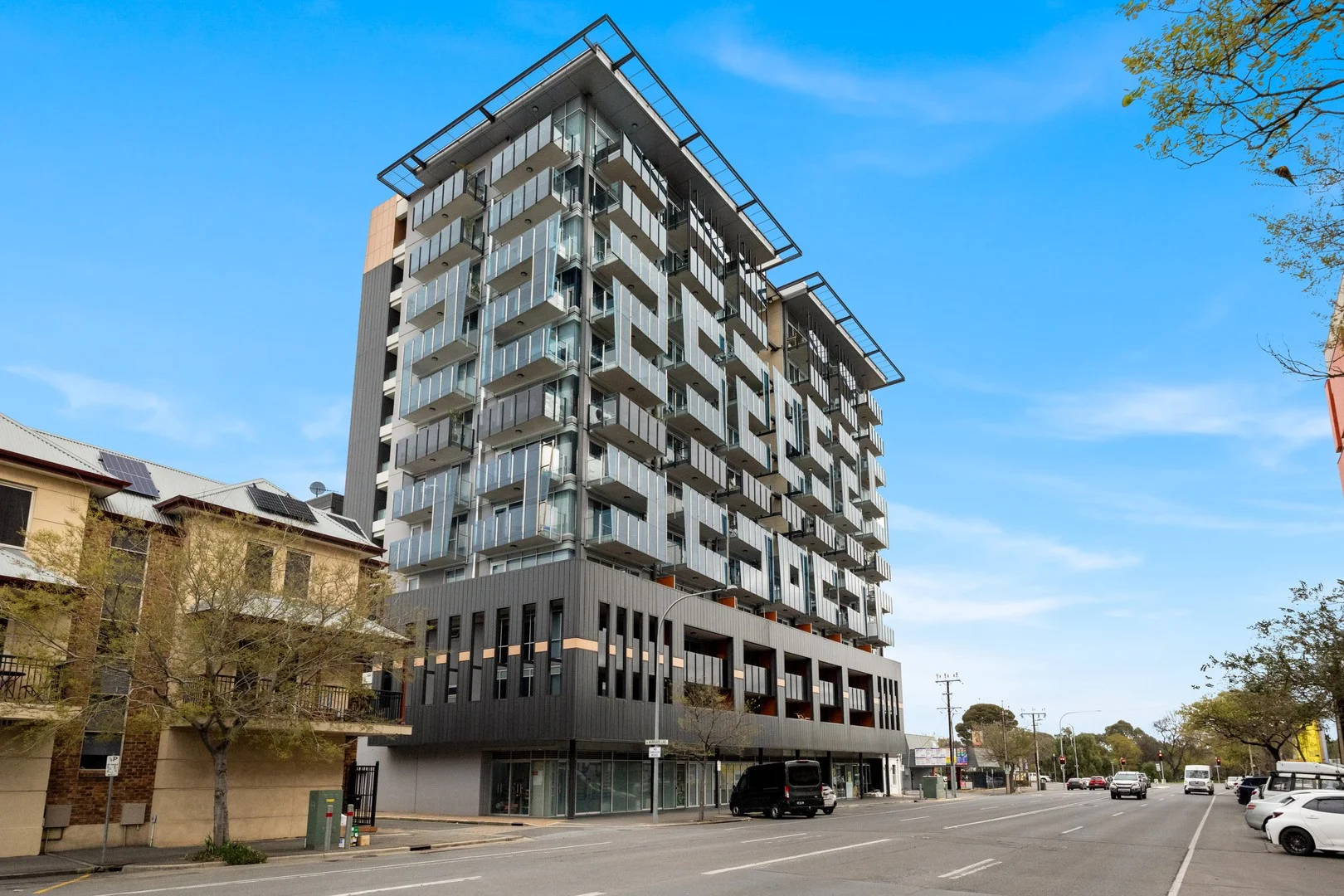 $1,100,000
Apartment / Unit / Flat
$1,100,000
Apartment / Unit / Flat
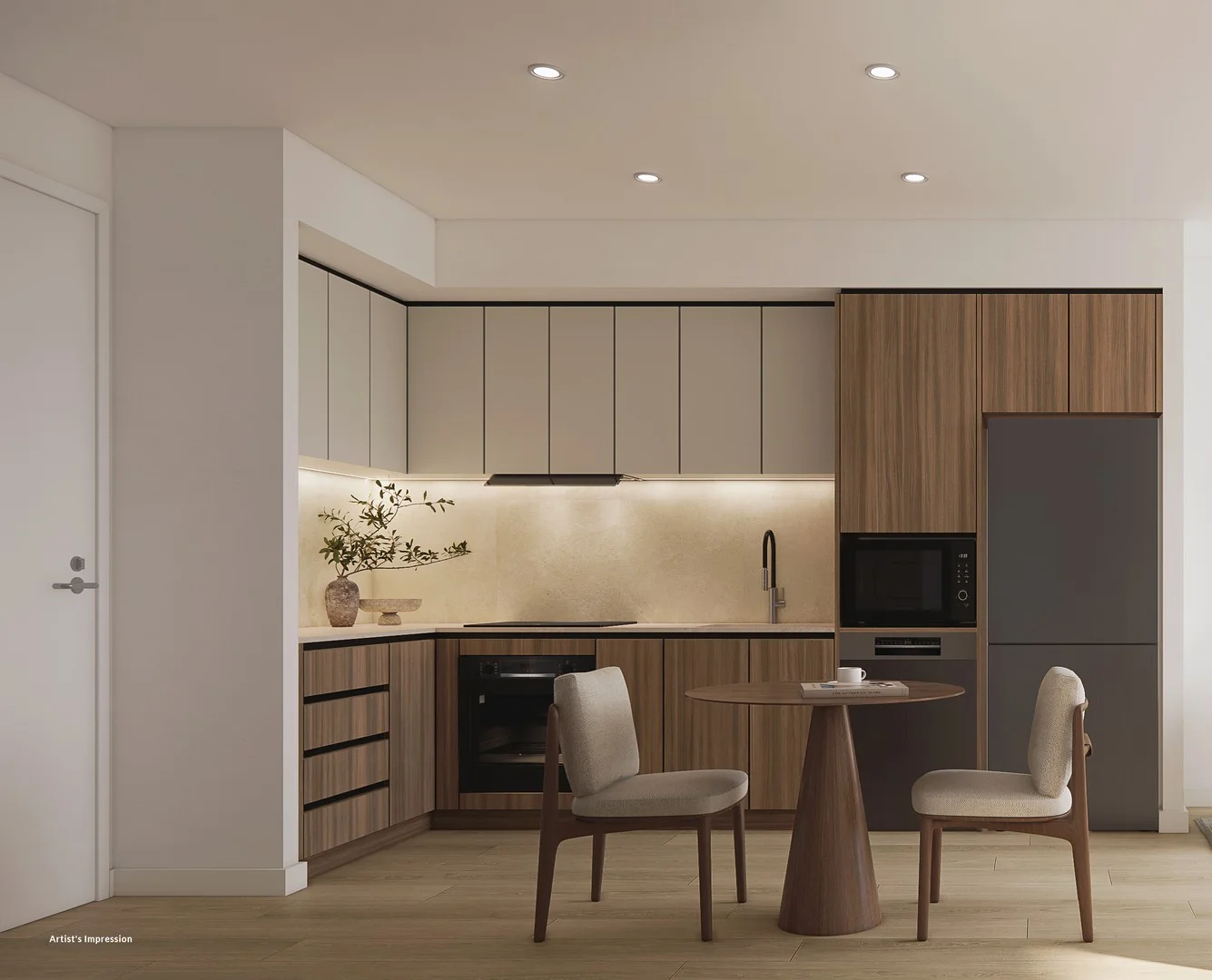 $557,000
Apartment / Unit / Flat
$557,000
Apartment / Unit / Flat
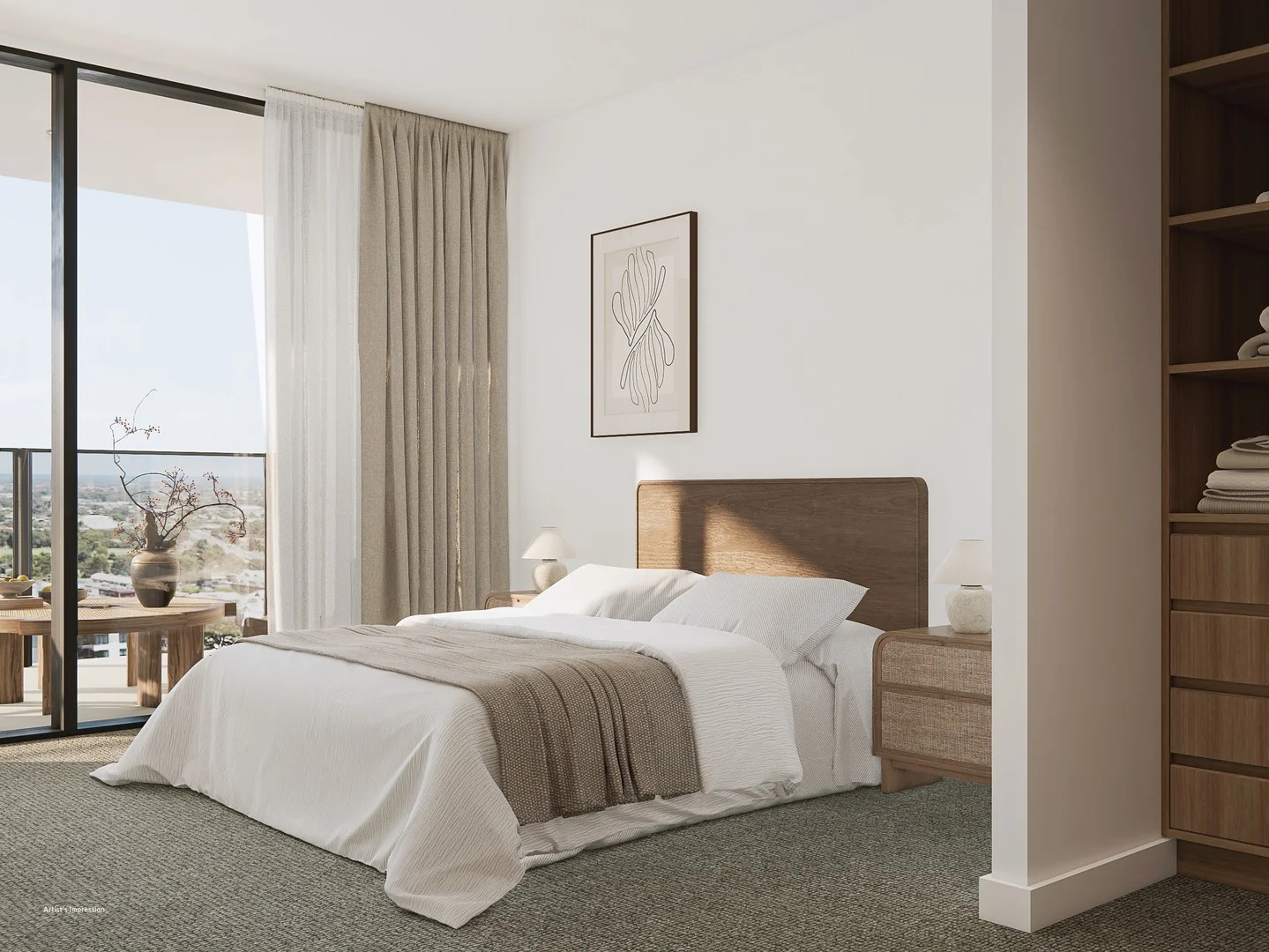 $935,000
Apartment / Unit / Flat
$935,000
Apartment / Unit / Flat
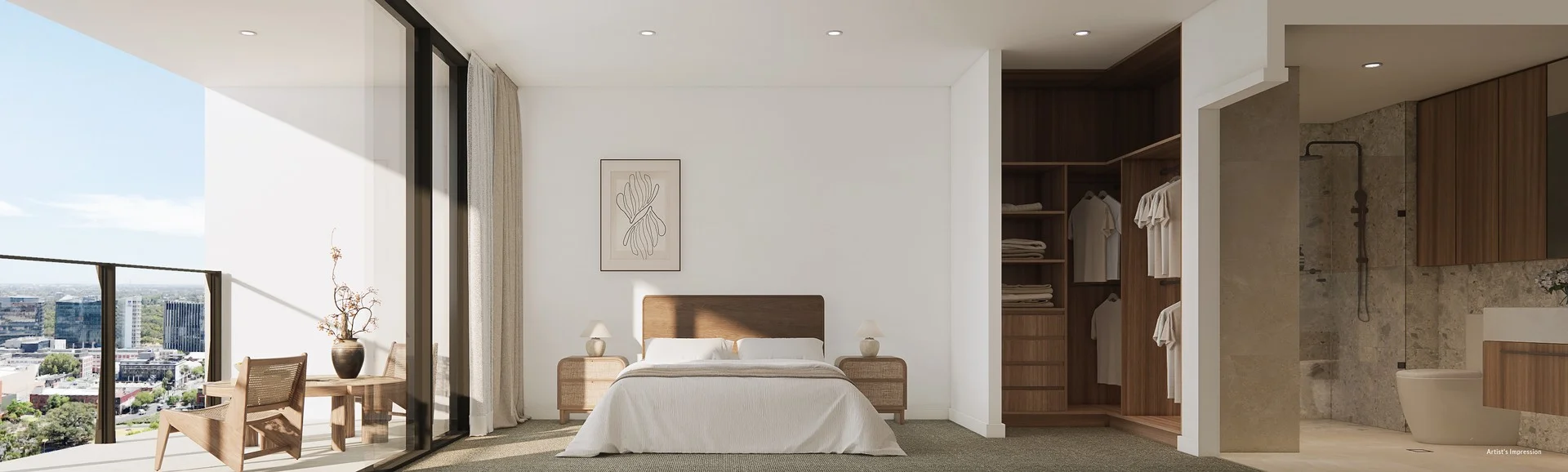 $1,056,000
Apartment / Unit / Flat
$1,056,000
Apartment / Unit / Flat
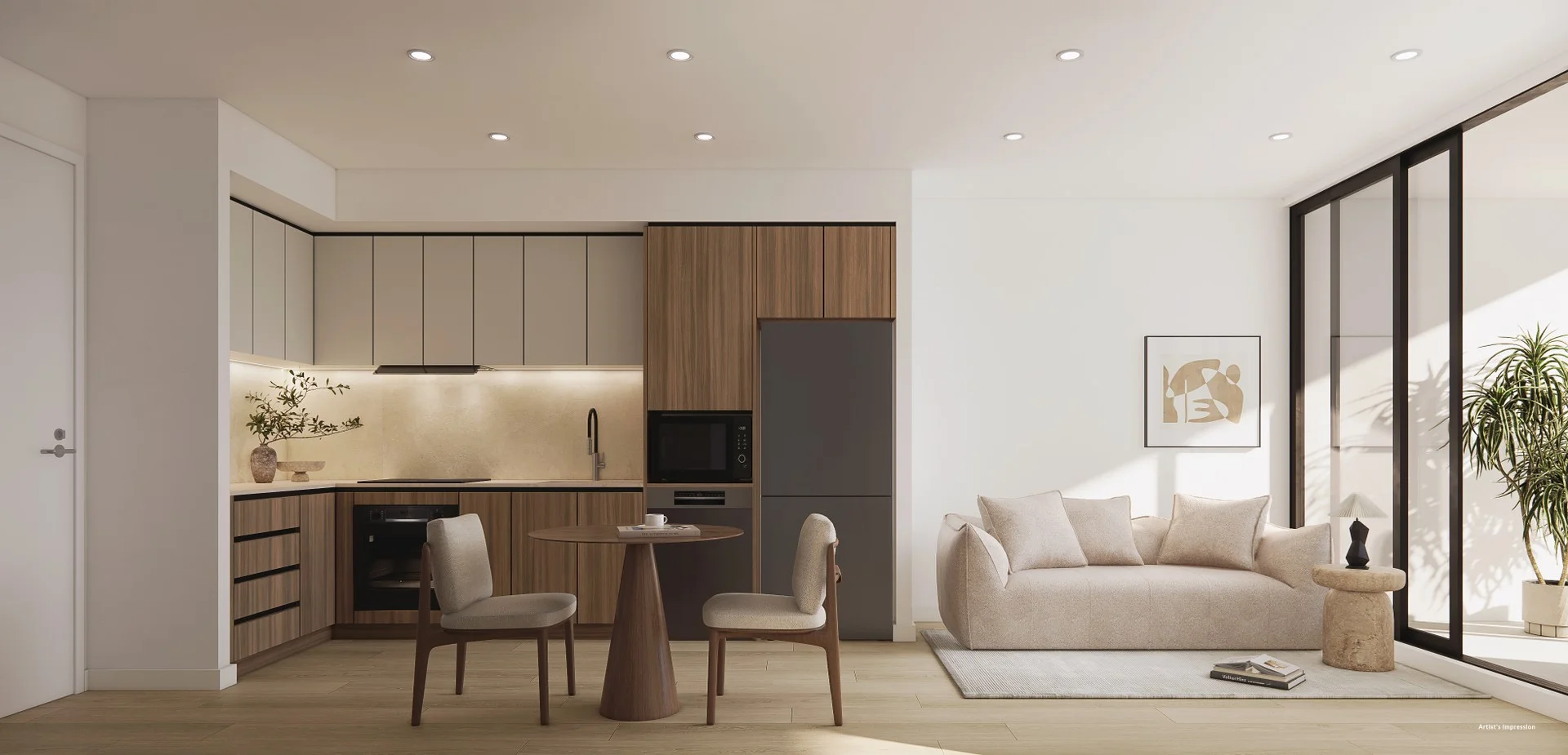 $588,000
Apartment / Unit / Flat
$588,000
Apartment / Unit / Flat
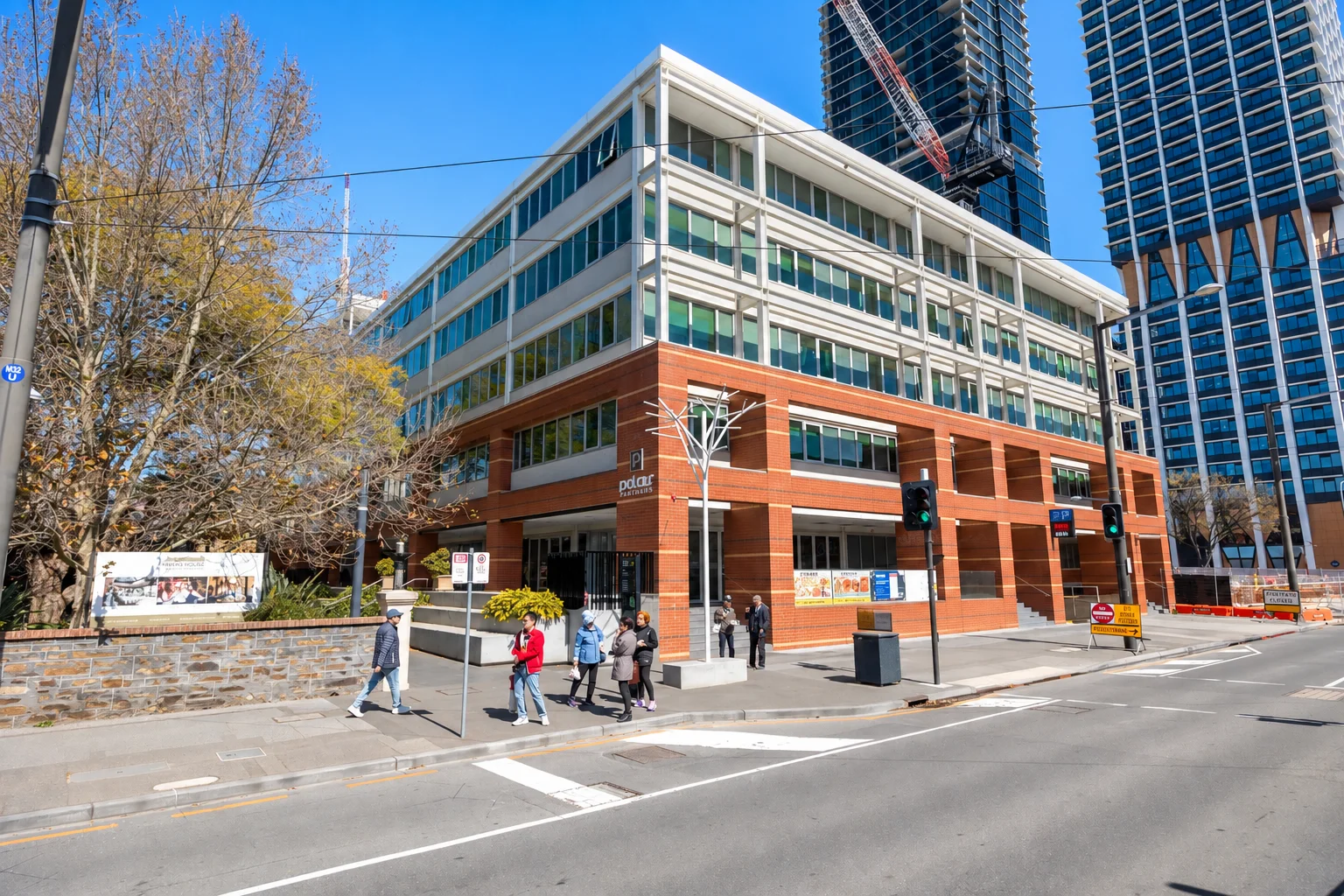 $545,000
Apartment / Unit / Flat
$545,000
Apartment / Unit / Flat