Note: This content is a template intended to be filled with verified details for Concordia College – St Peters Campus. Replace placeholders with current school information before publishing.
1. Overview
Concordia College – St Peters Campus is a private, faith-based independent school with Lutheran heritage. It serves students in a range of year levels and aims to combine academic rigor with values-based education in a supportive, community-focused environment.
This campus generally offers a medium-sized school community where class sizes are designed to support individual attention and collaborative learning. The atmosphere tends to be nurturing and inclusive, with an emphasis on student wellbeing, character development, and opportunities to participate in a broad range of learning experiences beyond the classroom.
⸻
2. Academics & Learning
Academic strengths (typical focus areas): English, STEM, languages, and leadership development are commonly emphasized, with a culture that encourages critical thinking and communication skills.
Special programs: Gifted and Talented/accelerated learning options, along with opportunities for extended projects and leadership roles as part of a holistic approach to student growth.
NAPLAN / trends: Schools in this category often report steady, positive trends over time in key domains such as reading, writing, and numeracy. Check the school’s published data for the latest trajectory.
Student-teacher ratios: Generally in the range of smaller class sizes to support personalized learning (approximately 1:12 to 1:18, depending on year level and cohort).
Support for diverse learners: Dedicated support for students requiring additional assistance (SEN), plus EAL/English language support as needed.
⸻
3. Sports & Extracurricular Strengths
Sports offered (typical): Soccer (football), basketball, netball, cricket, tennis, athletics, and other team or individual activities aligned with the school calendar.
Strong teams or achievements: Schools in this category often have competitive regional teams and participate in inter-school events; exact achievements vary by year.
Music, arts, drama: Programs in music, performing arts, and visual arts are commonly offered, with opportunities for ensembles, choirs, and productions.
Clubs: Robotics, chess, coding, debating, and other academic or interest-based clubs are typically available.
Partnerships: Local clubs, regional academies, and inter-school competitions may provide pathways for sport, arts, and academic events.
⸻
4. Wellbeing & Pastoral Care
Anti-bullying approach: Comprehensive anti-bullying measures, clear policies, and restorative practices are commonly implemented to foster a respectful school climate.
House system: A house-based system to promote belonging, leadership opportunities, and peer mentoring.
Counsellors / wellbeing officers: Access to school counsellors or wellbeing staff to support social-emotional learning, mental health, and transition periods.
Transition support for new students: Structured welcome programs, buddy systems, and orientation activities to ease entry and integration for new students.
⸻
5. Facilities
Sports grounds: On-site fields or courts suitable for cricket, soccer, basketball, and athletics.
Libraries: Well-stocked libraries with study spaces and digital resources.
Science labs: Modern science facilities for practical experiments across key disciplines.
Music/performing arts centers: Dedicated spaces or rooms for music rehearsals, drama, and performances.
Tech/innovation labs: Computer labs and maker spaces fostering STEM learning and project work.
Cafeteria: On-site dining facilities or lunch service.
Updated playgrounds: Well-maintained outdoor play and activity areas appropriate for different age groups.
⸻
6. School Values & Community Culture
School values / mission: Clear statements around service, integrity, respect, excellence, and community involvement; aligned with faith-based education principles.
Leadership style: A blend of teacher and student leadership opportunities, with student voice incorporated into committees and activities.
Behaviour expectations: Positive behaviour framework with consistency, restorative practices, and support for all learners.
Community reputation: Typically characterized by a family-friendly, values-driven culture with active parental involvement and community events.
Diversity & inclusion: Commitment to welcoming diverse families and ensuring inclusive practices across curriculum and community life.
⸻
7. School Logistics & Daily Operations
School hours: Standard daytime hours with start and finish times typical of primary-to-secondary settings; check current timetable for exact times.
Before/after school care: Available or arranged via campus facilities or partner providers, depending on enrolment levels.
Uniform requirements: Clear uniform policy, with requirements for daily wear and any sports or formal events.
Transport: Bus routes or public transport options servicing the campus; information on timetables and pick-up points typically provided by the school.
Canteen availability: On-site canteen or lunch program, with details on menus and payment options.
Fees (range): Fees are generally mid-to-mid-high for private, faith-based independent schools; exact figures depend on year level and programs chosen. Confirm current fee schedule with admissions.
⸻
8. Enrolment & Admissions
11. What is the enrolment process and timeline?
- Submit an expression of interest or application.
- Complete any required assessments, interviews, or information sessions.
- Receive an offer and confirm enrolment by the stated deadline.
- Prepare for term start with onboarding communications.
12. Is there a waiting list, and how does it work?
- Some year levels may have a waiting list when demand exceeds places.
- Families on the waitlist are typically contacted as spaces become available, with priority given to first-time applicants or siblings where applicable.
- Timelines vary by year level; ask admissions for the current queue status.
13. Are there any entry requirements, tests, or interviews?
- Some cohorts may require an interview, a short assessment, or a review of prior school records.
- Language proficiency, if applicable, and other program-specific criteria may be considered.
14. Does the school accept mid-year transfers?
- Mid-year transfers may be possible subject to space availability and readiness of the curriculum.
- Transfer timing, documentation, and alignment with the current term schedule will be reviewed by the admissions team.
⸻
9. Frequently Asked Questions
- Why Parents Choose This School?
Answer: Typically chosen for a values-based education, supportive community, and opportunities across academics, sports, and arts. Verify current unique strengths with the admissions team.
- What type of student thrives at this school?
Answer: Students who value a balance of academics, character development, and participation in co-curricular activities within a faith-based community.
- What opportunities are available for students to extend their skills (academics, sports, arts)?
Answer: Specialized programs, accelerated or gifted options, sports teams, arts ensembles, drama productions, and clubs (robotics, coding, debating) are commonly available.
- How does the school communicate with parents?
Answer: Regular updates through newsletters, parent portals, emails, and scheduled information evenings; termly reports and progress conversations are typical.
- What is the school’s approach to teaching and learning?
Answer: A student-centered approach that combines core academics with integrated faith-based values, collaborative projects, and inclusive support for diverse learners.
- How does the school support students who need extra academic help?
Answer: Targeted interventions, SEN support, EAL assistance, and access to wellbeing staff; personalized plans may be available.
- What support is available for academic challenges?
Answer: Additional tutoring or mentoring, curriculum adjustments, and structured study skills programs as appropriate.
- How does the school communicate with parents? (Repeated)
Answer: See above; it may include digital portals, emails, and parent-teacher meetings.
- What are the class sizes and how much individual attention do students receive?
Answer: Class sizes are designed to support interaction and feedback; student-teacher ratios typically aim for smaller groups to enable individualized attention.
- What extracurricular and sports opportunities are available?
Answer: A range of sports, music, arts, and clubs such as robotics, chess, coding, and debating; opportunities to compete in inter-school events vary by year level.
- What facilities does the school offer (sports, science, arts)?
Answer: Sports grounds, libraries, science labs, music/performing arts spaces, tech/innovation labs, and catering facilities are commonly available.
- What is the school’s approach to technology and digital learning?
Answer: Integration of modern technology in learning, with devices or platforms to support research, collaboration, and coding/content creation as part of the curriculum.
- What transport and accessibility options are available?
Answer: Local bus routes, school-sponsored transport options, and accessibility considerations for students with specific needs; confirm current arrangements with admissions.
- What are the typical school fees or additional costs?
Answer: Fees are mid-range to high for private schools; additional costs may include uniforms, activities, excursions, and optional programs. See the current fee schedule for precise figures.
⸻
10. Short Pros & Cons list
Pros
- Private, faith-based education with a values-driven culture
- Moderate class sizes and a focus on individualized support
- Broad range of academic and co-curricular opportunities (sports, arts, clubs)
- Structured wellbeing and pastoral care
- Facilities that support STEM, arts, and everyday learning
Cons
- Private school fees may be higher than public options
- Availability of places can vary by year level; some cohorts may have waitlists
- Transport and after-school care options depend on location and demand
- Admission processes may require interviews or assessments
⸻
 $40+
$40+







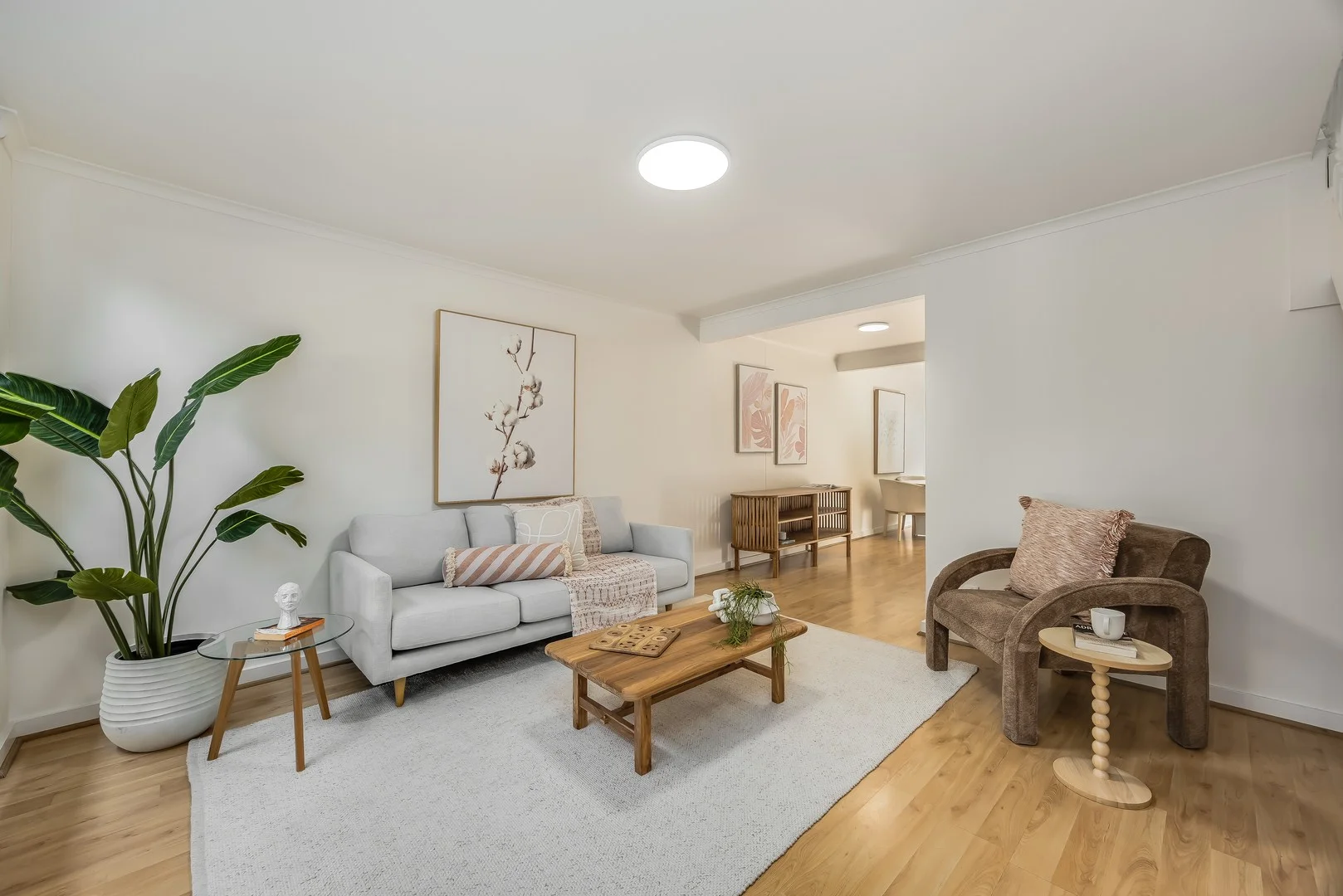 $775,000
House
$775,000
House
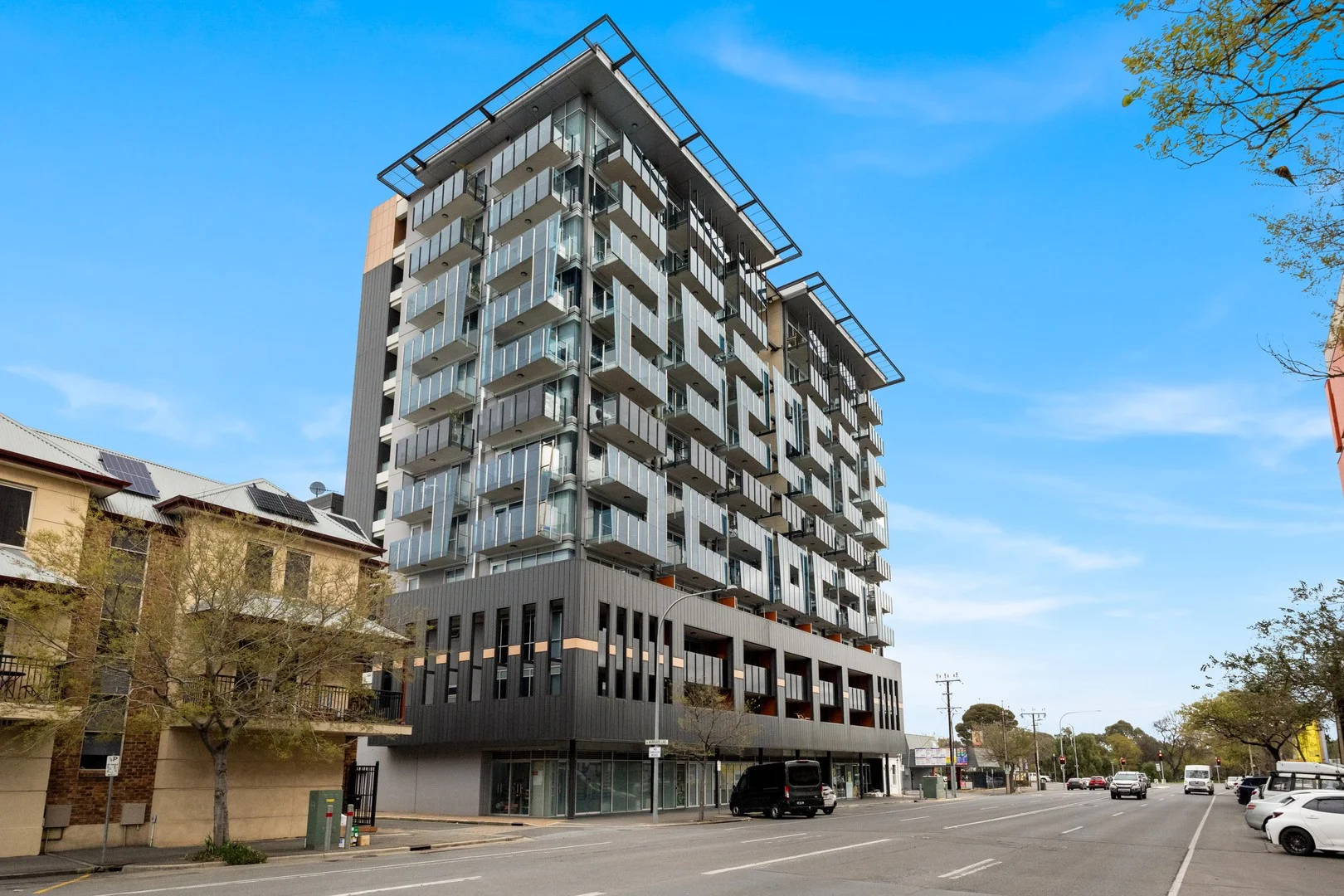 $1,100,000
Apartment / Unit / Flat
$1,100,000
Apartment / Unit / Flat
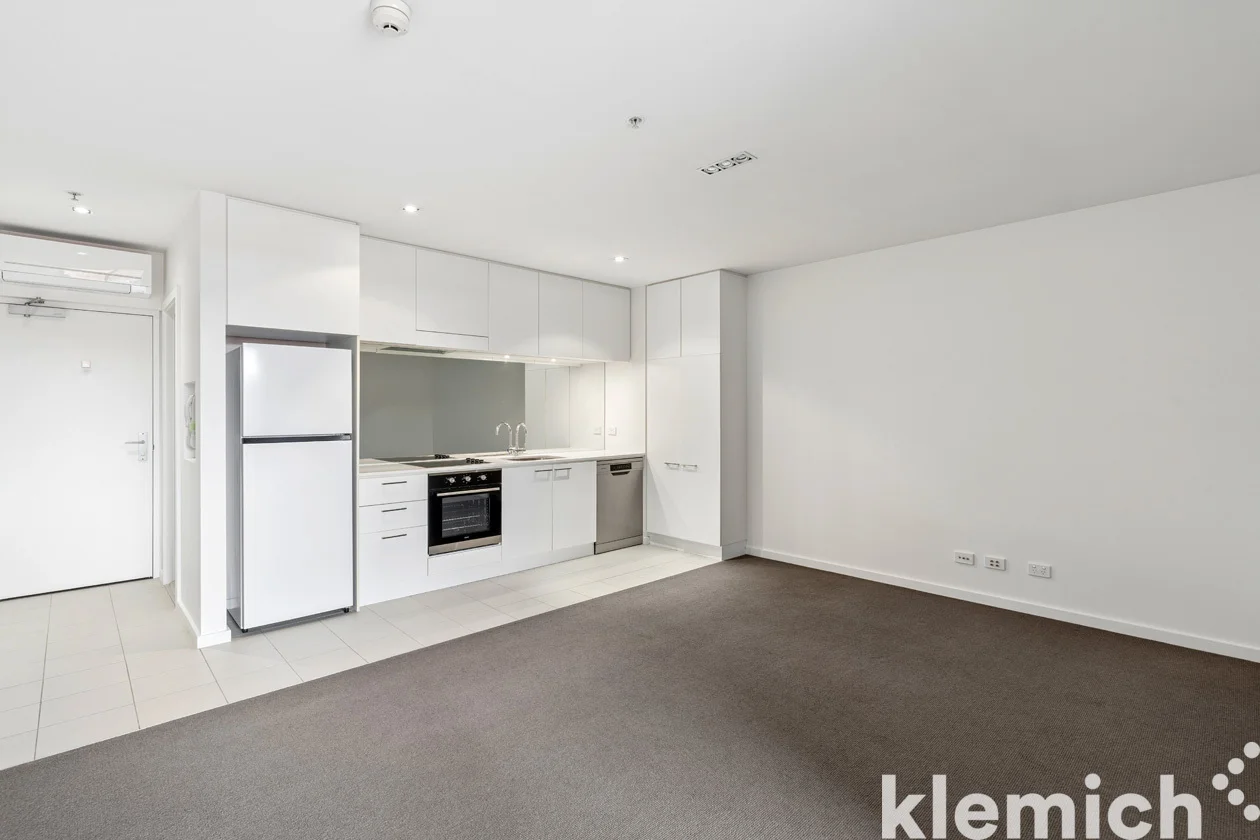 $440,000
Apartment / Unit / Flat
$440,000
Apartment / Unit / Flat
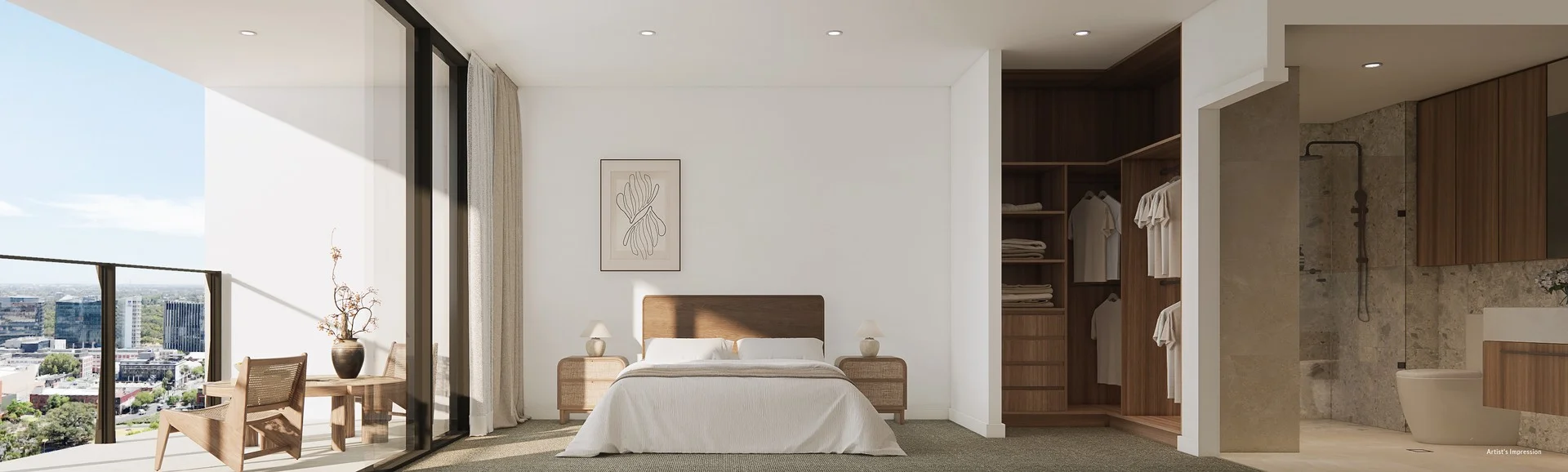 $1,056,000
Apartment / Unit / Flat
$1,056,000
Apartment / Unit / Flat
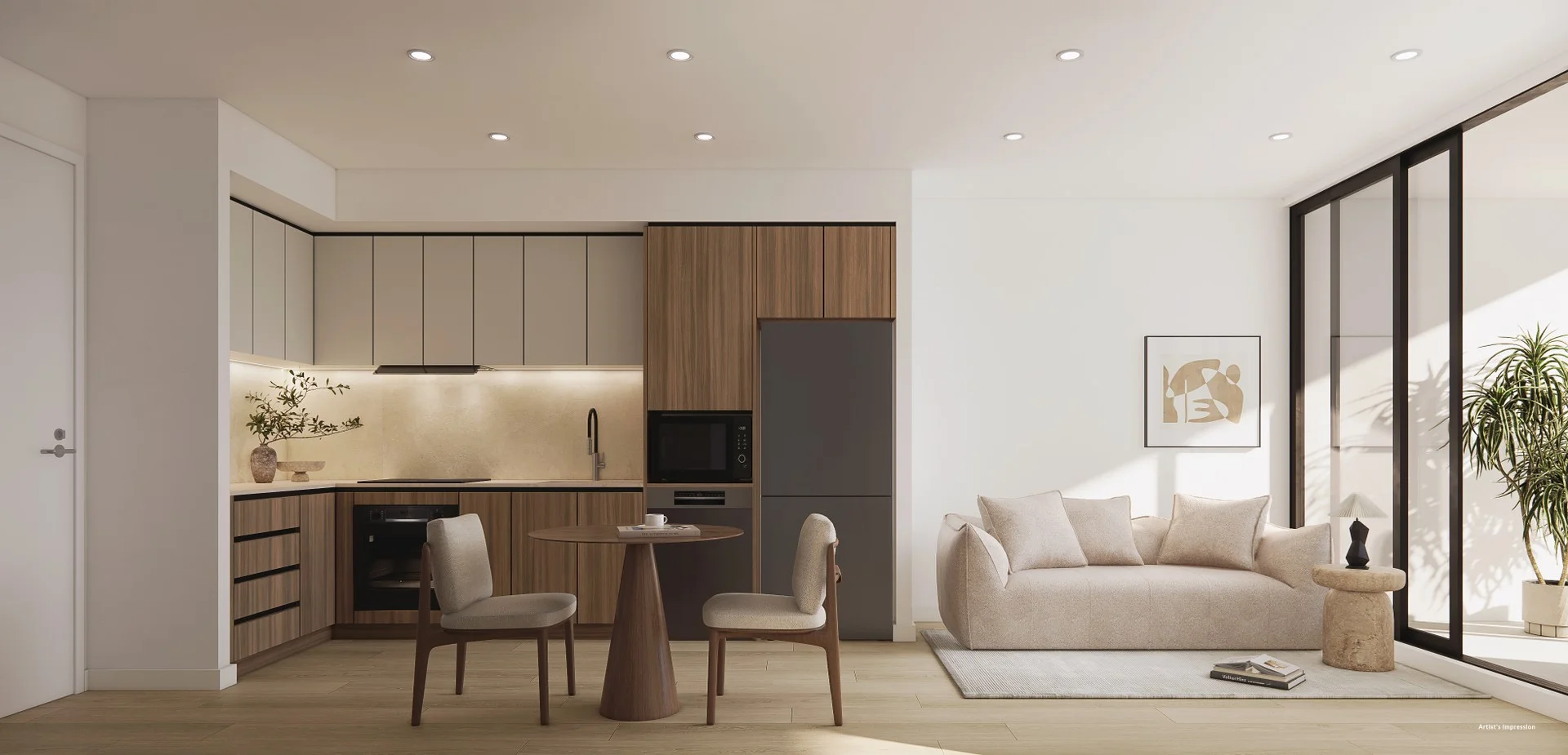 $588,000
Apartment / Unit / Flat
$588,000
Apartment / Unit / Flat
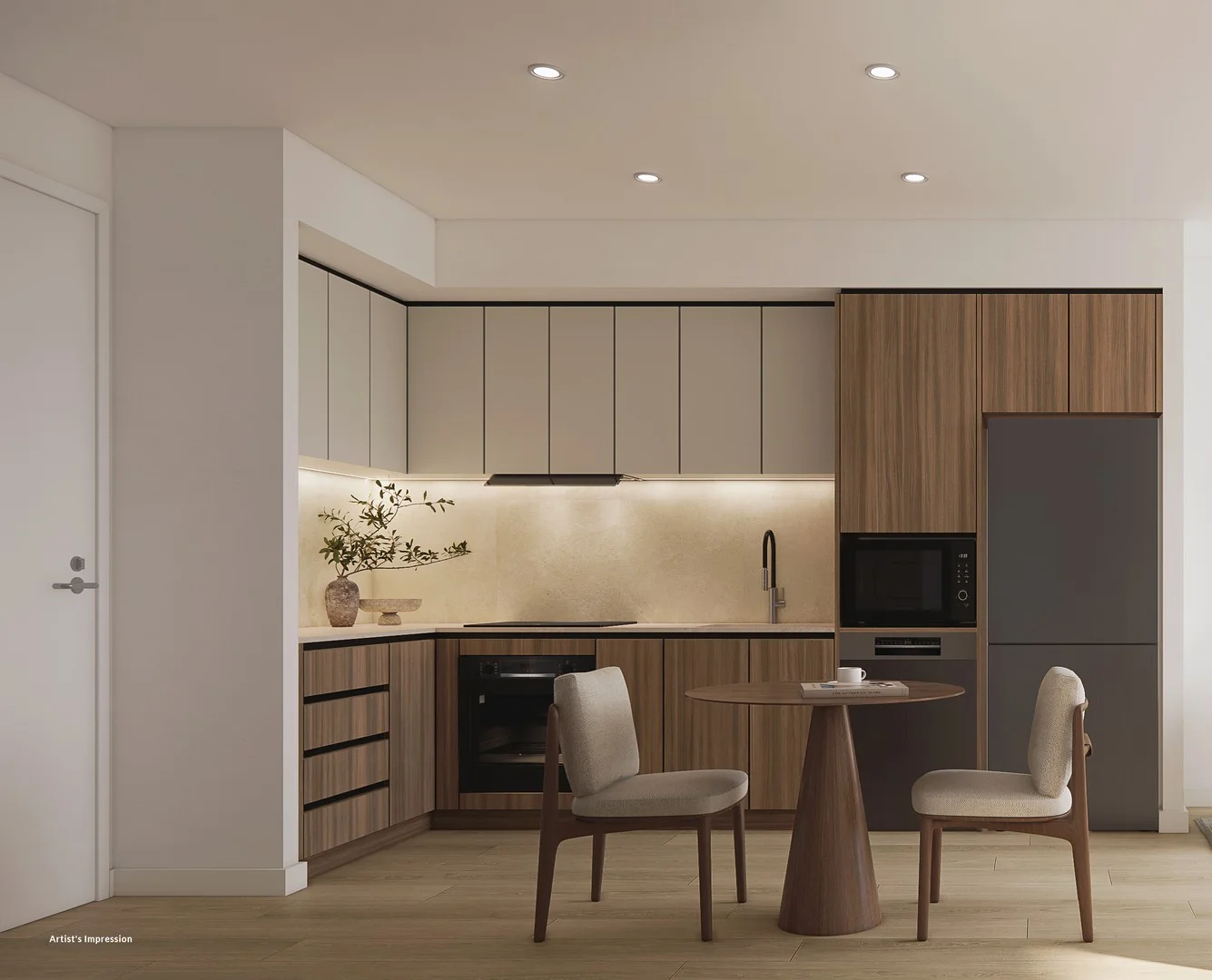 $557,000
Apartment / Unit / Flat
$557,000
Apartment / Unit / Flat
 $935,000
Apartment / Unit / Flat
$935,000
Apartment / Unit / Flat
 $545,000
Apartment / Unit / Flat
$545,000
Apartment / Unit / Flat