 Government primary school in Rowville
Karoo Primary School
Rowville, VIC 3178
Karoo Primary School is a public (government) primary school serving families in Rowville, VIC. The school is characterized as a medium-sized public school with a focus on a supportive, inclusive learning environment where…
About Karoo Primary School
Read the full description
Overview
Karoo Primary School is a public (government) primary school serving families in Rowville, VIC. The school is characterized as a medium-sized public school with a focus on a supportive, inclusive learning environment where students are encouraged to participate and grow across academics, sport, and community activities. Class sizes are typically in the mid-range for Victorian primary schools, supporting individual attention while fostering collaboration among students.
The atmosphere is generally nurturing and community-focused, with an emphasis on student well-being, respect, and engagement. The school aims to create an accessible, inclusive culture that welcomes diverse families and supports students to reach their potential.
Academics & Learning
- Academic strengths: Strong emphasis on literacy and numeracy, with opportunities to develop skills in STEM, and language learning as part of the curriculum.
- Special programs: Possible pathways for extension or gifted-and-talented opportunities; programs designed to challenge and engage high-ability learners where available.
- Support for diverse learners: EAL (English as an Additional Language) support, as well as SEN coordination and targeted interventions to assist diverse learners.
Sports & Extracurricular Strengths
- Sports offered: A range typical for primary schools, including team sports such as netball, basketball, soccer, athletics, and swimming; opportunities for cross-country/athletics events and interschool competitions.
- Strong teams or achievements: Participation in district/inter-school events with opportunities for school-level recognition; achievements vary by year.
- Music, arts, drama programs: Choirs, instrumental lessons, and regular music/drama performances are usually part of the program.
- Clubs: Robotics, coding, chess, debating or public speaking, and other co-curricular clubs commonly offered or available through partnerships.
- Partnerships: Connections with local clubs, community groups, and regional competitions to broaden opportunities beyond the classroom.
Wellbeing & Pastoral Care
- Anti-bullying approach: Whole-school policies and programs aimed at preventing bullying, promoting respectful behavior, and providing clear reporting pathways.
- House system: A house-based structure for engagement in events, fostering teamwork and belonging.
- Counsellors / wellbeing officers: Access to a school wellbeing person or counsellor to support social-emotional learning and student wellbeing.
- Transition support for new students: Orientation activities, buddy programs, and transition support to help new students settle in smoothly.
Facilities
- Sports grounds: Dedicated outdoor spaces for physical education and sports.
- Libraries: A library space for reading, research, and quiet study.
- Science labs: Facilities to support hands-on science learning.
- Music/performing arts centers: Areas for music practice, rehearsals, and performances.
- Tech/innovation labs: Hands-on spaces for coding, robotics, and digital projects.
- Cafeteria: On-site canteen or cafeteria for student meals and snacks.
- Updated playgrounds: Modern play areas to support active play and outdoor learning.
School Values & Community Culture
- School values / mission: A focus on respect, responsibility, and collaboration within a supportive learning community.
- Leadership style: Student voice and leadership opportunities (e.g., student council) alongside teacher and leadership collaboration.
- Behaviour expectations: Clear behaviour policies emphasizing positive conduct, consistent routines, and restorative approaches where needed.
- Community reputation: A community-oriented school with active parent involvement and strong connections within the local area.
- Diversity & inclusion: Commitment to welcoming families from diverse backgrounds and providing an inclusive learning environment.
School Logistics & Daily Operations
- School hours: Typically around 9:00 am to 3:30 pm, with start and finish times aligned to the Victorian primary school timetable.
- Before/after school care: Often available through school or local providers to support working families.
- Uniform requirements: School uniform encouraged or required, with details available from the school office.
- Transport (train/bus routes): Bus services and local transport options commonly used by students; parking and drop-off/pick-up arrangements provided.
- Canteen availability: Canteen or canteen services offering daily meals and snacks.
- Fees (low/medium/high ranges): Public schools usually have voluntary contributions and item fees for activities; uniform costs and occasional excursions may be additional.
Enrolment & Admissions
- What is the enrolment process and timeline?
- Enrolment is generally handled through the Victorian Department of Education process, with a focus on catchment eligibility. Parents submit the enrolment form with required documentation (birth certificate, immunisation status, proof of address) and await confirmation of placement, which may occur in line with school rollover periods (often mid-year and/or at the start of the school year). Early applications are recommended to secure a place.
- Is there a waiting list, and how does it work?
- Waiting lists can apply for out-of-area enrolments or where year levels are full. Waiting lists are typically managed in order of application date and may be influenced by catchment priorities. Families are advised to contact the school for current waitlist procedures and timelines.
- Are there any entry requirements, tests, or interviews?
- Most Victorian primary schools do not require entry tests. Some schools may conduct brief interviews or request additional information to understand needs and to place students appropriately. Check with the school for any specific entry requirements.
- Does the school accept mid-year transfers?
- Mid-year transfers are usually possible if vacancies exist. The school will assess placement viability, ensure records are complete, and coordinate with the enrolling family to align with the current term and class structures.
Frequently Asked Questions
- Why Parents Choose This School?
- A welcoming community, strong focus on literacy and numeracy, supportive wellbeing programs, and opportunities across academics, sport, and the arts.
- What type of student thrives at this school?
- Students who are curious, collaborative, and motivated; those who benefit from a supportive environment and a balanced approach to academics, extracurriculars, and wellbeing.
- What opportunities are available for students to extend their skills (academics, sports, arts)?
- Extension or enrichment opportunities in literacy and numeracy, STEM resources, coding and robotics clubs, music and drama programs, sports teams, and leadership roles.
- How does the school communicate with parents?
- Regular newsletters, emails, a school app or portal, notices, and parent-teacher meetings to share progress and events.
- What is the school’s approach to teaching and learning?
- Student-centered, evidence-based teaching with a focus on core literacy and numeracy, integration of STEM and digital learning, and differentiated instruction to meet diverse needs.
- How does the school support students who need extra academic help?
- Targeted interventions, small-group or one-on-one support, reading and numeracy supports, EAL assistance, and SEN coordination.
- What support is available for academic challenges?
- Ongoing assessment, progress monitoring, and tailored intervention plans to help students catch up and stay engaged.
- How does the school communicate with parents? (repeated)
- Through newsletters, the school app/portal, class teachers’ notes, and parent-teacher interviews.
- What extracurricular and sports opportunities are available?
- A variety of sports teams and competitions, plus clubs in robotics, coding, chess, debating, music, drama, and other arts-based activities.
- What facilities does the school offer (sports, science, arts)?
- Sports grounds, library, science labs, performing arts/music spaces, tech/innovation labs, canteen, and updated playgrounds.
- What is the school’s approach to technology and digital learning?
- Integrated ICT throughout learning with a focus on digital citizenship, safe online practices, and hands-on coding and technology activities.
- What transport and accessibility options are available?
- Bus routes and local transport connections; clear drop-off/pick-up arrangements and parking guidance.
- What are the typical school fees or additional costs?
- Public schools usually have voluntary contributions and item-specific charges; uniforms and some excursions may incur costs. Check current school communications for exact figures.
Short Pros & Cons list
Pros
- Strong sense of community and welcoming culture
- Solid focus on literacy and numeracy with supportive interventions
- Broad range of extracurriculars (sports, arts, coding, robotics)
- Wellbeing and pastoral care integrated into daily school life
- Modern facilities supporting a range of learning activities
Cons
- As a public school, there may be waitlists for non-catchment placements
- Some costs for uniforms, excursions, and materials apply (typical for public schools)
- Availability of extended programs may depend on annual funding and staffing
- Commute or travel considerations for families outside the catchment area
If you’d like, I can tailor this draft further with more precise details once you provide current data from the school or a reliable source.
A few things parents ask
Does Karoo Primary School have a catchment area?
Yes. Karoo Primary School serves the following official intake zone: Karoo Primary School (primary, 2026). Living inside a zone makes this your designated local public school. Whether a place is offered depends on the state’s enrolment policy and the year you apply — it is not a guarantee, and where current students live does not define the boundary. Use the AroundSchools catchment checker to see whether your address falls inside it, then verify with the state education department’s own tool.
What type of school is Karoo Primary School?
Karoo Primary School is a Government, Co-ed school in Rowville, VIC, offering Primary year levels.
Is Karoo Primary School a public or private school?
Karoo Primary School is a public school. It is government-funded and part of the VIC public education system, so it is generally free for local students to attend, aside from voluntary contributions and levies.
Where is Karoo Primary School located?
Karoo Primary School is located at Karoo Road, Rowville VIC 3178 Australia, Rowville, VIC, 3178.
Compare with nearby schools
The closest schools to Karoo Primary School, side by side. Fees appear where a school publishes them; activities and events are what is listed on AroundSchools within a short drive of each school.
| School | Distance | Sector | Gender | Years | Fees / yr | Kids' activities within 2 km | Events within 3 km |
|---|---|---|---|---|---|---|---|
| Karoo Primary SchoolThis school | Here | Government | Co-ed | Primary | — | 26 | 0 |
| Lysterfield Primary School | 1.2 km | Government | Co-ed | Primary | — | 10 | 0 |
| Park Ridge Primary School | 1.6 km | Government | Co-ed | Primary | — | 13 | 0 |
| Knox Park Primary School | 2.3 km | Government | Co-ed | Primary | — | 30 | 0 |
| Mountain Gate Primary School | 2.3 km | Government | Co-ed | Primary | — | 29 | 0 |
| Kent Park Primary School | 2.4 km | Government | Co-ed | Primary | — | 28 | 0 |
| Carrington Primary School | 2.4 km | Government | Co-ed | Primary | — | 29 | 0 |
Sorted by distance, not ranked. Check whether your address is in the catchment
Make a little more of the trip
Parks, playgrounds and libraries near the school.
Kids' activities nearby
Classes and clubs listed within a short drive of the school.

Schools nearby
The closest schools, nearest first.



Properties for sale or rent nearby33
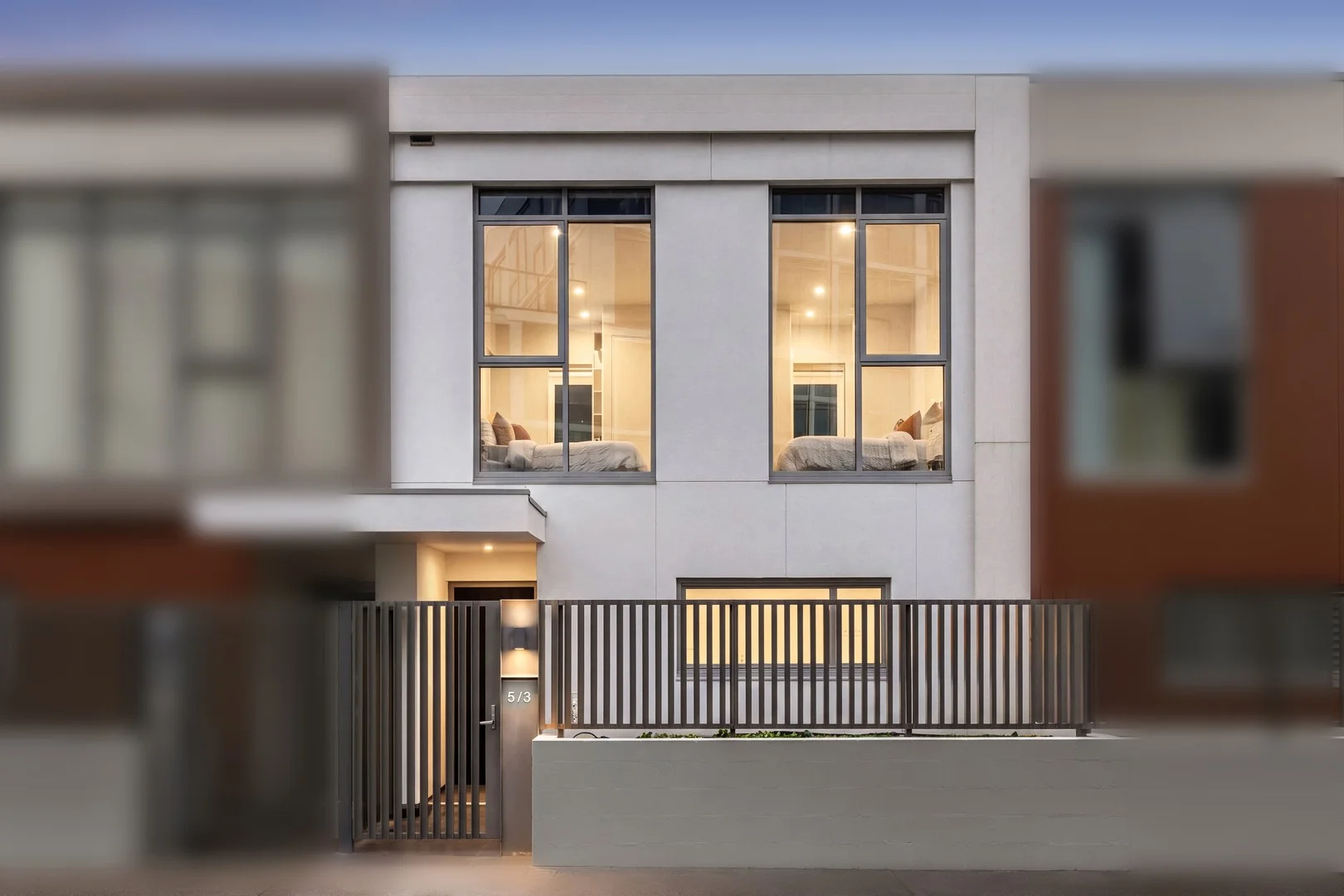
Wantirna South, VIC 3152
Property Type: Townhouse
Listing Type: Residential
Status: Active
Summary: Walk to Westfield Knox | Low-Maintenance Sanctuary | Move-In Ready
Description: Positioned in an unbeatable Wantirna South location, this immaculate 3-bedroom, 2-bathroom, 2-car townhouse delivers contemporary comfort paired with effortless, low-maintenance living. Tucked away privately while placing every key amenity right at your doorstep, this home is impeccably presented in extremely good condition, making it an ideal find for professionals, young families, downsizers, or savvy investors alike. Step inside to discover a bright, modern interior designed for easy daily living and effortless entertaining. The layout boasts three generously sized bedrooms with built-in storage, including a master suite complete with its own private ensuite. A pristine central bathroom serves the rest of the home, while light-filled open-plan living and dining areas transition seamlessly to the outdoors, ensuring a turnkey lifestyle where you can simply move in and enjoy. Outside, the property features rare private front and back courtyards that create peaceful, low-maintenance retreats. Whether you are sipping your morning coffee in the quiet front garden, hosting a weekend barbecue with friends in the private rear yard, or looking for a home that requires minimal upkeep, these dual outdoor spaces offer maximum enjoyment with minimal effort. Location is where this property truly shines. Situated just a casual 2-minute walk from Westfield Knox, you have immediate access to world-class retail shopping, vibrant dining precincts, trendy cafes, and major bus routes. The home is surrounded by local parklands and green spaces, offering the perfect balance of suburban tranquility and city-style convenience right at your doorstep. Families and students will also appreciate the unbeatable proximity to top-tier educational institutions. Wantirna South Primary School, Waverley Christian College, St Andrews Christian College, and Swinburne University are all within easy reach, while quick access to EastLink ensures seamless commuting toward the Melbourne CBD or the Mornington Peninsula. Contact us today to arrange your inspection! Disclaimer: We have, in preparing this document, used our best endeavours to ensure that the information contained in this document is true and accurate, but we accept no responsibility and disclaim all liability in respect to any errors, omissions, inaccuracies or misstatements in this document. Prospective purchasers should make their own enquiries to verify the information contained in this document. Purchasers should make their own enquires and refer to the due diligence checklist provided by Consumer Affairs. Click on the link for a copy of the due diligence checklist from Consumer Affairs. http://www.consumer.vic.gov.au/duediligencechecklist
Agent: John Chen - john.chen@raywhite.com - 0401 664 199
Agent: Michael Renzella - michael.renzella@raywhite.com - 03 8290 0270
 Ray White Clayton


John Chen, Michael Renzella
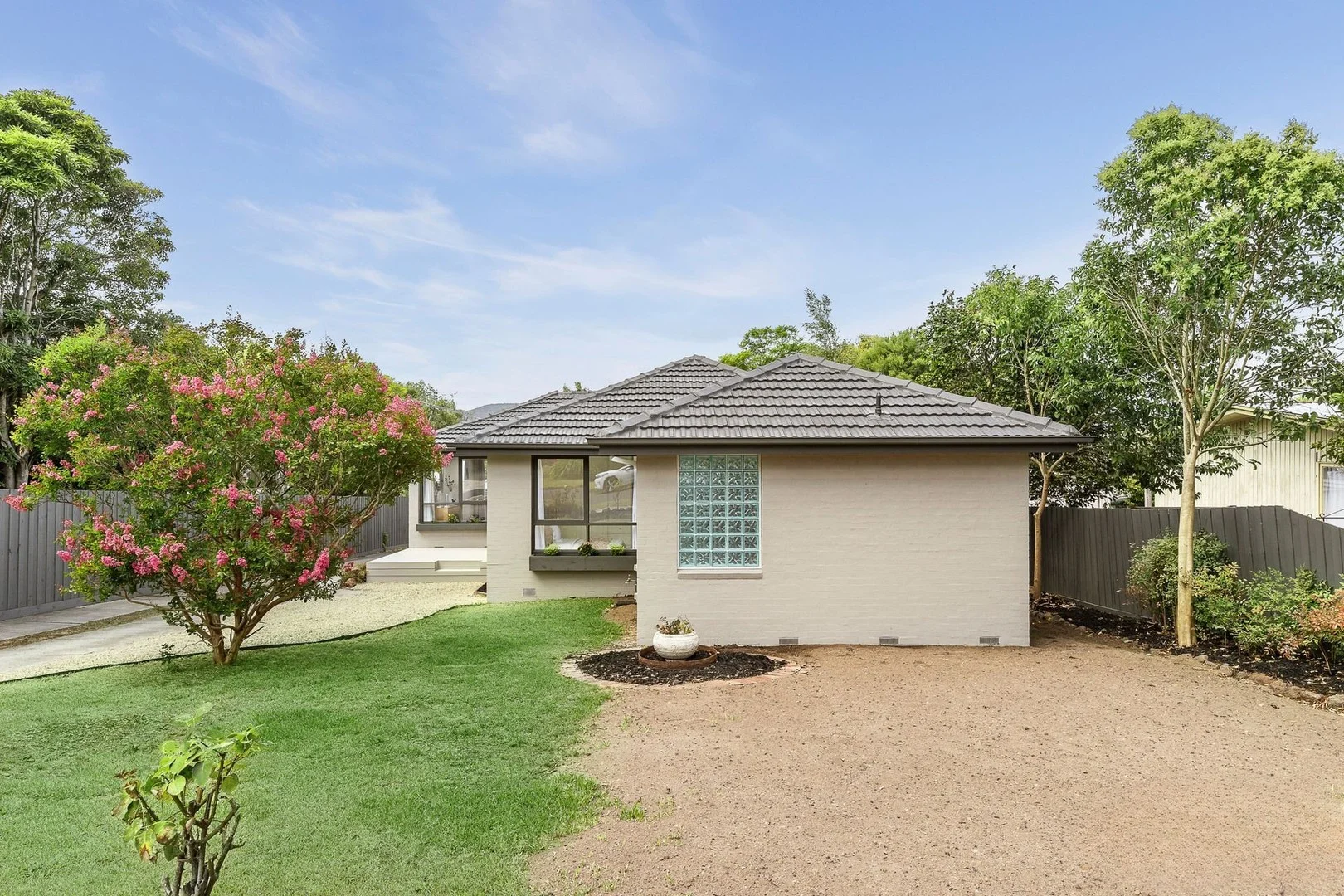
Wantirna South, VIC 3152
Land Size: 426 m²
Property Type: Apartment / Unit / Flat
Listing Type: Residential
Status: Active
Summary: Upgraded Single-Level Home in a Peaceful Court Location
Description: Enjoy easy, move-in-ready living in this beautifully upgraded single-level home, quietly positioned at the end of a tranquil court. Filled with natural light thanks to its desirable west-facing aspect, this front-positioned unit offers comfort, practicality and everyday convenience-just a short stroll from Westfield Knox, local shops and surrounding parklands. Step inside to find a well-maintained home featuring recent upgrades including new carpets, fresh paint, and an updated kitchen complete with a oven, gas cooktop, Asko dishwasher, walk-in pantry and an adjoining laundry.Four brand new air conditioners for year-round comfort. The inviting living area enjoys leafy outlooks and flows to two generous decks, providing the perfect setting for all-day sunshine, outdoor dining and relaxed entertaining. Accommodation includes three well-sized bedrooms, with the master boasting its own private ensuite with a jacuzzi. A practical study nook offers an ideal work-from-home solution. Additional highlights include built-in cabinetry in the front bedroom, a cleverly concealed carport and low-maintenance gardens for easy living. Superbly positioned within walking distance to Studfield Village, Regency Park Primary, Wantirna College, tennis clubs, Blind Creek walking/cycling tracks and just 15 minutes on foot to Westfield Knox, the location delivers exceptional lifestyle convenience.
Agent: Cecilia Yao - ceciliayao@mcgrath.com.au - 03 8822 6188
Agent: Knight Wang - knightwang@mcgrath.com.au
 McGrath Doncaster

Cecilia Yao, Knight Wang
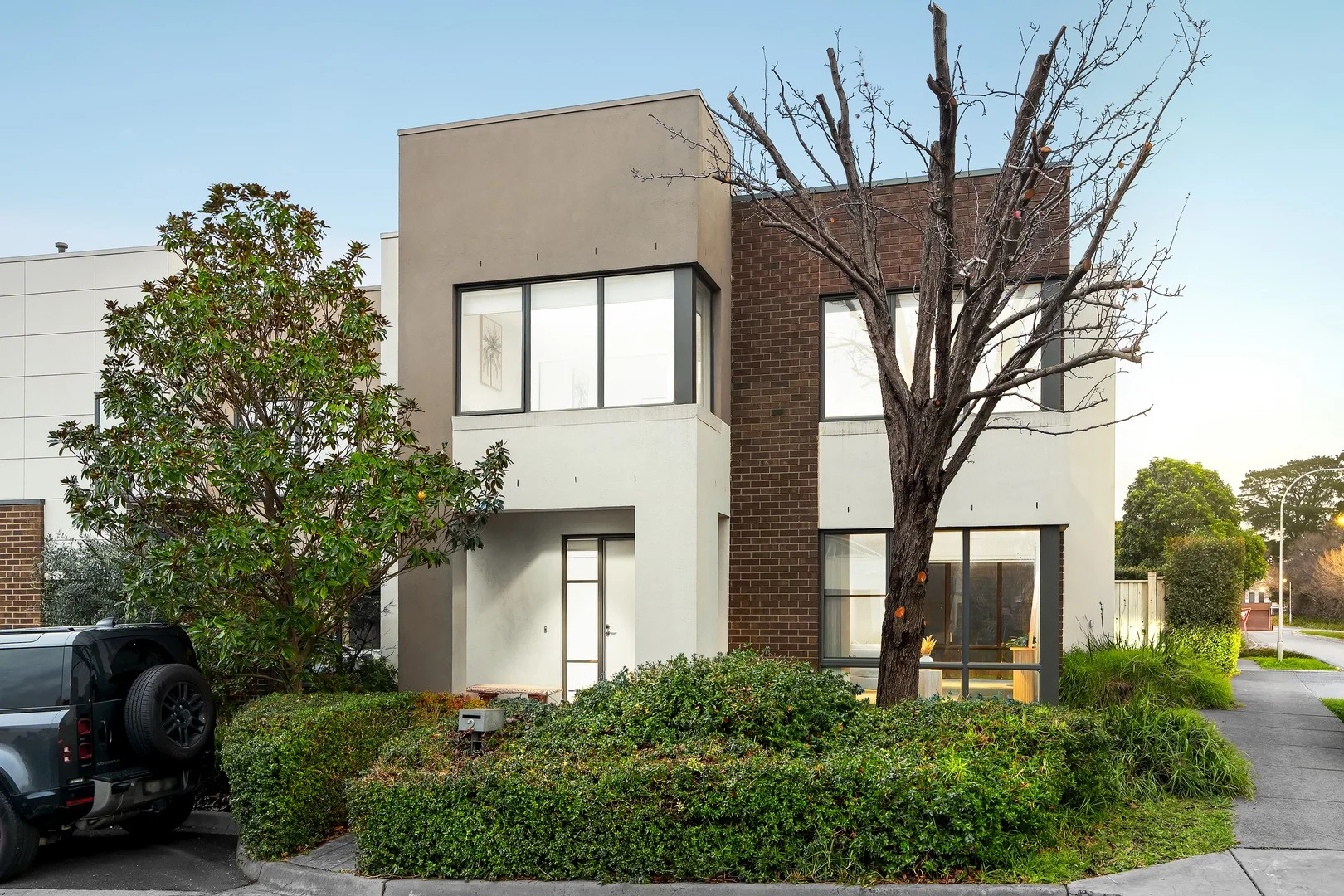
Mulgrave, VIC 3170
Property Type: House
Listing Type: Residential
Status: Active
Summary: Corner Block Living with Elevated Views
Description: Positioned on a desirable corner block, 2 Selhurst Park Road, Mulgrave offers an exciting opportunity to secure a spacious and well-positioned family home with excellent potential. From the moment you step inside, the generous living and dining areas create a welcoming sense of space, providing plenty of room for the whole family to relax, entertain and enjoy everyday living. Large windows capture beautiful views and fill the home with natural light, adding to the sense of openness and comfort. The corner-block position is a standout feature, offering an appealing combination of space, flexibility and street presence. Whether you're looking for a comfortable home to move straight into, an investment opportunity, or a property with scope for future improvement, this address is sure to attract attention. The well-proportioned living spaces provide a versatile foundation for a range of lifestyles, while the outlook adds an extra dimension rarely found in comparable homes. Set in the popular Mulgrave area, this property is conveniently positioned for access to local amenities, schools, shops, parks and transport options, making everyday living both practical and enjoyable. With its generous living and dining spaces, appealing views and sought-after corner-block position, 2 Selhurst Park Road presents an opportunity not to be missed. Whether you're a growing family, savvy investor or astute buyer looking for potential, make sure this property is on your inspection list. Corner block. Spacious interiors. Great outlook. Endless potential. Inspect and discover the possibilities for yourself. Disclaimer: We have, in preparing this document, used our best endeavours to ensure that the information contained in this document is true and accurate, but we accept no responsibility and disclaim all liability in respect to any errors, omissions, inaccuracies or misstatements in this document. Prospective purchasers should make their own enquiries to verify the information contained in this document. Purchasers should make their own enquires and refer to the due diligence checklist provided by Consumer Affairs. Click on the link for a copy of the due diligence checklist from Consumer Affairs. http://www.consumer.vic.gov.au/duediligencechecklist
Agent: Andy Chong - andy.chong@raywhite.com - 03 8290 0270
Agent: Peter Liu - peter.liu@raywhite.com - 03 8290 0270
Ray White Clayton

Andy Chong, Peter Liu