Overview
1. Overview
Mountain Gate Primary School is a public primary school located in Ferntree Gully, Victoria, serving families in the local community. The school emphasizes an inclusive, supportive learning environment where students are encouraged to grow academically, socially, and physically.
- School type: Public
- School size: Medium
- Class size: Approximately 22–24 students per class
- Atmosphere/culture: Inclusive, nurturing, diverse, with a strong sense of community
⸻
2. Academics & Learning
Mountain Gate PS focuses on building solid literacy and numeracy foundations while expanding opportunities in STEM, leadership, and languages. The school aims to foster curious, independent learners who collaborate well and demonstrate resilience.
- Academic strengths: English and mathematics, STEM activities, leadership opportunities, language learning
- Special programs: Gifted and Talented options and targeted literacy/numeracy support; opportunities for accelerated learning where available
- NAPLAN / trends: Steady improvement in key literacy and numeracy indicators over time; focus on consistent growth across cohorts
- Student-teacher ratios: Small-to-medium class sizes with close teacher-student interaction
- Support for diverse learners: EAL support, SEN requirements addressed through targeted learning plans and inclusive teaching practices
⸻
3. Sports & Extracurricular Strengths
A strong emphasis on well-rounded development, with a variety of sports and clubs to engage boys and girls from in and outside mainstream class time.
- Sports offered: Core school sports (e.g., athletics, cricket, soccer, basketball) and physical education programs
- Strong teams or achievements: Notable participation in inter-school events and local competitions
- Music, arts, drama programs: Active music and performing arts opportunities alongside visual arts
- Clubs: Robotics, coding, chess, debating, and other interest clubs
- Partnerships: Local community partnerships and competition opportunities in STEM, arts, and sport
⸻
4. Wellbeing & Pastoral Care
Wellbeing and pastoral care are central to student success, with systems in place to support mental health, resilience, and positive school culture.
- Anti-bullying approach: Whole-school programs, clear codes of conduct, and ongoing education for students and staff
- House system: House-based activities to promote belonging, teamwork, and healthy competition
- Counsellors / wellbeing officers: Access to school wellbeing staff for individual and small-group support
- Transition support for new students: Welcome programs, buddy systems, and tailored induction for new entrants
⸻
5. Facilities
Facilities at Mountain Gate Primary School are designed to support a hands-on, engaging learning environment with spaces for collaboration, creativity, and physical activity.
- Sports grounds: Outdoor sports spaces for PE and play
- Libraries: Well-stocked library with flexible learning spaces
- Science labs: Dedicated spaces for practical science activities
- Music/performing arts centers: Areas for music practice and performances
- Tech/innovation labs: Integrated classroom technology and makerspace-style opportunities
- Cafeteria: On-site canteen or meal service options
- Updated playgrounds: Safe, modern playspaces and outdoor learning areas
⸻
6. School Values & Community Culture
Mountain Gate PS cultivates a positive culture with clear values and a collaborative leadership style that involves students, staff, and families.
- School values / mission: Commitment to respect, responsibility, resilience, and inclusivity
- Leadership style: Collaborative, with student voice and leadership opportunities
- Behaviour expectations: Clear expectations linked to school values, consistently applied
- Community reputation: Trusted local school with supportive parent involvement
- Diversity & inclusion: Active efforts to welcome students from diverse backgrounds and needs
⸻
7. School Logistics & Daily Operations
Practical details to help families plan around school life.
- School hours: Standard instructional day with start and finish times consistent with Victorian primary schools
- Before/after school care: Availability of after-school care or programs (where offered locally)
- Uniform requirements: Plain, compliant school uniform if applicable
- Transport: Local bus routes and public transport options serving the area
- Canteen availability: Canteen or meal program options aligned with school policies
- Fees: Voluntary contributions and material/levy charges; generally moderate in range
⸻
8. Enrolment & Admissions
11. What is the enrolment process and timeline?
- Families typically submit an application during the annual enrolment period. The school provides a set timeline for applications, approvals, and notification of enrolment outcomes.
12. Is there a waiting list, and how does it work?
- If the intake is full, a waiting list may operate. Placement on the list is usually determined by factors such as boundary eligibility, order of application, and availability of places.
13. Are there any entry requirements, tests, or interviews?
- Public primary schools commonly require standard eligibility verification (residency within the catchment if applicable). Some schools may conduct informal discussions or orientation sessions; formal entry tests are not typical for standard year-to-year enrolment.
14. Does the school accept mid-year transfers?
- Mid-year transfers are considered subject to availability of places, with appropriate documentation and meeting enrolment requirements.
⸻
9. Frequently Asked Questions
- Why Parents Choose This School?
- A welcoming, inclusive community with a focus on both academic growth and wellbeing; strong local ties and supportive staff.
- What type of student thrives at this school?
- Students who value collaboration, curiosity, and a balanced approach to academics, sports, and arts.
- What opportunities are available for students to extend their skills (academics, sports, arts)?
- Leadership roles, gifted and talented pathways, enrichment clubs (robotics, coding, debating), and active participation in sports and arts programs.
- How does the school communicate with parents?
- Regular updates via newsletters, the school website, parent portals, and targeted communication during key events and milestones.
- What is the school’s approach to teaching and learning?
- Engaging, student-centered instruction with a focus on literacy, numeracy, and practical, hands-on learning experiences.
- How does the school support students who need extra academic help?
- Targeted literacy and numeracy support, small-group interventions, and access to learning support staff.
- What support is available for academic challenges?
- Individualized learning plans and extra support through classroom differentiation and targeted programs.
- How does the school communicate with parents?
- See above; multiple channels used to ensure timely and clear information sharing.
- What are the class sizes and how much individual attention do students receive?
- Class sizes are kept within a moderate range to allow teachers to provide attentive, differentiated instruction.
- What extracurricular and sports opportunities are available?
- A range of sports programs and clubs (robotics, coding, chess, debating, arts, music) are available in addition to regular PE and inter-school activities.
- What facilities does the school offer (sports, science, arts)?
- Sports grounds, libraries, science labs, music/performing arts spaces, tech/innovation labs, and a canteen/meal program.
- What is the school’s approach to technology and digital learning?
- Integration of classroom technology to support digital literacy, research, and project-based learning.
- What transport and accessibility options are available?
- Local bus services and public transport options within the area; accessibility features as appropriate.
- What are the typical school fees or additional costs?
- Voluntary contributions and materials charges; generally moderate and communicated in advance.
⸻
10. Short Pros & Cons list
Pros
- Public, inclusive environment with a focus on wellbeing and community
- Balanced emphasis on academics, arts, and sport
- Moderate class sizes allowing individual attention
- Range of clubs and enrichment opportunities
- Active communication with families and supportive staff
Cons
- As a public school, resources may be more variable year-to-year depending on funding and enrollment
- Competition for mid-year transfers or specialist programs may exist
- Specific programs (e.g., IB or intensive gifted pathways) may not be available; check with school for current offerings
⸻








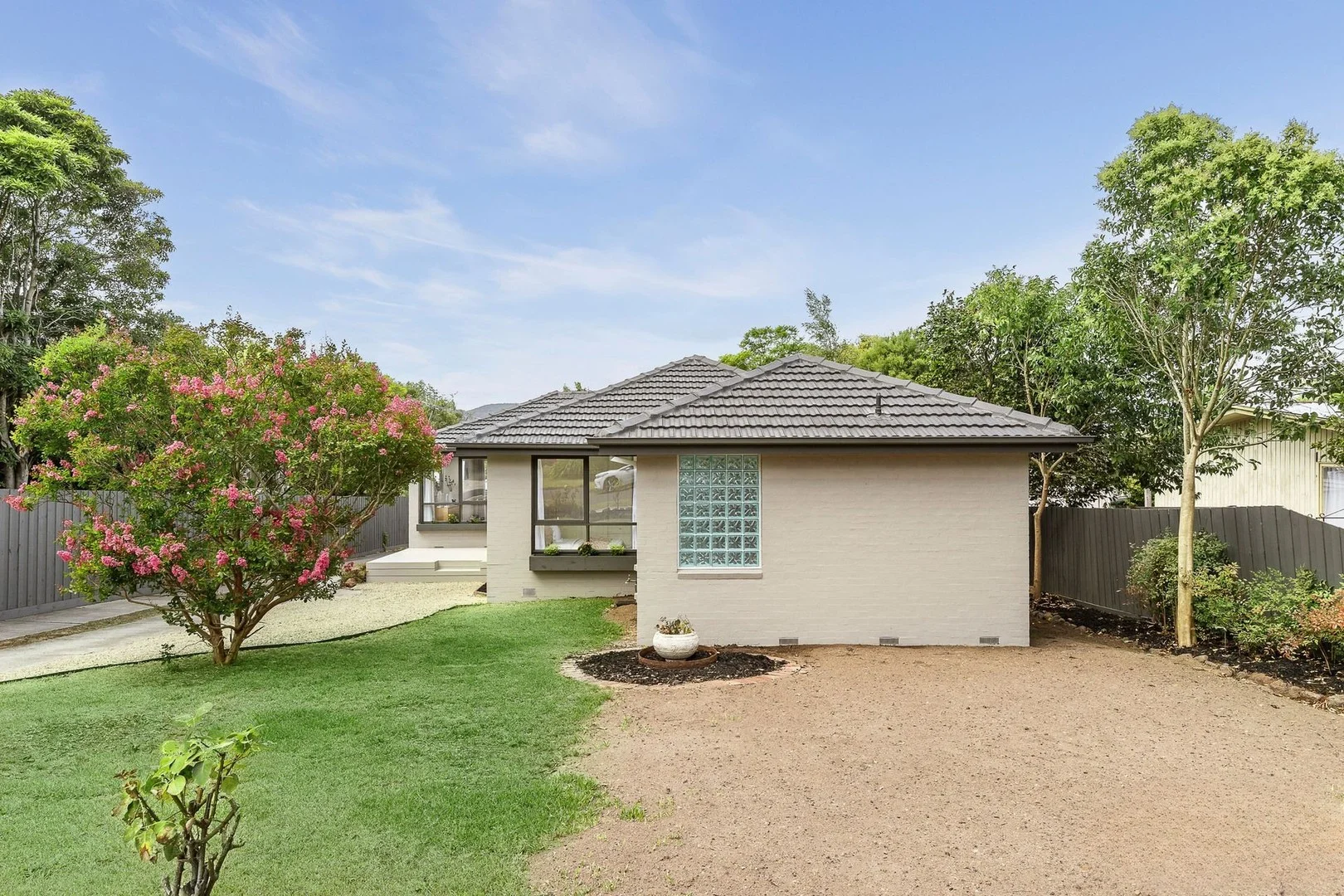 $700
Apartment / Unit / Flat
$700
Apartment / Unit / Flat
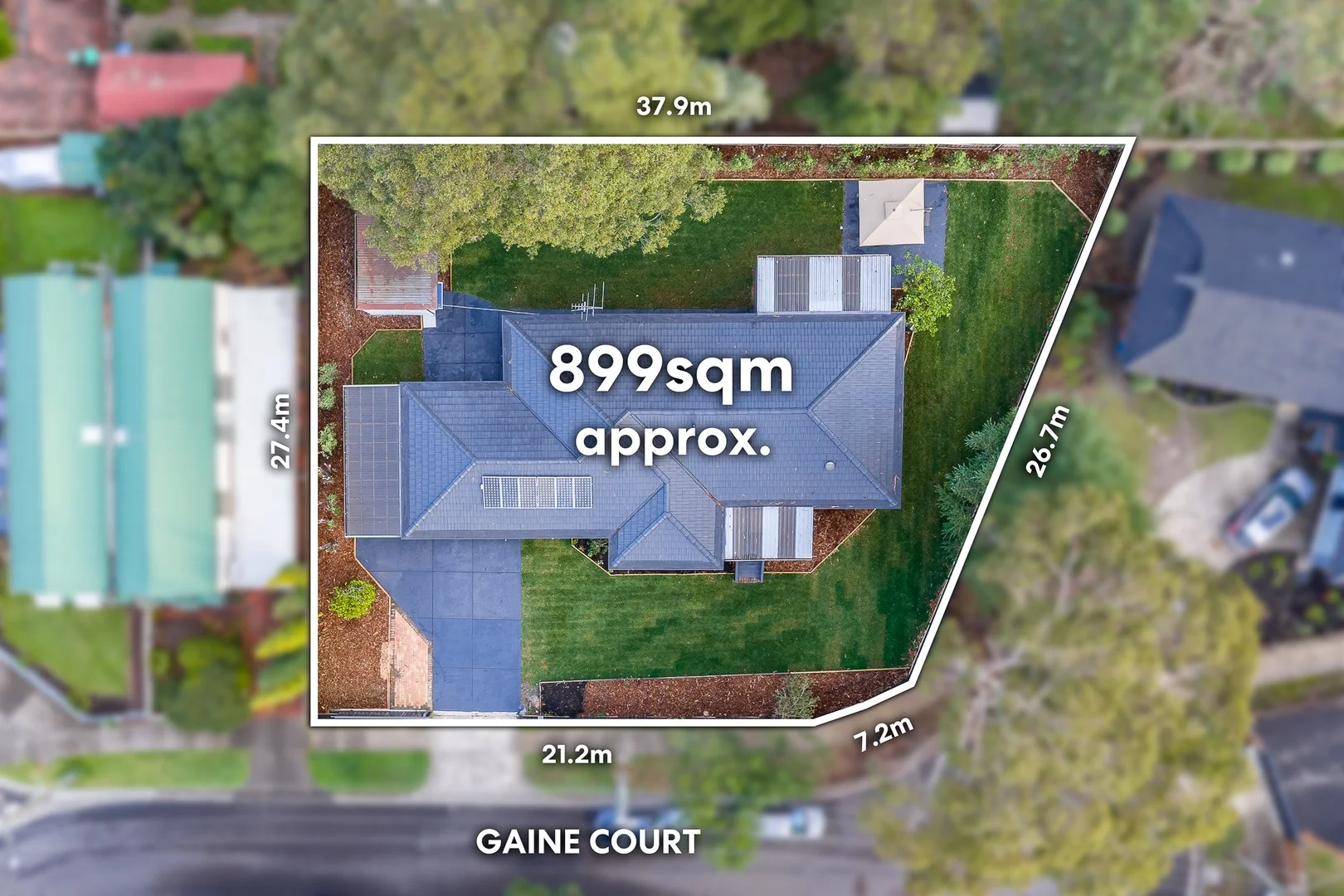 $990,000 - $1,080,000
House
$990,000 - $1,080,000
House
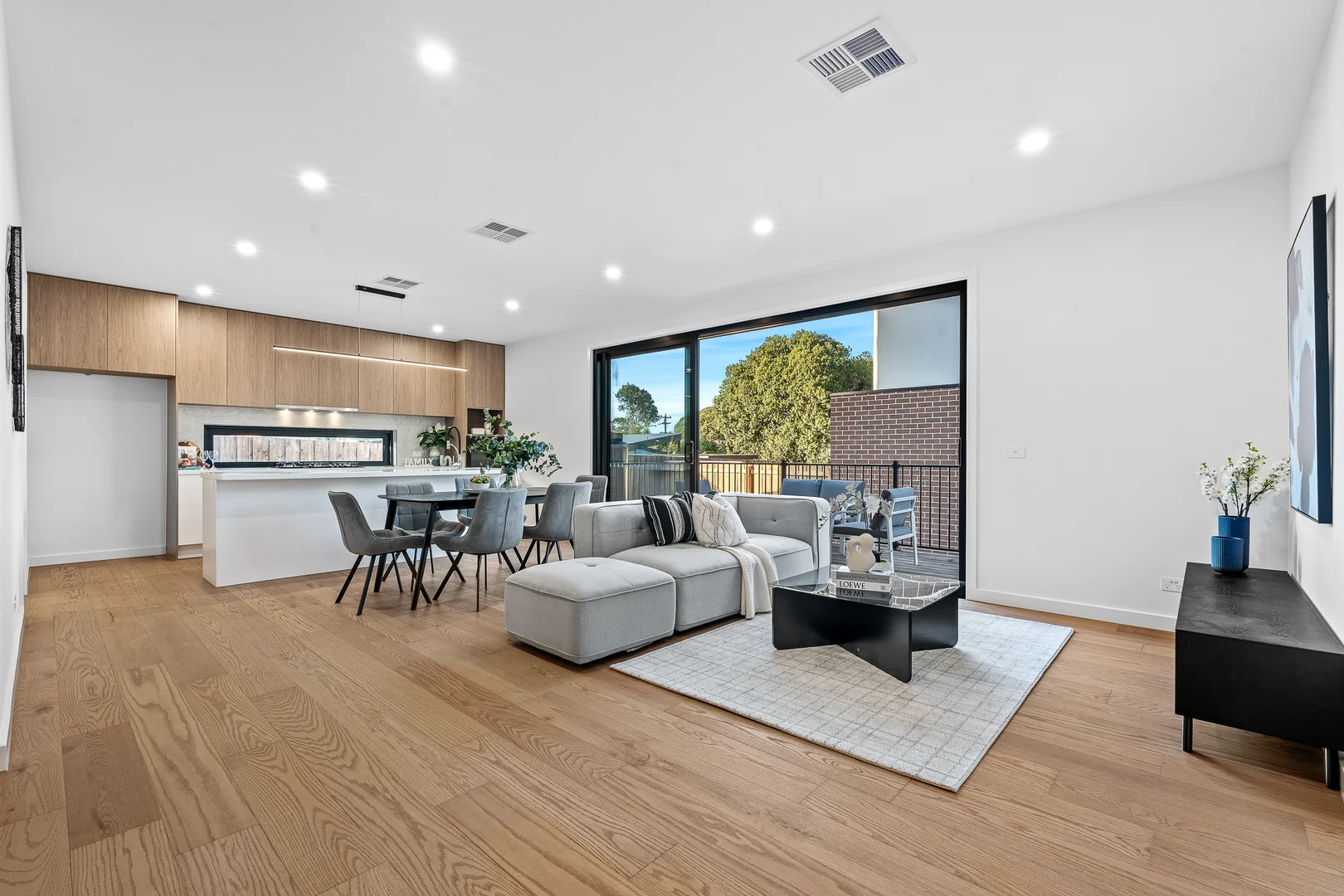 $990,000 - $1,080,000
Townhouse
$990,000 - $1,080,000
Townhouse
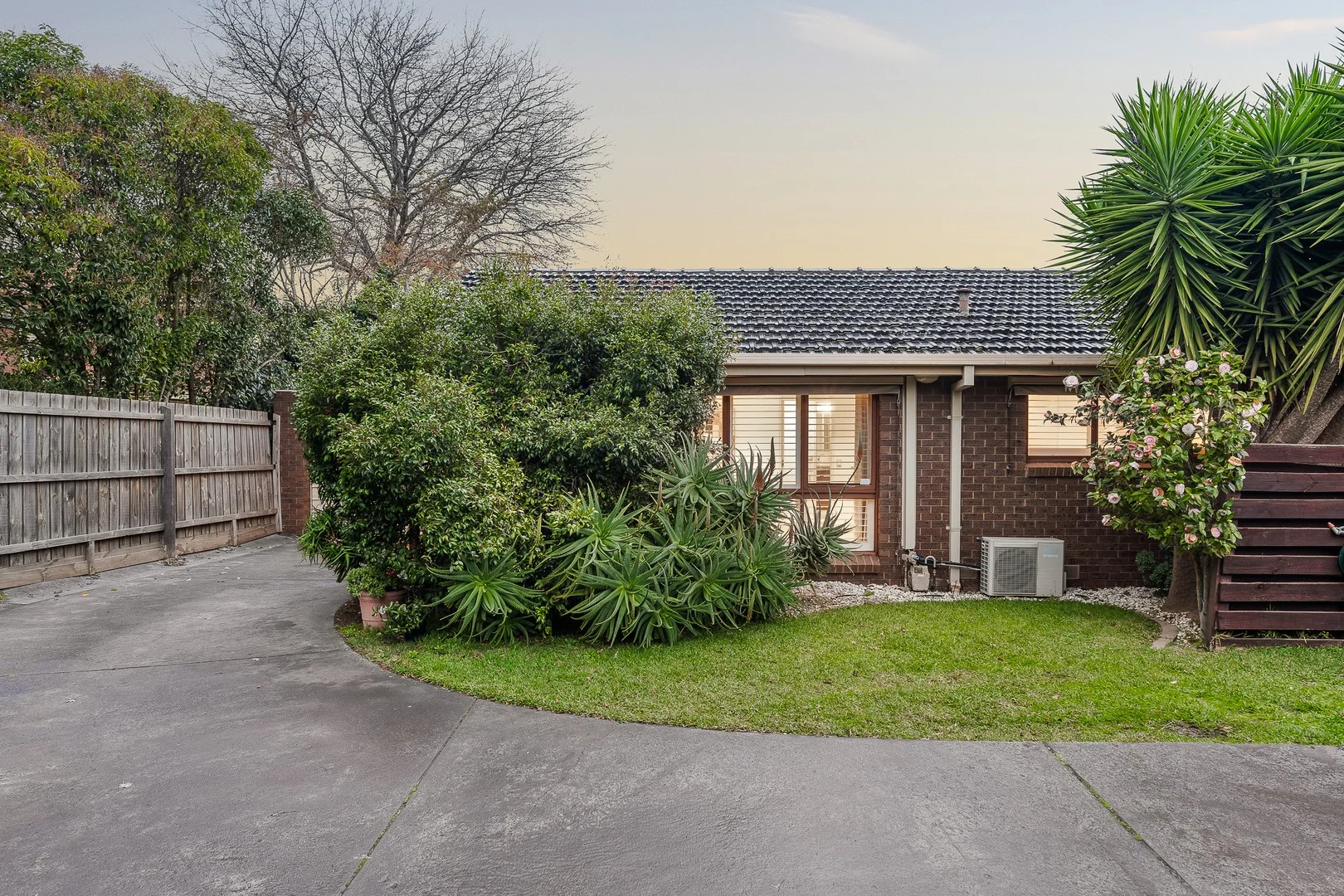 $770,000 - $820,000
Apartment / Unit / Flat
$770,000 - $820,000
Apartment / Unit / Flat
 $1,300,000
House
$1,300,000
House
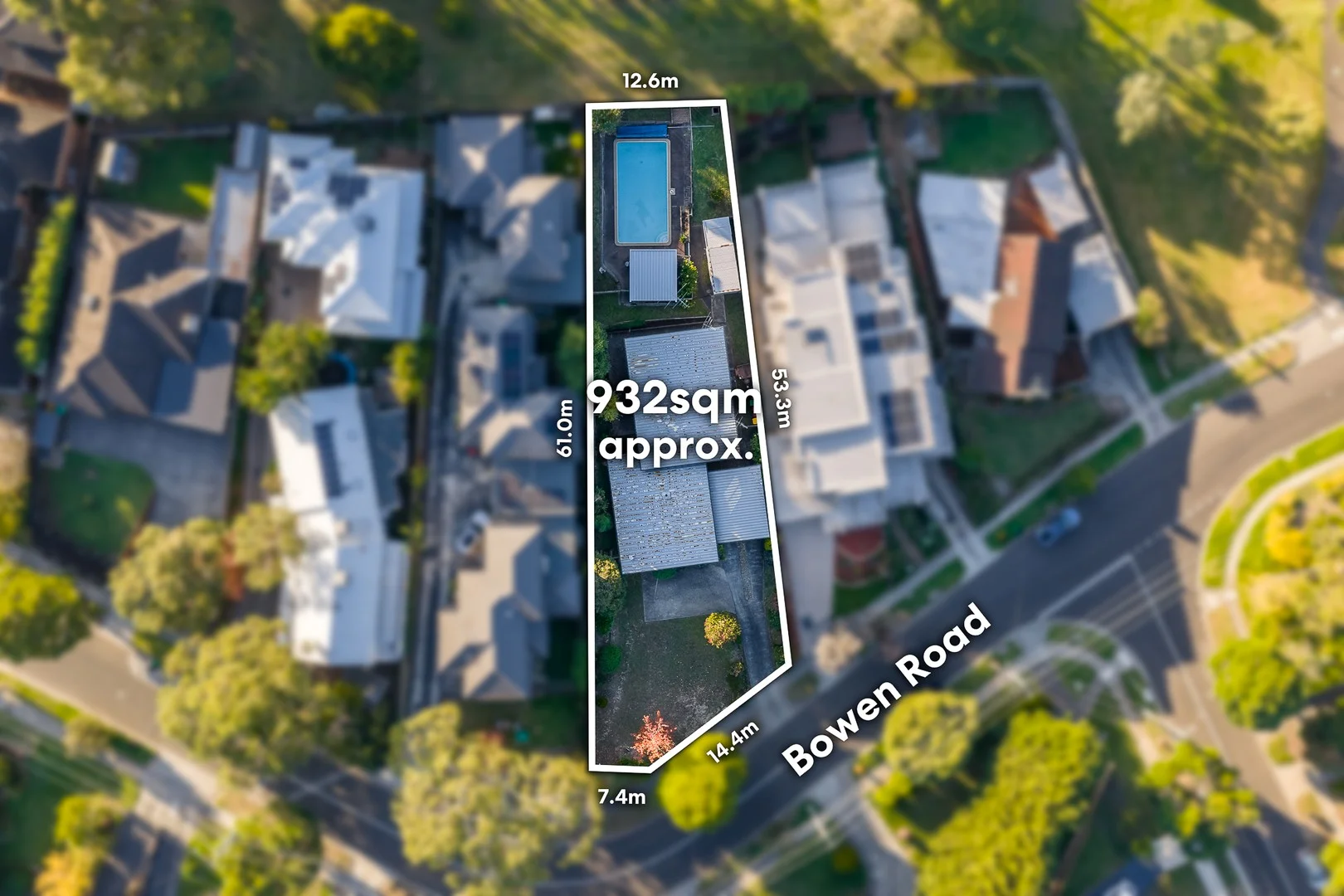 $1,300,000 - $1,400,000
House
$1,300,000 - $1,400,000
House
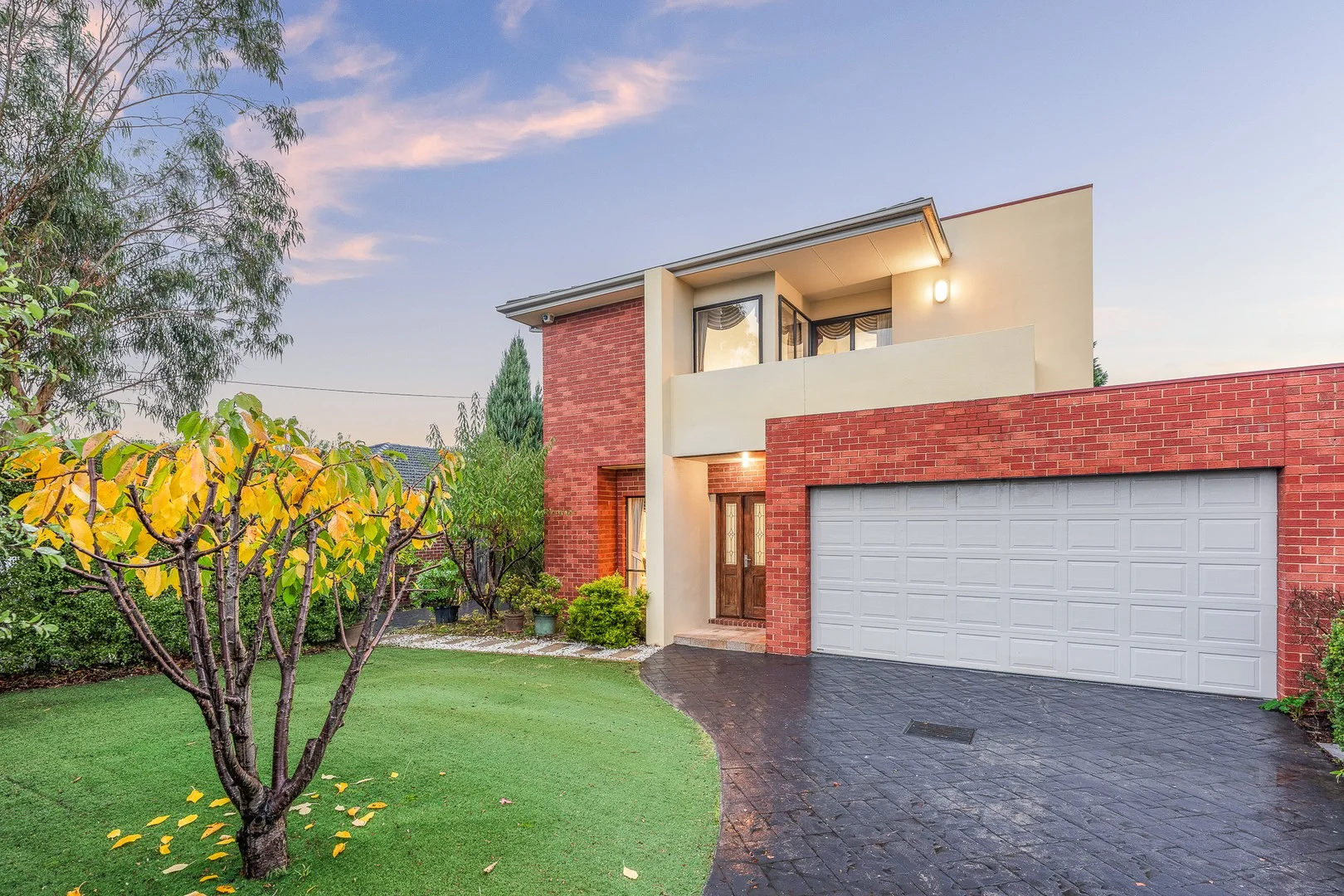 $1,150,000 - $1,250,000
Townhouse
$1,150,000 - $1,250,000
Townhouse
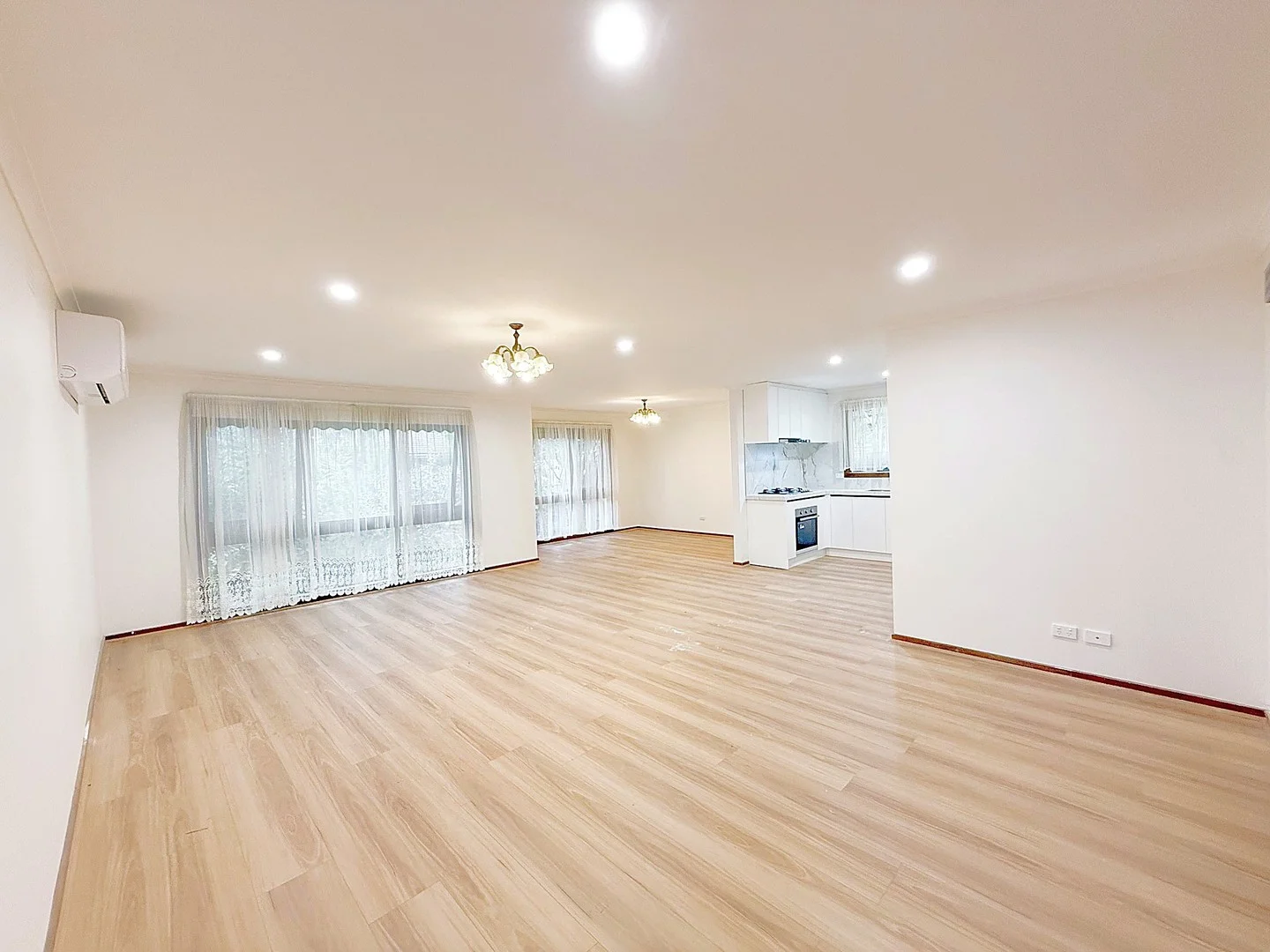 $1,100
House
$1,100
House
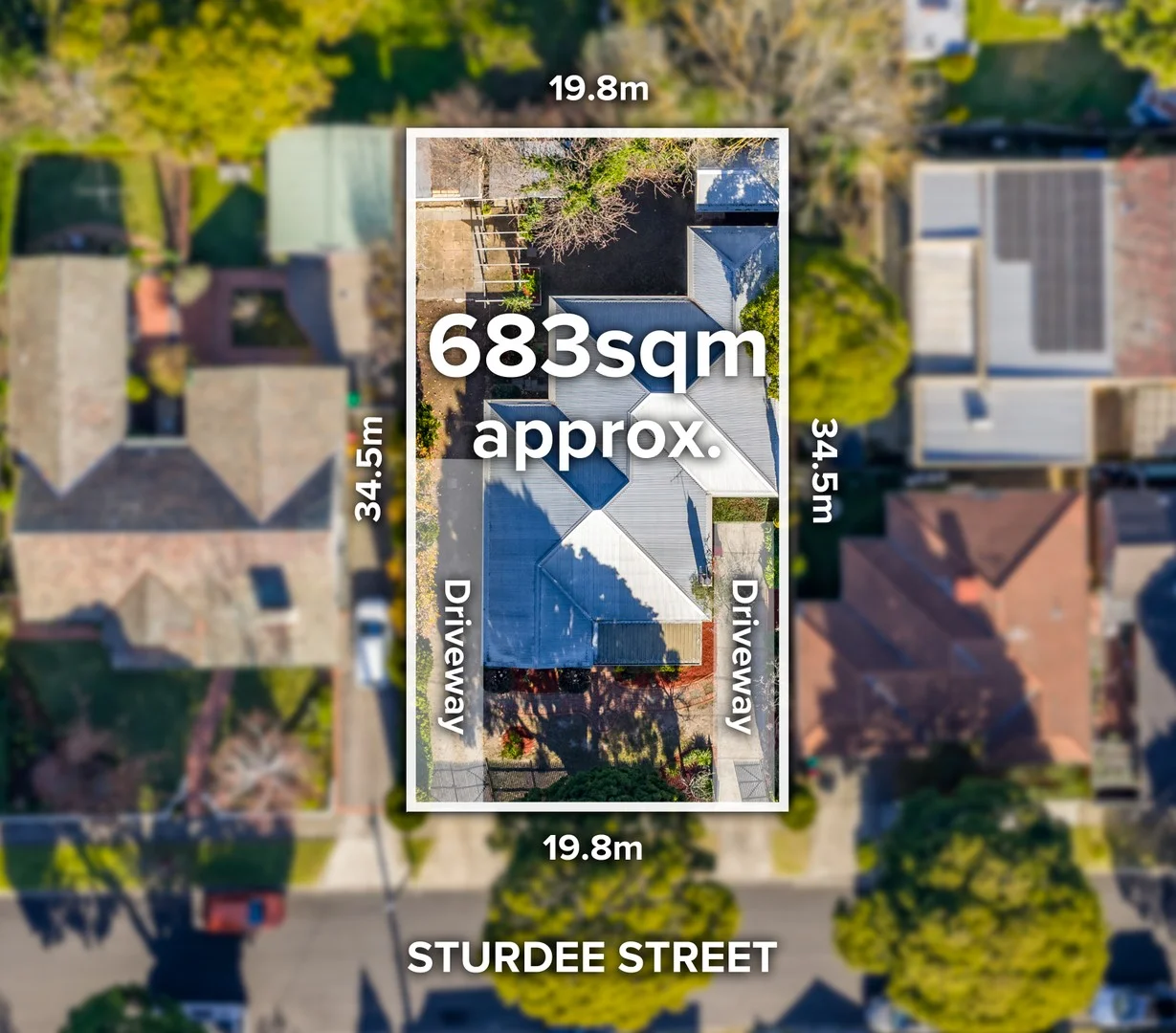 $2,000,000
House
$2,000,000
House