## Overview
St Mary's Anglican Girls' School is an independent Anglican day school for girls, offering a values-based education from early years through to the senior years. The school combines a strong academic program with a focus on leadership, service and character, supported by a close-knit community and extensive co-curricular opportunities. It is a large school with a substantial student body, designed to provide personalised learning within a comprehensive, well-resourced environment.
Class sizes are designed to balance individual attention with collaborative learning. The atmosphere is nurturing and inclusive, while also maintaining high academic expectations. Students are supported to pursue excellence across academics, the arts, and sport within a culture that values integrity, resilience and service.
---
## Academics & Learning
- Academic strengths: strong emphasis on STEM, English, languages, and leadership development; well-rounded programs that support critical thinking and communication.
- Special programs: accelerated learning opportunities and gifted/talented pathways; emphasis on leadership, service-learning and university pathway preparation.
- NAPLAN / trends: historically strong performance with trends showing consistent above-state averages in reading, writing and numeracy; steady improvement across cohorts.
- Student-teacher ratios: low to moderate ratios that enable targeted instruction and personalised support (typical secondary class sizes designed to facilitate engagement and feedback).
- Support for diverse learners: robust EAL support and SEN/personalised learning support; inclusive education programs to help all students reach their potential.
---
## Sports & Extracurricular Strengths
- Sports offered: netball, hockey, basketball, tennis, swimming, athletics, cricket, cross country, soccer and other seasonal activities; broadPE and competitive teams.
- Strong teams or achievements: active participation in interschool competitions with strong performance across age groups; regular opportunities to compete at regional levels.
- Music, arts, drama programs: comprehensive music ensembles (orchestras, choirs), drama productions and visual arts programs; opportunities to showcase performances.
- Clubs: robotics, chess, coding, debating and a range of student-led clubs to develop interests outside the classroom.
- Partnerships: connections with local clubs and regional/interschool competitions to broaden competitive and collaborative opportunities.
---
## Wellbeing & Pastoral Care
- Anti-bullying approach: clear policies, proactive education, reporting pathways and student support structures to maintain a respectful environment.
- House system: a house-based framework that fosters belonging, healthy competition and pastoral connection among students and staff.
- Counsellors / wellbeing officers: dedicated wellbeing team and school counsellors to support mental health, resilience and personal development.
- Transition support for new students: orientation programs, buddy systems and targeted transition activities to help welcoming and settling in.
---
## Facilities
- Sports grounds: extensive outdoor sports facilities and fields for year-round activities.
- Libraries: well-stocked library spaces supporting study, research and reading for pleasure.
- Science labs: modern science laboratories equipped for hands-on experimentation.
- Music/performing arts centers: dedicated spaces for music, theatre and performing arts.
- Tech/innovation labs: modern ICT facilities and innovation spaces to support digital learning and project work.
- Cafeteria: on-site canteen providing a range of healthy meal options.
- Updated playgrounds: contemporary playgrounds and learning outdoor spaces.
---
## School Values & Community Culture
- School values / mission: a clear commitment to integrity, service, excellence, and respect; emphasis on character education alongside academic achievement.
- Leadership style: student leadership opportunities with mentorship from staff; collaborative leadership culture across year levels.
- Behaviour expectations: high standards of behaviour, mutual respect and responsibility; emphasis on responsible digital citizenship.
- Community reputation: strong reputation for academic achievement, service, and a welcoming, inclusive school culture.
- Diversity & inclusion: active commitment to diversity, equity and inclusive practices within the school community.
---
## School Logistics & Daily Operations
- School hours: typical school day runs from morning to mid-afternoon with structured breaks.
- Before/after school care: available options to support families with early drop-off and late pick-up needs.
- Uniform requirements: formal school uniform with guidelines for daily wear and event dress; details provided by the school.
- Transport (train/bus routes): transport options including school bus services and proximity to public transport; arrangements for access and pick-up points.
- Canteen availability: on-site canteen or food service during the day.
- Fees (low/medium/high ranges): fees are in the higher range reflecting independent schooling; detailed fee schedules available through the admissions team.
---
## Enrolment & Admissions
11. What is the enrolment process and timeline?
- Inquiry and information session, then formal application.
- Submission of required documentation, followed by assessments/interviews as applicable.
- Offers are made after assessment/interview, with a defined timeline for acceptance and enrolment.
12. Is there a waiting list, and how does it work?
- Waiting lists may apply for certain year levels; the school manages eligibility, interview outcomes and seat availability; priority may be given to siblings or applicants meeting specific criteria.
13. Are there any entry requirements, tests, or interviews?
- Entry may involve a combination of documentation, academic assessments, and interviews; some year levels or programs may have additional criteria or auditions where relevant.
14. Does the school accept mid-year transfers?
- Mid-year transfers are considered based on space, suitability, and readiness; a smooth transition plan is often provided if a transfer is accepted.
---
## Frequently Asked Questions
- Why Parents Choose This School?
- A combination of strong academic results, a supportive and inclusive culture, leadership opportunities, and a balanced focus on sport, arts and service.
- What type of student thrives at this school?
- Motivated, curious and collaborative girls who value high standards, community, and leadership development.
- What opportunities are available for students to extend their skills (academics, sports, arts)?
- Advanced learning pathways, leadership programs, specialist clubs, competitive sports teams, music ensembles, drama and visual arts opportunities, plus service and leadership projects.
- How does the school communicate with parents?
- Regular newsletters, a family portal, parent-teacher meetings and information evenings; updates from the school leadership and relevant departments.
- What is the school’s approach to teaching and learning?
- Student-centered, inquiry-based approach with a strong emphasis on critical thinking, collaboration and real-world problem solving.
- How does the school support students who need extra academic help?
- Targeted learning support, EAL/SEN assistance, tutoring options and ongoing progress monitoring.
- What support is available for academic challenges?
- Access to learning support staff, extension opportunities for high-achieving students and structured intervention plans where needed.
- How does the school communicate with parents? (Repeated)
- See above: newsletters, portal, meetings, and school-led communications.
- What are the class sizes and how much individual attention do students receive?
- Class sizes are designed to enable achievable individual attention; lower student-teacher ratios support personalised feedback and support.
- What extracurricular and sports opportunities are available?
- A wide range of sports (netball, hockey, basketball, tennis, swimming, athletics, cricket, cross country, soccer), music and drama programs, and clubs such as robotics, chess, coding and debating.
- What facilities does the school offer (sports, science, arts)?
- Modern sport facilities, well-equipped science labs, music and performing arts spaces, libraries, and technology/innovation labs.
- What is the school’s approach to technology and digital learning?
- Integrated digital learning across year levels, with access to devices, software and online resources to support learning, creativity and collaboration.
- What transport and accessibility options are available?
- School transport options and access to public transport; established routes and pick-up points to support commuting families.
- What are typical school fees or additional costs?
- Fees reflect the independent school model; a breakdown is provided by the admissions team and includes tuition, resources and any program-specific costs.
---
## Short Pros & Cons list
- Pros
- Independent Anglican school with a values-based, holistic education
- Strong academic culture with support for diverse learners
- Wide range of co-curriculars including sports, arts, and clubs
- Active wellbeing, pastoral care and buddy/house systems
- Modern facilities and focused leadership opportunities
- Cons
- Fees are higher than many public options
- Large school environment may feel less intimate for some students
- High expectations across academics and activities can be demanding
- Availability of certain electives may vary by year level or cohort
- Transport options depend on location and bus routes











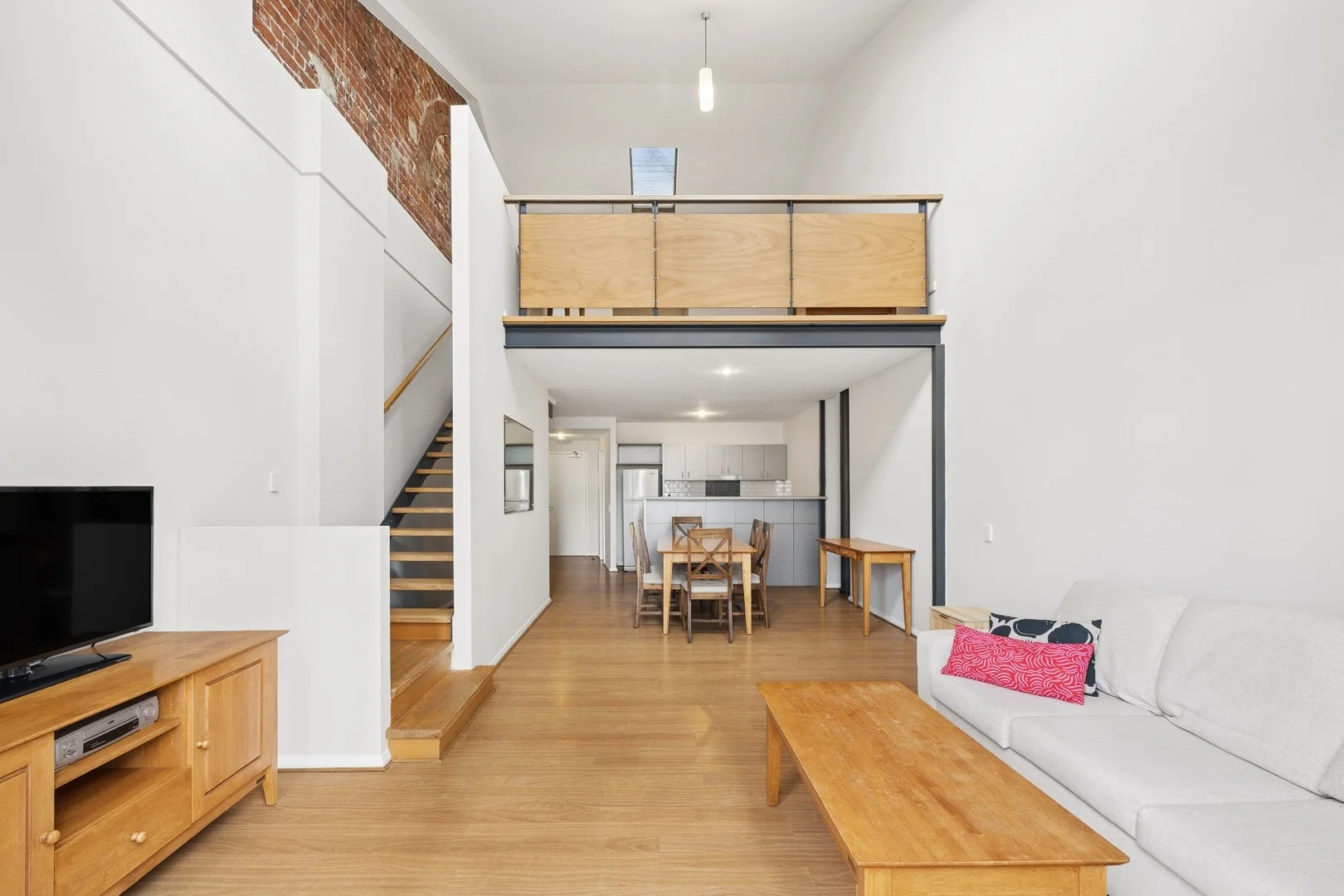 $549,000
Apartment / Unit / Flat
$549,000
Apartment / Unit / Flat
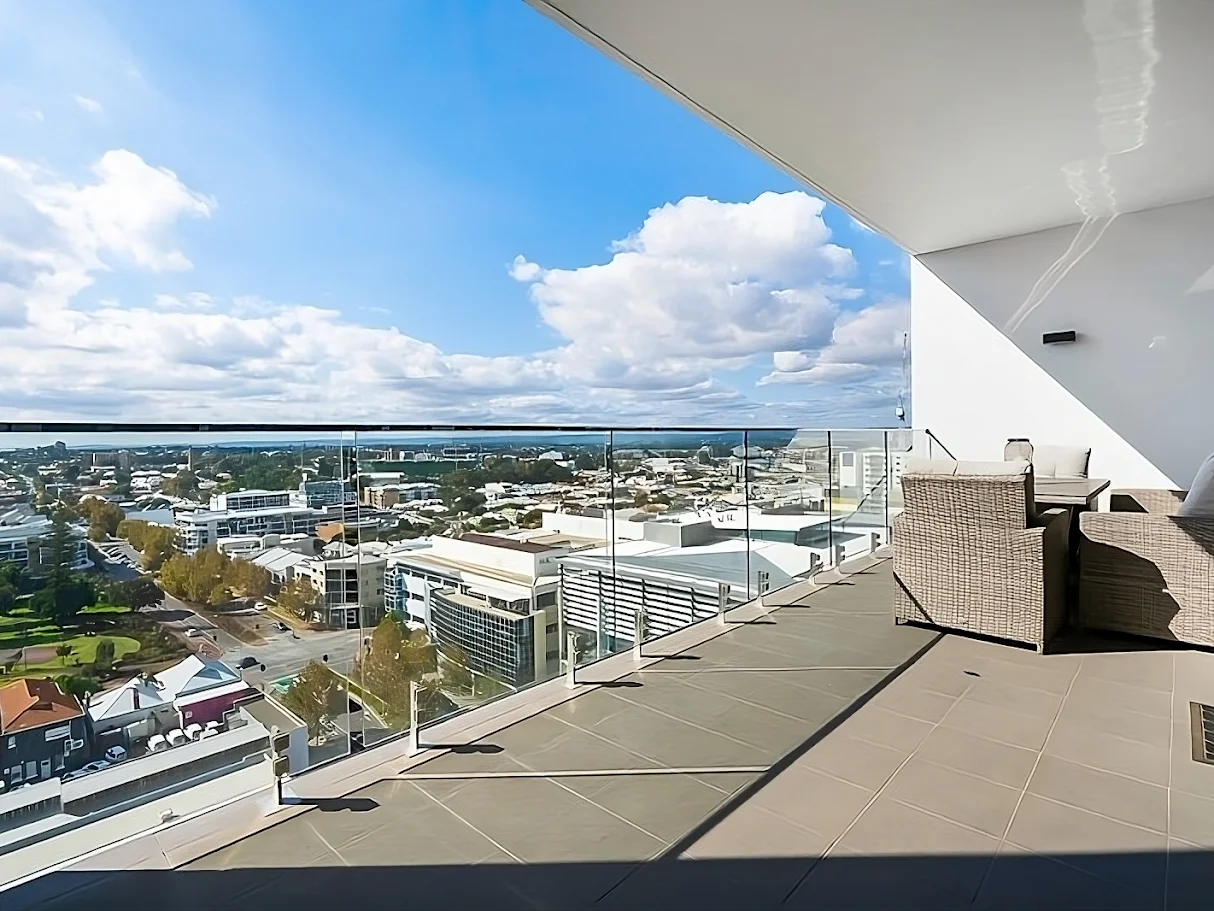 $580,000
Apartment / Unit / Flat
$580,000
Apartment / Unit / Flat
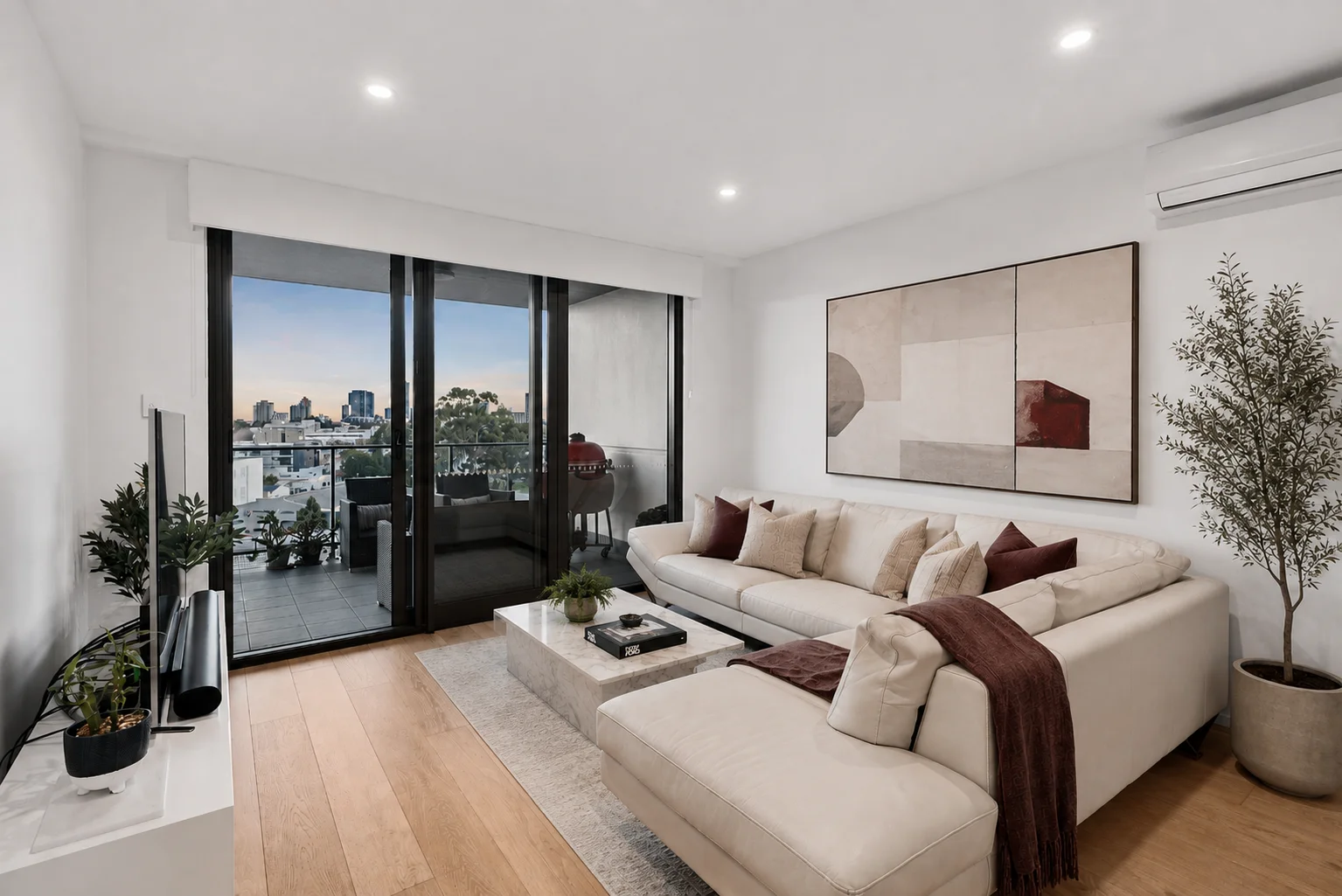 $700,000
Apartment / Unit / Flat
$700,000
Apartment / Unit / Flat


