## 1. Overview
Newborough Primary School is a public (government) primary school dedicated to providing a welcoming, inclusive learning environment for students from early years through to Year 6. The school aims to be a medium-sized community hub where students feel connected to staff, peers, and the wider local area.
The atmosphere is nurturing and inclusive, with a focus on student wellbeing, strong literacy and numeracy foundations, and opportunities for personal growth across academics, arts, and sport. Classrooms tend to be collaborative and supportive, fostering a respectful culture where diverse talents are celebrated and every student can thrive.
⸻
## 2. Academics & Learning
- Academic strengths: Emphasis on literacy and numeracy development alongside opportunities in STEM, creative arts, and leadership activities. The school aims to build strong writing, reading, and mathematical thinking skills across year levels.
- Special programs: Opportunities for extension and enrichment may include Gifted and Talented or similar extension options where available, plus targeted programs to support individual learning growth.
- NAPLAN / Trends: Trends typically show stable performance with year-to-year variations, and a focus on improving outcomes in reading and numeracy through whole-school intervention strategies.
- Student-teacher ratios: Generally in the local WA primary range, with primary classes commonly around 1:20 to 1:28 depending on year level and staffing.
- Support for diverse learners: EAL (English as an Additional Language) support and SEN (Special Educational Needs) assistance provided through learning support staff and coordinators to promote inclusive education.
⸻
## 3. Sports & Extracurricular Strengths
- Sports offered: A range of core primary programs including football (soccer), netball, cricket, athletics, and swimming programs; opportunities to participate in inter-school events.
- Strong teams or achievements: Active involvement in district/inter-school competitions and showcases; consistent participation and development across teams.
- Music, arts, drama programs: School opportunities in music, choir, and performing arts; occasional drama productions and school showcases.
- Clubs: Robotics, chess, coding, and debating are among common extracurricular options to build problem-solving and critical-thinking skills.
- Partnerships: Connections with local clubs and community organizations to support competitions, clinics, and extended learning experiences.
⸻
## 4. Wellbeing & Pastoral Care
- Anti-bullying approach: Clear anti-bullying policies and positive behaviour frameworks aimed at creating respectful, safe environments for all students.
- House system: House-based activities and competitions to promote belonging and healthy competition.
- Counsellors / wellbeing officers: Access to school wellbeing staff or external professionals as part of a holistic support approach.
- Transition support for new students: Orientation activities, buddy systems, and transition programs to help new students settle in smoothly.
⸻
## 5. Facilities
- Sports grounds: On-site playing fields or courts suitable for regular physical education and sports activities.
- Libraries: A library equipped with a range of fiction and non-fiction titles and study spaces.
- Science labs: Dedicated spaces for hands-on science learning and experiments.
- Music/performing arts centers: Facilities to support music education and small-scale performances.
- Tech/innovation labs: Access to digital technologies and STEM-related learning spaces.
- Cafeteria: On-site or school-supported canteen facilities for students.
- Updated playgrounds: Modern outdoor spaces designed for play, socialisation, and physical activity.
⸻
## 6. School Values & Community Culture
- School values / mission: Core commitments typically include respect, responsibility, resilience, and inclusion, guiding students’ academic and social development.
- Leadership style: Collaborative leadership with emphasis on student voice and staff teamwork; leadership opportunities for students through pupil councils or roles.
- Behaviour expectations: Clear codes of conduct and positive behaviour supports to encourage responsible choices and mutual respect.
- Community reputation: Generally viewed as a welcoming, family-friendly school within the local community, with ongoing engagement from families and carers.
- Diversity & inclusion: Active efforts to support diverse learners and create an inclusive environment where every student can participate and succeed.
⸻
## 7. School Logistics & Daily Operations
- School hours: Term-time schedule with mornings and afternoons structured for learning; exact times vary by year and term.
- Before/after school care: OSHC or similar arrangements may be available through approved providers to support families.
- Uniform requirements: School uniform policy requiring appropriate daily dress; details provided by the school.
- Transport (train/bus routes): Access to public transport options and school-organised drop-off/pick-up arrangements where applicable; bus routes may be available for eligible students.
- Canteen availability: On-site or school-supported lunch facilities; vending or meal options may vary.
- Fees (low/medium/high ranges): As a public school, tuition is typically not charged; there may be voluntary contributions and modest costs for excursions, incursions, or extra resources.
⸻
## 8. Enrolment & Admissions
11. What is the enrolment process and timeline?
- Enrolment generally follows the local public-school intake process. Families usually submit an enrolment application through the school or the Department of Education, providing essential documentation (proof of identity, immunisation records, and proof of address). Timelines vary by term and availability, with earlier applications recommended for year-level placement and boundary considerations.
12. Is there a waiting list, and how does it work?
- Some public schools maintain a waiting list when applications exceed available places. Placement typically prioritizes enrolments within the school’s catchment boundary, with out-of-catchment requests considered as space allows and according to Department policies.
13. Are there any entry requirements, tests, or interviews?
- Generally, WA public primary schools do not require entry tests or interviews for enrolment. Some schools may conduct informational meetings or brief assessments for students with specific needs or for placement into targeted programs, but there is no standard entry exam for all entrants.
14. Does the school accept mid-year transfers?
- Mid-year transfers can be possible if there is space and the relevant Department processes are satisfied. Families seeking mid-year enrolment should contact the school promptly to discuss capacity and transition arrangements.
⸻
## 9. Frequently Asked Questions
- Why Parents Choose This School?
- A welcoming, inclusive community with supportive staff, strong emphasis on literacy and numeracy, and opportunities across sports, arts, and STEM.
- What type of student thrives at this school?
- Curious, engaged learners who benefit from a caring environment, collaborative learning, and access to diverse activities.
- What opportunities are available for students to extend their skills (academics, sports, arts)?
- Enrichment programs, clubs (robotics, coding, chess, debating), sports teams, music and performing arts activities, and targeted learning supports.
- How does the school communicate with parents?
- Through newsletters, emails, school app or portal, website updates, and regular parent-teacher meetings.
- What is the school’s approach to teaching and learning?
- Student-centered, differentiated instruction with a focus on essential literacy and numeracy, critical thinking, and real-world application.
- How does the school support students who need extra academic help?
- Targeted interventions, in-class differentiation, EAL and SEN supports, and access to learning support staff.
- What support is available for academic challenges?
- Additional tutoring, modified tasks, and guidance from teachers and support staff to help students meet their learning goals.
- How does the school communicate with parents? (Repeated question)
- See above: newsletters, emails, portals, and meetings.
- What are the class sizes and how much individual attention do students receive?
- Class sizes typically align with WA primary ranges; teachers provide whole-class, small-group, and targeted individual support where needed.
- What extracurricular and sports opportunities are available?
- A range of sports and active clubs, plus music/arts programs and opportunities to participate in inter-school events.
- What facilities does the school offer (sports, science, arts)?
- Sports grounds, library, science labs, music/performing arts spaces, tech/innovation spaces, canteen, and well-equipped playgrounds.
- What is the school’s approach to technology and digital learning?
- Integrated digital learning with appropriate supervision, likely including devices and online learning tools to support literacy, numeracy, and project work.
- What transport and accessibility options are available?
- Access to local transport options and school-arranged drop-off/pick-up where applicable; consider accessibility needs and parking arrangements.
- What are the typical school fees or additional costs?
- Public schools typically have no tuition fees; there may be voluntary contributions and costs for excursions, activities, or extra materials.
⸻
## 10. Short Pros & Cons list
- Pros
- Public, community-focused school with inclusive culture and strong wellbeing support.
- Broad academic program with literacy, numeracy, STEM, and arts opportunities.
- Active involvement in sports, music, and extracurricular clubs.
- Support for diverse learners (EAL, SEN) and transition programs for new students.
- Collaborative leadership and positive school climate with clear behaviour expectations.
- Cons
- As a medium-sized public school, space and enrolment pressures can affect class placements and mid-year transfers.
- Departmental policies on funding and excursions may influence the extent of paid activities.
- Availability of some specialized programs may vary by year or intake and require verification with the school.













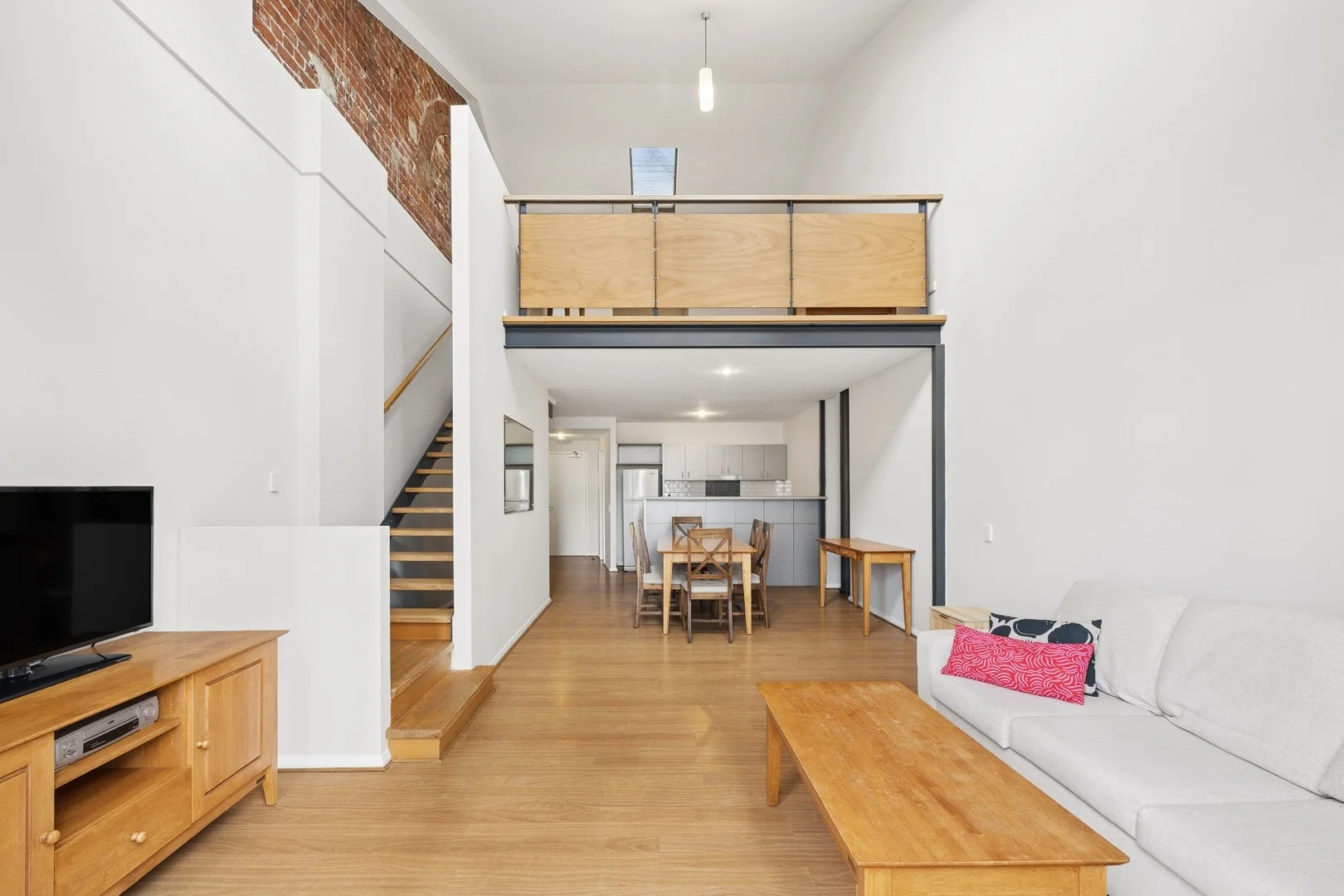 $549,000
Apartment / Unit / Flat
$549,000
Apartment / Unit / Flat
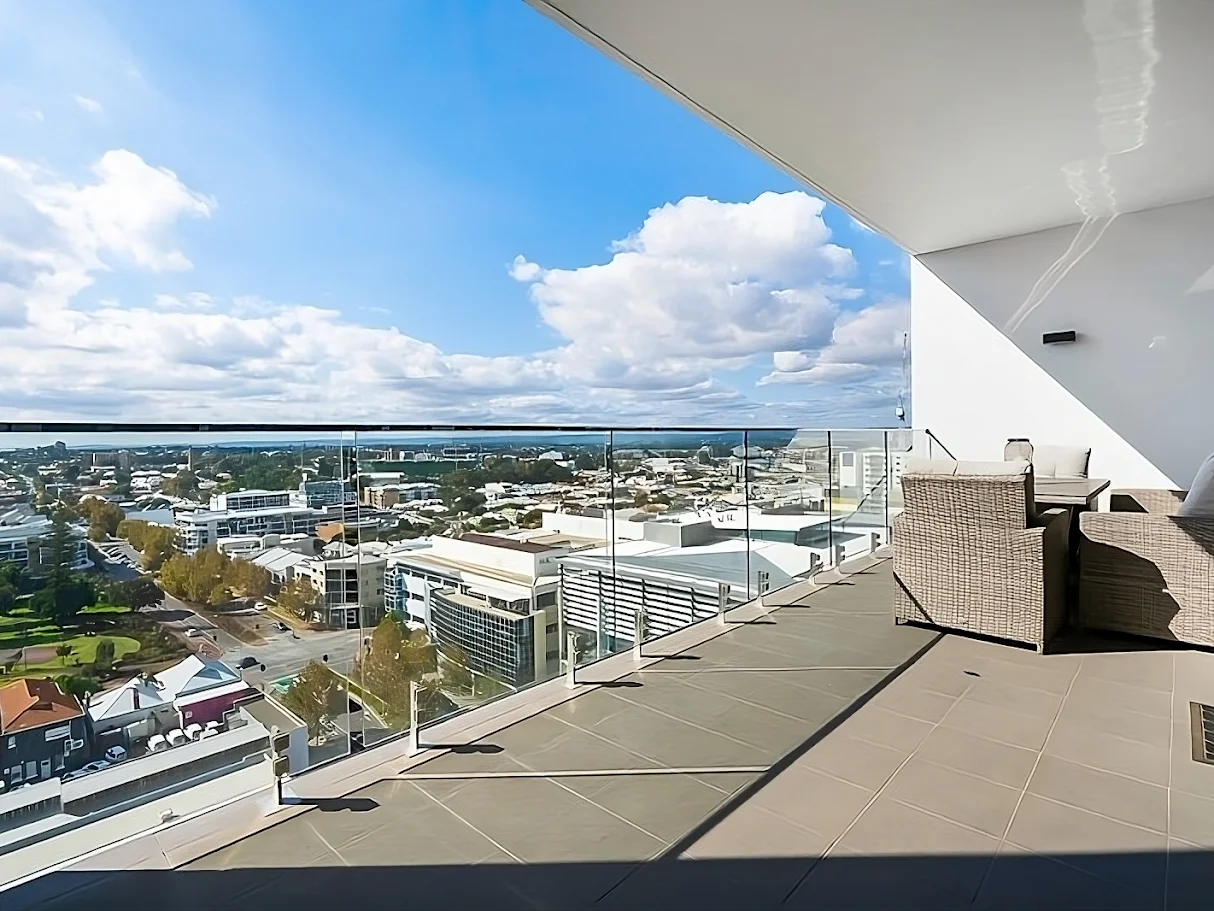 $580,000
Apartment / Unit / Flat
$580,000
Apartment / Unit / Flat
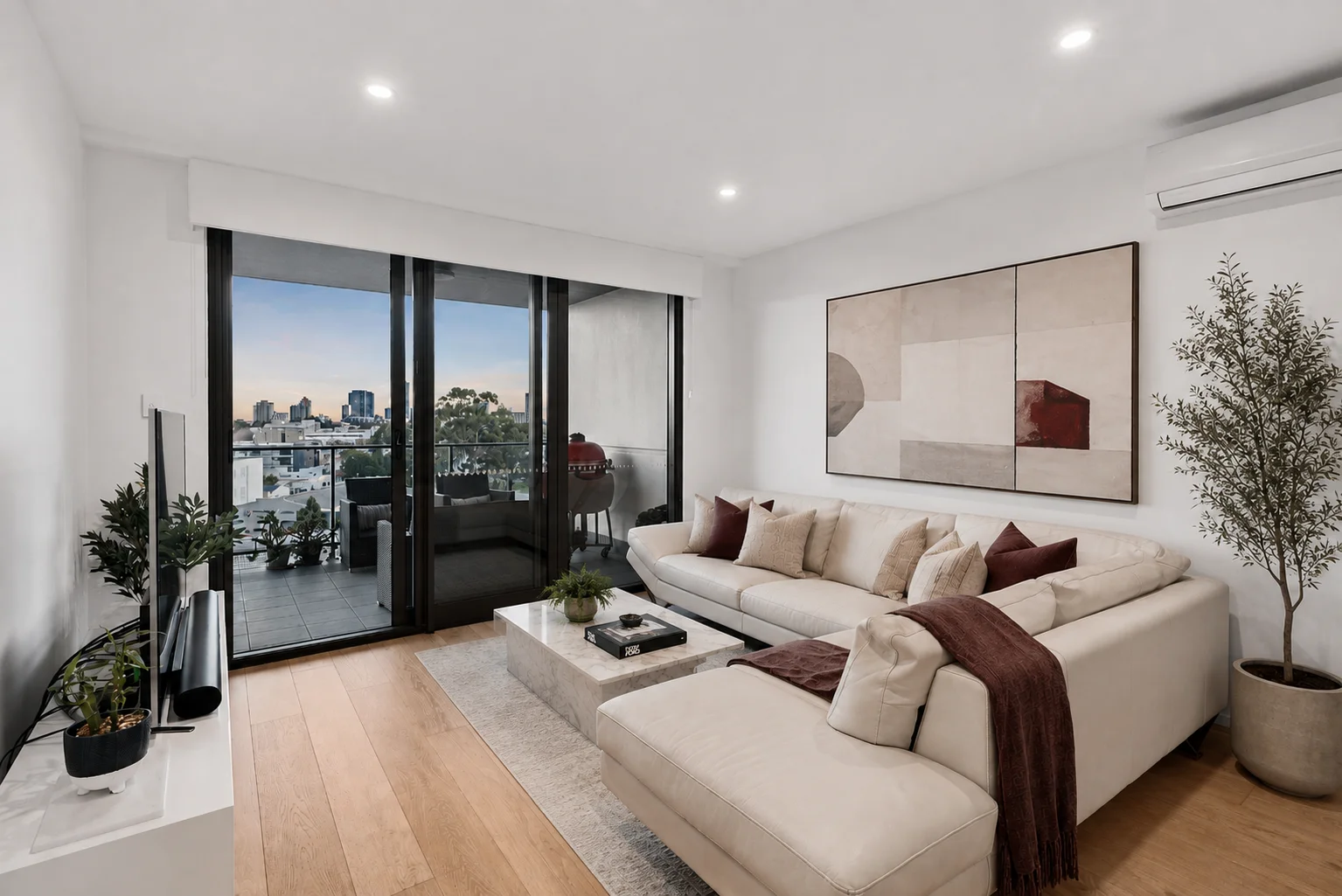 $700,000
Apartment / Unit / Flat
$700,000
Apartment / Unit / Flat


