## 1. Overview
Kedron State High School is a public high school located in Wooloowin, Brisbane. The school serves a medium-to-large student community and offers a broad Australian curriculum with a focus on holistic development, wellbeing, and real‑world learning. Class sizes are typically in the mid‑20s, balancing personal attention with vibrant year groups. The atmosphere is inclusive, practical, and community‑mocused, with strong participation in sport, arts, and leadership opportunities.
If you’re looking for a public, values‑driven secondary education with diverse programs and solid support for students, Kedron State High School aims to provide a welcoming environment where students can grow academically, socially, and personally.
---
## 2. Academics & Learning
- Academic strengths: STEM disciplines and English are highlighted areas, with emphasis on student leadership and opportunities to engage in language study.
- Special programs: Gifted and Talented/enrichment pathways, accelerated learning options, and Vocational Education & Training (VET) pathways are available to extend and diversify learning.
- NAPLAN / trends: The school tracks NAPLAN performance over time, with goals to maintain solid results and pursue improvements in key literacy and numeracy domains; trends are monitored to guide teaching and support.
- Student-teacher ratios: Typical ratios are in the mid‑teens to low‑twenties, supporting access to teachers while sustaining a large school community.
- Support for diverse learners: Strong EAL/D support and SEN services are provided, along with targeted learning supports and inclusion initiatives to help diverse learners succeed.
---
## 3. Sports & Extracurricular Strengths
- Sports offered: A broad range of sports is available, including disciplines such as football (soccer), basketball, netball, cricket, rugby league, athletics, swimming, tennis, and more.
- Strong teams or achievements: Competitive involvement across multiple sports with active participation in district/zone competitions and school sports programs.
- Music, arts, drama programs: Robust music and performing arts programs with opportunities to perform in ensembles and productions.
- Clubs: Robotics, coding, chess, debating, and other interest clubs are part of the extracurricular mix.
- Partnerships: Connections with local sporting associations and participation in inter-school competitions and events help broaden opportunities outside the classroom.
---
## 4. Wellbeing & Pastoral Care
- Anti-bullying approach: Whole‑school anti‑bullying policies and proactive wellbeing initiatives to foster a safe environment.
- House system: A house structure is used to build community, healthy competition, and pastoral support.
- Counsellors / wellbeing officers: Dedicated wellbeing staff and guidance counsellors are available to support students.
- Transition support for new students: Programs and staff support help new students settle into the school community and routines.
---
## 5. Facilities
- Sports grounds: On-site facilities for a range of team sports and physical education.
- Libraries: Central library resources to support study and reading.
- Science labs: Modern laboratories for chemistry, biology, physics, and related coursework.
- Music/performing arts centers: Venues and spaces for music ensembles and drama.
- Tech/innovation labs: Dedicated spaces for technology, coding, and project work.
- Cafeteria: On-site canteen and dining facilities.
- Updated playgrounds: Well‑maintained outdoor spaces for recreation and break times.
---
## 6. School Values & Community Culture
- School values / mission: Emphasis on respect, responsibility, excellence, and inclusive achievement; a focus on preparing students for future study, work, and citizenship.
- Leadership style: Collaborative leadership across staff and student groups, with opportunities for student voice and leadership roles.
- Behaviour expectations: Clear behaviour standards aimed at creating a respectful and safe learning environment.
- Community reputation: A strong local presence with families valuing stability, consistency, and a broad program of academic and extracurricular opportunities.
- Diversity & inclusion: Commitment to diversity, inclusion, and supporting a wide range of student backgrounds and needs.
---
## 7. School Logistics & Daily Operations
- School hours: Regular full‑day timetable aligned with Queensland state school hours.
- Before/after school care: Availability of after‑school programs and coordination with local providers for care outside school hours.
- Uniform requirements: School uniform is required, with approved attire and guidelines.
- Transport (train/bus routes): Accessible by public transport with bus routes and nearby options; parking and drop‑off arrangements available.
- Canteen availability: On‑site canteen or vending options for breaks and lunches.
- Fees (low/medium/high ranges): As a public school, standard curriculum costs are minimized; additional costs may apply for certain activities, excursions, or materials.
---
## 8. Enrolment & Admissions
11. What is the enrolment process and timeline?
- Enrolment is managed through the school in line with Queensland Department of Education guidelines. Prospective students typically need to demonstrate eligibility for the local catchment and provide required documentation (birth certificate, immunisation records, proof of address, etc.). Timelines align with the school calendar; applications should be started well in advance of the intended start year.
12. Is there a waiting list, and how does it work?
- There can be a waiting list if enrolment capacity is reached. Placement often depends on catchment eligibility, proximity, and balance across year levels; acceptance may be prioritized by policy and available places.
13. Are there any entry requirements, tests, or interviews?
- For general enrolment, tests or interviews are not typically required. Some programs or targeted pathways may involve application steps or selection criteria; the school will outline these if applicable.
14. Does the school accept mid-year transfers?
- Yes, mid-year transfers can be possible subject to vacancies and compliance with enrolment rules. Availability depends on current year level capacity and program fit.
---
## 9. Frequently Ask Questions
- “Why Parents Choose This School?”
- A public option with broad academic and extracurricular opportunities, supportive wellbeing programs, and a stable, inclusive community.
- “What type of student thrives at this school?”
- Students who benefit from a balanced mix of academics, sport, arts, and social development in a community-focused environment.
- “What opportunities are available for students to extend their skills (academics, sports, arts)?”
- Enrichment and gifted pathways, leadership opportunities, VET courses, wide sports programs, music and drama productions, robotics and coding clubs, and debating teams.
- “How does the school communicate with parents?”
- Through newsletters, emails, parent portals, school apps, and scheduled parent–teacher meetings to share progress and notices.
- “What is the school’s approach to teaching and learning?”
- Student-centered teaching with differentiation, evidence-based practices, and integration of technology to support learning both inside and outside the classroom.
- “How does the school support students who need extra academic help?”
- Targeted learning support, SEN and EAL/D services, tutoring where available, and intervention programs linked to classroom instruction.
- “What support is available for academic challenges?”
- Access to guidance counsellors, learning support staff, and personalized plans to help students improve in identified areas.
- “What are the class sizes and how much individual attention do students receive?”
- Class sizes are in the mid‑20s, with teachers providing a mix of whole-class, small-group, and individual support as needed.
- “What extracurricular and sports opportunities are available?”
- A wide range of sports, music and arts programs, and clubs such as robotics, coding, chess, and debating.
- “What facilities does the school offer (sports, science, arts)?”
- Sports grounds, libraries, science labs, music/performing arts spaces, tech/innovation labs, a canteen, and updated outdoor areas.
- “What is the school’s approach to technology and digital learning?”
- Integration of digital tools and ICT across learning, with access to computer labs and online resources to support teaching and student work.
- “What transport and accessibility options are available?”
- Access via public transport with nearby bus routes and facilities; considerations for accessibility are supported within the school environment.
- “What are the typical school fees or additional costs?”
- The core curriculum is funded by the state; additional costs may include uniforms, excursions, and some materials or activity fees.
---
## 10. Short Pros & Cons list
- Pros
- Public, inclusive environment with broad academic and extracurricular programs
- Strong support for wellbeing and diverse learners
- Wide range of sports, arts, and clubs
- Reasonable class sizes and accessible teacher contact
- Solid facilities for science, tech, and performing arts
- Cons
- As a medium-to-large public school, some students may experience larger school‑wide routines
- Some activities may require additional costs beyond standard curriculum
- Availability of certain programs may depend on year level and enrolment numbers






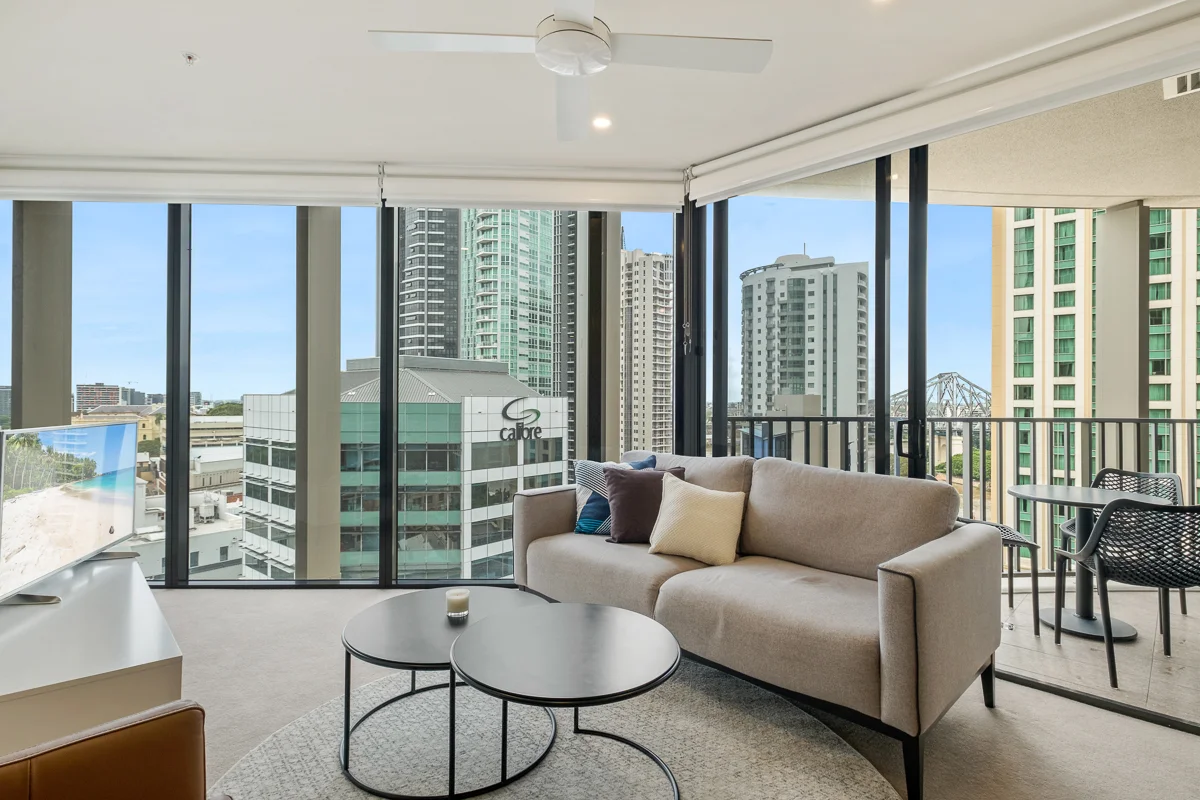 $950,000
Apartment / Unit / Flat
$950,000
Apartment / Unit / Flat
 $550,000
Apartment / Unit / Flat
$550,000
Apartment / Unit / Flat
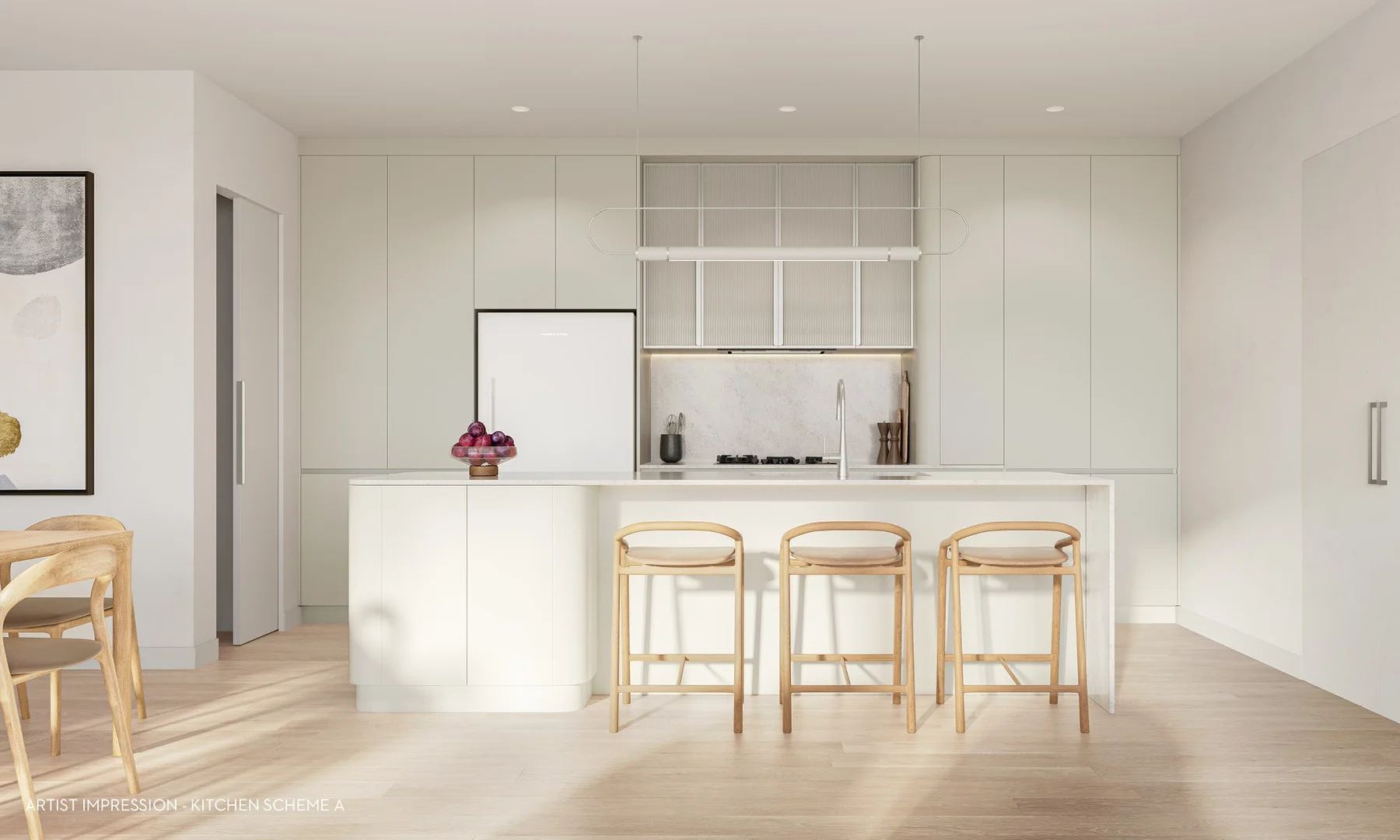 $1,527,000 - $1,870,000
propertyType.NEW APARTMENTS / OFF THE PLAN
$1,527,000 - $1,870,000
propertyType.NEW APARTMENTS / OFF THE PLAN
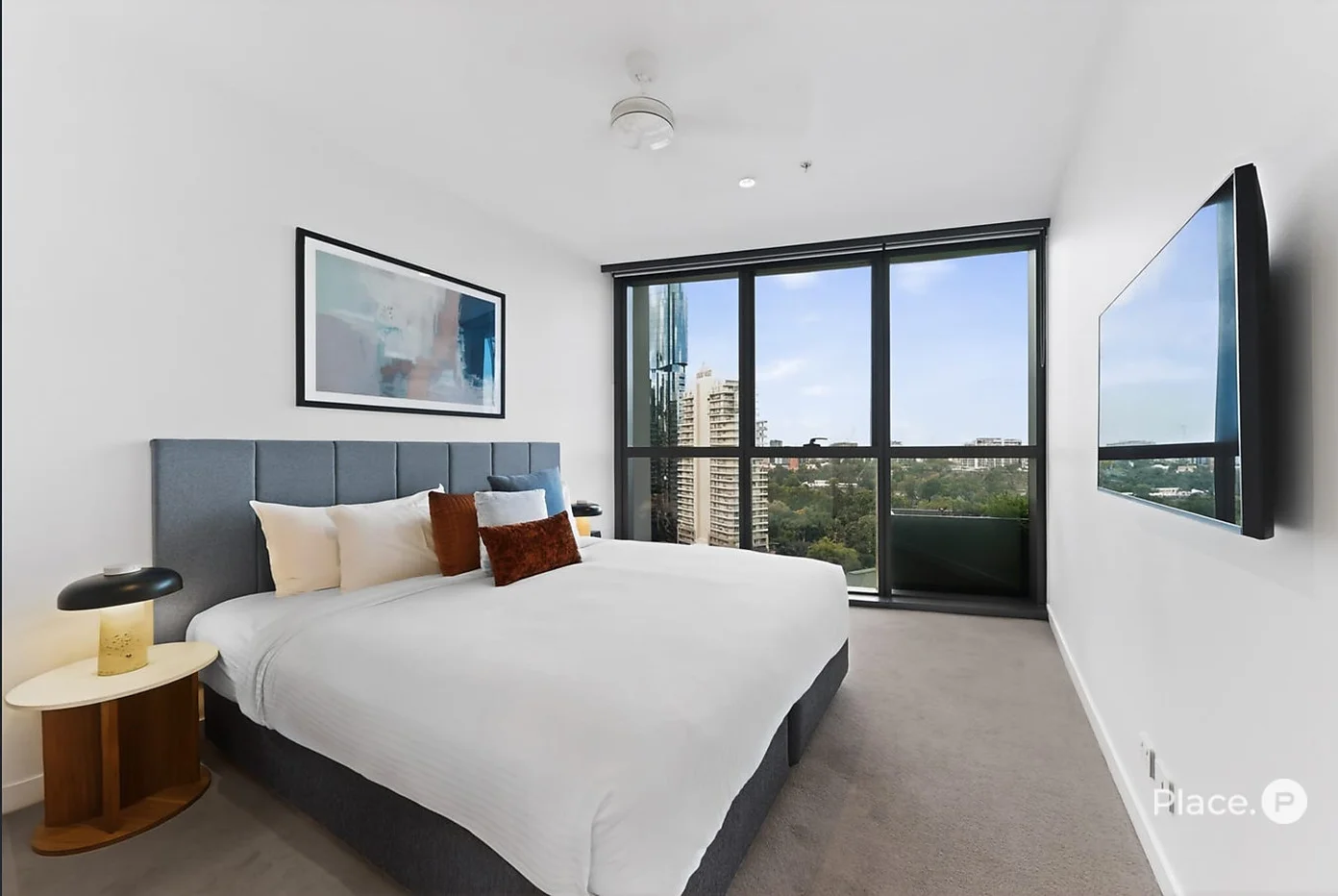 $770,000
Apartment / Unit / Flat
$770,000
Apartment / Unit / Flat