1. Overview (1–2 paragraphs max)
Killara High School is a public, co-educational high school serving families in East Killara and surrounding Ku-ring-gai areas. As a NSW Department of Education school, it focuses on delivering quality learning in a large, diverse community with a commitment to student wellbeing and achievement.
This is a large school with typical class sizes in the low-to-mid 20s. The atmosphere is one of academic purpose balanced with a welcoming, inclusive culture that supports personal growth, leadership, and participation in a broad range of activities. The school aims to prepare students for senior study and future pathways through strong pastoral care and a wide curriculum.
⸻
2. Academics & Learning
• Academic strengths: Strong focus on STEM and English, with opportunities to develop leadership and language skills. The school supports a broad curriculum designed to prepare students for the HSC and beyond.
• Special programs: Gifted and Talented programs and accelerated learning options are available, along with opportunities for enrichment across subjects. Check current offerings with the school for details on any specific pathways.
• NAPLAN / trends: The school typically shows steady performance across literacy and numeracy with trends toward improving outcomes in senior years and sustained achievement relative to NSW averages.
• Student-teacher ratios: Moderate ratios typical of NSW public high schools, generally around 1:20 to 1:24, depending on subject and year level.
• Support for diverse learners: EAL support and SEN support are provided, with targeted assistance and inclusion strategies to help diverse learners access the curriculum.
⸻
3. Sports & Extracurricular Strengths
• Sports offered: Rugby, soccer, cricket, basketball, netball, tennis, swimming, athletics, and other traditional NSW high school sports.
• Strong teams or achievements: Competitive inter-school teams with regional representation; opportunities to participate in district and knockout competitions.
• Music, arts, drama programs: Active music and performing arts programs, including ensembles and productions, with opportunities to showcase talents.
• Clubs: Robotics, coding, chess, debating, and other clubs that support inquiry, critical thinking, and teamwork.
• Partnerships: Collaborations with local clubs and regional competitions to broaden opportunities in sport, robotics, and academic contests.
⸻
4. Wellbeing & Pastoral Care
• Anti-bullying approach: Proactive anti-bullying initiatives and clear reporting pathways to support a safe school environment.
• House system: A house-based structure to foster belonging, teamwork, and healthy competition.
• Counsellors / wellbeing officers: Access to school counsellors and wellbeing staff to support academic and personal development.
• Transition support for new students: Orientation activities, buddy systems, and targeted transition support to help new students settle in smoothly.
⸻
5. Facilities
• Sports grounds: On-site sports facilities and grounds for training and events.
• Libraries: Modern library spaces supporting study, research, and quiet reading.
• Science labs: Well-equipped science laboratories for chemistry, biology, physics, and general science.
• Music/performing arts centers: Dedicated spaces for music, drama, and performances.
• Tech/innovation labs: Technology and creative-learning spaces to support coding, design, and digital projects.
• Cafeteria: On-site canteen facilities with a range of meal and snack options.
• Updated playgrounds: Well-maintained play and outdoor learning areas for breaks and activities.
⸻
6. School Values & Community Culture
• School values / mission: A commitment to respect, responsibility, integrity, and inclusion, with a focus on student voice and leadership.
• Leadership style: Collaborative and student-centered, with opportunities for leadership roles within classes, clubs, and student groups.
• Behaviour expectations: Clear behaviour policies and consistent expectations to maintain a positive learning environment.
• Community reputation: A well-regarded school in the local community with active parent and community engagement.
• Diversity & inclusion: Emphasis on diverse and inclusive practices, celebrating different backgrounds and perspectives.
⸻
7. School Logistics & Daily Operations
• School hours: School day typically starts in the morning and finishes in the mid-to-late afternoon; exact times published by the school each year.
• Before/after school care: OSHC or similar programs may be available for before/after school care through approved providers.
• Uniform requirements: Uniforms are required, with seasonal options and clear guidelines for proper attire.
• Transport (train/bus routes): Accessible by public transport with local bus services and nearby train connections; plan routes via NSW Transport information.
• Canteen availability: On-site canteen with healthy meal and snack options.
• Fees (low/medium/high ranges): As a public school, there are minimal tuition costs; fees relate to subject materials, activities, and excursions, generally considered low to medium for a public high school.
⸻
8. Enrolment & Admissions
11. What is the enrolment process and timeline?
• Applications are submitted through the NSW Department of Education enrolment process. Families typically submit by the declared closing date, with timelines varying by year and catchment. The school confirms eligibility and offers placement based on availability and enrolment rules.
12. Is there a waiting list, and how does it work?
• Waiting lists can occur if the school is oversubscribed. Priority is given to in-catchment applicants, with out-of-catchment placements considered as vacancies arise. The waiting period and process are managed by the school and department and communicated to applicants.
13. Are there any entry requirements, tests, or interviews?
• Most NSW public high schools do not require entry tests for general enrolment. Some programs (specialised or gifted streams) may involve information sessions or interviews. Check current program requirements with the school.
14. Does the school accept mid-year transfers?
• Mid-year transfers may be possible if there are vacancies. Contact the school early to discuss availability, required documentation, and transition arrangements.
⸻
9. Frequently Asked Questions
• Why Parents Choose This School?
• What type of student thrives at this school?
• What opportunities are available for students to extend their skills (academics, sports, arts)?
• How does the school communicate with parents?
• What is the school’s approach to teaching and learning?
• How does the school support students who need extra academic help?
• What support is available for academic challenges?
• How does the school communicate with parents? (duplicate)
• What are the class sizes and how much individual attention do students receive?
• What extracurricular and sports opportunities are available?
• What facilities does the school offer (sports, science, arts)?
• What is the school’s approach to technology and digital learning?
• What transport and accessibility options are available?
• What are the typical school fees or additional costs?
Answers are provided above in context for parents to skim quickly and can be expanded with school-specific details as needed.
⸻
10. Short Pros & Cons list
Pros
- Public high school with a solid academic reputation and broad curriculum
- Large, diverse student and staff community
- Strong wellbeing and pastoral care framework
- Wide range of extracurriculars, including sports, arts, and clubs
- Good facilities for science, arts, and technology
Cons
- Large student body can mean busier environments and less individualized attention in some classes
- Availability of some programs may depend on year level and staffing
- Transport options depend on public routes; plan travel in advance
- Some costs for materials, activities, and excursions may apply despite being a public school
If you’d like, I can tailor any section further with more specific details you provide (or help you draft concise summary lines for each section).












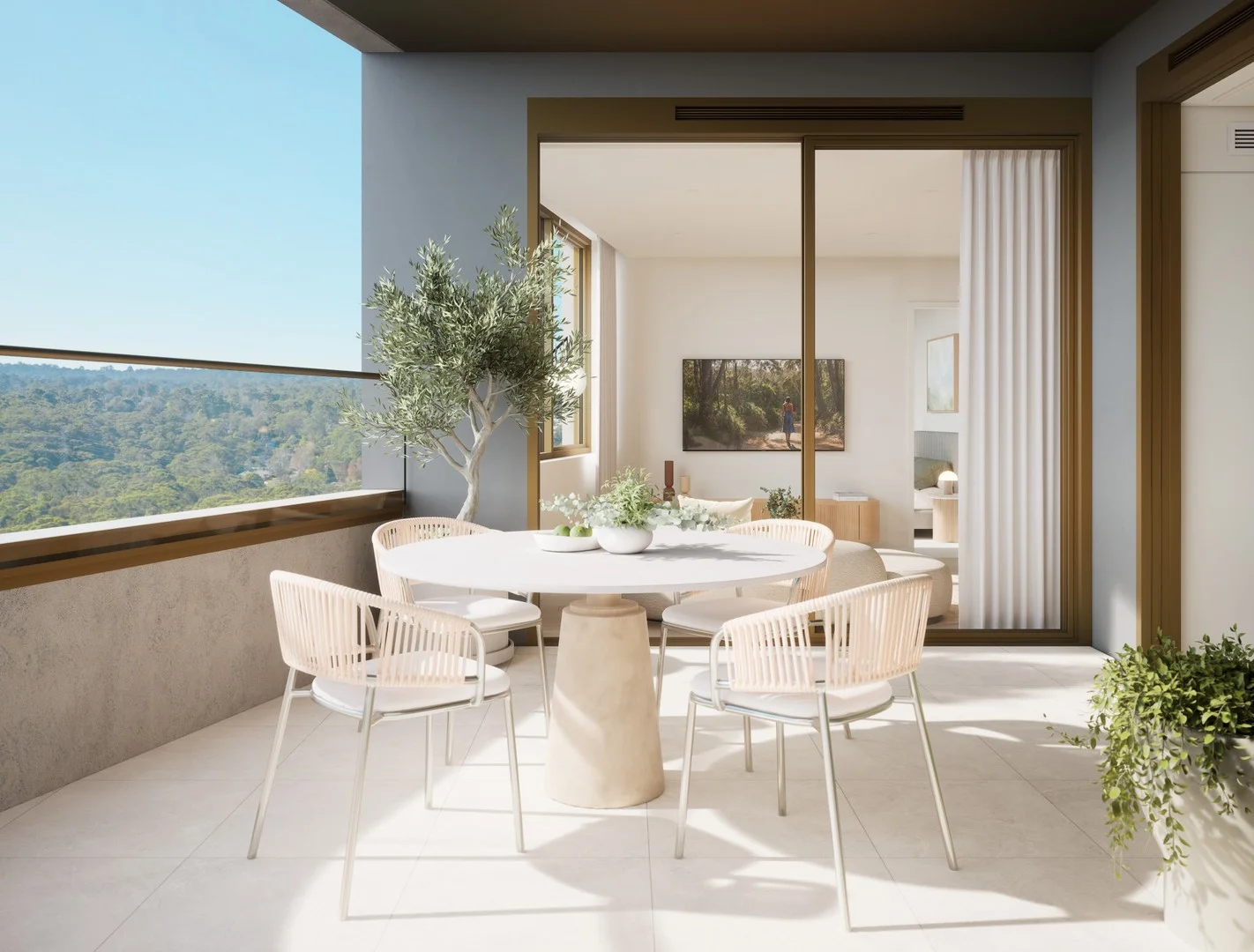 $1,525,000
Apartment / Unit / Flat
$1,525,000
Apartment / Unit / Flat
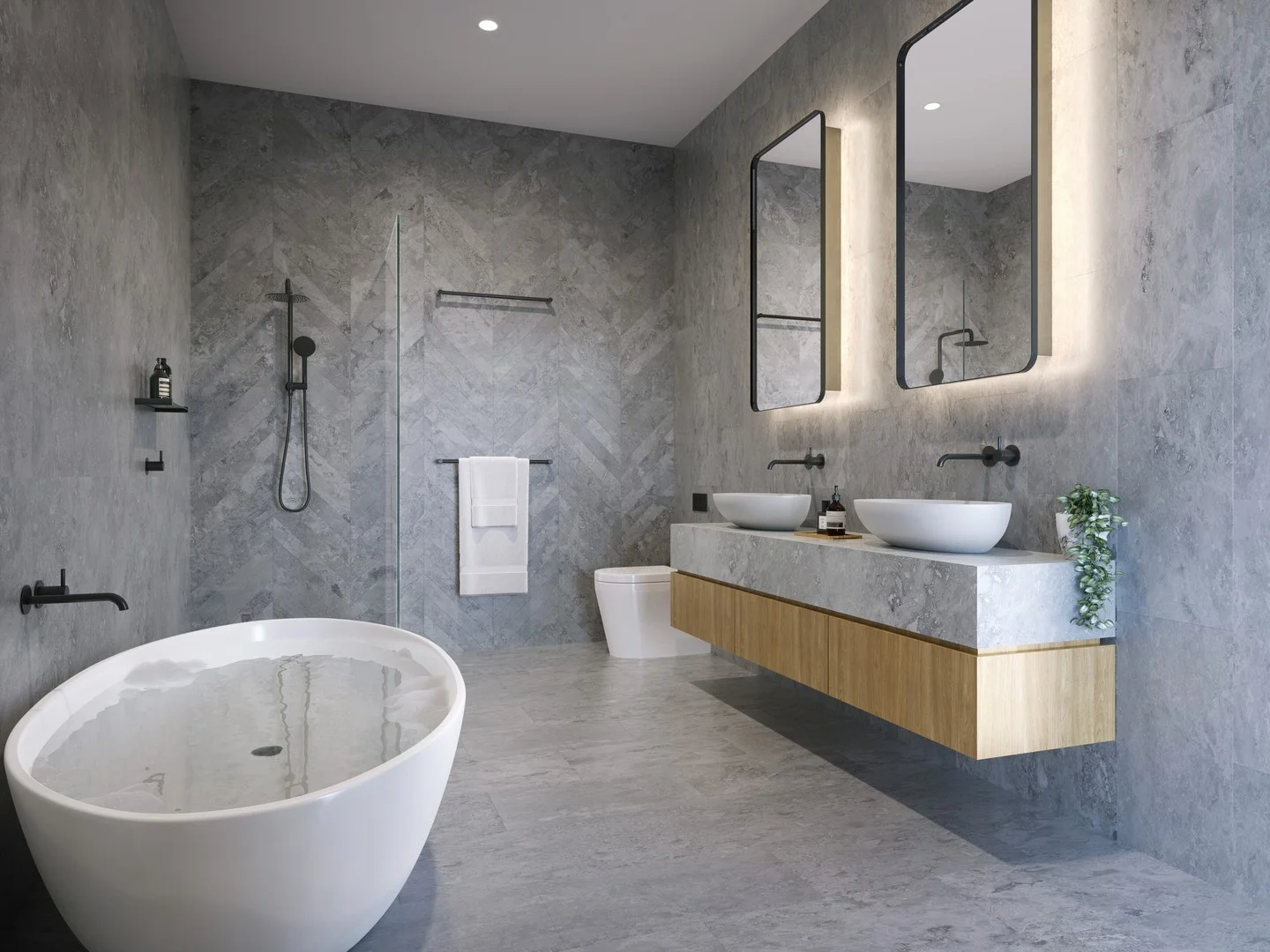 $2,824,000
Apartment / Unit / Flat
$2,824,000
Apartment / Unit / Flat
 $36,000,000 - $39,500,000
Vacant Land
$36,000,000 - $39,500,000
Vacant Land
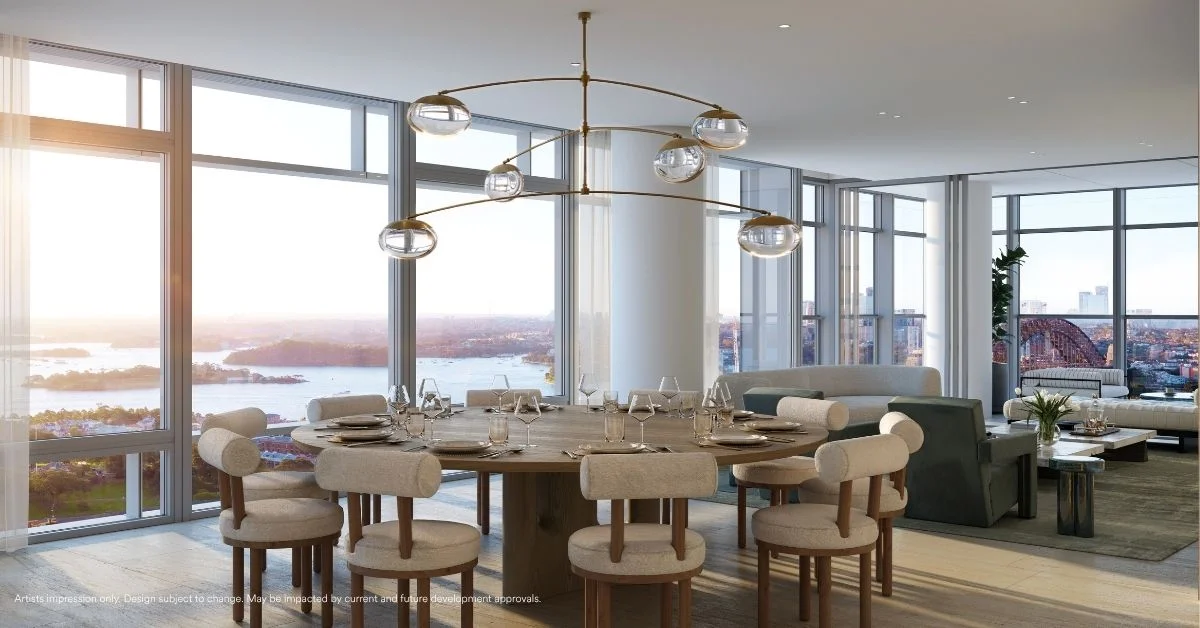 $26,550,000
propertyType.NEW APARTMENTS / OFF THE PLAN
$26,550,000
propertyType.NEW APARTMENTS / OFF THE PLAN
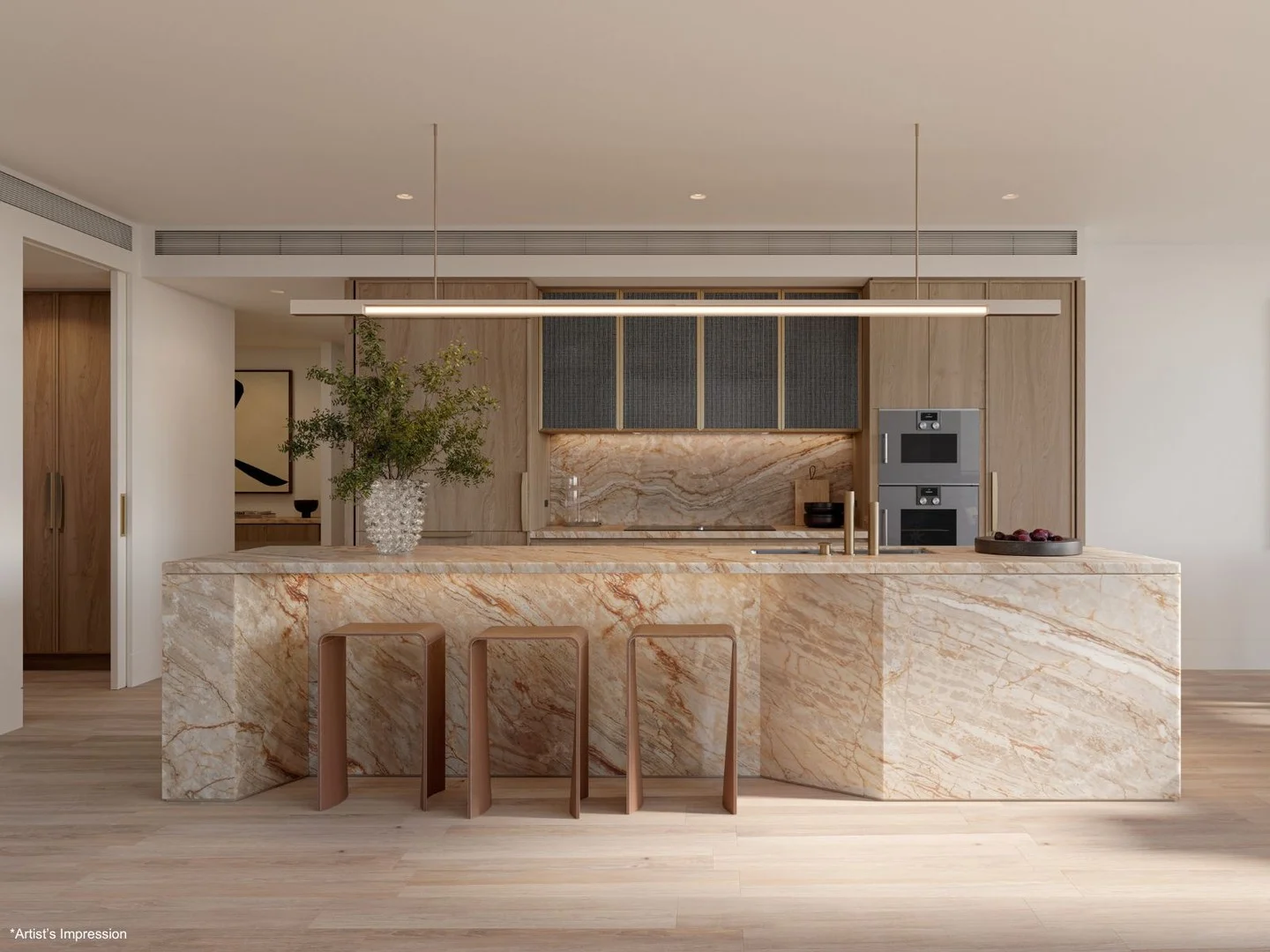 $6,225,000
propertyType.NEW APARTMENTS / OFF THE PLAN
$6,225,000
propertyType.NEW APARTMENTS / OFF THE PLAN
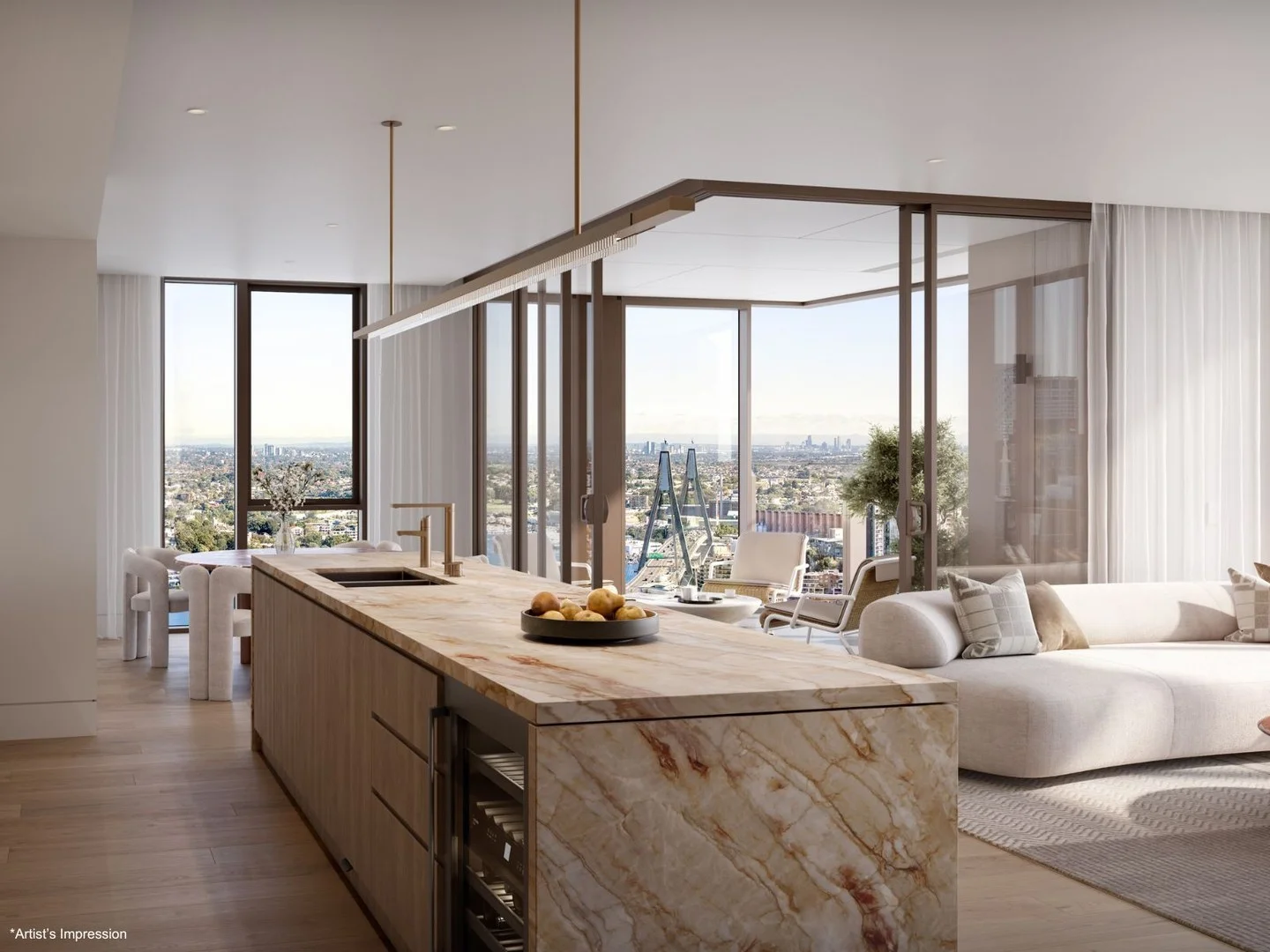 $9,020,000
propertyType.NEW APARTMENTS / OFF THE PLAN
$9,020,000
propertyType.NEW APARTMENTS / OFF THE PLAN
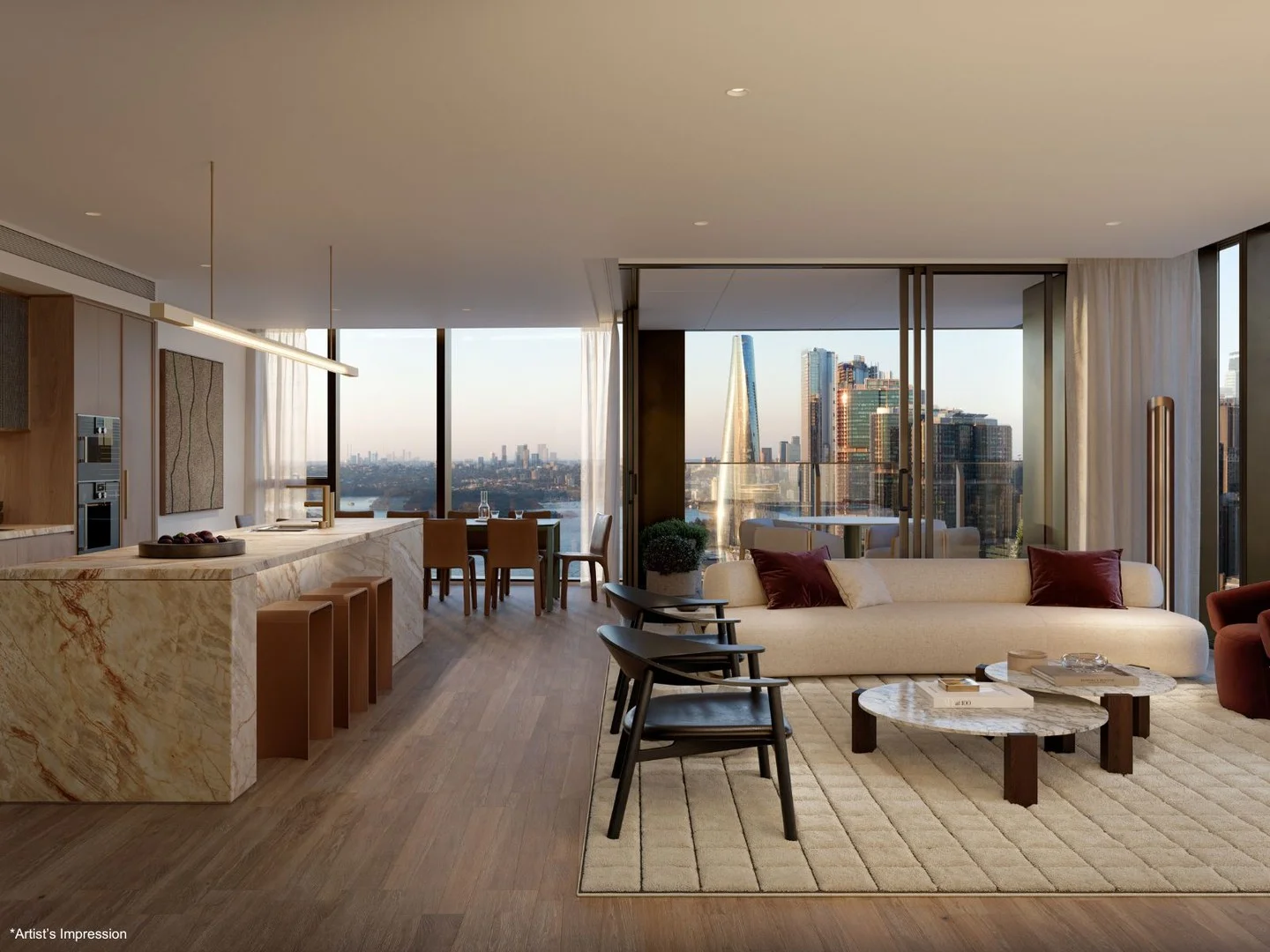 $12,980,000
propertyType.NEW APARTMENTS / OFF THE PLAN
$12,980,000
propertyType.NEW APARTMENTS / OFF THE PLAN
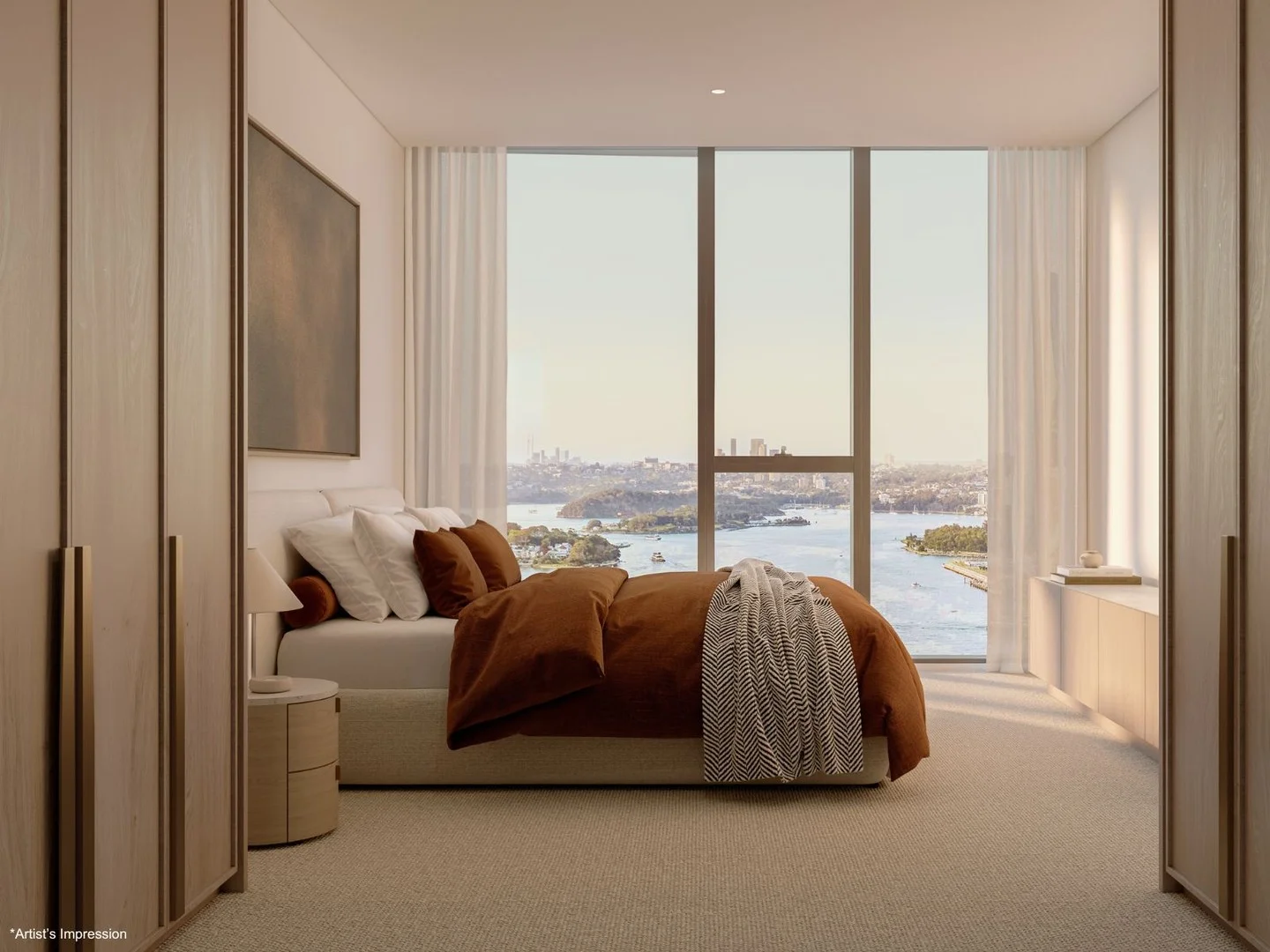 $8,630,000
propertyType.NEW APARTMENTS / OFF THE PLAN
$8,630,000
propertyType.NEW APARTMENTS / OFF THE PLAN
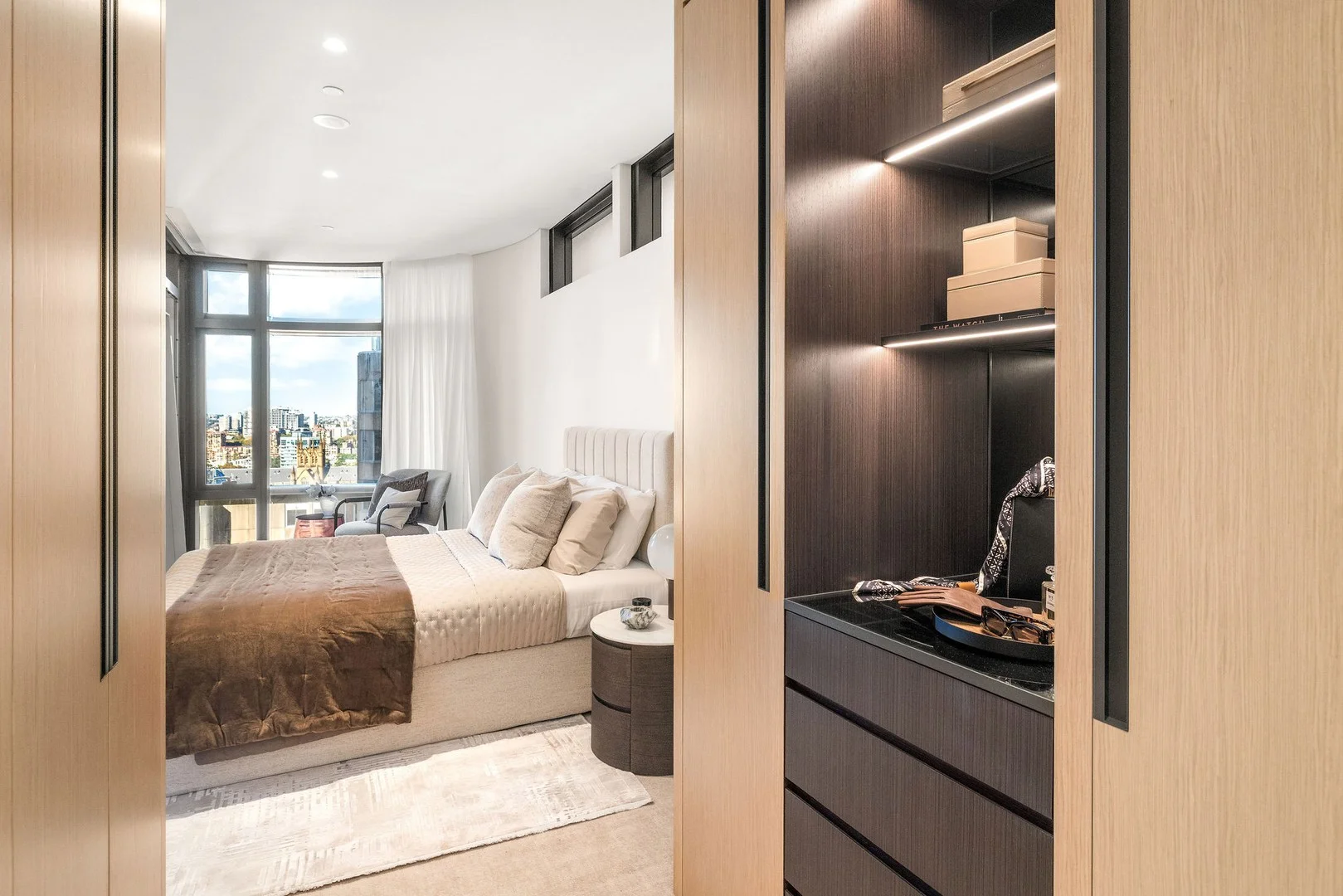 $2,745,000
propertyType.NEW APARTMENTS / OFF THE PLAN
$2,745,000
propertyType.NEW APARTMENTS / OFF THE PLAN


