# 1. Overview
Lindfield East Public School is a public primary school in New South Wales, serving families in the Lindfield East area. The school is medium-sized, with class sizes typically in the low to mid-20s, reflecting NSW public school norms. The atmosphere is nurturing and inclusive, balancing a strong focus on academic learning with a sense of community and belonging for students and families.
As a public school, it emphasises equity, student wellbeing, and high expectations for learning. The school aims to create a positive learning environment where every child can develop confidence, resilience, and a love of learning.
---
# 2. Academics & Learning
- Academic strengths: The school focuses on solid literacy and numeracy foundations and provides opportunities for growth in STEM, arts, and languages through differentiated teaching and enrichment activities as available.
- Special programs: Support for diverse learners is provided, including EAL/D support and targeted assistance within the classroom. Where appropriate, extension activities and enrichment opportunities may be offered to advanced learners.
- NAPLAN / trends (not scores): NSW public schools track progress year to year. Lindfield East Public School aims for steady improvement across reading, writing, and numeracy, with teachers using data to inform instruction and monitor student growth.
- Student-teacher ratios: Class sizes are typically in the low to mid-20s, with student-teacher ratios aligned to NSW Department of Education expectations for public primary schools.
- Support for diverse learners: A dedicated approach includes assistance for students with additional needs, EAL/D support, and inclusive teaching practices to ensure access to the curriculum for all learners.
---
# 3. Sports & Extracurricular Strengths
- Sports offered: The school runs a range of team and individual sports common to NSW primary schools, including football (soccer), netball, cricket, athletics, and swimming, with opportunities for inter-school events.
- Strong teams or achievements: Students participate in inter-school sport and district-level activities, with a focus on teamwork, fitness, and fair play. Achievements vary by year and cohort.
- Music, arts, drama programs: The school provides music and performing arts opportunities, including performances and opportunities to participate in choir or related activities.
- Clubs: A variety of clubs are available or offered seasonally, such as robotics, coding, chess, debating, and other enrichment activities to develop problem-solving and critical-thinking skills.
- Partnerships: The school engages with local community clubs and participates in district and inter-school competitions to broaden opportunities beyond the classroom.
---
# 4. Wellbeing & Pastoral Care
- Anti-bullying approach: The school implements a whole-school approach to student wellbeing and bullying prevention, emphasising respect, safety, and a positive school culture.
- House system: A house system supports belonging and healthy competition through school events, fostering school spirit and peer connections across year levels.
- Counsellors / wellbeing officers: Access to wellbeing support staff (counsellors or wellbeing officers) helps students with emotional, social, and learning needs, with referrals as appropriate.
- Transition support for new students: Orientation activities and transition support help new students settle in, including information for families, buddy programs, and smoother moves between year levels or to high school.
---
# 5. Facilities
- Sports grounds
- Libraries
- Science labs
- Music/performing arts centers
- Tech/innovation labs
- Cafeteria
- Updated playgrounds
The school’s facilities are designed to be visually engaging and conducive to a broad range of learning experiences, from hands-on science to creative arts and digital learning. The environment supports daily learning, physical activity, and enrichment programs.
---
# 6. School Values & Community Culture
- School values / mission: The school emphasises respect, inclusion, responsibility, and a growth mindset as part of its learning culture.
- Leadership style: Leadership is typically collaborative, with opportunities for student voice through student councils or leadership roles, and parental involvement via the school community.
- Behaviour expectations: Clear behaviour expectations and a positive behaviour framework guide daily conduct, with restorative approaches used to resolve conflicts and support student accountability.
- Community reputation: The school is known for its welcoming, family-friendly atmosphere and active collaboration with families and the local community.
- Diversity & inclusion: The school values diversity and strives to provide an inclusive environment where every student can participate and succeed.
---
# 7. School Logistics & Daily Operations
- School hours: The school day generally runs during standard NSW primary-school hours, with start and finish times published by the school each year.
- Before/after school care: An OSHC or similar program is typically available to support families with early drop-off or after-school care needs.
- Uniform requirements: Students wear the school uniform, with sun-safe hats for outside activities and seasonal adjustments as directed by the school.
- Transport (train/bus routes): Students typically walk, bike, or use local bus routes; details on transport options are available through the school and NSW transport services.
- Canteen availability: A canteen or healthy eating options are offered at lunch breaks, often operated with volunteer or school staff support.
- Fees (low/medium/high ranges): As a public school, general classroom materials are funded by government allocations, with any additional contributions for excursions or extra-curricular activities kept to a minimum and clearly communicated to families.
---
# 8. Enrolment & Admissions
11. What is the enrolment process and timeline?
- Check catchment eligibility and submit an enrollment form through the school or NSW Department of Education process.
- Prepare required documents (proof of identity, proof of address, immunisation records, birth certificate, and any school-specific forms).
- Submit applications within the district’s enrolment periods; once offered, complete any required orientation and provide final documentation.
12. Is there a waiting list, and how does it work?
- If the school is oversubscribed, enrolment decisions follow NSW Department of Education guidelines, with priority often given to local residents within the catchment and vacancies allocated accordingly. Waiting periods vary by year and intake.
13. Are there any entry requirements, tests, or interviews?
- NSW public primary schools generally do not require entrance tests or interviews for enrolment. The process focuses on eligibility (catchment, residency) and documentation. Some information sessions or orientation may be offered.
14. Does the school accept mid-year transfers?
- Yes, subject to vacancy. Families seeking mid-year transfers should contact the school administration promptly to assess space and coordinate with the NSW Department of Education processes.
---
# 9. Frequently Ask Questions
- Why Parents Choose This School?
- It offers a supportive, inclusive learning community with a focus on foundational literacy and numeracy, wellbeing, and a broad range of enrichment opportunities.
- What type of student thrives at this school?
- Students who enjoy a collaborative, caring environment with a balanced emphasis on academics, arts, sport, and social development tend to thrive.
- What opportunities are available for students to extend their skills (academics, sports, arts)?
- Extended literacy and numeracy activities, science and coding clubs, music and performing arts, sport programs, and inter-school competitions.
- How does the school communicate with parents?
- Regular updates through newsletters, emails, the school website, parent-teacher meetings, and informal communication channels as needed.
- What is the school’s approach to teaching and learning?
- A student-centered approach with differentiated instruction, opportunities for collaboration, and assessment used to inform instruction and support growth.
- How does the school support students who need extra academic help?
- Targeted in-class support, learning support staff, EAL/D assistance, and intervention programs to address individual needs.
- What support is available for academic challenges?
- Additional tutoring or small-group support, access to learning support staff, and ongoing progress monitoring.
- How does the school communicate with parents? (duplicate)
- See above: newsletters, emails, meetings, and digital platforms used by the school.
- What are the class sizes and how much individual attention do students receive?
- Class sizes are typically in the low to mid-20s, with teachers differentiating instruction to provide targeted help and ensure individual attention where possible.
- What extracurricular and sports opportunities are available?
- A range of clubs and teams across sports, robotics, coding, chess, debating, and arts, with opportunities to compete in inter-school events.
- What facilities does the school offer (sports, science, arts)?
- Sports grounds, library, science facilities, music/performing arts spaces, and dedicated spaces for technology and creative learning.
- What is the school’s approach to technology and digital learning?
- Integration of digital literacy across the curriculum, with access to devices and age-appropriate software to support learning and creativity.
- What transport and accessibility options are available?
- Walk/bike options, local bus routes, and accessible facilities; details provided by the school and NSW transport services.
- What are the typical school fees or additional costs?
- Public schools have low or no compulsory fees; excursions, activities, and consumables may involve voluntary contributions or specific event costs.
---
# 10. Short Pros & Cons list
- Pros
- Supportive, inclusive community with a focus on wellbeing and academic growth.
- Balanced mix of academics, arts, and sport with enrichment opportunities.
- Strong collaboration with families and local community resources.
- Range of clubs and extracurricular activities to suit diverse interests.
- Flexible support for diverse learners and transition programs for new students.
- Cons
- As a public school, the range of programs may be limited by funding and enrolment demand.
- Class sizes, while typical for public primary schools, may vary by year and cohort.
- Availability of certain specialized programs or facilities may differ from year to year depending on resources.










 $1,525,000
Apartment / Unit / Flat
$1,525,000
Apartment / Unit / Flat
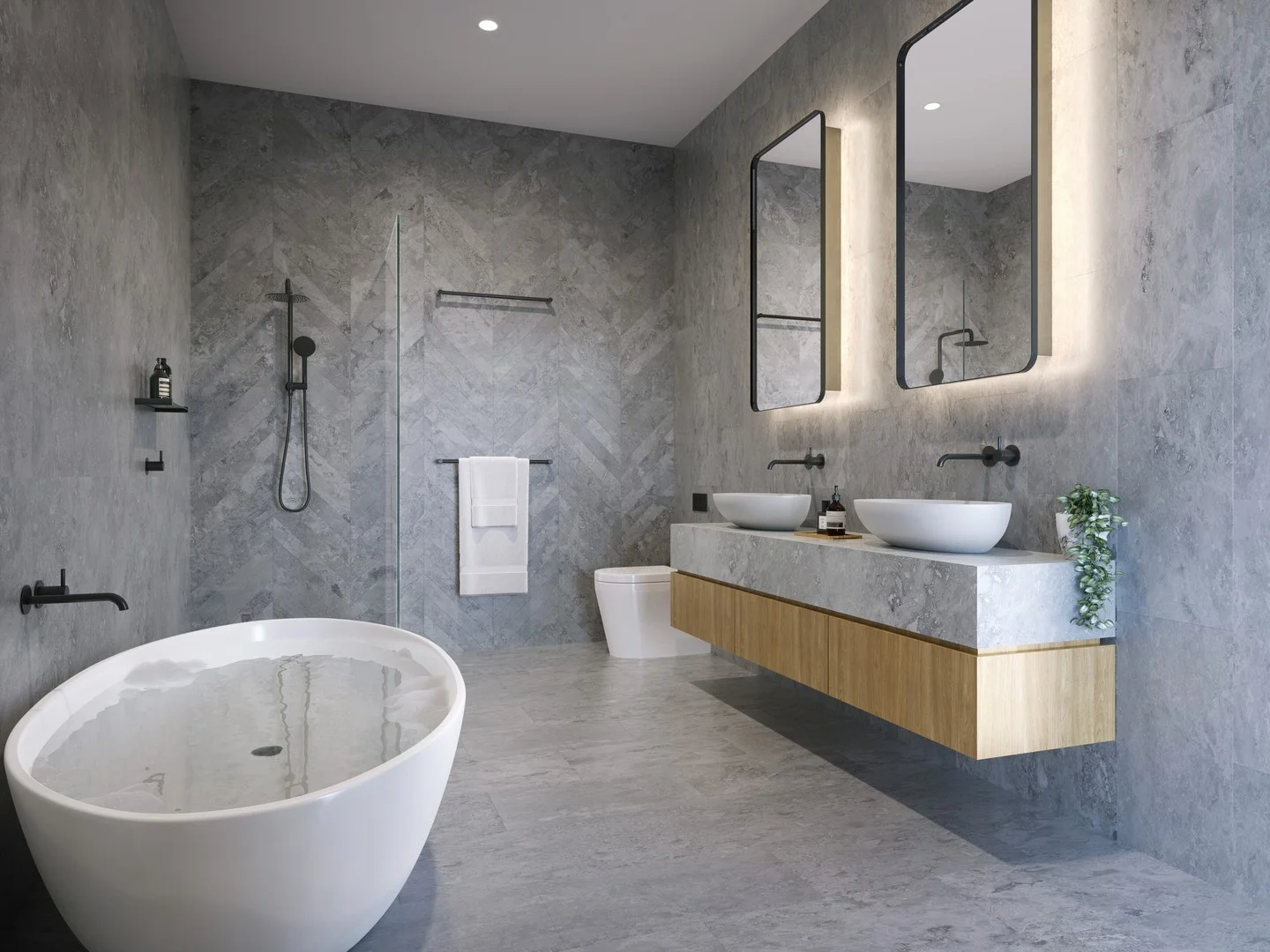 $2,824,000
Apartment / Unit / Flat
$2,824,000
Apartment / Unit / Flat
 $36,000,000 - $39,500,000
Vacant Land
$36,000,000 - $39,500,000
Vacant Land
 $26,550,000
propertyType.NEW APARTMENTS / OFF THE PLAN
$26,550,000
propertyType.NEW APARTMENTS / OFF THE PLAN
 $8,630,000
propertyType.NEW APARTMENTS / OFF THE PLAN
$8,630,000
propertyType.NEW APARTMENTS / OFF THE PLAN
 $12,980,000
propertyType.NEW APARTMENTS / OFF THE PLAN
$12,980,000
propertyType.NEW APARTMENTS / OFF THE PLAN
 $6,225,000
propertyType.NEW APARTMENTS / OFF THE PLAN
$6,225,000
propertyType.NEW APARTMENTS / OFF THE PLAN
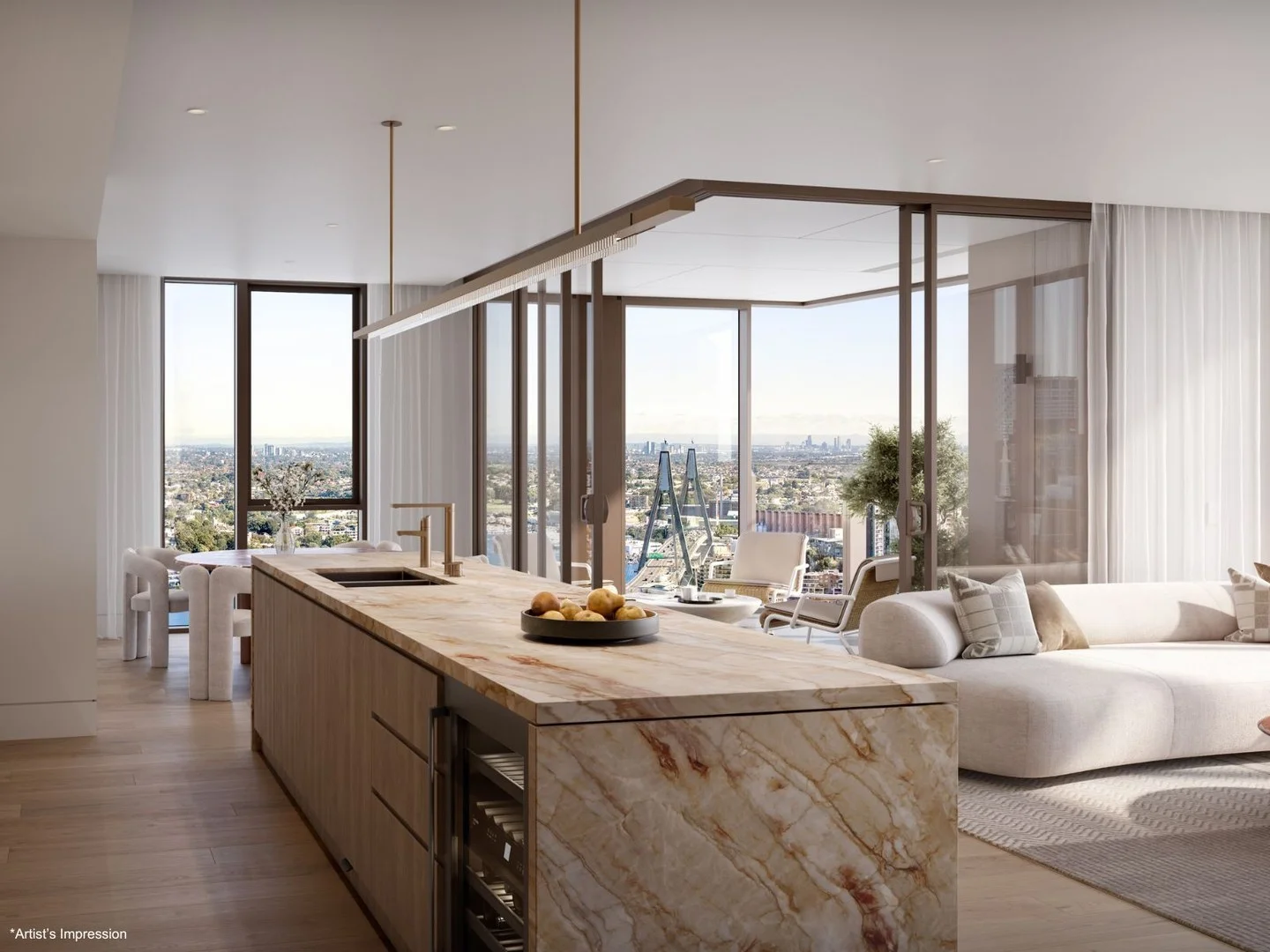 $9,020,000
propertyType.NEW APARTMENTS / OFF THE PLAN
$9,020,000
propertyType.NEW APARTMENTS / OFF THE PLAN
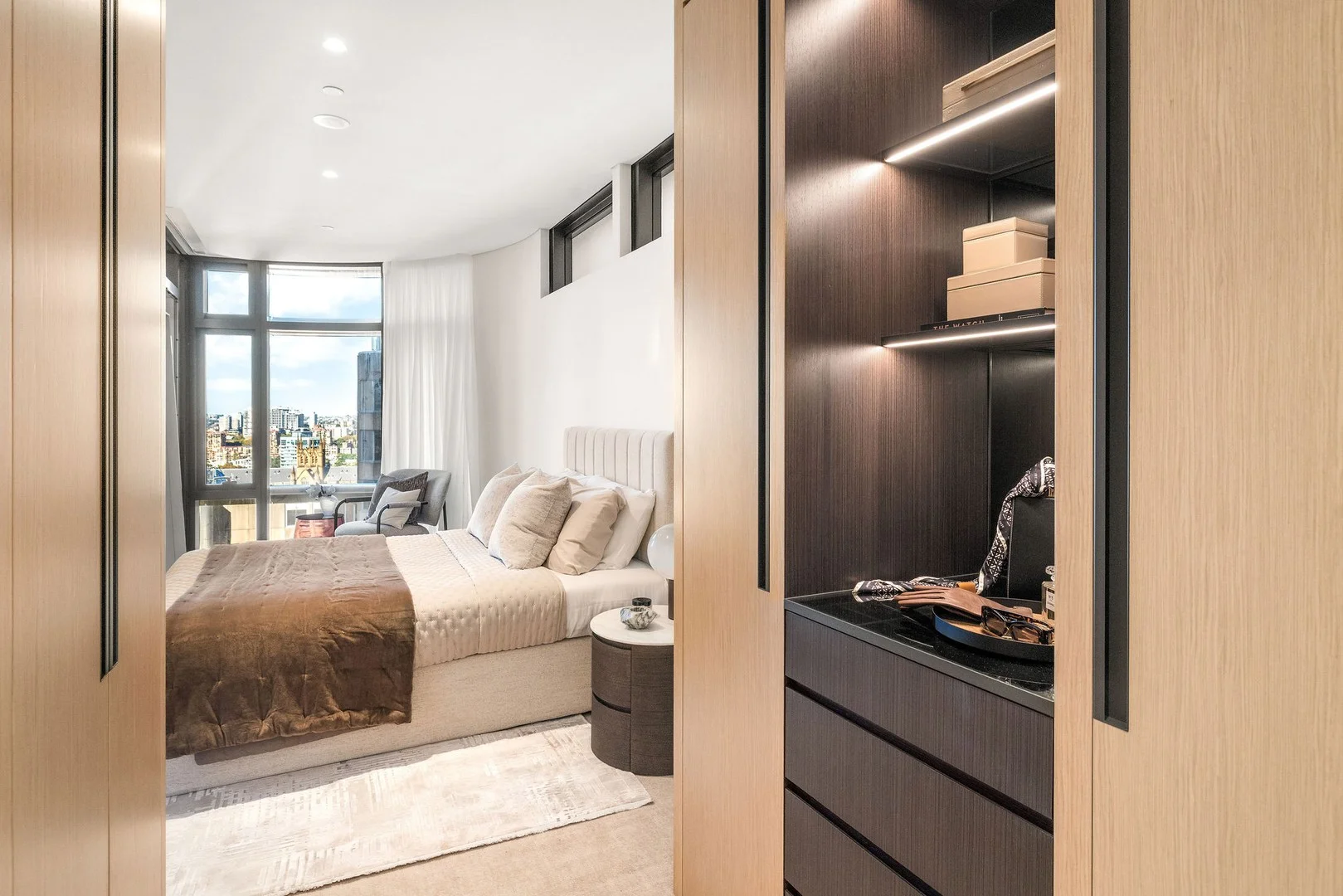 $2,745,000
propertyType.NEW APARTMENTS / OFF THE PLAN
$2,745,000
propertyType.NEW APARTMENTS / OFF THE PLAN


