1. Overview
Masada College is an independent private Jewish day school located in St Ives, NSW 2075. The school offers a co-educational K–12 program with a focus on academic excellence, Jewish studies, and a values-driven education. It aims to foster a nurturing yet ambitious learning community where students develop intellectually, socially, and morally.
The school tends to be medium-sized for the area, with class sizes that support close teacher-student engagement. The atmosphere is generally described as inclusive and community-oriented, combining high academic expectations with care for student wellbeing and faith-based learning.
⸻
2. Academics & Learning
- Academic strengths: Strong focus on STEM, English literacy, languages (including Hebrew), and leadership development. The curriculum is designed to prepare students for NSW higher-education pathways while integrating Jewish studies as a core component.
- Special programs: Gifted and Talented opportunities, accelerated learning options, and pathways to NSW HSC/ATAR preparation within an independent school context.
- NAPLAN trends: Over recent years the school has shown steady trends toward improvement and consistency in literacy and numeracy performance across cohorts, with emphasis on targeted intervention where needed.
- Student-teacher ratios: Class sizes and ratios are kept in the small-to-mid range to support individualized attention and feedback.
- Support for diverse learners: Programs and support for ESL/EAL students, students with additional learning needs, and flexible interventions to help all learners succeed.
⸻
3. Sports & Extracurricular Strengths
- Sports offered: A range of contemporary winter and summer sports typical of NSW private schools, with opportunities across team and individual events.
- Strong teams or achievements: Competitive participation in school-level and regional competitions, with emphasis on participation, progress, and sportsmanship.
- Music, arts, drama programs: School ensembles, choirs, and drama productions; opportunities for performance in school and community contexts.
- Clubs: Robotics, coding, chess, debating, and other STEM and humanities clubs to extend student interests beyond core subjects.
- Partnerships: Collaborations with local clubs, community organizations, and regional competitions to broaden experiences in sport, robotics, arts, and academic competitions.
⸻
4. Wellbeing & Pastoral Care
- Anti-bullying approach: Clear policies and programs promoting respectful behavior, student wellbeing, and restorative practices.
- House system: House or pastoral groupings to encourage belonging, leadership, and healthy competition.
- Counsellors / wellbeing officers: Access to wellbeing staff and counselling to support academic and personal development.
- Transition support for new students: Orientation activities and dedicated staff to help new entrants settle in academically and socially.
⸻
5. Facilities
- Sports grounds: On-site sports fields and courts appropriate for school sport and physical education.
- Libraries: School library with study spaces and resources.
- Science labs: Modern laboratories supporting practical science learning.
- Music/performing arts centers: Dedicated spaces for music, drama, and performances.
- Tech/innovation labs: Technology and innovation spaces to support coding, robotics, and STEAM learning.
- Cafeteria: On-site dining facilities or canteen services.
- Updated playgrounds: Well-maintained spaces for recreation and play.
⸻
6. School Values & Community Culture
- School values / mission: A values-based education that blends academic achievement with Jewish identity, ethics, and community service.
- Leadership style: Distributed leadership with opportunities for student leadership and teacher collaboration to support a positive culture.
- Behaviour expectations: Clear conduct standards aligned with school values and community expectations.
- Community reputation: A positive reputation within the Jewish and broader local community for academic rigor and a caring, inclusive environment.
- Diversity & inclusion: Commitment to welcoming families from diverse backgrounds while honoring Jewish heritage and culture.
⸻
7. School Logistics & Daily Operations
- School hours: Typical start and finish times aligned with NSW school norms; day structure includes breaks and specialist lessons.
- Before/after school care: Availability of supervised programs before and after the regular school day.
- Uniform requirements: School uniform policy with crest-bearing attire and guidelines for daily wear and formal occasions.
- Transport (train/bus routes): Access to regional bus and train networks; arrangements for student drop-off and pick-up in the local area.
- Canteen availability: Canteen or lunch provisions available on site.
- Fees (low/medium/high ranges): Private/independent school fees apply; ranges are on the higher end relative to government schools, with additional costs for some activities and resources.
⸻
8. Enrolment & Admissions
11. What is the enrolment process and timeline?
- Application generally begins with an online expression of interest or form, followed by submission of required documents (academic records, identity, and any family information).
- An interview and/or classroom/ability assessments may be part of the process.
- A formal offer typically follows after the interview/assessments, with key deadlines for acceptance and orientation steps prior to the start of the term.
12. Is there a waiting list, and how does it work?
- There is often a waiting list when cohorts are full. Places are allocated based on space, adherence to admissions criteria, submission date, and, where relevant, family/faith documentation or connections with the school community.
13. Are there any entry requirements, tests, or interviews?
- Entry commonly involves a combination of documentation, an interview, and sometimes assessment tasks in literacy and numeracy. In a faith-based independent school, families may be asked to share information about alignment with the school’s values and community expectations.
14. Does the school accept mid-year transfers?
- Mid-year transfers may be possible if spaces are available and timetabling permits integration into existing classes. Prospective families should contact the admissions team to discuss availability and the transfer process.
⸻
9. Frequently Asked Questions
- Why Parents Choose This School?
- A strong combination of rigorous academics, values-based education, supportive wellbeing, and active involvement in community life.
- What type of student thrives at this school?
- Students who value high academic standards, community belonging, and opportunities to participate in a broad range of co-curricular activities, including Jewish studies as part of daily life.
- What opportunities are available for students to extend their skills (academics, sports, arts)?
- Advanced coursework and accelerated options in core subjects, involvement in STEM and humanities clubs, competitive sports programs, music ensembles, drama productions, and arts partnerships.
- How does the school communicate with parents?
- Regular newsletters, emails, a school app or portal, and parent-teacher conferences; formal reports and progress updates are provided throughout the year.
- What is the school’s approach to teaching and learning?
- A student-centered approach with differentiation, inquiry-based learning, strong literacy and numeracy focus, and integration of Jewish studies as part of the curriculum.
- How does the school support students who need extra academic help?
- Dedicated learning support, ESL/EAL assistance, targeted interventions, and small-group or one-on-one tutoring when needed.
- What support is available for academic challenges?
- Access to teaching staff, learning support specialists, and intervention plans designed to help students reach their potential.
- How does the school communicate with parents? (Repeated)
- See above: newsletters, portals, conferences, and timely responses from staff.
- What are the class sizes and how much individual attention do students receive?
- Class sizes are kept in the small-to-mid range to enable meaningful teacher contact and personalized feedback.
- What extracurricular and sports opportunities are available?
- A broad offering including sports, robotics, coding, chess, debating, music ensembles, drama, and other clubs and activities.
- What facilities does the school offer (sports, science, arts)?
- Comprehensive facilities across sports grounds, libraries, science labs, performing arts spaces, technology labs, and dining areas.
- What is the school’s approach to technology and digital learning?
- Emphasis on safe, effective digital learning with device integration, digital citizenship education, and supportive tech infrastructure.
- What transport and accessibility options are available?
- Access to local transport networks and on-site or nearby drop-off arrangements; accessibility considerations are included in site planning and facilities.
- What are the typical school fees or additional costs?
- Private school fees apply; there are standard tuition costs plus potential additional costs for certain activities, resources, or excursions. Details are provided by the admissions team.
⸻
10. Short Pros & Cons list
Pros
- Strong academic program with emphasis on literacy, STEM, languages, and leadership.
- Values-based education with a supportive, inclusive community.
- Broad range of co-curriculars (sports, arts, clubs, and competitions).
- Focus on wellbeing, pastoral care, and transitions for new students.
- Modern facilities across science, technology, arts, and performance spaces.
Cons
- Private school fees; higher cost relative to public options.
- Religious or community alignment may influence fit for families not seeking a Jewish-identity environment.
- Availability of spots can be competitive; potential waitlists during peak intake periods.
⸻












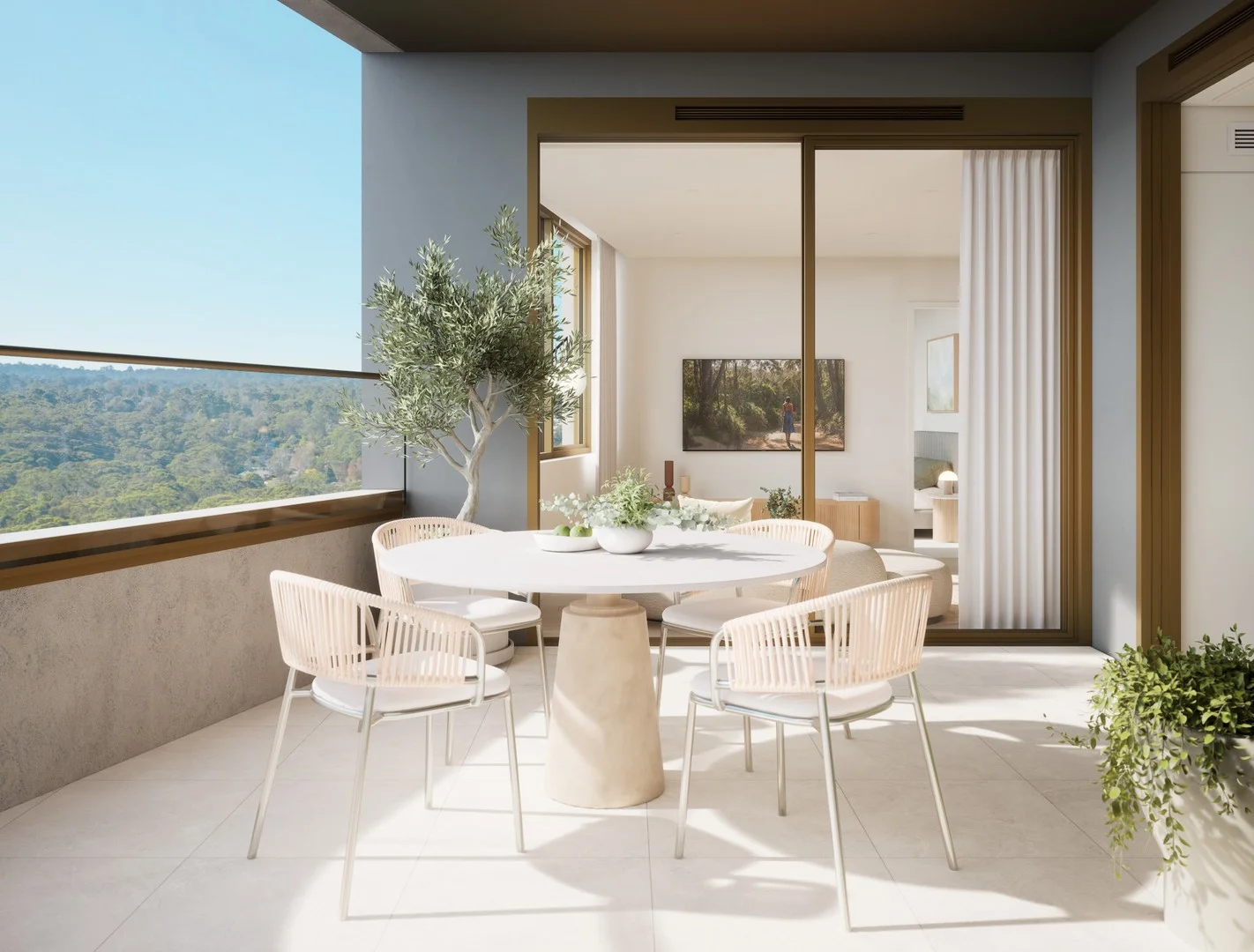 $1,525,000
Apartment / Unit / Flat
$1,525,000
Apartment / Unit / Flat
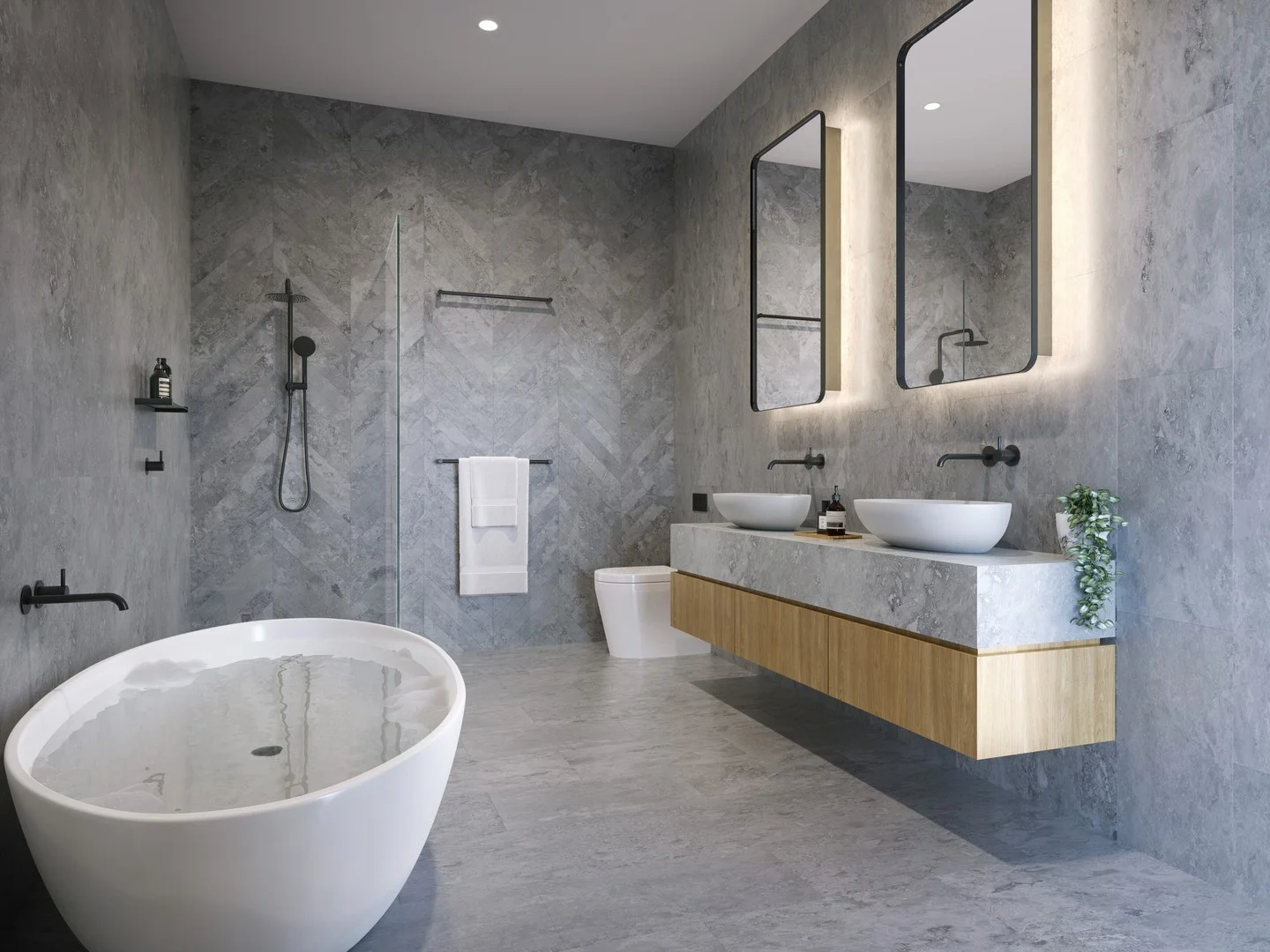 $2,824,000
Apartment / Unit / Flat
$2,824,000
Apartment / Unit / Flat
 $36,000,000 - $39,500,000
Vacant Land
$36,000,000 - $39,500,000
Vacant Land
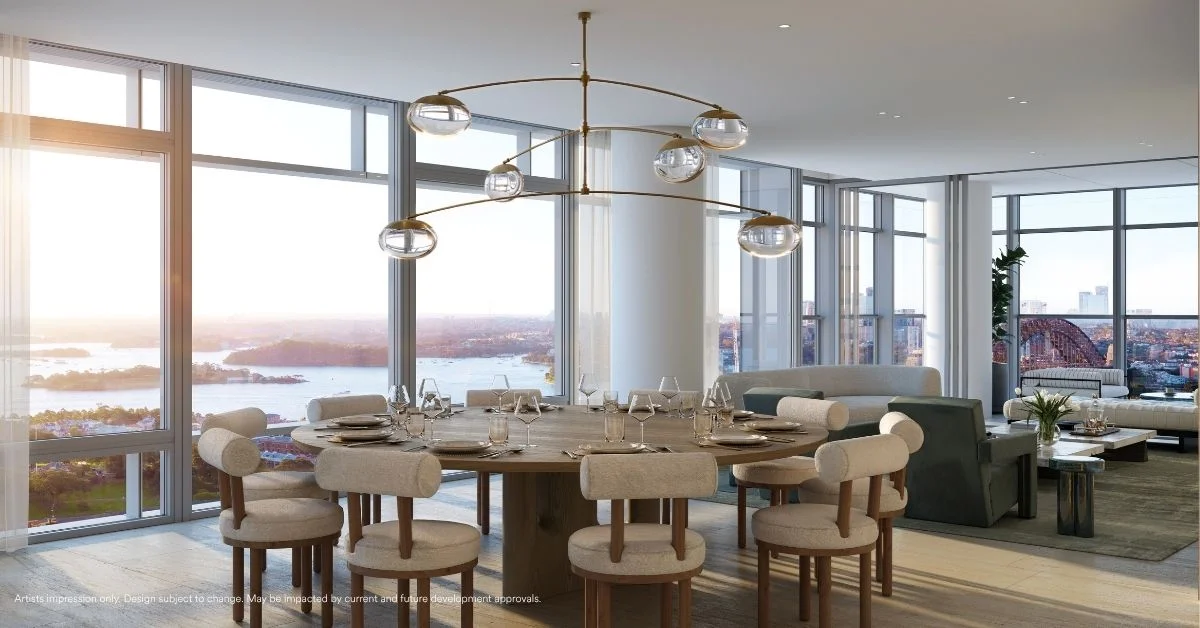 $26,550,000
propertyType.NEW APARTMENTS / OFF THE PLAN
$26,550,000
propertyType.NEW APARTMENTS / OFF THE PLAN
 $8,630,000
propertyType.NEW APARTMENTS / OFF THE PLAN
$8,630,000
propertyType.NEW APARTMENTS / OFF THE PLAN
 $6,225,000
propertyType.NEW APARTMENTS / OFF THE PLAN
$6,225,000
propertyType.NEW APARTMENTS / OFF THE PLAN
 $9,020,000
propertyType.NEW APARTMENTS / OFF THE PLAN
$9,020,000
propertyType.NEW APARTMENTS / OFF THE PLAN
 $12,980,000
propertyType.NEW APARTMENTS / OFF THE PLAN
$12,980,000
propertyType.NEW APARTMENTS / OFF THE PLAN
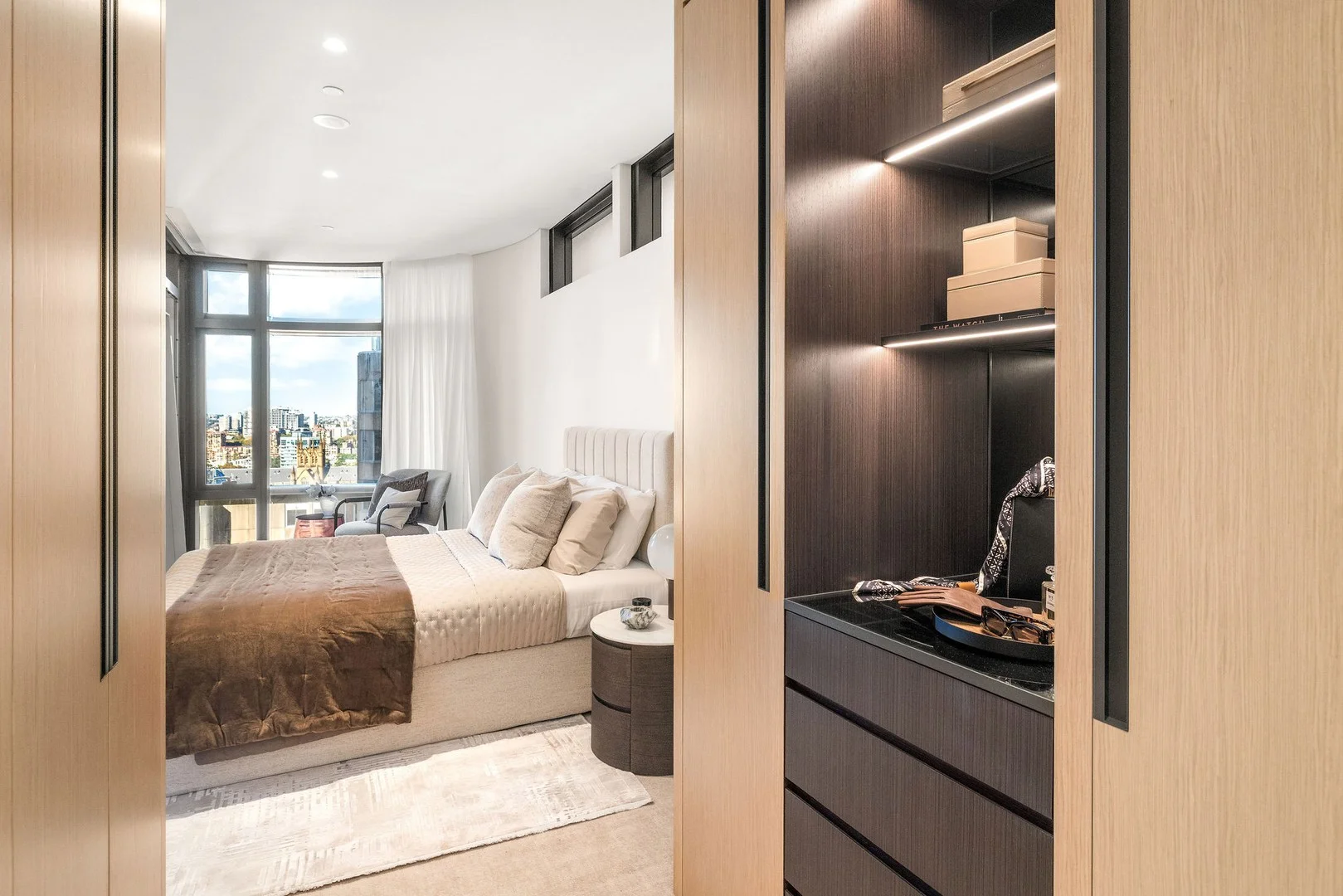 $2,745,000
propertyType.NEW APARTMENTS / OFF THE PLAN
$2,745,000
propertyType.NEW APARTMENTS / OFF THE PLAN


