Overview
Ravenswood School for Girls is an independent private school for girls, located in Gordon, NSW. The school operates as a day and boarding community with a medium-to-large student body, offering continuous education from early years to Year 12. Class sizes are typically around 20–22 students, supporting a personalised learning approach within a collaborative, respectful culture.
The atmosphere is nurtur ing and inclusive, with a strong academic focus. Ravenswood emphasises leadership, service, and character development alongside rigorous classroom learning, creating a community where girls are encouraged to excel academically while developing confidence, resilience, and a broad set of interests.
Academics & Learning
- Academic strengths: Strong emphasis on STEM, English, and languages, with leadership and communication skills integrated across the curriculum.
- Special programs: Gifted and talented pathways, opportunities for accelerated learning, andLeadership/mentoring initiatives for students seeking extended challenges.
- Support for diverse learners: Robust EAL and SEN support, with inclusive education practices and targeted learning assistance where needed.
- Sports offered: Netball, basketball, soccer, hockey, tennis, swimming, athletics, and other seasonal activities, with pathways to school teams and representative opportunities.
- Strong teams or achievements: Competitive inter-school teams with state-level and regional participation in several sports.
- Music, arts, drama programs: Active music ensembles, choirs, theatre productions, and performing arts opportunities embedded in the curriculum.
- Clubs: Robotics, coding, chess, debating, public speaking, journalism, and other interest-based clubs.
- Partnerships: Connections with local sports academies and participation in inter-school competitions and showcases to broaden experience.
Wellbeing & Pastoral Care
- Anti-bullying approach: Proactive anti-bullying policies and wellbeing programs, with clear reporting channels and proactive student education.
- House system: A house structure fosters belonging, healthy competition, and peer support through events and activities.
- Counsellors / wellbeing officers: On-site counsellors and wellbeing staff available to support students’ emotional and social needs.
- Transition support for new students: Orientation programs, buddy/mentoring systems, and ongoing pastoral care to ease transitions into new year groups.
Facilities
- Sports grounds: Extensive outdoor fields and sports courts to support a wide range of activities.
- Libraries: Well-resourced libraries with study spaces and digital access.
- Science labs: Modern science laboratories supporting practical experiments across disciplines.
- Music/performing arts centers: Dedicated spaces for music, drama, and performance.
- Tech/innovation labs: Contemporary STEM and digital-learning spaces for hands-on projects.
- Cafeteria: On-site canteen providing a range of lunch options.
- Updated playgrounds: Age-appropriate, maintained playground facilities for younger students.
- School values / mission: Education that develops confident, ethically-minded young women who lead with integrity and contribute to their communities.
- Leadership style: Collaborative leadership with student input and opportunities for leadership roles across year levels.
- Behaviour expectations: Clear behavioural standards centered on respect, responsibility, and inclusion.
- Community reputation: Well-regarded in the North Shore community for academic achievement, student wellbeing, and alumni engagement.
- Diversity & inclusion: Commitment to creating an inclusive environment with diverse perspectives and backgrounds.
School Logistics & Daily Operations
- School hours: Typically morning start with a structured school day; finish times vary by year level (with after-care options available).
- Before/after school care: Available to support working families.
- Uniform requirements: Official school uniform for everyday and sport, with specific guidelines for different terms and activities.
- Transport (train/bus routes): Accessible by local bus routes and nearby train services; school coordinates information for families regarding transport options.
- Canteen availability: On-site canteen or cafeteria offering daily meal options.
- Fees (low/medium/high ranges): Fees are in the higher end of the private-school market; families should expect significant contributions for tuition and additional costs (transparency provided through the admissions office).
Enrolment & Admissions
- What is the enrolment process and timeline? Applications typically involve an online form, supporting documents, an admissions assessment or interview, and a timeline that aligns with intake years. Open days or information sessions are commonly offered to help families understand the process.
- Is there a waiting list, and how does it work? Yes, there is often a waiting list. Offers are made as places become available, with priority considerations typically based on year level and space.
- Are there any entry requirements, tests, or interviews? Prospective students may participate in an assessment and may have an interview with a member of the admissions team or school leaders. Academic records and references are usually requested.
- Does the school accept mid-year transfers? Mid-year transfers are considered when spaces exist, subject to the standard admissions process and evaluation of available capacity.
Frequently Asked Questions
- Why Parents Choose This School?
Ravenswood is chosen for its combination of rigorous academics, strong pastoral care, wide-ranging extracurriculars, and a community that supports girls to lead with confidence and compassion.
- What type of student thrives at this school?
Students who are motivated, collaborative, and curious; those who enjoy a balance of academics, sport, arts, and service tend to thrive.
- What opportunities are available for students to extend their skills (academics, sports, arts)?
There are leadership roles, accelerated or gifted pathways, STEM and language programs, robust sports teams, arts ensembles, and a broad selection of clubs and competitions.
- How does the school communicate with parents?
Regular updates through official channels, parent portals, newsletters, email communications, and scheduled parent-teacher meetings.
- What is the school’s approach to teaching and learning?
A student-centered, inquiry-based approach with emphasis on literacy, numeracy, critical thinking, and real-world applications, supported by differentiated instruction.
- How does the school support students who need extra academic help?
Targeted learning support, tutoring options, EAL/SEN support, and structured intervention plans where needed.
- What support is available for academic challenges?
Dedicated staff, learning support programs, and access to guidance on study skills and organization.
- What extracurricular and sports opportunities are available?
A broad mix of sports, music, drama, robotics, coding, debating, chess, and other clubs; opportunities to compete and showcase talents.
- What facilities does the school offer (sports, science, arts)?
Modern science labs, performing arts spaces, well-equipped libraries, music facilities, sport grounds, and digital learning spaces.
- What is the school’s approach to technology and digital learning?
Integrated technology across the curriculum, with dedicated labs and digital literacy initiatives to prepare students for higher studies and work.
- What transport and accessibility options are available?
Local transport links and school-supported information on routes; flexible options for families to manage commuting.
- What are the typical school fees or additional costs?
Fees are on the higher end of private schooling; additional costs may include uniforms, activities, trips, and resource fees. Check the admissions office for a current breakdown.
Short Pros & Cons
- Independent/private school with a strong academic reputation
- Supportive wellbeing and pastoral care
- Broad range of extracurriculars (sport, arts, STEM, debate)
- Small to mid-sized classes enabling personalised attention
- Active community with leadership opportunities and alum network
- Higher tuition and related costs
- Competitive environment may not suit every student
- Entrance process and waitlists can be lengthy during popular intake years
- Homework and assessment load can be substantial in senior years

 $95+
$95+









 $1,525,000
Apartment / Unit / Flat
$1,525,000
Apartment / Unit / Flat
 $36,000,000 - $39,500,000
Vacant Land
$36,000,000 - $39,500,000
Vacant Land
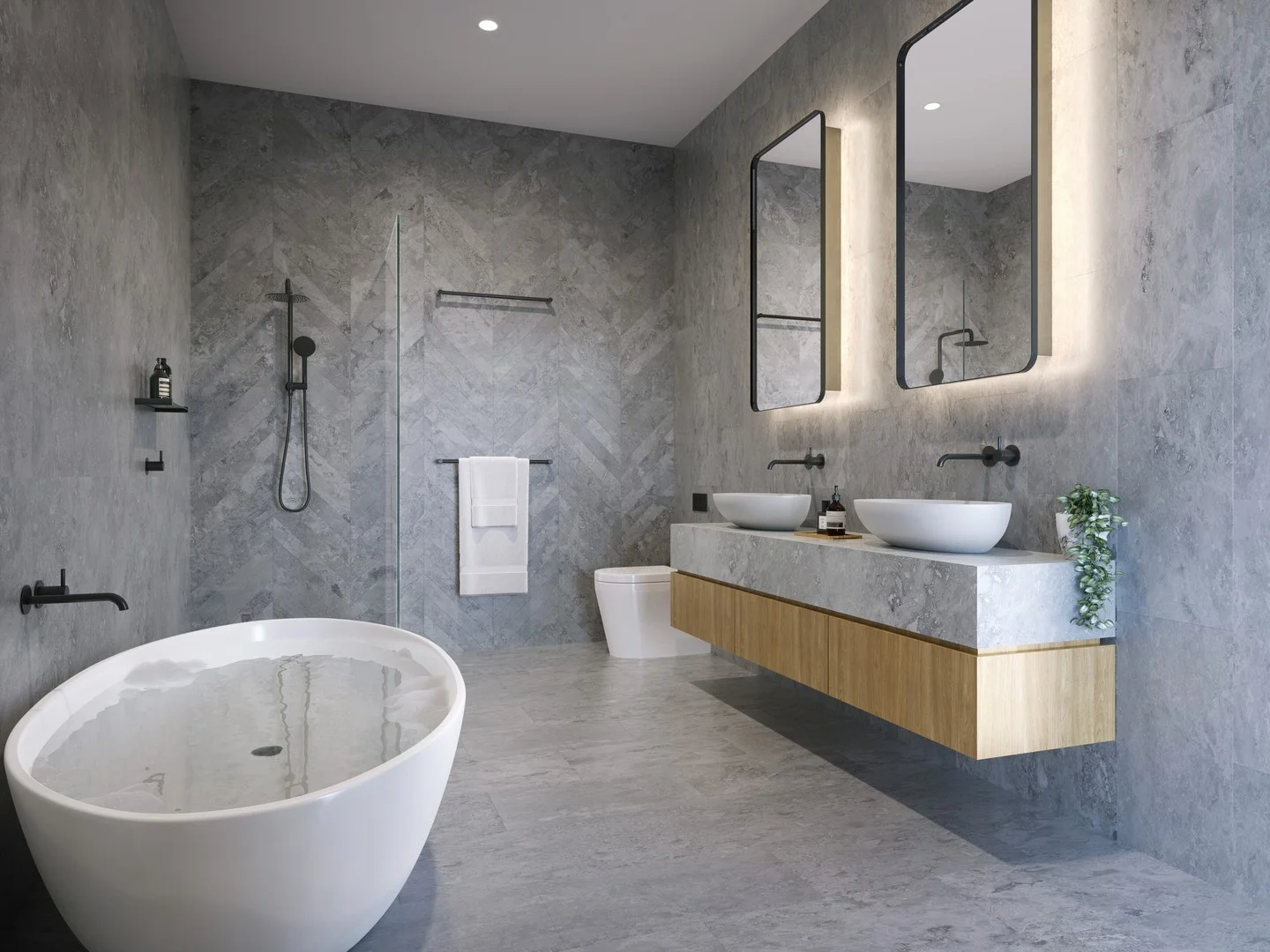 $2,824,000
Apartment / Unit / Flat
$2,824,000
Apartment / Unit / Flat
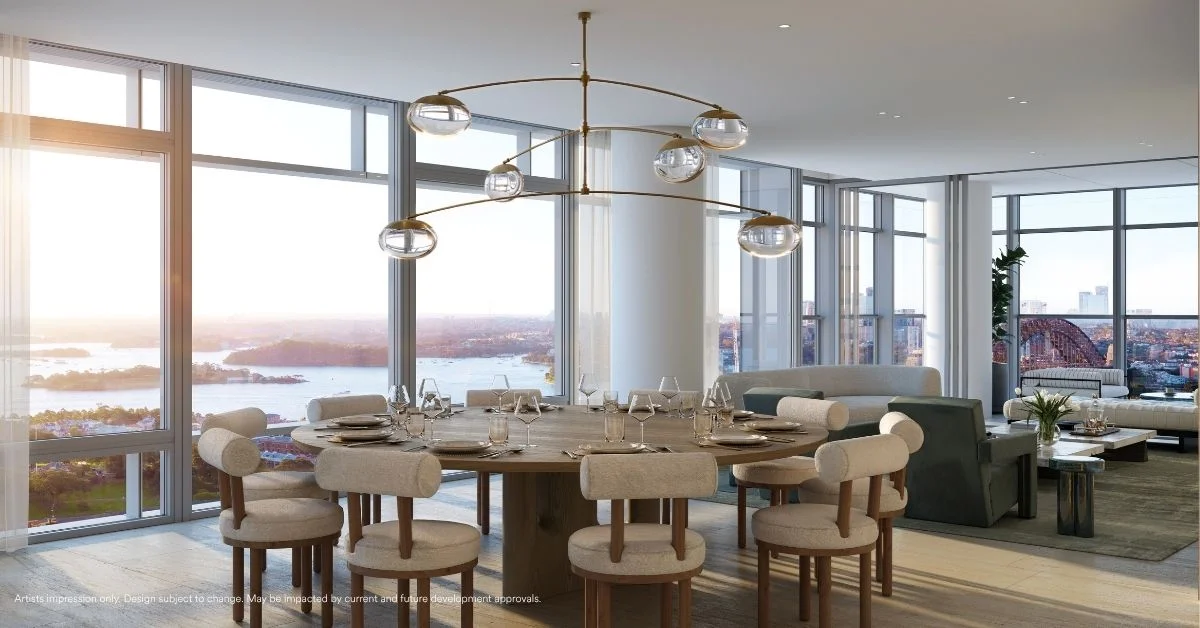 $26,550,000
propertyType.NEW APARTMENTS / OFF THE PLAN
$26,550,000
propertyType.NEW APARTMENTS / OFF THE PLAN
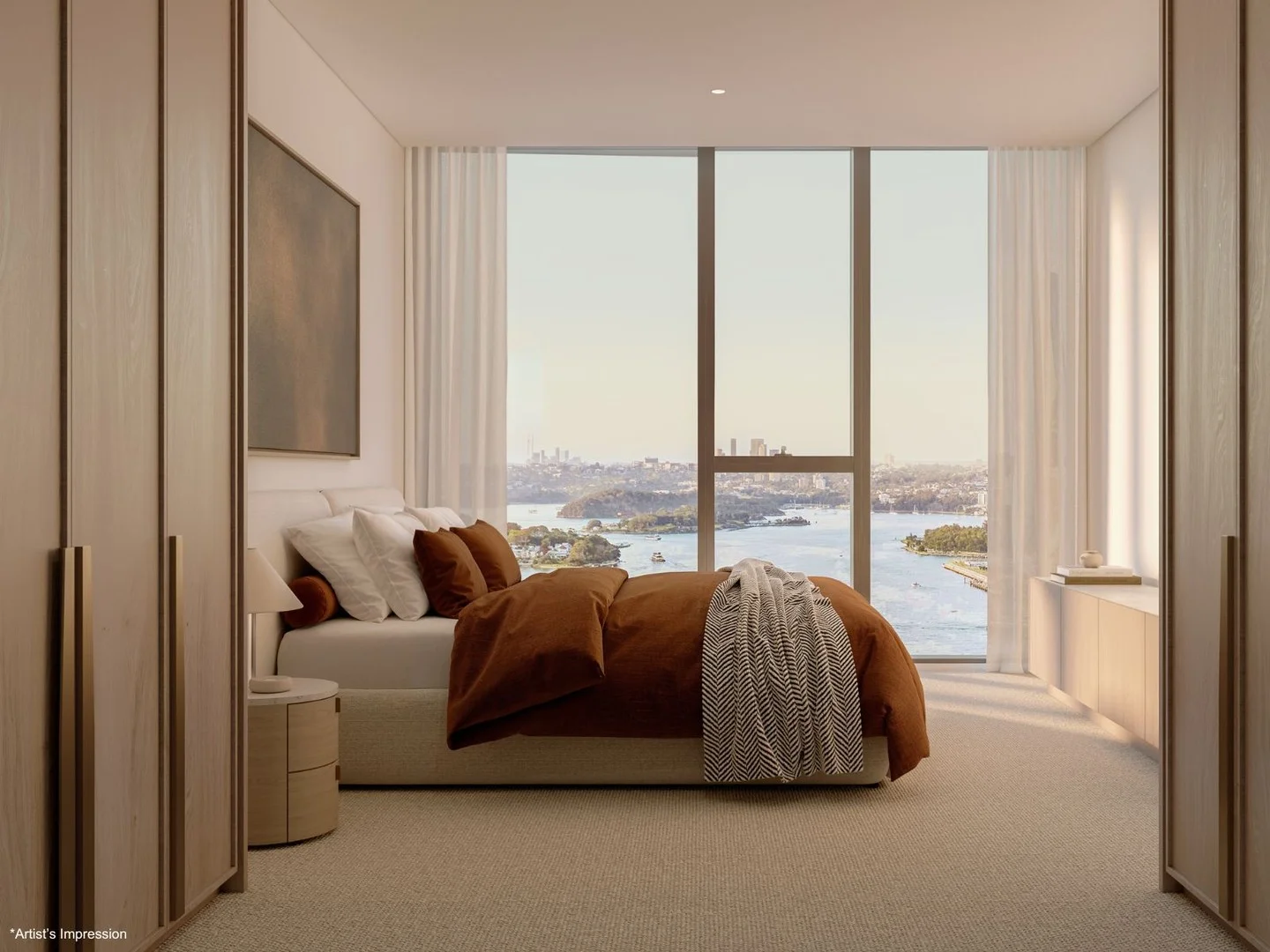 $8,630,000
propertyType.NEW APARTMENTS / OFF THE PLAN
$8,630,000
propertyType.NEW APARTMENTS / OFF THE PLAN
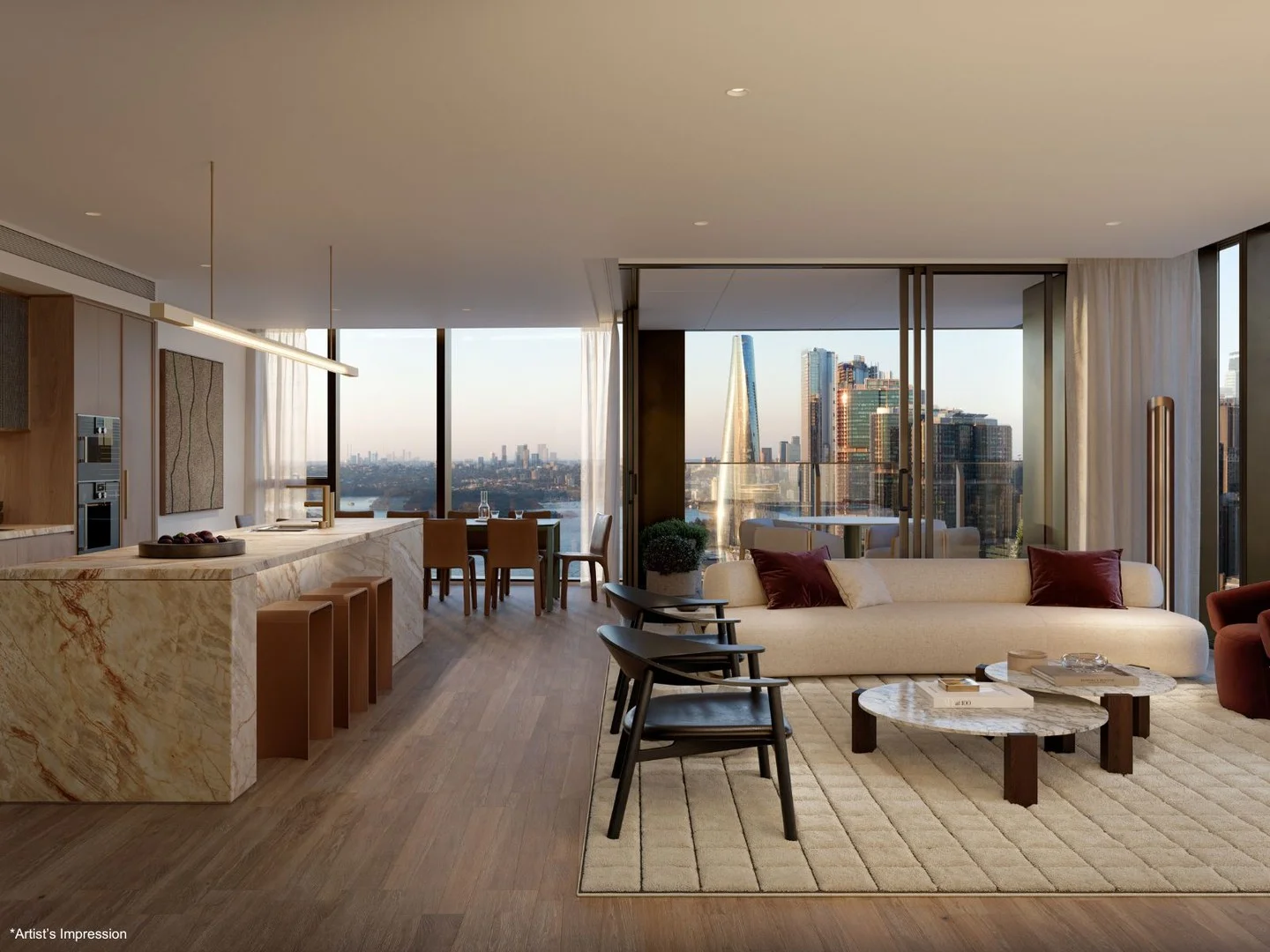 $12,980,000
propertyType.NEW APARTMENTS / OFF THE PLAN
$12,980,000
propertyType.NEW APARTMENTS / OFF THE PLAN
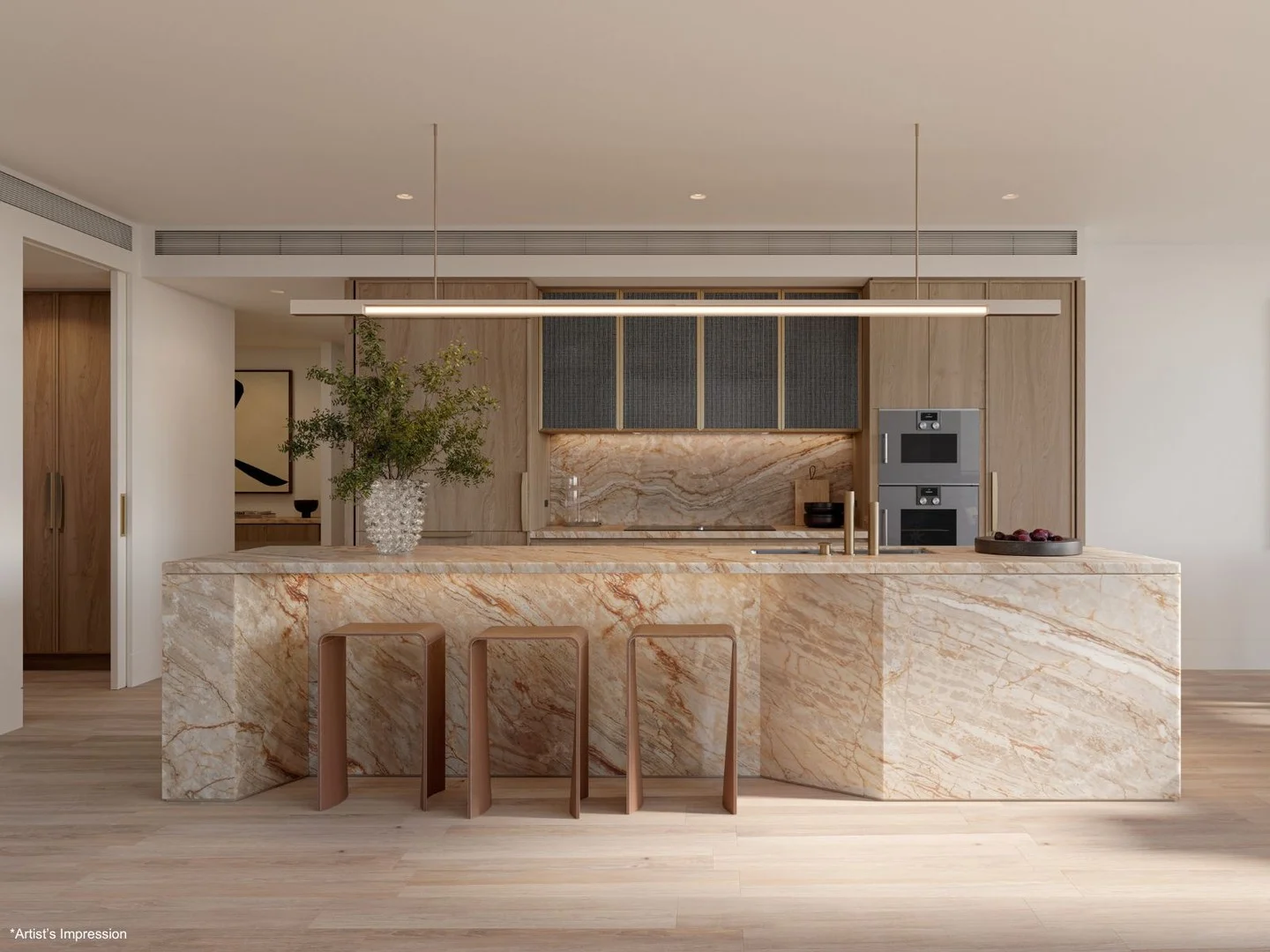 $6,225,000
propertyType.NEW APARTMENTS / OFF THE PLAN
$6,225,000
propertyType.NEW APARTMENTS / OFF THE PLAN
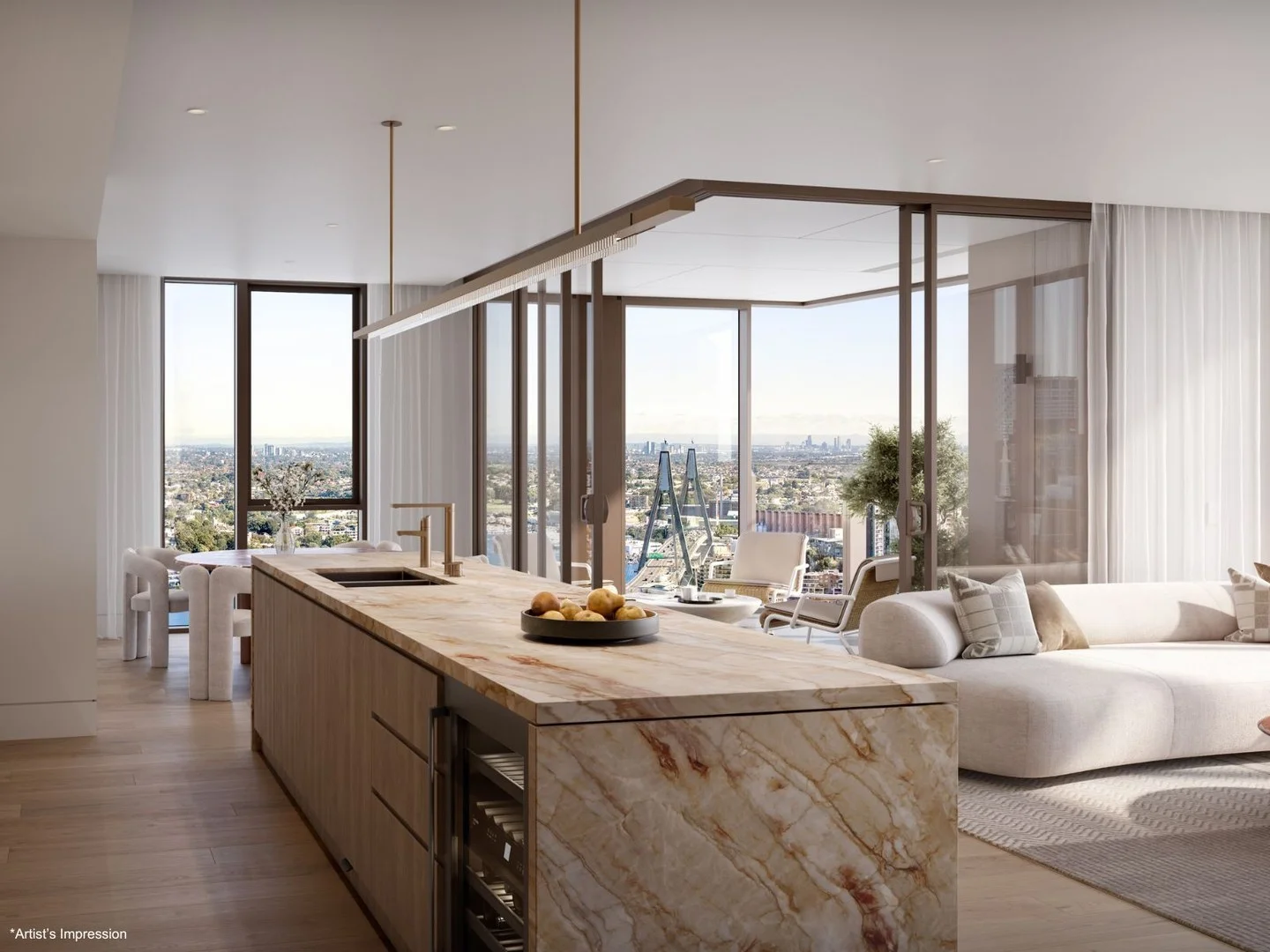 $9,020,000
propertyType.NEW APARTMENTS / OFF THE PLAN
$9,020,000
propertyType.NEW APARTMENTS / OFF THE PLAN
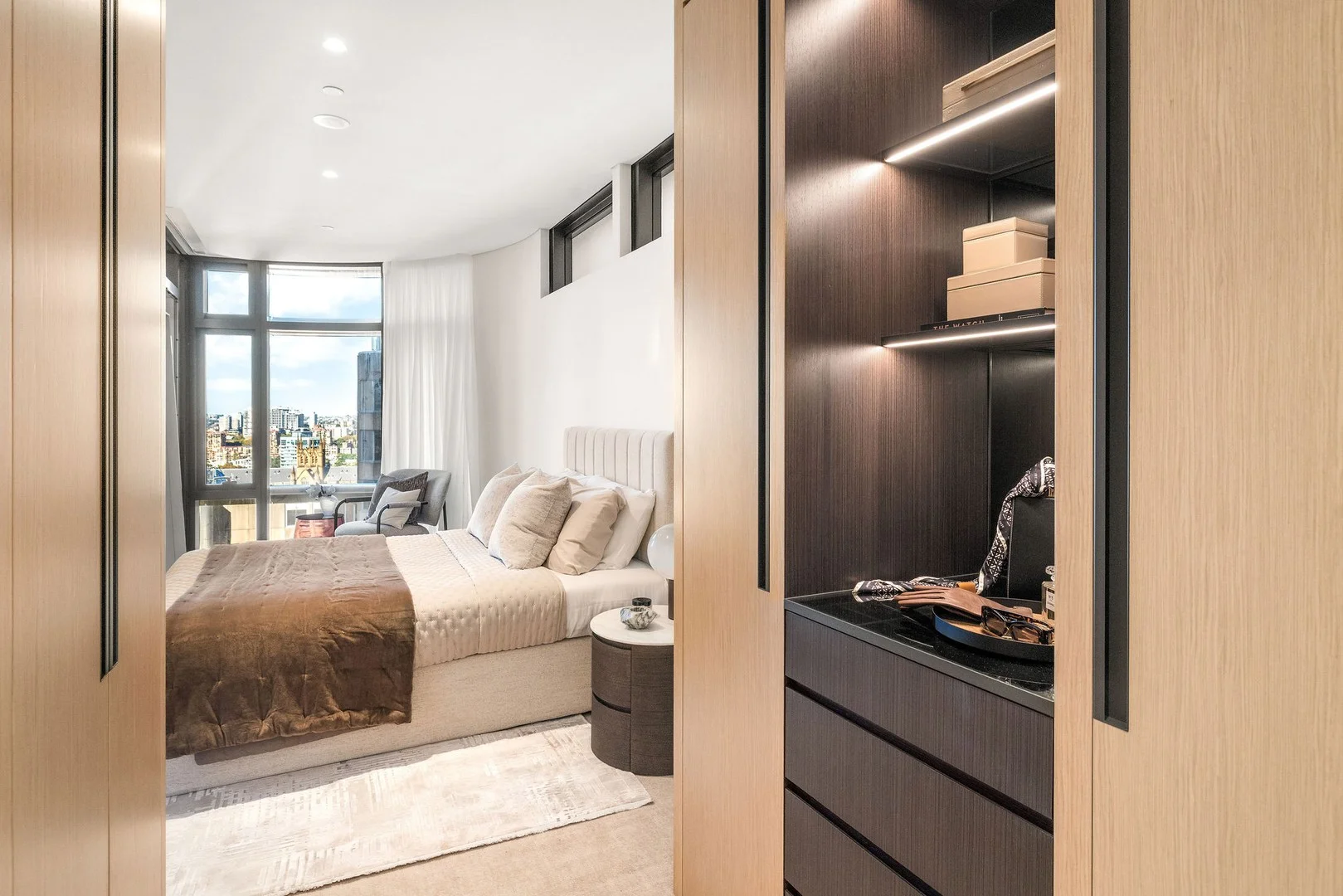 $2,745,000
propertyType.NEW APARTMENTS / OFF THE PLAN
$2,745,000
propertyType.NEW APARTMENTS / OFF THE PLAN