## 1. Overview
Holy Family Catholic Primary School, Lindfield is a Catholic, co-educational primary school serving families in the Lindfield area. The school provides a faith-centered, community-focused education for Kindergarten through Year 6, with a strong emphasis on academic growth, character development and service.
As a medium-sized NSW Catholic school, it supports close relationships between students, families and staff. Class sizes are typically in the low-to-mid 20s, enabling personalised attention and a nurturing atmosphere. The school culture blends academic effort with faith formation, kindness, inclusion, and a sense of belonging.
## 2. Academics & Learning
- Academic strengths: English, Mathematics, STEM, digital literacy, and Catholic Studies form the core academic program, with a focus on developing critical thinking, reading comprehension and problem-solving skills.
- Special programs: Gifted and Talented opportunities, acceleration options where appropriate, and a strong music program complement classroom learning. The school also provides music, visual arts and drama to foster creativity alongside core subjects.
- NAPLAN trends: The school typically performs at or above NSW averages, with a history of stable to improving results over recent years, reflecting consistent attention to literacy and numeracy development.
- Student-teacher ratios: Roughly around 1:15, allowing teachers to know learners well and tailor support.
- Support for diverse learners: Dedicated supports for EAL (English as an Additional Language) students and learners with SEN (Special Educational Needs), including targeted interventions and collaboration with families.
## 3. Sports & Extracurricular Strengths
- Sports offered: Soccer, netball, basketball, cricket, athletics and swimming are commonly featured, with opportunities to participate in inter-school fixtures.
- Strong teams or achievements: Active participation in local and inter-school competitions with a focus on teamwork, fair play and personal bests.
- Music, arts, drama programs: Choir, school band, and annual drama/performing arts showcases provide regular performance opportunities.
- Clubs: Robotics, coding, chess, debating and eco/climate action groups are popular for students seeking enrichment beyond core subjects.
- Partnerships: Collaborations with local clubs and community groups support athletics, coding and creative arts programs, plus opportunities to participate in regional competitions and events.
## 4. Wellbeing & Pastoral Care
- Anti-bullying approach: Proactive, whole-school strategies promote respectful behavior, safe spaces and clear reporting pathways.
- House system: A house framework fosters belonging, healthy competition and leadership opportunities for students.
- Counsellors / wellbeing officers: Access to school wellbeing staff and a counsellor to support social, emotional and mental health needs.
- Transition support for new students: Buddy programs, orientation sessions and gradual integration to help new students feel secure and connected.
## 5. Facilities
- Sports grounds: On-site playing fields and courts for physical education and inter-school sport.
- Libraries: A well-stocked library encourages reading for pleasure and research skills.
- Science labs: Practical science spaces support hands-on inquiry and experiments.
- Music/performing arts centers: Dedicated spaces for music, drama and rehearsals.
- Tech/innovation labs: Computing and digital learning spaces to develop 기술 literacy and project-based work.
- Cafeteria: On-site canteen or lunch facilities with healthy options.
- Updated playgrounds: Modern, safe outdoor play areas for break times and recreation.
## 6. School Values & Community Culture
- School values / mission: A faith-based educational approach grounded in Catholic teachings, with emphasis on respect, responsibility, compassion and integrity.
- Leadership style: Collaborative leadership across staff and student leadership opportunities (e.g., student council) to foster ownership and responsibility.
- Behaviour expectations: Clear conduct policies aligned with positive behaviour for learning, with consistent routines and fair consequences.
- Community reputation: A supportive, active school community with engaged parents and families who contribute to school events and programs.
- Diversity & inclusion: Inclusive environment that welcomes students from diverse backgrounds and provides supports to enable full participation.
## 7. School Logistics & Daily Operations
- School hours: Operating day aligns with NSW Catholic primary school norms, with start and finish times that may vary slightly by year level; typical day includes morning a.m. and lunch breaks.
- Before/after school care: Available to families needing extended hours beyond the school day.
- Uniform requirements: Official school uniform for regular days; sports uniform for PE and games; hats and seasonal adjustments as required.
- Transport (train/bus routes): Access to local transport options; information on bus services and walking routes is provided by the school and local council.
- Canteen availability: On-site canteen or lunch ordering system offering healthy options.
- Fees (low/medium/high ranges): Fee levels are positioned in the mid-range for NSW Catholic primary schools, with transparency around family contributions and any optional programs.
## 8. Enrolment & Admissions
11. What is the enrolment process and timeline?
- Applications are typically submitted through the school's enrolment process with deadlines set in advance of the school year. Families may be invited to attend information sessions or open days. Offers are not guaranteed and depend on vacancies and year-level staffing.
12. Is there a waiting list, and how does it work?
- Yes, a waiting list may operate when year-level capacity is reached. Enrollment often occurs in date order of application with regular updates provided to families about their status.
13. Are there any entry requirements, tests, or interviews?
- Entry may include age eligibility checks, documentation (birth certificate, immunisation records) and, in some cases, a brief interview or readiness discussion to understand the child’s needs and school fit. The emphasis is on ensuring alignment with the school’s Catholic mission and learning environment.
14. Does the school accept mid-year transfers?
- Mid-year transfers are considered subject to vacancies, with a smooth transition process to support students joining part-way through the academic year.
## 9. Frequently Asked Questions
- Why Parents Choose This School?
- Strong Catholic values, a caring community, personalised attention and a commitment to both academic growth and character development.
- What type of student thrives at this school?
- Students who are motivated to learn in a faith-informed, inclusive environment, value community, and enjoy a balance of academics, sport and creative activities.
- What opportunities are available for students to extend their skills (academics, sports, arts)?
- Gifted and Talented options, accelerated learning where appropriate, competitive sport, music and drama programs, robotics, coding, debating and other enrichment clubs.
- How does the school communicate with parents?
- Regular newsletters, digital platforms for notices and updates, parent-teacher meetings, and open lines of communication with teachers and the leadership team.
- What is the school’s approach to teaching and learning?
- A balanced, inquiry-based approach that integrates faith formation with literacy, numeracy, science and the arts, with an emphasis on personalised learning and feedback.
- How does the school support students who need extra academic help?
- Targeted interventions, EAL and SEN supports, small-group or in-class modifications, and collaboration with families to tailor support plans.
- What support is available for academic challenges?
- Additional tutoring, learning support staff, and access to specialist programs to help students meet learning goals.
- How does the school communicate with parents? (Repeated)
- See above: newsletters, portals, meetings and direct contact with teachers.
- What are the class sizes and how much individual attention do students receive?
- Class sizes are typically in the low-to-mid 20s, with teachers able to provide higher levels of individual attention through targeted support and small-group work.
- What extracurricular and sports opportunities are available?
- A broad range including soccer, netball, basketball, cricket, swimming, athletics, choir, band, drama, robotics, coding, chess and debating.
- What facilities does the school offer (sports, science, arts)?
- Dedicated spaces for sports, science labs, library, music and performing arts, ICT/innovation labs and a canteen.
- What is the school’s approach to technology and digital learning?
- A focus on digital literacy, age-appropriate technology integration and project-based learning to build responsible, creative use of digital tools.
- What transport and accessibility options are available?
- Local transport options and walking routes are supported; the school provides information to help families plan their journey.
- What are the typical school fees or additional costs?
- Fees are structured for convenience and transparency, aligned with mid-range offerings for NSW Catholic primary schools; additional costs may apply for optional programs and activities.
## 10. Short Pros & Cons list
- Pros
- Strong Catholic ethos with a nurturing, inclusive environment
- Personalised attention due to class sizes and student-teacher ratios
- Broad enrichment (sports, arts, clubs, STEM)
- Focus on wellbeing, pastoral care and a supportive community
- Active parent involvement and clear communication
- Cons
- As a medium-sized school, some specialty facilities or programs may be more limited than larger schools
- Demand for places can lead to waiting lists in certain year levels
- Transport options outside walking distance may require planning for bus routes or carpooling
If you’d like, I can tailor this content further with any specific details you provide about Holy Family Catholic Primary School, Lindfield, such as exact year-level numbers, current programs, or recent achievements.











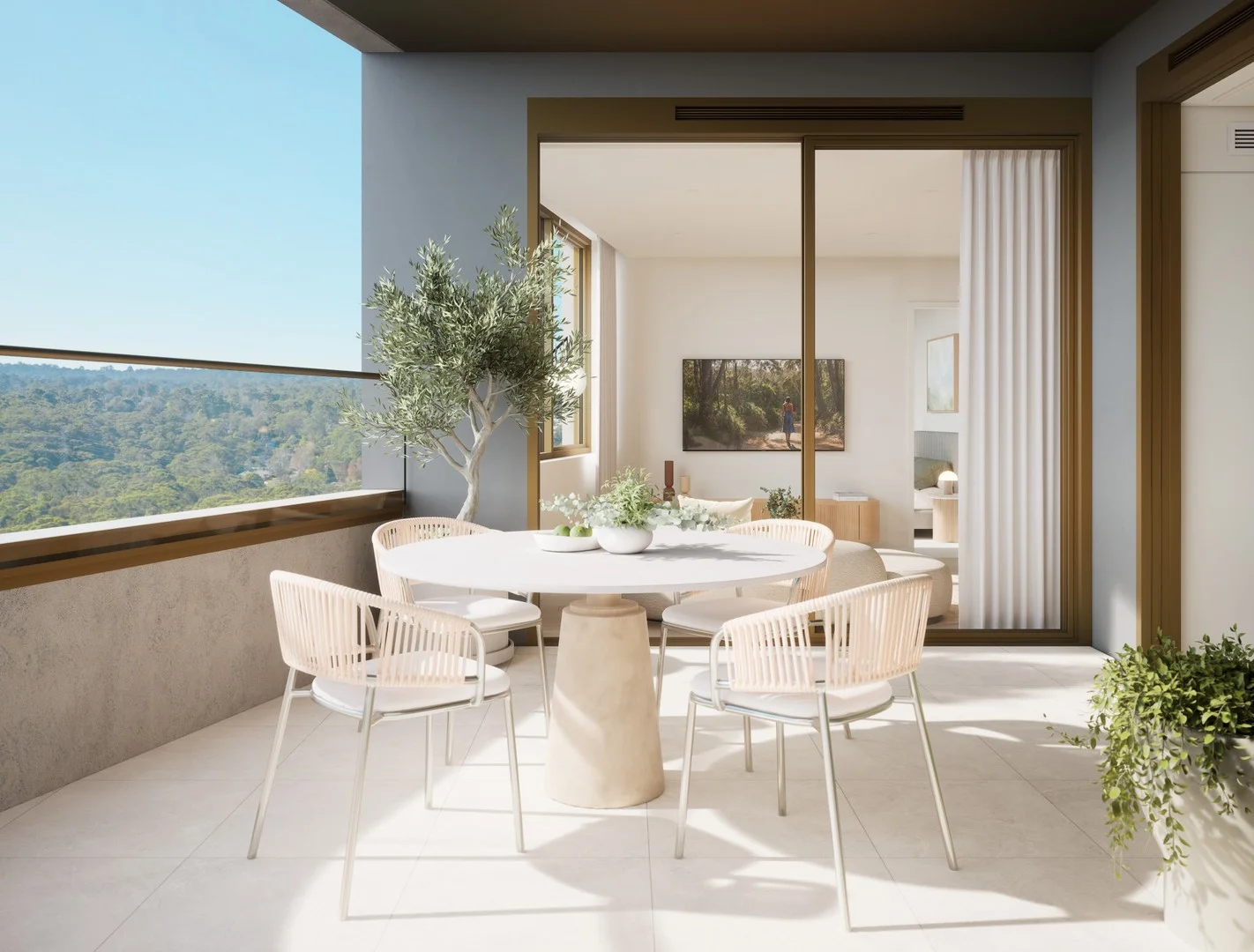 $1,525,000
Apartment / Unit / Flat
$1,525,000
Apartment / Unit / Flat
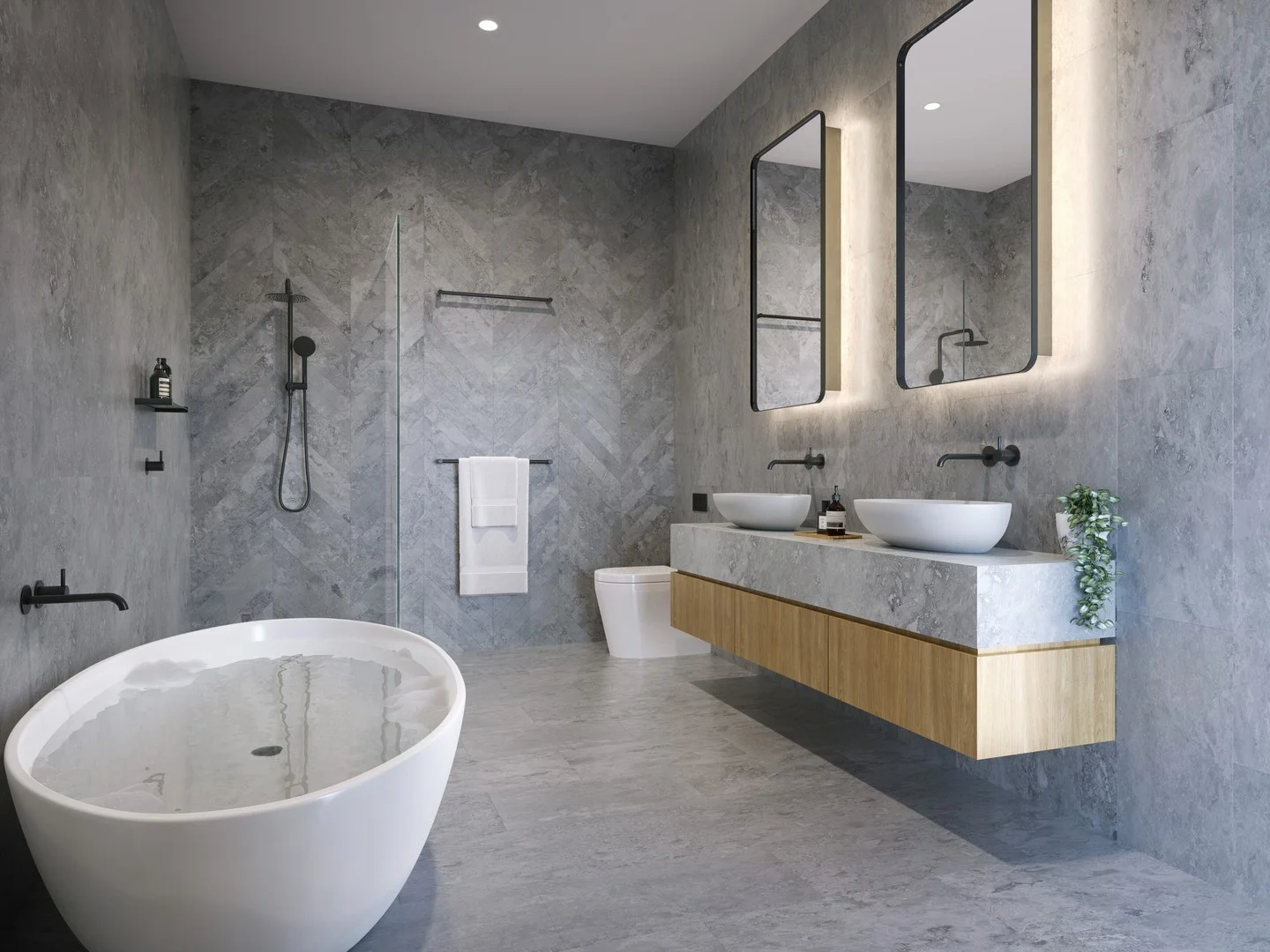 $2,824,000
Apartment / Unit / Flat
$2,824,000
Apartment / Unit / Flat
 $36,000,000 - $39,500,000
Vacant Land
$36,000,000 - $39,500,000
Vacant Land
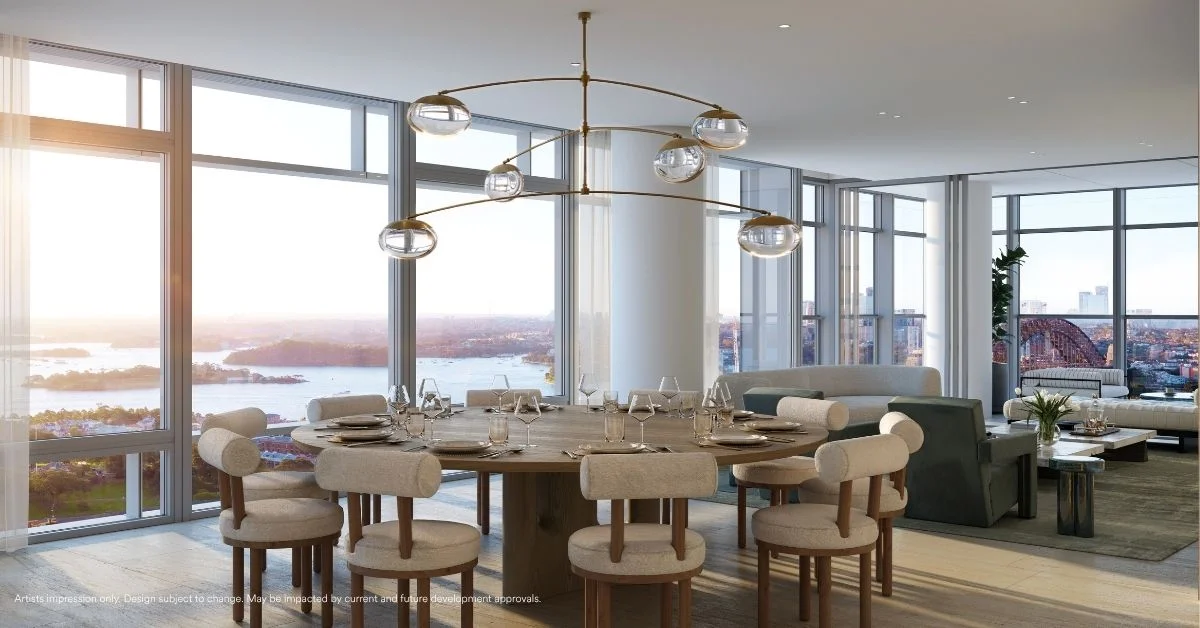 $26,550,000
propertyType.NEW APARTMENTS / OFF THE PLAN
$26,550,000
propertyType.NEW APARTMENTS / OFF THE PLAN
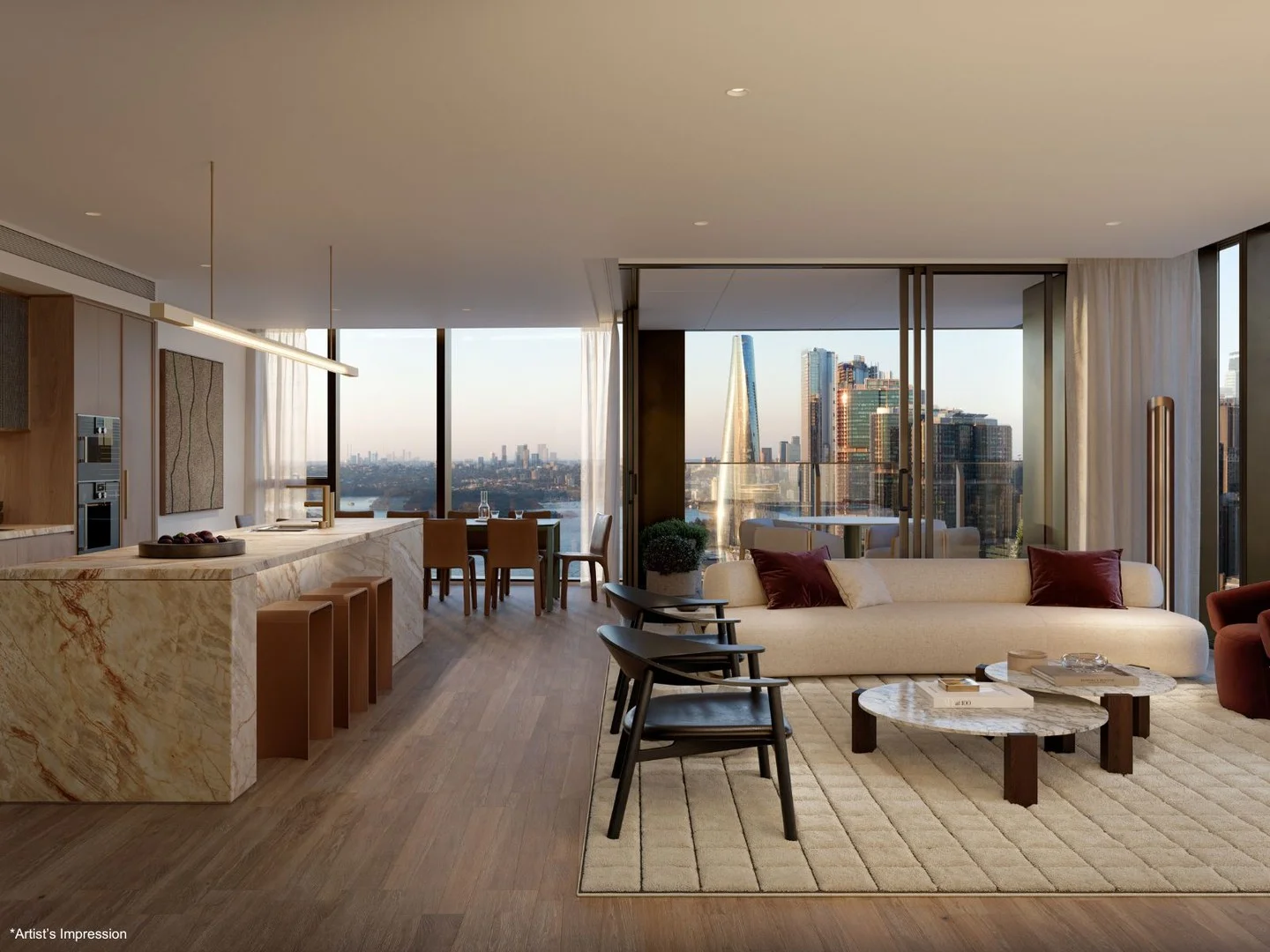 $12,980,000
propertyType.NEW APARTMENTS / OFF THE PLAN
$12,980,000
propertyType.NEW APARTMENTS / OFF THE PLAN
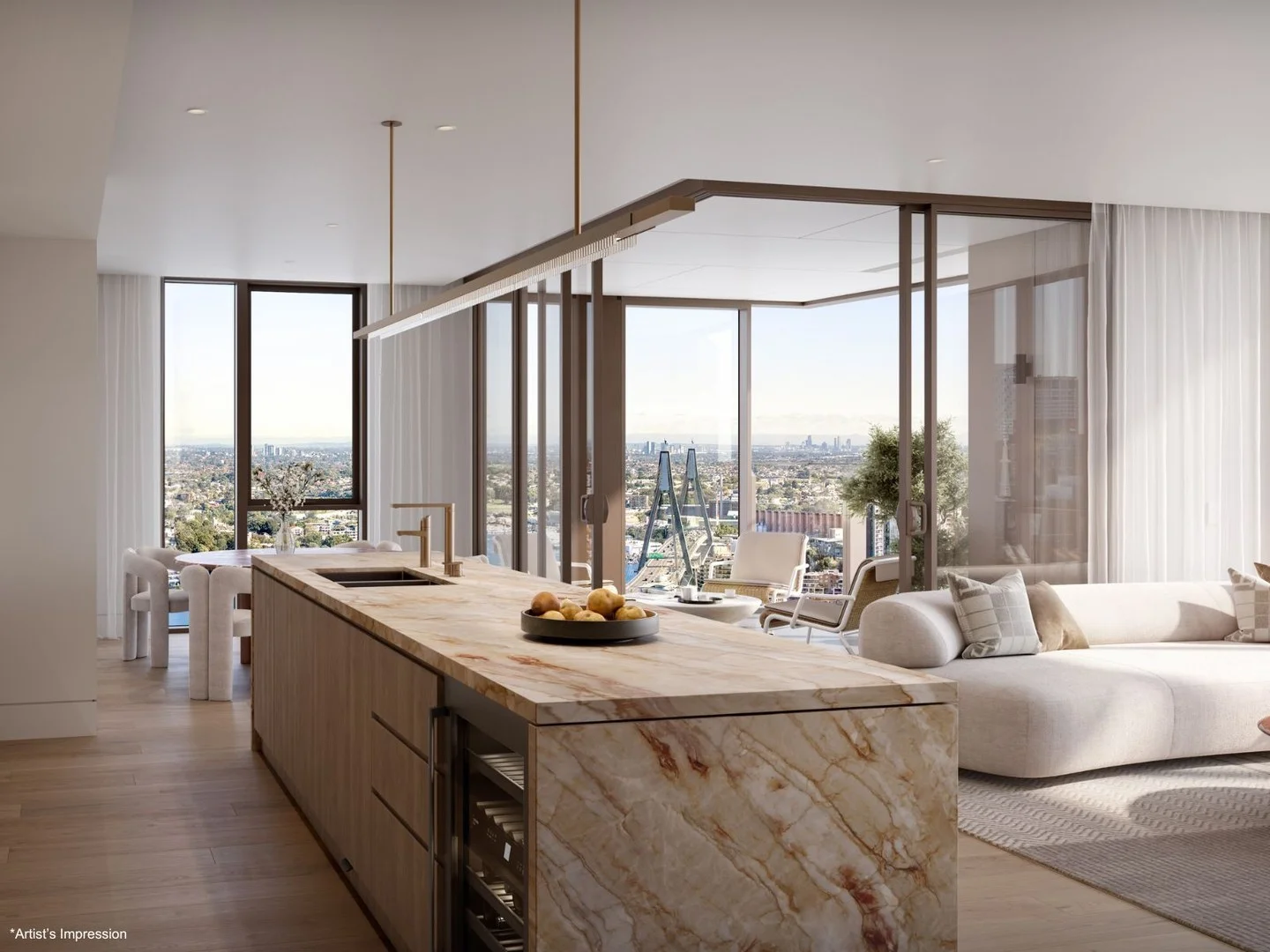 $9,020,000
propertyType.NEW APARTMENTS / OFF THE PLAN
$9,020,000
propertyType.NEW APARTMENTS / OFF THE PLAN
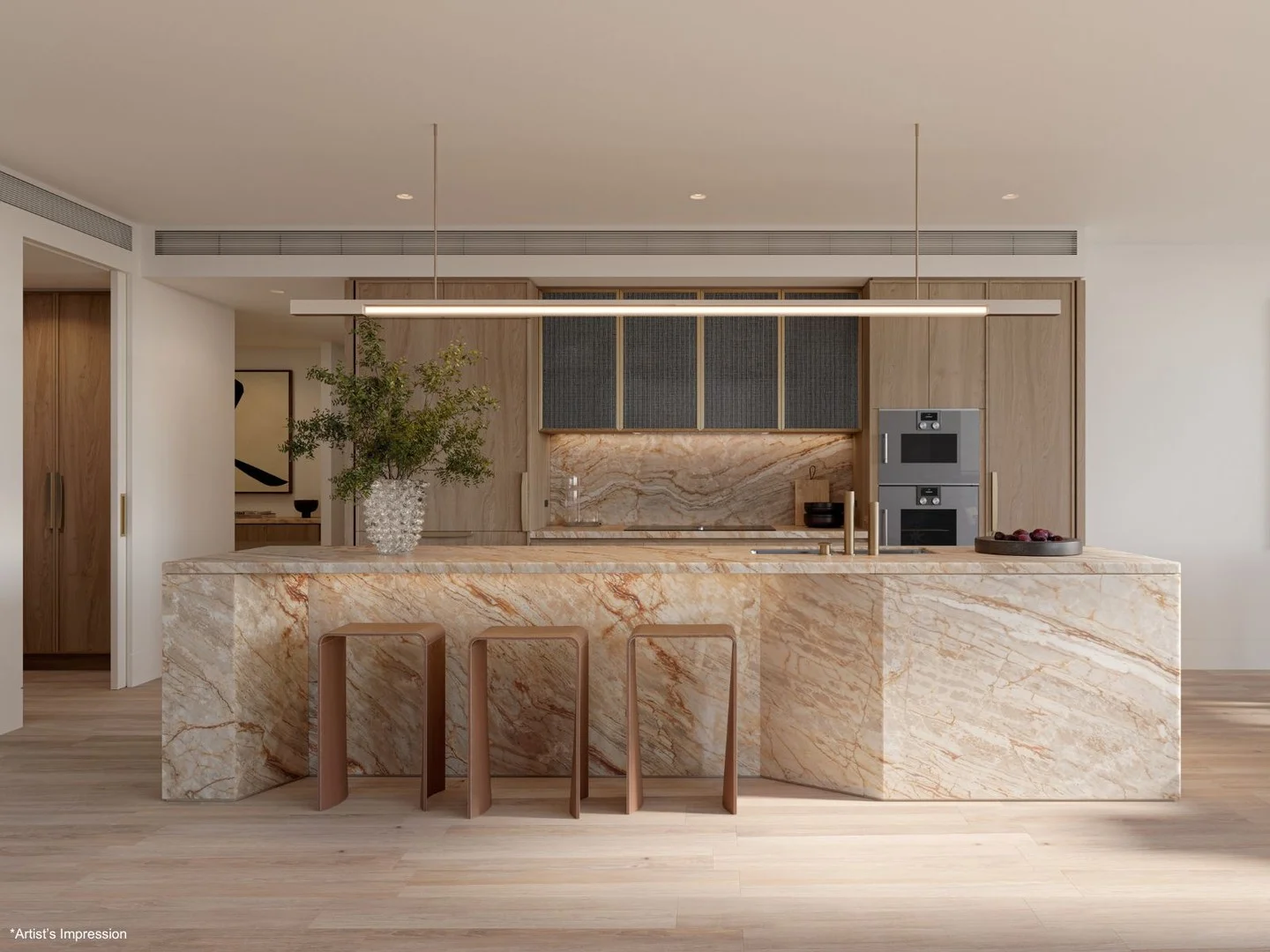 $6,225,000
propertyType.NEW APARTMENTS / OFF THE PLAN
$6,225,000
propertyType.NEW APARTMENTS / OFF THE PLAN
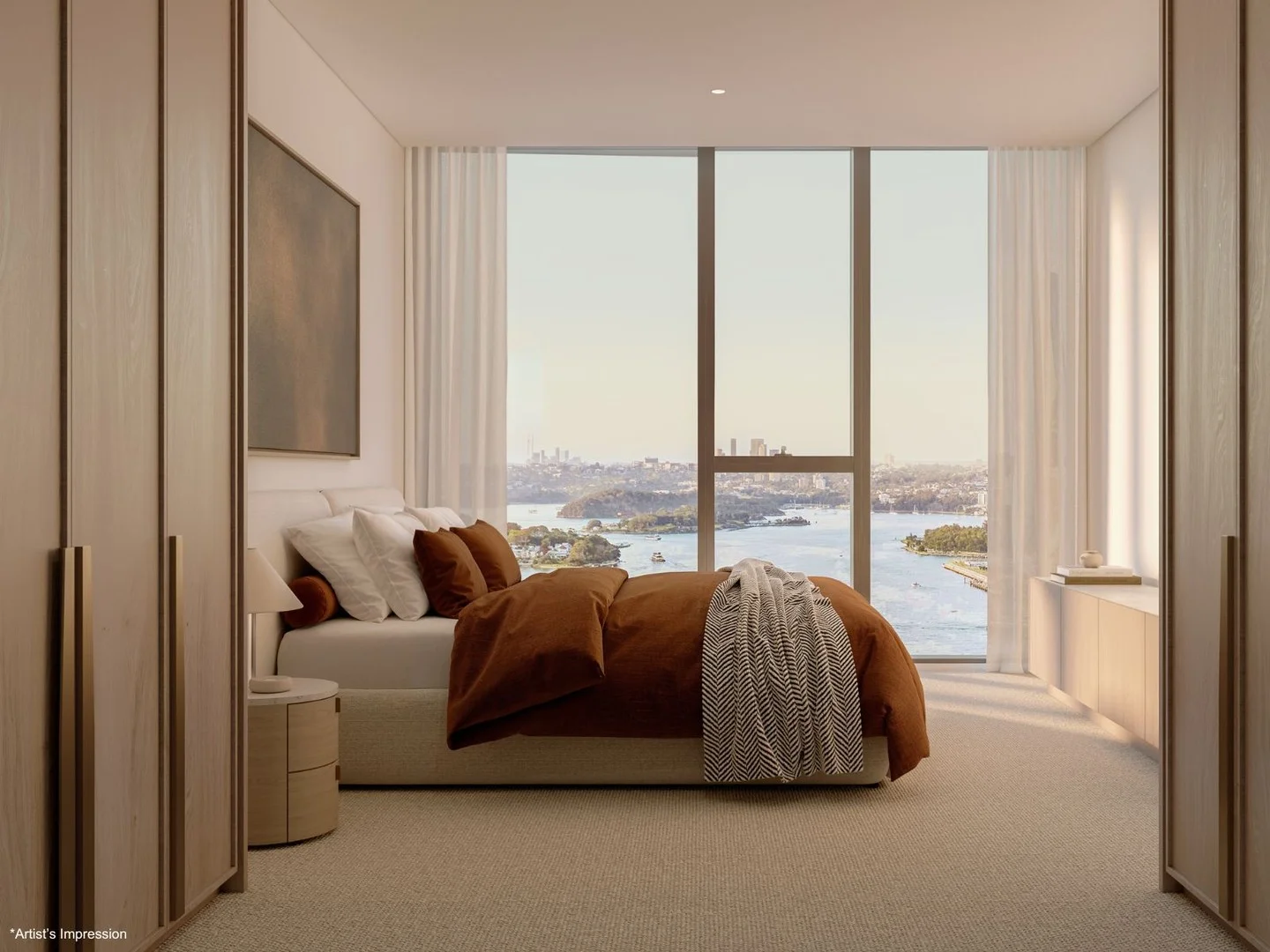 $8,630,000
propertyType.NEW APARTMENTS / OFF THE PLAN
$8,630,000
propertyType.NEW APARTMENTS / OFF THE PLAN
 $2,745,000
propertyType.NEW APARTMENTS / OFF THE PLAN
$2,745,000
propertyType.NEW APARTMENTS / OFF THE PLAN


