## 1. Overview
McAuley Catholic Primary School, Rose Bay is a Catholic primary school within the Sydney Catholic Schools network. The school offers a warm, faith-informed education with a focus on both academics and pastoral care. Classes are kept deliberately small to support personalized attention and active involvement from families in the school community.
School type: Catholic
School size: Small to medium
Class size: Approximately 22–26 students per class
Atmosphere/culture: Nurturing, inclusive, community-focused with an emphasis on faith formation, academic growth and wellbeing
---
## 2. Academics & Learning
- Academic strengths: Strong emphasis on literacy and numeracy, solid STEM initiatives, and integrated Religious Education that supports Catholic values alongside general curriculum.
- Special programs: Gifted and Talented opportunities where available, hands-on STEM/technology activities, and languages offered as part of the curriculum.
- NAPLAN / trends: Recent years show steady performance with improvements in writing and overall reading comprehension, aligning with NSW/state benchmarks.
- Student-teacher ratios: Generally around 1:18–1:22, enabling more targeted instruction and feedback.
- Support for diverse learners: Dedicated EAL support, SEN coordination, and an inclusive education team that provides in-class supports, targeted interventions and accommodation where needed.
---
## 3. Sports & Extracurricular Strengths
- Sports offered: Soccer, netball, basketball, cricket, athletics, and other school-based physical activities.
- Strong teams or achievements: Regular participation in diocese and inter-school events; emphasis on teamwork, sportsmanship and development across age groups.
- Music, arts, drama: School choir and performing arts opportunities; regular musical experiences and drama presentations.
- Clubs: Robotics, coding, chess, debating, environmental clubs and other enrichment activities.
- Partnerships: Collaboration with local clubs and participation in diocesan and regional competitions and showcases.
---
## 4. Wellbeing & Pastoral Care
- Anti-bullying approach: Proactive wellbeing programs, restorative practices and a clear anti-bullying stance with ongoing education.
- House system: House-based activities and competitions to foster belonging, leadership and teamwork.
- Counsellors / wellbeing officers: Access to school-based counsellors or wellbeing staff to support students’ emotional and social needs.
- Transition support for new students: Orientation programs, buddy systems and structured transition processes to help new students settle in smoothly.
---
## 5. Facilities
- Sports grounds: Dedicated outdoor spaces for active play and sports.
- Libraries: Well-stocked library with reading programs and research support.
- Science labs: Functional science spaces for practical experiments and STEM activities.
- Music/performing arts centers: Dedicated spaces for music, drama and performances.
- Tech/innovation labs: Resources and spaces for coding, digital learning and hands-on projects.
- Cafeteria: On-site canteen or lunch facilities supporting healthy choices.
- Updated playgrounds: Appealing and safe play areas with modern equipment.
---
## 6. School Values & Community Culture
- School values / mission: Faith-informed education centered on respect, responsibility, compassion and service.
- Leadership style: Collaborative and inclusive; opportunities for student voice and leadership through student council and roles within classrooms.
- Behaviour expectations: Positive behaviour framework emphasizing respect, kindness and responsibility.
- Community reputation: Known for a supportive, family-friendly culture with active parent involvement and strong home–school partnerships.
- Diversity & inclusion: Welcoming environment for families from diverse backgrounds; commitment to equity and inclusive practices.
---
## 7. School Logistics & Daily Operations
- School hours: Typical day begins in the morning with the remainder of the timetable running through to afternoon ends; early departure or late starts may occur on specific days.
- Before/after school care: After-school care and activity options available, often through OSHC partners or school-supported programs.
- Uniform requirements: Formal school uniform with seasonal adjustments; clear dress code and policies for neat, consistent appearance.
- Transport: Access via local bus routes and walking distance for families in the Rose Bay area; information on drop-off/pick-up zones provided by the school.
- Canteen availability: On-site or nearby canteen/lunch facilities with kid-friendly options.
- Fees: Fees fall within the mid-range for NSW Catholic primary schools; additional costs may include excursions, camps and upfront uniform purchases.
---
## 8. Enrolment & Admissions
11. What is the enrolment process and timeline?
- Applications are typically submitted through the diocesan/school enrolment process within designated windows. Families are informed of timelines for applications, interviews (where applicable), and offer periods.
12. Is there a waiting list, and how does it work?
- Waiting lists are common; priority often given to siblings and parish/existing families, with space allocated based on availability and policy guidelines.
13. Are there any entry requirements, tests, or interviews?
- Entry usually involves a discussion or interview with the principal or enrolment team. Standardised testing is not typically required for entry to primary school, but information gathering and alignment on values and expectations may occur.
14. Does the school accept mid-year transfers?
- Mid-year transfers are considered subject to space and enrolment policies. Prospective families should contact the enrolment team promptly to discuss availability.
---
## 9. Frequently Asked Questions
- Why Parents Choose This School?
- A values-based Catholic education, strong sense of community, small class sizes, attentive teachers, and a broad range of co-curricular opportunities.
- What type of student thrives at this school?
- Students who respond well to a supportive, inclusive environment with opportunities to engage in faith formation, academics and a variety of clubs and activities.
- What opportunities are available for students to extend their skills (academics, sports, arts)?
- Enrichment in literacy and numeracy, coding and robotics clubs, drama and music programs, sports teams and inter-school events, and leadership opportunities.
- How does the school communicate with parents?
- Regular newsletters, emails, a school app/portal, parent-teacher interviews and timely updates about events and student progress.
- What is the school’s approach to teaching and learning?
- A balanced, student-centered approach with explicit instruction, differentiated learning, and integration of faith-based perspectives within the curriculum.
- How does the school support students who need extra academic help?
- In-class differentiation, targeted intervention programs, EAL and SEN support, and collaboration with specialist staff.
- What support is available for academic challenges?
- Additional tutoring options, modified materials or accommodations as needed, and a focus on building foundational skills.
- How does the school communicate with parents?
- See above: newsletters, app/portal, direct contact from teachers or the leadership team as needed.
- What are the class sizes and how much individual attention do students receive?
- Typical classes of around 22–26 students, enabling more tailored feedback and instructor attention.
- What extracurricular and sports opportunities are available?
- A range of sports (soccer, netball, basketball, cricket, athletics), music and drama, robotics, coding, chess, debating and other clubs.
- What facilities does the school offer (sports, science, arts)?
- Sports grounds, a library, science labs, music/performing arts spaces, tech/innovation labs, a canteen and modern playgrounds.
- What is the school’s approach to technology and digital learning?
- Integrated technology across learning with digital literacy and citizenship focus; access to devices and coding opportunities within a supervised framework.
- What transport and accessibility options are available?
- Access to local bus routes, walkable from nearby areas, with guidance on drop-off/pick-up arrangements and accessible facilities.
- What are typical school fees or additional costs?
- Fees are mid-range for NSW Catholic primary schools; there may be additional costs for excursions, camps, and uniforms.
---
## 10. Short Pros & Cons list
- Pros
- Values-based Catholic education with a supportive, family-friendly culture
- Small to medium school size with attentive teaching
- Strong wellbeing, pastoral care and inclusive practices
- Broad range of extracurriculars (SPORTS, Arts, Coding, Debating)
- Good facilities for learning, technology and performance arts
- Cons
- May have waitlists during peak admission periods
- Fees and additional costs are an ongoing consideration for families
- As a faith-based school, religious instruction is a core part of the program, which may not suit all families
- Smaller campus may have fewer advanced course options compared to larger schools









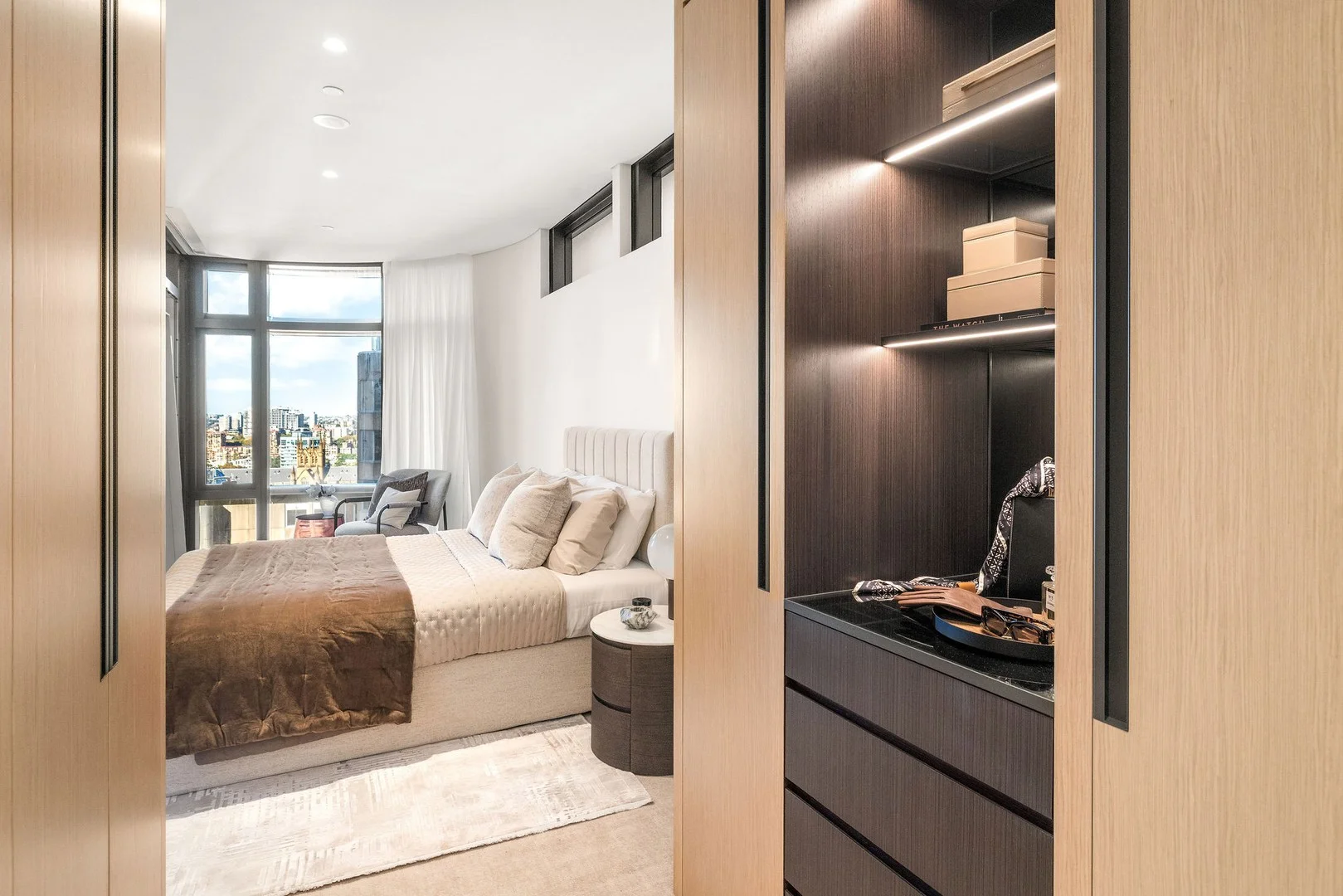 $2,745,000
propertyType.NEW APARTMENTS / OFF THE PLAN
$2,745,000
propertyType.NEW APARTMENTS / OFF THE PLAN
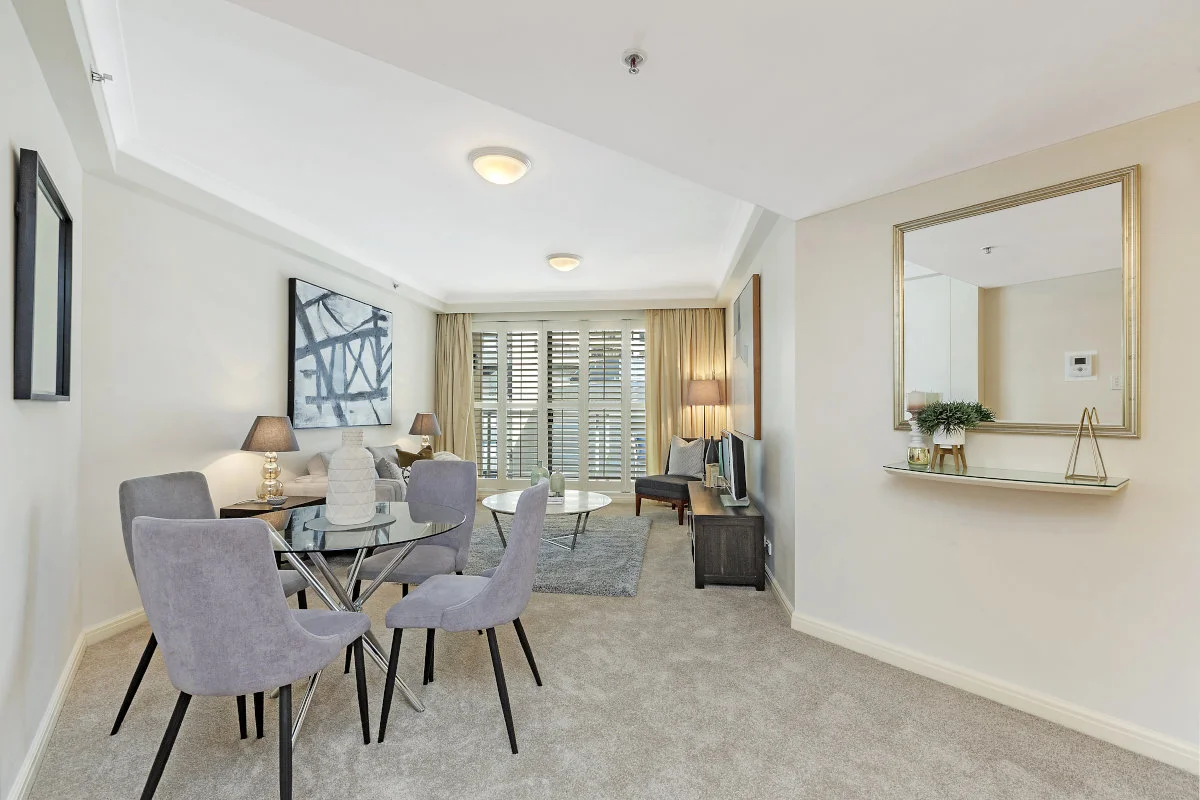 $660,000 - $725,000
Apartment / Unit / Flat
$660,000 - $725,000
Apartment / Unit / Flat
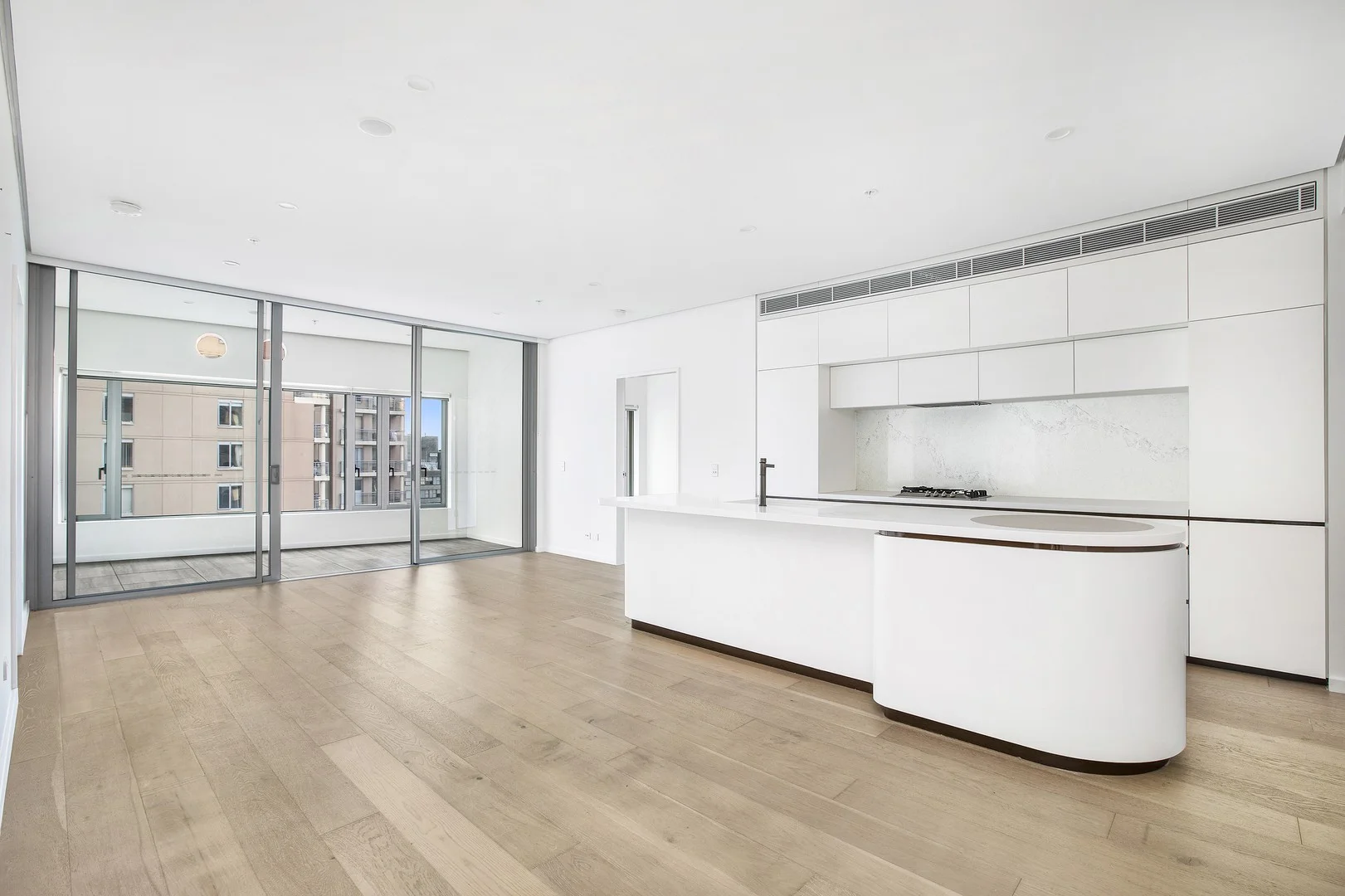 $2,250,000
Apartment / Unit / Flat
$2,250,000
Apartment / Unit / Flat
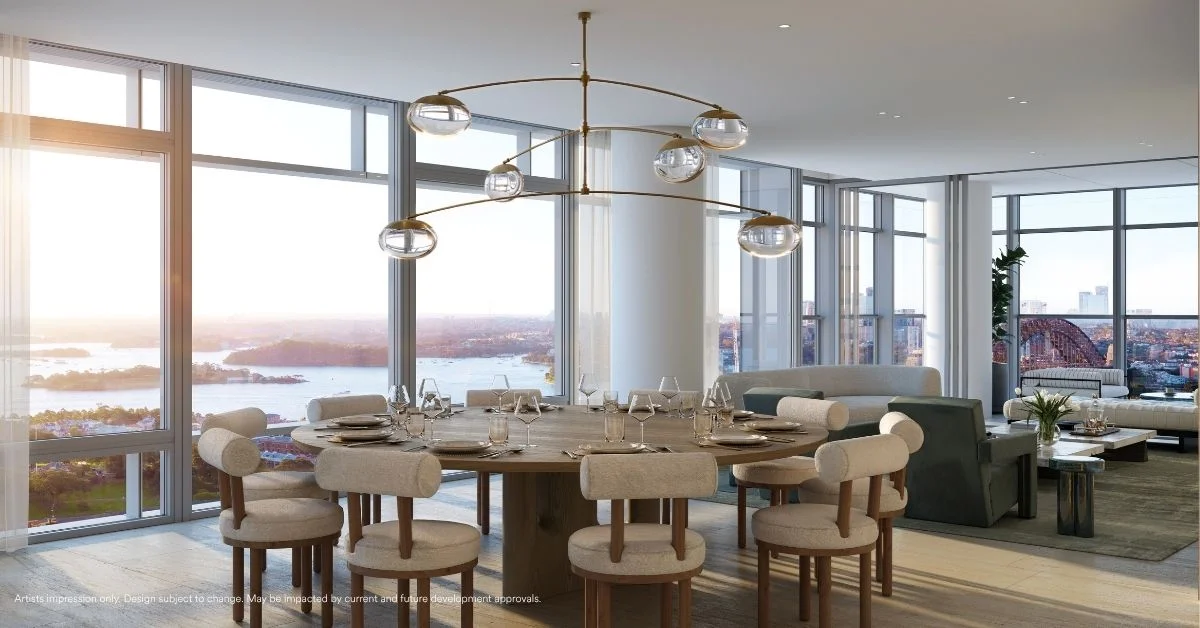 $26,550,000
propertyType.NEW APARTMENTS / OFF THE PLAN
$26,550,000
propertyType.NEW APARTMENTS / OFF THE PLAN
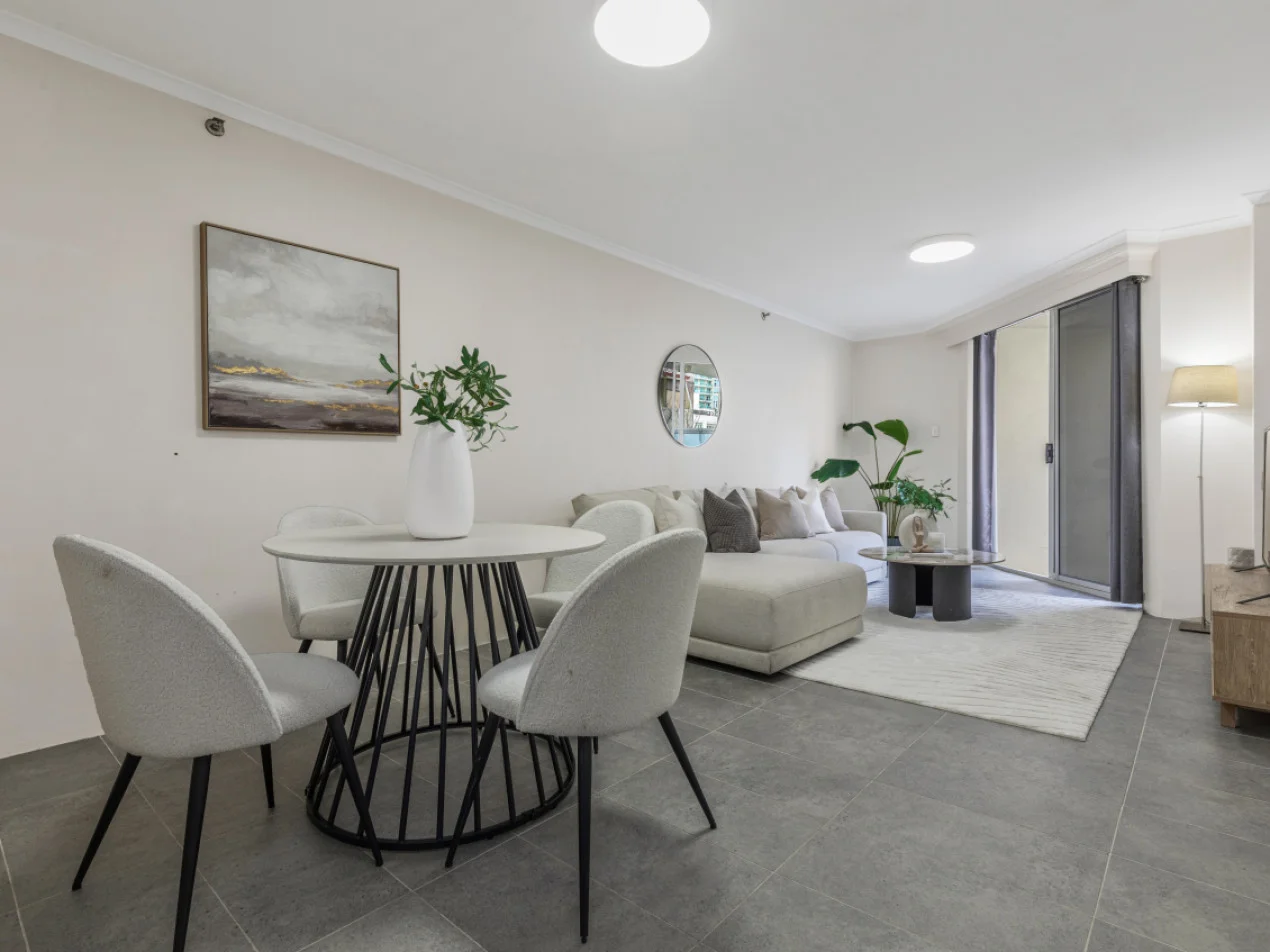 $640,000 - $675,000
Apartment / Unit / Flat
$640,000 - $675,000
Apartment / Unit / Flat
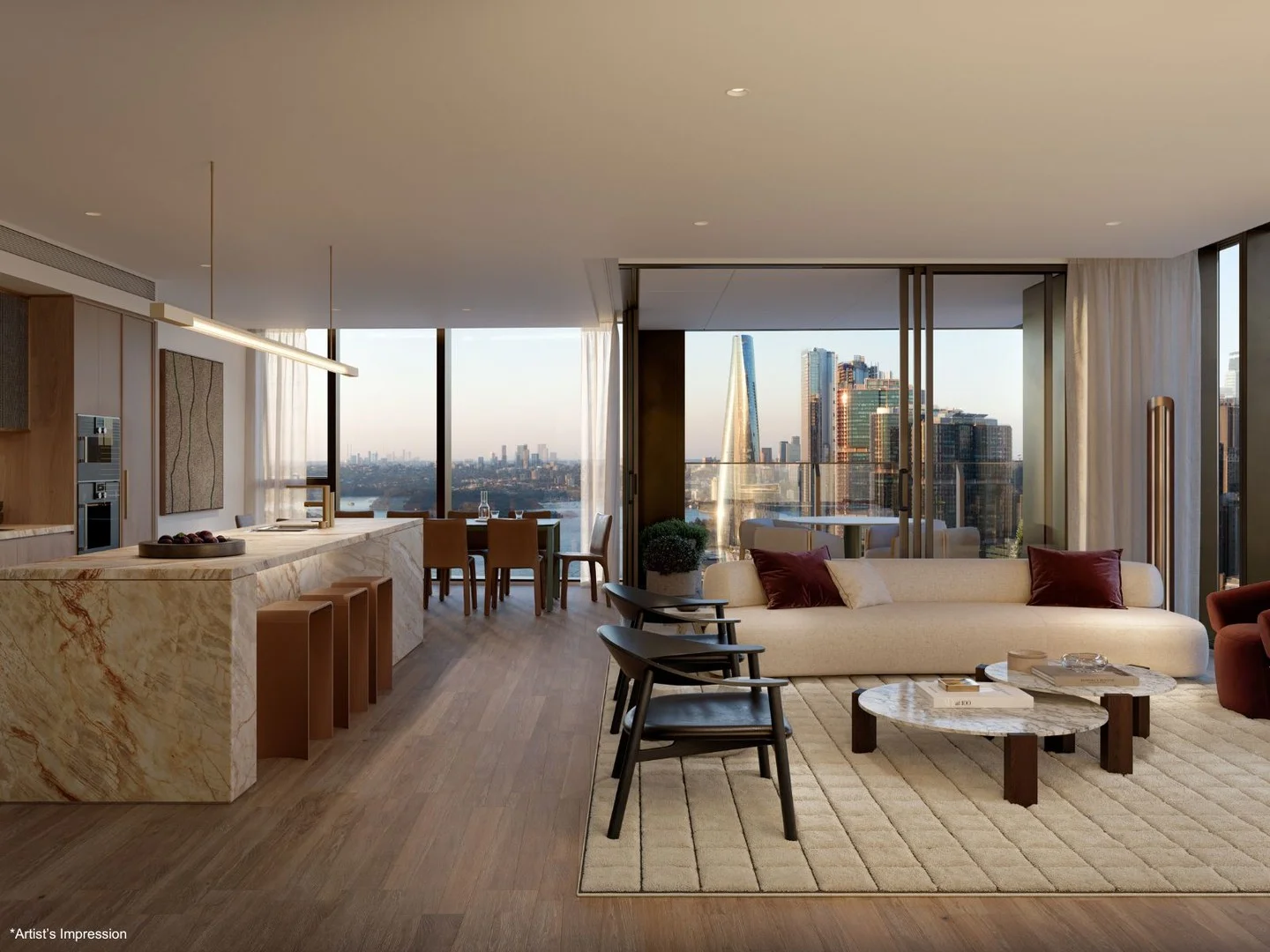 $12,980,000
propertyType.NEW APARTMENTS / OFF THE PLAN
$12,980,000
propertyType.NEW APARTMENTS / OFF THE PLAN
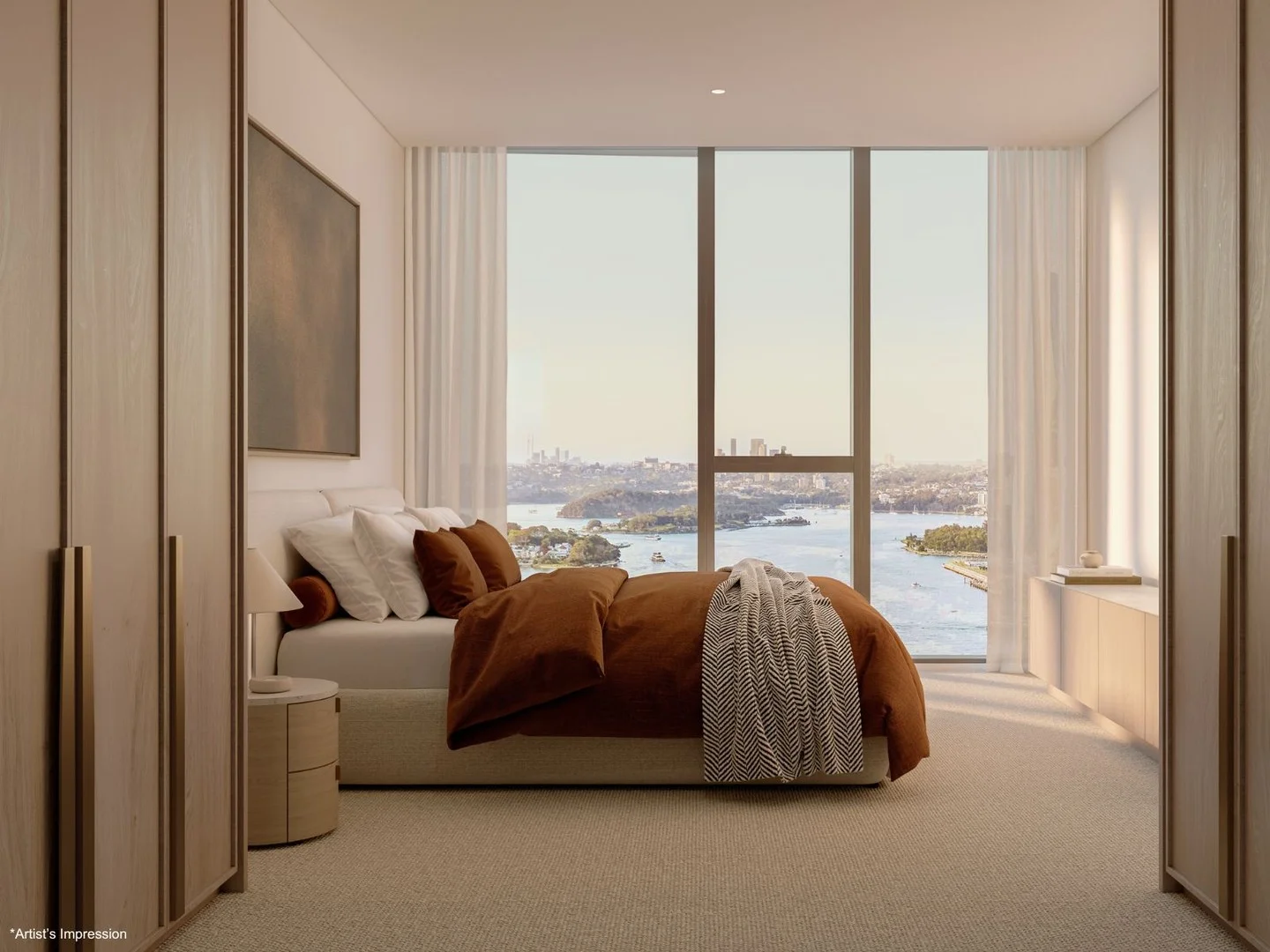 $8,630,000
propertyType.NEW APARTMENTS / OFF THE PLAN
$8,630,000
propertyType.NEW APARTMENTS / OFF THE PLAN
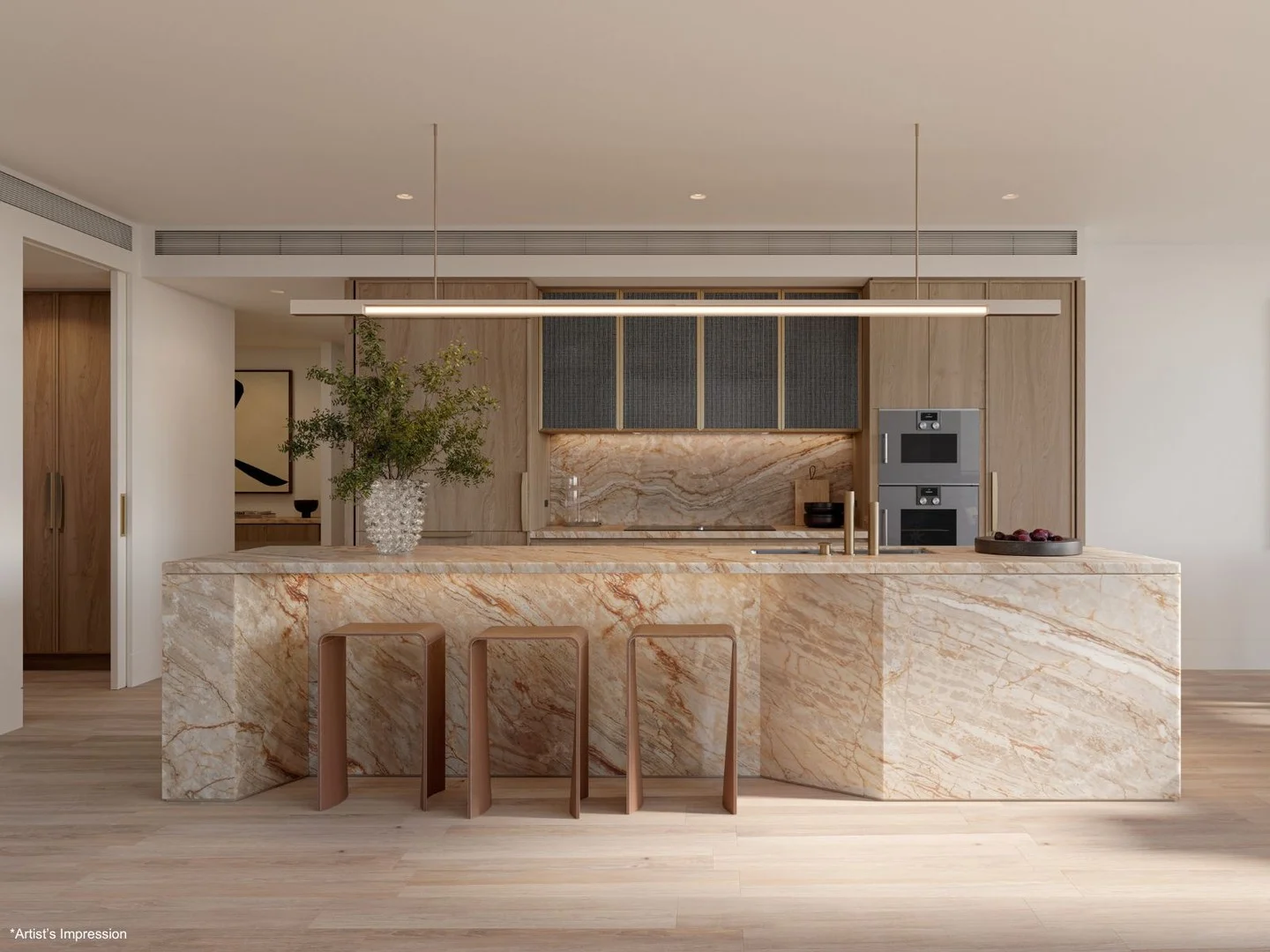 $6,225,000
propertyType.NEW APARTMENTS / OFF THE PLAN
$6,225,000
propertyType.NEW APARTMENTS / OFF THE PLAN
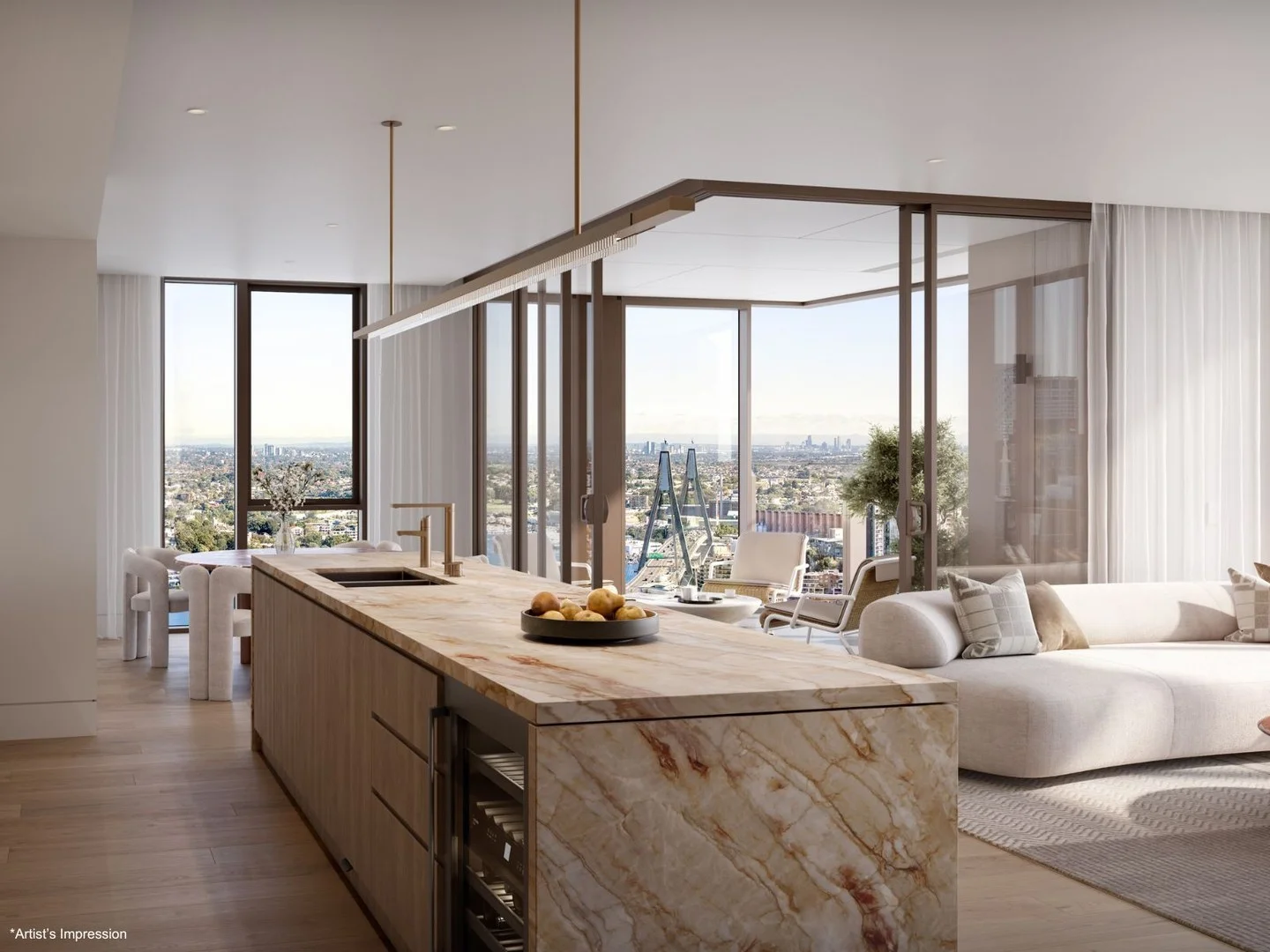 $9,020,000
propertyType.NEW APARTMENTS / OFF THE PLAN
$9,020,000
propertyType.NEW APARTMENTS / OFF THE PLAN


