Overview
# Overview
St Cecilia's Primary School, Glen Iris is a Catholic, co-educational primary school serving Prep–Year 6. The school is best described as small-to-medium in size, with class groups typically around 20–25 students. The atmosphere is nurturing, inclusive, and faith-informed, fostering a strong sense of community, service, and respect throughout the school.
⸻
## Academics & Learning
- Academic strengths: A solid emphasis on literacy and numeracy within a faith-informed curriculum, with opportunities to engage in STEM activities, the arts, and digital learning.
- Special programs: Faith formation and service learning are integrated into the school experience; leadership opportunities for students and enrichment/extension options where available. Some years may offer targeted programs to support gifted and talented learners.
- NAPLAN / trends: Performance generally lines up with state averages, with ongoing focus on improvements in reading and mathematics across upper primary year levels. For precise trend data, consult the school’s annual reporting.
- Student-teacher ratios: Typically around 1:12 to 1:22, varying by year level and class configuration.
- Support for diverse learners: EAL and SEN support available; inclusive education approach with access to specialist staff and targeted learning supports as needed.
⸻
## Sports & Extracurricular Strengths
- Sports offered: Netball, basketball, soccer, AFL, athletics, cricket, and other school-season activities as part of inter-school programs.
- Strong teams or achievements: Participation in inter-school sport through local networks; opportunities to represent the school in various age groups.
- Music, arts, drama programs: Regular music opportunities and performing arts involvement, including school assemblies and productions.
- Clubs: Robotics, chess, coding, debating, and other lunchtime or after-school clubs.
- Partnerships: Connections with local clubs and participation in inter-school competitions and events to broaden opportunities beyond the classroom.
⸻
## Wellbeing & Pastoral Care
- Anti-bullying approach: Proactive wellbeing policies and anti-bullying initiatives embedded in everyday practice; emphasis on a positive and respectful school culture.
- House system: House groups (facilitating pastoral care, teamwork, and school spirit).
- Counsellors / wellbeing officers: Access to a school counsellor or wellbeing staff to support students’ social-emotional needs.
- Transition support for new students: Orientation activities, buddy programs, and targeted supports to ease transitions into the school community.
⸻
## Facilities
- Sports grounds: On-site facilities to support physical education and outdoor activity.
- Libraries: Library resources as a hub for reading and research.
- Science labs: Dedicated space for science activities and experiments.
- Music/performing arts centers: Spaces for music lessons, rehearsals, and performances.
- Tech/innovation labs: Computer or STEM-related spaces for coding and technology activities.
- Cafeteria: On-site canteen or cafeteria for student meals and snacks.
- Updated playgrounds: Modern, safe play areas for recess and lunch breaks.
⸻
## School Values & Community Culture
- School values / mission: Catholic values underpin the school’s mission, emphasizing faith, respect, service, and inclusion within a caring community.
- Leadership style: Inclusive leadership with opportunities for student voice and involvement in school life.
- Behaviour expectations: Clear behavioural expectations built around respect, responsibility, and cooperation.
- Community reputation: Strong connections with local families and parish community; focus on creating an accepting, supportive environment.
- Diversity & inclusion: Commitment to welcoming students from diverse backgrounds with supports for inclusion and belonging.
⸻
## School Logistics & Daily Operations
- School hours: Typical day runs from morning to mid-afternoon (exact times may vary by year level).
- Before/after school care: Available programs to support families before and after school hours.
- Uniform requirements: School uniform policy with summer and winter options.
- Transport (train/bus routes): Accessible by public transport and local bus routes; information on travel options available from the school.
- Canteen availability: Canteen or canteen services available.
- Fees (low/medium/high ranges): Fees are in the mid-range for a Catholic primary; detailed tuition and levies are provided by the school’s enrolment information.
⸻
## Enrolment & Admissions
11. What is the enrolment process and timeline?
- Submit an application and supporting documents; attend school information sessions or open days; participate in any required interviews or family interviews; receive notification of offer and complete enrolment documentation within the stated timelines.
12. Is there a waiting list, and how does it work?
- Waiting lists may apply if year-level vacancies are filled; priority often given to siblings and parish families per school policy; placement depends on vacancy and adherence to enrollment criteria.
13. Are there any entry requirements, tests, or interviews?
- Generally no formal entrance exam for primary years; may include an interview or meeting with families to discuss suitability and school expectations; religious education considerations and consent are typically part of the process.
14. Does the school accept mid-year transfers?
- Mid-year transfers are possible if there is available space; approval depends on year level and existing class capacity.
⸻
## Frequently Asked Questions
- Why Parents Choose This School?
- A welcoming Catholic environment with a focus on faith formation, strong literacy/numeracy, and a community-centric culture that supports each child’s growth.
- What type of student thrives at this school?
- Students who value a values-based education, participate in community activities, and respond well to small-to-medium class settings enjoy the school.
- What opportunities are available for students to extend their skills (academics, sports, arts)?
- Enrichment opportunities in literacy, numeracy, STEM activities, performing arts, and a range of sports and clubs (robotics, chess, coding, debating).
- How does the school communicate with parents?
- Regular updates through newsletters, notices, parent portals, and scheduled meetings; open lines of communication with teachers and leadership.
- What is the school’s approach to teaching and learning?
- A balanced, faith-informed curriculum with a focus on core literacy and numeracy, integrated religious education, and opportunities for hands-on learning and student leadership.
- How does the school support students who need extra academic help?
- Targeted supports for diverse learners, including EAL and SEN, with access to specialists and differentiated instruction within the classroom.
- What support is available for academic challenges?
- In-class supports, targeted interventions, and collaboration with families to develop personalised learning plans as needed.
- How does the school communicate with parents?
- See above: regular formal and informal communications, including parent-teacher meetings and digital platforms.
- What are the class sizes and how much individual attention do students receive?
- Class sizes typically around 20–25 students, with teachers providing ongoing assessment and opportunities for individual or small-group support.
- What extracurricular and sports opportunities are available?
- A range of sports (netball, basketball, soccer, AFL, athletics, cricket), plus clubs (robotics, chess, coding, debating) and performing arts activities.
- What facilities does the school offer (sports, science, arts)?
- Comprehensive facilities including sports grounds, libraries, science labs, music/performing arts spaces, technology labs, a canteen, and updated playgrounds.
- What is the school’s approach to technology and digital learning?
- Integration of digital learning and coding within the curriculum, with access to computer labs or tech spaces and age-appropriate technology use guidelines.
- What transport and accessibility options are available?
- Access via public transport and local bus routes; information on routes and accessibility is available from the school.
- What are the typical school fees or additional costs?
- Fees fall in the mid-range for Catholic primary schools; the school provides detailed fee information and any additional costs at enrolment.
⸻
## Short Pros & Cons
- Pros
- Catholic, values-based education in a nurturing, small-to-medium school setting
- Strong focus on literacy and numeracy alongside faith formation
- Broad range of extracurriculars, sports, arts, and clubs
- Support for diverse learners and a wellbeing-focused environment
- Inclusive community with opportunities for student leadership and voice
- Cons
- As a smaller school, may have fewer specialist offerings or advanced programs compared to larger schools
- Fees are typical for private Catholic schools, which may be a consideration for some families
- Availability of some enrichment programs can vary year to year based on staffing and enrollment
⸻









 $1,280
House
$1,280
House
 $1,250,000
Apartment / Unit / Flat
$1,250,000
Apartment / Unit / Flat
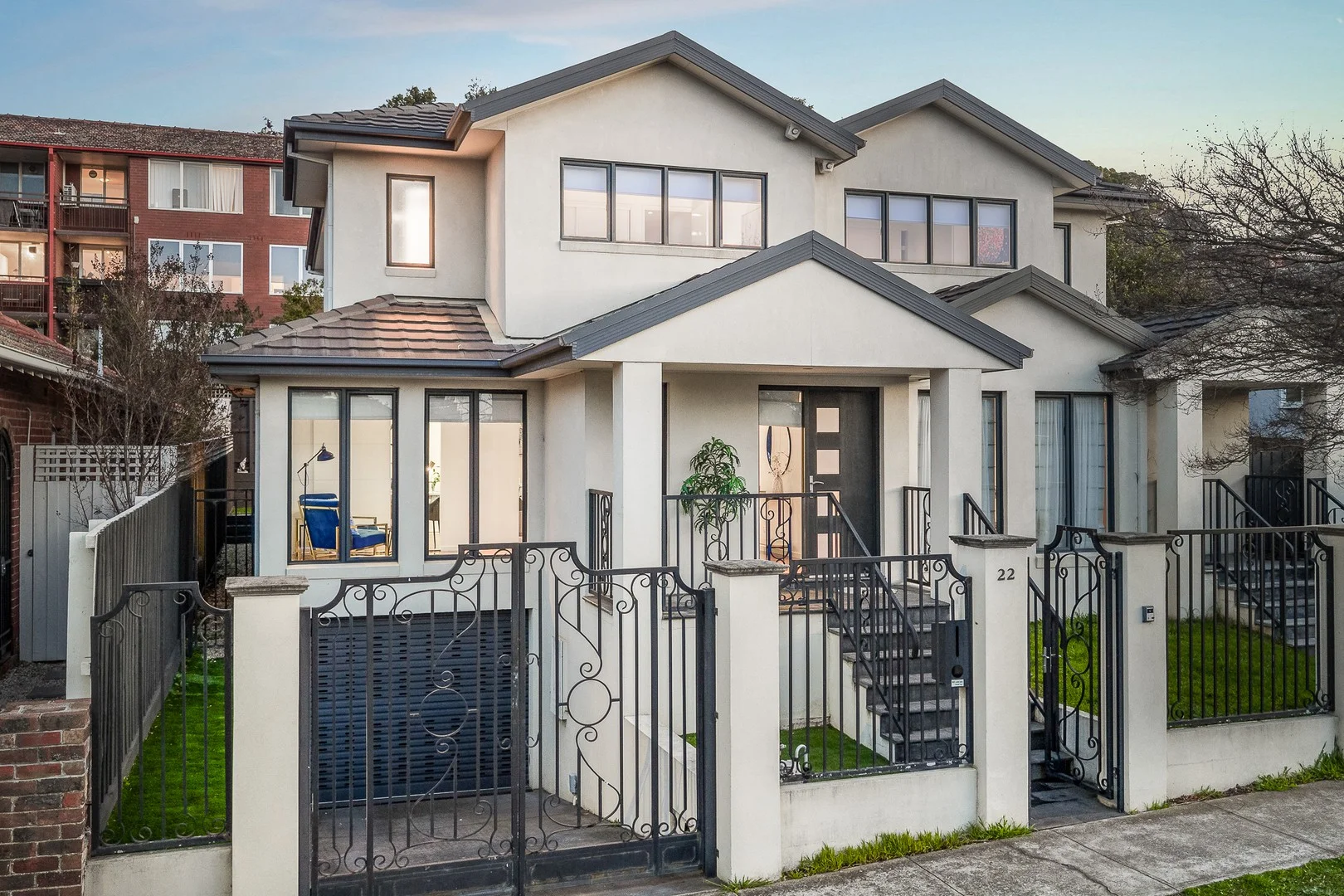 $2,390,000
Townhouse
$2,390,000
Townhouse
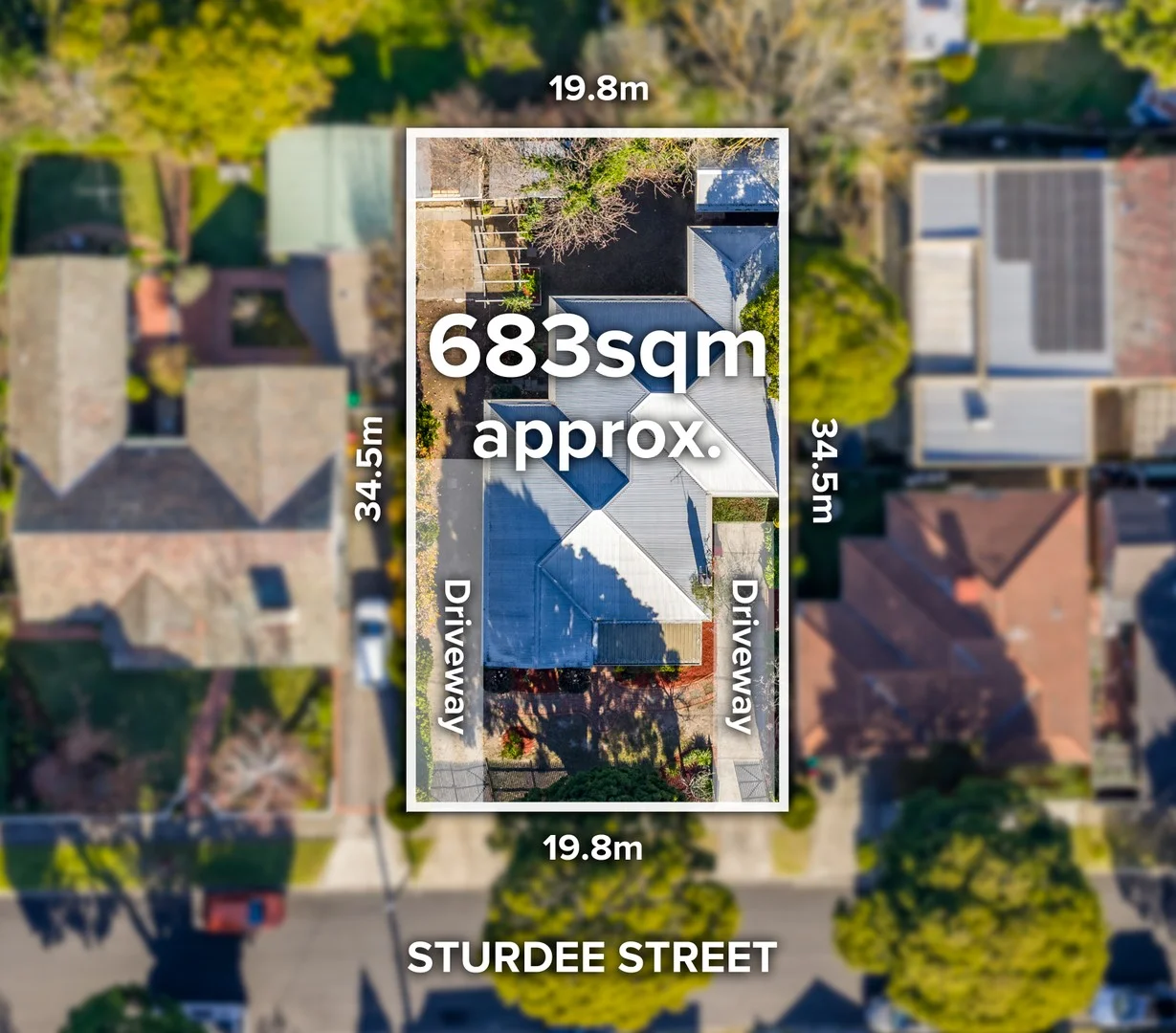 $2,000,000
House
$2,000,000
House
 $630,000 - $680,000
Apartment / Unit / Flat
$630,000 - $680,000
Apartment / Unit / Flat
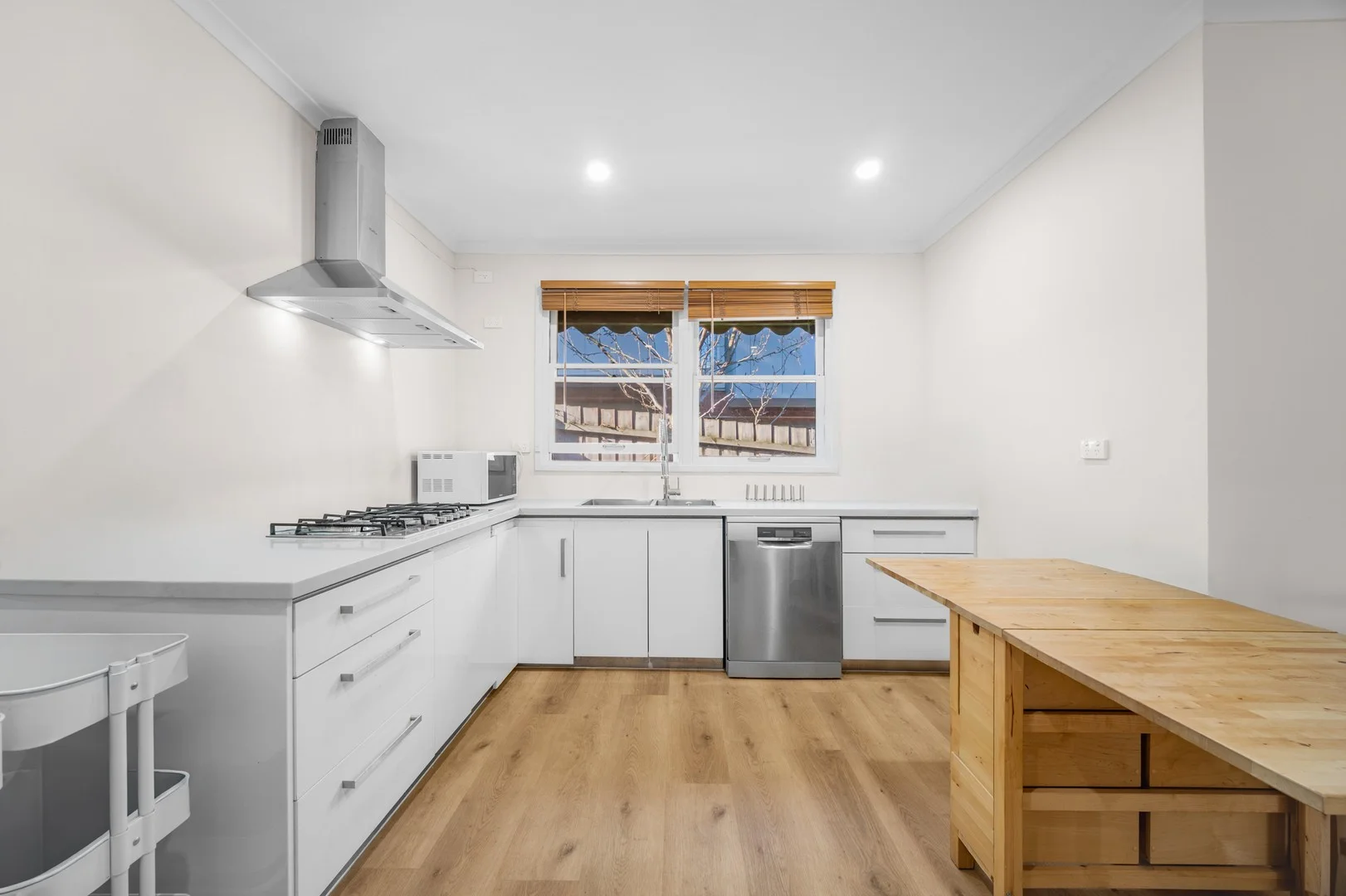 $680
Apartment / Unit / Flat
$680
Apartment / Unit / Flat
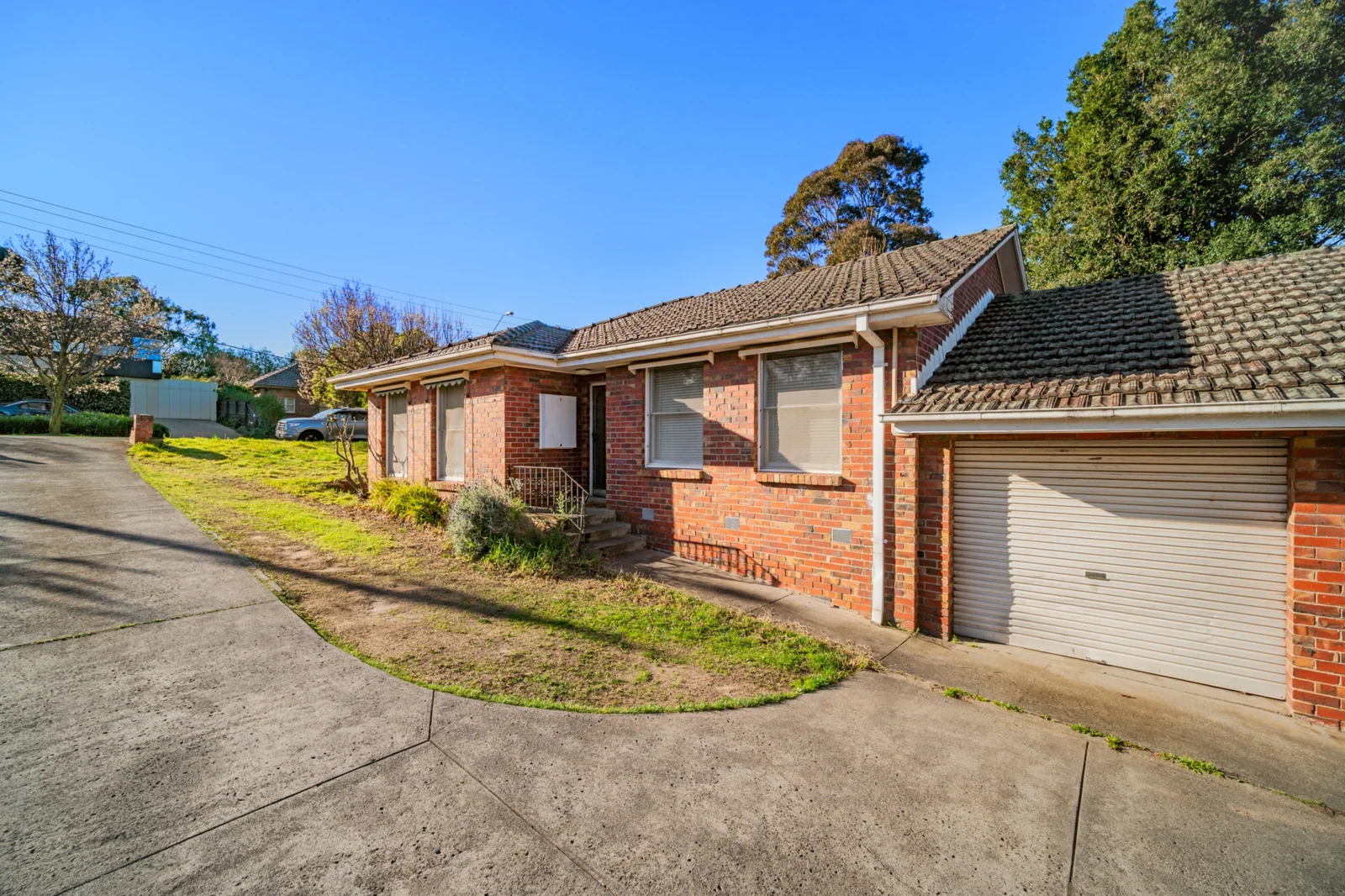 $580
Apartment / Unit / Flat
$580
Apartment / Unit / Flat
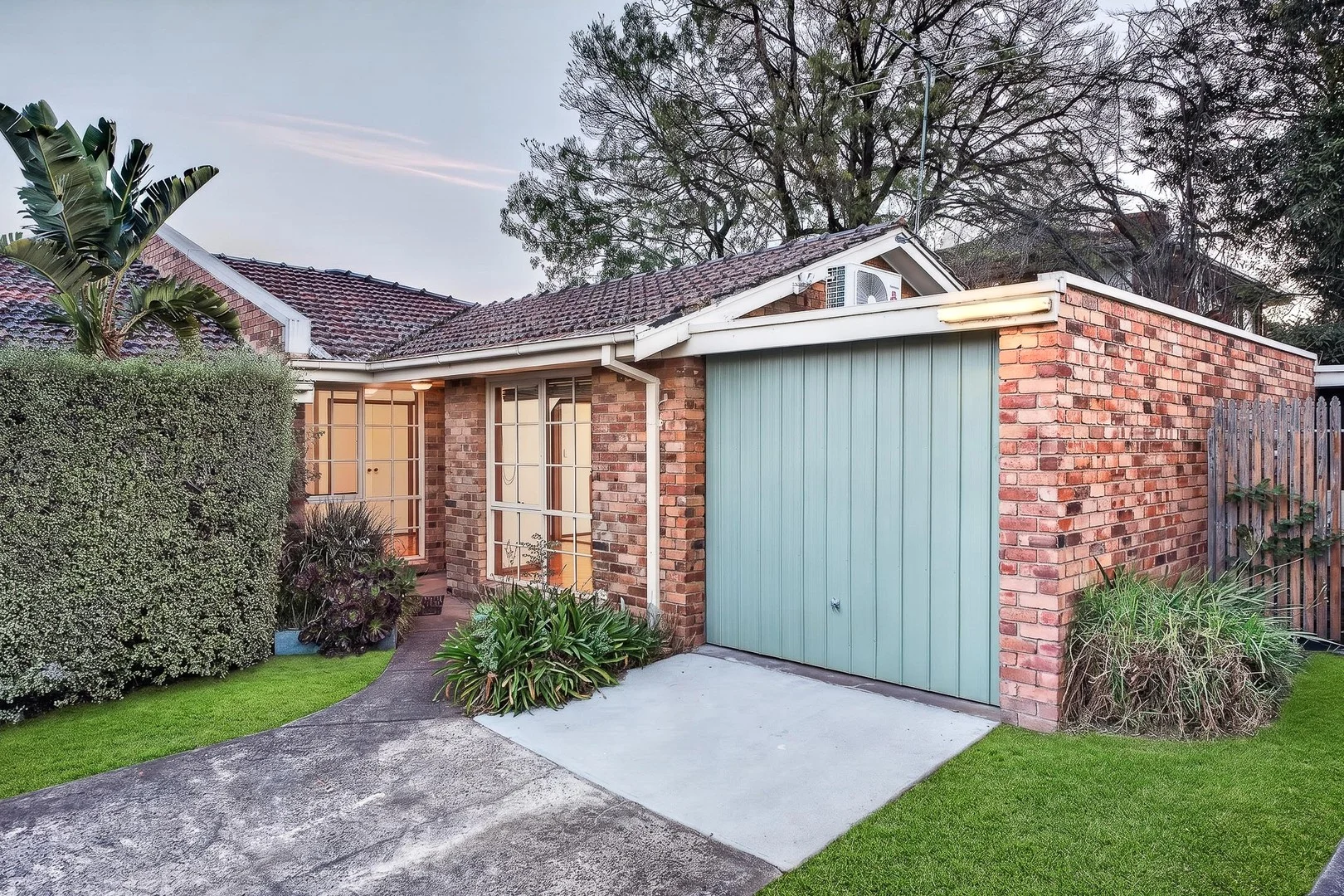 $765,000 - $825,000
Apartment / Unit / Flat
$765,000 - $825,000
Apartment / Unit / Flat
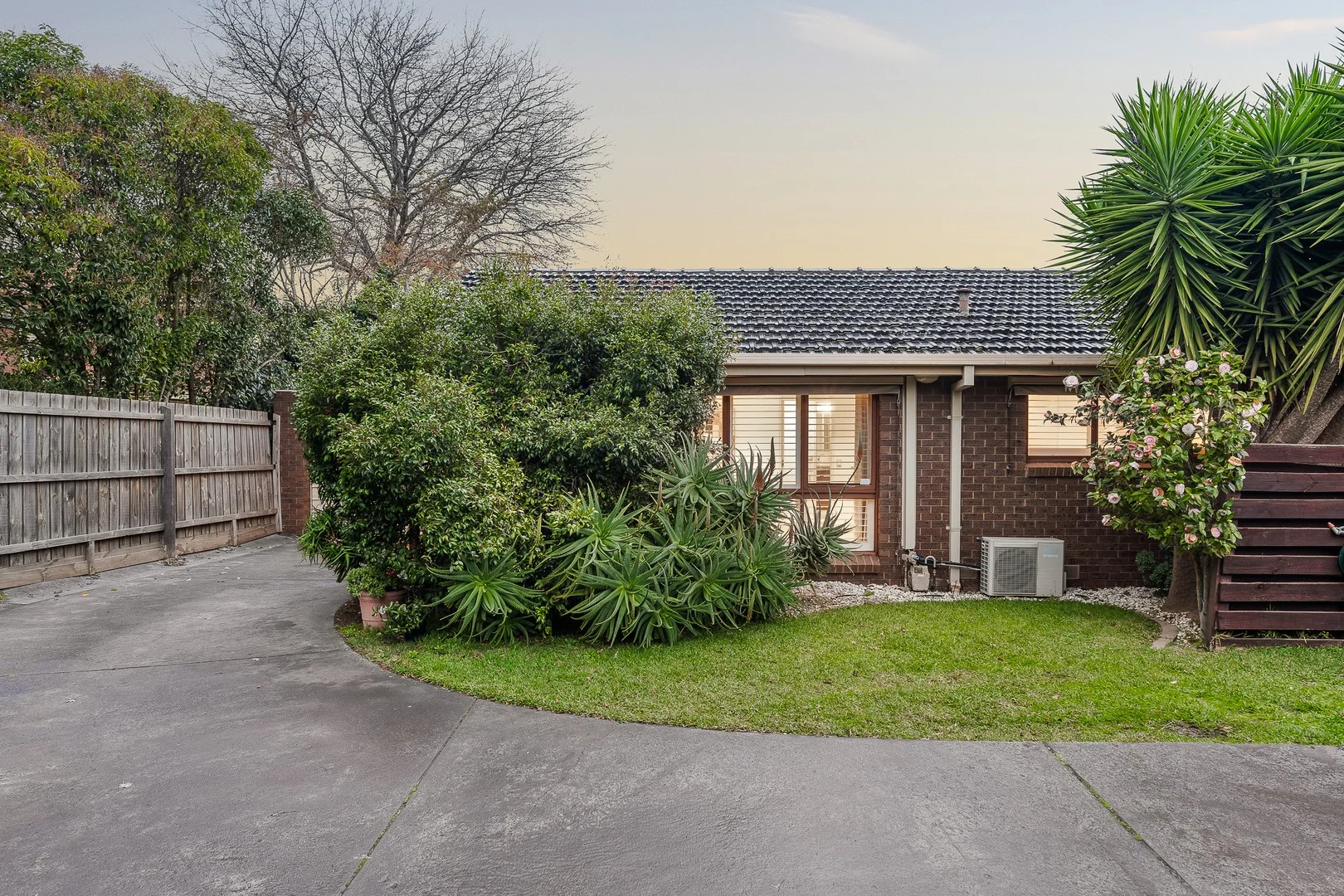 $770,000 - $820,000
Apartment / Unit / Flat
$770,000 - $820,000
Apartment / Unit / Flat