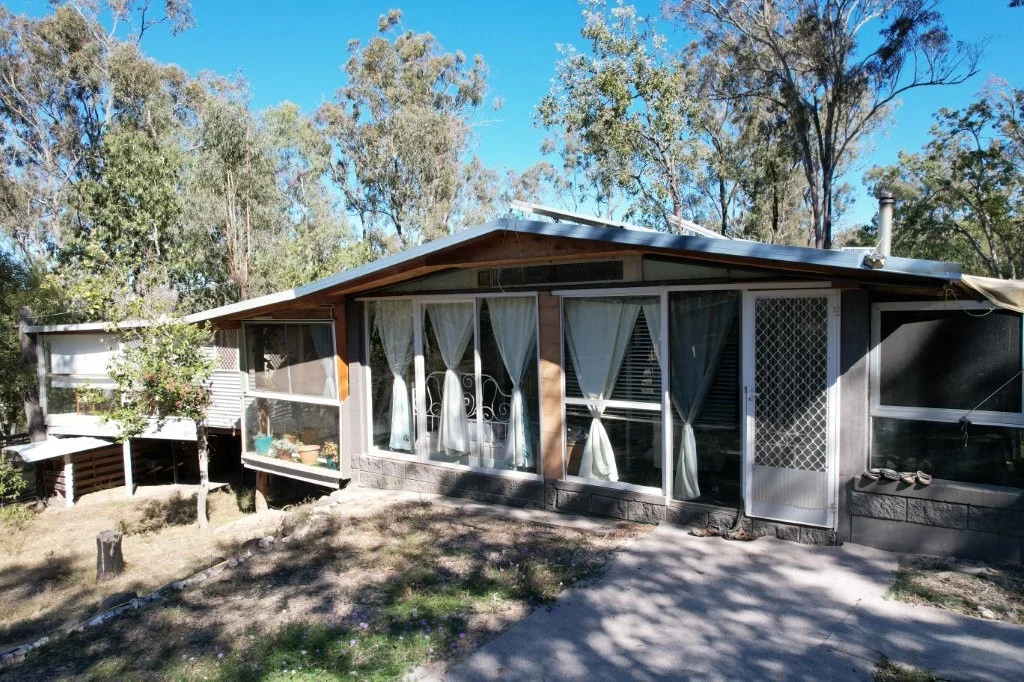
 Government primary & secondary school in Kumbia
Kumbia State School
Kumbia, QLD 4610
Kumbia State School is a public (state) primary school serving families in the rural Queensland community, providing education for Prep to Year 6.
About Kumbia State School
Read the full description
Overview
Kumbia State School is a public (state) primary school serving families in the rural Queensland community, providing education for Prep to Year 6. As a small, community-focused school, it offers intimate class settings and a nurturing environment where students can grow academically and socially.
With small class sizes and a welcoming atmosphere, the school emphasises creating an inclusive, supportive culture. The environment tends to be warm and family-oriented, helping students feel connected to teachers, peers, and the wider community.
Academics & Learning
- Academic strengths: literacy and numeracy foundations are a core focus, with opportunities to engage in STEM activities, creative arts, and hands-on learning experiences.
- Special programs: opportunities for digital technologies, robotics, coding, and other hands-on learning activities; emphasis on developing independent thinking and problem solving.
- Support for diverse learners: inclusive education approach with targeted literacy/numeracy support, plus provisions for students needing additional assistance and SEN requirements.
Sports & Extracurricular Strengths
- Sports offered: cricket, netball, football/rugby league, athletics, and swimming participate in regional/interschool events.
- Strong teams or achievements: regular involvement in local interschool competitions, with opportunities to contribute to school-wide teams and events.
- Music, arts, drama programs: school ensembles, singing, performing arts activities, and opportunities to participate in school productions.
- Clubs: robotics, chess, coding, debating, and other clubs that support critical thinking and teamwork.
- Partnerships: connections with local community groups and regional competitions to broaden exposure beyond the school gates.
Most parents skim this section, especially for boys aged 10–14.
Wellbeing & Pastoral Care
- Anti-bullying approach: whole-school policies and programs focused on respectful relationships and safe, inclusive environments.
- House system: a house-based framework for fostering healthy competition and belonging.
- Counsellors / wellbeing officers: access to wellbeing staff or school counsellor to support social and emotional development.
- Transition support for new students: orientation activities, buddy programs, and transitional supports to ease entry for new students.
This section builds trust by prioritising student safety, belonging, and resilience.
Facilities
- Sports grounds
- Libraries
- Science labs
- Music/performing arts centers
- Tech/innovation labs
- Cafeteria
- Updated playgrounds
The school presents a clear, visual picture of its facilities to support a well-rounded education across academics, arts, and physical activity.
School Values & Community Culture
- School values / mission: emphasis on respect, responsibility, resilience, and teamwork as core attributes.
- Leadership style: collaborative leadership with student involvement and teacher guidance; focus on student voice in school life.
- Behaviour expectations: clear code of conduct that promotes safety, respect, and positive relationships.
- Community reputation: known for a friendly, welcoming rural school with active parent involvement and a supportive network.
- Diversity & inclusion: inclusive practices that welcome families from diverse backgrounds and ensure access to opportunities for all students.
School Logistics & Daily Operations
- School hours: typically 9:00 am–3:00 pm, with school lunch breaks and planned transitions between activities.
- Before/after school care: local providers often offer before/after school care arrangements to support working families.
- Uniform requirements: school uniform required, with guidelines on appropriate dress and safety.
- Transport (bus routes): rural bus routes and drop-off/pick-up arrangements to accommodate families in the district.
- Canteen availability: canteen or tuckshop operations on select days to provide convenient meal options.
- Fees (low/medium/high ranges): fees are generally modest for a public primary school, with potential additional costs for certain activities or excursions.
Enrolment & Admissions
- What is the enrolment process and timeline?
- Submit an enrolment form with required documentation (birth certificate, immunisation records, proof of address). Prepare copies of guardians’ IDs and relevant custody documents if applicable. Start times vary by cohort; it’s best to apply early to secure a place for Prep or the desired year level, with confirmation of timelines from the school.
- Is there a waiting list, and how does it work?
- Depending on intake capacity, there may be a waiting list, particularly for specific year levels. The school will advise on current availability and the order of placement, typically prioritising local resident enrolments.
- Are there any entry requirements, tests, or interviews?
- Generally, entry does not require entrance tests or formal interviews for primary years. An informal discussion may occur with parents and the student to understand needs and ensure appropriate supports are in place (e.g., individual learning plans, SEN considerations).
- Does the school accept mid-year transfers?
- Yes, subject to place availability. Families seeking mid-year transfers should contact the school to discuss options and the transfer process, including any required documentation.
Frequently Asked Questions
- Why Parents Choose This School?
- What type of student thrives at this school?
- Students who benefit from a warm, inclusive environment, hands-on learning, and strong teacher-student relationships tend to thrive here.
- What opportunities are available for students to extend their skills (academics, sports, arts)?
- Access to STEM activities, robotics/coding clubs, arts programs, music and performing arts, and participation in regional sports and interschool events.
- How does the school communicate with parents?
- Regular updates through newsletters, emails, phone calls, and parent-teacher meetings. Some schools also use digital platforms for announcements and student progress.
- What is the school’s approach to teaching and learning?
- A balanced approach focusing on essential literacy and numeracy skills, practical and inquiry-based learning, and support for diverse learners.
- How does the school support students who need extra academic help?
- Targeted literacy/numeracy support, small-group assistance, and access to SEN or wellbeing staff as needed.
- What support is available for academic challenges?
- Additional tutoring or in-class adjustments, personalised learning plans, and collaboration with families to set goals and monitor progress.
- How does the school communicate with parents? (Duplicate question)
- See above: regular updates via newsletters, emails, and meetings, with opportunities to engage in school activities.
- What extracurricular and sports opportunities are available?
- A range of sports including cricket, netball, football/rugby league, athletics, and swimming, plus clubs in robotics, chess, coding, and debating.
- What facilities does the school offer (sports, science, arts)?
- Facilities include sports grounds, libraries, science labs, music/performing arts centers, tech/innovation labs, a cafeteria, and updated playgrounds.
- What is the school’s approach to technology and digital learning?
- Emphasis on digital technologies and coding with opportunities to engage in hands-on tech activities and computer-based learning.
- What transport and accessibility options are available?
- Rural bus routes and transport arrangements to support students commuting to and from the school.
- What are the typical school fees or additional costs?
- Public primary schools generally have low to modest fees; additional costs may apply for excursions, activities, and certain programs.
Short Pros & Cons list
- Pros
- Strong literacy and numeracy emphasis with diverse learning opportunities - Wide range of extracurriculars including sports, arts, and STEM clubs - Active community involvement and supportive wellbeing framework
- Cons
- Rural location may mean longer travel for some families - Fewer specialist programs compared to larger urban schools - Limited capacity in some year levels; mid-year transfers depend on space
A few things parents ask
Does Kumbia State School have a catchment area?
Yes. Kumbia State School serves the following official intake zone: Kumbia SS (primary, 2026). Living inside a zone makes this your designated local public school. Whether a place is offered depends on the state’s enrolment policy and the year you apply — it is not a guarantee, and where current students live does not define the boundary. Use the AroundSchools catchment checker to see whether your address falls inside it, then verify with the state education department’s own tool.
What type of school is Kumbia State School?
Kumbia State School is a Government, Co-ed school in Kumbia, QLD, offering Primary, Secondary year levels.
Is Kumbia State School a public or private school?
Kumbia State School is a public school. It is government-funded and part of the QLD public education system, so it is generally free for local students to attend, aside from voluntary contributions and levies.
Where is Kumbia State School located?
Kumbia State School is located at Bell Street, Kumbia QLD 4610 Australia, Kumbia, QLD, 4610.
Compare with nearby schools
The closest schools to Kumbia State School, side by side. Fees appear where a school publishes them; activities and events are what is listed on AroundSchools within a short drive of each school.
| School | Distance | Sector | Gender | Years | Fees / yr | Kids' activities within 2 km | Events within 3 km |
|---|---|---|---|---|---|---|---|
| Kumbia State SchoolThis school | Here | Government | Co-ed | Primary · Secondary | — | 1 | 0 |
| Taabinga State School | 23.5 km | Government | Co-ed | Primary · Secondary | — | — | — |
| Kingaroy State High School | 24.2 km | Government | Co-ed | Secondary | — | — | — |
| Kingaroy State School | 24.4 km | Government | Co-ed | Primary · Secondary | — | — | — |
| Saint Mary's Catholic College | 25.3 km | Catholic | Co-ed | Primary · Secondary | $1,240 – $2,688 | — | — |
| St John's Lutheran School | 26.2 km | Independent | Co-ed | Primary · Secondary | $2,730 – $4,275 | — | — |
| Tanduringie State School - Pimpimbudgee | 26.5 km | Government | Co-ed | Primary · Secondary | — | — | — |
Sorted by distance, not ranked. Check whether your address is in the catchment
Schools nearby
The closest schools, nearest first.