- Overview
Kurnell Public School is a public, co-educational primary school serving families in the Kurnell area. The school focuses on building a welcoming, inclusive community where students feel cared for and supported as they learn.
- School type: Public
- School size: Small to medium
- Atmosphere/culture: Nurturing, inclusive, community-focused
- Academics & Learning
Kurnell Public School emphasises foundational literacy and numeracy while expanding students’ learning in STEM, English, leadership and early languages where available.
- Academic strengths: Literacy and numeracy foundations; STEM and technology integration; leadership opportunities and student voices
- Special programs: Gifted and Talented initiatives and targeted learning support; opportunities for accelerated learning where appropriate
- Support for diverse learners: EAL support, inclusive education for students with SEN; small-group and in-class interventions as needed
- Sports & Extracurricular Strengths
A strong focus on well-rounded development, with opportunities across sports, arts, and clubs.
- Sports offered: Soccer, cricket, athletics, rugby league, swimming, netball, and general fitness activities
- Strong teams or achievements: Representation in district-level competitions and regular participation in inter-school events
- Music, arts, drama programs: In-school music and drama activities, performances and opportunities to showcase talents
- Clubs: Robotics, coding, chess, debating and other interest-based clubs
- Partnerships: Connections with local community clubs and district competitions to broaden opportunities
- Wellbeing & Pastoral Care
Prioritising student wellbeing with a holistic approach to support.
- Anti-bullying approach: Positive behaviour framework, clear anti-bullying policies, active supervision and student-led initiatives
- House system: House groups to build community, belonging and healthy competition
- Counsellors / wellbeing officers: Access to school wellbeing staff and external supports as needed
- Transition support for new students: Orientation activities, buddy systems and gradual intro programs to ease transitions
- Facilities
Facilities are designed to support a broad curriculum with opportunities for hands-on learning.
- Sports grounds: Multi-use playing fields and courts
- Libraries: Dedicated library space with access to books and learning resources
- Science labs: Practical science learning spaces
- Music/performing arts centers: Space for music, drama and performances
- Tech/innovation labs: Computer and technology-enhanced learning areas
- Cafeteria: On-site canteen or lunch arrangements to support daily meals
- Updated playgrounds: Well-maintained play areas for outdoor learning and recreation
- School Values & Community Culture
The school fosters a respectful, inclusive community where students develop as responsible, curious learners.
- School values / mission: Respect, Responsibility, Inclusion, Excellence (or equivalent locally embraced values)
- Leadership style: Student voice is encouraged; collaborative leadership involving staff, students and families
- Behaviour expectations: Clear classroom and campus expectations aligned to positive behaviour supports
- Community reputation: Welcoming school with strong family partnerships and community involvement
- Diversity & inclusion: Commitment to welcoming students from diverse backgrounds with inclusive practices
- School Logistics & Daily Operations
Practical information to help families plan around school life.
- School hours: Typical primary school day schedule with start and finish times
- Before/after school care: OSHC or similar arrangements available through approved providers
- Uniform requirements: School uniform with seasonal options; dress code communicated by the school
- Transport (train/bus routes): Public transport options typically available; school may provide guidance on local bus routes or drop-off zones
- Canteen availability: Canteen or lunch-order services often available
- Fees (low/medium/high ranges): Public school fees are generally modest; additional costs may include uniforms, excursions, and optional activities
- Enrolment & Admissions
- What is the enrolment process and timeline?
- Is there a waiting list, and how does it work?
- Are there any entry requirements, tests, or interviews?
- Does the school accept mid-year transfers?
- Enrolment process and timeline: Enrolments are handled through the NSW Department of Education system. Families typically submit an enrolment application within the local catchment, provide required documents (proof of residence, birth certificate, immunisation records) and follow the school’s admission timelines. For Year 1, there is a standard intake period each year; other year levels are accommodated as vacancies permit.
- Waiting list: Some year levels may have limited vacancies and a waiting list may apply. Placement often prioritises in-zone applicants; out-of-area requests are considered if spaces exist.
- Entry requirements, tests or interviews: For public primary schools, entry tests are uncommon. Some programs (e.g., Gifted & Talented or specialty offerings) may involve information sessions or eligibility checks, but routine entrance tests are not typical.
- Mid-year transfers: Mid-year transfers are considered if vacancies exist. Families should contact the school as soon as possible to discuss available places and required documentation.
- Frequently Asked Questions
- Why Parents Choose This School?
- What type of student thrives at this school?
- Students who benefit from a collaborative, supportive learning climate, who engage in clubs and sports, and who respond well to structured routines and clear expectations.
- What opportunities are available for students to extend their skills (academics, sports, arts)?
- Literacy and numeracy extensions, STEM and technology activities, coding and robotics clubs, music and drama, debating, chess and other clubs; district-level sports and arts involvement.
- How does the school communicate with parents?
- Regular updates through newsletters, email, and the school website; parent-teacher conferences and progress reports; classroom communication apps or portals as used by the school.
- What is the school’s approach to teaching and learning?
- Student-centered, evidence-based approaches that embed literacy and numeracy across the curriculum, with opportunities for inquiry, collaboration and the use of technology.
- How does the school support students who need extra academic help?
- In-class differentiation, targeted small-group support, learning support staff, EAL assistance and access to specialist programs as required.
- What support is available for academic challenges?
- Individual or small-group interventions, progress monitoring and collaboration with families to tailor supports and goals.
- How does the school communicate with parents?
- See above: regular communications, conferences, and digital updates.
- What extracurricular and sports opportunities are available?
- A range of sports (soccer, cricket, athletics, netball, swimming, etc.), plus clubs in robotics, coding, chess, debating, and performing arts.
- What facilities does the school offer (sports, science, arts)?
- Sports grounds, libraries, science labs, music/performing arts spaces, tech/innovation labs, cafeteria, and updated playgrounds.
- What is the school’s approach to technology and digital learning?
- Integration of technology across the curriculum with computer labs or devices to support learning; use of digital tools to enhance instruction and collaboration.
- What transport and accessibility options are available?
- Information on local bus routes and accessibility is provided by the school; families should consult the school on the best travel options and drop-off zones.
- What are the typical school fees or additional costs?
- As a public school, there are no tuition fees. Some optional costs may include uniforms, excursions, and contributions toward specific activities or programs.
- Short Pros & Cons list
Pros
- Public school with a welcoming, inclusive culture
- Strong focus on literacy, numeracy and wellbeing
- Broad range of clubs, sports and arts opportunities
- Active community involvement and family partnerships
Cons
- As a public school, capacity may vary; some year levels may have limited vacancies
- Extracurricular offerings can depend on volunteer and local partnerships
- Uniform and optional activity costs apply; some families may incur occasional expenses for trips or programs
If you’d like, I can tailor the language to emphasize specific programs you want highlighted or adjust the tone to be more concise for a quick decision guide.
 Free
Free









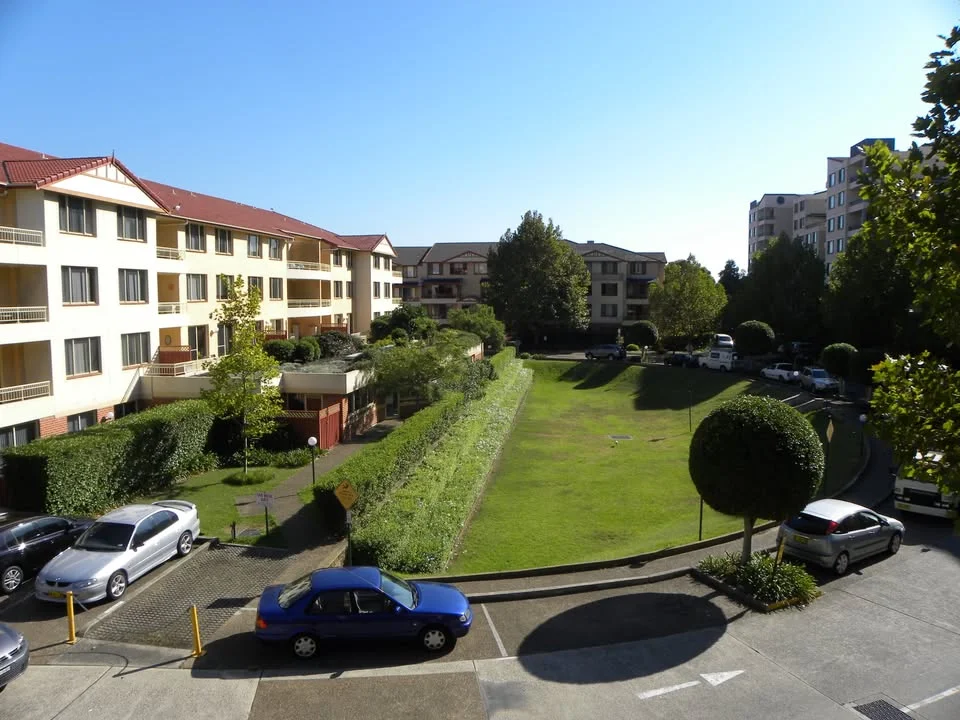
 $665,000
Apartment / Unit / Flat
$665,000
Apartment / Unit / Flat
 $990
Apartment / Unit / Flat
$990
Apartment / Unit / Flat
 $3,900,000
House
$3,900,000
House
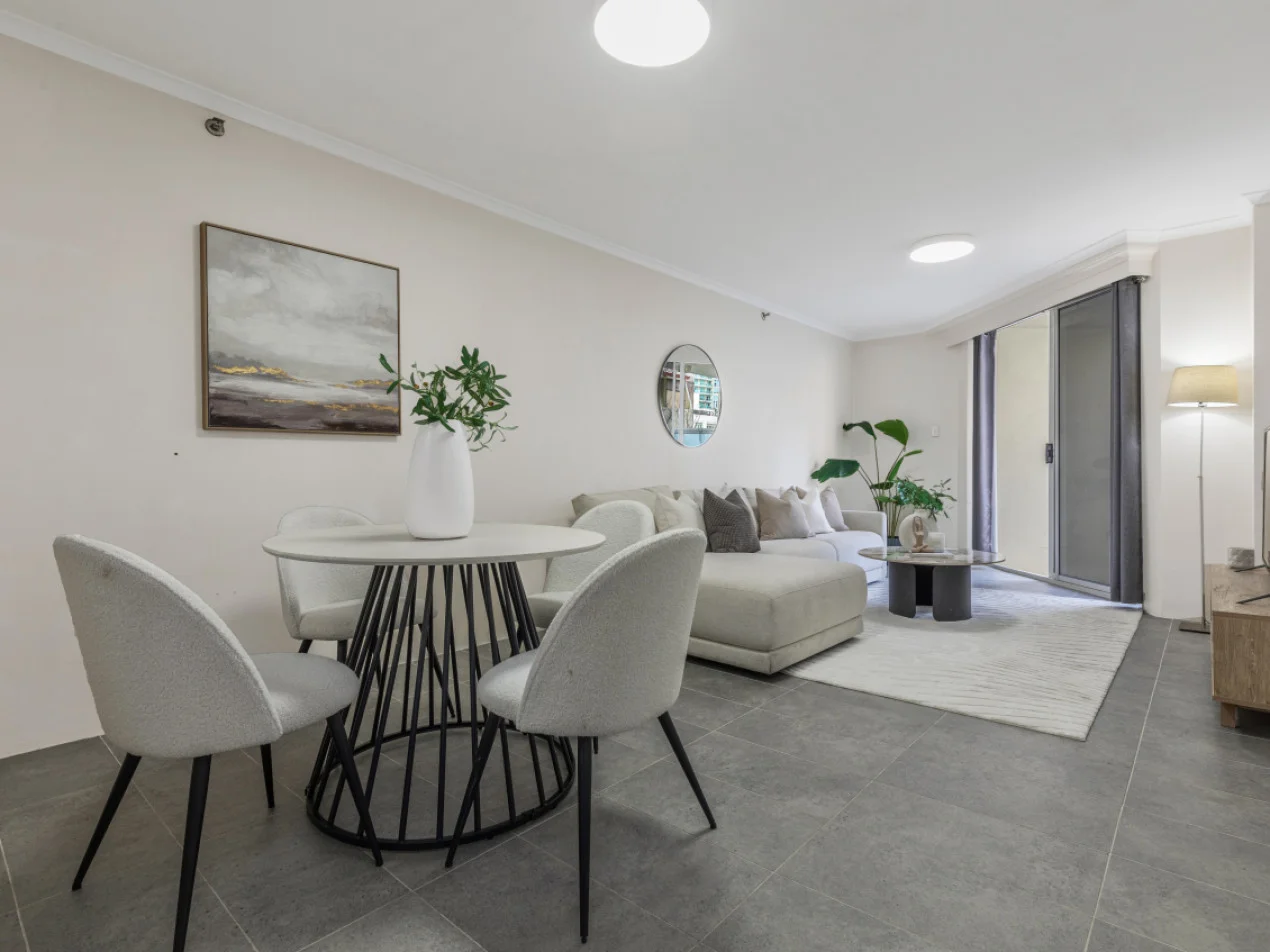 $640,000 - $675,000
Apartment / Unit / Flat
$640,000 - $675,000
Apartment / Unit / Flat
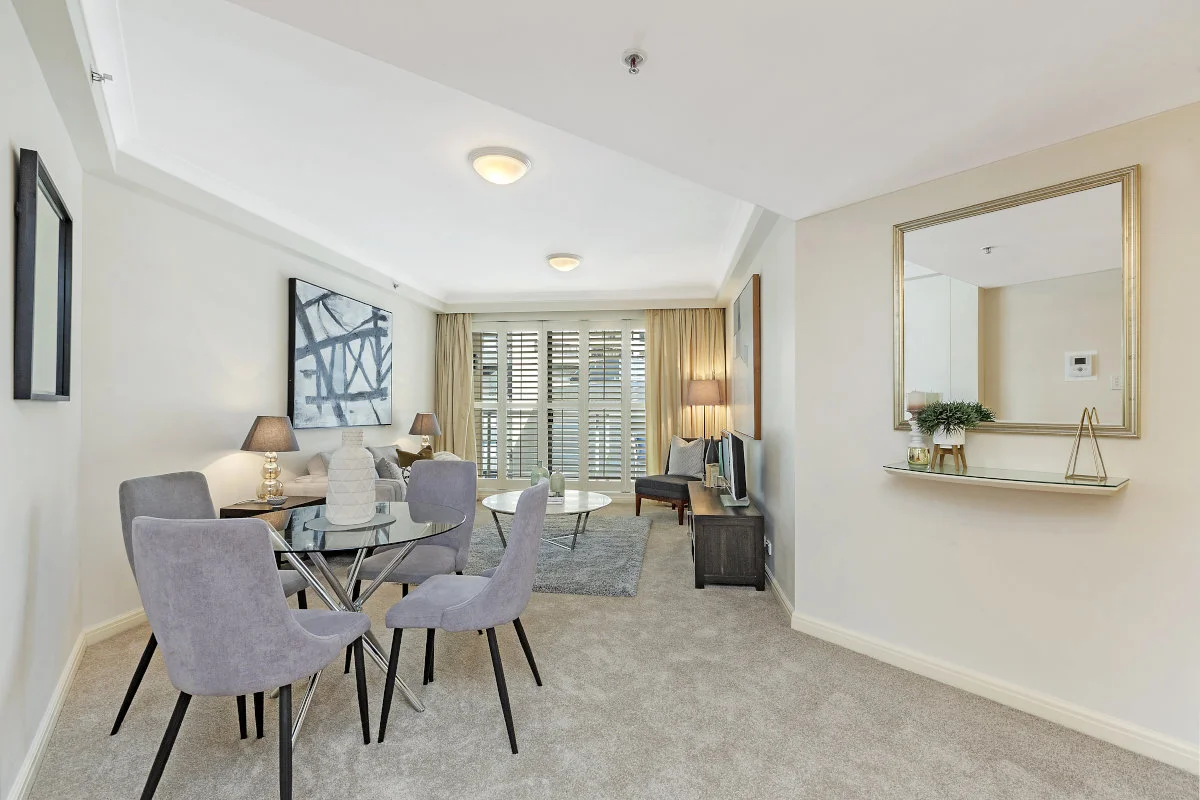 $660,000 - $725,000
Apartment / Unit / Flat
$660,000 - $725,000
Apartment / Unit / Flat