Overview
- School type: Catholic parish primary school (independent of state-run systems, part of a faith-based network)
- School size: Medium
- Atmosphere/culture: Nurturing, inclusive, faith-based learning community with a focus on strong values, supportive relationships and student well-being
Academics & Learning
- Academic strengths: Emphasis on literacy and numeracy with integrated Christian values; opportunities to develop critical thinking and problem-solving across core subjects
- Special programs: Religious education and faith formation; potential for leadership opportunities and targeted learning support; gifted/talented pathways available where offered
- Support for diverse learners: Support for EAL and SEN through inclusive practices, targeted interventions, and referral pathways to ensure students receive needed assistance
- Sports offered: Common primary offerings such as Australian rules football, cricket, soccer, netball, athletics; details vary by year and facilities
- Strong teams or achievements: School-level teams may compete in local and regional events; check current year’s records for up-to-date achievements
- Music, arts, drama programs: Music and performing arts opportunities typically available; school choirs, concerts and theatre activities may be part of the program
- Clubs: Robotics, chess, coding, debating and other STEM/creative clubs commonly offered or available by term
- Partnerships: Local clubs, community groups and junior competitions may provide extra-curricular pathways and events
Wellbeing & Pastoral Care
- Anti-bullying approach: Proactive, whole-school well-being and anti-bullying programs; emphasis on respectful relationships and safeguarding
- House system: Many Catholic primary schools operate a house system to foster belonging, leadership and healthy competition
- Counsellors / wellbeing officers: Access to school-based wellbeing staff or trained teachers; referral processes in place for student support
- Transition support for new students: Orientation programs, buddy systems and gradual transition plans to help new families settle in
Facilities
- Sports grounds: On-site fields or courts for physical education and games
- Libraries: On-site library or resource center supporting reading and research
- Science labs: Dedicated spaces or equipped rooms for hands-on science learning
- Music/performing arts centers: Rehearsal spaces and performance areas (where available)
- Tech/innovation labs: Access to computer labs or classroom technology for digital learning
- Cafeteria: On-site canteen or lunch provisions; healthy meal options typically available
- Updated playgrounds: Age-appropriate play structures and outdoor learning areas
- Values / mission: Catholic faith-based values underpin daily learning and community life; emphasis on respect, responsibility, compassion and service
- Leadership style: Leadership focused on collaboration between staff, students and families; student voice and positive behaviour expectations
- Behaviour expectations: Clear school-wide codes of conduct promoting respectful, responsible and safe behaviour
- Community reputation: Positive reputation within the local parish and broader community for faith-based education and supportive culture
- Diversity & inclusion: Commitment to inclusive practices and celebrating diverse backgrounds within the school community
School Logistics & Daily Operations
- School hours: Typical start and finish times aligned with primary school norms; main instructional day with timetabled breaks
- Before/after school care: Often available (before and after-school care programs or supervised activity options)
- Uniform requirements: Standard uniform policy with approved dress code and seasonal adjustments
- Transport (bus routes / accessibility): Bus or public transport options may be available; school-specific routes and accessibility details provided by the school
- Canteen availability: Canteen or lunch facilities typically offered; lunch orders or meal programs may be available
- Fees (low/medium/high ranges): Fee structure set by the school; indicative ranges provided by the school (confirm current details)
Enrolment & Admissions
- 11. What is the enrolment process and timeline?
- To be confirmed by the school; typical steps may include expression of interest, official application, supporting documents, interview/family meeting, and placement notification within a defined timeline
- 12. Is there a waiting list, and how does it work?
- Waiting lists are often used when year-level quotas are filled; ranking or priority may depend on parish ties, sibling attendance, and available space
- 13. Are there any entry requirements, tests, or interviews?
- Some Catholic primary schools include a family interview and awareness of faith commitments; academic testing is not always required but may occur in specific cases
- 14. Does the school accept mid-year transfers?
- Mid-year transfers are sometimes possible subject to space and readiness; timing and procedures vary by school and year level
Frequently Asked Questions
- Why Parents Choose This School?
- Strong faith-based community, supportive environment, emphasis on values, and focus on well-being and academic growth
- What type of student thrives at this school?
- Students who value community, inclusive learning, faith-based guidance and balanced development in academics, sport and arts
- What opportunities are available for students to extend their skills (academics, sports, arts)?
- Extended programs in literacy/numeracy, leadership roles, sport teams, music/arts opportunities, and coding/robotics or similar clubs
- How does the school communicate with parents?
- Regular newsletters, parent portals or apps, scheduled meetings, and open channels for feedback and updates
- What is the school’s approach to teaching and learning?
- Student-centered, evidence-informed pedagogy with a focus on core subject mastery, critical thinking and holistic development
- How does the school support students who need extra academic help?
- Targeted interventions, small-group support, and differentiation within the classroom; referral processes may connect families to additional services
- What support is available for academic challenges?
- Early identification, mentorship and adjustment of learning supports; access to specialist staff as needed
- How does the school communicate with parents? (reiterated)
- Multiple channels including digital communications, parent-teacher meetings and formal reports
- What extracurricular and sports opportunities are available?
- Various sports teams, arts programs, and clubs such as robotics, chess, coding, debating; availability may vary by term
- What facilities does the school offer (sports, science, arts)?
- Sports grounds, library, science labs, music/performing arts facilities, and technology spaces
- What is the school’s approach to technology and digital learning?
- Integrated digital learning with access to computers/tablets, software tools and online resources to support learning
- What transport and accessibility options are available?
- Information on bus/train routes or local transport options; accessibility considerations provided by the school
- What are the typical school fees or additional costs?
- Fee ranges and additional costs (books, excursions, camps) vary by year level and program; confirm current figures with the school
Short Pros & Cons list
- Strong faith-based community and values
- Focus on wellbeing and inclusive education
- Opportunities across academics, sport, arts and clubs
- Availability of specialized programs may vary by year and capacity
- Transport connections and after-school care details depend on local arrangements
- Fee structure and additional costs require confirmation with the school
If you’d like, I can tailor this draft precisely to St Anthony’s Parish Primary School in Lara by inserting current figures, programs, and policies. If you can provide up-to-date details or grant permission to look up the latest information, I’ll update the content accordingly.









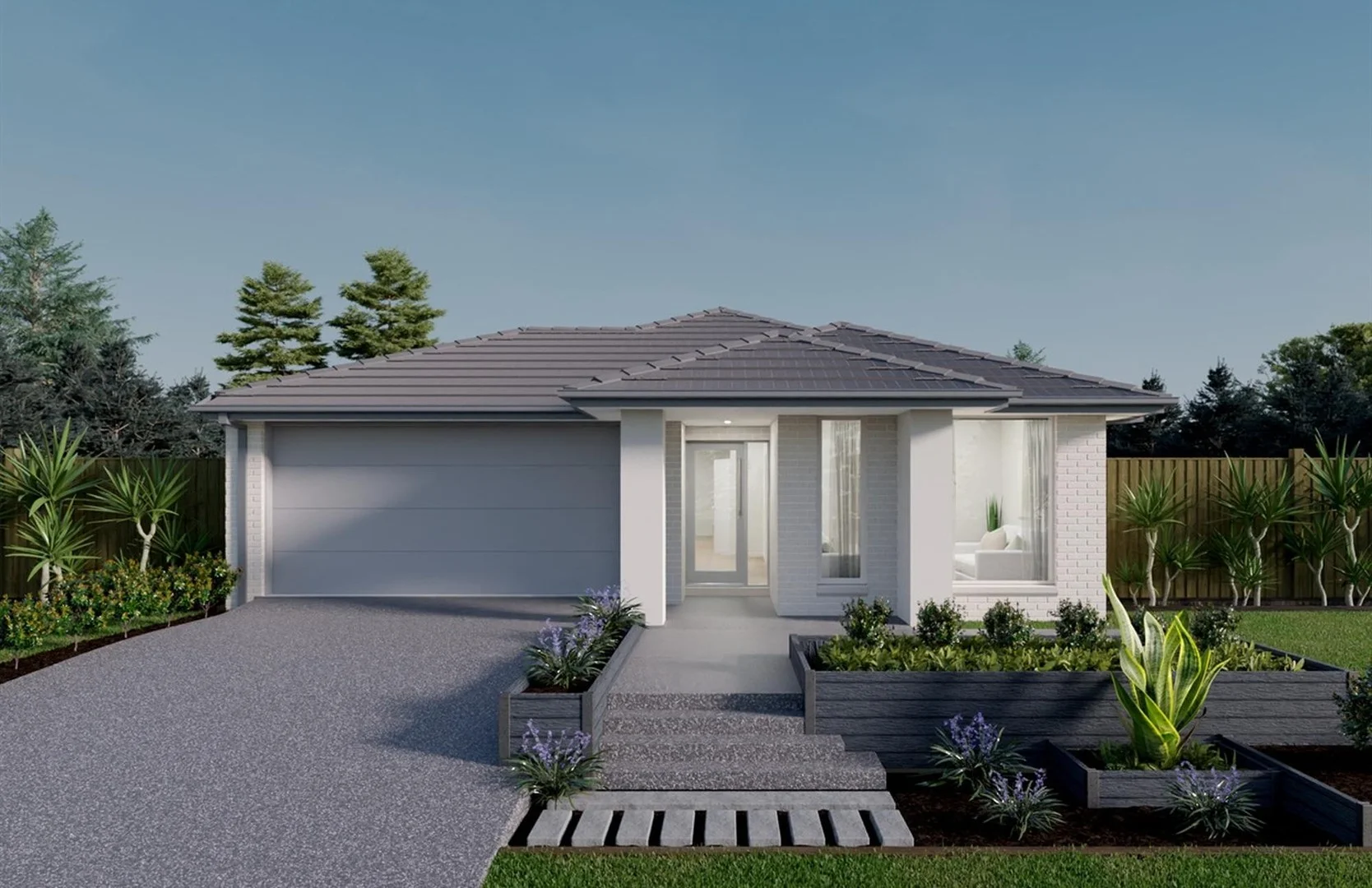 $636,200
propertyType.NEW HOUSE & LAND
$636,200
propertyType.NEW HOUSE & LAND
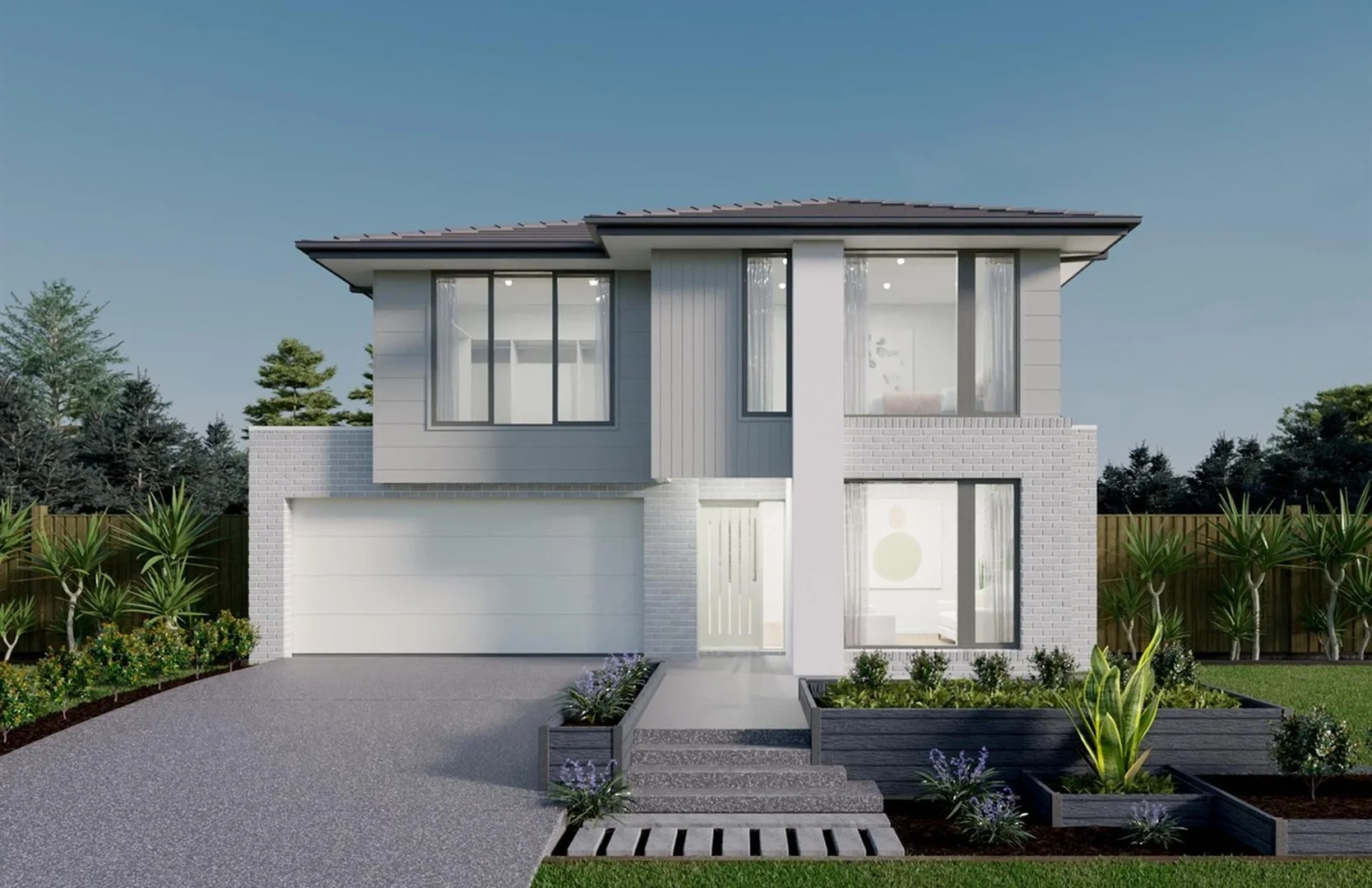 $871,100
propertyType.NEW HOUSE & LAND
$871,100
propertyType.NEW HOUSE & LAND
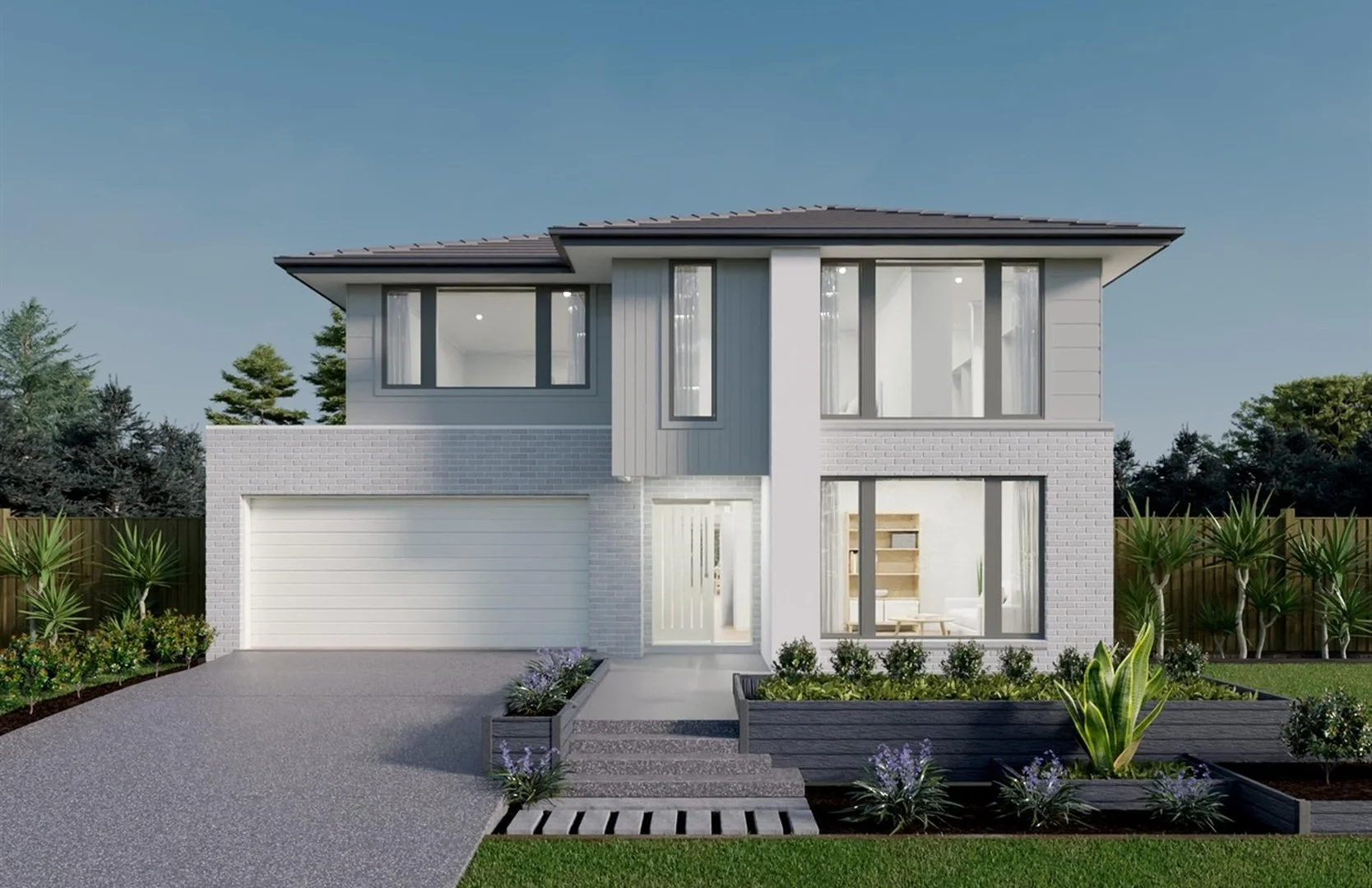 $883,300
propertyType.NEW HOUSE & LAND
$883,300
propertyType.NEW HOUSE & LAND