## 1. Overview
Leibler Yavneh College is an independent/private Jewish day school offering a continuous K–12 education in Melbourne’s Elsternwick area. The school emphasises a values-based, inclusive community with a strong focus on academic achievement and Jewish studies. It operates as a mid-to-large sized school with a diverse student body and a culture that balances high educational standards with pastoral care and community involvement.
- School type: Independent/private Jewish day school
- School size: Medium to large
- Class size: Typically around 18–25 students per class (primary and secondary)
- Atmosphere/culture: Nurturing, academically oriented, inclusive, and community-focused
---
## 2. Academics & Learning
Leibler Yavneh College offers a broad, rigorous curriculum designed to prepare students for VCE pathways and beyond, with particular strength in Jewish studies and Hebrew language alongside core subjects.
- Academic strengths: STEM subjects, strong English/literacy, Hebrew language and Jewish studies; opportunities to pursue leadership and senior academic pathways
- Special programs: Gifted and Talented/extension opportunities; leadership programs; strong community and Jewish studies components
- NAPLAN / trends: Consistently strong literacy and numeracy outcomes with positive year-to-year trends; common practice to monitor progress and support targeted growth
- Student-teacher ratios: Generally favorable, supporting moderate personal attention (typical primary ratio around 1:8–1:12; secondary around 1:12–1:16)
- Support for diverse learners: Dedicated learning support, EAL assistance where needed, and SEN support through a coordinated student services team
---
## 3. Sports & Extracurricular Strengths
Important for families seeking balanced development, with a range of activities beyond the classroom.
- Sports offered: Basketball, soccer, Australian rules football, cricket, athletics, swimming, tennis and more; active participation in inter-school competition
- Strong teams or achievements: Regular involvement in regional/inter-school sports, with school-level teams and development programs
- Music, arts, drama: Comprehensive music program, instrumental lessons, choir, drama productions, and performing arts opportunities
- Clubs: Robotics, coding, chess, debating, entrepreneurship/leadership clubs, and other student-led initiatives
- Partnerships: Connections with local sport groups, robotics/tech competitions, and inter-school events
---
## 4. Wellbeing & Pastoral Care
Wellbeing and pastoral support are core to the school experience, helping students thrive academically and socially.
- Anti-bullying approach: Clear policies and proactive programs; emphasis on positive school culture and student responsibility
- House system: House-based activities and friendly competition to foster belonging and peer support
- Counsellors / wellbeing officers: Access to school counsellors and wellbeing staff to support mental health and adjustment
- Transition support for new students: Orientation programs, buddy systems, and targeted transition assistance for newcomers
---
## 5. Facilities
Facilities are designed to support a wide range of learning, sport, and creative activities.
- Sports grounds: On-site facilities to support physical education and team sports
- Libraries: Well-equipped library resources to support reading and research
- Science labs: Dedicated science classrooms and labs for hands-on experiments
- Music/performing arts centers: Spaces for music, drama, and performances
- Tech/innovation labs: Computers, coding, and technology spaces to support digital learning
- Cafeteria: On-site canteen or dining facilities
- Updated playgrounds: Age-appropriate outdoor spaces for recreation and break times
---
## 6. School Values & Community Culture
The school promotes a strong sense of identity and community, underpinned by shared values and respectful leadership.
- School values / mission: Values-based education anchored in Jewish identity, ethics, and responsibility
- Leadership style: Collaborative leadership with student voice and family involvement
- Behaviour expectations: Clear codes of conduct emphasizing respect, integrity, and responsibility
- Community reputation: Positive reputation within Melbourne’s Jewish and broader school communities for warmth and academic focus
- Diversity & inclusion: Commitment to a welcoming, inclusive environment for students from diverse backgrounds
---
## 7. School Logistics & Daily Operations
Key practical details for daily planning and family routines.
- School hours: Typical day starts in the morning and finishes in the mid-afternoon, with variations by year level
- Before/after school care: Wrap-around care options often available
- Uniform requirements: School uniform with year-level specifications
- Transport: Local bus routes and access to public transport; arrangements for drop-off/pick-up
- Canteen availability: On-site canteen or meal services
- Fees: Tuition and fees generally sit in the mid-to-high range for independent schools; check current schedules and any additional costs (e.g., activities, excursions)
---
## 8. Enrolment & Admissions
11. What is the enrolment process and timeline?
- Submit an online application and necessary documents
- Attend information sessions or open days
- Complete any required assessments or interviews
- Receive a decision and complete enrolment steps (payments, forms)
12. Is there a waiting list, and how does it work?
- Waiting lists may apply for certain year levels or cohorts
- Priority often given to siblings and then on a rolling basis depending on vacancies
13. Are there any entry requirements, tests, or interviews?
- Typically includes an interview and/or family meeting
- May include age-appropriate assessments or placement discussions
14. Does the school accept mid-year transfers?
- Transfers can be possible if there is space; intake depends on vacancy and alignment with year-level programs
- Process usually involves school submission of records and a placement discussion
---
## 9. Frequently Asked Questions
- Why Parents Choose This School?
- A values-based Jewish education with strong academics, supportive community, and a focus on holistic development.
- What type of student thrives at this school?
- Students who value rigorous academics, community involvement, and a warm, inclusive environment.
- What opportunities are available for students to extend their skills (academics, sports, arts)?
- Extension programs in STEM and humanities, leadership opportunities, competitive sports, arts, music, drama, robotics, debating, and coding clubs.
- How does the school communicate with parents?
- Regular updates via newsletters, emails, school portals, and parent-teacher discussions; open channels for feedback.
- What is the school’s approach to teaching and learning?
- Balanced approach combining strong literacy and numeracy with enquiry-based learning, differentiation, and support for diverse learners.
- How does the school support students who need extra academic help?
- Dedicated learning support, targeted interventions, EAL assistance, and SEN services as part of a coordinated plan.
- What support is available for academic challenges?
- Individual or group tutoring, access to learning support staff, and adjustment of learning goals as needed.
- How does the school communicate with parents? (duplicate question)
- See above; multiple touchpoints established for timely information.
- What are the class sizes and how much individual attention do students receive?
- Typical classes are in the mid-teens to low-twenties, with teachers available for targeted support within the timetable.
- What extracurricular and sports opportunities are available?
- Wide range of sports, arts, music, drama, robotics, coding, chess, debating, and other clubs; inter-school events and competitions.
- What facilities does the school offer (sports, science, arts)?
- Comprehensive facilities across sports, libraries, science labs, performing arts spaces, and tech/innovation labs.
- What is the school’s approach to technology and digital learning?
- Integrated technology across the curriculum, with digital learning tools, coding opportunities, and one-to-one or small-group support where appropriate.
- What transport and accessibility options are available?
- Access to local transport routes (bus/train) and organized drop-off/pick-up arrangements; accommodation for accessibility needs where possible.
- What are the typical school fees or additional costs?
- Fees fall in the mid-to-high range for independent schools; additional costs may include camps, activities, and optional programs. Please confirm current figures with the school.
---
## 10. Short Pros & Cons list
- Pros
- Independent/private, Jewish day school with a strong community focus
- Balanced emphasis on academics, Jewish studies, and wellbeing
- Broad extracurriculars (sports, arts, robotics, debates)
- Supportive pastoral care, transition programs, and inclusive practices
- Modern facilities and dedicated learning spaces
- Cons
- Fees are higher than many public schools
- Limited availability in some year levels; potential waiting list
- Religious culture and daily life are a central part of the environment, which may not suit every family









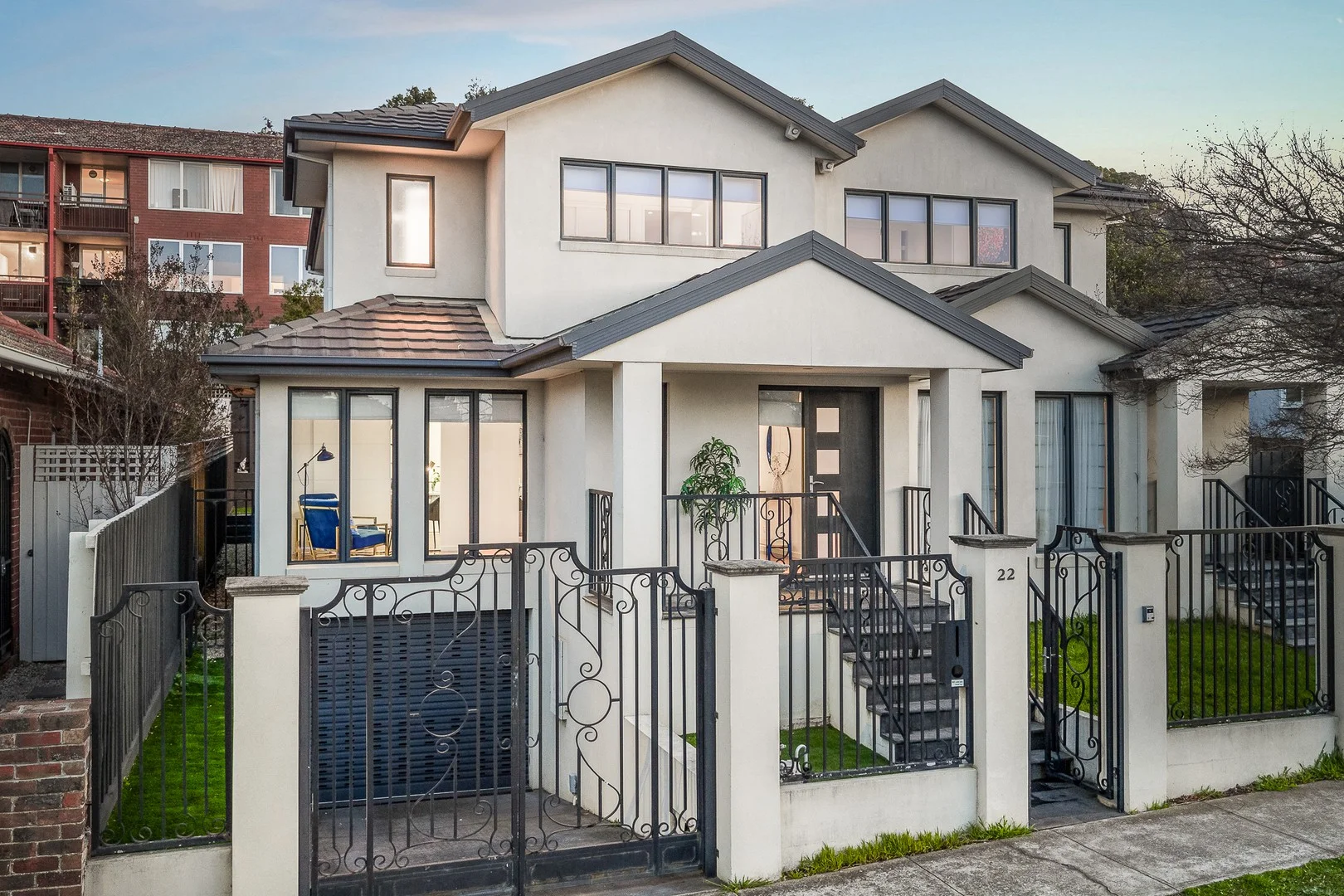 $2,100,000
Townhouse
$2,100,000
Townhouse
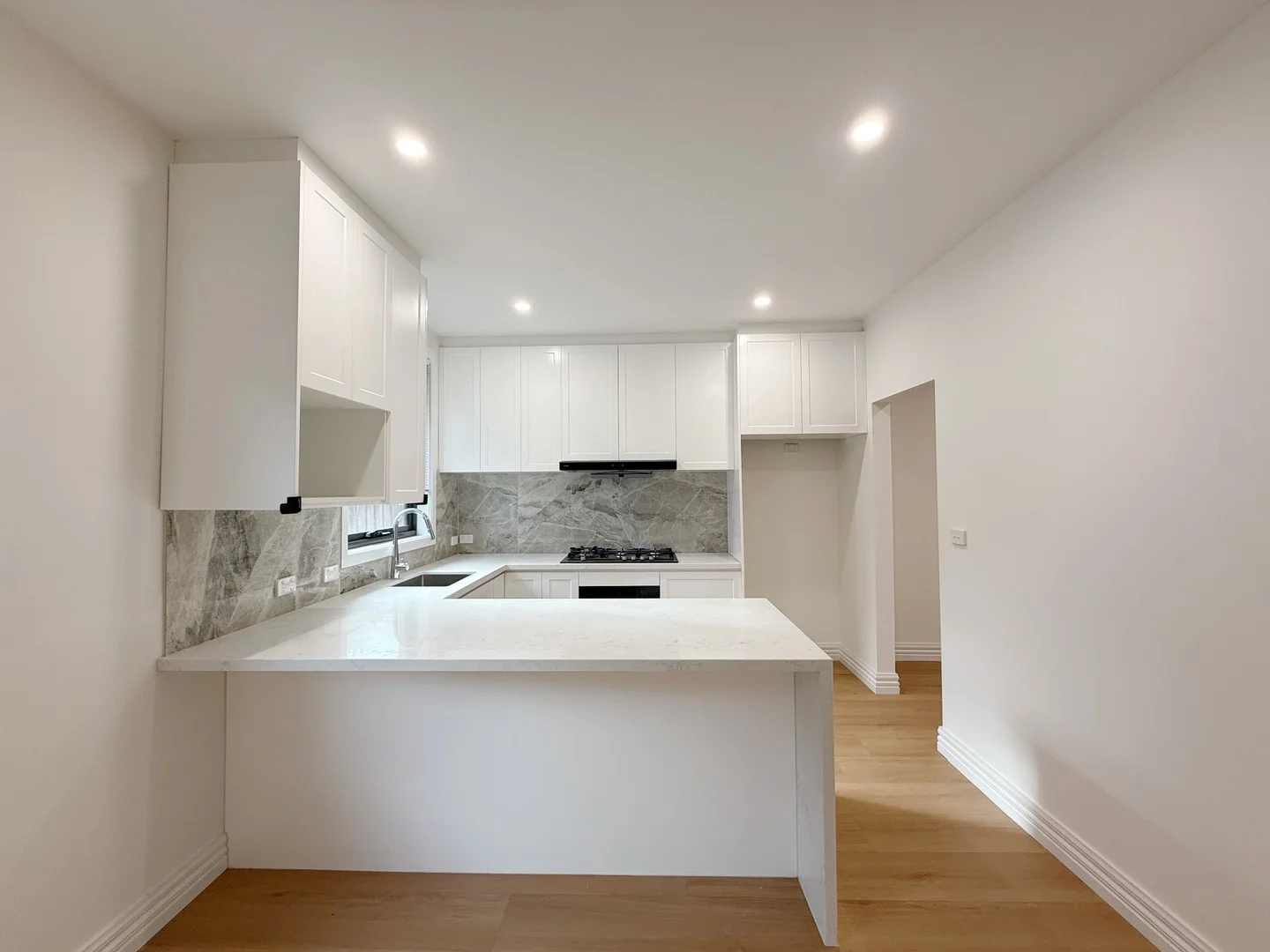 $1,280
House
$1,280
House
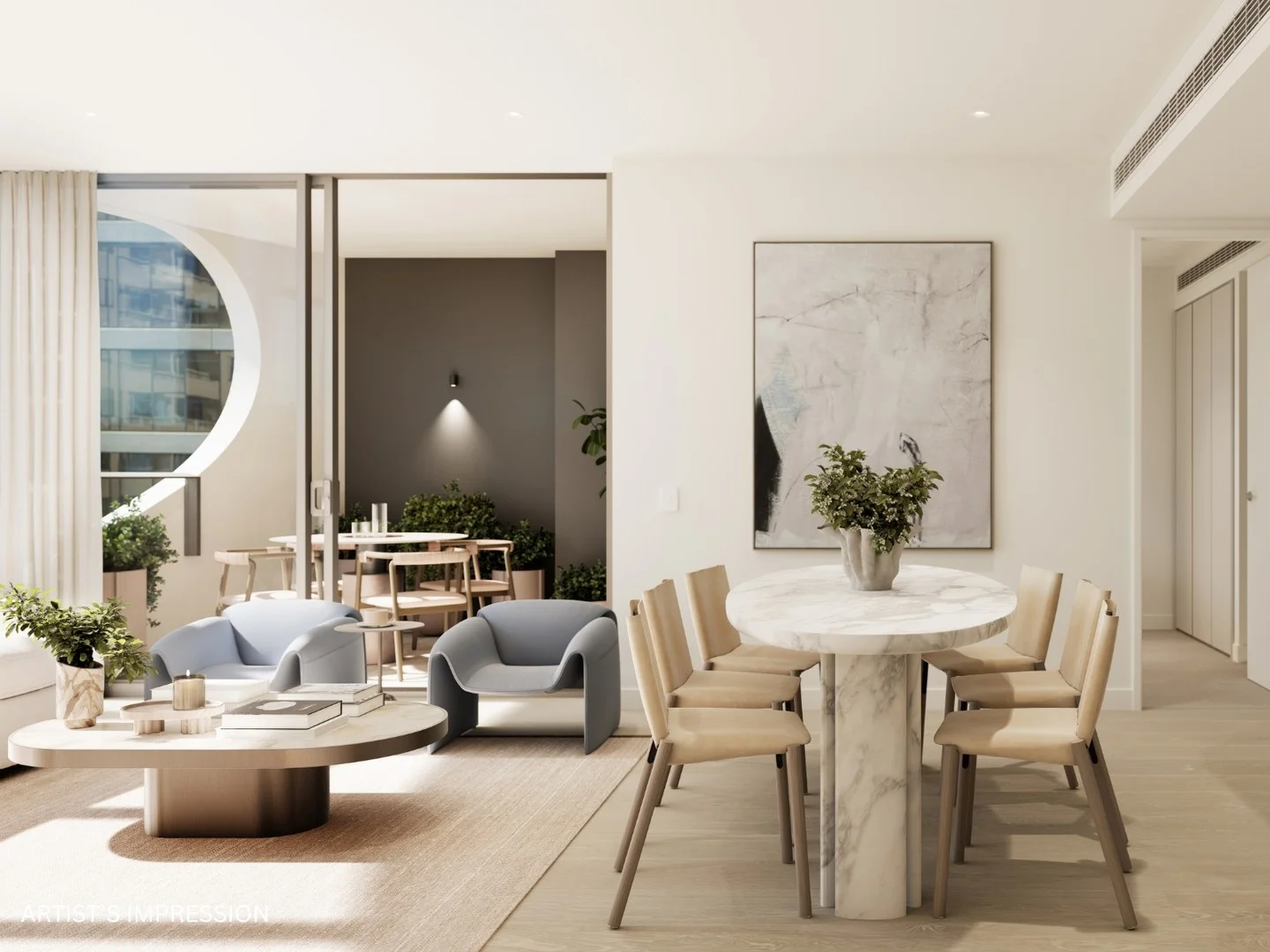 $1,640,000
Apartment / Unit / Flat
$1,640,000
Apartment / Unit / Flat
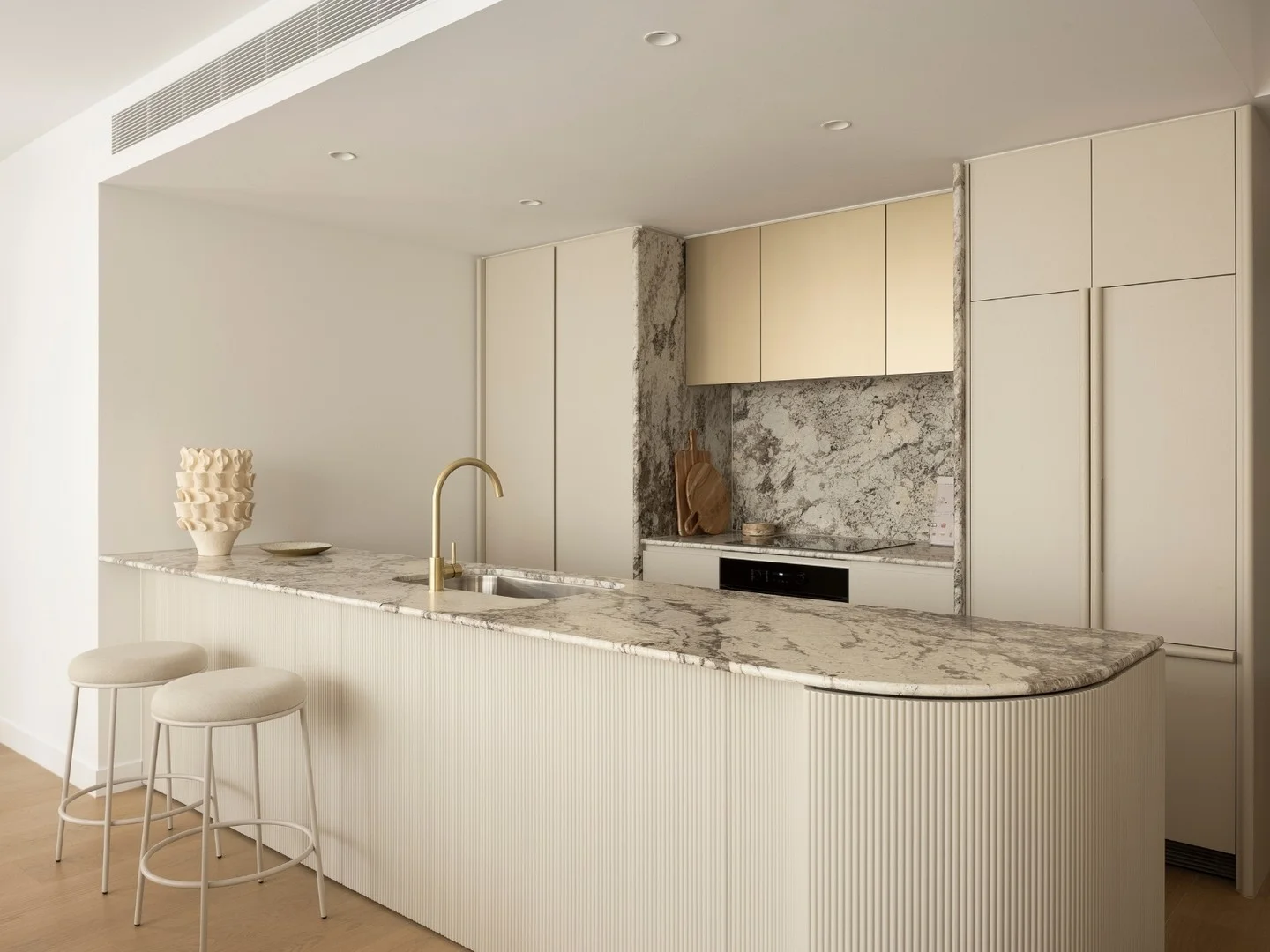 $1,345,000
Apartment / Unit / Flat
$1,345,000
Apartment / Unit / Flat
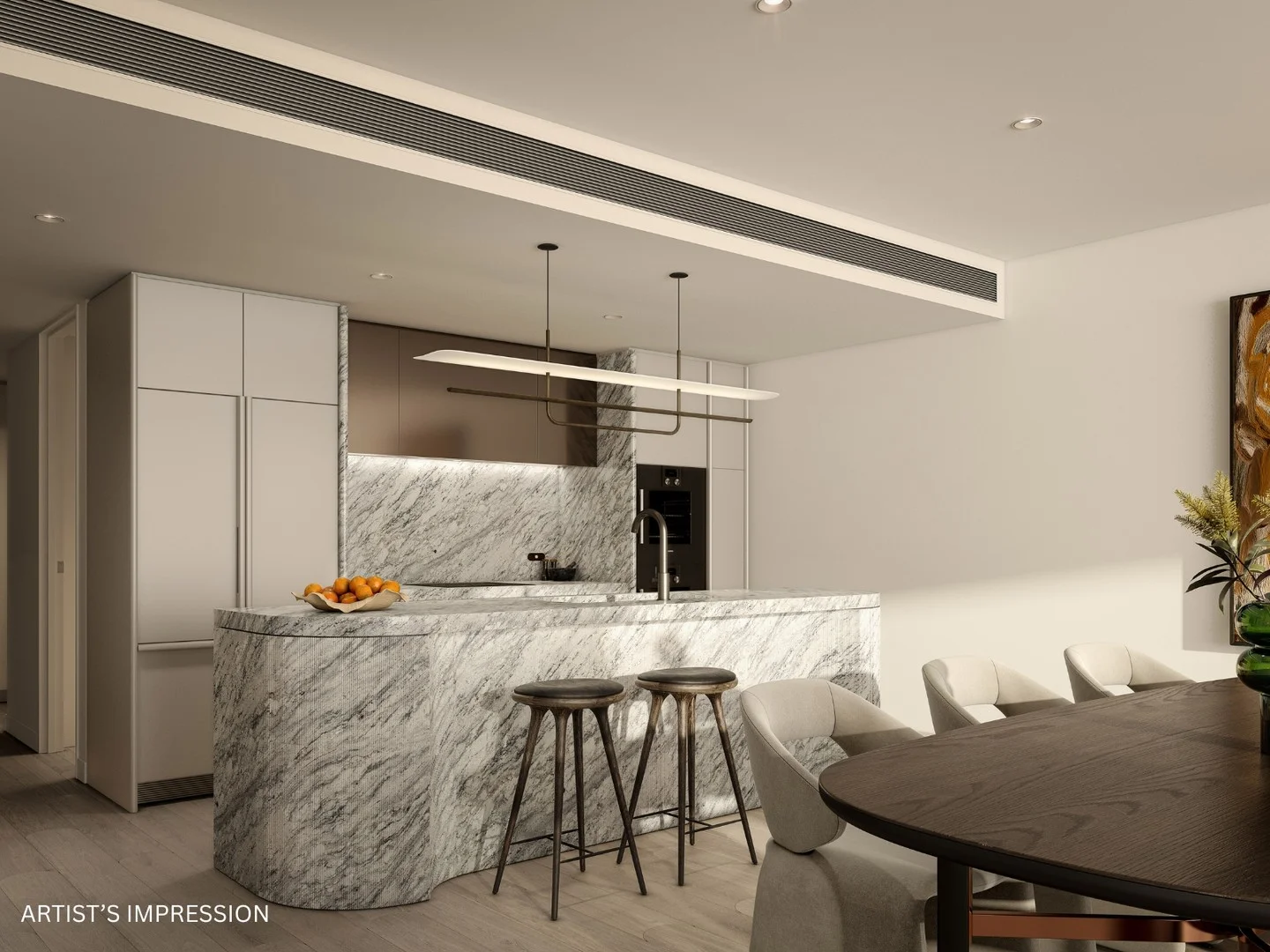 $2,900,000
Apartment / Unit / Flat
$2,900,000
Apartment / Unit / Flat
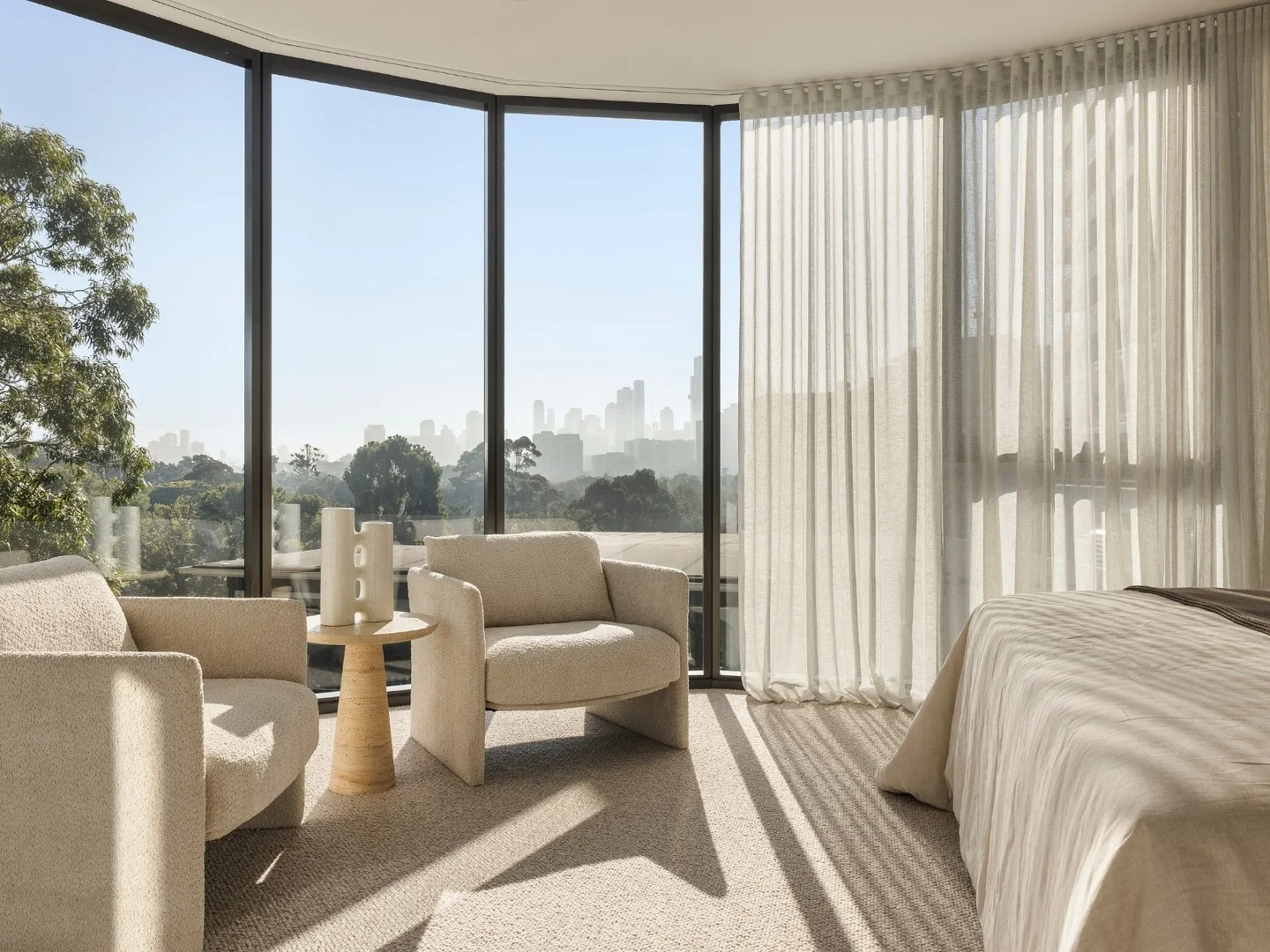 $2,750,000
Apartment / Unit / Flat
$2,750,000
Apartment / Unit / Flat
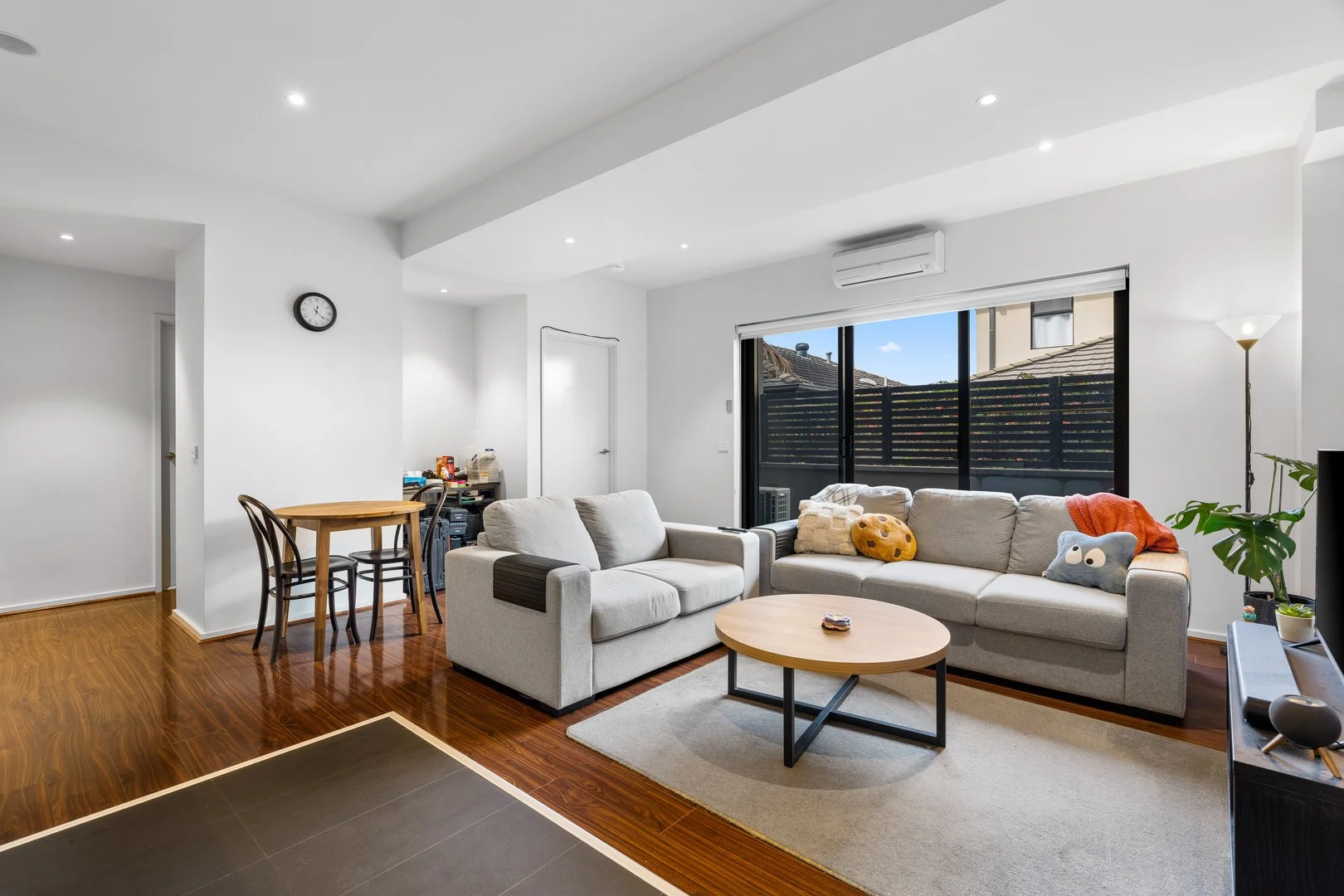 $385,000 - $410,000
Apartment / Unit / Flat
$385,000 - $410,000
Apartment / Unit / Flat
 $1,770,000
propertyType.NEW APARTMENTS / OFF THE PLAN
$1,770,000
propertyType.NEW APARTMENTS / OFF THE PLAN
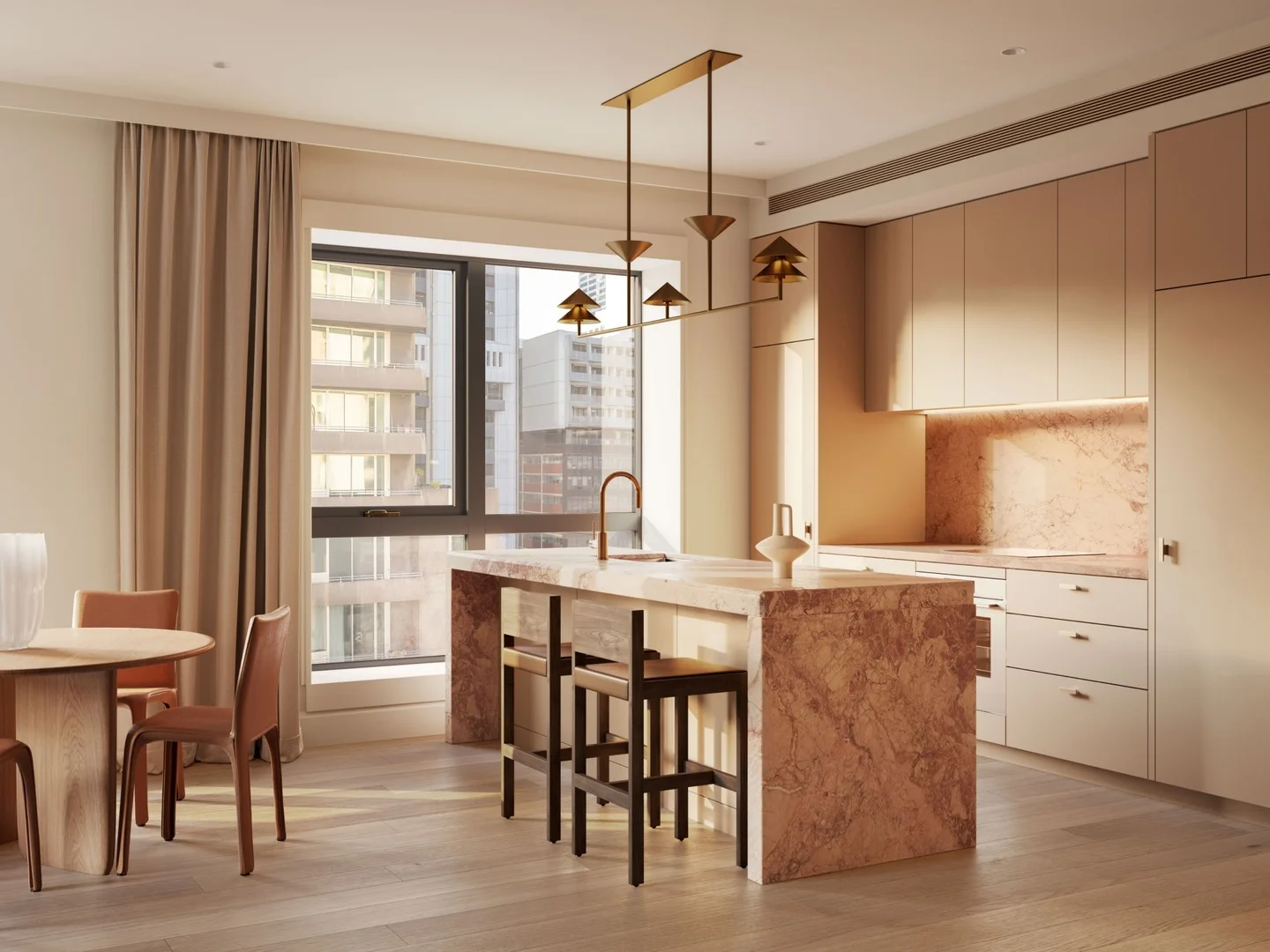 $1,760,000
propertyType.NEW APARTMENTS / OFF THE PLAN
$1,760,000
propertyType.NEW APARTMENTS / OFF THE PLAN


