Overview
## 1. Overview
Wesley College is an independent Anglican day school in Melbourne, with campuses across the city including the Elsternwick area. It offers co-educational education from Prep to Year 12, balancing strong academics with a focus on pastoral care and well-rounded development. The school is generally considered medium-sized, fostering a close-knit community where students are encouraged to pursue excellence across academics, arts, and sport.
- School type: Independent/private Anglican
- School size: Medium
- Class size: Small-to-medium classes (typically around 18–24 students)
- Atmosphere/culture: Nurturing, inclusive, academically rigorous, with a strong sports and extracurricular emphasis
---
## 2. Academics & Learning
Wesley College emphasises a comprehensive curriculum designed to develop strong foundations and leadership abilities. Students often benefit from a mix of traditional academic strengths and opportunities for enrichment.
- Academic strengths: STEM, English, languages, leadership development
- Special programs: Accelerated learning, gifted and talented pathways, student leadership opportunities
- NAPLAN / progress trends: The school focuses on ongoing literacy and numeracy development with an emphasis on continuous improvement across year levels
- Student-teacher ratios: Generally small-to-medium class sizes that support more personalised attention (roughly in the 1:12–1:16 range)
- Support for diverse learners: English as an Additional Language (EAL) and Special Educational Needs (SEN) support, with access to learning support services
---
## 3. Sports & Extracurricular Strengths
Extracurriculars are a priority, with a wide range of options that appeal to students aged 10–14 and beyond.
- Sports offered: Football (soccer), cricket, basketball, netball, tennis, athletics, swimming, and more
- Strong teams or achievements: Consistent participation and competitive representation in inter-school events
- Music, arts, drama programs: Active programs across music and performing arts, with opportunities for ensembles and productions
- Clubs: Robotics, chess, coding, debating, and other academic/clubs activities
- Partnerships: Local clubs, academies, and inter-school competitions to extend opportunities beyond the classroom
---
## 4. Wellbeing & Pastoral Care
Wellbeing and pastoral care are central to daily life at Wesley College, helping students feel secure and supported.
- Anti-bullying approach: Proactive, with clear policies and student education around respectful behaviour
- House system: A house-based structure with regular inter-house events and support networks
- Counsellors / wellbeing officers: On-site wellbeing staff and access to counselling services
- Transition support: Orientation programs for new students and international or transfer students to ease transitions
---
## 5. Facilities
Facilities are a key strength for parents seeking modern, well-equipped learning environments.
- Sports grounds
- Libraries
- Science labs
- Music / performing arts centers
- Tech / innovation labs
- Cafeteria
- Updated playgrounds
---
## 6. School Values & Community Culture
Parents want to know the character of the school and its community. Wesley College emphasises values-driven learning and inclusive community culture.
- School values / mission: Anglican ethos with a focus on leadership, service, integrity, and respect
- Leadership style: Pastoral and collaborative, with student voice and leadership opportunities
- Behaviour expectations: Clear behavioural standards aligned with school values
- Community reputation: Recognised for a supportive, respectful school environment with active community engagement
- Diversity & inclusion: Commitment to diversity and inclusive practices across student life
---
## 7. School Logistics & Daily Operations
Practical daily details help families plan around schooling.
- School hours: Typical school day structure with morning, afternoon sessions and compulsory activities
- Before/after school care: Availability of care options or wrap-around programs
- Uniform requirements: Standard school uniform policy
- Transport: Information on bus routes or public transport access (train/bus options serving the area)
- Canteen availability: On-site canteen or food service options
- Fees: In the high-cost/upper-mid range typical of private independent schools
---
## 8. Enrolment & Admissions
11. What is the enrolment process and timeline?
- Parents typically start with an enquiry, submit an application, and fund any applicable application fees. The process usually includes submissions of academic records, references, and documentation, followed by interviews or assessments where required. Timelines vary by intake year and campus.
12. Is there a waiting list, and how does it work?
- Private independent schools often manage a waiting list. In-demand year levels may have priority or phased intake, with families kept informed about their place in the queue and expected timelines.
13. Are there any entry requirements, tests, or interviews?
- Entry often involves an application, review of prior academic work, and interviews. Some cohorts may require assessments or tests to determine suitability for the program and year level.
14. Does the school accept mid-year transfers?
- Mid-year transfers are sometimes possible, subject to space in the year level and completion of the school’s transfer process and documentation.
---
## 9. Frequently Asked Questions
- Why Parents Choose This School?
- A supportive, values-based environment with strong academics, wellbeing support, and diverse enrichment opportunities.
- What type of student thrives at this school?
- Students who are curious, resilient, and engaged learners who value community, leadership, and well-rounded development.
- What opportunities are available for students to extend their skills (academics, sports, arts)?
- Enrichment programs in STEM, languages, arts, leadership pathways, sports teams, music ensembles, drama, robotics, coding, debating, and more.
- How does the school communicate with parents?
- Regular emails, newsletters, parent portals, and meetings; proactive updates on student progress and school events.
- What is the school’s approach to teaching and learning?
- Student-centered, curriculum-aligned with opportunities for inquiry-based learning, collaboration, and critical thinking.
- How does the school support students who need extra academic help?
- Access to learning support, EAL and SEN services, and targeted interventions as needed.
- What support is available for academic challenges?
- Individual or small-group support plans, tutoring options, and coordination with teachers and specialists.
- How does the school communicate with parents?
- See above: multiple channels for ongoing updates and student progress.
- What are the class sizes and how much individual attention do students receive?
- Class sizes are typically small-to-medium, designed to allow more teacher attention and tailored feedback.
- What extracurricular and sports opportunities are available?
- A broad range of clubs, sports teams, music and arts programs, robotics, coding, debating, and inter-school competitions.
- What facilities does the school offer (sports, science, arts)?
- Comprehensive facilities including sports grounds, modern libraries, science labs, performing arts centers, tech/innovation labs, and on-site canteen.
- What is the school’s approach to technology and digital learning?
- Emphasis on digital literacy, integrated use of technology in learning, and often BYOD or school-provided devices as part of the curriculum.
- What transport and accessibility options are available?
- Access to local bus/train routes and school transport arrangements; information typically provided by the school.
- What are the typical school fees or additional costs?
- Fees fall in the higher range typical of private independent schools; additional costs may include uniforms, excursions, and activities.
---
## 10. Short Pros & Cons
- Pros
- Independent Anglican environment with a broad curriculum
- Strong focus on academics, wellbeing, and leadership
- Wide range of extracurriculars (sport, arts, robotics, debating)
- Supportive pastoral care and transition programs
- Modern facilities across key learning areas
- Cons
- Tuition costs are higher than many public options
- Competitive entry in some year levels may require timely application
- Commute considerations for families living farther from the Elsternwick area











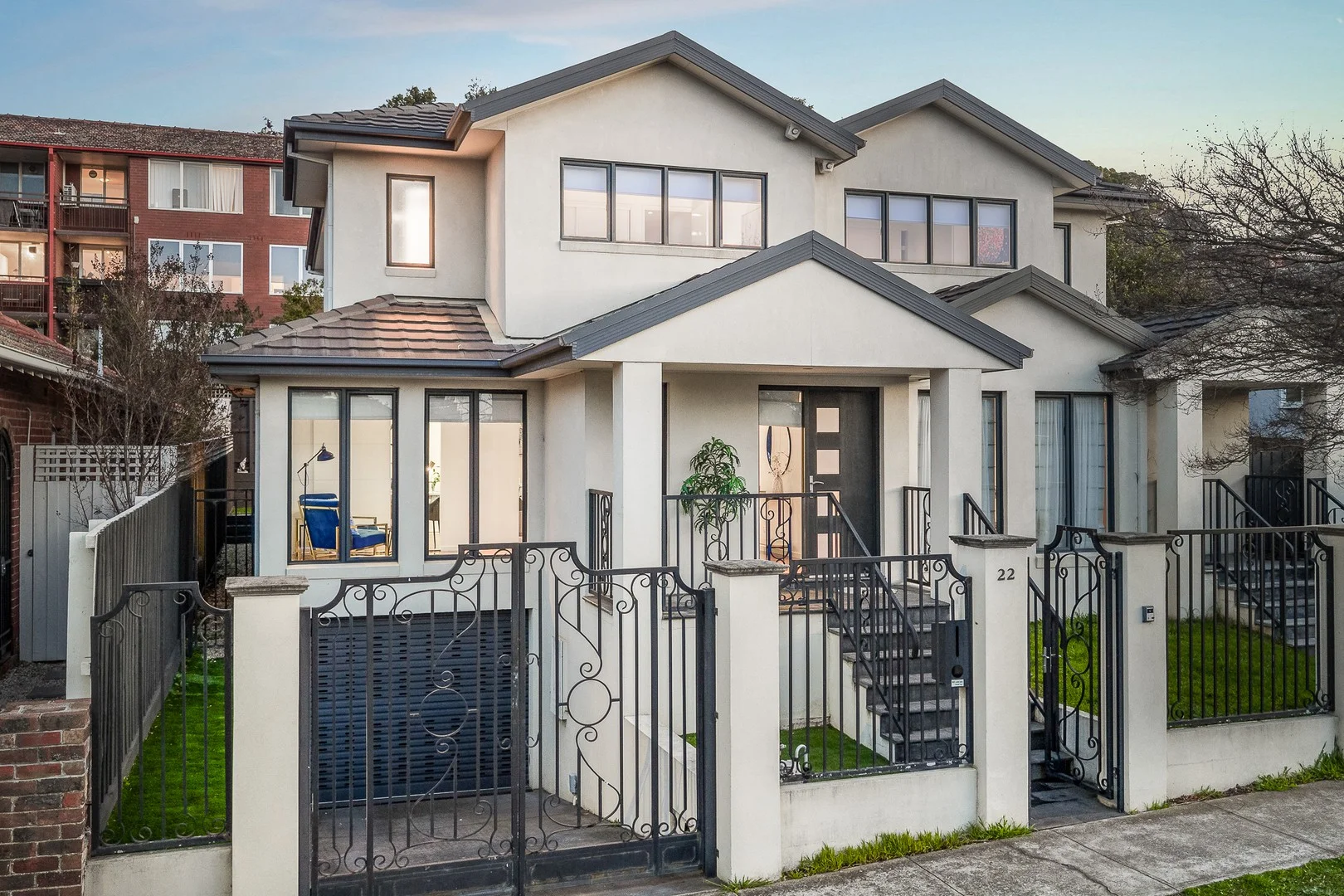 $2,390,000
Townhouse
$2,390,000
Townhouse
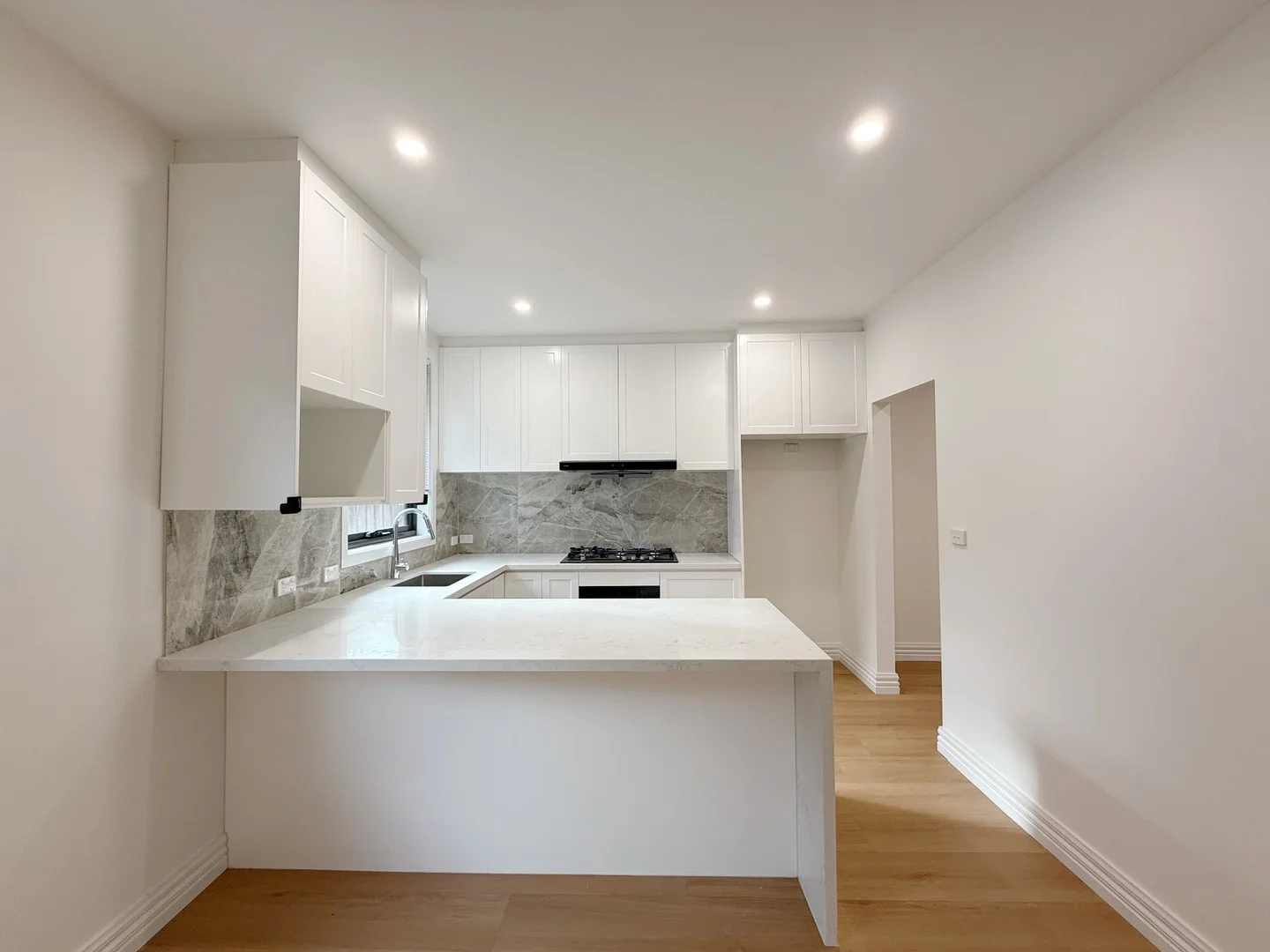 $1,280
House
$1,280
House
 $2,900,000
Apartment / Unit / Flat
$2,900,000
Apartment / Unit / Flat
 $1,640,000
Apartment / Unit / Flat
$1,640,000
Apartment / Unit / Flat
 $1,345,000
Apartment / Unit / Flat
$1,345,000
Apartment / Unit / Flat
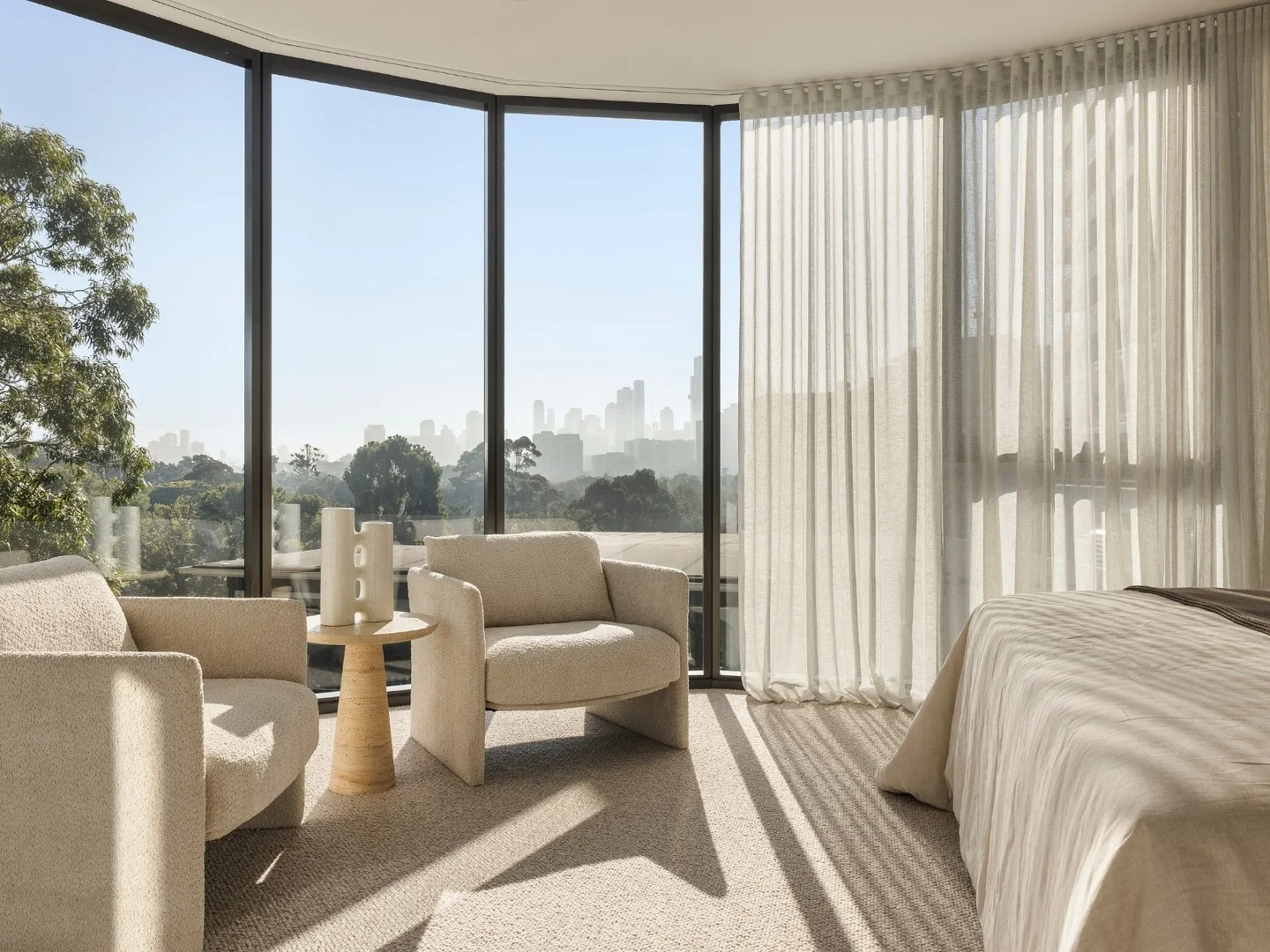 $2,750,000
Apartment / Unit / Flat
$2,750,000
Apartment / Unit / Flat
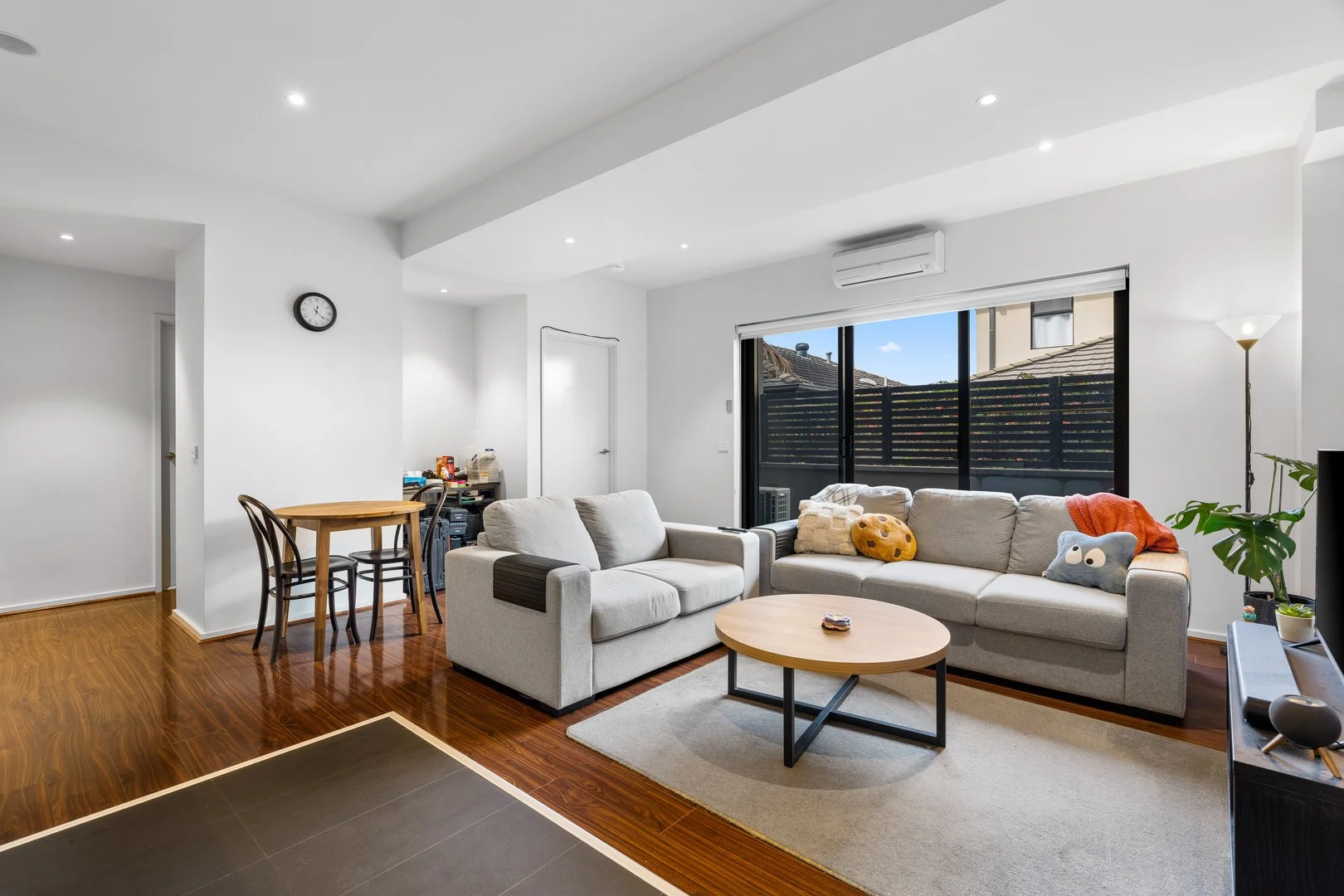 $385,000 - $410,000
Apartment / Unit / Flat
$385,000 - $410,000
Apartment / Unit / Flat
 $1,760,000
propertyType.NEW APARTMENTS / OFF THE PLAN
$1,760,000
propertyType.NEW APARTMENTS / OFF THE PLAN
 $820,000
propertyType.NEW APARTMENTS / OFF THE PLAN
$820,000
propertyType.NEW APARTMENTS / OFF THE PLAN