## 1. Overview
Lindfield Montessori Preschool is a private, independent Montessori preschool serving families in West Lindfield, NSW. The setting is small and close-knit, with mixed-age classrooms that emphasize hands-on learning, independence, and meaningful engagement with materials. The atmosphere is nurturing and inclusive, focusing on the development of the whole child—social, emotional, and academic—within a calm, respectful community.
- School type: private/independent Montessori
- School size: small
- Class size: typically 8–16 per group (mixed ages)
- Atmosphere/culture: nurturing, inclusive, hands-on, community-focused
---
## 2. Academics & Learning
Lindfield Montessori Preschool centers learning on the Montessori prepared environment, offering materials and activities that promote early literacy, numeracy, practical life skills, and language development. Children explore at their own pace, guided by trained staff who tailor learning to individual development stages.
- Academic strengths: early literacy and numeracy through Montessori materials; language development; practical life and independence skills
- Special programs: Montessori approach; transition-to-school readiness activities; emphasis on self-directed, concrete learning
- NAPLAN / Ofsted trends: not applicable for preschool; progress is typically tracked through regular teacher observations and family communications
- Student-teacher ratios: generally around 1:6–1:10, varying by age group
- Support for diverse learners: inclusive environment; EAL and SEN supports where available; individual planning and targeted support as needed
---
## 3. Sports & Extracurricular Strengths
Preschool-focused activities emphasize movement, coordination, and creative expression rather than competitive sports. The program supports physical development through daily outdoor play and structured movement sessions, with opportunities for music, art, and basic coding or robotics activities appropriate for early learners.
- Sports offered: daily outdoor play, gross motor activities; age-appropriate physical development
- Strong teams or achievements: not applicable at the preschool level; emphasis is on individual growth and social skills
- Music, arts, drama programs: regular music and movement, art exploration; performance experiences aligned with program themes
- Clubs: age-appropriate activities such as basic coding, robotics, or storytelling circles may be offered through after-school partners or later-stage programs
- Partnerships: local community activities and partnerships that support enrichment (e.g., visiting performers, local clubs)
---
## 4. Wellbeing & Pastoral Care
Wellbeing and social-emotional development are central to the Montessori approach, with routines that foster respectful relationships and a positive classroom climate.
- Anti-bullying approach: proactive, relationship-based learning; emphasis on empathy, conflict resolution, and respectful communication
- House system: not typically used in Montessori preschool; community is built through daily collaboration and mixed-age interactions
- Counsellors / wellbeing officers: wellbeing is integrated into daily practice; access to external support or school counselor where available
- Transition support for new students: gradual entry, orientation visits, buddy systems, and ongoing communication with families to ease transitions
---
## 5. Facilities
The facilities are designed to support a Montessori environment with inviting, well-organised spaces.
- Sports grounds/outdoor play areas
- Libraries or reading corners
- Science stations or exploration corners
- Music / performing arts spaces
- Tech / innovation corners appropriate for early learners
- Cafeteria or snack area
- Updated playgrounds and safe outdoor spaces
---
## 6. School Values & Community Culture
Parents look for a school whose values align with their family’s ideals. Lindfield Montessori Preschool emphasises respect, curiosity, independence, and kindness, integrated into everyday interactions and routines.
- School values / mission: independence, respect, curiosity, empathy
- Leadership style: teacher-guided, evidence-based facilitation; students are encouraged to lead within appropriate boundaries
- Behaviour expectations: respectful, responsible, kind, cooperative; positive discipline and predictable routines
- Community reputation: a supportive, family-oriented preschool community with emphasis on partnership between staff and families
- Diversity & inclusion: welcoming to families from diverse backgrounds; inclusive practices in daily activities
---
## 7. School Logistics & Daily Operations
Practical details help families plan around school days and routines.
- School hours: typically morning to mid-afternoon, with variations by term and program
- Before/after school care: often available as wrap-around care or through partnerships with local providers
- Uniform requirements: usually minimal or optional; comfortable, practical clothing is common
- Transport: accessible by local transport; proximity to bus services or train routes; car drop-off/pick-up arrangements
- Canteen availability: snack provisions may be offered; check specific hours and offerings
- Fees: private preschool fees; ranges vary by program and services; contact the school for current rates
---
## 8. Enrolment & Admissions
11. What is the enrolment process and timeline?
- Generally, prospective families inquire, arrange a tour or information session, submit an application form with required documents, and complete any age or program-specific eligibility checks. Once an application is reviewed, families are advised on next steps and potential timelines for placement.
12. Is there a waiting list, and how does it work?
- Waiting lists are common for private Montessori preschools. Applications are usually placed on a waiting list with estimated timelines; early applications can improve placement chances. The school will confirm position and any applicable fees when a placement becomes available.
13. Are there any entry requirements, tests, or interviews?
- Entry typically requires age eligibility and completion of an application. Some programs may include a short observational or interview component to understand the child’s needs and readiness, but formal testing is rare for preschool entry.
14. Does the school accept mid-year transfers?
- Mid-year transfers may be possible if there is available space, subject to approval by the school and alignment with program start dates. Families should contact the admissions team as early as possible to explore options.
---
## 9. Frequently Asked Questions
- Why Parents Choose This School?
- Parents choose Montessori for its emphasis on independence, hands-on learning, and a nurturing environment that supports social-emotional development.
- What type of student thrives at this school?
- Curious, engaged learners who enjoy hands-on activities, who are motivated to work at their own pace, and who benefit from mixed-age peer interaction.
- What opportunities are available for students to extend their skills (academics, sports, arts)?
- Early literacy and numeracy through concrete materials; language development; music and art experiences; movement-based activities; and age-appropriate exposure to basic coding or robotics through after-school partnerships.
- How does the school communicate with parents?
- Through regular updates, parent-teacher conversations, newsletters, and possibly an online portal or app for documenting learning progress and events.
- What is the school’s approach to teaching and learning?
- A Montessori approach that emphasises self-directed exploration within a prepared environment, guided by trained educators who support individual development and autonomy.
- How does the school support students who need extra academic help?
- Small-group support and individualized planning within the classroom; collaboration with families to set goals and monitor progress.
- What support is available for academic challenges?
- Individual or small-group support plans, targeted activities, and referrals to external specialists if needed, following the school’s inclusive education practices.
- How does the school communicate with parents? (duplicate question)
- See above: regular updates, conferences, newsletters, and accessible channels for ongoing dialogue.
- What are the class sizes and how much individual attention do students receive?
- Class sizes are small (roughly 8–16 students per group), with staff ratios designed to allow meaningful individual attention and tailored guidance.
- What extracurricular and sports opportunities are available?
- Age-appropriate physical activities and enrichment options, plus occasional clubs or activities through partnerships or after-school programs.
- What facilities does the school offer (sports, science, arts)?
- Outdoor play areas, libraries or reading spaces, science/learning corners, music/arts spaces, and simple technology or innovation areas suitable for early learners.
- What is the school’s approach to technology and digital learning?
- Technology is used in a developmentally appropriate way, often integrated with hands-on learning and guided by staff to support digital literacy without overwhelming the concrete Montessori curriculum.
- What transport and accessibility options are available?
- Access to public transport options nearby; convenient car drop-off/pick-up arrangements; information on accessibility can be obtained from the admissions team.
- What are the typical school fees or additional costs?
- Fees exist for private preschool programs and may vary by age group and services. Current rates are provided by the school upon inquiry.
---
## 10. Short Pros & Cons list
- Pros
- Small class sizes and individualized attention
- Montessori prepared environment that promotes independence and self-directed learning
- Nurturing, inclusive community with strong emphasis on social-emotional development
- Structured daily routines that support consistency and security
- Transitional readiness for primary school with age-appropriate activities
- Cons
- Private preschool fees; can be higher than public options
- Montessori approach may require families to align with its philosophy and approach
- Limited emphasis on traditional competitive sports; sports opportunities may be less intensive than some broader independent programs
- Availability of after-school care or certain enrichment clubs may depend on partnerships and space








 $1,525,000
Apartment / Unit / Flat
$1,525,000
Apartment / Unit / Flat
 $36,000,000 - $39,500,000
Vacant Land
$36,000,000 - $39,500,000
Vacant Land
 $2,824,000
Apartment / Unit / Flat
$2,824,000
Apartment / Unit / Flat
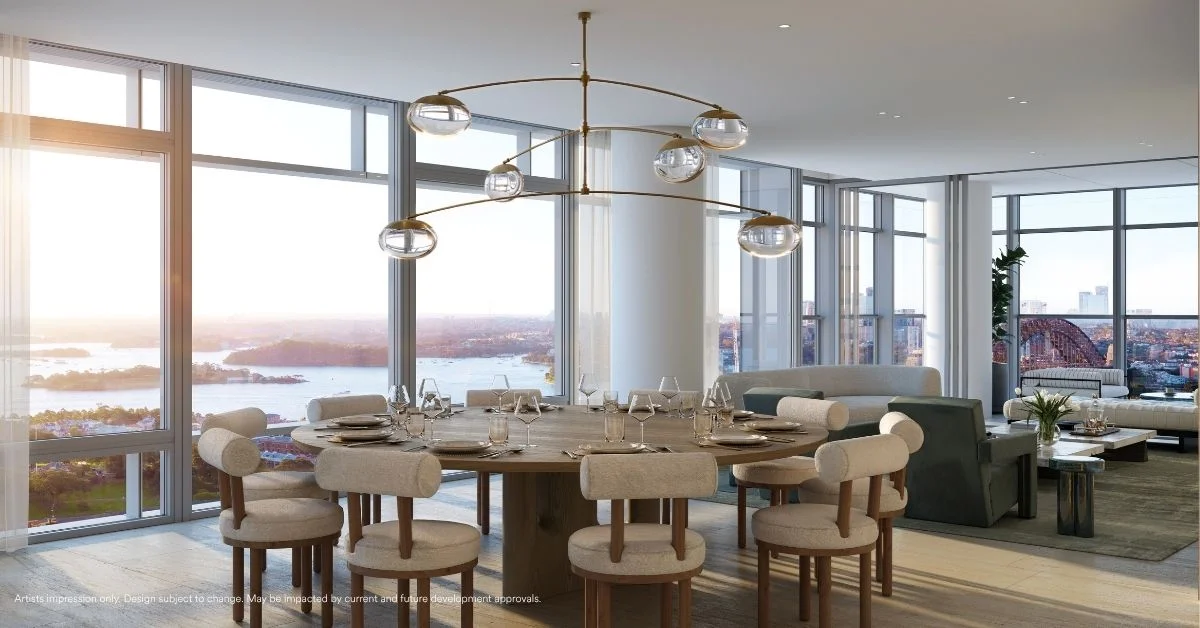 $26,550,000
propertyType.NEW APARTMENTS / OFF THE PLAN
$26,550,000
propertyType.NEW APARTMENTS / OFF THE PLAN
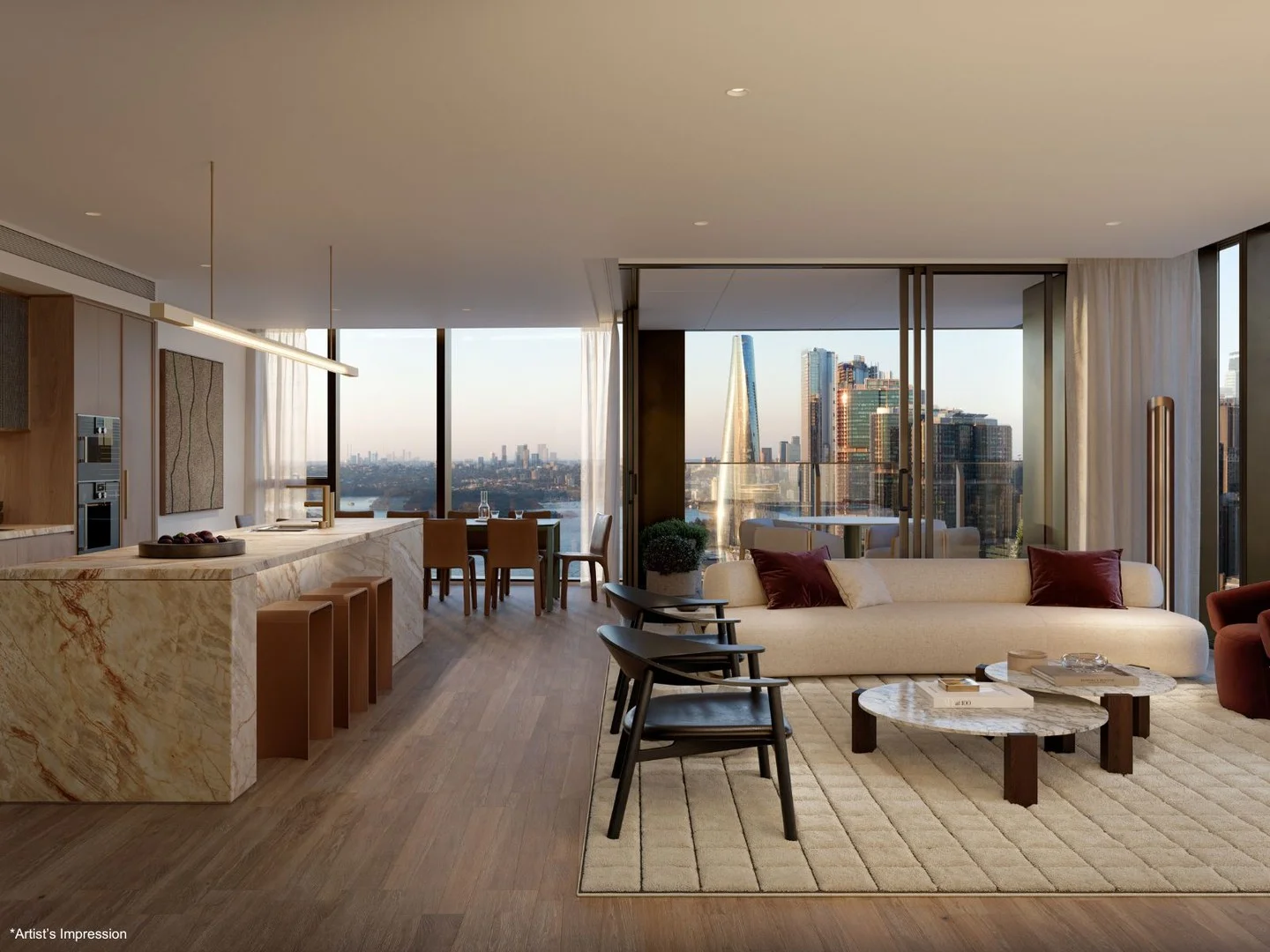 $12,980,000
propertyType.NEW APARTMENTS / OFF THE PLAN
$12,980,000
propertyType.NEW APARTMENTS / OFF THE PLAN
 $8,630,000
propertyType.NEW APARTMENTS / OFF THE PLAN
$8,630,000
propertyType.NEW APARTMENTS / OFF THE PLAN
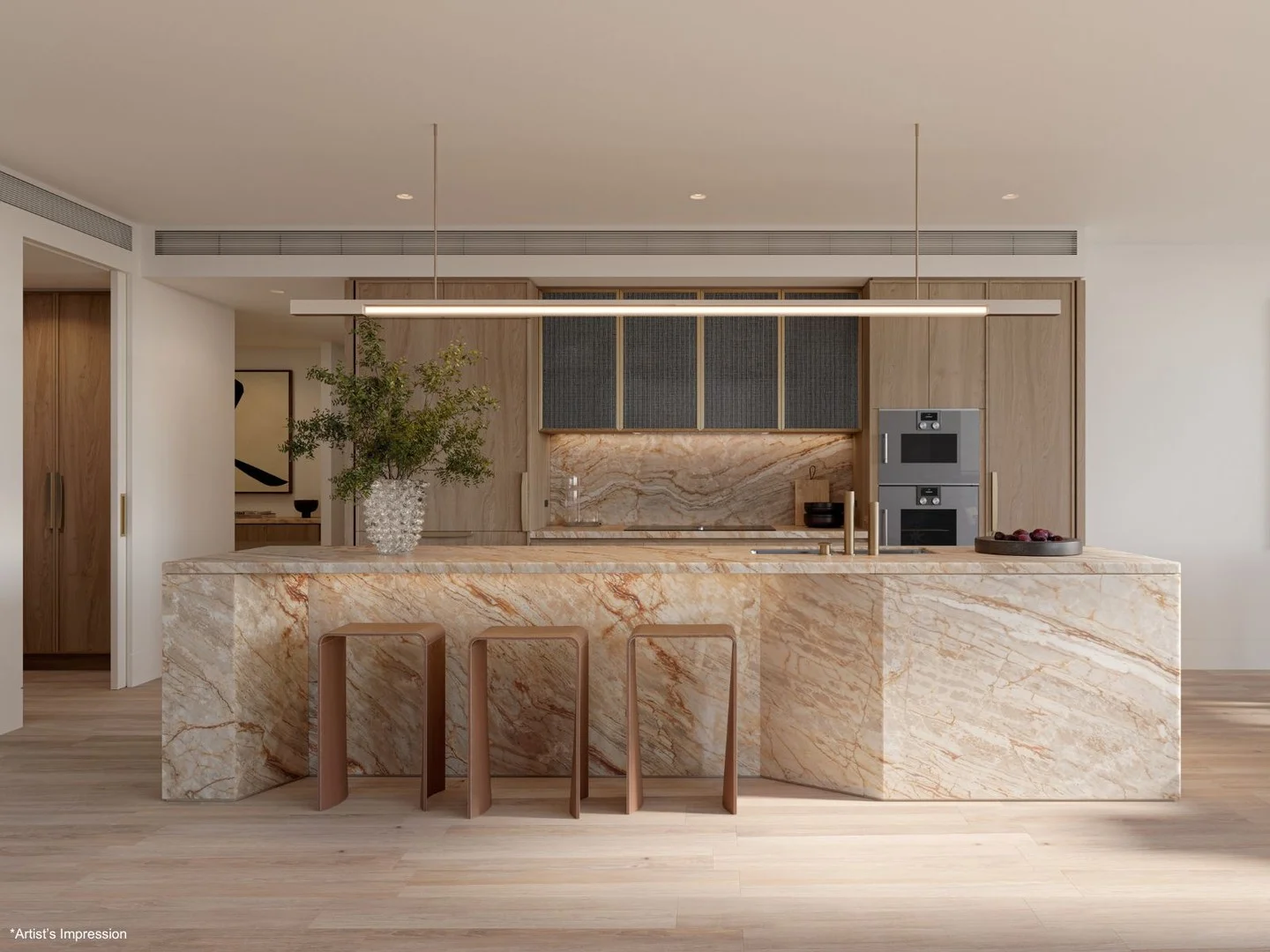 $6,225,000
propertyType.NEW APARTMENTS / OFF THE PLAN
$6,225,000
propertyType.NEW APARTMENTS / OFF THE PLAN
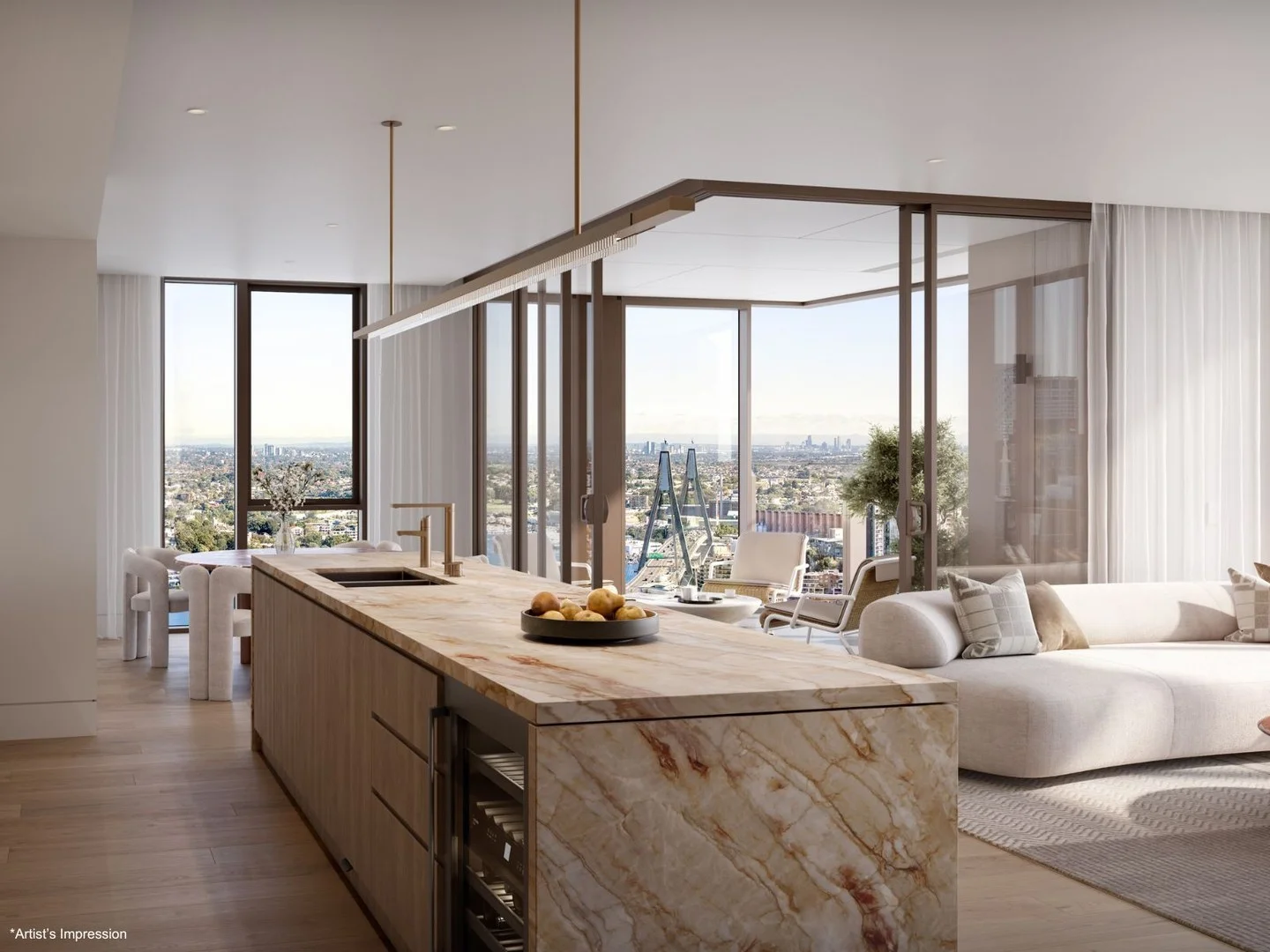 $9,020,000
propertyType.NEW APARTMENTS / OFF THE PLAN
$9,020,000
propertyType.NEW APARTMENTS / OFF THE PLAN
 $2,745,000
propertyType.NEW APARTMENTS / OFF THE PLAN
$2,745,000
propertyType.NEW APARTMENTS / OFF THE PLAN


