## Overview
Highfields School Lindfield is a public NSW Department of Education school serving families in the Lindfield area. The school aims to foster a supportive and inclusive learning community where students develop not only core academic skills but also resilience, collaboration and character.
The school is medium-sized with class sizes typically in the low-to-mid 20s. The atmosphere emphasises a nurturing, respectful culture that values student well-being, curiosity and a strong sense of belonging. Students are encouraged to participate in a range of activities, supporting both academic achievement and holistic development.
## Academics & Learning
- Academic strengths: English and Mathematics underpin learning across all year groups, with solid programs in STEM and language studies (including elective language options where offered). There are opportunities to explore leadership, research and inquiry-based learning across key subjects.
- Special programs: Gifted and Talented or acceleration pathways are available where appropriate, along with enrichment activities and participation in school-wide leadership opportunities.
- NAPLAN trends: Longitudinal patterns show steady improvements in reading and numeracy across years, with consistent performance in writing and grammar/usage as students progress.
- Student-teacher ratios: Typical ratios are around 1:18 to 1:24, helping to support access to teachers and timely feedback.
- Support for diverse learners: Strong focus on inclusive education, with EAL (English as an Additional Language) support and targeted SEN (Special Educational Needs) assistance as required. Early intervention and targeted support are available to help students meet their learning goals.
## Sports & Extracurricular Strengths
- Sports offered: A range of team and individual sports, including soccer, basketball, netball, cricket, rugby (where appropriate), athletics and swimming. Sports programs emphasise participation, skill development and teamwork.
- Strong teams or achievements: The school participates in local and district competitions and has teams that regularly perform well in inter-school events.
- Music, arts, drama programs: Active music and performing arts programs, including choir, instrumental groups and school productions. Arts activities are encouraged as part of a balanced curriculum.
- Clubs: Robotics, coding, chess and debating are commonly available, with opportunities to enter regional contests and showcases.
- Partnerships: Relationships with local clubs, community organisations and regional competitions provide additional development avenues and pathways for students.
## Wellbeing & Pastoral Care
- Anti-bullying approach: Whole-school anti-bullying programs, restorative practices and clear reporting pathways support a respectful environment.
- House system: A house-style framework helps foster belonging, healthy competition and peer mentoring.
- Counsellors / wellbeing officers: Access to school counselors and wellbeing staff to support social-emotional learning, stress management and personal development.
- Transition support for new students: Welcome programs, orientation activities and peer-mentoring assist new students adjusting to the school routine and culture.
## Facilities
- Sports grounds: On-site outdoor spaces suitable for physical education and inter-school events.
- Libraries: Well-equipped libraries with a range of genres and digital resources.
- Science labs: Modern science laboratories for hands-on experiments and inquiry-based learning.
- Music/performing arts centers: Dedicated spaces for music ensembles, drama and performance activities.
- Tech/innovation labs: Makerspaces or ICT facilities to support coding, digital media and design projects.
- Cafeteria: On-site canteen or cafeteria serving a range of healthy options.
- Updated playgrounds: Modern, safe play areas and recreation spaces for breaks and activities.
## School Values & Community Culture
- School values / mission: Emphasis on respect, integrity, curiosity, resilience and inclusion. The mission supports both academic growth and character development.
- Leadership style: Student-centered and collaborative, with opportunities for student voice in committees and leadership roles.
- Behaviour expectations: Clear code of conduct emphasizing respectful behaviour, responsibility and personal accountability.
- Community reputation: Known for a caring, community-minded culture with strong family engagement and open communication.
- Diversity & inclusion: Commitment to welcoming diverse families and supporting inclusive practices across learning, social events and school life.
## School Logistics & Daily Operations
- School hours: Typically follows the standard public-school timetable with start and finish times published by the school each year.
- Before/after school care: Availability of before and after school care or supervised programs may be offered or facilitated through local partners.
- Uniform requirements: School uniform is required, with details provided by the school (including acceptable items and weather-appropriate guidance).
- Transport (train/bus routes): Public transport options (bus routes and nearby train stations) support student access; school may also provide information on safe travel and drop-off/pick-up zones.
- Canteen availability: On-site canteen or food services are available on most school days.
- Fees (low/medium/high ranges): Being a public school, core curriculum costs are minimal; additional costs may relate to elective activities, extracurriculars or instrument hire/lessons.
## Enrolment & Admissions
### 11. What is the enrolment process and timeline?
- Enrolment is typically handled through the NSW Department of Education and the school’s administration. Parents should check catchment eligibility and prepare required documents (proof of identity, immunisation records, proof of address, birth certificate, etc.). The timeline generally involves submitting the enrolment form by the district window date for the upcoming year, with confirmation and orientation communicated by the school. For year levels with limited places, early application is advised.
### 12. Is there a waiting list, and how does it work?
- If the school is oversubscribed, there may be a local catchment priority and an out-of-area waiting list. The school will advise on placement status, estimated wait times and any actions families can take to strengthen their application (e.g., addressing documentation or address proofs). Waiting lists can vary by year level and demand.
### 13. Are there any entry requirements, tests, or interviews?
- For most NSW public schools, standard enrolment for primary or non-selective secondary places does not require entrance tests or interviews. Some selective or specialized programs (if applicable at this school) may have different entry processes. The school will provide specific guidance about any tests, interviews or documentation needed for particular programs.
### 14. Does the school accept mid-year transfers?
- Mid-year transfers are considered based on availability and space in the requested year level. Families seeking mid-year transfer should contact the school as early as possible to confirm vacancy, understand the transfer process, and arrange necessary documentation (transcripts, immunisation records, etc.).
## Frequently Ask Questions
- Why Parents Choose This School?
- A caring, inclusive community with strong academic foundations and opportunities across sports, arts and leadership. Emphasis on well-being and positive relationships between staff, students and families.
- What type of student thrives at this school?
- Students who are curious, collaborative and motivated to grow academically while participating in a range of clubs, sports and arts. The school supports a diverse learner profile with appropriate scaffolds.
- What opportunities are available for students to extend their skills (academics, sports, arts)?
- Enrichment programs, leadership roles, gifted/talented pathways, advanced learning options, competitive sports teams, music ensembles, drama productions, robotics and coding clubs, debating and other extracurricular activities.
- How does the school communicate with parents?
- Regular newsletters, the school website, parent-teacher meetings, and digital platforms for class updates and announcements. The school aims to maintain open lines of communication with families.
- What is the school’s approach to teaching and learning?
- Focus on inquiry-based, evidence-driven teaching with a mix of direct instruction and student-led learning. Emphasis on critical thinking, collaboration and applying knowledge to real-world contexts.
- How does the school support students who need extra academic help?
- Targeted interventions, small-group support, EAL assistance, SEN services and access to counselling or wellbeing staff as needed.
- What support is available for academic challenges?
- Diagnostic assessment, tailored learning plans, additional tutoring or remediation where appropriate, and regular progress monitoring.
- How does the school communicate with parents? (Duplicate)
- See above: newsletters, meetings, and digital platforms to keep families informed.
- What are the class sizes and how much individual attention do students receive?
- Class sizes are designed to be manageable, typically in the low-to-mid 20s, with teachers able to provide feedback and individual support within the school day.
- What extracurricular and sports opportunities are available?
- A broad range of sports (team and individual), music and performing arts programs, robotics, coding, chess, debating and other clubs.
- What facilities does the school offer (sports, science, arts)?
- Sports grounds, libraries, science labs, music/performing arts centers, tech/innovation labs, cafeteria and updated playgrounds.
- What is the school’s approach to technology and digital learning?
- Integration of technology across the curriculum, with access to digital resources, computer labs or makerspaces and opportunities to engage in coding and digital projects.
- What transport and accessibility options are available?
- Information on public transport routes and school-specific guidance for safe travel and accessibility. Bus routes and nearby stations are typically publicised by the school.
- What are the typical school fees or additional costs?
- Core curriculum is funded through public education; additional costs may relate to elective activities, excursions, instrumental programs or certain clubs.
## Short Pros & Cons list
- Pros
- Inclusive, supportive culture with a focus on well-being.
- Reliable academic program with opportunities for enrichment.
- Broad range of extracurricular activities and clubs.
- Strong community links and parent engagement.
- Modern facilities and well-equipped learning spaces.
- Cons
- As a public school, some programs and resources may be subject to funding and staffing variations.
- Class sizes, while manageable, can vary by year level and activity demand.
- Availability of certain elective programs may depend on student interest and staffing in a given year.









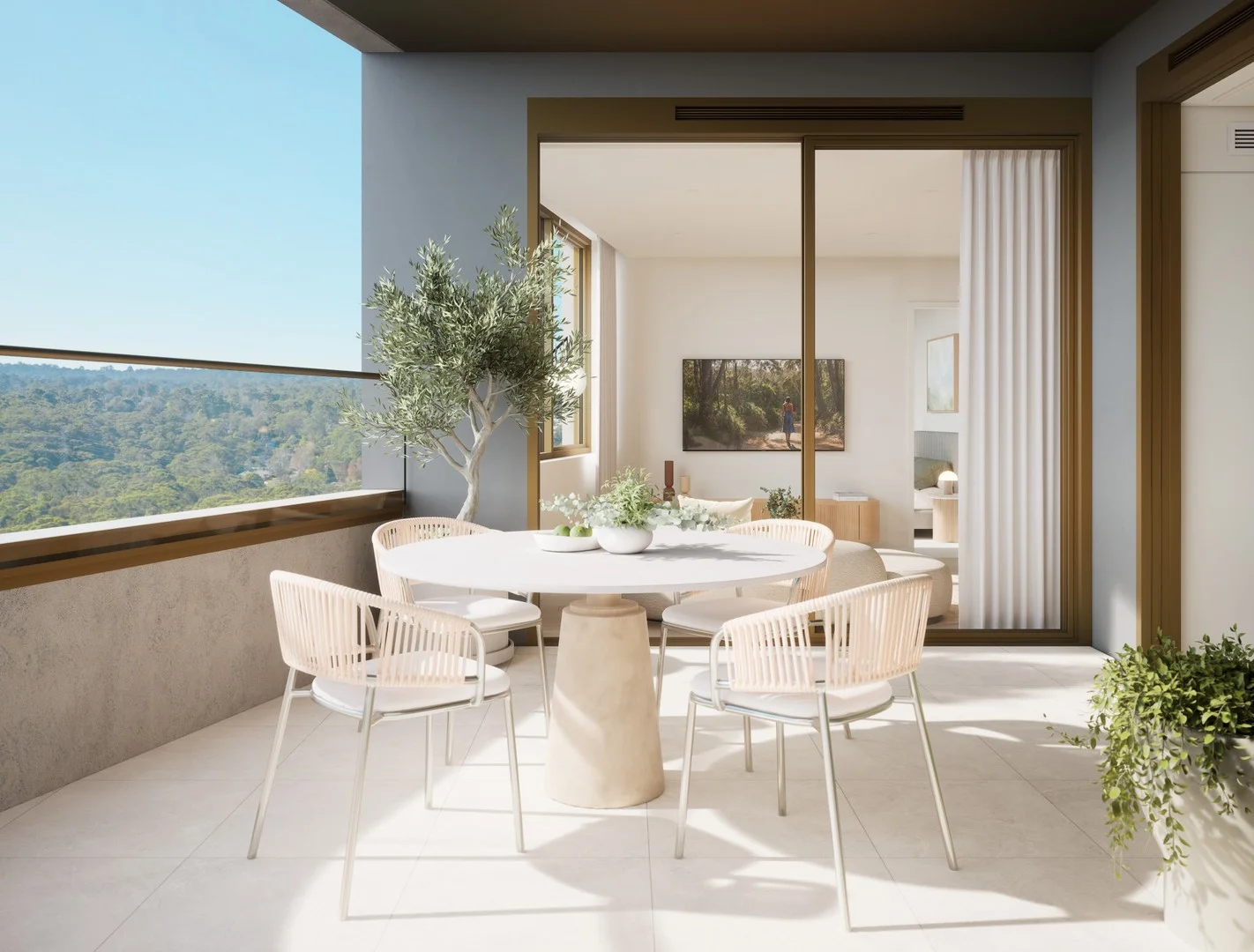 $1,525,000
Apartment / Unit / Flat
$1,525,000
Apartment / Unit / Flat
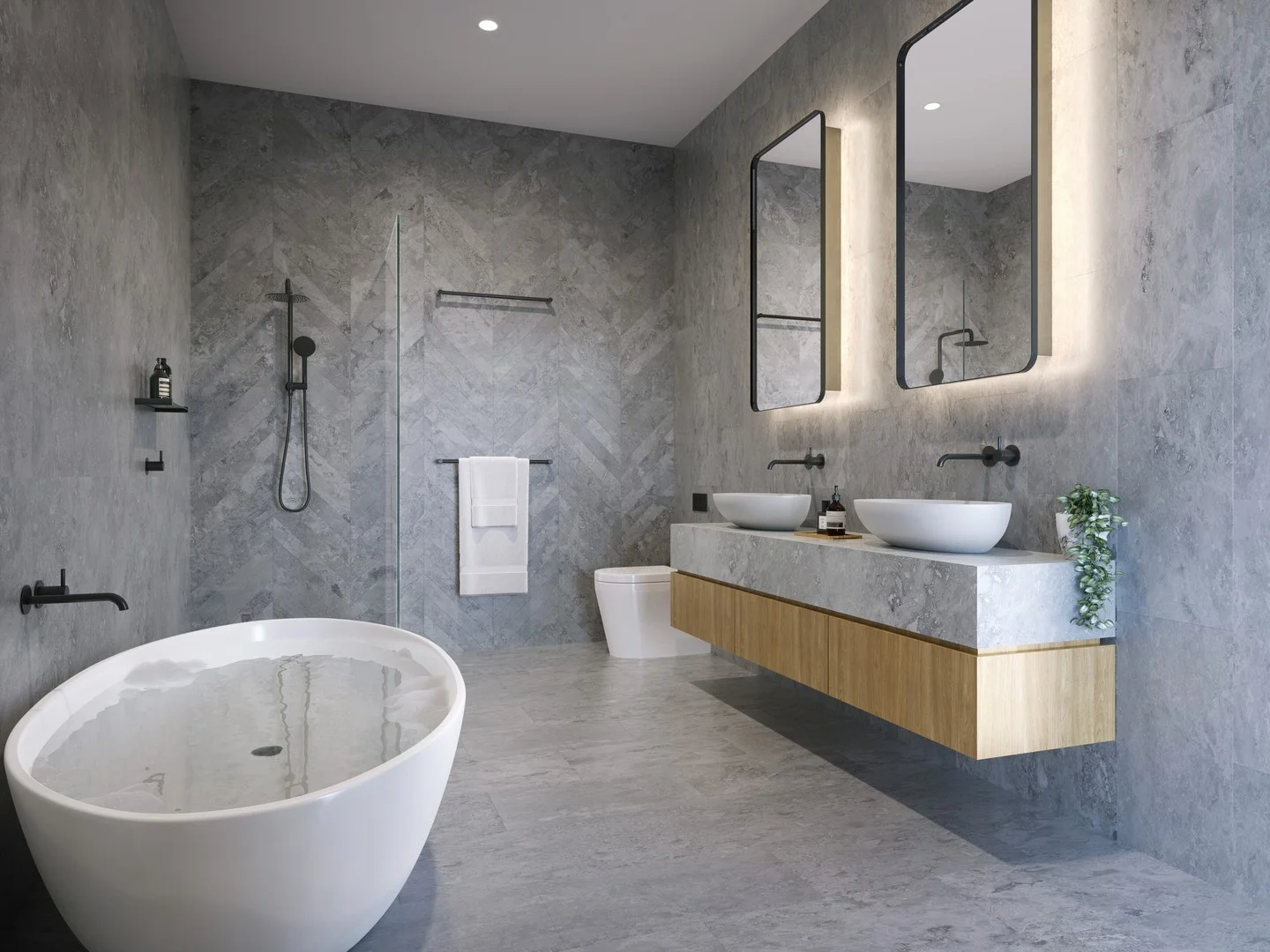 $2,824,000
Apartment / Unit / Flat
$2,824,000
Apartment / Unit / Flat
 $36,000,000 - $39,500,000
Vacant Land
$36,000,000 - $39,500,000
Vacant Land
 $26,550,000
propertyType.NEW APARTMENTS / OFF THE PLAN
$26,550,000
propertyType.NEW APARTMENTS / OFF THE PLAN
 $8,630,000
propertyType.NEW APARTMENTS / OFF THE PLAN
$8,630,000
propertyType.NEW APARTMENTS / OFF THE PLAN
 $6,225,000
propertyType.NEW APARTMENTS / OFF THE PLAN
$6,225,000
propertyType.NEW APARTMENTS / OFF THE PLAN
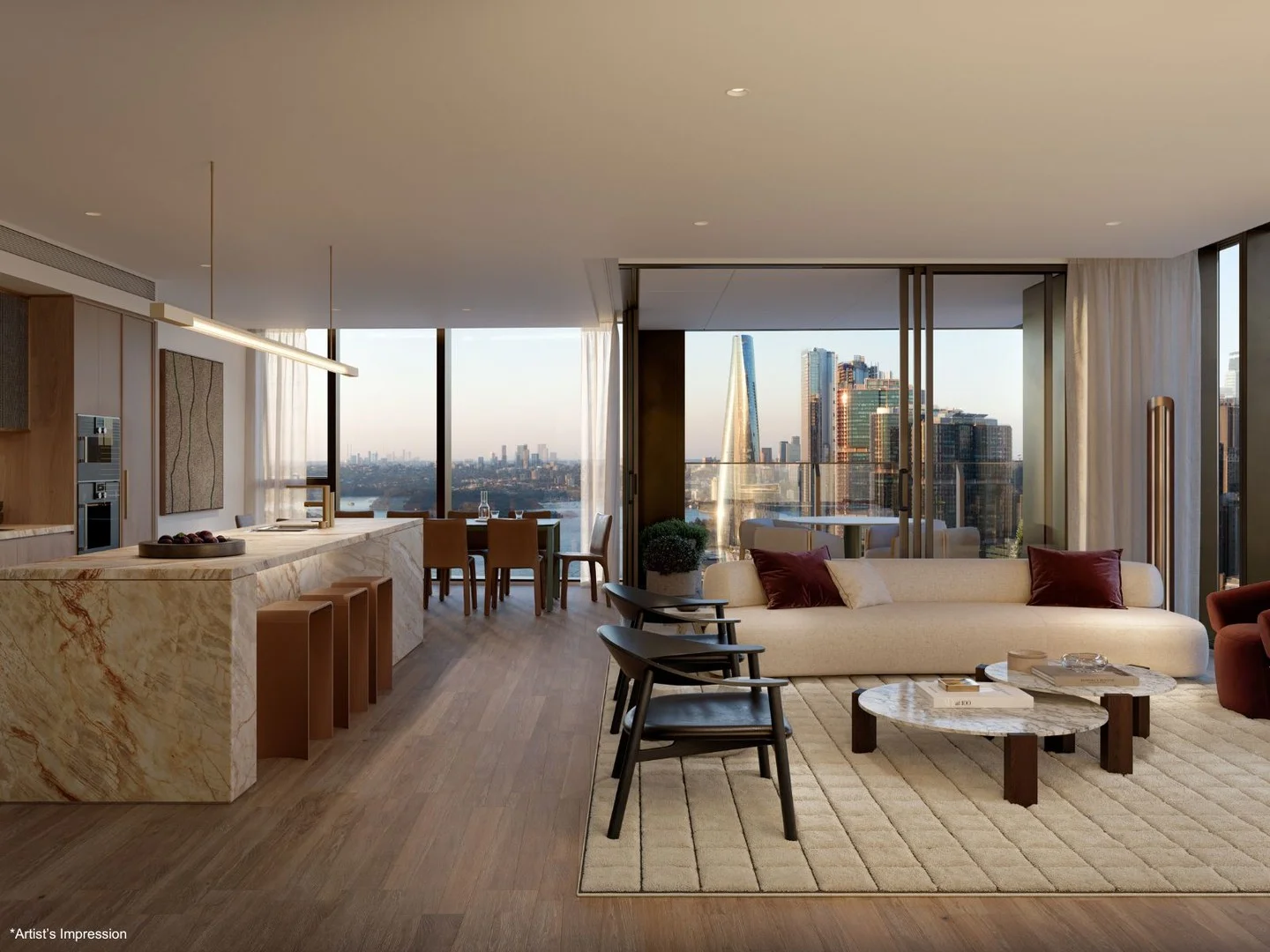 $12,980,000
propertyType.NEW APARTMENTS / OFF THE PLAN
$12,980,000
propertyType.NEW APARTMENTS / OFF THE PLAN
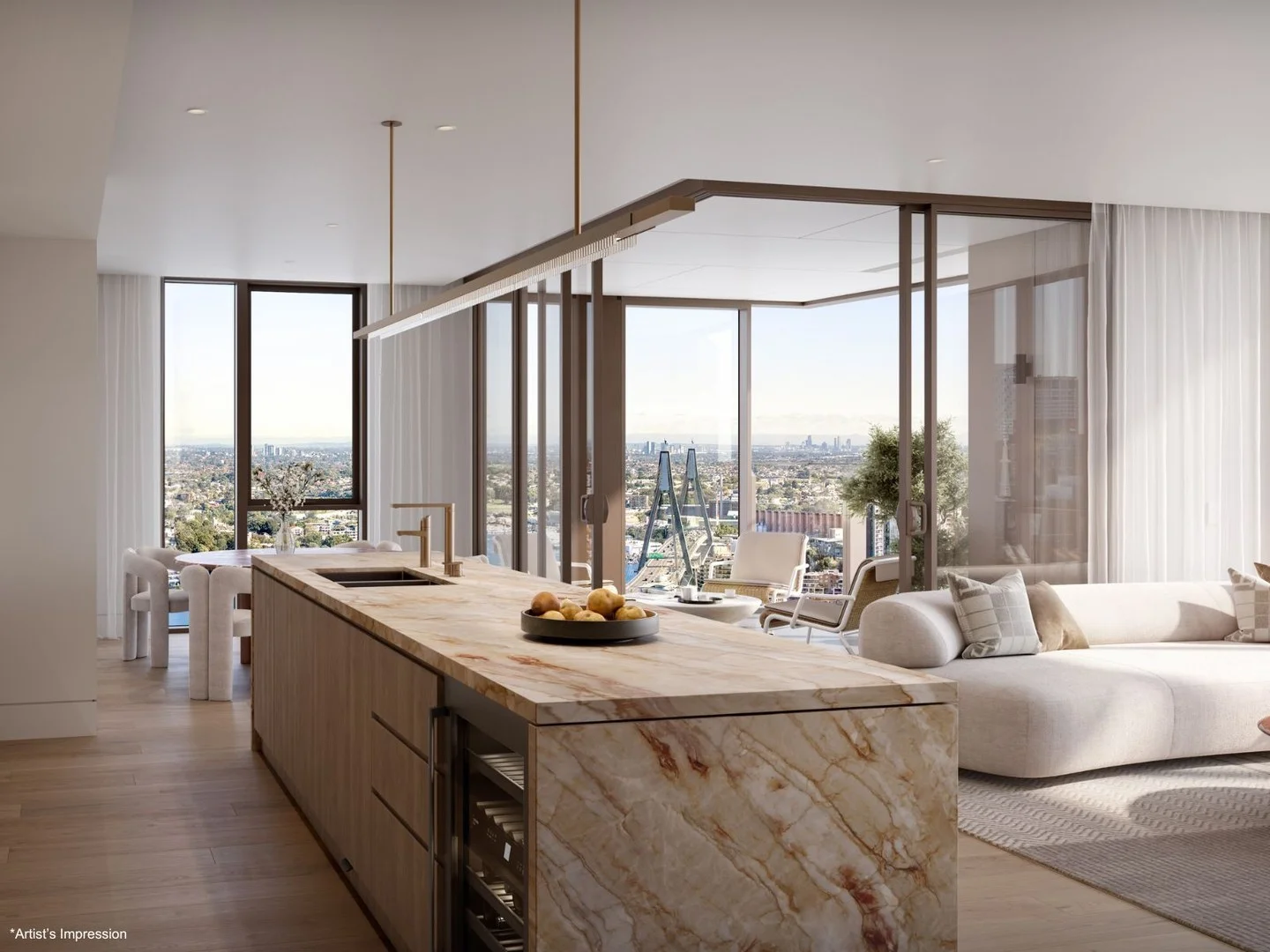 $9,020,000
propertyType.NEW APARTMENTS / OFF THE PLAN
$9,020,000
propertyType.NEW APARTMENTS / OFF THE PLAN
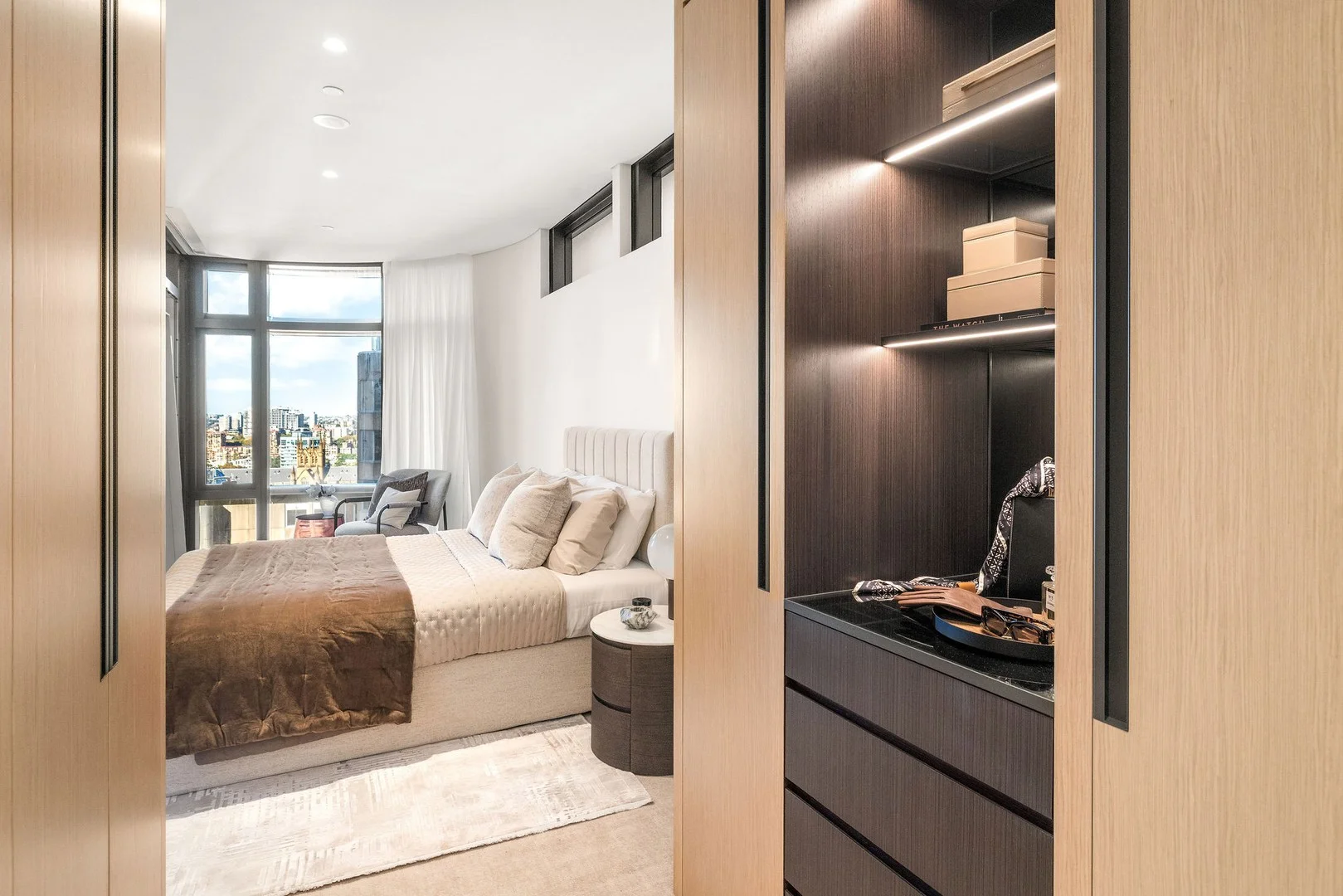 $2,745,000
propertyType.NEW APARTMENTS / OFF THE PLAN
$2,745,000
propertyType.NEW APARTMENTS / OFF THE PLAN


