1. Overview
Lindfield Learning Village is a public, co-educational P–12 school located in Lindfield, NSW. As a modern NSW Department of Education campus, it emphasises a collaborative, inquiry-based approach within a medium-sized school community. The aim is to balance strong academic foundations with creative and practical learning, delivered in a welcoming, inclusive environment.
The school fosters a nurturing atmosphere with a focus on student voice, wellbeing and digital literacy. Class sizes are designed to be manageable to support personalised learning, while maintaining opportunities for teamwork, project work and real-world application across a range of disciplines.
⸻
2. Academics & Learning
- Academic strengths: STEM and digital literacy, strong English/literacy programs, leadership opportunities and language study integrated into the curriculum.
- Special programs: Gifted and Talented (GT) provisions and accelerated learning options, combined with inquiry-based, project-focused learning and opportunities for cross-disciplinary inquiry.
- NAPLAN trends: Trends over recent years show steady improvement in literacy and numeracy, with continued focus on targeted intervention where needed; the school regularly reviews results to inform teaching.
- Student-teacher ratios: Class sizes are moderated to support individual attention, with typical ranges around 1:13–1:18 in core classes and slightly larger groups in some subjects.
- Support for diverse learners: Comprehensive support for EAL and SEN through a Learning and Support Team, targeted interventions, and inclusive practices to ensure access to the curriculum for all students.
⸻
3. Sports & Extracurricular Strengths
- Sports offered: Soccer, rugby (or rugby union), cricket, basketball, netball, athletics, swimming and tennis participate across different year levels.
- Strong teams or achievements: Active participation in district competitions and school-level representative teams; emphasis on teamwork, fitness and sportsmanship.
- Music, arts, drama programs: School bands, choirs, drama productions and regular performance opportunities; arts projects linked to curriculum.
- Clubs: Robotics, coding, chess, debating and other student-led clubs supporting STEM, critical thinking and public speaking.
- Partnerships: Collaborations with local sport and arts clubs and regional competitions to broaden opportunities and experiences for students.
Most parents skim this section, especially for boys aged 10–14, so highlights focus on breadth of options and notable participation.
⸻
4. Wellbeing & Pastoral Care
- Anti-bullying approach: Whole-school commitment with clear policies, reporting channels and restorative approaches to resolve issues and support positive relationships.
- House system: A house-based structure supports belonging, mentorship and wellbeing through events and leadership opportunities.
- Counsellors / wellbeing officers: Dedicated wellbeing staff and access to school counsellors to support students’ social-emotional health.
- Transition support for new students: Orientation programs, buddy systems and targeted transition activities to help students settle in smoothly.
This section builds trust by showing a proactive, supportive environment for every student.
⸻
5. Facilities
- Sports grounds: On-site sports facilities and fields suitable for PE and team sports.
- Libraries: Well-stocked library spaces with print and digital resources.
- Science labs: Functional science laboratories supporting practical experiments.
- Music/performing arts centers: Dedicated spaces for music, drama and performance activities.
- Tech/innovation labs: Modern learning spaces for coding, design and technology projects.
- Cafeteria: On-site canteen offering daily options.
- Updated playgrounds: Age-appropriate and safe play areas with modern equipment.
Visually appealing and easy-to-navigate spaces support a hands-on, collaborative learning environment.
⸻
6. School Values & Community Culture
- School values / mission: A focus on respect, curiosity, integrity, inclusion and responsibility; emphasis on building a positive learning culture.
- Leadership style: Distributed leadership with student voice, teacher collaboration and active parent involvement.
- Behaviour expectations: Clear, consistently applied expectations with positive behaviour supports and restorative practices.
- Community reputation: Welcoming, engaged community with strong connections between families, staff and students.
- Diversity & inclusion: Commitment to an inclusive environment that values diversity and equitable access to opportunities.
⸻
7. School Logistics & Daily Operations
- School hours: Approximately 9:00 am–3:00 pm (with variations by year level); structured breaks built into the day.
- Before/after school care: Available via external providers and school-approved programs to support working families.
- Uniform requirements: School uniform is expected; sports uniform for physical education and sports days.
- Transport (train/bus routes): Accessible by local bus routes and proximity to public transport; information on routes available via NSW Transport.
- Canteen availability: On-site canteen offering healthy meal and snack options.
- Fees (low/medium/high ranges): Public schools do not charge tuition; there are voluntary contributions and some costs for excursions, uniforms and materials, typically described as low to moderate.
⸻
8. Enrolment & Admissions
11. What is the enrolment process and timeline?
- Enrolment is handled through the NSW Department of Education. Parents submit an application through the school’s designated enrollment process, provide required documents (proof of address, immunisation status, birth certificate or visa information for non-citizens), and adhere to any school-specific timelines. Offers are made in line with capacity, catchment rules and placement needs. Timeline details vary by year level and term; contact the school for the latest guidance and deadlines.
12. Is there a waiting list, and how does it work?
- Some year levels may have wait lists if the school is oversubscribed. Places are offered to in-catchment applicants first, with waiting list processes used to fill remaining spaces as they arise. Families are kept informed of their status and expected timelines.
13. Are there any entry requirements, tests, or interviews?
- For standard enrolment, there are no entrance tests or interviews. Admission is based on eligibility (catchment status) and available places. Some programs or year-level transitions may involve orientation activities or information sessions, but formal testing is not typically required for general enrolment.
14. Does the school accept mid-year transfers?
- Mid-year transfers are possible if space is available. Transfer requests follow NSW Department of Education procedures and school capacity. Families should contact the school as early as possible to discuss availability and the required documentation.
⸻
9. Frequently Asked Questions
- Why Parents Choose This School?
- A welcoming, inclusive community with a strong focus on wellbeing, modern facilities and a balanced approach to academics, sport and the arts.
- What type of student thrives at this school?
- Curious, collaborative and resilient students who engage with both classroom learning and co-curricular opportunities; those who value teamwork and a supportive learning environment.
- What opportunities are available for students to extend their skills (academics, sports, arts)?
- A broad range of programs including STEM and literacy initiatives, leadership roles, GT/accelerated options, robotics and coding clubs, sports teams, music ensembles, drama productions and debating clubs.
- How does the school communicate with parents?
- Through regular newsletters, a parent portal, emails, and scheduled parent-teacher interviews; information is also shared during assemblies and via the school’s community channels.
- What is the school’s approach to teaching and learning?
- An emphasis on inquiry-based, project-based learning with differentiation to meet diverse needs, integrated technology use and opportunities for student voice and leadership.
- How does the school support students who need extra academic help?
- A Learning and Support Team delivers targeted interventions, EAL and SEN assistance, progress monitoring and referrals to additional supports as needed.
- What support is available for academic challenges?
- Individualised support plans, small-group interventions, access to teaching staff for regular check-ins and adjustments to learning activities.
- How does the school communicate with parents?
- See above: newsletters, parent portal, email updates and interviews.
- What are the class sizes and how much individual attention do students receive?
- Class sizes are designed to be moderate (roughly 1:13–1:18 in core classes), allowing teachers to provide targeted guidance and feedback within the learning program.
- What extracurricular and sports opportunities are available?
- A wide range of sports, performing arts and numerous clubs (robotics, coding, chess, debating) with opportunities to participate in local competitions and events.
- What facilities does the school offer (sports, science, arts)?
- Modern science labs, libraries, music/performing arts spaces, tech/innovation labs, sport facilities, a canteen and well-maintained playgrounds.
- What is the school’s approach to technology and digital learning?
- Integrated digital literacy across the curriculum, with opportunities to engage in coding, design and technology projects and responsible use of devices.
- What transport and accessibility options are available?
- Access via local bus routes and proximity to public transport; safe drop-off/pick-up zones and accessible buildings where applicable.
- What are typical school fees or additional costs?
- As a public school, there are no tuition fees. There are voluntary contributions and costs for uniforms, excursions and some materials; these are typically outlined in the school’s communications.
⸻
10. Short Pros & Cons list
Pros
- Inclusive, supportive learning environment with strong wellbeing support
- Broad range of academic and co-curricular programs (STEM, arts, sports, leadership)
- Modern facilities and flexible learning spaces
- Active student voice and opportunities for leadership
- Solid communication with families and transparent processes
Cons
- As a medium-sized public school, demand can lead to wait lists for some year levels
- Uniform and associated costs are an ongoing family expense
- Transport options depend on local routes and may require planning during peak times
⸻










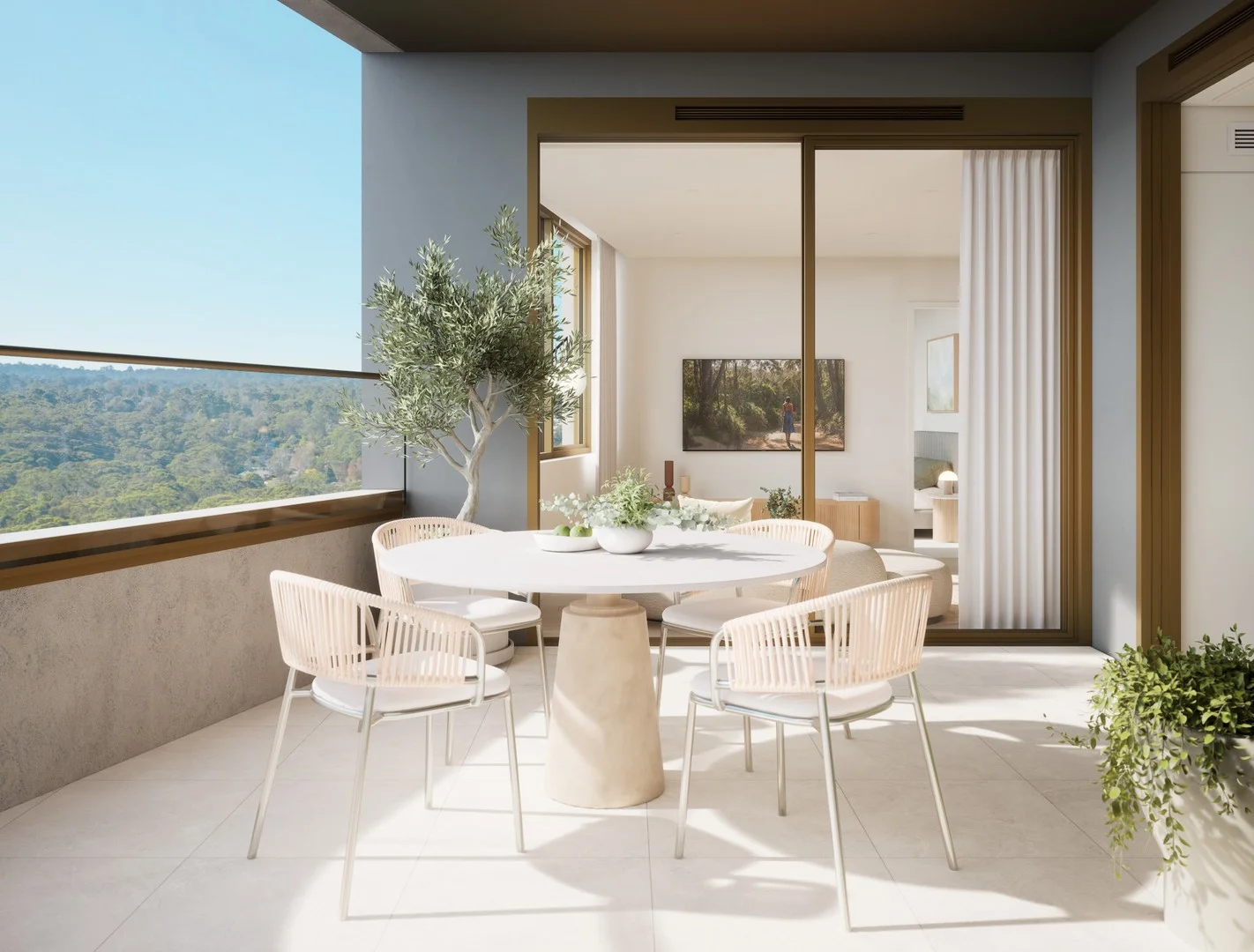 $1,525,000
Apartment / Unit / Flat
$1,525,000
Apartment / Unit / Flat
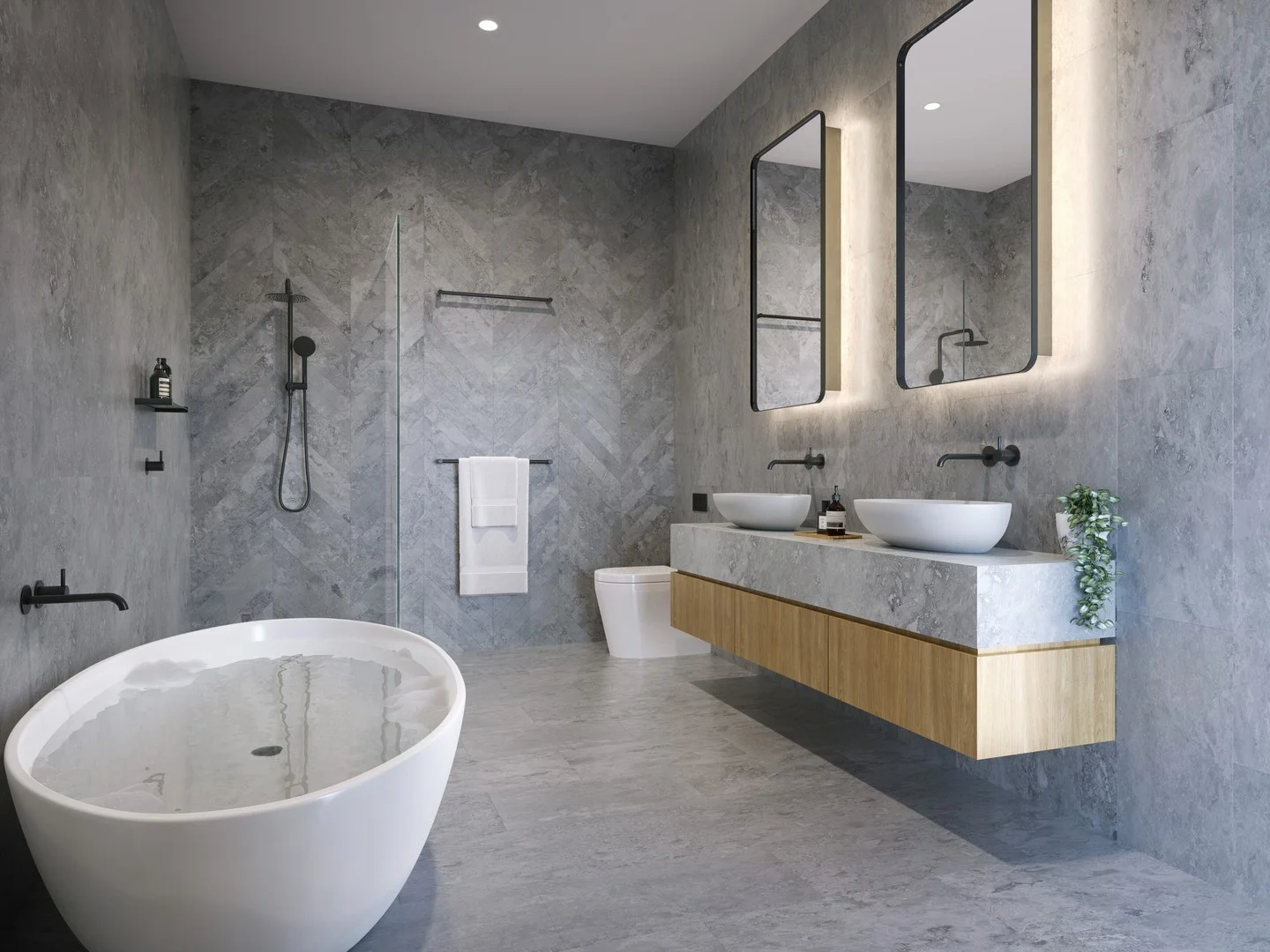 $2,824,000
Apartment / Unit / Flat
$2,824,000
Apartment / Unit / Flat
 $36,000,000 - $39,500,000
Vacant Land
$36,000,000 - $39,500,000
Vacant Land
 $26,550,000
propertyType.NEW APARTMENTS / OFF THE PLAN
$26,550,000
propertyType.NEW APARTMENTS / OFF THE PLAN
 $6,225,000
propertyType.NEW APARTMENTS / OFF THE PLAN
$6,225,000
propertyType.NEW APARTMENTS / OFF THE PLAN
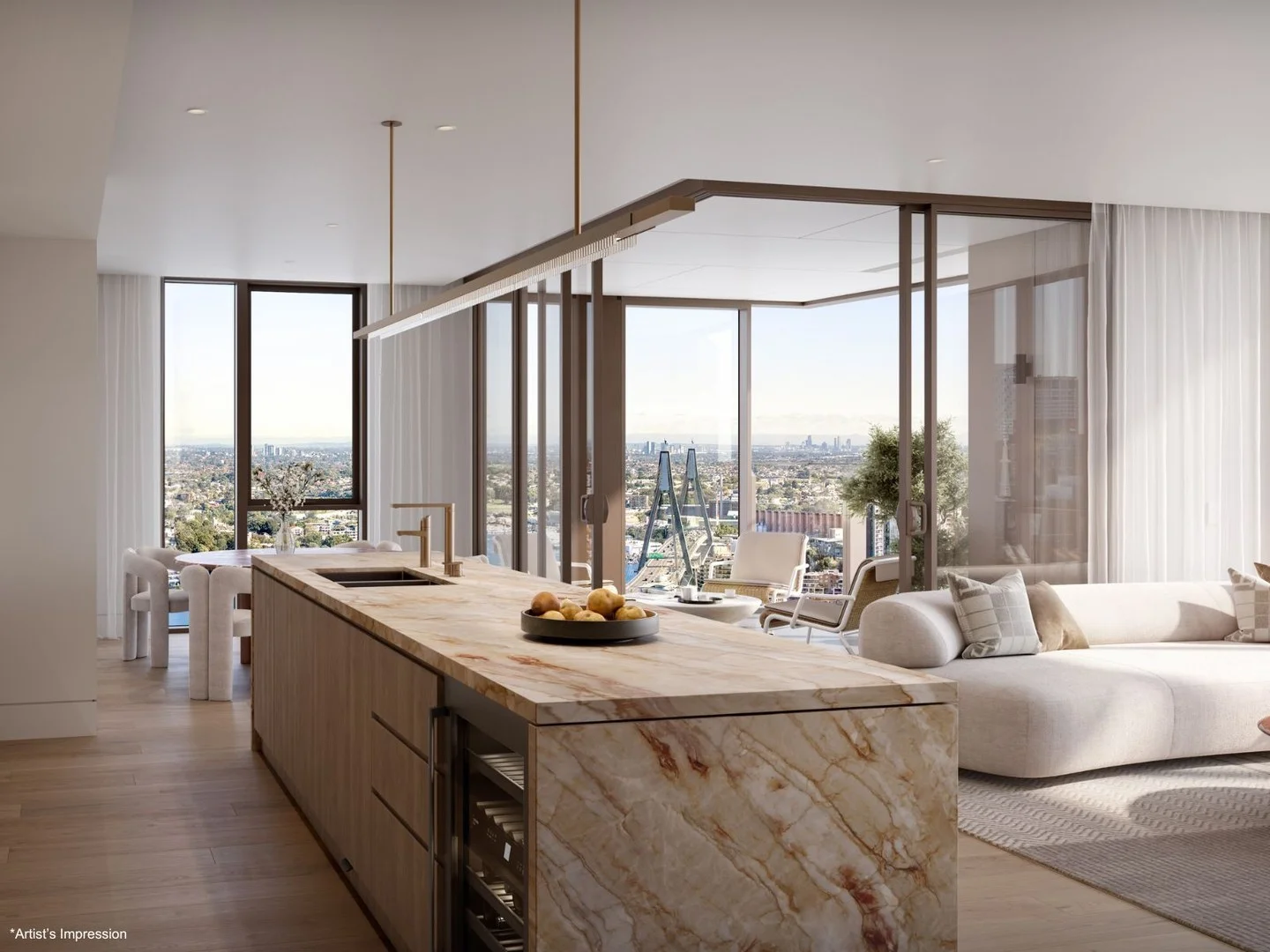 $9,020,000
propertyType.NEW APARTMENTS / OFF THE PLAN
$9,020,000
propertyType.NEW APARTMENTS / OFF THE PLAN
 $12,980,000
propertyType.NEW APARTMENTS / OFF THE PLAN
$12,980,000
propertyType.NEW APARTMENTS / OFF THE PLAN
 $8,630,000
propertyType.NEW APARTMENTS / OFF THE PLAN
$8,630,000
propertyType.NEW APARTMENTS / OFF THE PLAN
 $2,745,000
propertyType.NEW APARTMENTS / OFF THE PLAN
$2,745,000
propertyType.NEW APARTMENTS / OFF THE PLAN


