# 1. Overview
Parkmore Primary School is a public (government) primary school serving families in Forest Hill and surrounding communities. The school aims to provide a welcoming, inclusive environment where students build solid foundations in literacy, numeracy, and social growth.
- School type: Public
- School size: Medium
- Class size: Typically around 20–25 students per class
- Atmosphere/culture: Nurturing, inclusive, and community-focused with an emphasis on student well-being and achievement
These points reflect common features of district primary schools and may vary by year. For current details, please check the school’s official communications.
---
# 2. Academics & Learning
Parkmore Primary School focuses on building strong core skills while offering opportunities to explore STEM, creativity, and the arts. The approach is designed to support all learners through differentiation and engagement.
- Academic strengths: Literacy and numeracy development, integrated STEM and digital learning, emphasis on reading, writing, and critical thinking; opportunities to engage in inquiry-led learning.
- Special programs: Enrichment and extension possibilities, with access to school-based activities and potential regional or programmatic opportunities for motivated students.
- NAPLAN / trends: Generally stable progress with year-to-year variations; schools often track reading, writing, numeracy, and numeracy reasoning trends to inform teaching.
- Student-teacher ratios: Typical primary ratios around 1:18 to 1:22, varying by year level and classroom needs.
- Support for diverse learners: EAL support, learning support staff, and targeted assistance for students with additional needs; inclusive practices and accommodations where required.
Notes: Specific programs and current performance trends can change; consult the school for the latest information.
---
# 3. Sports & Extracurricular Strengths
A balanced program supports physical development, creative pursuits, and problem-solving skills through clubs and teams.
- Sports offered: A range of primary-level sports and physical activities aligned with school and local district opportunities (e.g., athletics, soccer, basketball, cricket, netball) as part of the school program and inter-school events.
- Strong teams or achievements: Participation in district and inter-school competitions; ongoing development through school sports days and tournaments.
- Music, arts, drama programs: Active involvement in music and performing arts, with opportunities for school performances and ensemble participation.
- Clubs: Robotics, coding, chess, and other STEM/creative clubs; debating and public-speaking activities may be available.
- Partnerships: Local community clubs and regional competitions may provide additional pathways for competition and collaboration.
Note: The exact roster of clubs and achievements may vary by year.
---
# 4. Wellbeing & Pastoral Care
Wellbeing is a priority, with programs and practices aimed at supporting every student’s social-emotional development.
- Anti-bullying approach: Clear anti-bullying policies and positive behavior supports that promote respect and safety.
- House system: A house or team structure may be used to encourage belonging, friendly competition, and peer support (where applicable).
- Counsellors / wellbeing officers: Access to school-based wellbeing staff or coordinators to support students’ emotional health and resilience.
- Transition support for new students: Orientation activities, buddy systems, and targeted supports to help new students settle in.
Note: Specific wellbeing structures can vary; the school can provide current details.
---
# 5. Facilities
Facilities are designed to support a broad curriculum and student life, with spaces that encourage exploration and collaboration.
- Sports grounds
- Libraries
- Science labs
- Music/performing arts centers
- Tech/innovation labs
- Cafeteria
- Updated playgrounds
Visual, student-friendly spaces help bring learning to life and support a range of activities beyond the classroom.
---
# 6. School Values & Community Culture
Parkmore Primary School aims to foster a positive, respectful, and inclusive school community.
- School values / mission: Core values typically include respect, responsibility, integrity, and teamwork; the mission centers on supporting student growth across academics, wellbeing, and community contribution.
- Leadership style: Collaborative and student-centered, with opportunities for student voice and leadership in appropriate activities.
- Behaviour expectations: Clear expectations around conduct, courtesy, effort, and engagement; consistent, fair application of rules.
- Community reputation: Built on a reputation for friendliness, support for families, and a stable learning environment.
- Diversity & inclusion: Commitment to welcoming students from diverse backgrounds and ensuring accessible learning for all.
Note: Specific phrasing and programs can vary; verify with current school communications.
---
# 7. School Logistics & Daily Operations
Practical details help families plan around school life.
- School hours: Typical primary school day (e.g., start mid-morning to mid-afternoon with a lunch break); exact times may vary by year.
- Before/after school care: Availability of before/after care through in-school or partner programs.
- Uniform requirements: School uniform policy (and any seasonal or activity-specific adjustments); details available from the school.
- Transport (train/bus routes): Local public transport options and school-supported drop-off/pick-up arrangements; check nearby bus/train routes and planning guidance.
- Canteen availability: On-site canteen or lunch providers offering healthy meal options.
- Fees (low/medium/high ranges): Public schools generally have low to modest voluntary contributions and item fees for excursions or specific programs; exact amounts vary by year and activities.
If you need precise times, transport routes, or cost details, please contact the school directly.
---
# 8. Enrolment & Admissions
11. What is the enrolment process and timeline?
- Start with the official enrolment process for Victorian government primary schools, typically involving online or paper applications, proof of eligibility (residency within catchment, age), and required documents. Open days or information sessions are often held prior to the start of the school year. The timeline usually spans information sessions, application deadlines, offer of places, and orientation activities before the school year begins.
12. Is there a waiting list, and how does it work?
- If enrolment capacity is reached in-catchment, there may be a waiting list. Priority is generally given to in-catchment applicants. Out-of-catchment enrolments may be possible if space becomes available, subject to the school's policies and Department of Education guidelines.
13. Are there any entry requirements, tests, or interviews?
- Primary enroлment typically does not involve entrance exams. Some assessments or meetings may occur for students requiring additional support (e.g., EAL, SEN) or for placement in particular extension programs. Interviews are not standard for routine enrolments.
14. Does the school accept mid-year transfers?
- Mid-year transfers may be possible if there is available capacity, with documentation and a smooth transition plan (including an active intake period and alignment with the school’s timetable). Transfer approvals are subject to space and the school’s admission policies.
Note: For the most accurate enrolment steps, timelines, and requirements, contact the school’s enrollment office or your local Department of Education office.
---
# 9. Frequently Ask Questions
- Why Parents Choose This School?
- A welcoming community, supportive staff, strong focus on wellbeing and core academic skills, and a balanced program that includes arts, sports, and technology.
- What type of student thrives at this school?
- Students who benefit from a collaborative learning environment, value a sense of belonging, and enjoy opportunities across academics, arts, and sport.
- What opportunities are available for students to extend their skills (academics, sports, arts)?
- Enrichment activities, clubs (e.g., robotics, coding, chess), sports programs, performing arts, and opportunities to participate in district events and competitions.
- How does the school communicate with parents?
- Regular newsletters, emails, SMS updates, a parent portal when available, and scheduled parent-teacher conferences; information is shared to keep families informed about learning and events.
- What is the school’s approach to teaching and learning?
- A balanced curriculum focusing on literacy, numeracy, and inquiry-based learning with opportunities for differentiation to meet diverse needs.
- How does the school support students who need extra academic help?
- Targeted support through Learning Support staff, EAL assistance, and classroom differentiation; small-group or targeted interventions as needed.
- What support is available for academic challenges?
- Early identification, tailored interventions, and collaboration with parents to implement supports and monitor progress.
- How does the school communicate with parents? (duplicate)
- See above; multiple channels are used to share progress, events, and important information.
- What are the class sizes and how much individual attention do students receive?
- Class sizes typically around 20–25 students with opportunities for targeted instruction and small-group support within the classroom.
- What extracurricular and sports opportunities are available?
- A range of sports, arts, and club activities (robotics, coding, chess, debating) aligned with the school’s program and district opportunities.
- What facilities does the school offer (sports, science, arts)?
- Sports grounds, libraries, science labs, music/performing arts spaces, tech/innovation labs, cafeteria, and updated playgrounds.
- What is the school’s approach to technology and digital learning?
- Integration of ICT across the curriculum, computer devices and resources, and digital literacy to prepare students for a technology-enabled world.
- What transport and accessibility options are available?
- Local transport options (bus/train) and school-supported arrangements; details on routes and accessibility can be provided by the school.
- What are the typical school fees or additional costs?
- As a public school, compulsory fees are typically low; there may be optional or activity-specific costs for excursions, special programs, or materials.
---
# 10. Short Pros & Cons list
- Pros
- Public, supportive community with a focus on wellbeing and core academic growth.
- Medium-sized, manageable class environments conducive to personalized attention.
- Access to diverse programs including sports, arts, and STEM-related activities.
- Emphasis on inclusion and support for diverse learners.
- Family-facing communication channels and strong school community.
- Cons
- Specific programs, facilities, and resources may vary year to year.
- Out-of-catchment enrolments may have limited space and longer wait times.
- Detailed timetable, transport options, and costs should be confirmed with the school for the current year.
If you’d like, I can tailor these sections with the latest details from Parkmore Primary School’s official communications or help you format this content for a specific page on aroundschools.com.au.
 $22+
$22+







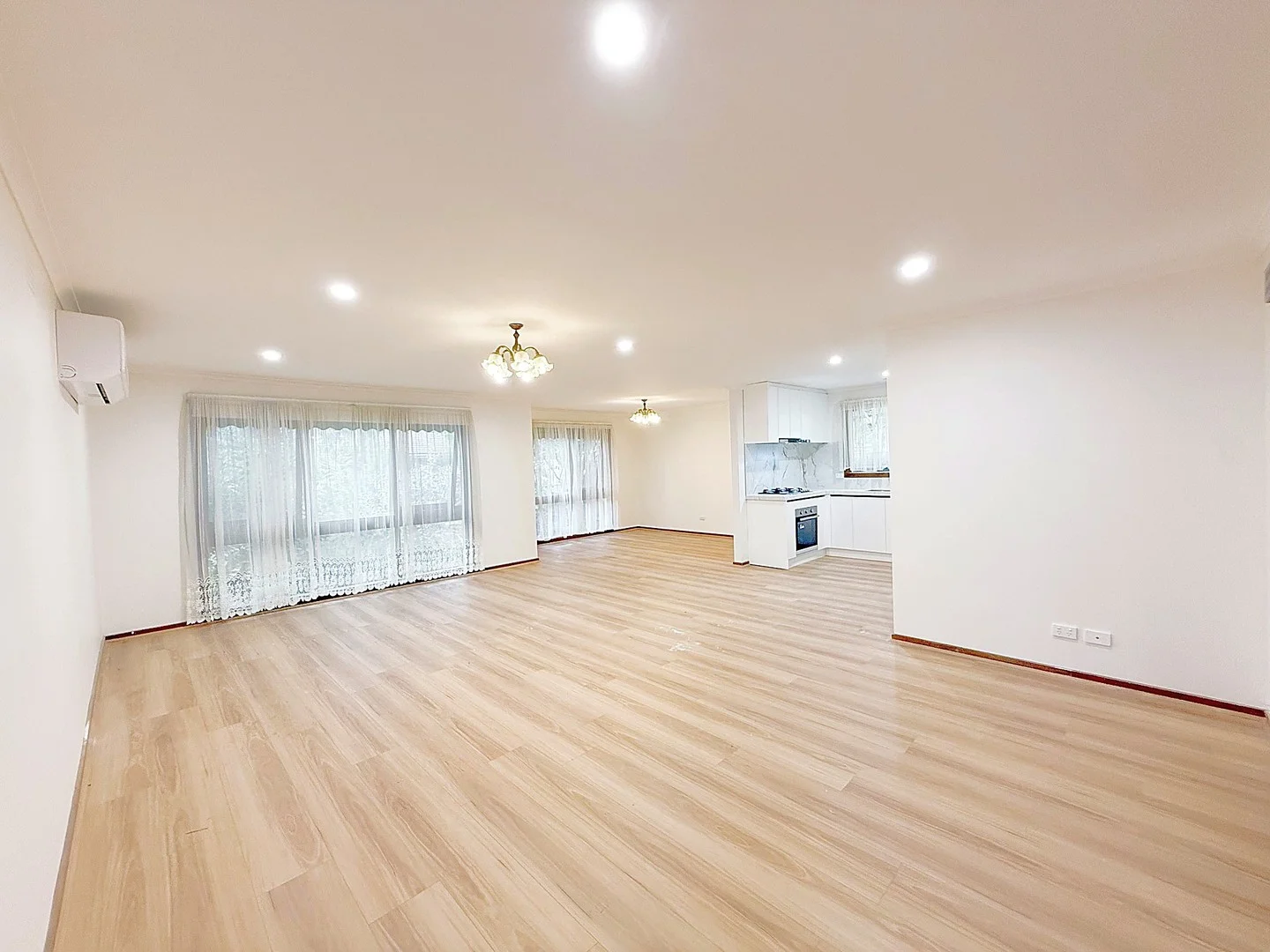 $1,100
House
$1,100
House
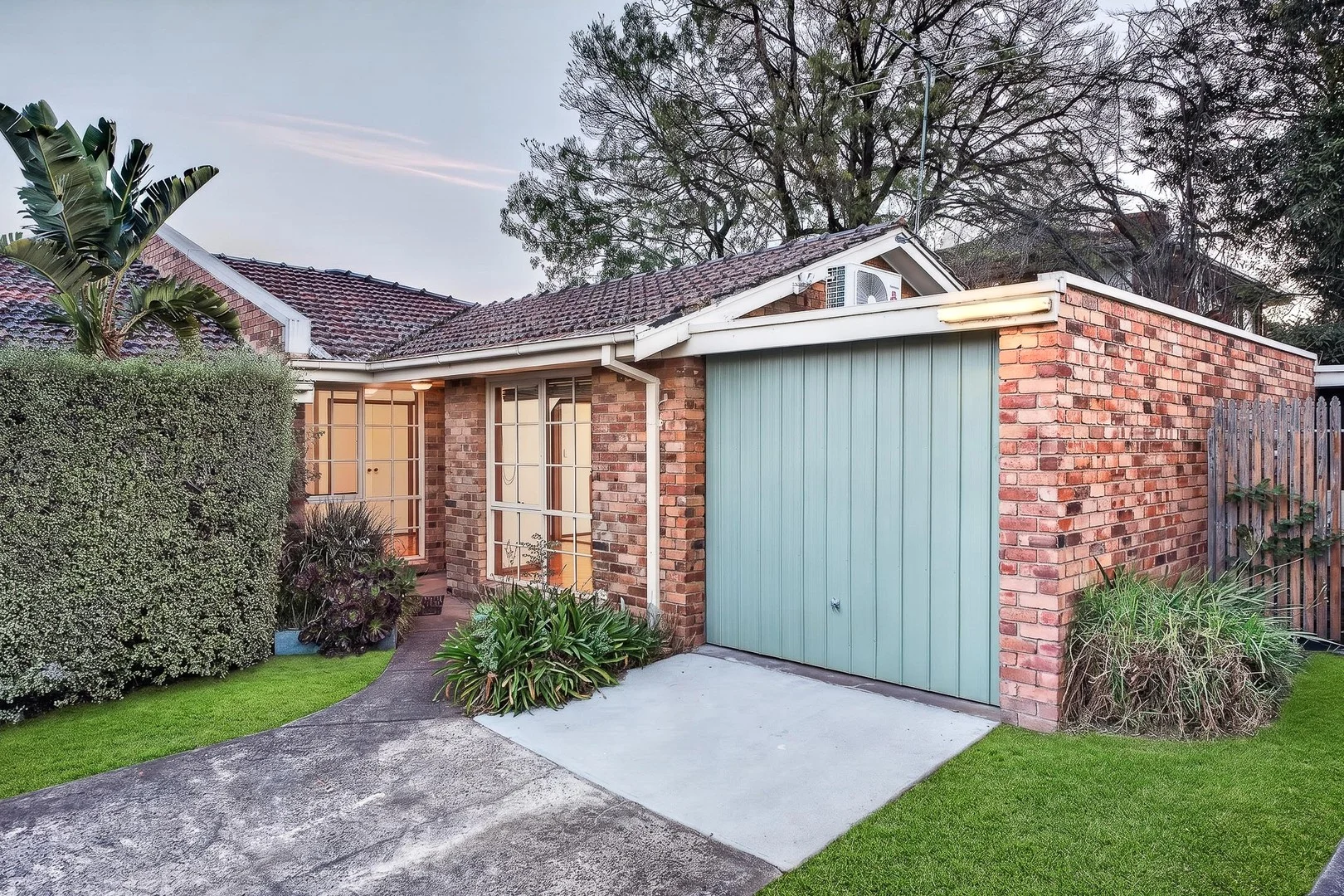 $765,000 - $825,000
Apartment / Unit / Flat
$765,000 - $825,000
Apartment / Unit / Flat
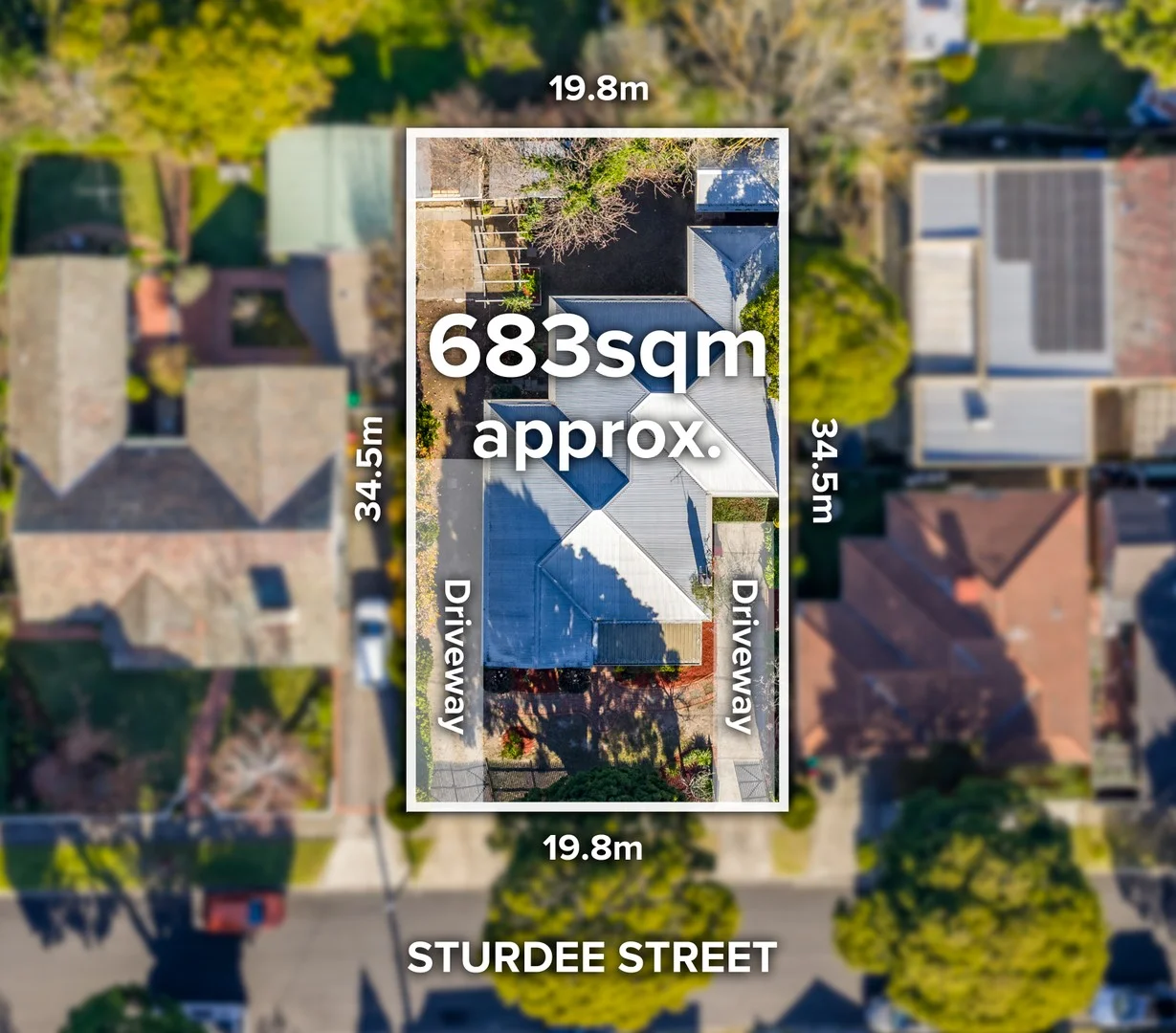 $2,000,000
House
$2,000,000
House
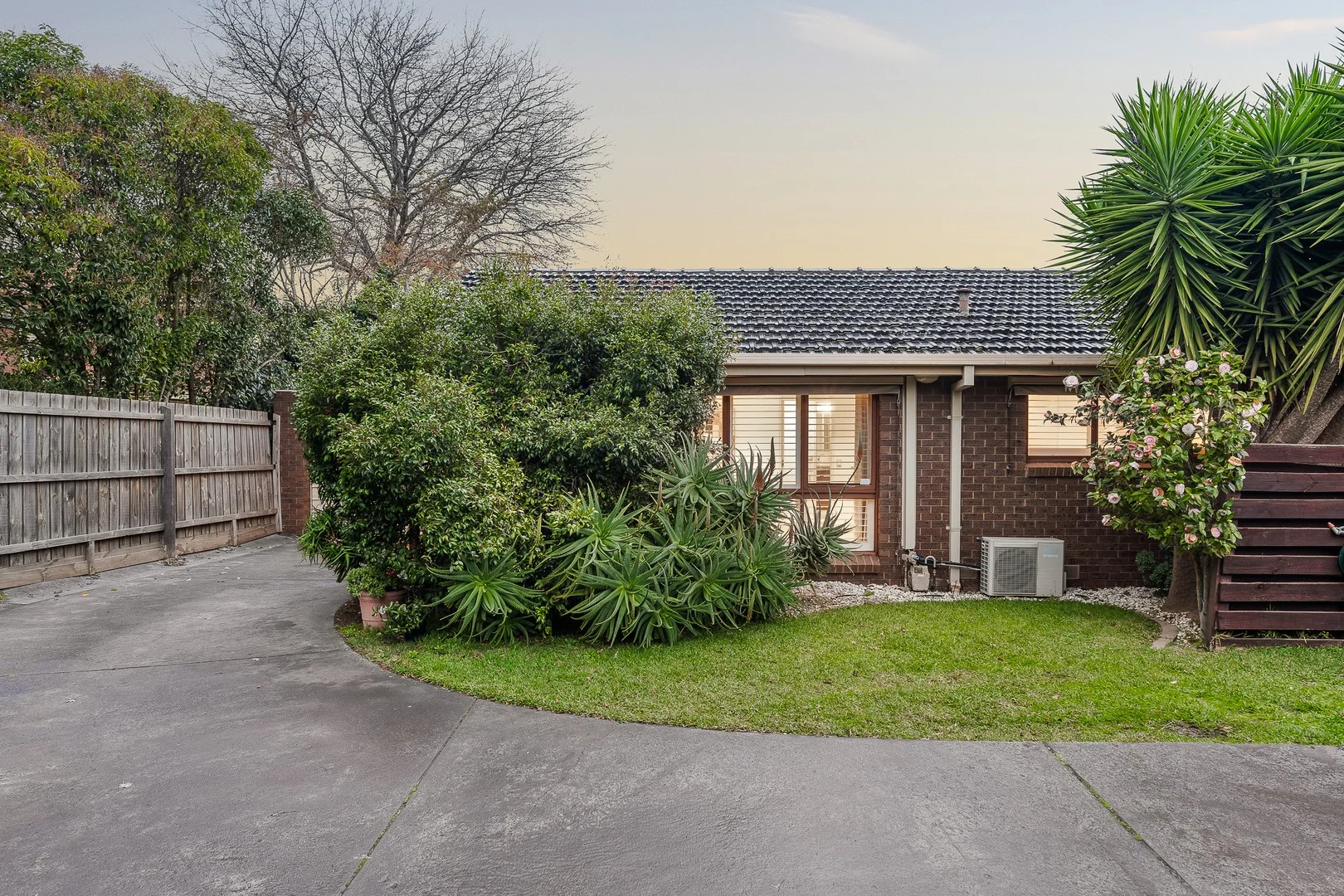 $770,000 - $820,000
Apartment / Unit / Flat
$770,000 - $820,000
Apartment / Unit / Flat
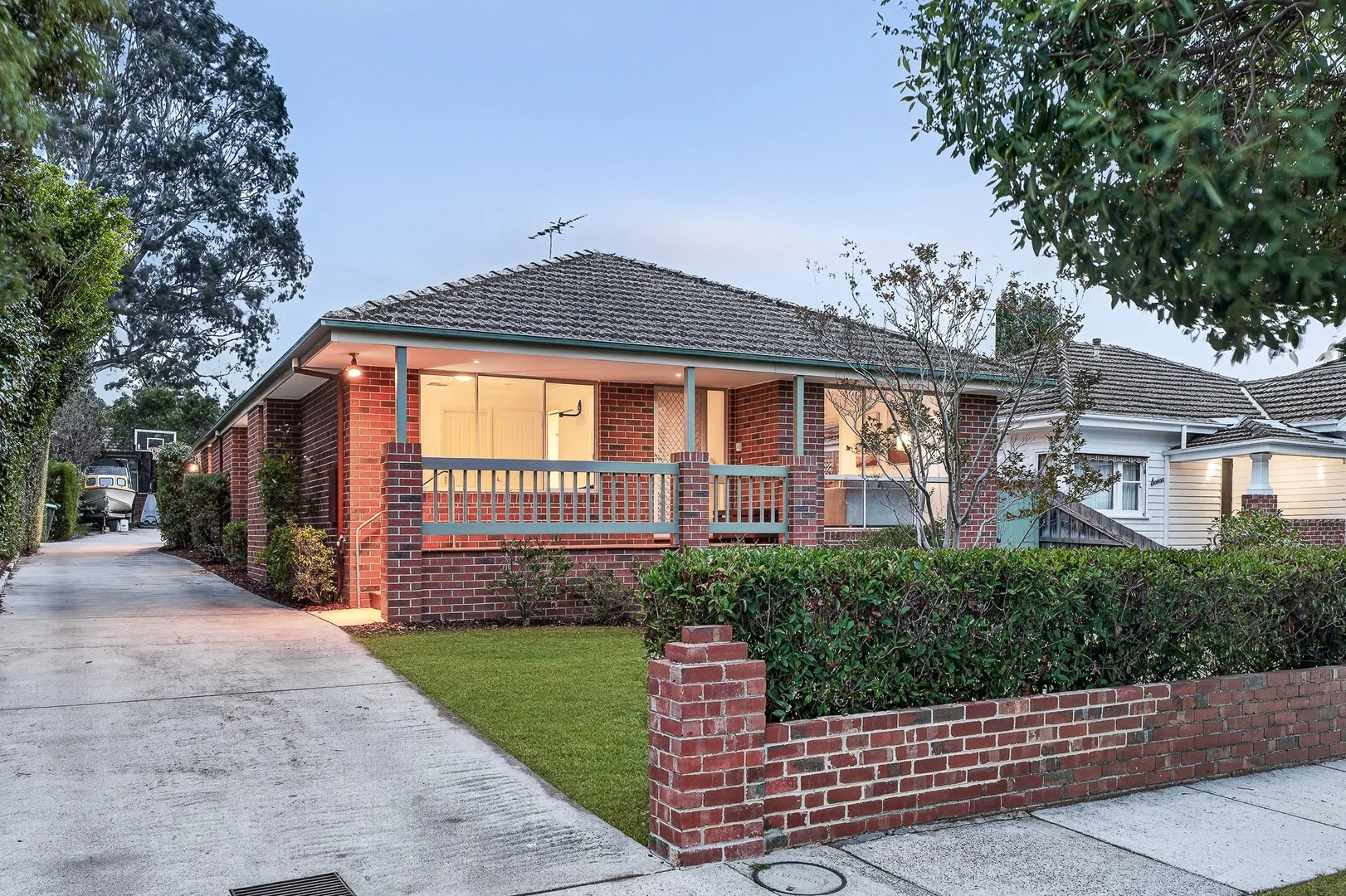 $1,200,000 - $1,300,000
House
$1,200,000 - $1,300,000
House
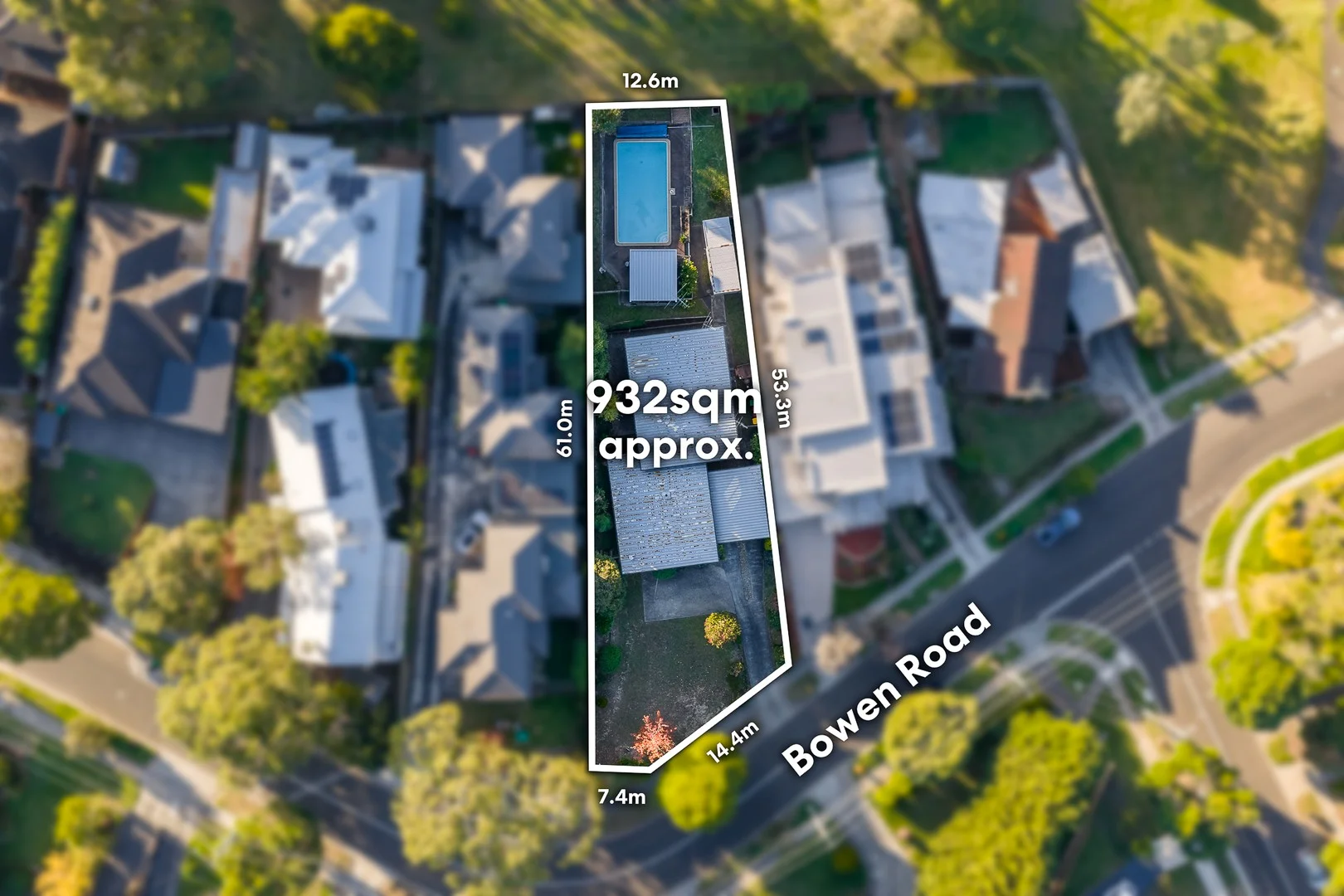 $1,300,000 - $1,400,000
House
$1,300,000 - $1,400,000
House
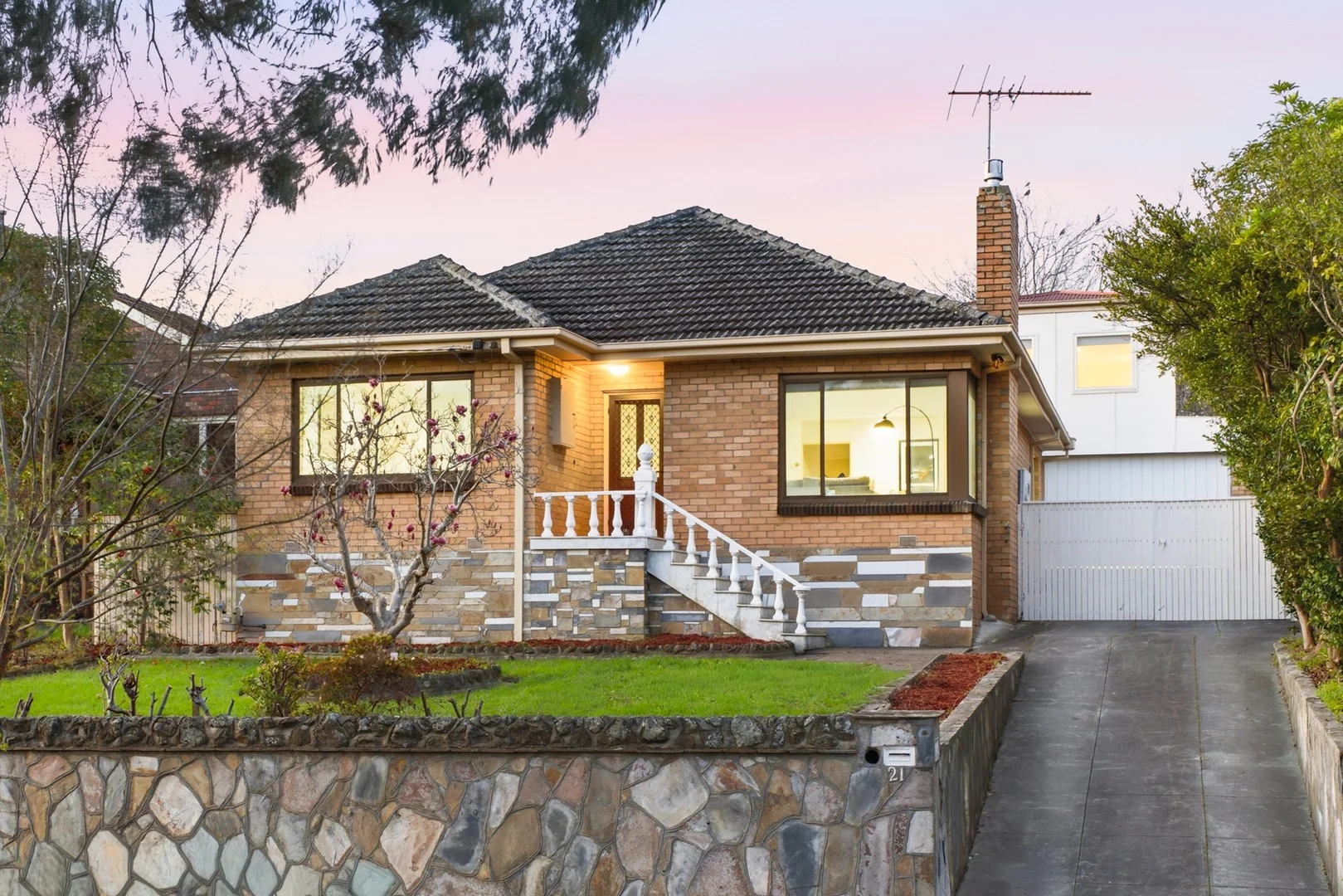 $1,200,000
House
$1,200,000
House
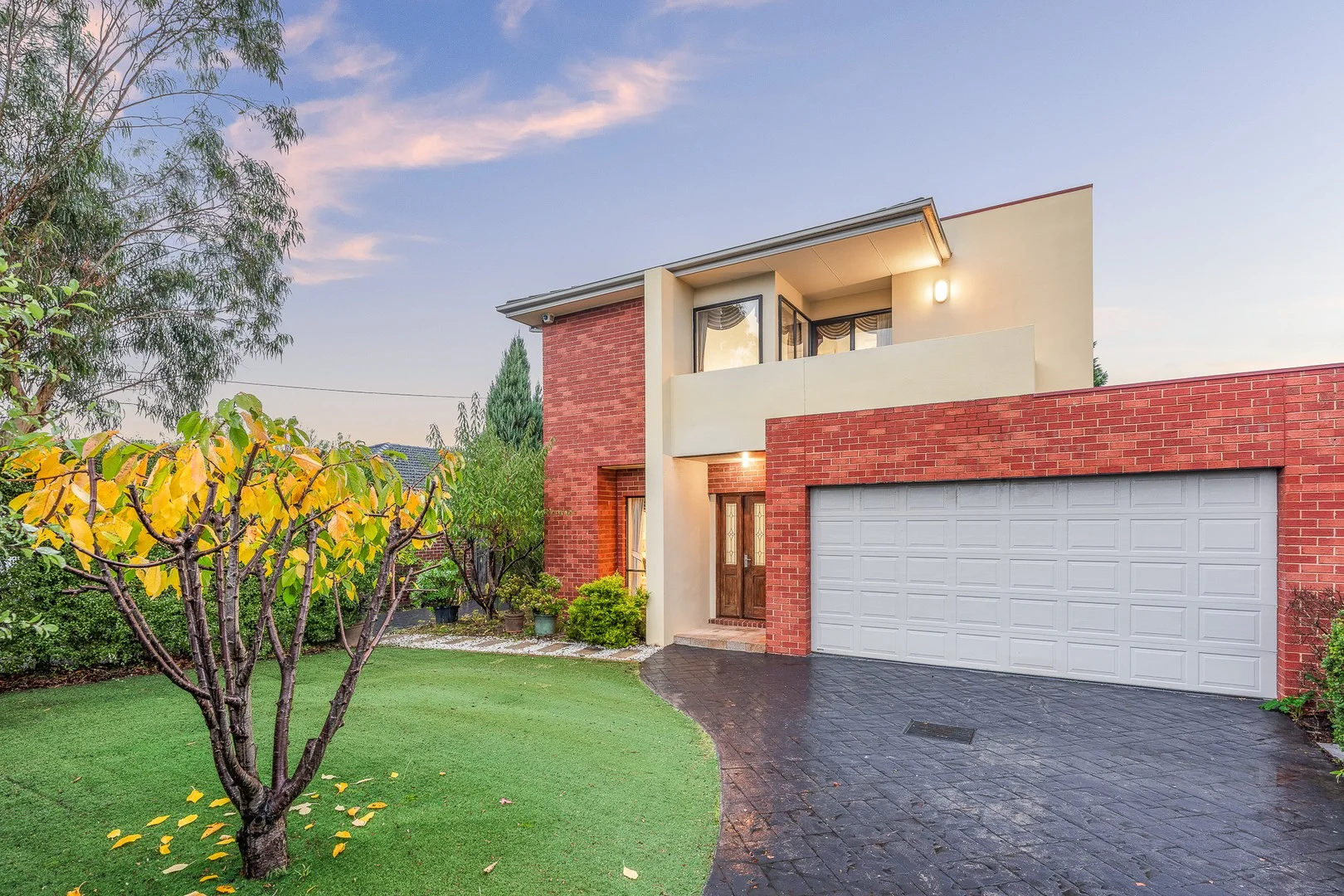
 $1,300,000
House
$1,300,000
House
 $1,150,000 - $1,250,000
Townhouse
$1,150,000 - $1,250,000
Townhouse


