## 1. Overview
Pembroke School is an independent day school with an Anglican ethos, offering a broad education from early years to senior secondary. The school emphasises a balanced approach that combines strong academic programs with opportunities in the arts, sports, and community involvement.
With a medium-sized campus, the school aims to provide a supportive, inclusive atmosphere where students are encouraged to engage actively in learning, leadership, and service. Class sizes and teaching approaches focus on individual growth, curiosity, and collaborative learning.
---
## 2. Academics & Learning
- Academic strengths: The curriculum emphasizes a solid foundation across STEM, English, humanities, and languages, with opportunities for leadership development and critical thinking.
- Special programs: Enrichment and extension options, pathways to senior secondary qualifications, and access to accelerated or advanced coursework where available.
- NAPLAN / trends: Consistent progress over recent years, with focus on improving reading, writing, and numeracy outcomes and well-rounded attainment across year levels.
- Student-teacher ratios: Generally favorable ratios that support more personalized instruction and teacher attention.
- Support for diverse learners: Access to EAL support, learning support for students with SEN, and targeted interventions to help all students engage with the curriculum.
---
## 3. Sports & Extracurricular Strengths
- Sports offered: A broad range of team and individual sports, including (where available) basketball, netball, soccer, cricket, tennis, athletics, swimming, and more.
- Strong teams or achievements: Competitive sport programs with opportunities to participate in local and regional competitions.
- Music, arts, drama: Robust performing arts offerings, including ensembles, choir, theatre productions, and opportunities to perform.
- Clubs: Robotics, chess, coding, debating, and other enrichment clubs available to extend learning beyond the classroom.
- Partnerships: Connections with local clubs, academies, and competitions to broaden experiences and showcase student talents.
---
## 4. Wellbeing & Pastoral Care
- Anti-bullying approach: Proactive policies and programs, with restorative practices and clear reporting pathways to create a safe school culture.
- House system: A house structure that promotes belonging, teamwork, and friendly competition through events and activities.
- Counsellors / wellbeing officers: Access to school-based wellbeing staff and advisory support to assist students with social, emotional, and academic needs.
- Transition support: Orientation programs, buddy systems, and targeted support to help new students settle smoothly.
---
## 5. Facilities
- Sports grounds: On-campus facilities supporting a range of physical education and extracurricular activities.
- Libraries: Well-equipped libraries supporting learning, research, and digital literacy.
- Science labs: Modern laboratories for hands-on experiments and inquiry-based learning.
- Music/performing arts centers: Dedicated spaces for music, drama, and related performances.
- Tech/innovation labs: Modern classrooms and labs that support coding, robotics, and design thinking.
- Cafeteria: On-site dining options that provide healthy meals and snacks.
- Updated playgrounds: Safe, age-appropriate outdoor spaces for play and recreation.
---
## 6. School Values & Community Culture
- School values / mission: A focus on respect, integrity, courage, and compassion, guiding everyday learning and interactions.
- Leadership style: A collaborative approach that encourages student voice and leadership opportunities.
- Behaviour expectations: Clear behavioural standards with consistent expectations for students and staff.
- Community reputation: Positive standing within the local community, with emphasis on inclusivity and service.
- Diversity & inclusion: Programs and practices that promote diversity, belonging, and respectful engagement among students.
---
## 7. School Logistics & Daily Operations
- School hours: School day runs during standard daytime hours with structured timetables.
- Before/after school care: Availability of supervision or care programs outside core hours.
- Uniform requirements: Uniforms required, with year-level specifics and purchasing details provided by the school.
- Transport (routes): Access to local transport options and information about school pickup/drop-off arrangements or bus services.
- Canteen availability: On-site canteen or cafeteria offering meals and snacks.
- Fees: Fees typically align with the range seen in independent schools, with detailed breakdown by year level and program.
---
## 8. Enrolment & Admissions
11. What is the enrolment process and timeline?
- Submit a completed application with required documents (academic reports, references, and any specified forms).
- Attend any required interview or information session.
- Complete any assessments as part of the intake process.
- Receive an offer if space and qualifications align, with a timeline guiding expected response and enrollment steps.
12. Is there a waiting list, and how does it work?
- Waiting lists are common when spaces are limited. Applications are prioritized as spaces become available, with timing depending on year level and applicant pool.
13. Are there any entry requirements, tests, or interviews?
- Entrance processes commonly include academic and wellbeing considerations, interviews, and sometimes literacy/numeracy checks or placement discussions to ensure a good fit.
14. Does the school accept mid-year transfers?
- Mid-year transfers are sometimes possible depending on space, alignment with curriculum, and completion of required admissions steps.
---
## 9. Frequently Asked Questions
- Why Parents Choose This School?
- A strong sense of community, supportive pastoral care, and a balanced emphasis on academics, arts, and sport.
- What type of student thrives at this school?
- Curious, engaged, collaborative students who value learning, leadership, and service.
- What opportunities are available for students to extend their skills (academics, sports, arts)?
- Enrichment programs, leadership opportunities, clubs, advanced coursework, and a broad performing arts and sports offering.
- How does the school communicate with parents?
- Regular newsletters, email updates, a student/family portal, and open events or information evenings.
- What is the school’s approach to teaching and learning?
- Student-centered, inquiry-based learning with differentiation to meet diverse needs.
- How does the school support students who need extra academic help?
- In-school learning support, targeted interventions, tutoring, and individualized plans.
- What support is available for academic challenges?
- Access to teachers, counsellors, and specialists to identify needs and provide timely assistance.
- How does the school communicate with parents?
- See above: multiple channels including digital portals and regular updates.
- What are the class sizes and how much individual attention do students receive?
- Class sizes are designed to be small to medium, allowing teachers to provide more individual attention and timely feedback.
- What extracurricular and sports opportunities are available?
- A wide range of sports, arts, music, clubs, and competitions to suit diverse interests.
- What facilities does the school offer (sports, science, arts)?
- Modern science labs, performing arts spaces, libraries, tech/innovation labs, and well-equipped sports facilities.
- What is the school’s approach to technology and digital learning?
- Integrated technology in learning with appropriate devices and platforms to support digital literacy and research.
- What transport and accessibility options are available?
- Local transport options and school-specific arrangements to support convenient access and accessibility.
- What are the typical school fees or additional costs?
- Fees reflect the independent schooling sector and are published by year level; additional costs may apply for trips, activities, and materials.
---
## 10. Short Pros & Cons list
- Pros
- Strong sense of community and pastoral care
- Balanced focus on academics, arts, and sport
- Supportive staff with opportunities for leadership and personal growth
- Modern facilities and diverse extracurricular options
- Inclusive culture with attention to wellbeing and student engagement
- Cons
- Fees are higher than government/public options
- Competitive environment may not suit every student
- Transport logistics can vary with location and may require planning
- Admissions processes can be selective and depend on space availability
If you’d like, I can tailor these sections with exact data and quotes from Pembroke School’s current materials. Let me know what specific details you have (or want me to incorporate), and I’ll adjust the content accordingly.
 Free
Free









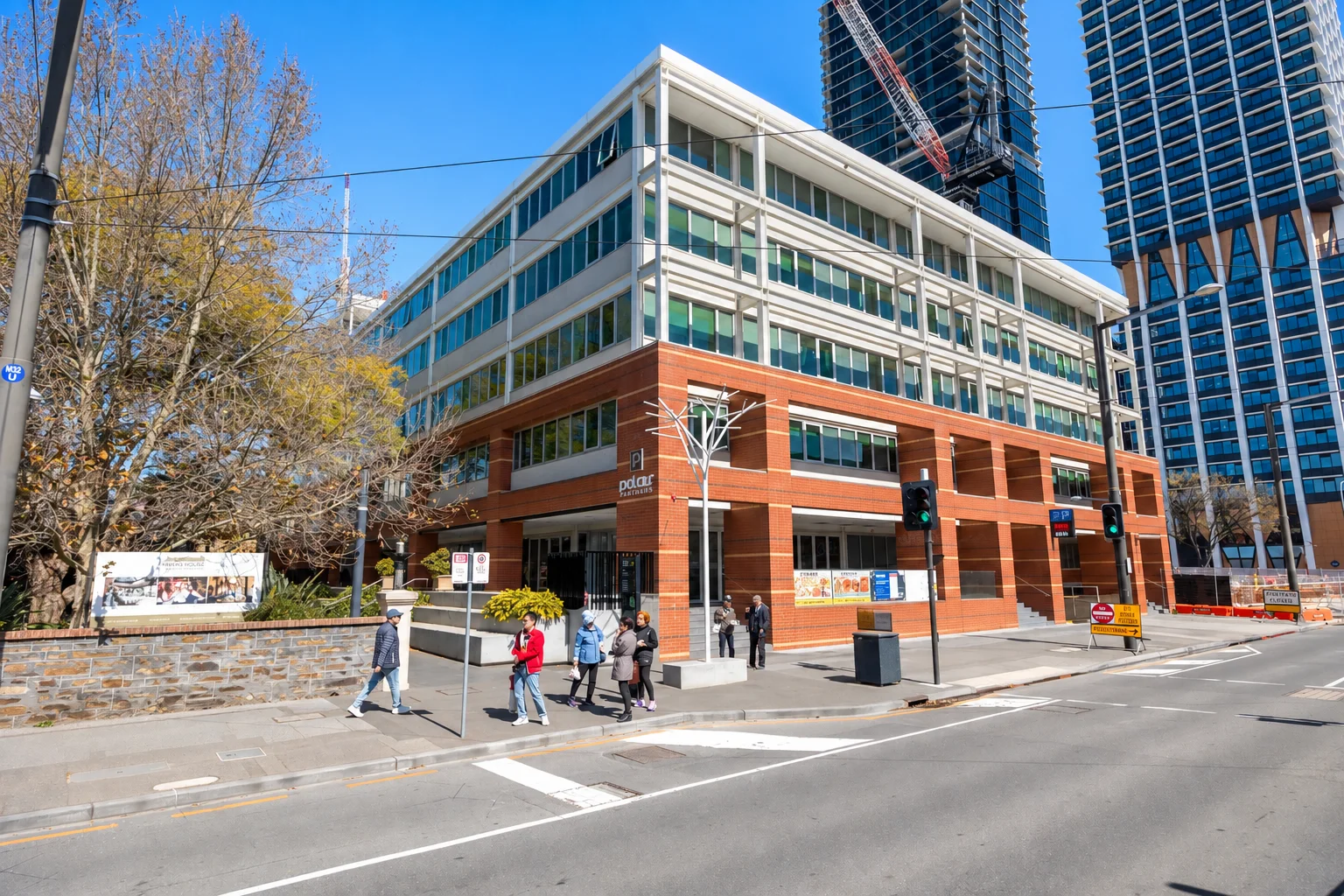 $545,000
Apartment / Unit / Flat
$545,000
Apartment / Unit / Flat
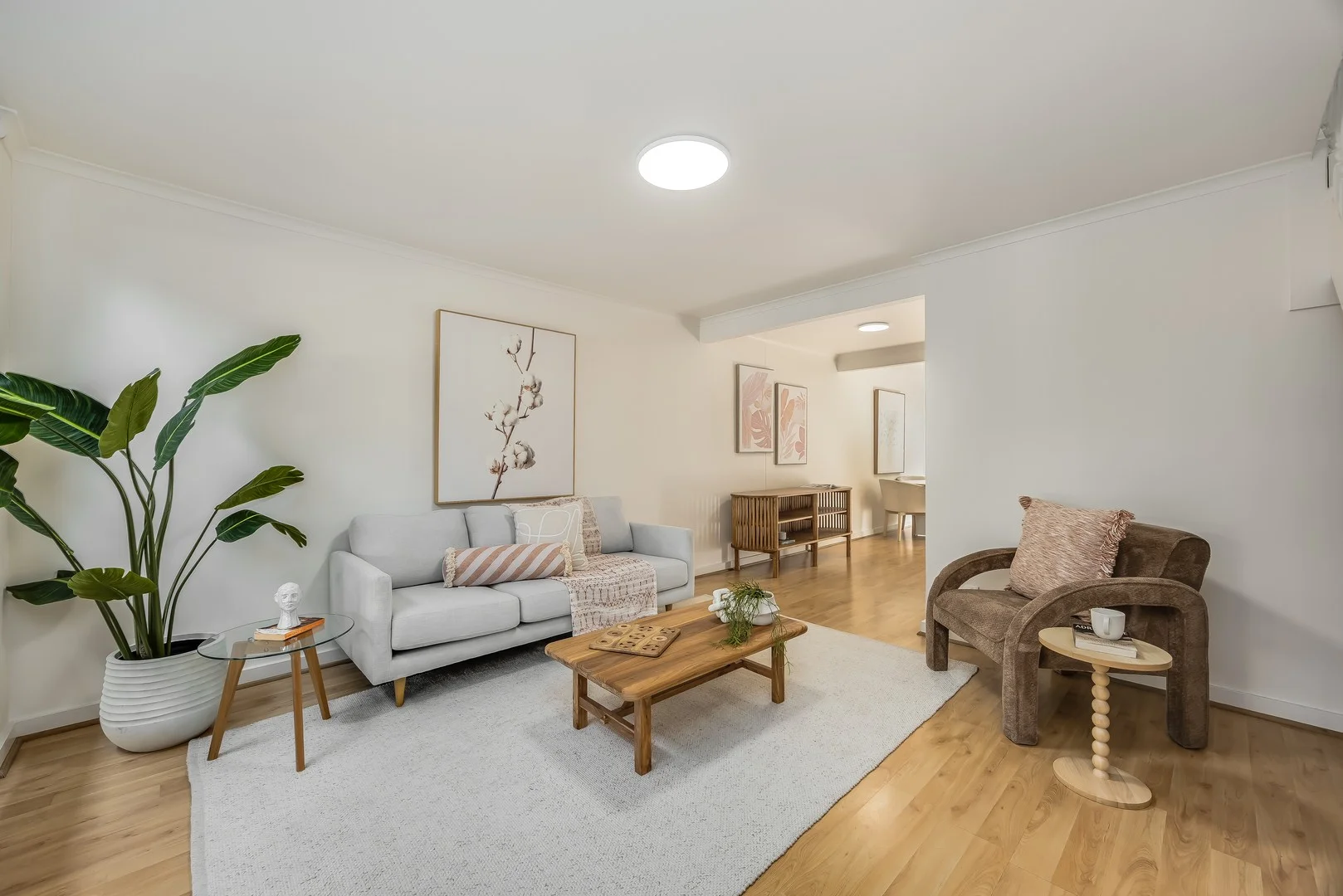 $775,000
House
$775,000
House
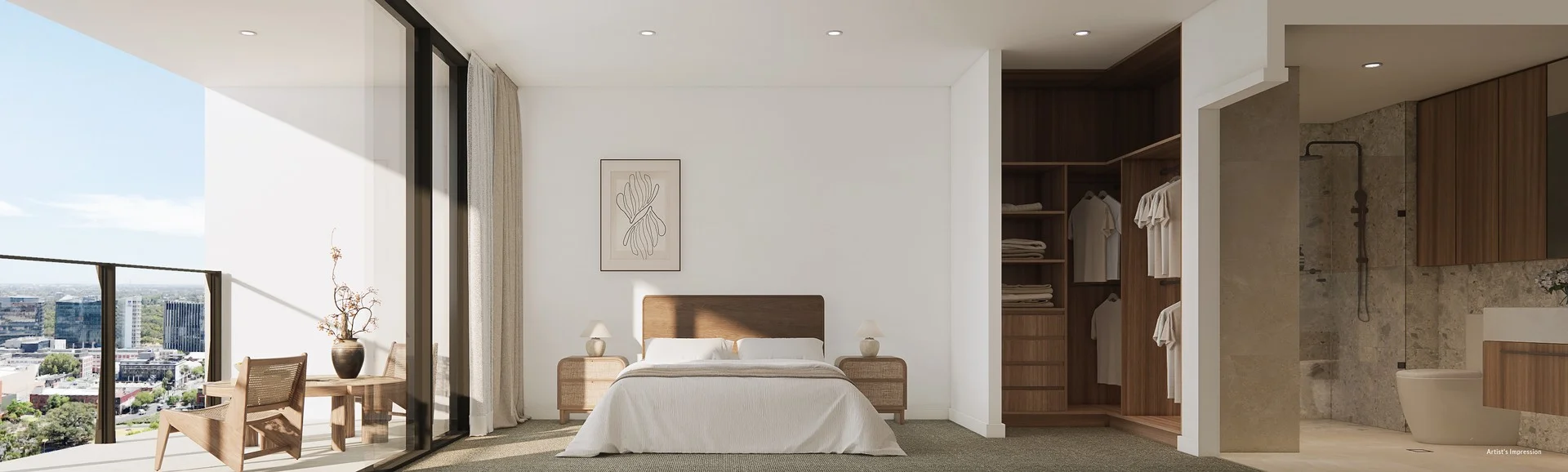 $1,056,000
Apartment / Unit / Flat
$1,056,000
Apartment / Unit / Flat
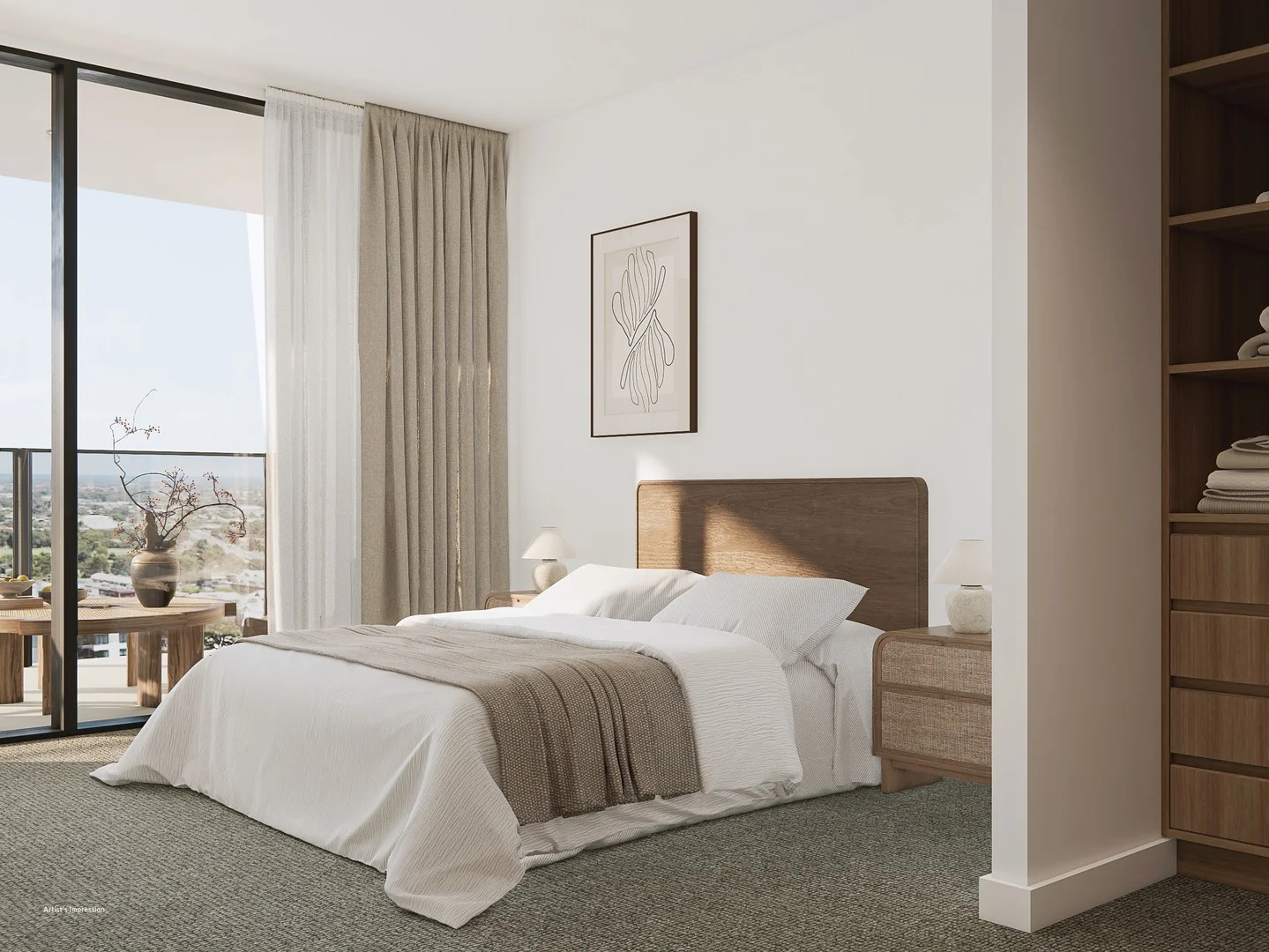 $935,000
Apartment / Unit / Flat
$935,000
Apartment / Unit / Flat
 $588,000
Apartment / Unit / Flat
$588,000
Apartment / Unit / Flat
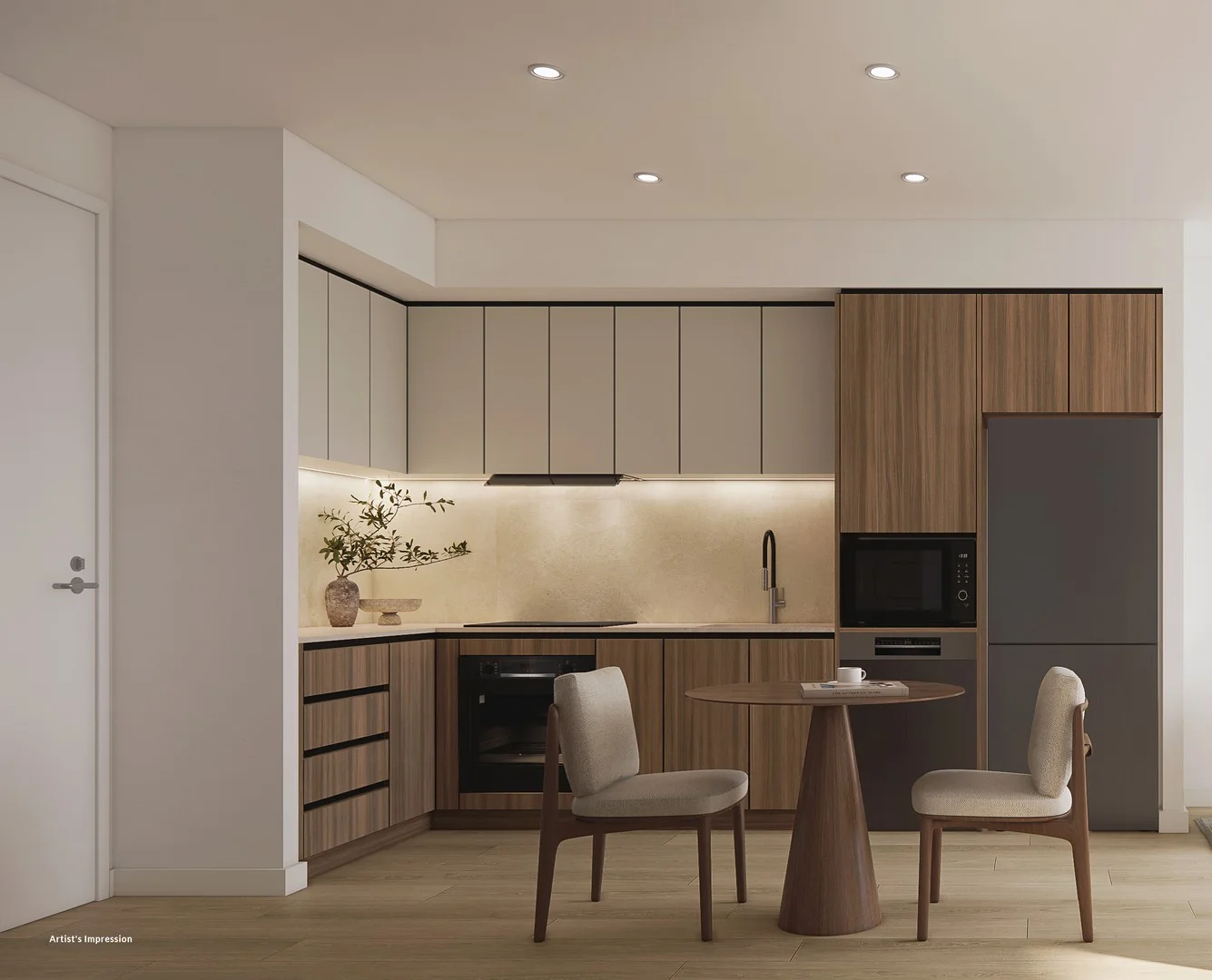 $557,000
Apartment / Unit / Flat
$557,000
Apartment / Unit / Flat
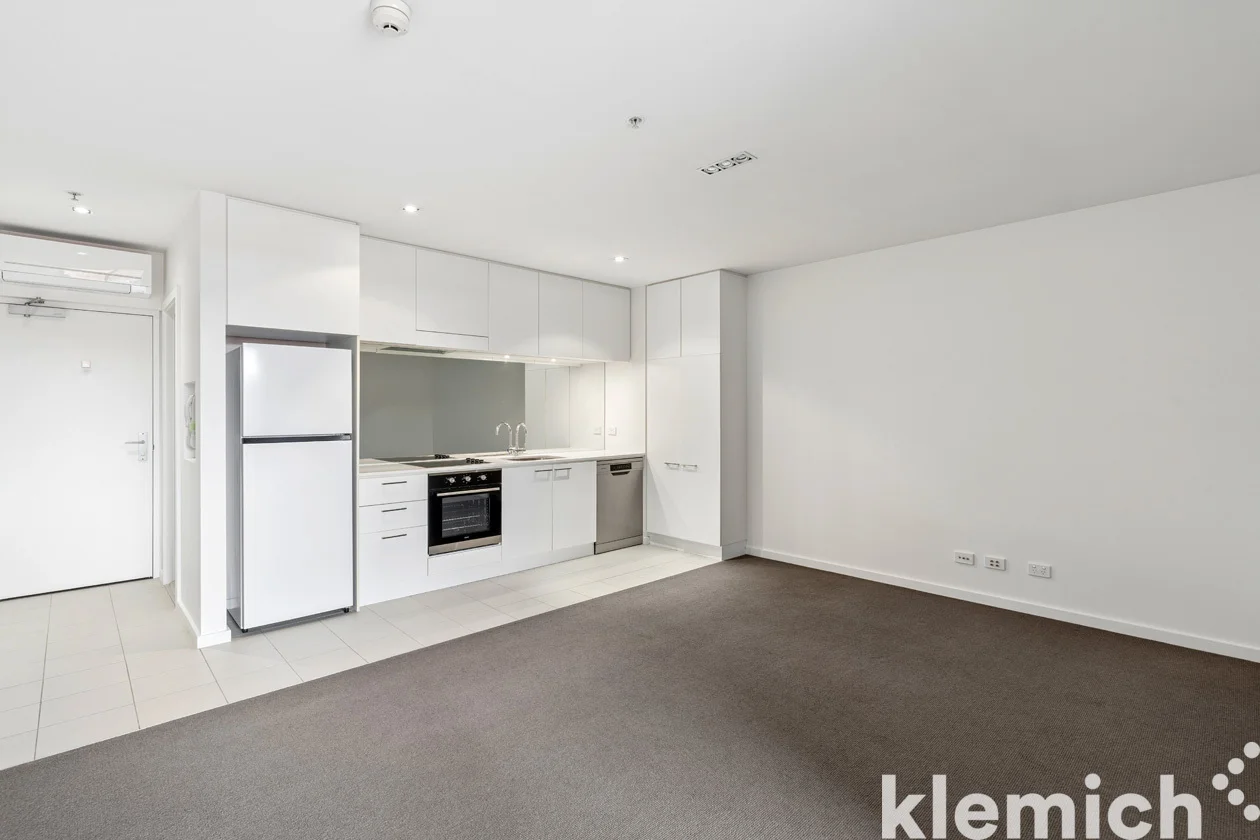 $440,000
Apartment / Unit / Flat
$440,000
Apartment / Unit / Flat
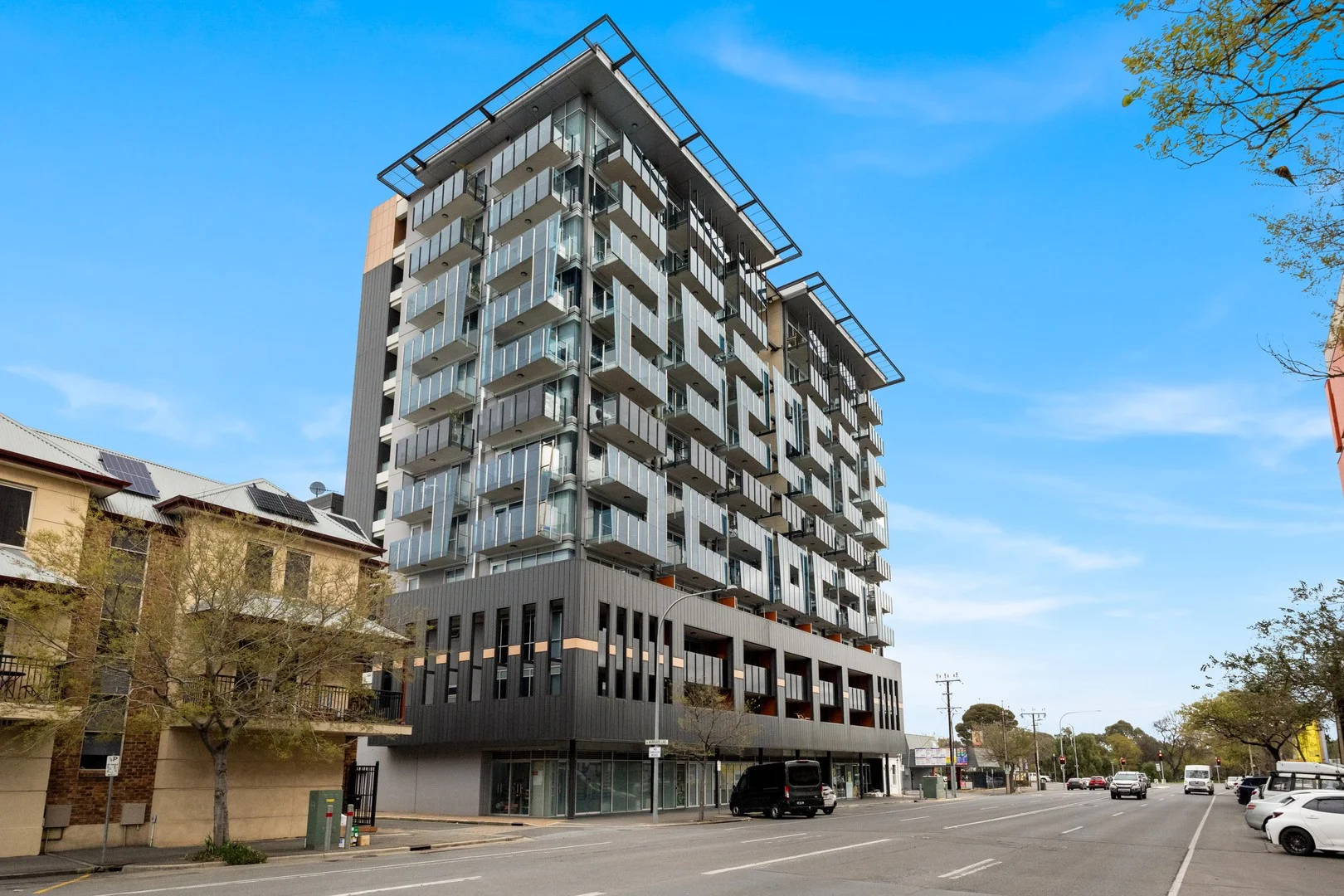 $1,100,000
Apartment / Unit / Flat
$1,100,000
Apartment / Unit / Flat